
Strumigenys epipola
- Sci. Name
- Strumigenys epipola
- Tribe
- Attini
- Subfamily
- Myrmicinae
- Author
- Bolton, 2000
- Distribution
- Found in 1 countries
Introduction
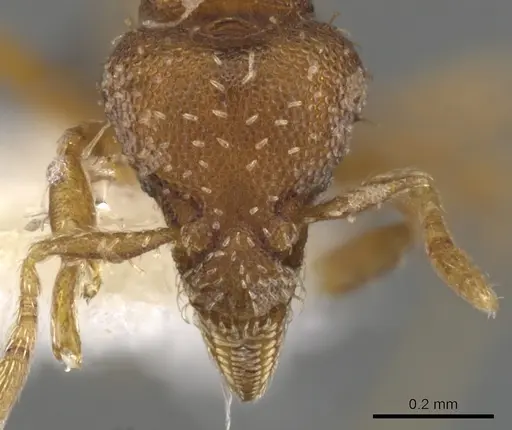
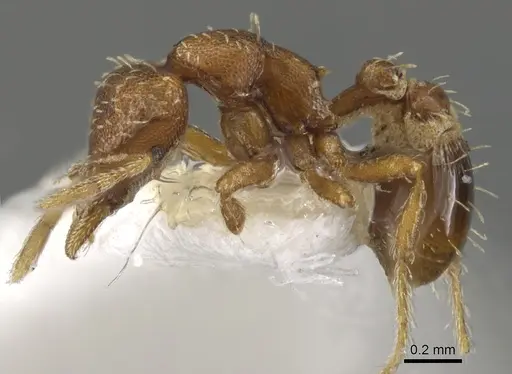
Strumigenys epipola is a tiny ant, with workers measuring about 2.1-2.2 mm in total length . They are light reddish‑brown and belong to the Strumigenys capitata group, which is characterized by specialized stout hairs on the head and thorax . This species is endemic to Samoa, known only from specimens collected on Upolu Island in both disturbed forest and rainforest habitats . Although it is in the tribe Attini (which includes fungus‑growers), Strumigenys epipola is a specialized predator that hunts tiny arthropods in leaf litter.
Quick Summary
- Difficulty: Hard
- Origin & Habitat: Samoa (Upolu Island), collected from a tree in a disturbed forest and from leaf litter in a rainforest [1][2][3]
- Colony Type: Unknown, based on typical Strumigenys patterns, likely single‑queen colonies, but no data confirms this.
- Size & Growth:
- Queen: Unknown, queen not described in the literature.
- Worker: 2.1-2.2 mm total length [1]
- Colony: Unknown, no colony size data available.
- Growth: Unknown, likely slow given tiny size.
- Development: Unknown, estimated 8-12 weeks based on related Strumigenys species. (No direct development data exists, the estimate is a rough guess from tiny Myrmicinae patterns.)
- Antkeeping:
- Temperature: Estimated 22-26 °C, maintain stable warmth, as expected for a tropical Pacific species. No specific data exists.
- Humidity: High, keep substrate consistently moist but not waterlogged, mimicking damp rainforest leaf litter [1].
- Diapause: Unknown, likely no true diapause given tropical origin, may reduce activity in cooler months.
- Nesting: Naturalistic setup, they live in leaf litter and soil. A moist plaster nest, test tube, or dirt‑based formicarium works.
- Behavior: These are extremely small, slow-moving ants that hunt tiny prey. They are not aggressive and pose no threat to keepers. Their tiny size makes escape prevention critical, they can slip through gaps invisible to the naked eye. Workers forage individually.
- Common Issues: tiny size means escapes are likely without fine mesh barriers, no available care information, experimental species for experienced keepers, high humidity needs make mold prevention challenging, slow growth may lead to impatient overfeeding, prey must be appropriately sized, too large prey will be ignored
Housing and Setup
Because of their extremely small size, Strumigenys epipola requires careful housing. A test tube setup works well for founding colonies, but you must use fine mesh barriers, these ants can escape through gaps invisible to the naked eye. For established colonies, a naturalistic setup with moist substrate (like a soil‑leaf litter mix) mimics their natural rainforest habitat [1]. Keep the nest area humid but provide a dry area nearby so ants can self‑regulate. A small outworld for hunting allows workers to search for prey.
Feeding and Diet
Strumigenys are specialized predators that hunt tiny arthropods, primarily springtails (collembola) and other micro‑invertebrates found in leaf litter. In captivity, offer small live prey such as springtails, tiny booklice (psocids), or fruit fly larvae. Prey must be appropriately sized, these ants are only 2 mm and cannot tackle large insects. You may experiment with other tiny arthropods, but success is uncertain. Do not rely on sugar sources unless acceptance is confirmed, these are predatory ants, not honeydew feeders. No specific feeding data exists for this species, the advice above is based on general Strumigenys behavior.
Temperature and Humidity
As a tropical species from Samoa, Strumigenys epipola needs warm, humid conditions. Aim for temperatures in the 22-26 °C range, stable warmth is more important than precise numbers. High humidity is essential, similar to damp rainforest leaf litter [1]. Keep the substrate consistently moist but avoid standing water. A hydration tube or moist cotton in a test tube setup helps maintain humidity. Avoid cold drafts and ensure the colony is kept away from air conditioning or heating vents that might cause temperature fluctuations.
Behavior and Temperament
These are gentle, non‑aggressive ants that pose no danger to keepers. Workers are slow‑moving and forage individually rather than in groups. They do possess a functional stinger, but it is not medically significant to humans. The main behavioral concern is escape prevention, their tiny size allows them to slip through impossibly small gaps. Always use tight‑fitting lids and consider double‑barrier systems for added security.
Frequently Asked Questions
How long does it take for Strumigenys epipola to develop from egg to worker?
The exact development timeline is unknown for this species. Based on related Strumigenys species and typical patterns for tiny Myrmicinae, expect roughly 8-12 weeks from egg to first worker at optimal temperature. Patience is essential with this species.
What do Strumigenys epipola ants eat?
These are specialized predators that hunt tiny arthropods. Their primary food should be live springtails. Other small live prey like tiny booklice, fruit fly larvae, or other micro‑arthropods may be accepted. They are unlikely to accept sugar sources or dead prey.
Can I keep Strumigenys epipola in a test tube?
Yes, a test tube setup works well for this species, especially for founding colonies. However, escape prevention must be excellent, use fine mesh barriers and ensure lids fit tightly. Their tiny size means they can escape through gaps you cannot even see.
Are Strumigenys epipola good for beginners?
No, this species is not recommended for beginners. There is no available captive care information for this species, it requires high humidity and tiny live prey, and escape prevention is critical. This is an experimental species best suited for experienced antkeepers.
How big do Strumigenys epipola colonies get?
Colony size is unknown, but based on the extremely small worker size (2 mm), colonies likely remain small, probably under 100 workers even at maturity. Growth is likely slow.
Do Strumigenys epipola need hibernation?
Diapause requirements are unknown. As a tropical species from Samoa, they likely do not require a true hibernation period. However, they may reduce activity during cooler months.
Why are my Strumigenys epipola escaping?
Their tiny size allows them to squeeze through gaps invisible to the naked eye. Use fine mesh barriers (at least 0.5 mm or smaller), ensure all lids fit tightly, and consider double‑barrier systems. Check for gaps around hydration tubes and between connections.
When should I move Strumigenys epipola to a formicarium?
There is no specific guidance for this species. Generally, keep them in a test tube or simple setup until the colony reaches a moderate size (50+ workers) and shows stable activity. Their naturalistic preferences suggest a moist setup with soil‑like substrate works best.
Can I keep multiple queens together?
Colony structure is unconfirmed for this species. Combining unrelated queens has not been documented and is not recommended. If you obtain multiple foundresses, house them separately to avoid conflict.
Report an Issue
The current care sheet is based fully on literature. See inconsistencies, or something that's incorrect? Please , it will be resolved after review from an admin. Contributing to the blogs tab also helps providing information, to make us be able to further improve the caresheets. Thank you for your support!
References

This caresheet is licensed under CC BY-SA 4.0 .
Community Blogs
CASENT0900117
View on AntWeb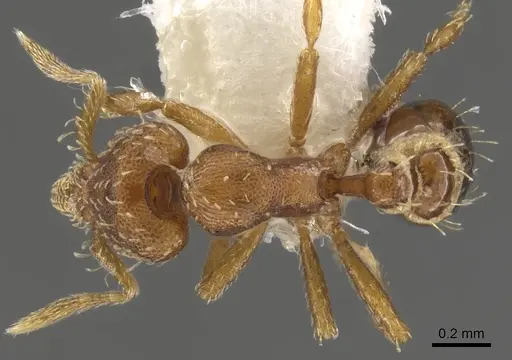
Literature
Loading distribution map...Loading products...