
Strumigenys enopla
- Sci. Name
- Strumigenys enopla
- Tribe
- Attini
- Subfamily
- Myrmicinae
- Author
- Bolton, 2000
- Distribution
- Found in 2 countries
Introduction
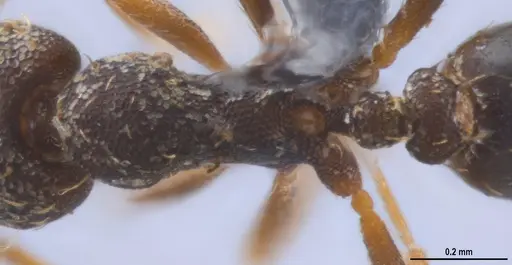
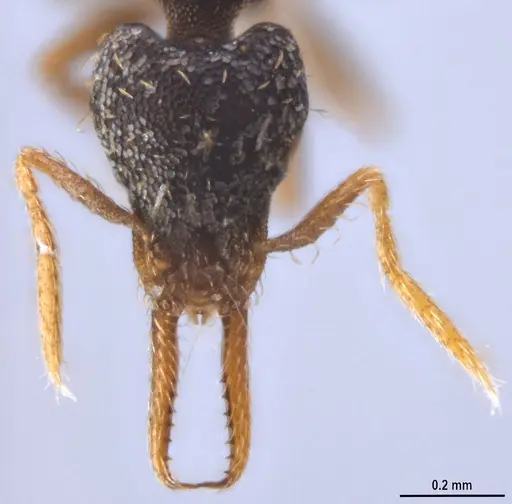
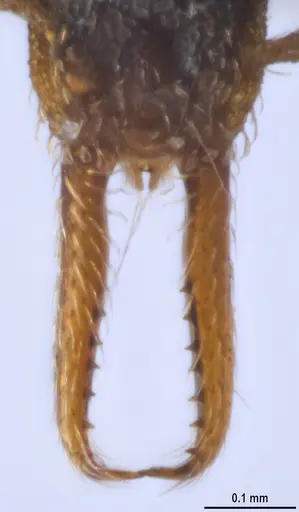
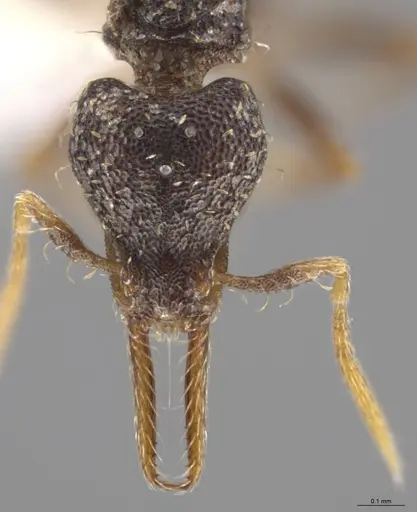
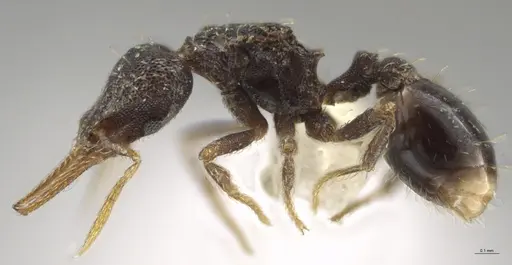
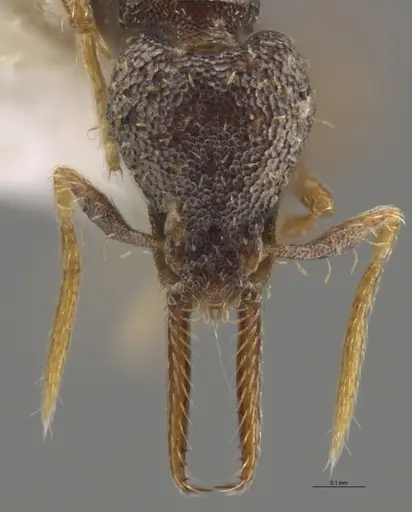
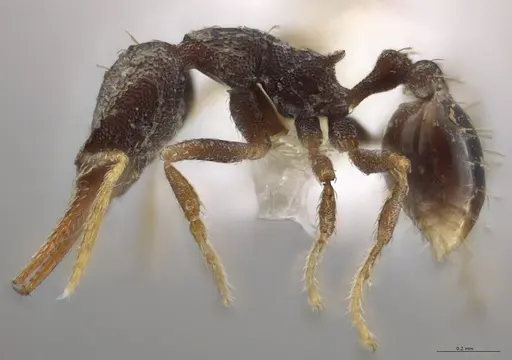
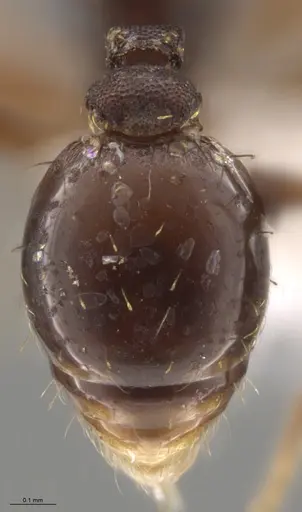
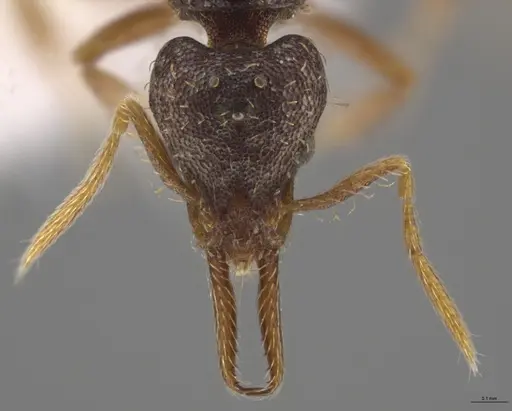
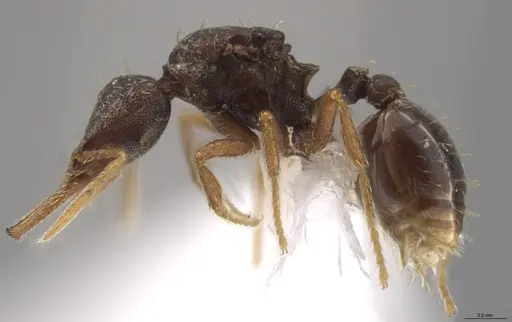
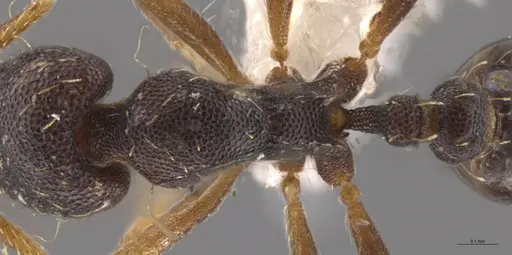
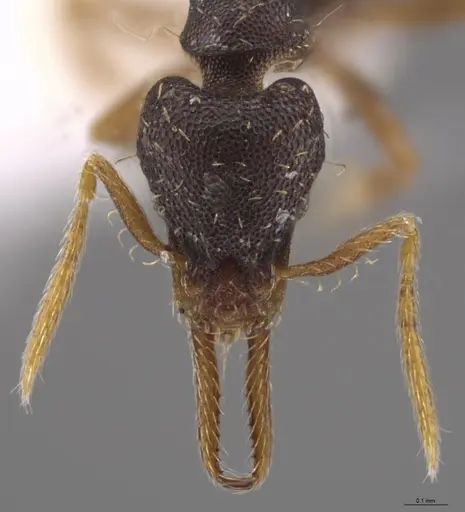
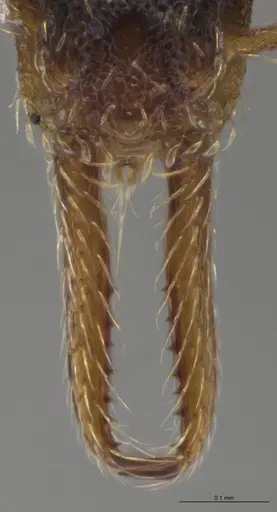
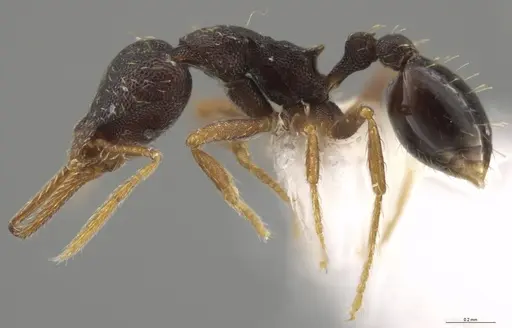
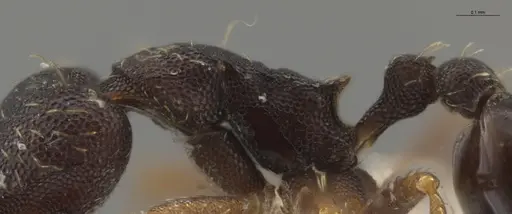
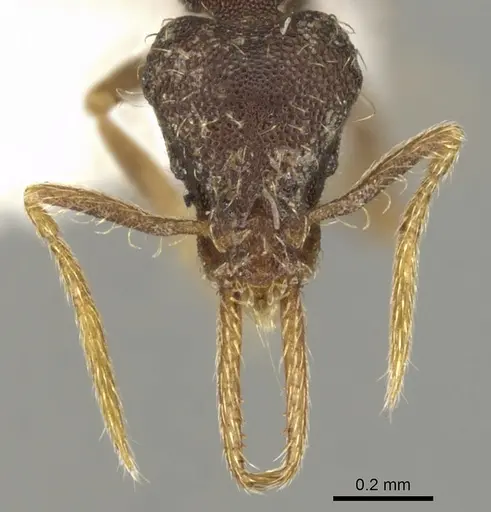
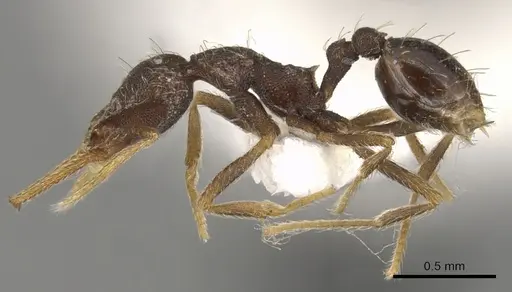
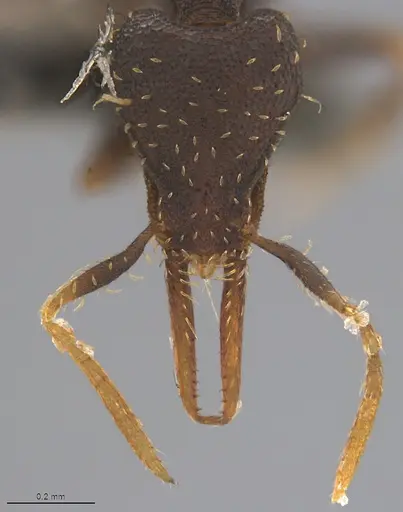
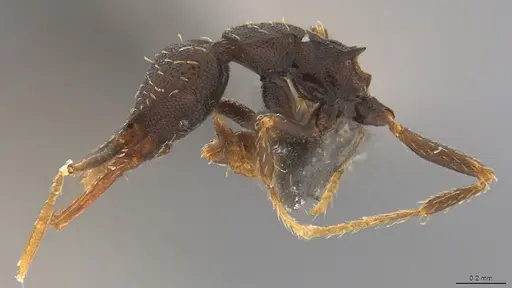
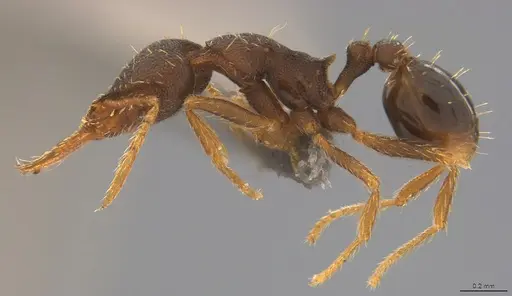
Strumigenys enopla is a tiny predatory ant, with workers measuring 2.3-2.7 mm in total length . They are dark brown to black, with long, slender mandibles and long antennae scapes - features that make them stand out among small Myrmicinae ants . This species belongs to the Strumigenys gundlachi group and is part of a set of five northern Andean species that inhabit cold cloud forests above 2000 m altitude . The genus Strumigenys is known for its trap-jaw mandibles, which snap shut rapidly to capture small prey. These ants are specialized predators that hunt tiny soil arthropods, like springtails, using their elongated mandibles as traps . They have ergatoid queens - wingless replacement reproductives that look like workers and can take over egg-laying if the primary queen dies . The species is recorded from the highlands of Colombia and also from Guadeloupe .
Quick Summary
- Difficulty: Expert
- Origin & Habitat: Native to high‑altitude cloud forests in the northern Andes of Colombia (1900-2200 m) and also recorded from Guadeloupe [2][4][3]. This species is part of a group of five Andean Strumigenys that prefer cold, damp forests above 2000 m, where most ant activity is scarce [1].
- Colony Type: Monogyne with ergatoid replacement reproductives. Colonies have a single wingless queen that looks similar to workers [1].
- Size & Growth:
- Queen: Ergatoid queens are similar in size to workers, about 2.5 mm [1].
- Worker: 2.3-2.7 mm total length [1].
- Colony: Likely up to 100-200 workers (based on related Strumigenys species) [1].
- Growth: Slow, Strumigenys species are notoriously slow‑growing in captivity.
- Development: Unknown for this species, likely several months based on genus patterns. (Development is slow, colonies may take many months to produce their first nanitics.)
- Antkeeping:
- Temperature: Cool conditions are critical. As a high‑altitude forest species, temperatures between 18-22 °C are recommended. Avoid prolonged exposure above 25 °C [1].
- Humidity: High humidity is essential, think damp cloud forest floor. Keep the nest substrate consistently moist but not waterlogged. Provide a humidity gradient so the ants can choose their preferred zone.
- Diapause: Likely required. A winter rest period at 10-15 °C for 2-3 months is probably beneficial, based on their cold forest origin [1].
- Nesting: A naturalistic setup works best: a container with moist soil, rotting wood pieces, and leaf litter. Y‑tong or plaster nests with moisture reservoirs can also work, but these ants prefer to hunt within the substrate. Avoid dry, warm conditions entirely.
- Behavior: Very shy and non‑aggressive. These ants are specialized predators that wait for prey to come near their trap‑jaw mandibles. They have a functional stinger, but it is small and not medically significant. Escape prevention is vital due to their tiny size, they can slip through standard test‑tube barriers. Workers are slow‑moving and spend most of their time hunting in the substrate.
- Common Issues: cold intolerance, temperatures above 25 °C can be lethal for this high‑altitude species., escape prevention, their 2.3 mm size means they can bypass standard barriers, fine mesh is essential., slow growth, colonies develop very slowly, requiring long‑term patience., specialized diet, they require live small prey (springtails) and may ignore standard ant foods., humidity balance, too dry causes colony failure, too wet leads to mold., stress from disturbance, these shy ants are easily disrupted by frequent nest inspections.
Housing and Nest Setup
Strumigenys enopla requires a setup that recreates cool, damp cloud forest conditions. A naturalistic terrarium‑style setup works best, use a container filled with moist soil or a mixture of soil and rotting wood pieces. Plaster or Y‑tong nests can work if you maintain high humidity through a water reservoir, but these ants prefer more naturalistic conditions where they can hunt in the substrate [1].
The key is providing a temperature gradient within the cool range (18-22 °C). Room temperature is often too warm, you may need to keep them in a cool basement or use a small thermoelectric cooler in summer. The substrate should stay consistently damp but never waterlogged. Add pieces of rotting wood and leaf litter to provide hunting grounds and hiding spots. A layer of sphagnum moss helps retain humidity. Cover the setup well, these tiny ants will escape through any gap larger than 0.5 mm.
Feeding and Diet
Strumigenys enopla is a specialized predator that requires live small arthropods. Their primary prey in the wild are springtails (Collembola), which they capture using their trap‑jaw mandibles [1]. In captivity, you must culture a steady supply of springtails, these tiny insects can be purchased from reptile/amphibian suppliers or caught outdoors in damp areas.
Other small live prey may be accepted experimentally, including tiny isopods, booklice (Psocoptera), and minute beetles. Do NOT rely on sugar water, honey, or protein foods like mealworms, these ants are strict predators and typically ignore carbohydrate sources. Feed small prey items every 2-3 days, removing any uneaten prey after 24 hours. The hunting behavior is fascinating to watch: workers stand still with mandibles open, waiting for vibrations that signal approaching prey.
Temperature and Seasonal Care
This is the most critical aspect of keeping Strumigenys enopla. As a species from cold Andean cloud forests at 1900-2200 m altitude, they absolutely require cool temperatures [1]. Keep the nest area between 18-22 °C year‑round. Temperatures above 25 °C can be harmful, so monitor carefully. If your home is warm, consider using a small thermoelectric cooler or keeping the colony in a consistently cool location like a basement.
In winter, a diapause (hibernation) period is likely beneficial. Provide 2-3 months at 10-15 °C, reducing feeding but maintaining humidity. This mimics their natural cycle in the cold mountain forests. Temperature stability matters more than exact numbers, avoid fluctuations.
Colony Structure and Ergatoid Queens
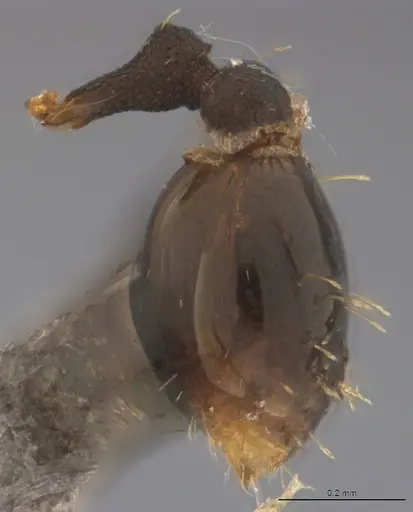
Strumigenys enopla has ergatoid queens, a unique reproductive form where replacement queens develop from regular workers rather than being a distinct caste [1]. The type series includes an ergatoid queen alongside workers. These queens are wingless and look similar to workers, about 2.5 mm in total length [1]. If the primary queen dies, a worker can develop reproductive capabilities and take over egg‑laying, ensuring colony continuity.
Colonies are monogyne, with a single reproductive queen at a time. The presence of ergatoid reproductives means you won't need to worry about introducing a new queen if your founding queen dies, the colony may already have replacement reproductives ready. However, this also means colony growth is slow, as ergatoid systems typically produce fewer eggs than fully claustral queens.
Handling and Observation
These ants are extremely shy and non‑aggressive. They have a functional stinger, but it is small and not considered medically significant. When disturbed, they simply flee rather than attempting any defense. Because of their tiny size (2.3-2.7 mm), observation requires good lighting and magnification. A magnifying glass or stereo microscope helps appreciate their fascinating trap‑jaw mechanism.
Limit nest inspections to reduce stress, these ants are easily disrupted. When you must check the colony, do so quickly and gently. Their slow growth means colonies take months to develop, so patience is essential. Don't be alarmed if workers spend long periods motionless, this is normal hunting behavior as they wait for prey to approach. [1]
Frequently Asked Questions
Can I keep Strumigenys enopla in a test tube?
A test tube setup can work if you maintain high humidity and keep temperatures in the 18-22 °C range. However, these ants are specialized hunters that need substrate space to hunt live prey, so a naturalistic setup with moist soil is better for long‑term success. If using test tubes, use fine mesh barriers because they can escape through standard cotton plugs due to their tiny 2.3 mm size [1].
What do Strumigenys enopla ants eat?
They eat live small arthropods, primarily springtails. This is not optional, they are specialized predators that will starve if only given sugar water, honey, or dead protein. Culture a steady supply of springtails or other tiny live prey. Some keepers report success with tiny isopods and booklice as occasional alternatives [1].
How long until Strumigenys enopla produces first workers?
Development time is unconfirmed for this species, but Strumigenys species are notoriously slow‑growing. Expect 6-12 months from founding to first nanitics, possibly longer. Patience is essential, do not disturb the founding queen or overfeed, as this causes stress. The slow growth is normal for this genus [1].
Are Strumigenys enopla good for beginners?
No. This species is considered expert‑level. Their requirements are specific: cool temperatures (18-22 °C), high humidity, live springtail prey, and patience for slow growth. They are not forgiving of mistakes. Beginners should start with more tolerant species like Lasius or Messor before attempting Strumigenys [1].
Do Strumigenys enopla need hibernation?
A winter diapause period is likely necessary given their cold forest origin from 1900-2200 m altitude. Provide 2-3 months at 10-15 °C in winter, reducing food but maintaining humidity. This mimics their natural seasonal cycle in the Andean cloud forests [1].
Why is my Strumigenys enopla colony dying?
The most common causes are: temperatures above 25 °C (lethal for this cold‑adapted species), too dry conditions, lack of live prey, or stress from disturbance. Check your temperature first, use a thermometer. Ensure substrate stays damp and you have a culture of springtails or other tiny live prey. Reduce nest inspections [1].
When should I move Strumigenys enopla to a formicarium?
Wait until the colony is well‑established, ideally with at least 20-30 workers, before attempting any move. Strumigenys colonies grow very slowly, and moving them too early causes stress that can kill the colony. A naturalistic soil setup from the start is often better than moving to a formicarium later [1].
Can I keep multiple Strumigenys enopla queens together?
This is not recommended and has not been documented. Strumigenys enopla has ergatoid replacement reproductives within established colonies, but combining unrelated foundresses has not been studied. Single‑queen colonies are the standard approach [1].
How big do Strumigenys enopla colonies get?
Colony size is unconfirmed for this specific species, but related Strumigenys species typically reach 50-200 workers. They are not large colony formers. Growth is slow, expect many months or years to reach maximum size [1].
Report an Issue
The current care sheet is based fully on literature. See inconsistencies, or something that's incorrect? Please , it will be resolved after review from an admin. Contributing to the blogs tab also helps providing information, to make us be able to further improve the caresheets. Thank you for your support!
References

This caresheet is licensed under CC BY-SA 4.0 .
Community Blogs
ANTWEB1053272
View on AntWeb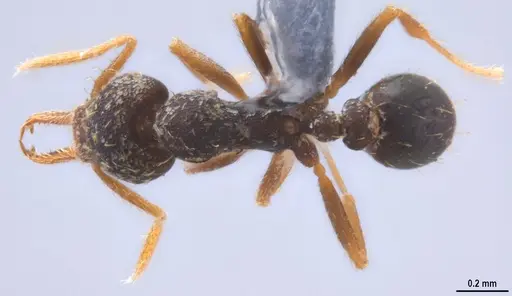
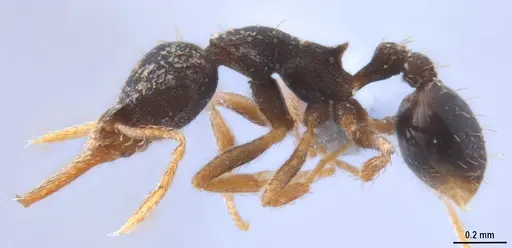
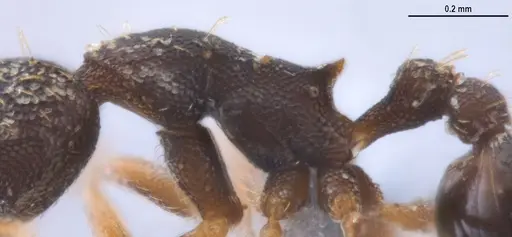
CASENT0627569
View on AntWeb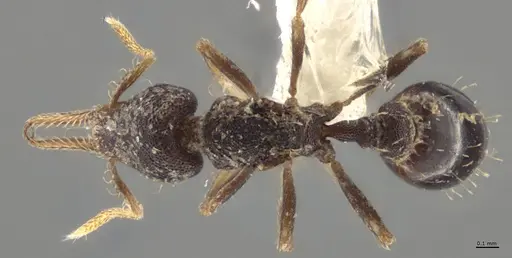
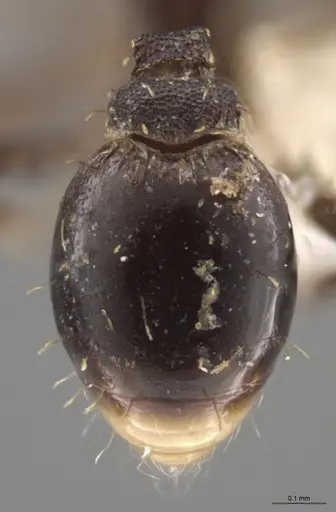
CASENT0630519
View on AntWeb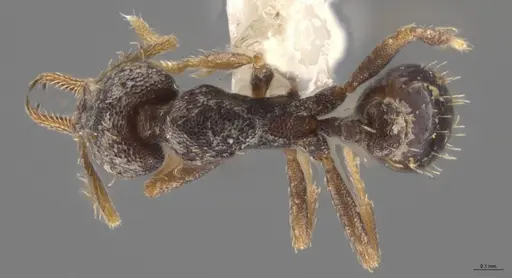
CASENT0651008
View on AntWeb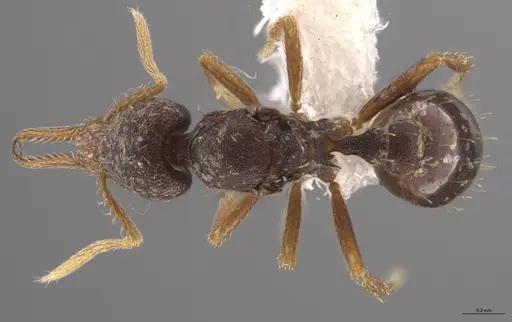
CASENT0651010
View on AntWeb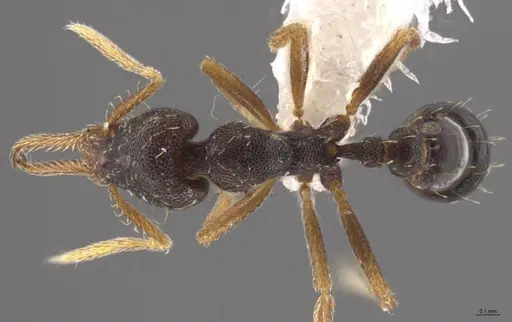
CASENT0900177
View on AntWeb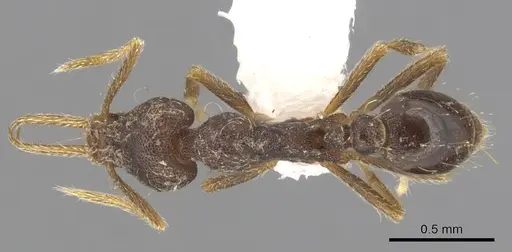
CASENT4036144
View on AntWeb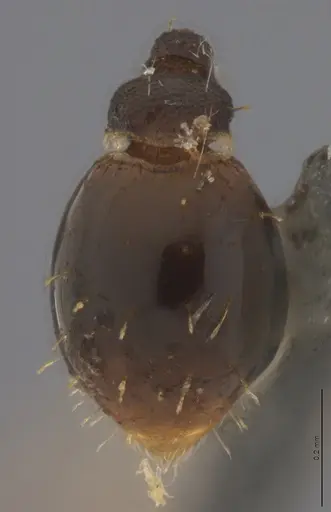
CASENT4036145
View on AntWeb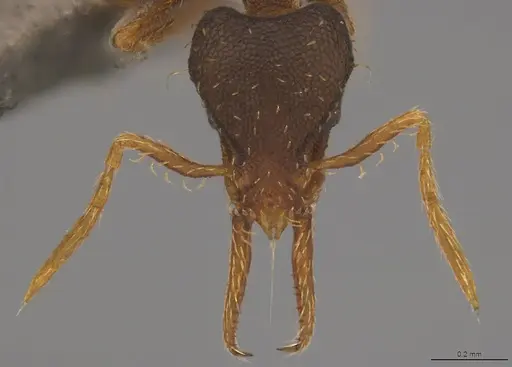
Literature
Loading distribution map...Loading products...