
Strumigenys dohertyi
- Sci. Name
- Strumigenys dohertyi
- Tribe
- Attini
- Subfamily
- Myrmicinae
- Author
- Emery, 1897
- Distribution
- Found in 4 countries
Introduction
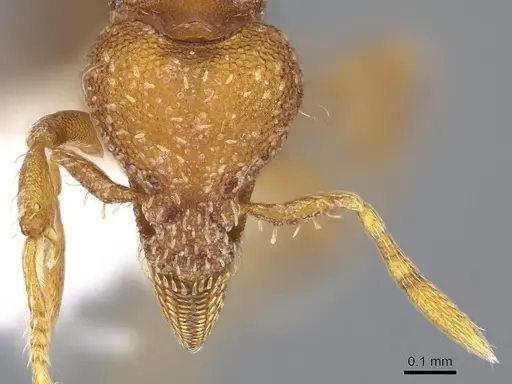
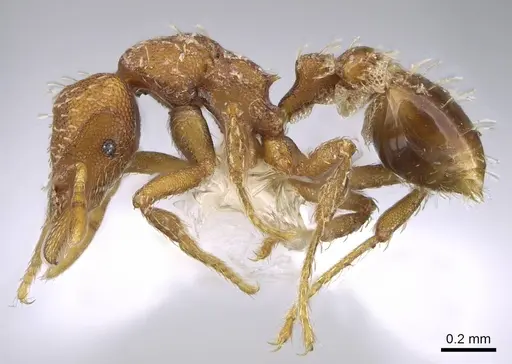
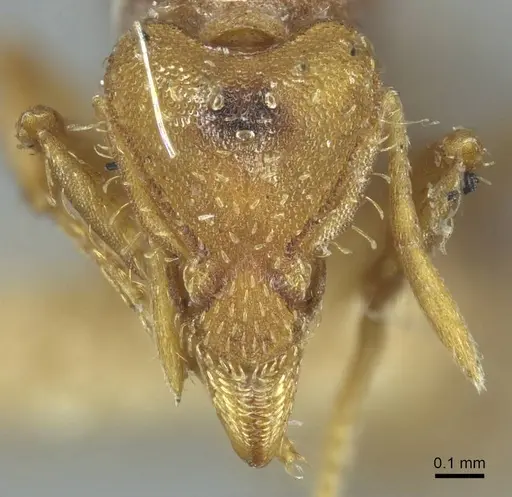
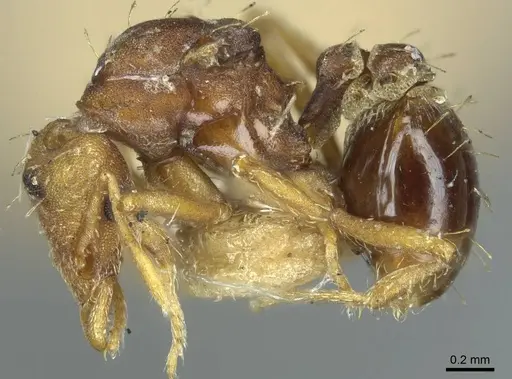
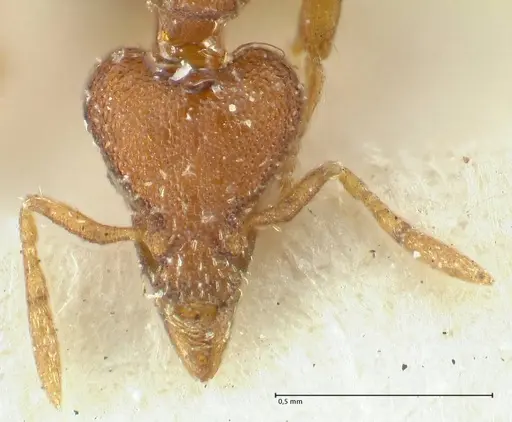
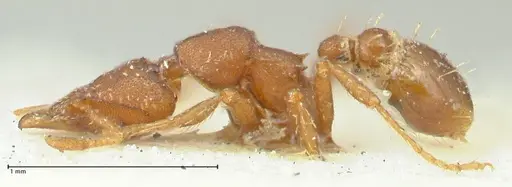
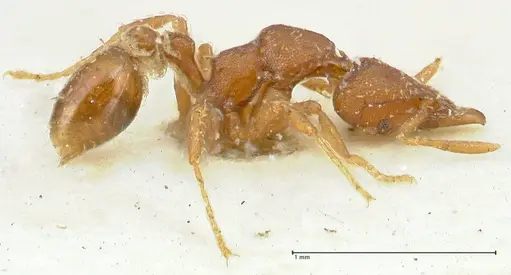
Strumigenys dohertyi is a tiny predatory ant with workers measuring 2.0–3.0mm in total length . They have distinctive flagellate (hair-like) hairs on the head, pronotum, and hind basitarsus, and very small eyes with only 3–5 ommatidia . This is one of the most common and widely distributed Strumigenys species in Southeast Asia, found across Bhutan, Myanmar, Thailand, Vietnam, southern China, Malaysia, Borneo, Java, Sumatra, and the Philippines . It lives in leaf litter and rotting wood in forests, often collected using Winkler extraction from disturbed forest areas up to 1400m elevation .
Quick Summary
- Difficulty: Hard
- Origin & Habitat: Southeast Asia and southern China – found in leaf litter and rotting wood in tropical and subtropical forests [2][1]. Collected from secondary forests and disturbed forest areas at elevations up to 1400m in Sumatra [2].
- Colony Type: Unknown from available research. Most Strumigenys are monogyne, but this is not confirmed for Strumigenys dohertyi.
- Size & Growth:
- Antkeeping:
- Temperature: Based on tropical origin from lowland forests, maintain warm temperatures around 24–28°C. Avoid drops below 20°C.
- Humidity: High humidity is essential – they naturally live in leaf litter and rotting wood. Keep the nest substrate consistently moist but not waterlogged. Target 70–85% humidity in the nest area.
- Diapause: No – this is a tropical species from Southeast Asia with no cold tolerance requirement. They remain active year-round.
- Nesting: Prefers humid, dark environments. In captivity, a naturalistic setup with moist substrate or a Y‑tong/plaster nest works well. They do well in test tube setups with access to a humid outworld.
- Behavior: Tiny, slow-moving ants that are entirely predatory on micro‑arthropods like springtails and mites. They are not aggressive and pose no threat to humans. Workers forage individually in leaf litter. Escape prevention is critical due to their very small size – they can squeeze through standard mesh barriers.
- Common Issues: escape prevention is critical – they are tiny enough to squeeze through standard mesh barriers, colonies often fail from drying out – they require consistently high humidity, they require live micro‑prey – they will not accept sugar or dead food, overfeeding can lead to mold and pest problems
Housing and Nest Setup
Strumigenys dohertyi requires excellent escape prevention due to their tiny 2–3mm size. Use test tubes with tight‑fitting cotton plugs or Y‑tong nests with very fine mesh barriers. They need high humidity – a naturalistic setup with moist substrate works well, or keep test tubes in a humidified outworld. A small formicarium with narrow chambers scaled to their tiny size is ideal. Provide a water tube and keep the nest area humid. They do not need light and prefer dark, enclosed spaces similar to their natural leaf litter habitat [2][1].
Feeding and Diet
This species is an obligate predator on micro‑arthropods. In captivity, their primary food should be live springtails – this is essential and they will not thrive on dead food or sugar sources. They may accept other tiny live prey like micro‑arthropods, but springtails should form the bulk of their diet. Feed every 2–3 days, offering enough prey for the colony to consume within 24 hours. Remove uneaten prey to prevent mold. Do not offer honey, sugar water, or other carbohydrates.
Temperature and Seasonal Care
Keep Strumigenys dohertyi at 24–28°C – they are tropical ants from warm Southeast Asian forests [2]. Room temperature (20–24°C) may be slightly cool, consider using a gentle heat source like a heating cable on one side of the nest to create a warm zone. They do not require hibernation or diapause. Avoid temperature drops below 20°C and sudden temperature changes. Maintain stable, warm conditions year‑round.
Colony Establishment
Little is known about colony founding in this species. If you obtain a queen, keep her in a small test tube setup with moist cotton, high humidity, and no light exposure. She may seal herself in. Once workers appear, slowly introduce tiny live springtails. Colony growth rate is unknown – be patient and do not overfeed.
Behavior and Temperament
Strumigenys dohertyi workers are slow‑moving and non‑aggressive. They forage individually through leaf litter and soil, hunting micro‑arthropods rather than scavenging. They have very small eyes (only 3–5 ommatidia) and navigate primarily using chemical trails and tactile cues [1]. When disturbed, they may freeze or flee rather than attack. They pose no stinging risk to humans.
Frequently Asked Questions
Can I keep Strumigenys dohertyi in a test tube?
Yes, test tubes work well for founding colonies. Use a small test tube with a water reservoir, and keep the setup in a humid environment. Cover the tube to block light – these ants prefer dark conditions. Transfer to a larger formicarium only when the colony has outgrown the test tube.
What do Strumigenys dohertyi ants eat?
They eat live springtails and other micro‑arthropods only. This is an obligate predator species – they will not accept dead food, honey, or sugar water. Live springtails are essential for keeping this species alive long‑term.
How long does it take for the first workers to arrive?
This is unknown – the species has not been studied in captivity. Development times likely depend on temperature, but no data are available.
Are Strumigenys dohertyi good for beginners?
No, this species is not recommended for beginners. They require live springtail prey, high humidity, excellent escape prevention, and warm temperatures. They also have unknown growth rates, which can be tricky for new antkeepers.
Do Strumigenys dohertyi need hibernation?
No, they are tropical ants from Southeast Asia and do not require hibernation or winter cooling. Keep them warm (24–28°C) year‑round.
How big do Strumigenys dohertyi colonies get?
Unknown from available research. Typical Strumigenys species may have a few hundred workers, but no hard data exist for this species.
Why are my Strumigenys dohertyi dying?
Common causes include: drying out (they need high humidity), lack of live springtail prey, temperatures below 20°C, or escapes due to inadequate barriers. Check these parameters first.
When should I move Strumigenys dohertyi to a formicarium?
Wait until the colony has outgrown the test tube (usually a dozen or more workers). A small Y‑tong or naturalistic setup with moist substrate works well. They do not need large spaces – keep chambers appropriately scaled to their tiny 2–3mm size.
Can I keep multiple queens together?
Combining unrelated queens has not been documented for this species and is not recommended. Based on typical Strumigenys behavior, single‑queen colonies are most likely, but this is unconfirmed.
Report an Issue
The current care sheet is based fully on literature. See inconsistencies, or something that's incorrect? Please , it will be resolved after review from an admin. Contributing to the blogs tab also helps providing information, to make us be able to further improve the caresheets. Thank you for your support!
References

This caresheet is licensed under CC BY-SA 4.0 .
Community Blogs
CASENT0728919
View on AntWeb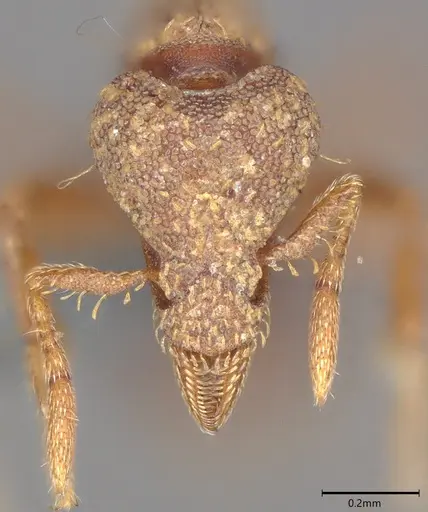
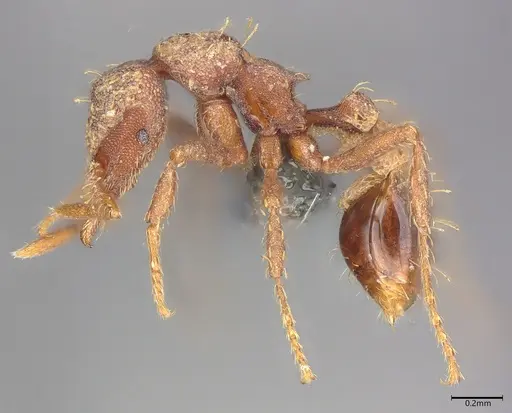
CASENT0900105
View on AntWeb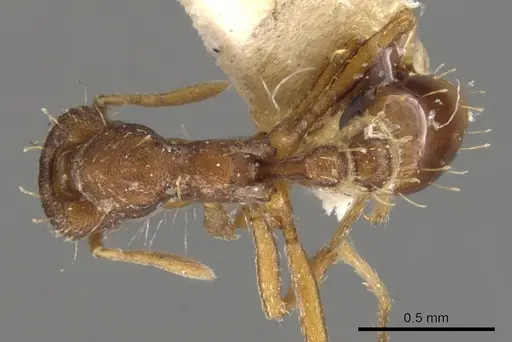
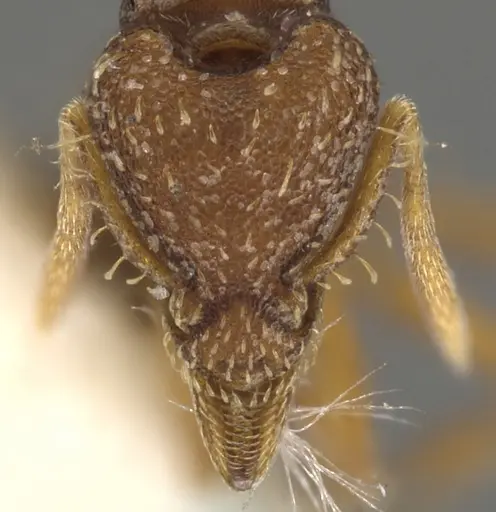
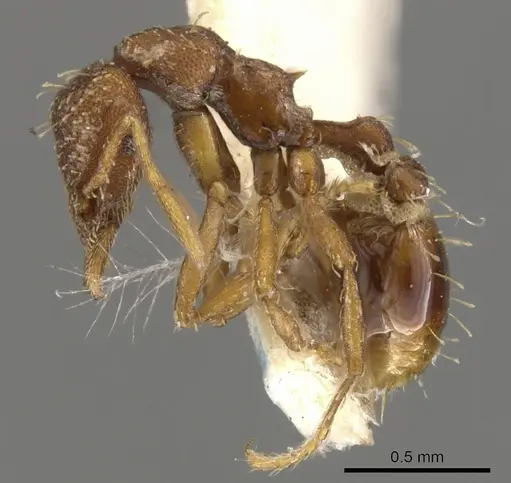
CASENT0904954
View on AntWeb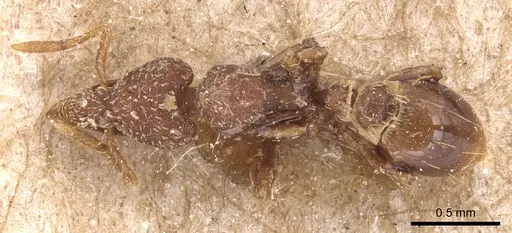
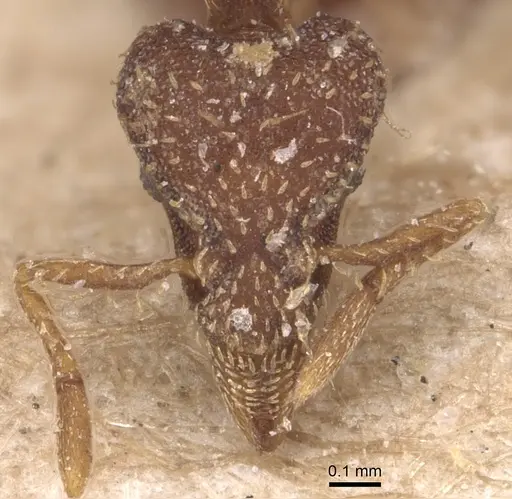
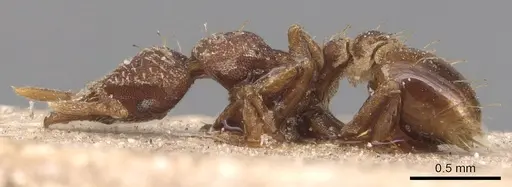
CASENT0914624
View on AntWeb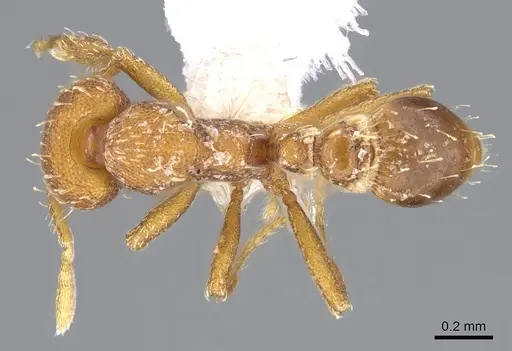
CASENT0915949
View on AntWeb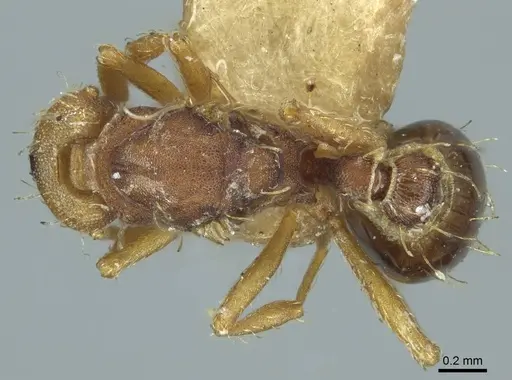
FOCOL2156
View on AntWeb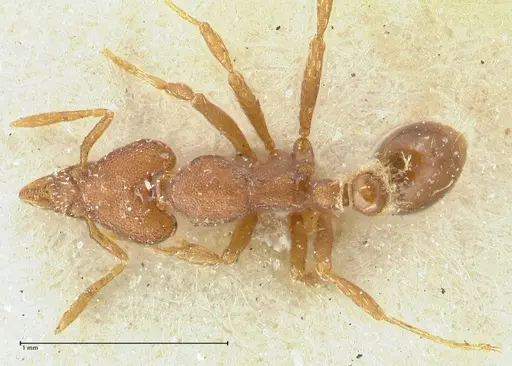
Literature
Loading distribution map...Loading products...