
Strumigenys crementa
- Sci. Name
- Strumigenys crementa
- Tribe
- Attini
- Subfamily
- Myrmicinae
- Author
- Bolton, 2000
- Distribution
- Found in 4 countries
Introduction
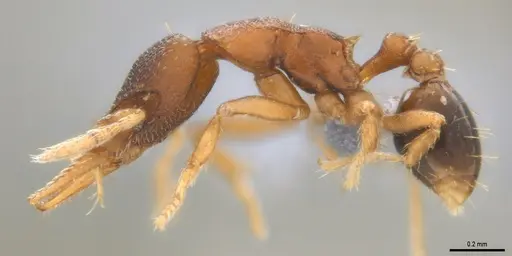
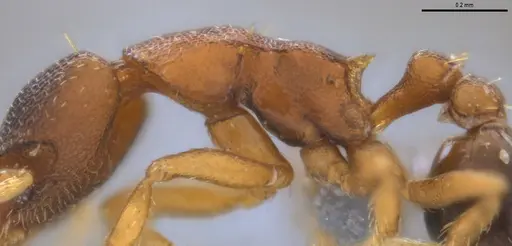
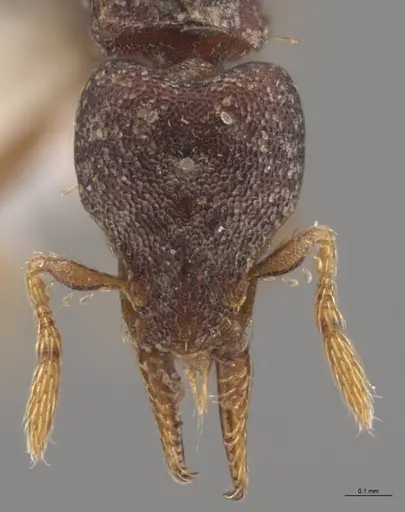
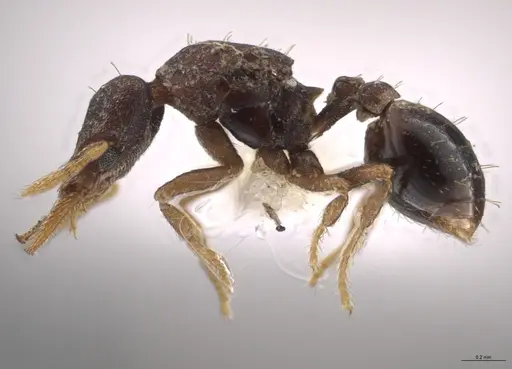
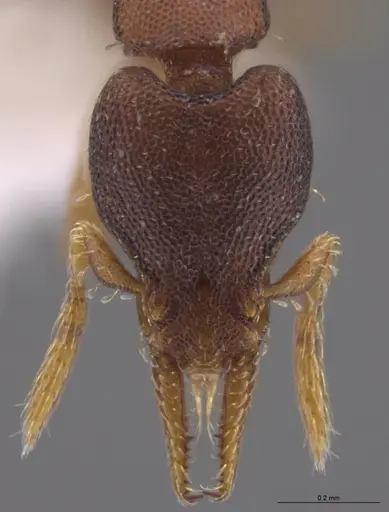
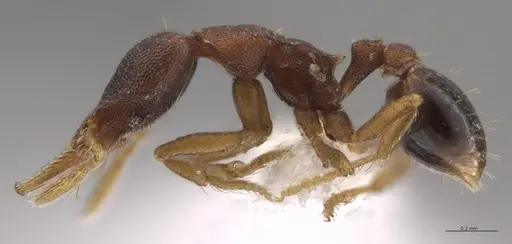
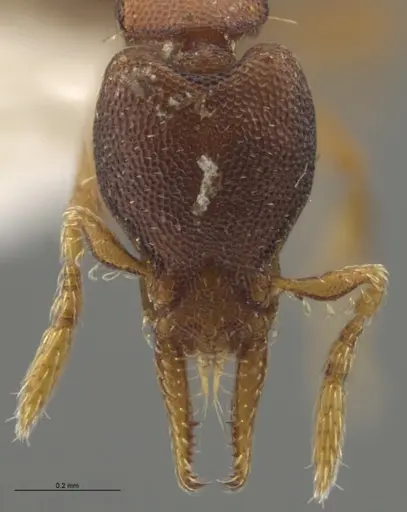
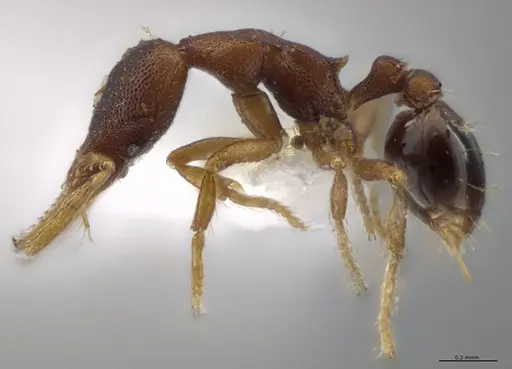
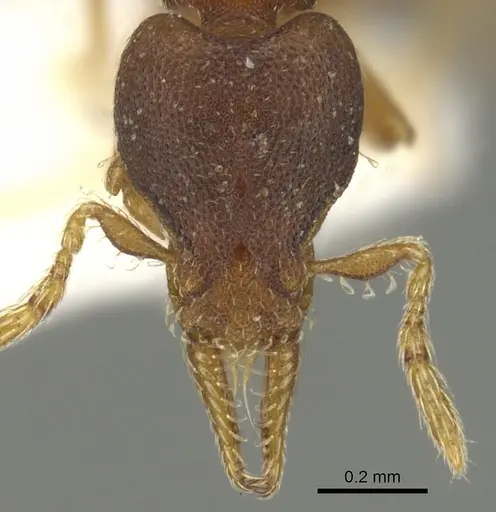
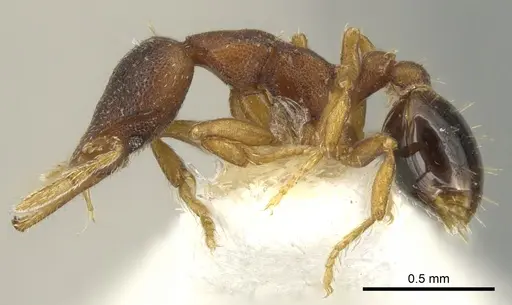
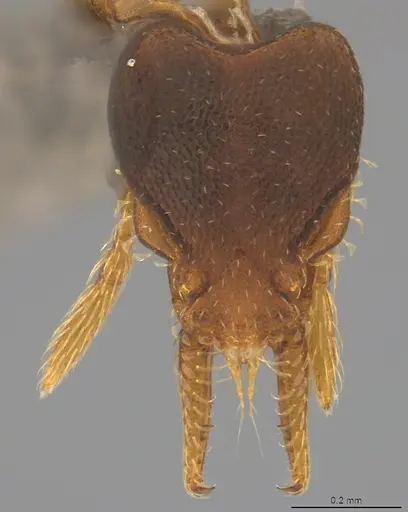
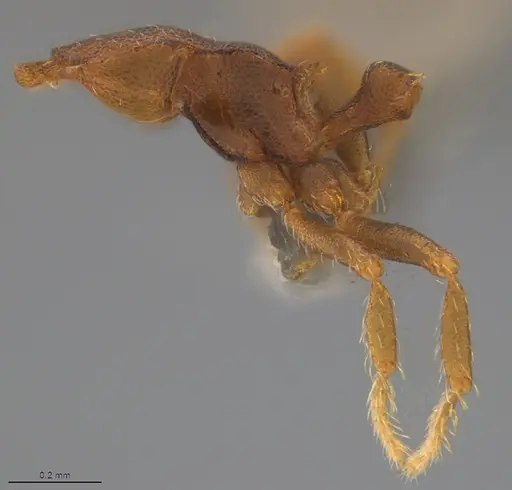
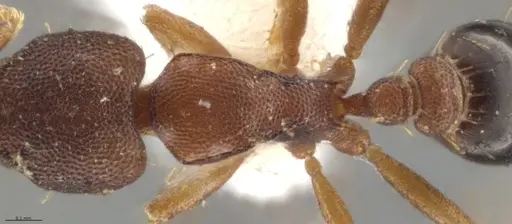
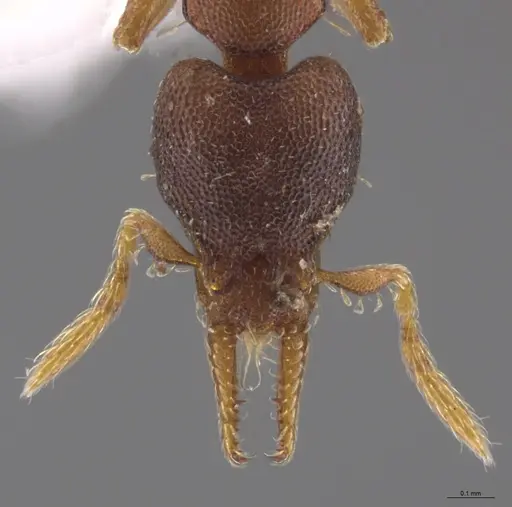
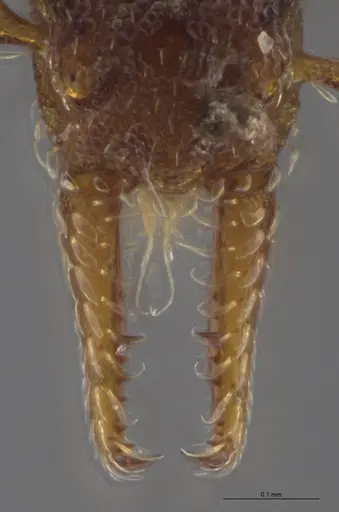
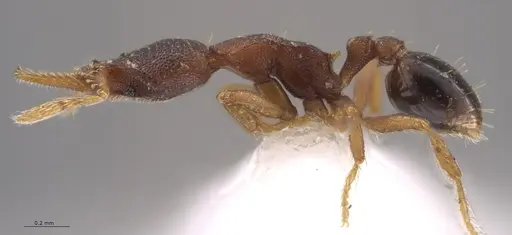
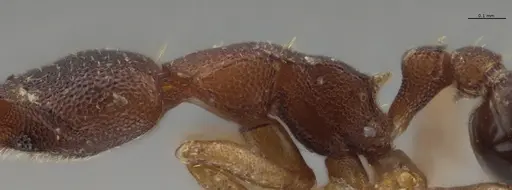
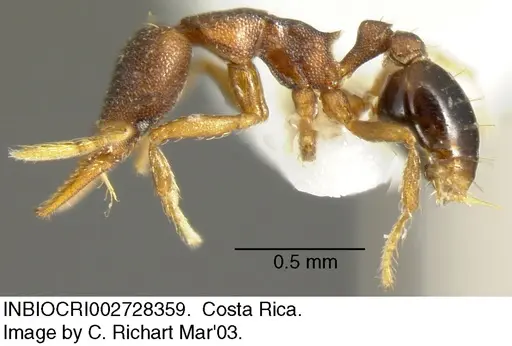
Strumigenys crementa is a tiny predatory ant from the subfamily Myrmicinae, native to Costa Rica in Central America . These ants hunt using a unique snap-jaw mechanism - their mandibles snap shut extremely quickly to capture small prey. Workers are minute (estimated 2-3mm based on typical Strumigenys patterns), with elongated mandibles lined with teeth. They are ground-dwelling and inhabit forest floor leaf litter . What makes Strumigenys special is their hunting style: they slowly stalk prey, then strike with a lightning-fast mandible snap. Unlike many ants that chase or use chemical weapons, they rely entirely on this mechanical trap. They are specialized predators that almost exclusively hunt springtails and other tiny soil arthropods. Colonies remain small and they prefer humid, dark nesting environments.
Quick Summary
- Difficulty: Medium
- Origin & Habitat: Costa Rica, ground-level forest floor habitats [1]
- Colony Type: Based on typical Strumigenys patterns, likely monogyne (single queen). Colony size is small.
- Size & Growth:
- Queen: Estimated ~3-4mm based on genus patterns (no species-specific data available)
- Worker: Estimated ~2-3mm based on genus patterns (no species-specific data available)
- Colony: Likely under 100 workers, based on typical Strumigenys colony sizes
- Growth: Slow (estimated for the genus)
- Development: Estimated 8-12 weeks based on related Strumigenys species at tropical temperatures (24-28°C). Exact timeline unknown. (Development is slow compared to many Myrmicinae. Patience is needed during founding.)
- Antkeeping:
- Temperature: Keep at 24-28°C year-round, inferred from tropical Costa Rican origin [1]. Provide a gentle temperature gradient using a heat mat on one side if needed.
- Humidity: High humidity required. Keep nest substrate consistently moist but not waterlogged. Good ventilation is important to prevent mold.
- Diapause: Unlikely, as a tropical species, they probably do not require diapause. Maintain warm conditions year-round.
- Nesting: Naturalistic setups with soil or a Y-tong nest with moist substrate work well. They prefer dark, humid chambers. Test tube setups are fine for founding.
- Behavior: Peaceful and not aggressive. They possess a functional stinger (subfamily Myrmicinae) but it is negligible for humans. Their primary defense is their quick mandible snap. Escape risk is high due to tiny size, use fine mesh on all openings. They are slow-moving foragers that stalk prey before striking.
- Common Issues: slow colony growth can be frustrating, require patience, tiny size makes escape prevention critical, seal all gaps, specialized diet: need live springtails, may starve on standard ant foods, high humidity needs can lead to mold if ventilation is poor, wild-caught colonies may carry parasites, quarantine if possible
Housing and Nest Setup
Strumigenys crementa does best in naturalistic or soil-based setups that mimic their forest floor habitat. A formicarium with a soil or coconut fiber substrate works, as does a Y-tong nest with moist plaster or soil. They prefer dark, humid nesting chambers and often nest in the moistest areas. Since they are ground-dwelling, horizontal space is more important than vertical. A small outworld for foraging and a test tube setup for founding are suitable. Ensure all connections are smooth as their tiny legs struggle with rough surfaces. [1]
Feeding and Diet
This is the most critical aspect. Strumigenys are specialized predators that need live prey, their snap-jaw mechanism does not work on dead food. Springtails are ideal and should be the primary diet. Other small live prey like fruit fly larvae or micro-arthropods may be accepted. They typically ignore sugar, honey, or dead insects. Feed small amounts of live prey every few days, remove uneaten prey after 24 hours. A springtail culture in the outworld provides constant food and helps maintain humidity.
Temperature and Heating
As a tropical species from Costa Rica [1], Strumigenys crementa needs warm temperatures year-round. Keep the nest at 24-28°C. A heating cable on one side creates a gradient for self-regulation. Avoid temperatures below 22°C for extended periods, as this can slow metabolism and halt brood development. Room temperature may work if consistently above 24°C, but monitor colony activity.
Humidity and Water
High humidity is essential. Keep the nest substrate consistently moist, it should feel damp but not waterlogged. A water reservoir (like in a test tube setup) helps maintain humidity through evaporation. Mist the nest area occasionally but avoid standing water. Good ventilation is important to prevent mold. Balance damp substrate with some airflow.
Behavior and Handling
These ants are peaceful and pose no real threat. Their jaw snap is for tiny prey, not defense. They may defensively use their stinger, but it is negligible for humans. They are not aggressive and won't chase. However, their tiny size means they are easily overlooked and can be accidentally crushed. Move slowly and use soft tools. Watching their hunting behavior, slow stalk and fast strike, is a highlight of keeping them.
Frequently Asked Questions
What do Strumigenys crementa ants eat?
They are specialized predators that need live prey. Springtails are ideal, they are the right size and trigger the snap-jaw mechanism. Other small live micro-arthropods may be accepted. They do not eat sugar, honey, or dead insects.
How long does it take for Strumigenys crementa to produce first workers?
Exact timeline is unknown. Based on related Strumigenys, expect an estimated 8-12 weeks from egg to first worker at tropical temperatures (24-28°C). Development is slow.
Can I keep Strumigenys crementa in a test tube setup?
Yes, a test tube setup works for founding colonies. Keep the cotton moist for humidity, and place the tube in a warm, dark spot. They will need more space as the colony grows, typically when the water reservoir gets dirty.
Are Strumigenys crementa good for beginners?
They are medium difficulty. The main challenge is their specialized diet, they must have live springtails. If you can provide that, they are otherwise straightforward. Their slow growth and small colony size mean mistakes are less forgiving.
How big do Strumigenys crementa colonies get?
Based on typical Strumigenys, colony size remains small, likely under 100 workers even when mature. They do not produce large worker numbers.
Do Strumigenys crementa need hibernation?
No, they do not need hibernation. As a tropical species from Costa Rica, they do not experience cold winters. Keep them warm year-round at 24-28°C.
Why are my Strumigenys dying?
Common causes: wrong food (they need live springtails), too low humidity (substrate must be consistently damp), temperatures below 22°C, or excessive disturbance. Check these first.
When should I move my Strumigenys to a formicarium?
Move them when the colony outgrows the test tube or when the water reservoir becomes dirty. For Strumigenys, this typically happens when the colony has around 20-30 workers, but judge by their comfort. A naturalistic setup with soil works best.
Can I keep multiple Strumigenys queens together?
This is not recommended. Strumigenys are likely monogyne (single queen) based on genus patterns. Combining unrelated queens is not documented and would likely result in fighting.
Report an Issue
The current care sheet is based fully on literature. See inconsistencies, or something that's incorrect? Please , it will be resolved after review from an admin. Contributing to the blogs tab also helps providing information, to make us be able to further improve the caresheets. Thank you for your support!
References

This caresheet is licensed under CC BY-SA 4.0 .
Community Blogs
ANTWEB1053492
View on AntWeb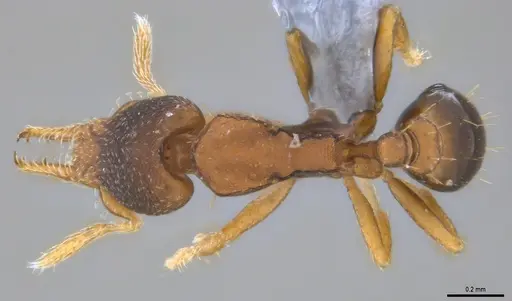
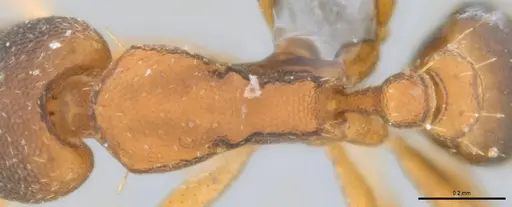
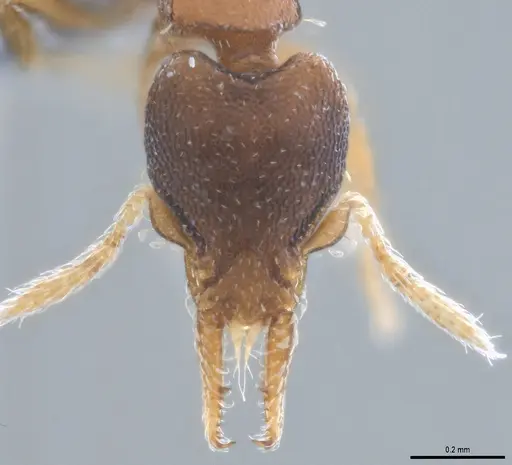
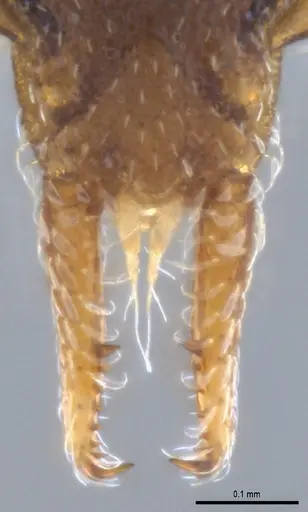
CASENT0613323
View on AntWeb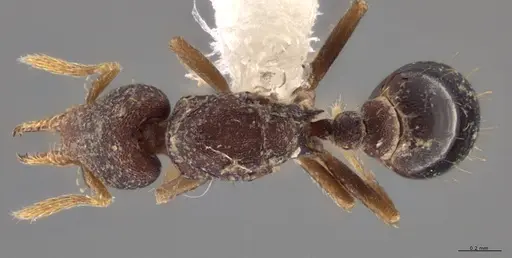
CASENT0613758
View on AntWeb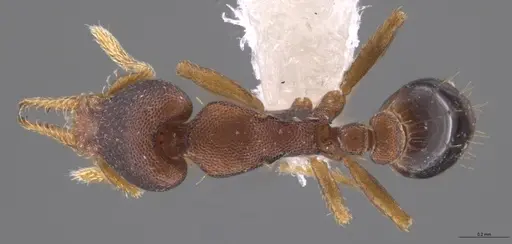
CASENT0618654
View on AntWeb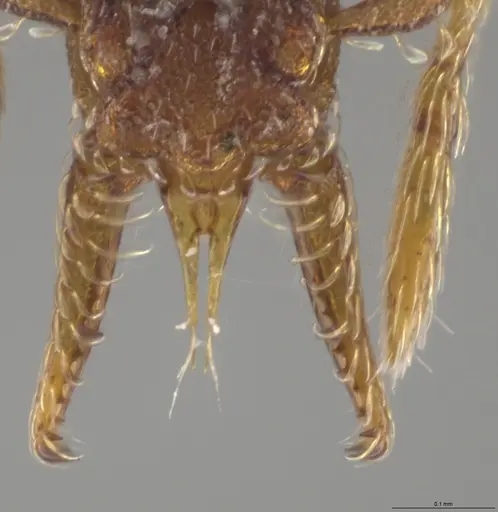
CASENT0628930
View on AntWeb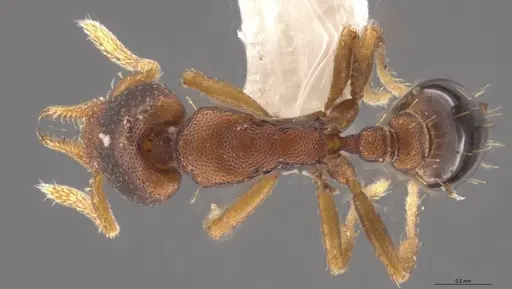
CASENT0900187
View on AntWeb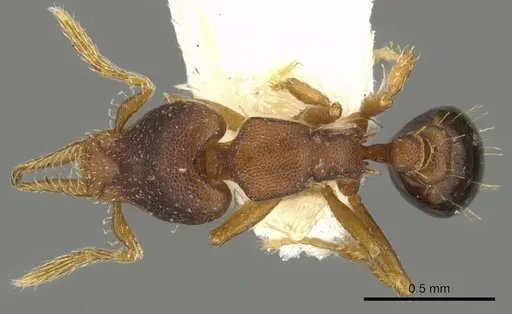
CASENT4036118
View on AntWeb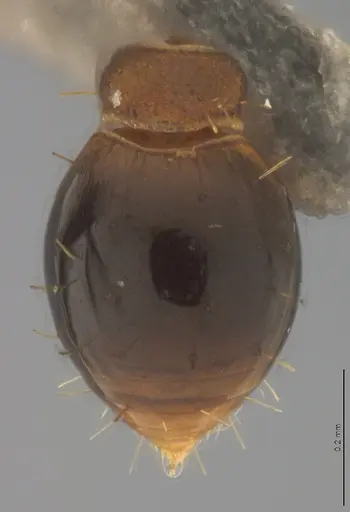
INB0003605463
View on AntWeb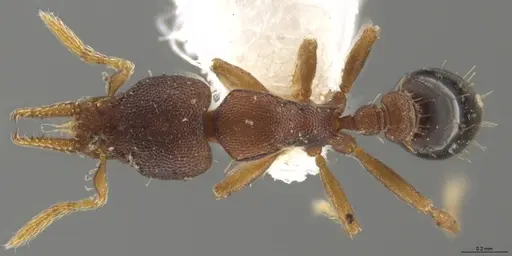
INBIOCRI002728359
View on AntWeb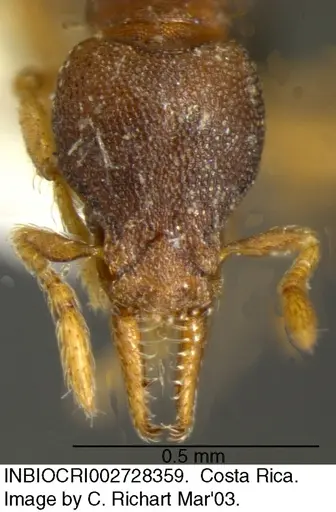
Literature
Loading distribution map...Loading products...