
Strumigenys chroa
- Sci. Name
- Strumigenys chroa
- Tribe
- Attini
- Subfamily
- Myrmicinae
- Author
- Fisher, 2000
- Distribution
- Found in 1 countries
Introduction
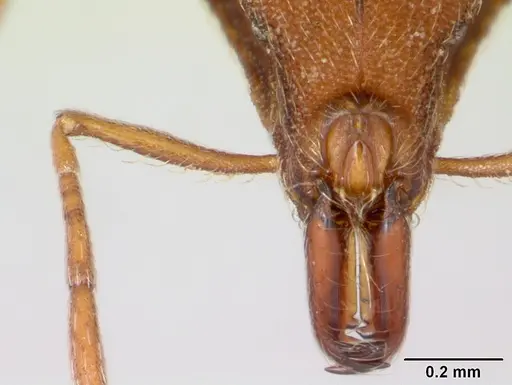
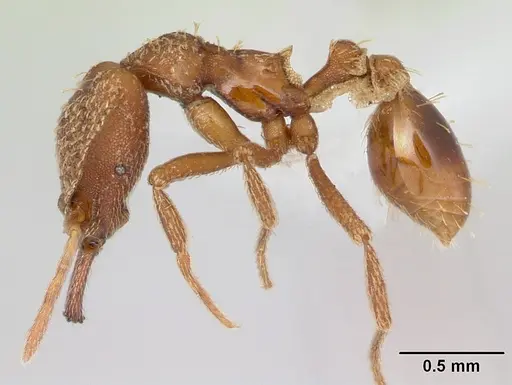
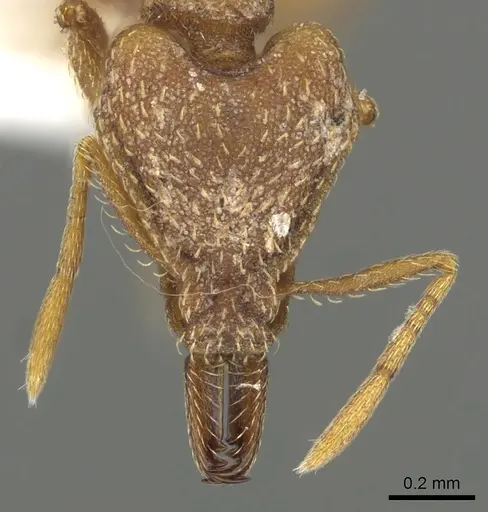
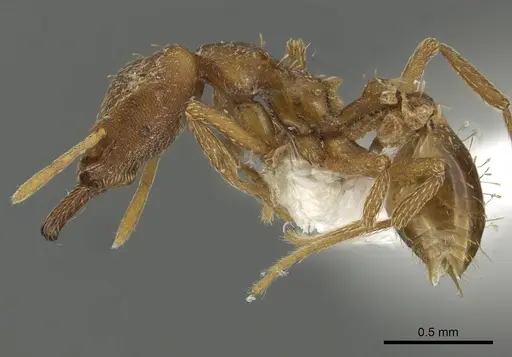
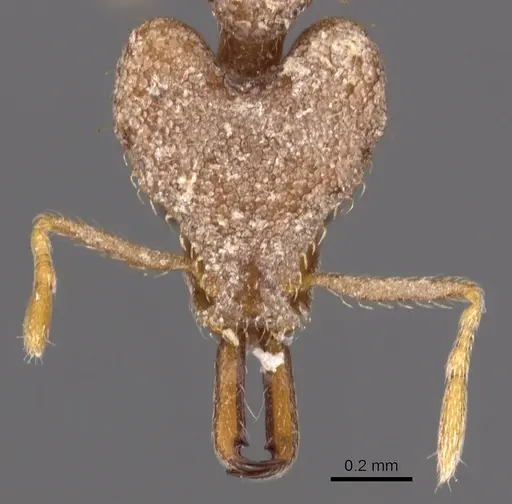
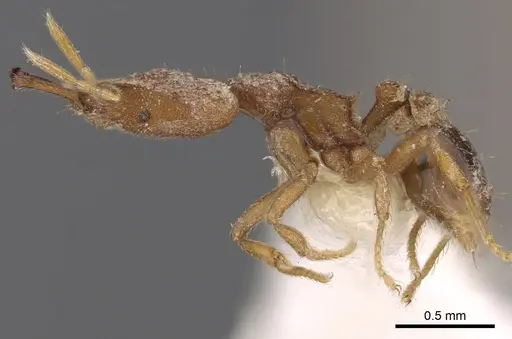
Strumigenys chroa is a tiny predatory ant native to Madagascar, found in various forest habitats including dry forests, leaf litter, rotten logs, and rotten sticks . Workers measure 3.1–3.3 mm, making them one of the smaller ants you’ll keep . They are dull yellowish-brown and belong to the Strumigenys scotti group, recognized by a broad lamellate upper scrobe margin and the absence of a pronotal humeral hair . Their body is covered in dense rows of curved, spoon-shaped hairs, and their mandibles are nearly straight and parallel when closed. This species is widespread across Madagascar, collected from elevations between 730 m and over 1200 m . Like many Strumigenys, they are cryptobiotic – they spend most of their time hidden in leaf litter, rotting wood, and soil. They are specialized predators of small arthropods, especially springtails (Collembola).
Quick Summary
- Difficulty: Medium
- Origin & Habitat: Madagascar – found in forest habitats including dry forests, leaf litter, rotten logs, and rotten sticks at elevations from 730 m to over 1200 m [1][2]
- Colony Type: Likely monogyne (single queen) based on typical Strumigenys patterns. Colony size is estimated at under 200 workers from related species.
- Size & Growth:
- Queen: Not described – no data available
- Worker: 3.1–3.3 mm [1]
- Colony: Estimated under 200 workers based on related Strumigenys species
- Growth: Slow
- Development: Estimated 8–12 weeks based on patterns for similar small Myrmicinae (Development is likely slow given their small size and cryptobiotic lifestyle. Temperature will affect speed.)
- Antkeeping:
- Temperature: Keep at 22–26°C. They come from tropical Madagascar and prefer stable warmth. Avoid temperatures below 20°C [1].
- Humidity: High humidity is essential – aim for 70–85%. They live in leaf litter and rotting wood where conditions are consistently damp. Use moist substrate and never let the nest dry out [1].
- Diapause: No – as a tropical species they don't need hibernation. They may slow down during cooler periods, but no winter treatment is required.
- Nesting: They prefer naturalistic setups with moist substrate like a soil/plaster mix or a Y-tong nest with damp chambers. They do best when they can burrow into damp material. Avoid dry, open nests [1].
- Behavior: Shy and non-aggressive. They are slow-moving and spend most of their time hidden in the nest or hunting through the substrate. They have a functional stinger, but it is tiny and not medically significant. They rarely sting and are completely safe to handle. Escape prevention is critical due to their tiny size – they can squeeze through standard test tube openings. They are specialized predators that hunt small live prey.
- Common Issues: escape prevention is critical – they are tiny and can squeeze through standard gaps, colonies grow very slowly, which can frustrate beginners, they require live prey – cannot survive on sugar water alone, high humidity must be maintained or colonies will die, wild-caught colonies may carry parasites – quarantine new colonies
Housing and Nest Setup
Strumigenys chroa does best in naturalistic setups that mimic their leaf litter habitat. A soil-filled container or a plaster/ytong nest with consistently damp chambers works well. The key is maintaining high humidity without waterlogging. These tiny ants can't tolerate dry conditions – their natural habitat in rotting wood and leaf litter is constantly moist [1]. A test tube setup can work if you use a very fine barrier (such as tight cotton or fine mesh) that they can't squeeze through. Naturalistic setups are usually better because they allow natural hunting behavior. If using a formicarium, choose one with small chambers scaled to their tiny size and keep the substrate damp. Place the nest in a shaded area away from bright light – these are cryptobiotic ants that avoid bright conditions.
Feeding and Diet
Strumigenys chroa is a specialized predator and needs live small arthropods to survive. Their primary prey in the wild is springtails (Collembola). In captivity, offer small live prey such as springtails, fruit flies, tiny crickets, or other small insects. They are unlikely to accept dead prey or sugar water – unlike many ants, Strumigenys are not scavengers. Feed them small prey items 2–3 times a week, adjusting for colony size. A well-fed colony will show active hunting in the substrate. Never rely on sugar sources alone, these ants are obligate predators. If your colony refuses prey, try even smaller live insects or different species [1].
Temperature and Humidity
Keep your colony at 22–26°C, mirroring the warm, stable conditions of their Madagascar forest habitat [1]. They can handle brief periods slightly above or below this range, but prolonged cold will slow them down and can be fatal. Room temperature in most homes is fine, but you may need a small heating mat during winter if your home gets cool. Humidity is critical – maintain 70–85% relative humidity in the nest area. The substrate should feel consistently damp but not waterlogged. Check regularly and rehydrate when the surface starts drying. A water reservoir connected to the nest or regular light misting (when condensation disappears) helps. Never let the nest dry out completely [1].
Behavior and Temperament
Strumigenys chroa is shy and non-aggressive, posing no threat to keepers. Workers are slow-moving and spend much of their time hunting through the substrate or caring for brood. They have a functional stinger, but it is tiny and not medically significant – they rarely try to sting even when disturbed. Their tiny size, however, makes escape prevention critical: they can squeeze through extremely small gaps. Always use fine mesh barriers and tight-fitting lids. These ants are interesting to watch as they hunt small prey using their slender mandibles. Colonies are quiet and most activity stays hidden under the substrate. [1]
Colony Growth and Development
Expect slow growth. A newly mated queen will take 8–12 weeks to produce her first workers (nanitics) at optimal temperature (22–26°C). The first workers will be smaller than normal adults but should already hunt. Growth continues slowly – mature colonies likely reach 100–200 workers over several years. This is normal for the genus. Don't overfeed in an attempt to speed growth – excess prey can mold and cause health problems. Patience is essential. A healthy colony will gradually expand over months and years [1].
Frequently Asked Questions
Can I keep Strumigenys chroa in a test tube?
Yes, but with important caveats. Use a test tube with a very fine barrier (tight cotton or fine mesh) because they are tiny and can escape through standard cotton. The test tube must stay moist but not flooded, and you'll need to connect it to a foraging area for feeding live prey. A naturalistic setup is often better because it allows them to hunt naturally [1].
How long does it take for Strumigenys chroa to produce first workers?
Expect 8–12 weeks from egg to first worker at optimal temperature (22–26°C). This is typical for the genus. Cooler temperatures will extend this timeline. The first workers (nanitics) will be smaller than mature workers but should be able to hunt [1].
What do Strumigenys chroa ants eat?
They are obligate predators that need live small arthropods. Their primary prey is springtails, but they will also accept fruit flies, tiny crickets, and other small live insects. They will not accept dead prey or sugar water. Feed them small live prey 2–3 times a week [1].
Are Strumigenys chroa good for beginners?
They are medium difficulty. While not aggressive, they have specific needs: high humidity, live prey, and excellent escape prevention. Their slow growth can also test patience. They are better suited for keepers who have successfully kept at least one other ant species [1].
How big do Strumigenys chroa colonies get?
Colonies stay relatively small, likely under 200 workers at maturity. This is typical for the genus – they are cryptobiotic ants that don't produce large, visible colonies. Growth is slow, taking several years to reach maximum size [1].
Do Strumigenys chroa need hibernation?
No, they don't need hibernation. Being from tropical Madagascar, they prefer consistent warm temperatures year-round. They may be slightly less active during cooler periods, but no special winter care is needed [1].
Why are my Strumigenys chroa dying?
The most common causes are: low humidity (they need consistently damp conditions), lack of live prey (they can't survive without hunting), escape (they are tiny and slip through gaps), and cold temperatures (they need 22–26°C). Check each of these factors if your colony is struggling [1].
When should I move Strumigenys chroa to a formicarium?
You can move them once the colony reaches about 20–30 workers and the test tube becomes crowded. They do well in simple setups and may not need a full formicarium. If you move them, ensure the new setup maintains high humidity and has appropriately sized chambers [1].
Can I keep multiple queens of Strumigenys chroa together?
This has not been documented for this species. Based on typical Strumigenys behavior, single-queen colonies are most common. Combining unrelated queens is not recommended as it may lead to aggression [1].
Report an Issue
The current care sheet is based fully on literature. See inconsistencies, or something that's incorrect? Please , it will be resolved after review from an admin. Contributing to the blogs tab also helps providing information, to make us be able to further improve the caresheets. Thank you for your support!
References

This caresheet is licensed under CC BY-SA 4.0 .
Community Blogs
CASENT0005510
View on AntWeb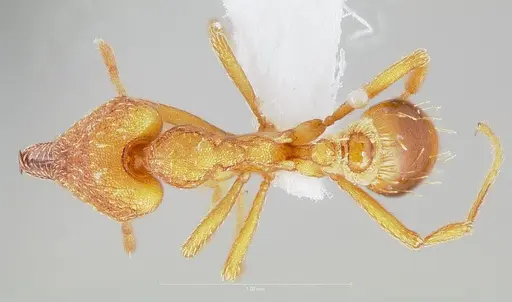
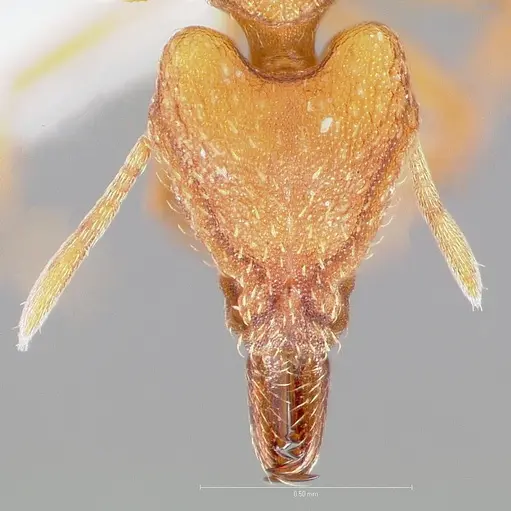
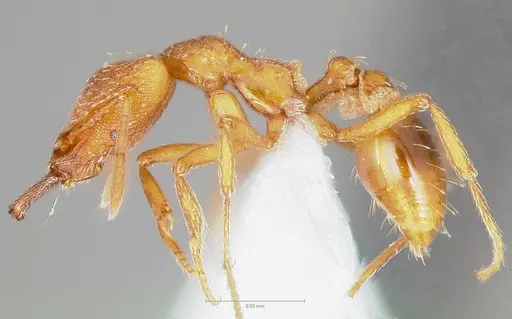
CASENT0005511
View on AntWeb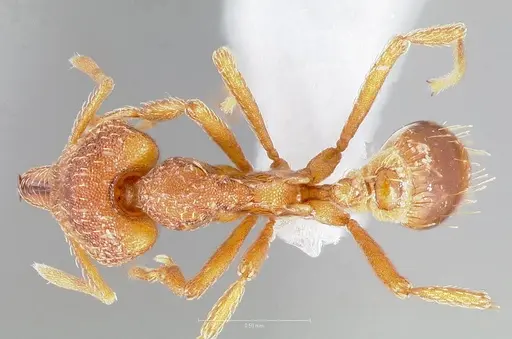
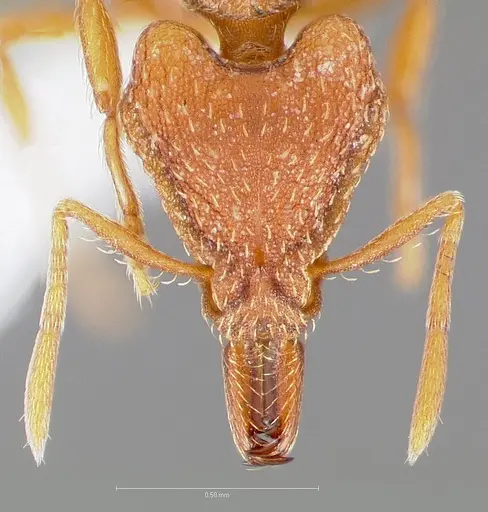
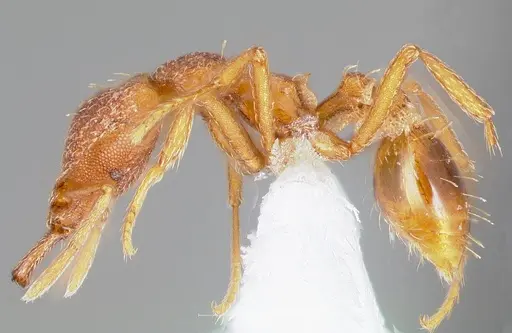
CASENT0436719
View on AntWeb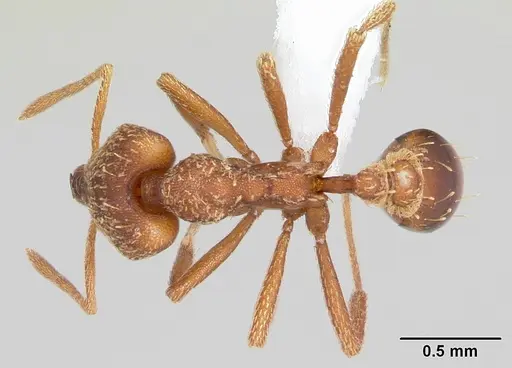
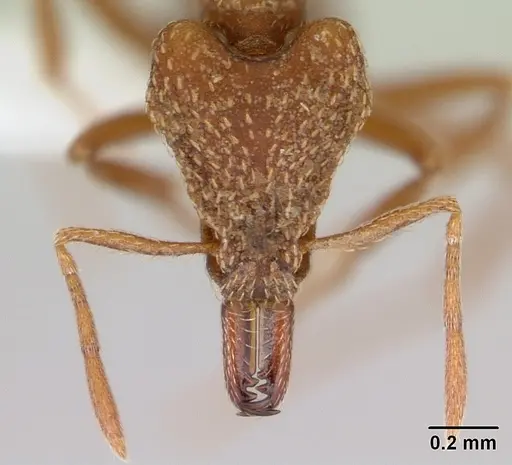
CASENT0900715
View on AntWeb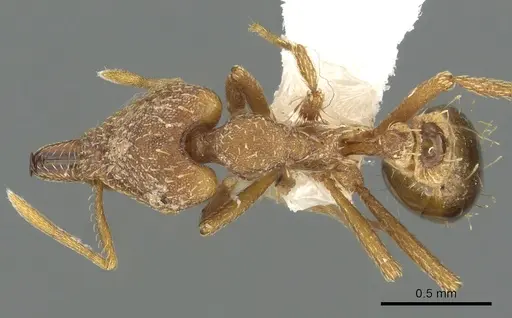
CASENT0900876
View on AntWeb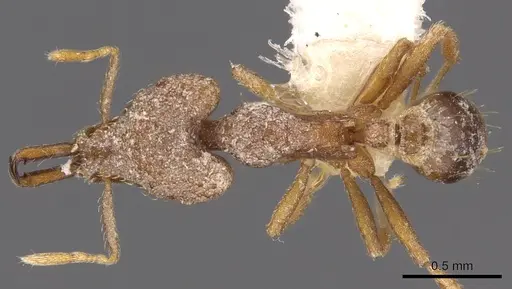
Literature
Loading distribution map...Loading products...