
Strumigenys carolinae
- Sci. Name
- Strumigenys carolinae
- Tribe
- Attini
- Subfamily
- Myrmicinae
- Author
- Fisher, 2000
- Distribution
- Found in 1 countries
Introduction
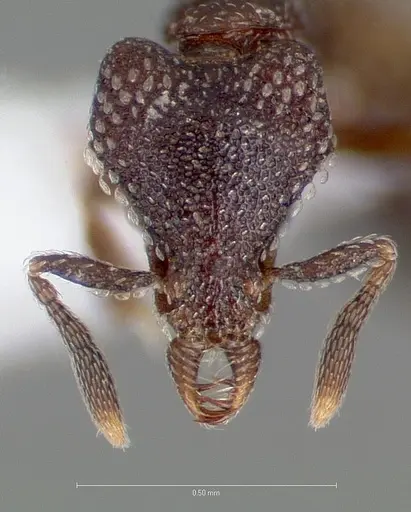
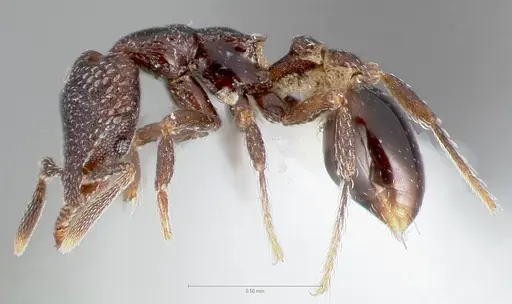
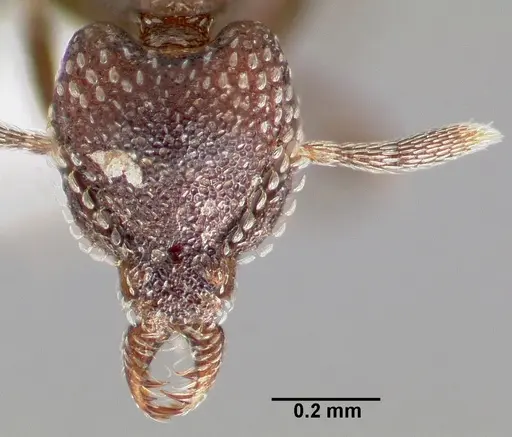
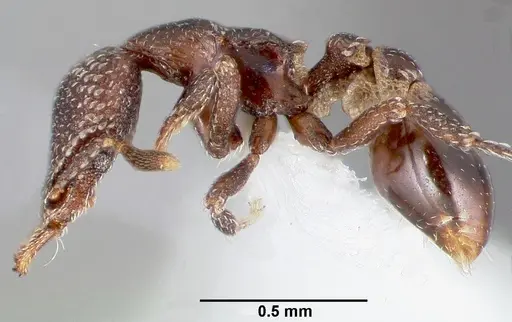
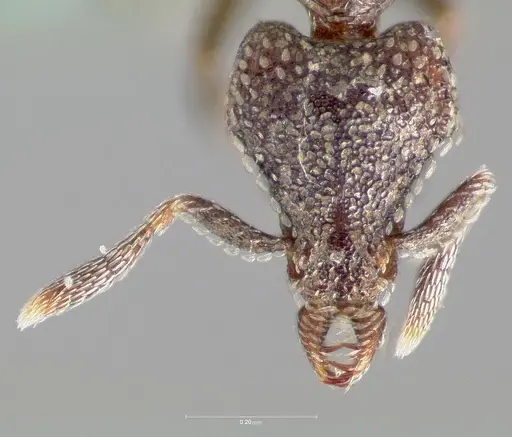
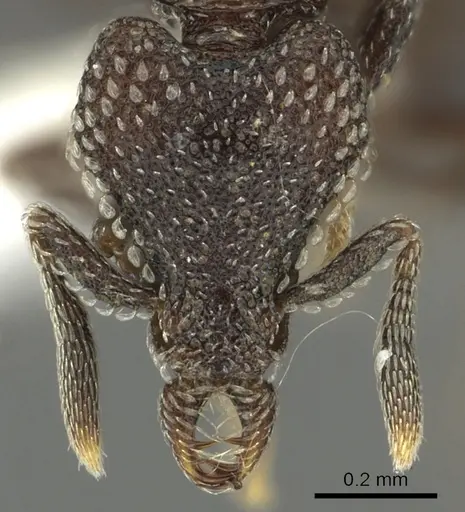
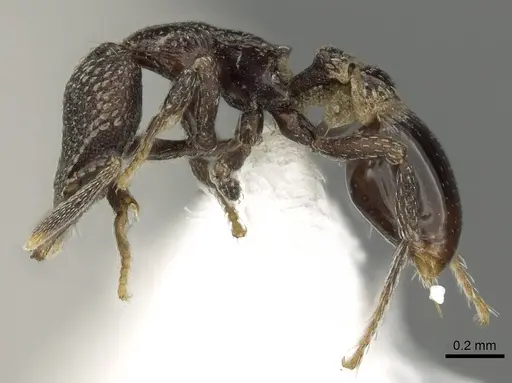
Strumigenys carolinae is a small ant from Madagascar, recorded from leaf litter at elevations between 400m and 1580m . Specific biological details are unknown, but as a member of the Strumigenys genus it likely possesses trap-jaw mandibles and is a specialist predator of tiny arthropods like springtails. They belong to the tribe Attini, which typically have a functional stinger, though it is too small to affect humans.
Quick Summary
- Difficulty: Medium
- Origin & Habitat: Madagascar, collected from leaf litter at elevations 400-1580m [1]
- Colony Type: Queen number is unconfirmed. Based on typical Strumigenys patterns, likely single-queen (monogyne) colonies.
- Size & Growth:
- Queen: No research data, inferred from Strumigenys genus: ~3-4mm
- Worker: No research data, inferred from Strumigenys genus: ~2-3mm
- Colony: No research data, inferred from genus patterns: possibly up to 100 workers
- Growth: Unknown, likely slow due to small colony size
- Development: No data for this species, based on related Strumigenys, estimated 4-8 weeks (All timing is inferred from related species, no specific research available)
- Antkeeping:
- Temperature: Unknown for this species, as a tropical ant, likely best kept warm and stable, roughly 22-26°C
- Humidity: High humidity inferred from leaf litter habitat, keep nest substrate consistently moist but not waterlogged [1]
- Diapause: Unknown, Madagascar has mild winters, so true diapause is unlikely, but not confirmed
- Nesting: Tight, humid nests like test tubes or Y-tong (AAC) nests, avoid dry setups
- Behavior: Possesses a functional stinger (typical of Attini) but harmless to humans. They are specialized predators, likely feeding on springtails and other tiny live prey. Foraging is solitary. Escape risk is moderate due to tiny size.
- Common Issues: slow growth can frustrate beginners, colonies stay small for months, they likely refuse sugar and protein sources other than live prey, feeding can be challenging, high humidity requirements make mold a constant threat, tiny size means escape prevention must be good even though they're harmless, wild-caught colonies may have parasites that are difficult to detect
Housing and Nest Setup
Strumigenys carolinae does well in small setups scaled to their tiny size. A test tube setup works for founding colonies, while more established colonies do well in Y-tong (AAC) nests with tight chambers. The key is humidity, these ants come from damp forest leaf litter in Madagascar [1], so the nest substrate should stay consistently moist but never waterlogged. A small water reservoir connected to the nest helps maintain humidity. Avoid dry formicarium setups, these ants will struggle and may abandon chambers that get too dry. Because they're so small, even standard test tube setups need to be monitored closely for moisture levels.
Feeding and Diet
This is the most challenging aspect of keeping Strumigenys. Based on typical Strumigenys behavior, they are specialized predators that focus almost entirely on springtails and other tiny live prey. Unlike many ants, they do not typically accept sugar water, honey, or fruit. Their trap-jaw mandibles are specifically adapted for catching small, fast-moving prey. Feed small live springtails regularly, this should be their primary food source. You can also offer other tiny arthropods like booklice or fruit fly larvae, but springtails are ideal. Some keepers report success with tiny pieces of mealworm or other small protein sources, but live prey is always safest. Feed every few days, removing any uneaten prey within 24 hours.
Temperature and Seasonal Care
Keep your colony at room temperature or slightly warm, around 22-26°C. This is inferred from their tropical origin in Madagascar's humid forests. They don't require heating in most homes, but if your room runs cool, a gentle heat gradient can help. Unlike temperate species, these ants likely don't need a true diapause period. However, they may show reduced activity during cooler months, this is normal and they should bounce back when temperatures warm. The main concern is avoiding temperature extremes in either direction. Stable, moderate warmth is better than fluctuations.
Behavior and Colony Dynamics
Strumigenys colonies stay small, likely under 100 workers even when mature, based on genus patterns. Workers are solitary hunters, patrolling the nest area and surrounding space individually rather than forming foraging trails. Their famous trap-jaw mechanism allows them to catch prey that would escape larger ants. They have a functional stinger (typical of Attini), but it's too small to penetrate human skin and entirely harmless. The main behavioral concern is their small size making them prone to escaping through gaps. Standard barrier methods work fine, but inspect your setup carefully.
Frequently Asked Questions
Can I keep Strumigenys carolinae in a test tube?
Yes, test tubes work well for founding colonies. Keep the water reservoir small and maintain high humidity around the tube. However, monitor moisture carefully, these ants need damp conditions but sitting water can drown them.
How long until Strumigenys carolinae has first workers?
Based on related Strumigenys species, expect first workers (nanitics) around 4-8 weeks after the queen lays eggs, assuming optimal temperature and humidity. Growth is slow, be patient.
What do Strumigenys carolinae eat?
Based on genus behavior, they eat almost exclusively live springtails and other tiny arthropods. They likely do not accept sugar sources. This makes them challenging to feed, you may need to culture your own springtail colony.
Are Strumigenys carolinae good for beginners?
They are intermediate difficulty. The main challenges are their specialized diet (live prey only) and high humidity needs. If you're prepared to culture springtails, they can be rewarding.
How big do Strumigenys carolinae colonies get?
Colonies likely stay small, probably under 100 workers even when mature. This is typical for the genus, not a sign of poor care.
Do Strumigenys carolinae need hibernation?
No data is available, but since they come from Madagascar (mild climate), they likely do not require hibernation. Keep them at stable room temperature year-round.
Why are my Strumigenys carolinae dying?
The most common causes are: too dry conditions (they need high humidity), feeding wrong foods (they need live springtails, not sugar), or stress from disturbance. Check your humidity levels first.
When should I move Strumigenys carolinae to a formicarium?
Wait until the colony has at least 20-30 workers and is actively foraging. Moving too early can stress the queen. A Y-tong or similar small-nest setup works better than large formicariums for these tiny ants.
Can I keep multiple Strumigenys carolinae queens together?
This hasn't been studied for this species. Based on typical Strumigenys behavior, single-queen colonies are most common. Combining unrelated queens is not recommended.
Report an Issue
The current care sheet is based fully on literature. See inconsistencies, or something that's incorrect? Please , it will be resolved after review from an admin. Contributing to the blogs tab also helps providing information, to make us be able to further improve the caresheets. Thank you for your support!
References

This caresheet is licensed under CC BY-SA 4.0 .
Community Blogs
CASENT0005500
View on AntWeb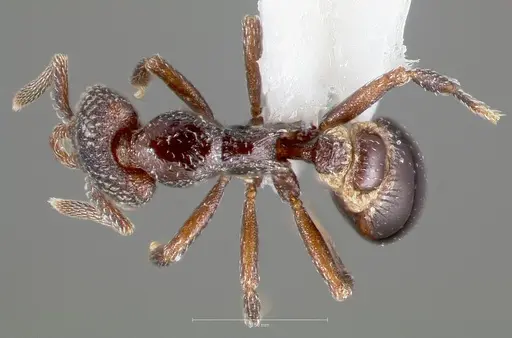
CASENT0005502
View on AntWeb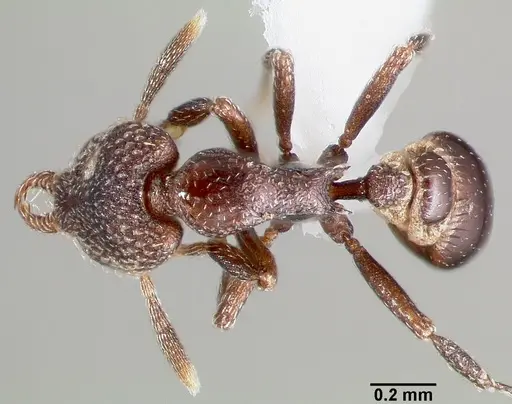
CASENT0005503
View on AntWeb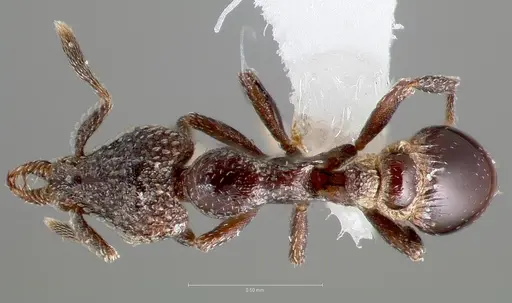
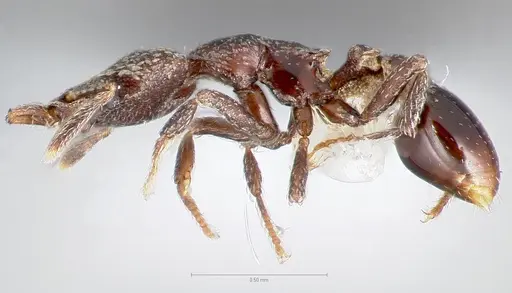
CASENT0005504
View on AntWeb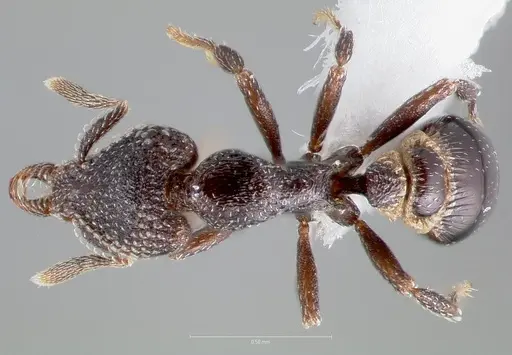
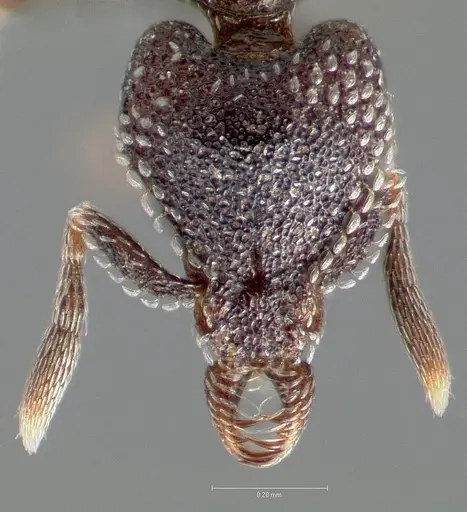
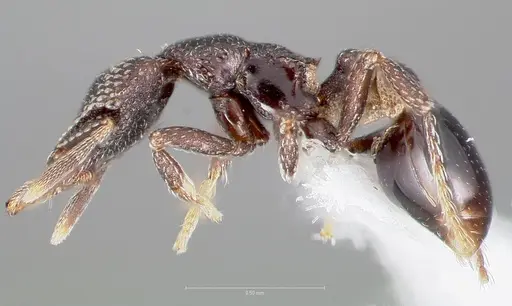
CASENT0900689
View on AntWeb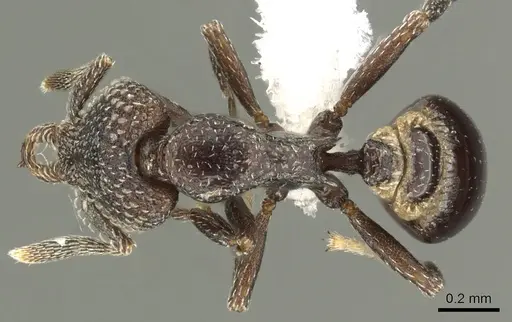
Literature
Loading distribution map...Loading products...