
Strumigenys brevicornis
- Sci. Name
- Strumigenys brevicornis
- Tribe
- Attini
- Subfamily
- Myrmicinae
- Author
- Mann, 1922
- Distribution
- Found in 6 countries
Introduction
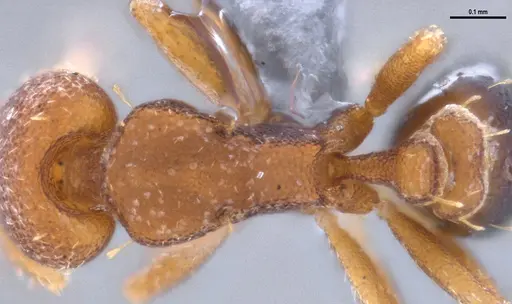
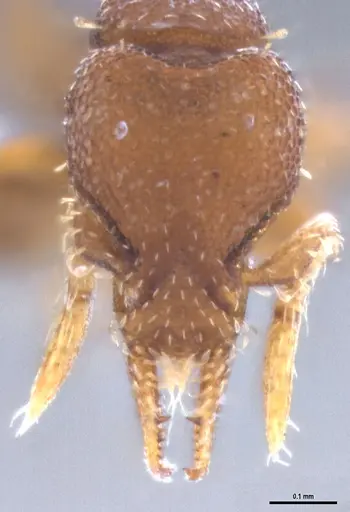
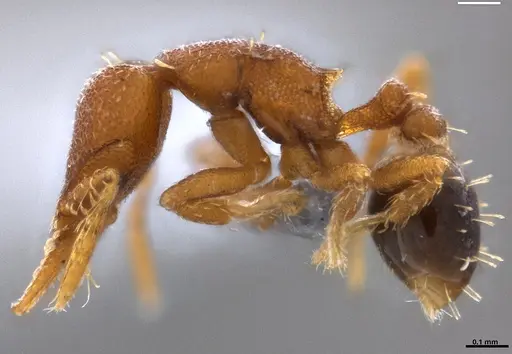
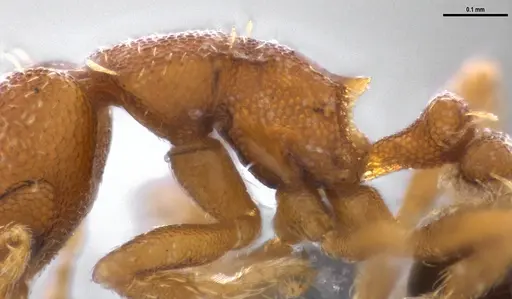
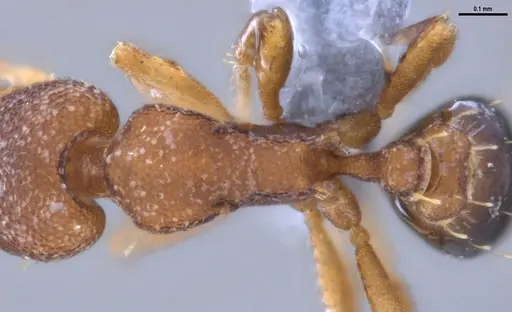
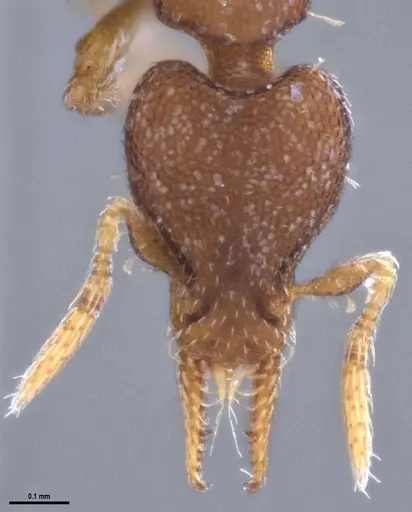
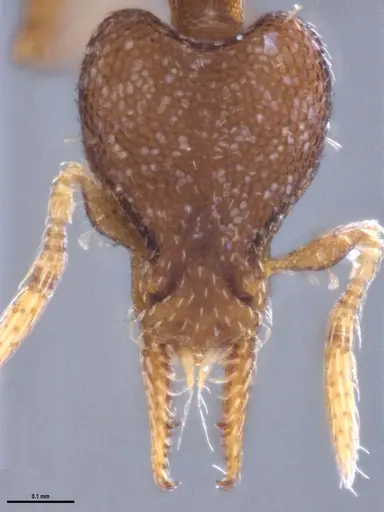
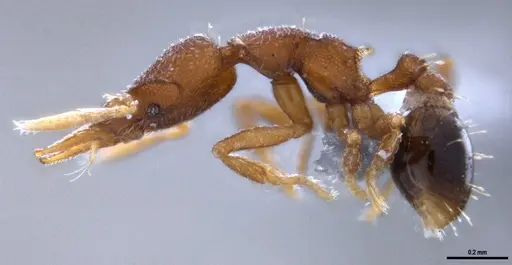
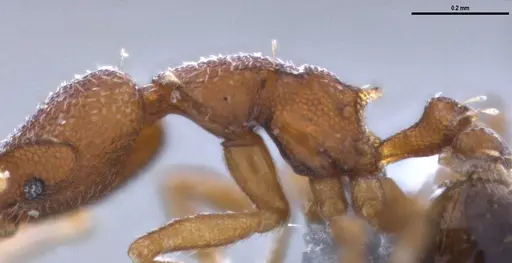
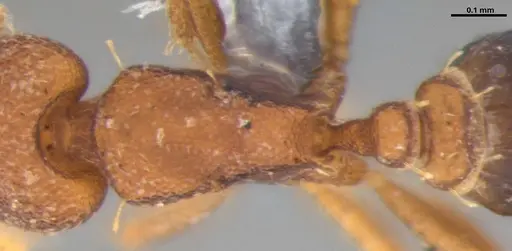
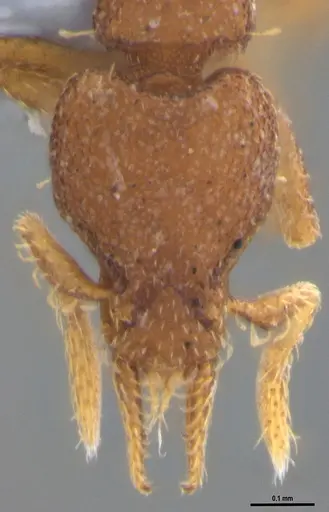
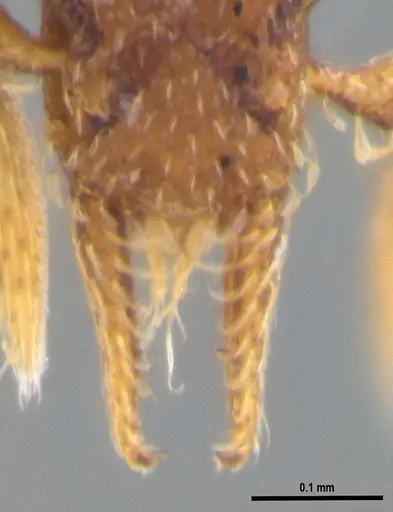
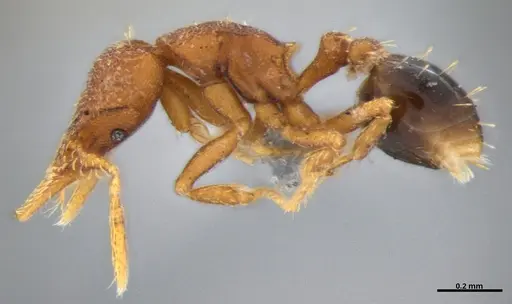
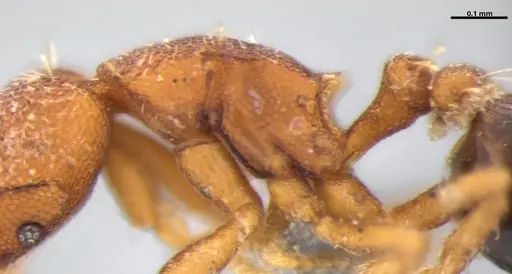
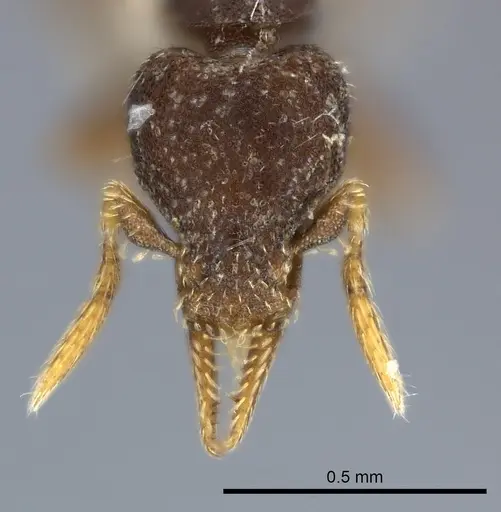
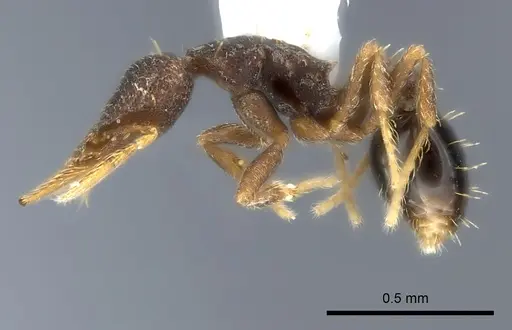
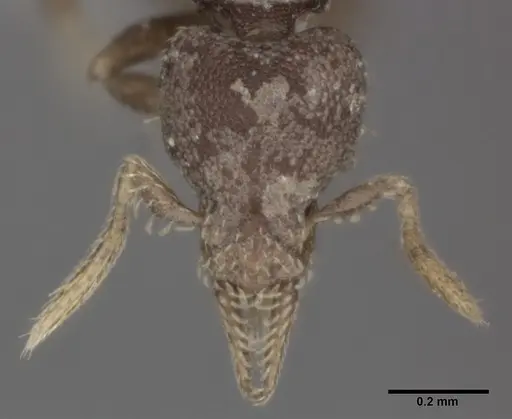
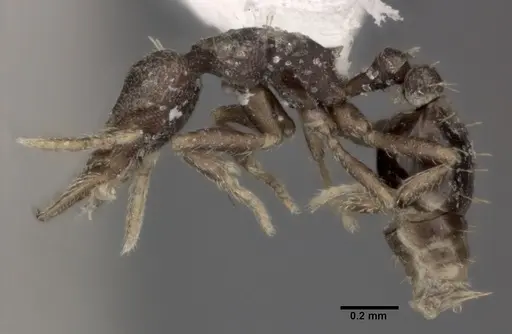
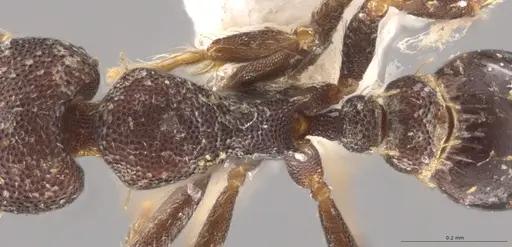
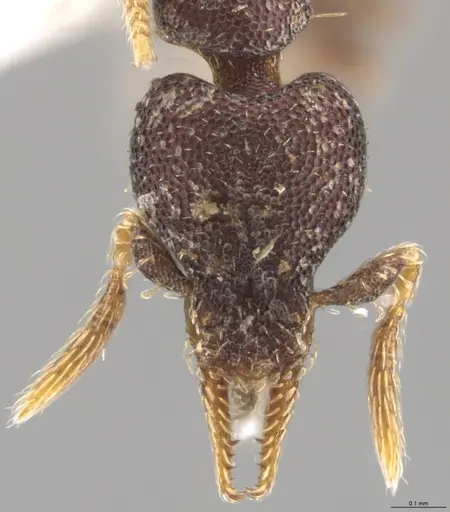
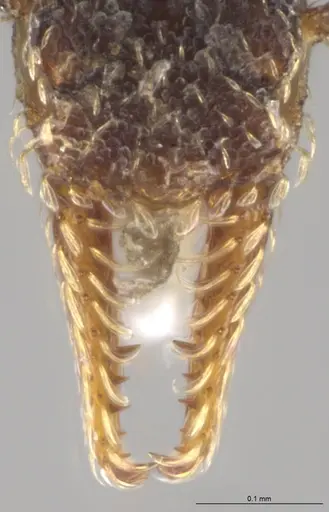
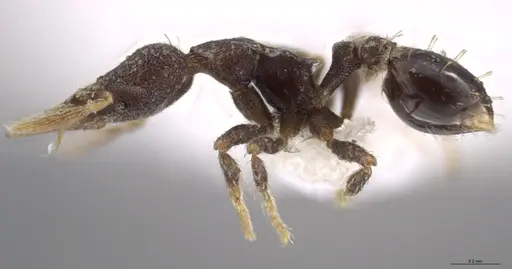
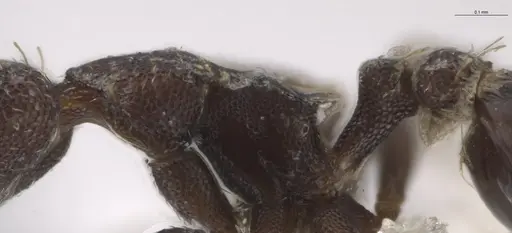
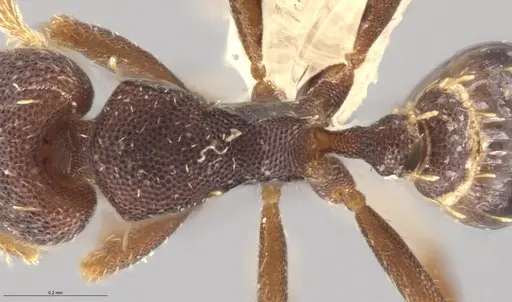
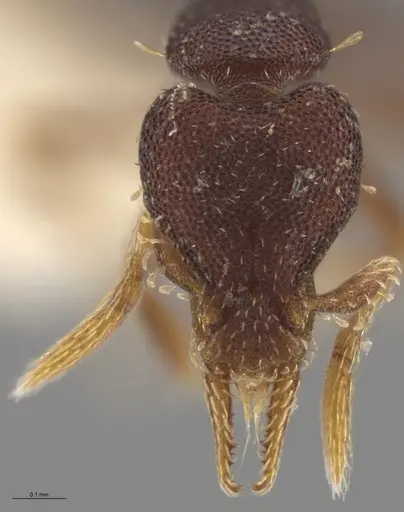
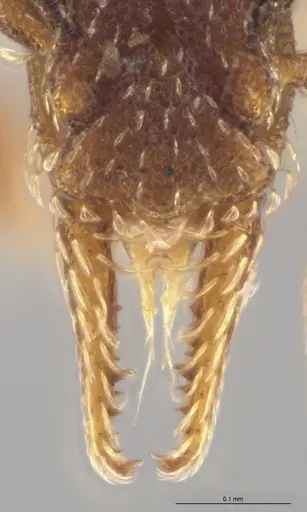
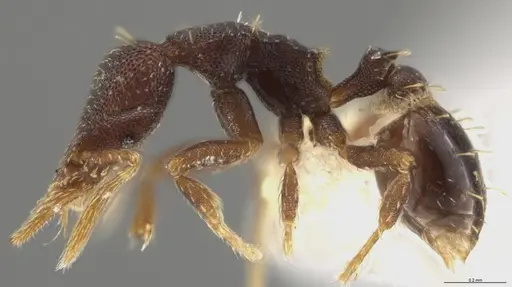
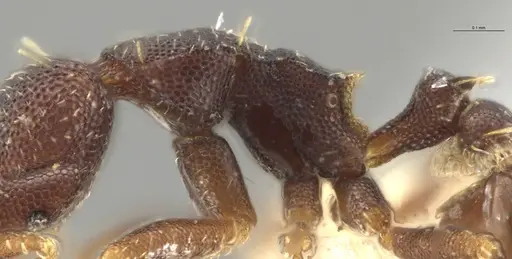
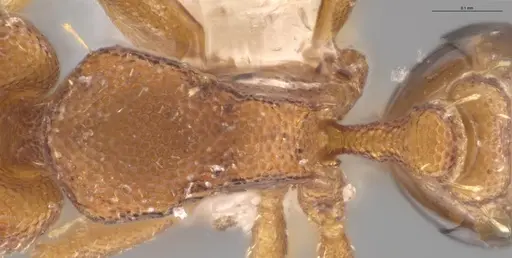
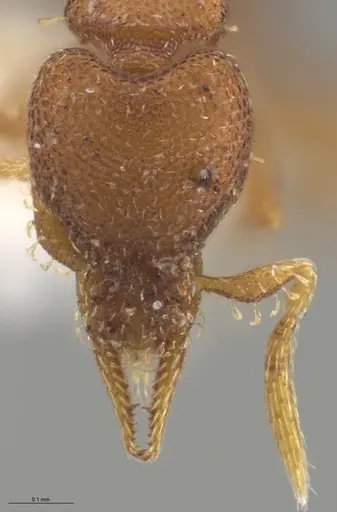
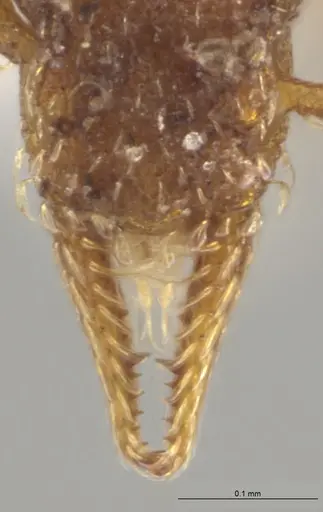
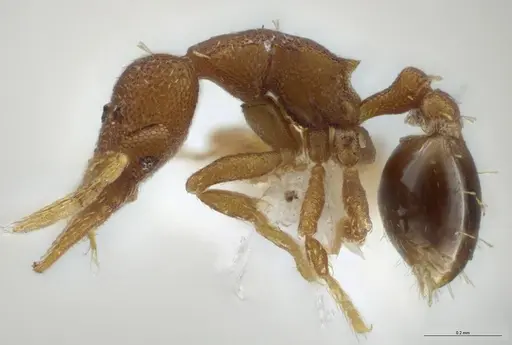
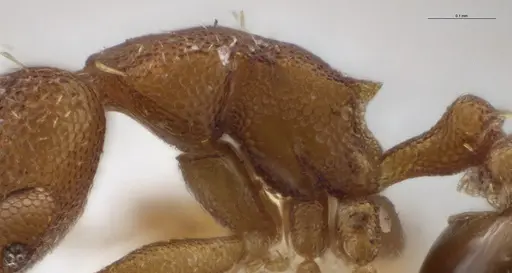
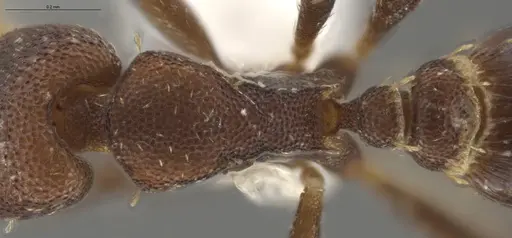
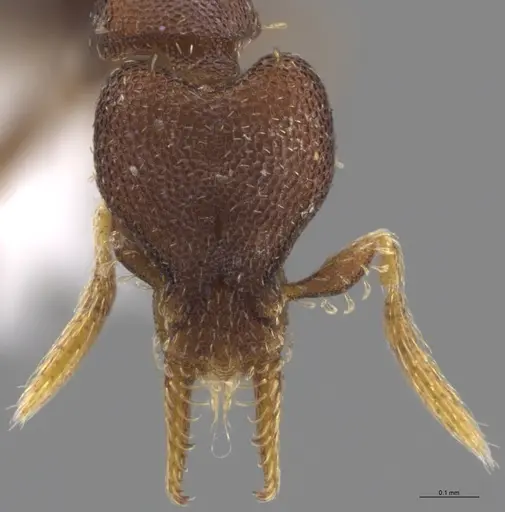
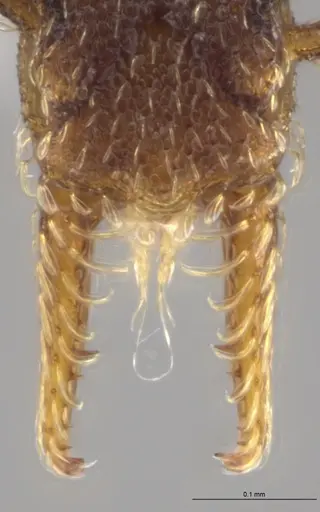
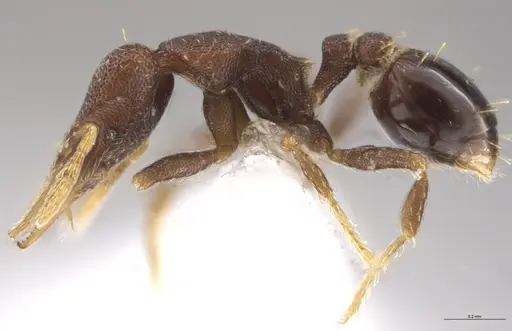
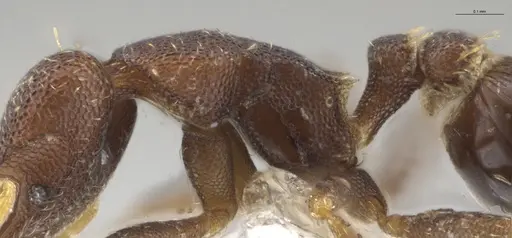
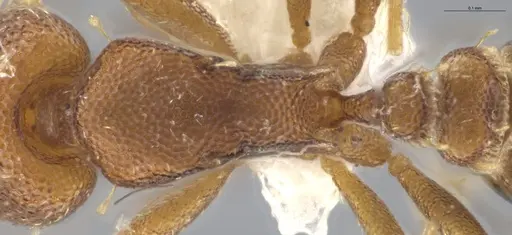
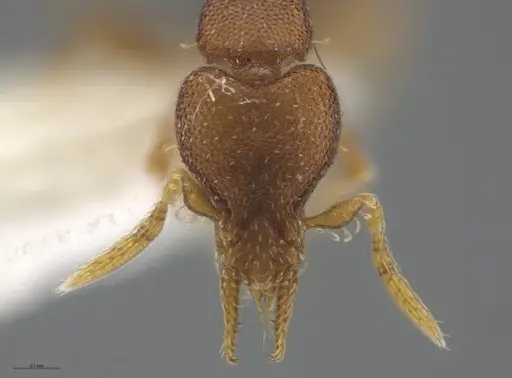
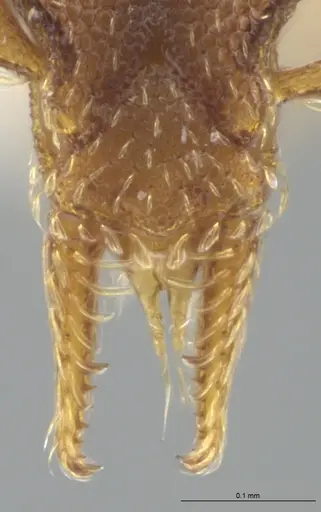
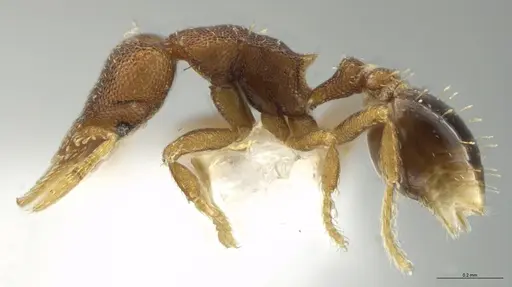
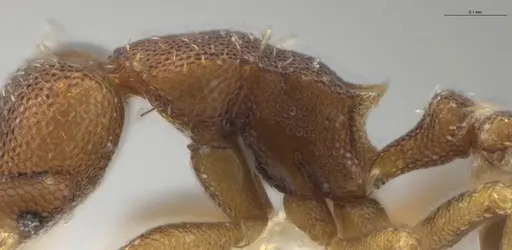
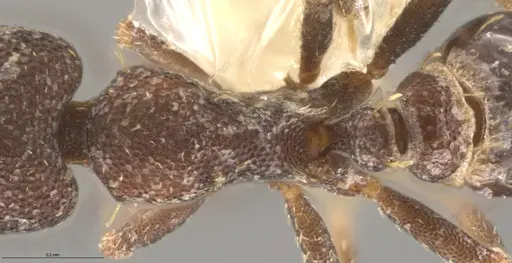
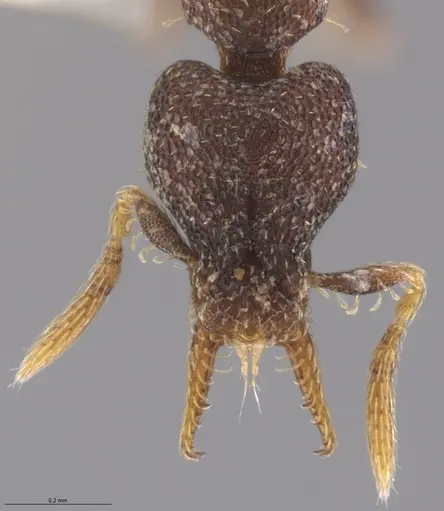
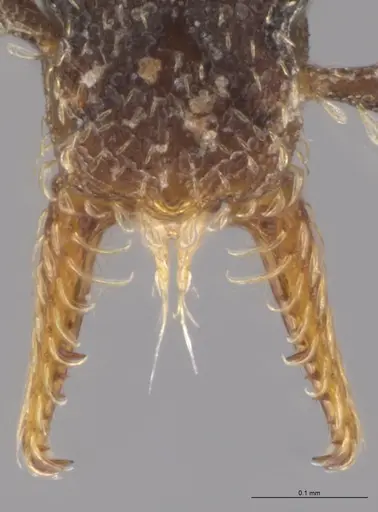
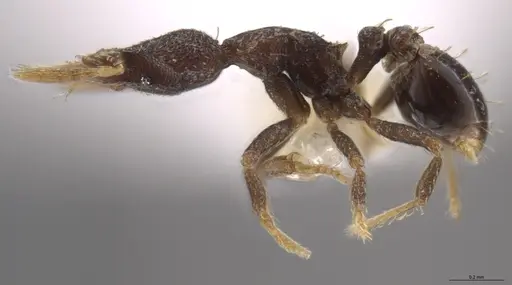
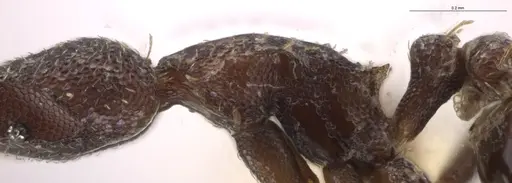
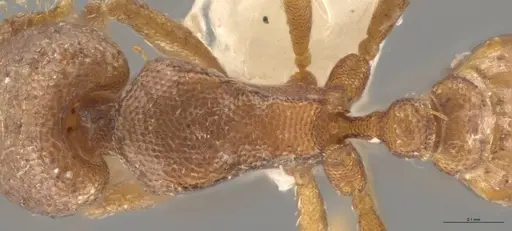
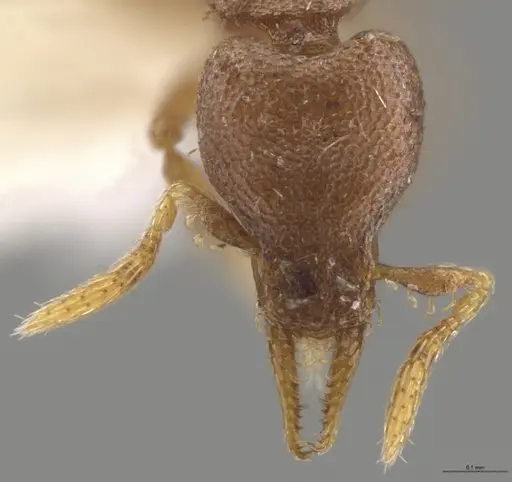
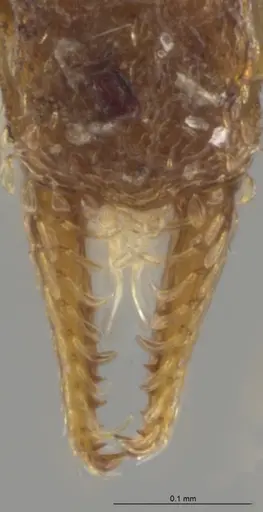
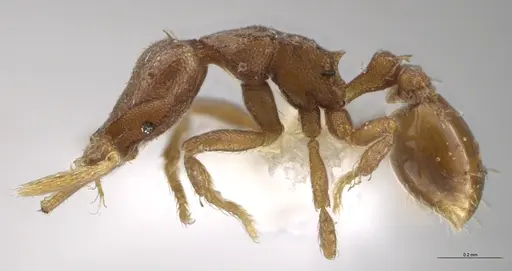
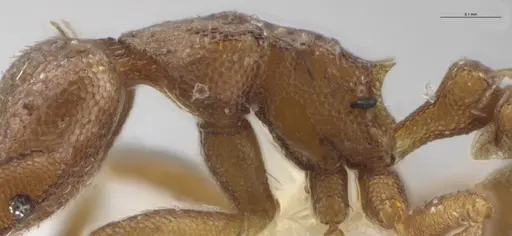
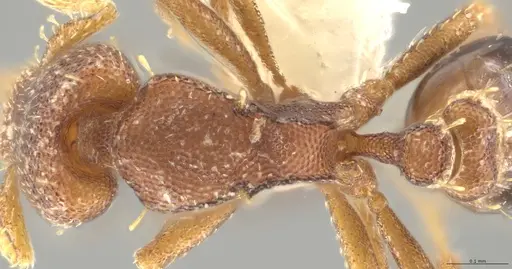
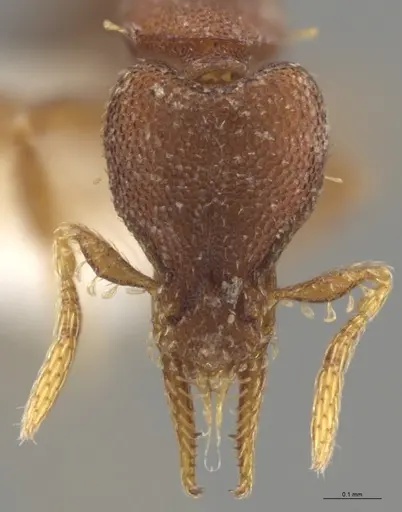
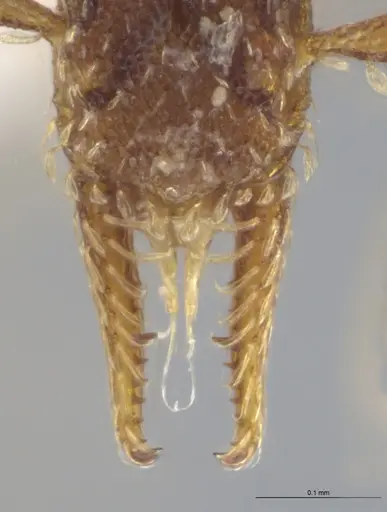
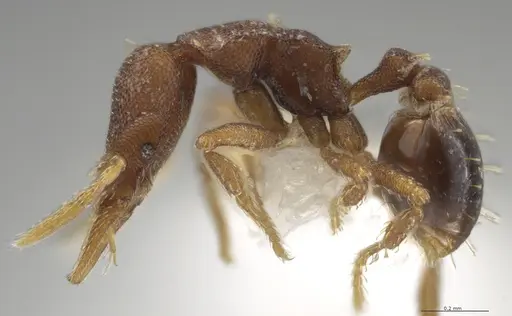
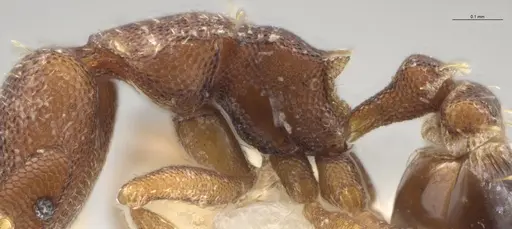
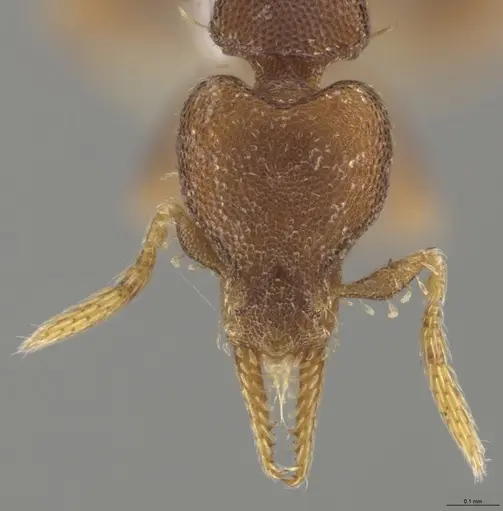
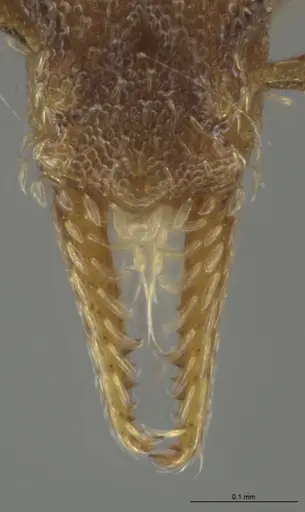
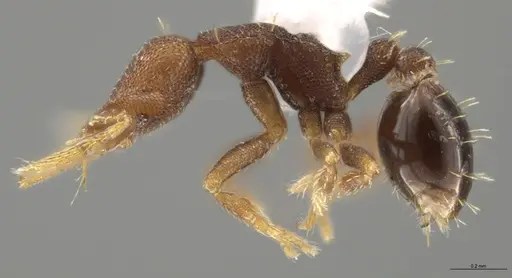
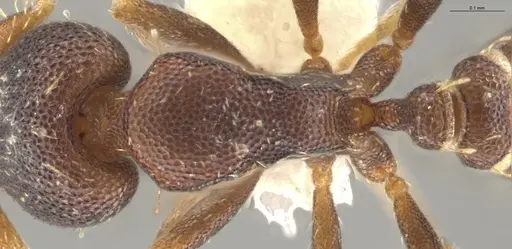
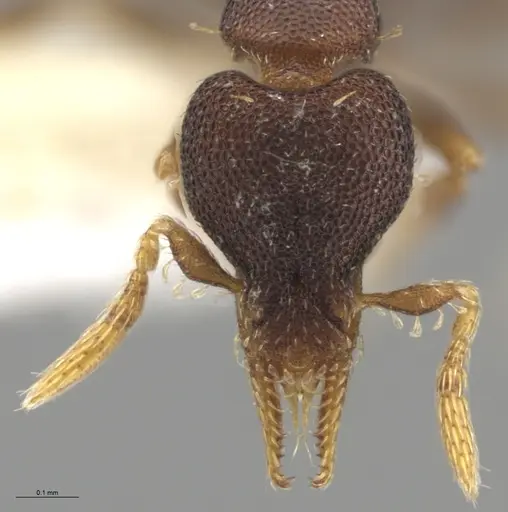
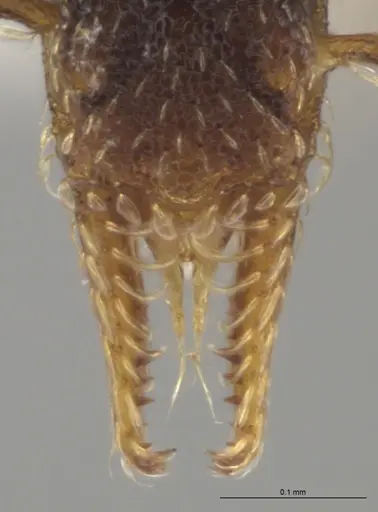
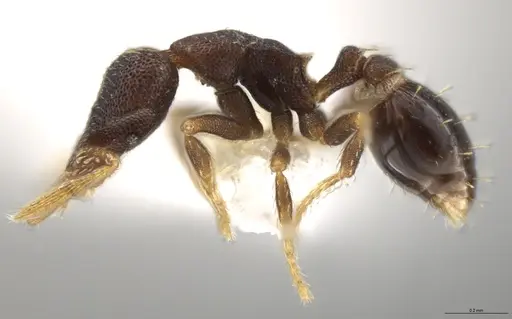
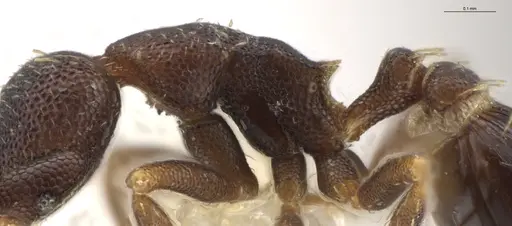
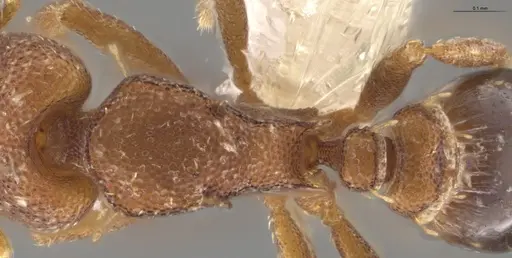
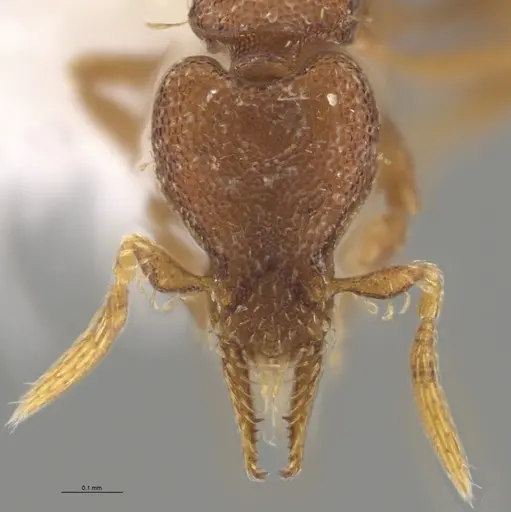
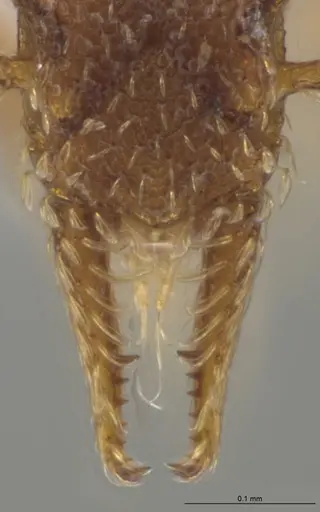
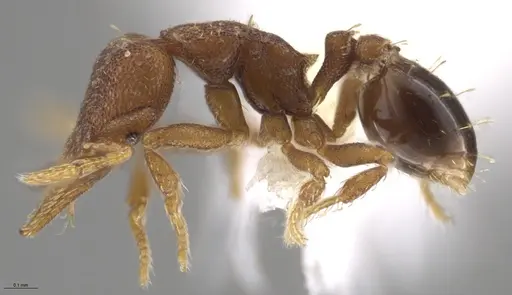
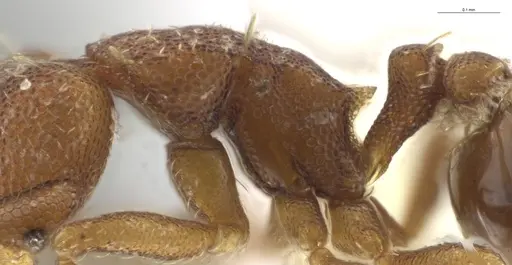
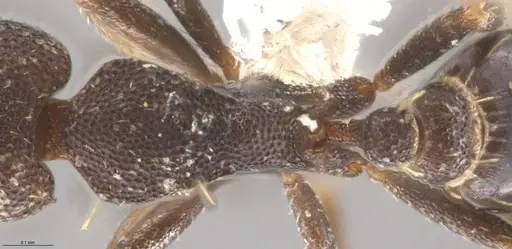
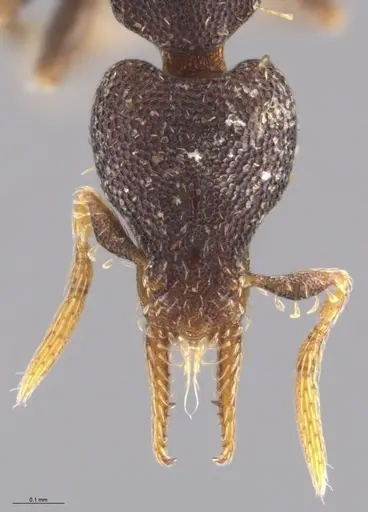
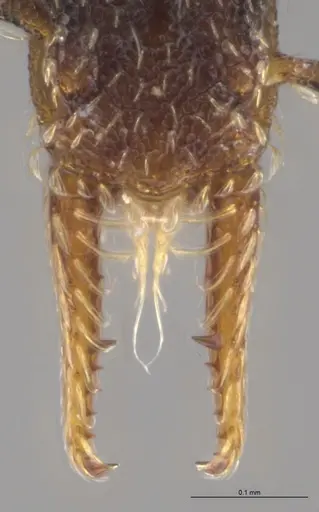
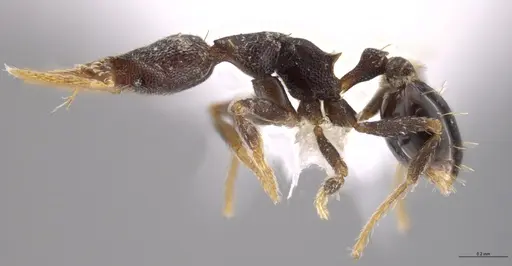
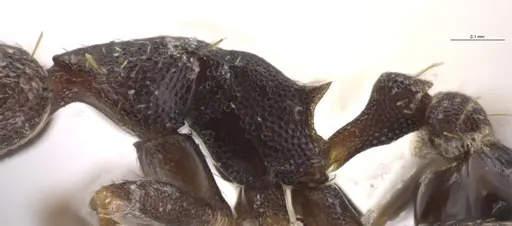
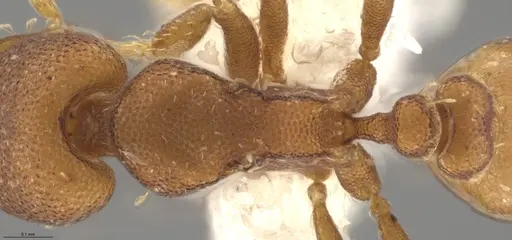
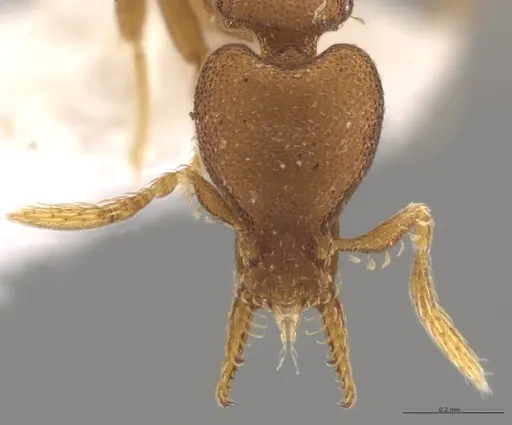
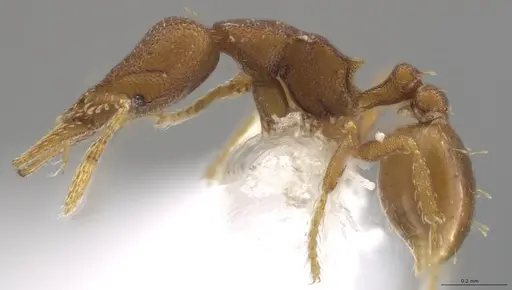
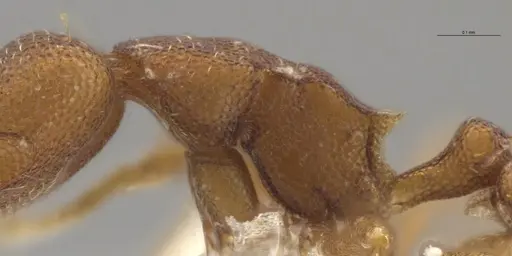
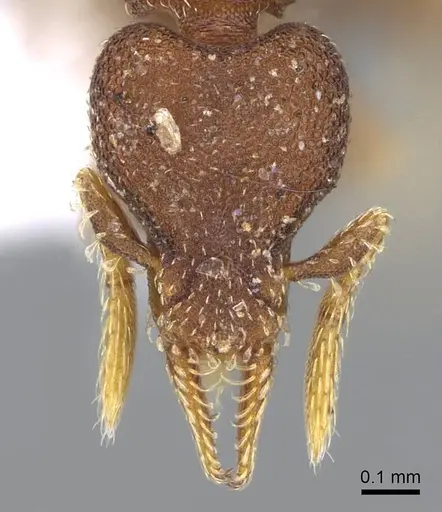
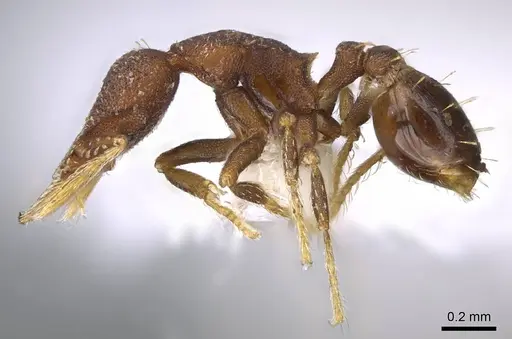
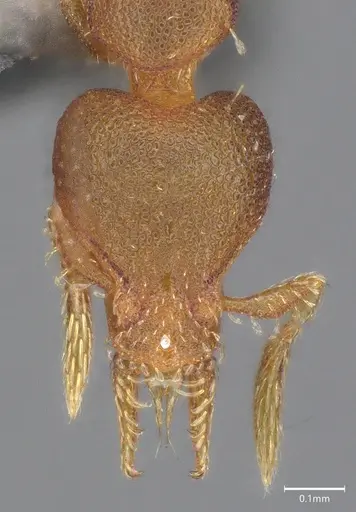
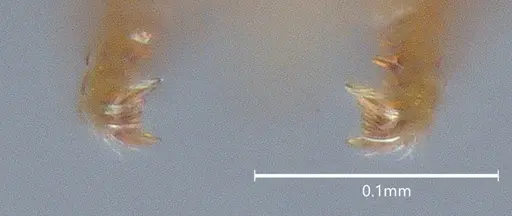
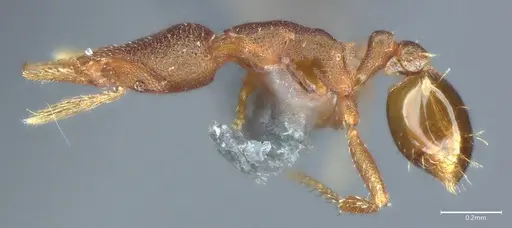
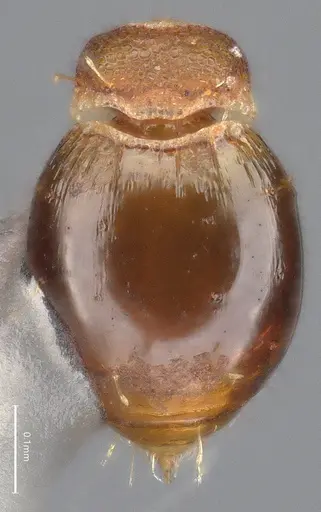
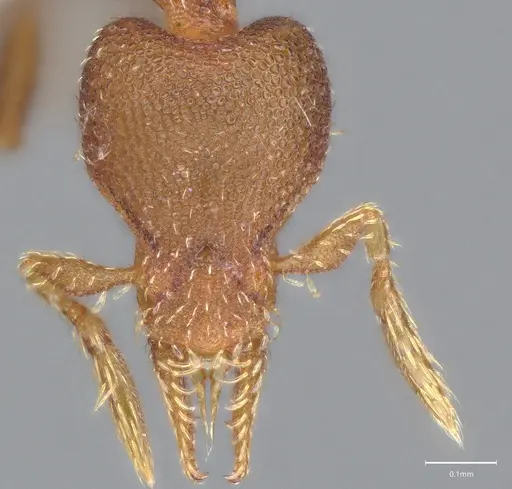
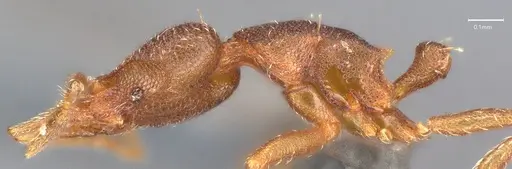
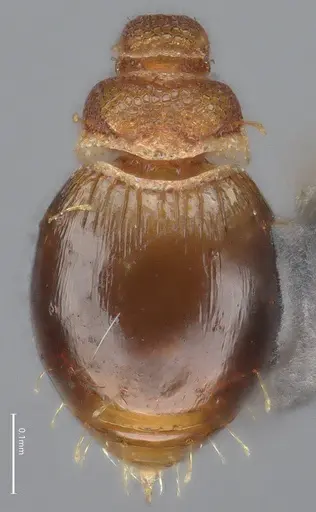
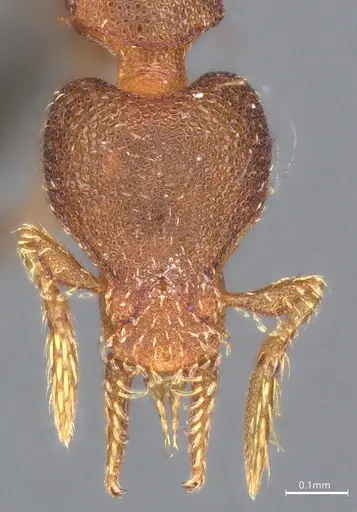
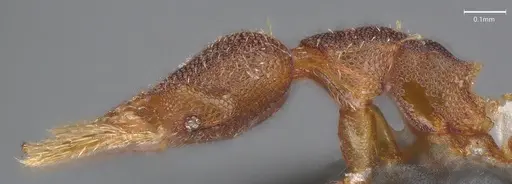
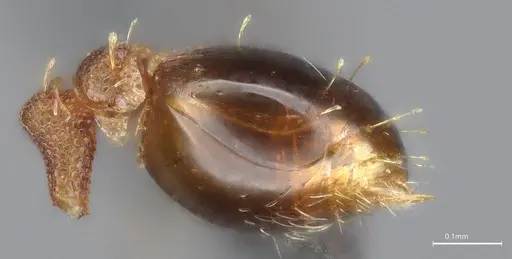
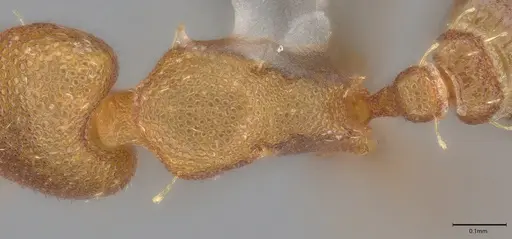
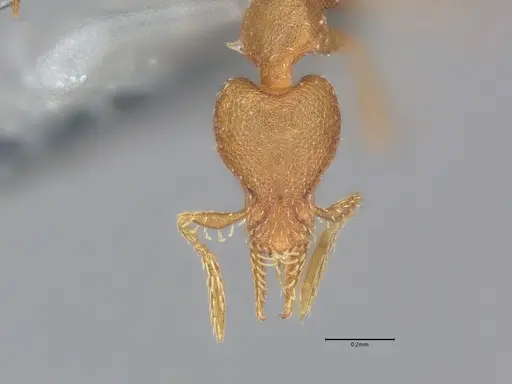
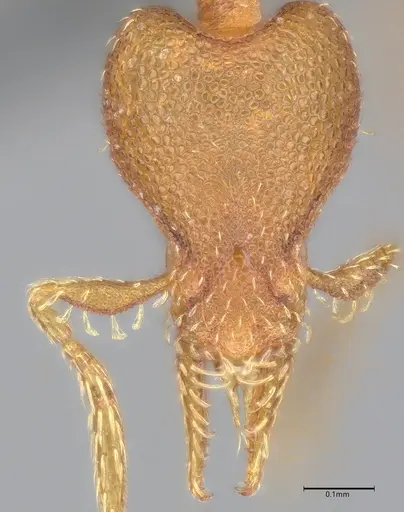
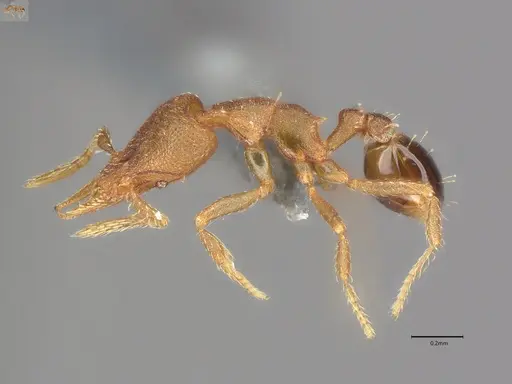
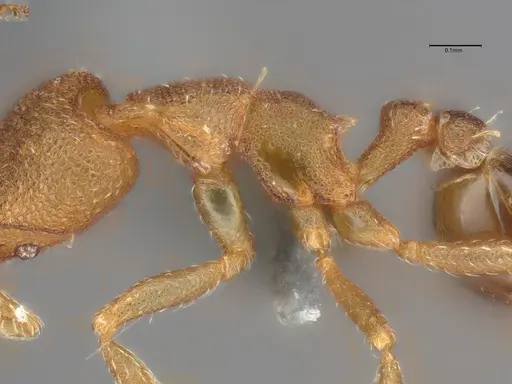
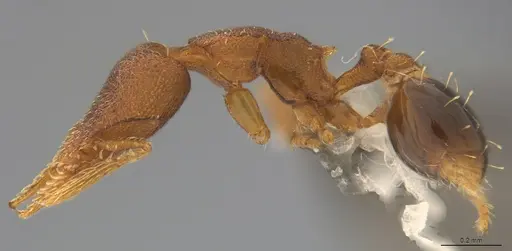
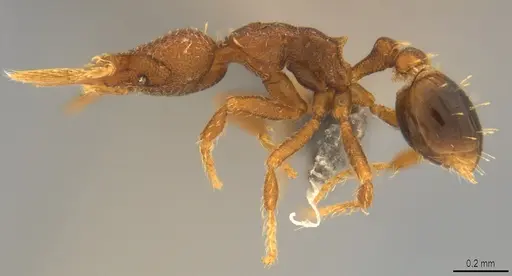
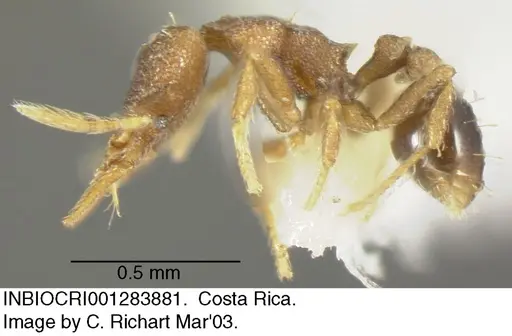
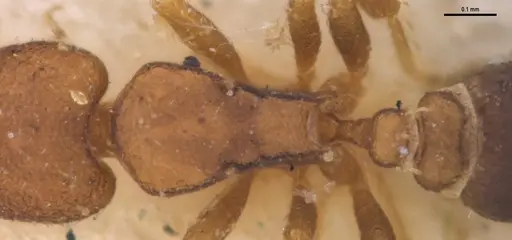
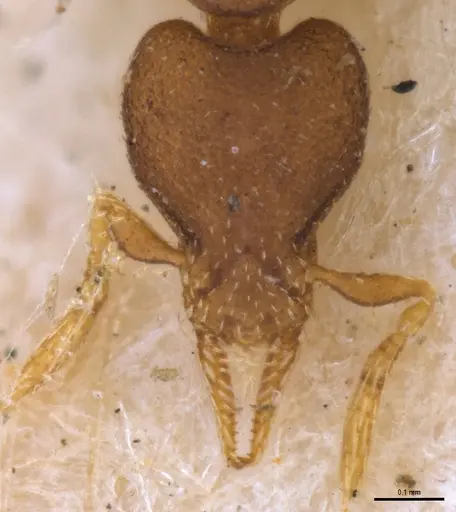
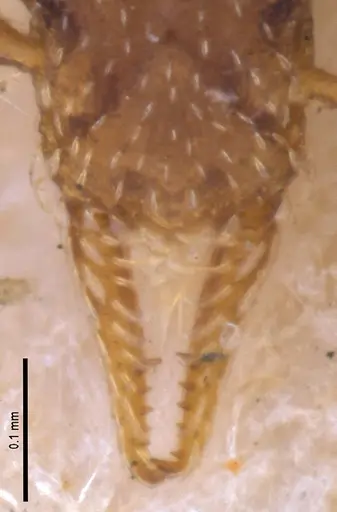
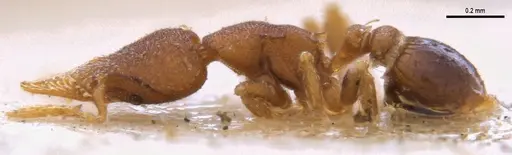
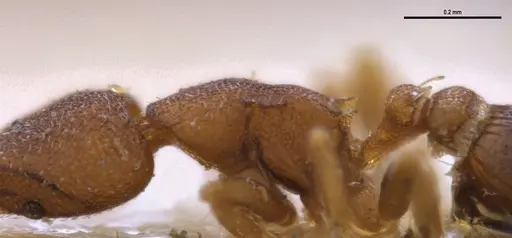
Strumigenys brevicornis is a tiny, specialized predator native to Central America, found from Mexico down to Panama . Workers measure 1.7-2.2 mm and have elongated, linear mandibles and small eyes. Their color varies from yellow-brown to dark brown, with darker forms at higher elevations . These ants are ambush hunters that prey almost exclusively on springtails (Collembola) in forest leaf litter . Colonies are small, with fewer than 30 workers , and nest in small rotting pieces of wood . They belong to the gundlachi group and are one of the few ant species that can be kept long-term on a pure springtail diet .
Quick Summary
- Difficulty: Expert
- Origin & Habitat: Central America: Belize, Costa Rica, Guatemala, Honduras, Mexico, Nicaragua, Panama [1]. In Mexico, recorded in Chiapas, Guerrero, Tamaulipas, Quintana Roo, Tabasco, and Veracruz [2]. They inhabit wet forests from near sea level to 2600 m elevation, with lighter forms more common below 500 m and darker montane forms above [1].
- Colony Type: Single queen colonies have been observed in the wild, suggesting a monogyne structure. Colony size is small, with up to 26 workers recorded [1].
- Size & Growth:
- Antkeeping:
- Temperature: Estimated based on tropical forest habitat: keep at 20-24°C year-round. Avoid extremes below 18°C or above 28°C.
- Humidity: High humidity is essential. Keep the nest substrate consistently moist but not waterlogged, mimicking damp leaf litter.
- Diapause: No, this tropical species does not require hibernation. Maintain warm conditions year-round.
- Nesting: In nature they nest in small rotting wood fragments within leaf litter [1]. In captivity, a naturalistic setup with moist soil mixed with rotting wood works well. Use tight containers with fine mesh for escape prevention. Test tubes with moist cotton are suitable for founding [1].
- Behavior: These ants are specialized springtail predators that rely on ambush rather than active hunting. They hold their mandibles open at a 30-40° angle and wait motionlessly for prey [1]. When they strike, they latch on and sting. They are not aggressive toward humans and their stinger is not medically significant, but they can and will sting tiny prey. Workers are under 3 mm and can escape through tiny gaps, excellent escape prevention is essential.
- Common Issues: escape prevention is critical, they can squeeze through standard formicarium gaps, specialized diet, they only accept live springtails, making them difficult to feed, slow colony growth, small colonies (under 30 workers) with limited tolerance for mistakes, wild-caught colonies may carry parasites that kill them in captivity, high humidity required, drying out kills colonies quickly
Housing and Setup
Set up your colony to mimic their natural leaf-litter home. A naturalistic formicarium with moist soil mixed with bits of rotting wood works well. Use tight-fitting containers with fine mesh barriers, these tiny ants can squeeze through standard gaps. Test tubes with a moist cotton plug are fine for founding, but move to a more natural setup once the colony has 10-15 workers. The key is keeping humidity high while allowing airflow to prevent mold. A small outworld lets you introduce live prey without escape [1].
Feeding and Diet
This is the hardest part: Strumigenys brevicornis eats only live springtails (Collembola). In the lab, they eagerly took entomobryid and isotomid springtails but ignored other prey like symphylans, millipedes, campodeids, mosquitoes, and mites [1]. You need a steady culture of live springtails, start one separately and feed a few every few days. Remove uneaten prey to prevent mold. A colony thrived for two years on nothing but springtails [1]. Do not offer honey or sugar water, these ants are strict predators.
Temperature and Care
Keep them at a steady 20-24°C all year. They come from tropical Central America and can't handle cold. Normal room temperature works, but avoid drafts, cold windows, or AC vents. No hibernation needed, just keep them warm. If your room stays in that range, you don't need extra heating. A heat cable on one side can create a gentle gradient if you want, but avoid big swings. Never let it drop below 18°C.
Behavior and Hunting
These ants are ambush predators. A worker holds its mandibles open at 30-40° and stays perfectly still, waiting for a springtail to wander close. When one does, they strike fast. Even if the springtail jumps away, the ant hangs on doggedly and curls its abdomen to sting. One time a springtail escaped by leaving a leg in the ant's jaws, the ant carried the leg back to the nest [1]. This sit-and-wait style means they don't need much foraging space.
Colony Dynamics
Colonies stay small. One natural nest had 24 workers, a queen,4 worker pupae, and 5 larvae. Another had 26 workers, a queen,18 pupae,13 larvae, and eggs [1]. In captivity, a colony produced two sets of males and winged females over two years, but mating wasn't observed [1]. Expect slow growth, your colony will likely stay under 30 workers for a long time. This species isn't for keepers who want a big, fast-growing colony.
Frequently Asked Questions
Can I keep Strumigenys brevicornis in a test tube?
Yes, test tubes work for starting a colony. Keep the cotton moist but not flooded, and make sure there are no gaps, these tiny ants can squeeze through standard barriers. Move to a naturalistic setup once the colony reaches 10-15 workers.
How long until first workers in Strumigenys brevicornis?
The exact time is unknown. Based on related species, expect 2-4 months from founding to first workers. Be patient and don't disturb the queen during founding.
What do Strumigenys brevicornis eat?
Only live springtails (Collembola). They ignore other prey. You must maintain a live springtail culture to keep this species. Entomobryid and isotomid springtails are preferred [1].
Are Strumigenys brevicornis good for beginners?
No. This is an expert-level species because of the specialized diet (live springtails only), high humidity needs, tiny size making escape likely, and slow growth. Try easier ants first.
How big do Strumigenys brevicornis colonies get?
Small, typically under 30 workers even in mature colonies. This is naturally a low-population species [1].
Can I keep multiple Strumigenys brevicornis queens together?
No evidence for polygyny. Wild colonies have a single queen, so combining queens would likely cause fighting.
Do Strumigenys brevicornis need hibernation?
No. As a tropical species, they do not require hibernation. Keep them warm year-round at 20-24°C.
Why are my Strumigenys brevicornis dying?
Common causes: dried-out substrate (they need high humidity), wrong food (they must have live springtails), escape (they find tiny gaps), or temperature stress. Check each factor.
When to move Strumigenys brevicornis to a formicarium?
Keep them in a test tube or small container during founding. Once you have 10-15 workers and the tube gets dirty, transfer to a naturalistic setup with moist substrate mimicking their leaf-litter habitat.
What makes Strumigenys brevicornis unique?
Their ambush hunting: they stand still with mandibles open, wait for springtails, and strike. They're also one of the few ants that can live long-term on just springtails [1].
Report an Issue
The current care sheet is based fully on literature. See inconsistencies, or something that's incorrect? Please , it will be resolved after review from an admin. Contributing to the blogs tab also helps providing information, to make us be able to further improve the caresheets. Thank you for your support!
References

This caresheet is licensed under CC BY-SA 4.0 .
Community Blogs
ANTWEB1053265
View on AntWeb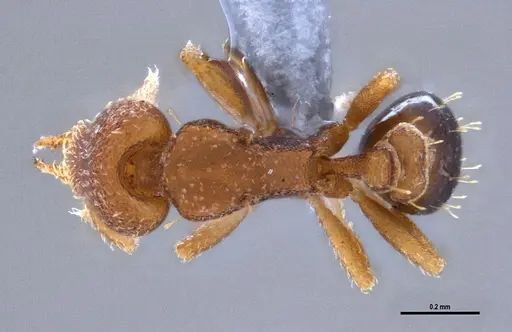
ANTWEB1053266
View on AntWeb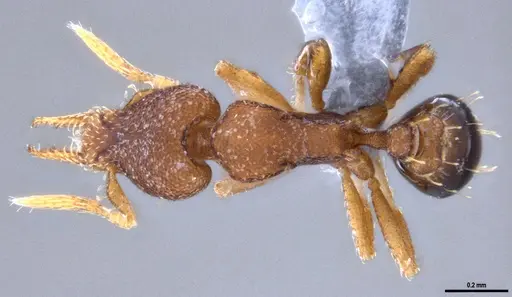
ANTWEB1053443
View on AntWeb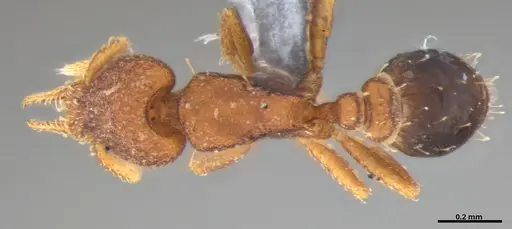
CASENT0217918
View on AntWeb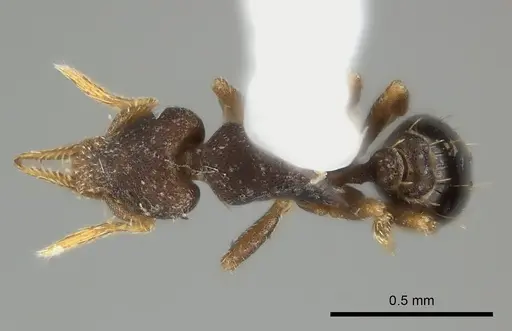
CASENT0246131
View on AntWeb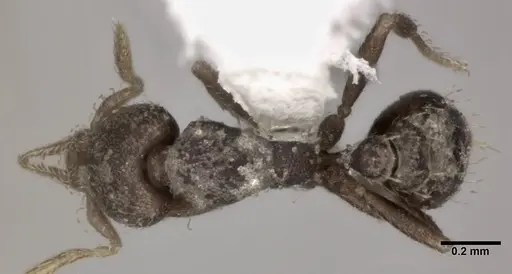
CASENT0600892
View on AntWeb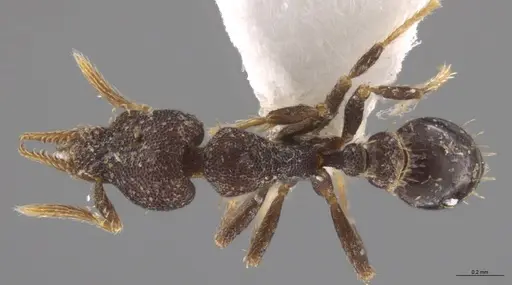
CASENT0601752
View on AntWeb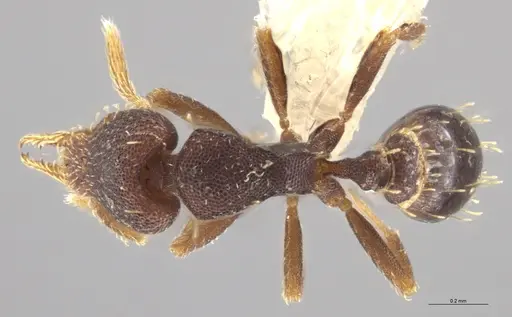
CASENT0610778
View on AntWeb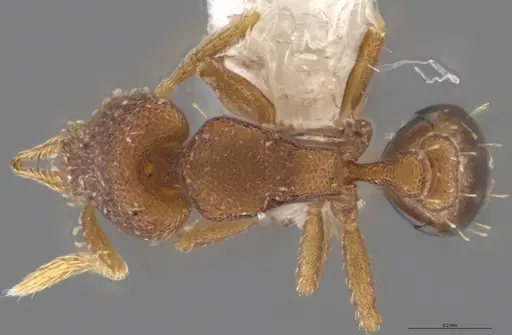
CASENT0617598
View on AntWeb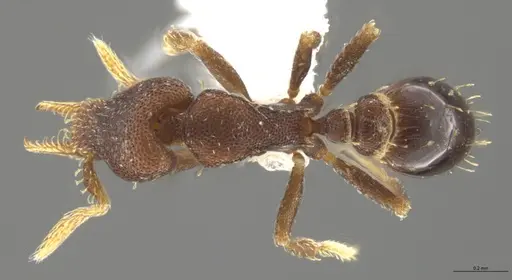
CASENT0633125
View on AntWeb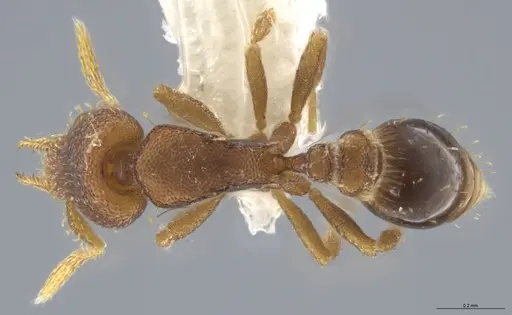
CASENT0633819
View on AntWeb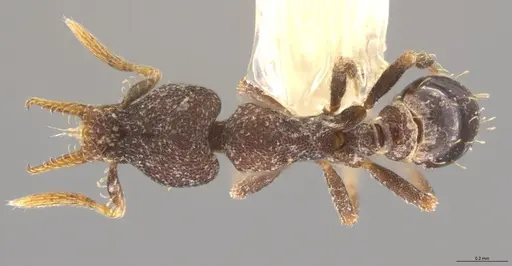
CASENT0633824
View on AntWeb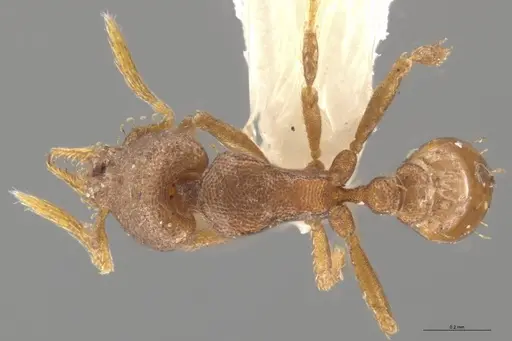
CASENT0633862
View on AntWeb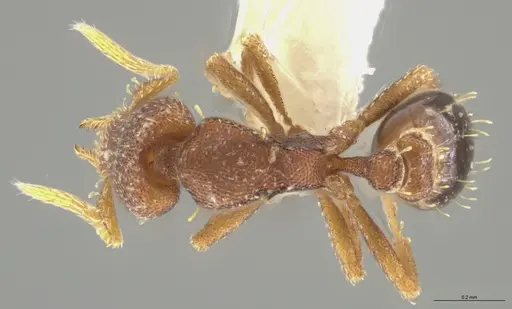
CASENT0635618
View on AntWeb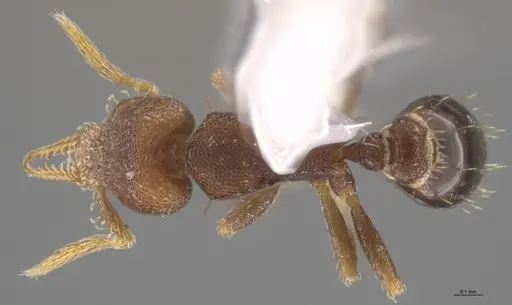
CASENT0640414
View on AntWeb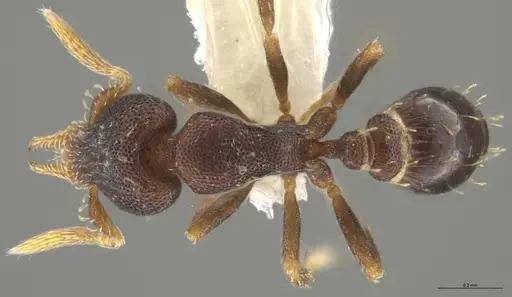
CASENT0648556
View on AntWeb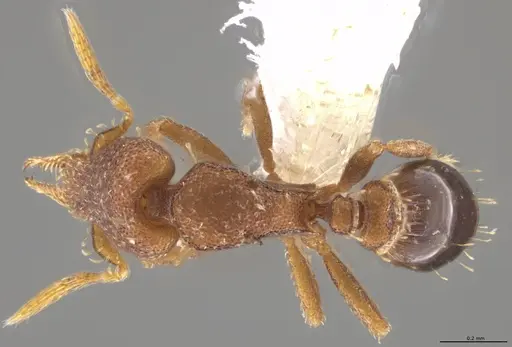
CASENT0648572
View on AntWeb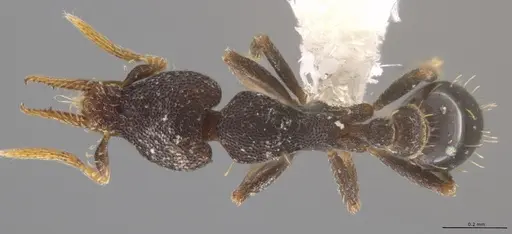
CASENT0653034
View on AntWeb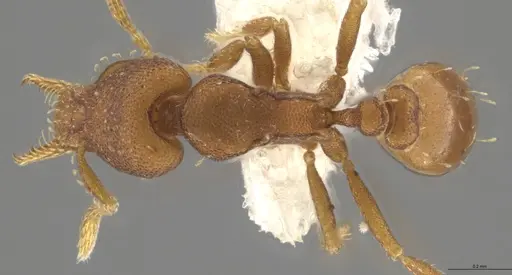
CASENT0914682
View on AntWeb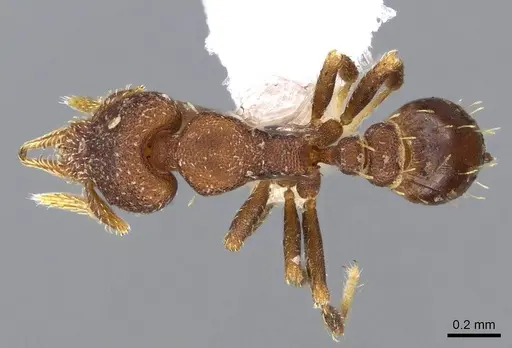
CASENT4036113
View on AntWeb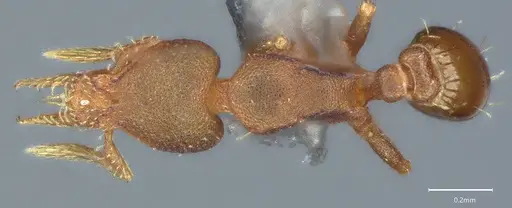
CASENT4036114
View on AntWeb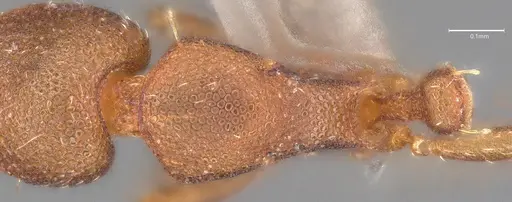
CASENT4036115
View on AntWeb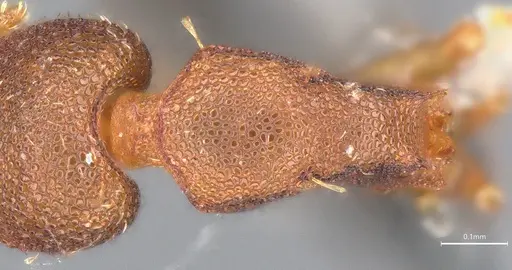
CASENT4036116
View on AntWeb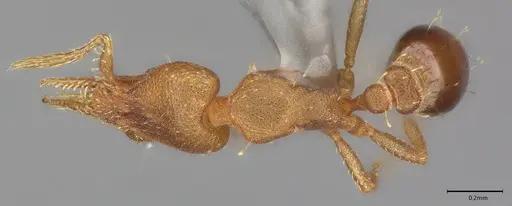
CASENT4036117
View on AntWeb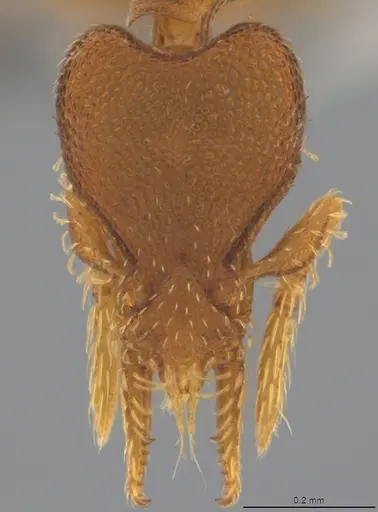
CASENT4036201
View on AntWeb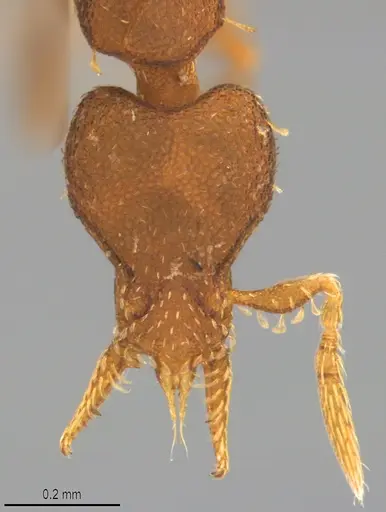
INBIOCRI001283881
View on AntWeb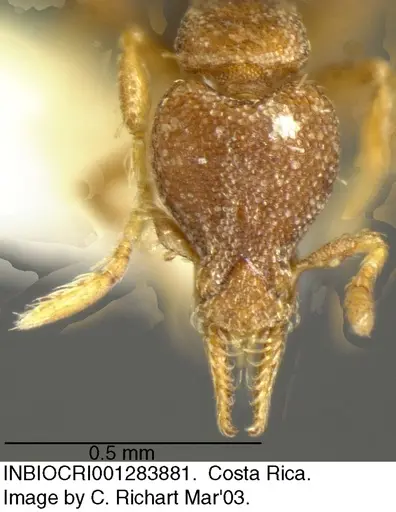
MZSPHYM0140060
View on AntWeb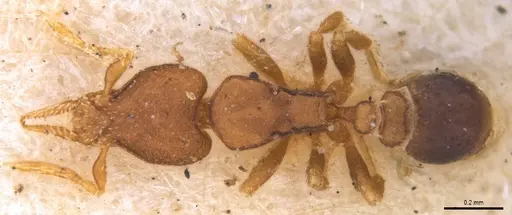
Literature
Loading distribution map...Loading products...