
Strumigenys biolleyi
- Sci. Name
- Strumigenys biolleyi
- Tribe
- Attini
- Subfamily
- Myrmicinae
- Author
- Forel, 1908
- Distribution
- Found in 8 countries
Introduction
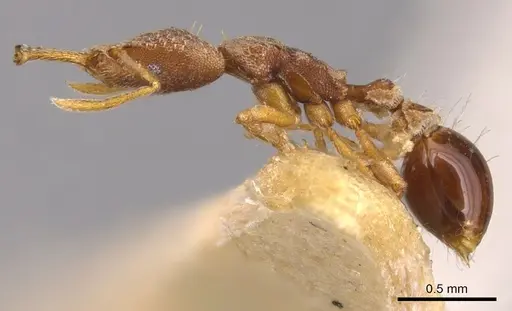
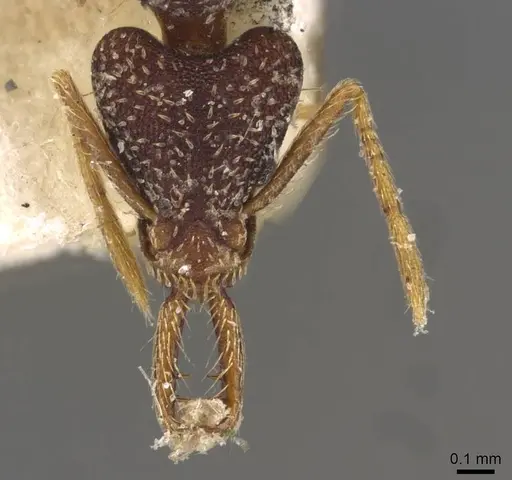
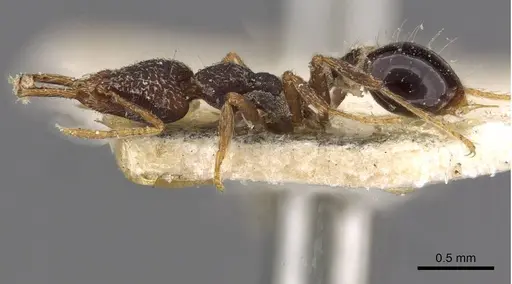
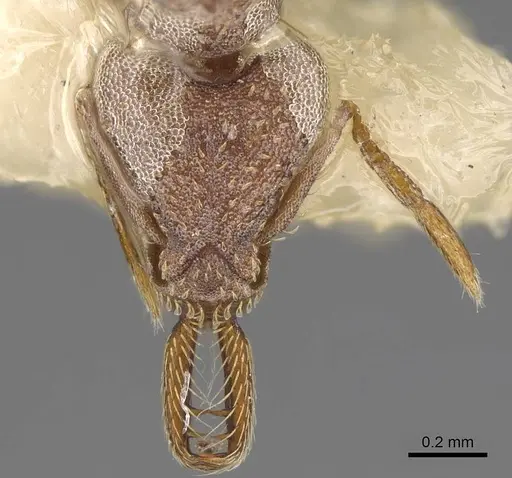
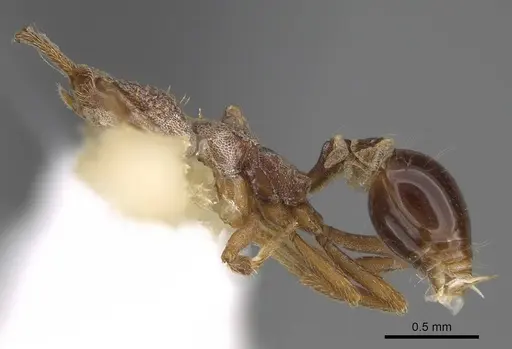
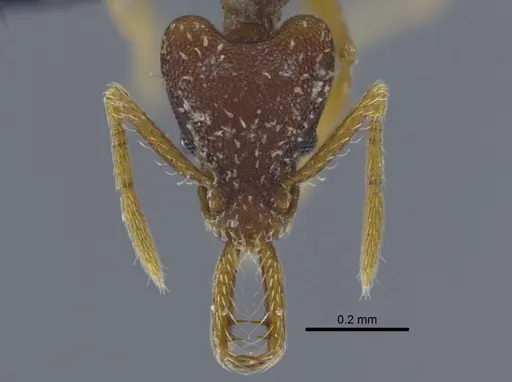
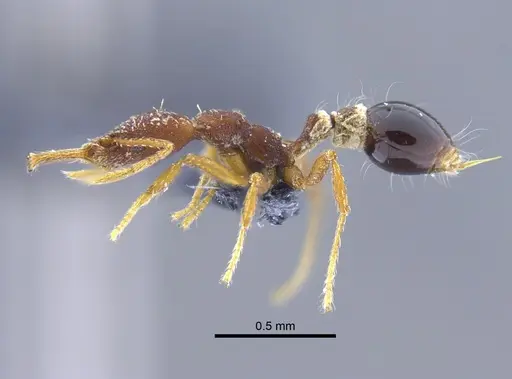
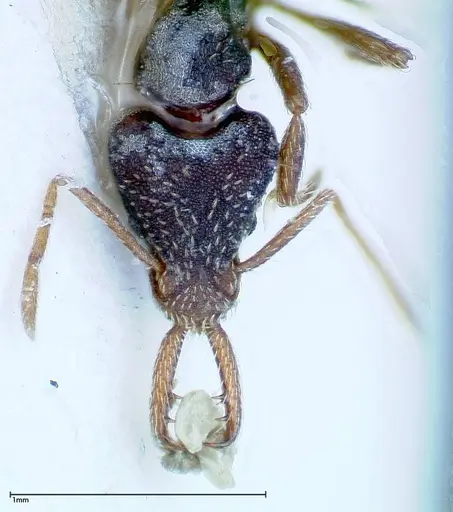
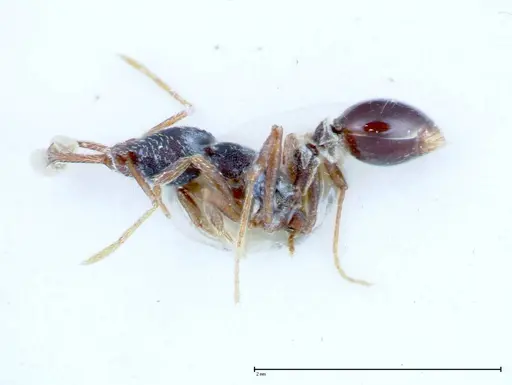
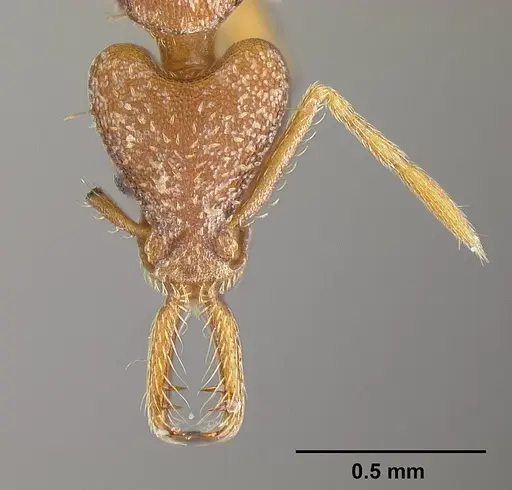
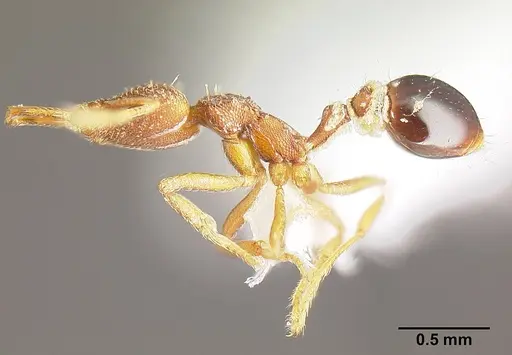
Strumigenys biolleyi is a tiny predatory ant that measures 2.6-3.3 mm in total length . It belongs to the Myrmicinae subfamily and Attini tribe. Its most noticeable features are the closely spaced mandibular insertions, the small intercalary tooth between the two large apical teeth of the mandible fork, and two strong preapical teeth . The propodeum has a distinctive triangular tooth at the base of the declivity but no tooth at the top - this combination is unique to this species . The waist has spongiform tissue that helps grip surfaces . These ants are found from Mexico through Central America to Colombia and Ecuador, mostly in wet forests . They nest on the forest floor in dead wood, rotten twigs, and under loose bark, and workers forage at night .
Quick Summary
- Difficulty: Hard
- Origin & Habitat: Neotropical region: Belize, Colombia, Costa Rica, Ecuador, Greater Antilles, Guatemala, Honduras, Jamaica, Mexico, Nicaragua, Panama [1][2][4]. Inhabits wet forest habitats, nesting in dead wood, rotten twigs, and under loose bark [1].
- Colony Type: Unknown, likely single-queen based on typical genus patterns, but no published data confirms colony structure. A species complex exists, with separate montane and lowland forms in Costa Rica [1].
- Size & Growth:
- Queen: Size data unavailable, not measured in published literature.
- Worker: 2.6-3.3 mm [1]
- Colony: Unknown, no reliable estimates available.
- Growth: Slow, typical for dacetine ants.
- Development: Unknown, no direct measurements, likely several weeks to months at warm temperatures. (Development time is guessed from related Strumigenys species, expect a slow tempo.)
- Antkeeping:
- Temperature: Keep warm and stable, roughly 24-28 °C, based on its tropical wet forest habitat [1]. Provide a slight temperature gradient so ants can choose.
- Humidity: High humidity required, keep the nest substrate consistently damp but not waterlogged, mimicking a forest floor [1]. Use a water source and regular misting.
- Diapause: No, tropical species, maintain warm conditions year-round.
- Nesting: Naturalistic setup with dead wood, rotten twigs, or a plaster nest with tight chambers scaled to their tiny size. Fine mesh on all ventilation holes is essential. Avoid dry conditions [1].
- Behavior: Workers hunt at night using a specialized kinetic strike, their mandibles open wide and snap shut in one rapid motion to paralyze prey [3]. They have a functional stinger (typical of Myrmicinae/Attini), but their main weapon is the fast mandible strike. They are not aggressive toward keepers, but their tiny size (2.6-3.3 mm) makes them excellent escape artists. Seal all gaps with fine mesh ≤0.5 mm openings. This species is a presumed commensal of the fungus‑growing ant Cyphomyrmex cornutus in Costa Rica [5].
- Common Issues: tiny size, escape through standard ant mesh, use fine-mesh barriers and Fluon on container rims., requires live prey, colonies often fail if only dead insects or sugar water are offered., high humidity needs, too low humidity quickly kills brood and workers., mold risk from constant dampness, ensure some ventilation to avoid fungal outbreaks., very slow growth, can be frustrating for keepers expecting faster colony development., species complex, mixing montane and lowland forms may cause incompatibility (if starting from wild-caught colonies).
Housing and Nest Setup
Because Strumigenys biolleyi are so small (2.6-3.3 mm), you need a nest with tiny chambers and narrow passages. A plaster or Y‑tong nest with fine tunnels works, or a naturalistic setup of soil mixed with rotting twigs and dead leaves [1]. Keep the substrate consistently damp but not flooded. The outworld should be low and have minimal vertical space, these ants are ground foragers. Use the finest mesh you can find for all ventilation holes (0.5 mm or smaller). Also apply Fluon or PTFE to the walls of the outworld to prevent escapes. Provide a water tube or a small water reservoir to maintain humidity.
Feeding and Diet
These ants are specialized predators of tiny arthropods. They hunt using a kinetic strike, the mandibles open wide and snap shut in one fast motion to paralyze prey [3]. Offer live springtails, small fruit flies, mites, and other micro‑arthropods. They rarely accept dead food or sugar sources, their diet is almost entirely protein‑based. Feed small amounts 2-3 times per week, and remove any uneaten prey after 24 hours to prevent mold. A constant source of clean water is essential, either from a water tube or a damp cotton ball.
Temperature and Humidity
As a tropical wet‑forest species, Strumigenys biolleyi needs warm, stable temperatures, aim for 24-28 °C [1]. Use a heating mat on part of the nest to create a gradient. Temperatures below 22 °C for long periods can harm the colony. Humidity must be high (the nest substrate should always feel moist, but not waterlogged). Mist the outworld lightly if needed, and make sure the nest stays damp. Balance humidity with some air flow to prevent mold.
Behavior and Temperament
Workers are nocturnal and hunt tiny prey on the forest floor [1]. They have spongiform tissue on the waist that helps them hold onto surfaces [3]. Their main hunting tool is the fast‑snapping mandible, they also have a stinger (typical of Myrmicinae), but it is rarely used on humans. They are not aggressive, but their tiny size means they can squeeze through tiny gaps. Seal the outworld carefully. In Costa Rica, this species is thought to live as a commensal inside nests of the fungus‑growing ant Cyphomyrmex cornutus [5], but in captivity they do fine on their own.
Colony Development
Published data on colony development is lacking. Based on related Strumigenys, growth is very slow. The first workers (nanitics) will likely be smaller than mature workers. Development time from egg to worker is unknown but probably takes several weeks to months. Queen size has not been measured, and colony size is also unknown, do not expect large colonies. Be patient, established colonies can be long‑lived if kept properly. The species is a complex with different montane and lowland forms, so wild‑caught colonies may vary in appearance and perhaps in behavior [1].
Frequently Asked Questions
How long does it take for Strumigenys biolleyi to produce its first workers?
There are no published measurements. Based on related Strumigenys species, development is slow, likely several weeks to a few months at optimal temperature (24-28 °C). Do not expect rapid growth.
What do Strumigenys biolleyi eat?
They are specialized predators that need live, tiny prey. Springtails, small fruit flies, and mites are ideal. They do not care about sugar or dead insects. Offer live prey 2-3 times per week [3].
Can I keep Strumigenys biolleyi in a test tube?
A test tube works for a founding queen, but after the first workers appear, move them to a nest that provides higher humidity and more space. These ants need the substrate to stay damp, which is easier to control in a small plaster or naturalistic nest than in a test tube.
Are Strumigenys biolleyi good for beginners?
No, they are rated Hard because of their slow growth, specific live‑prey diet, high humidity needs, and the difficulty of preventing escapes due to their tiny size. They are better for experienced keepers.
How big do Strumigenys biolleyi colonies get?
Colony size is unknown, no reliable estimates exist in the literature. Do not expect large colonies, several dozen to maybe a few hundred workers is possible, but this is guesswork.
Do Strumigenys biolleyi need hibernation?
No, this is a tropical species found in wet forests that don't experience winter. Keep them warm year‑round at 24-28 °C.
Why are my Strumigenys biolleyi dying?
Most common causes: (1) Humidity too low, the nest dries out and brood dies. (2) Wrong food, they need live, moving prey, not dead insects or sugar. (3) Temperature below 22 °C for long periods. (4) Escapes, if you see no ants, they may have slipped through a gap. Check all seals.
When should I move Strumigenys biolleyi to a formicarium?
Move the colony when the test tube becomes crowded and the workers seem to be running out of space. There is no set worker count, just watch for signs that they are spreading into the water plug or outgrowing the test tube.
Can I keep multiple Strumigenys biolleyi queens together?
There is no information on this. It is safest to assume single‑queen colonies unless you have specific evidence otherwise. Combining queens is not recommended.
Report an Issue
The current care sheet is based fully on literature. See inconsistencies, or something that's incorrect? Please , it will be resolved after review from an admin. Contributing to the blogs tab also helps providing information, to make us be able to further improve the caresheets. Thank you for your support!
References

This caresheet is licensed under CC BY-SA 4.0 .
Community Blogs
CASENT0106237
View on AntWeb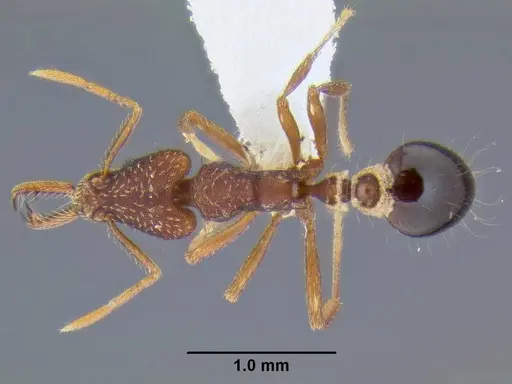
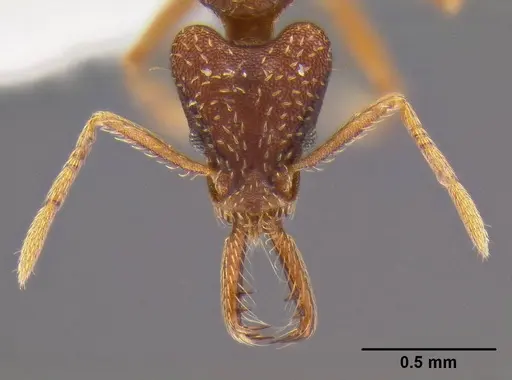
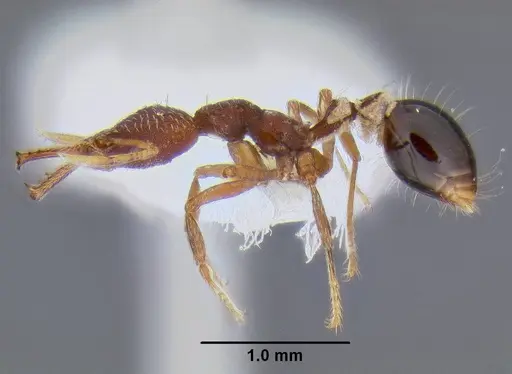
CASENT0653674
View on AntWeb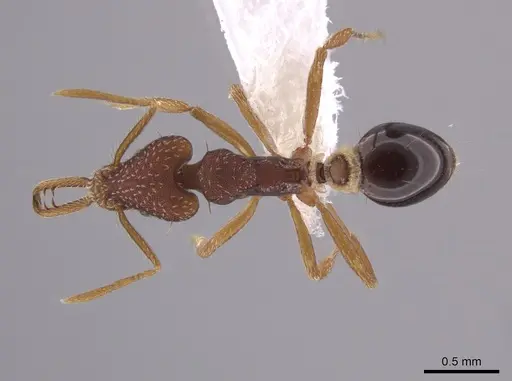
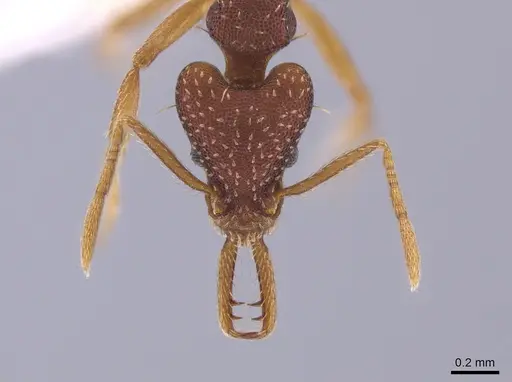
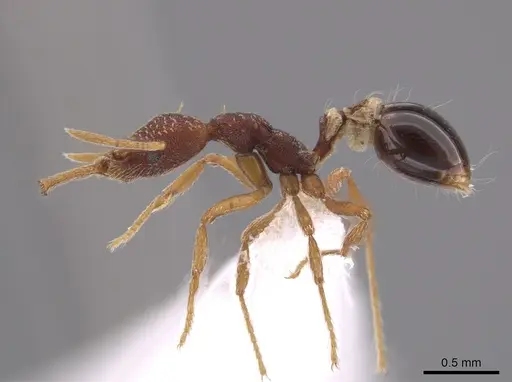
CASENT0900426
View on AntWeb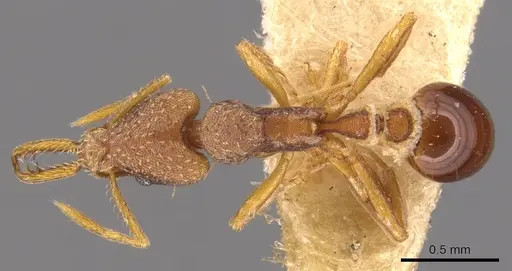
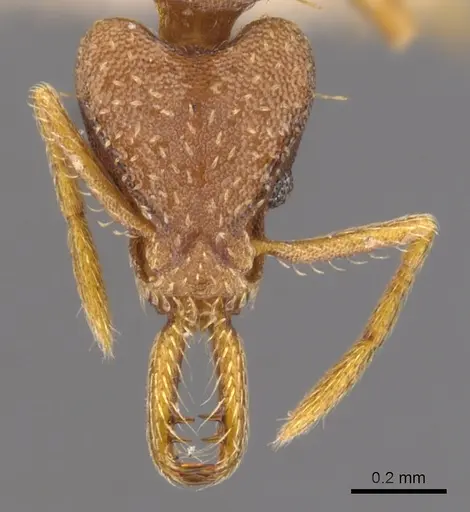
CASENT0909322
View on AntWeb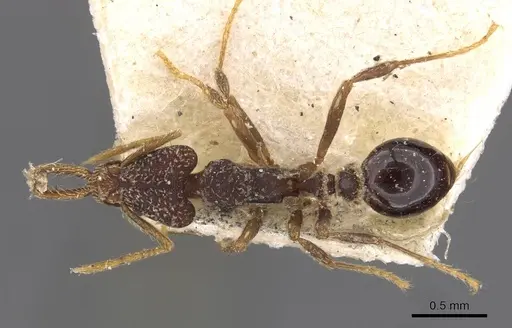
CASENT0914504
View on AntWeb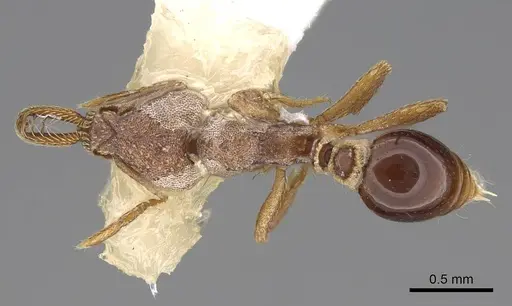
CBUMAGENT41986
View on AntWeb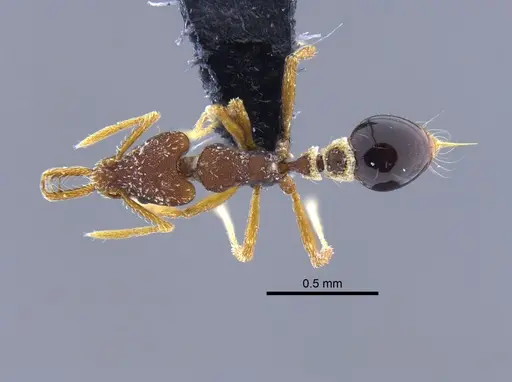
FOCOL0187
View on AntWeb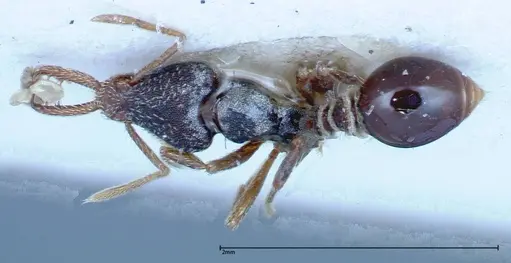
JTLC000003333
View on AntWeb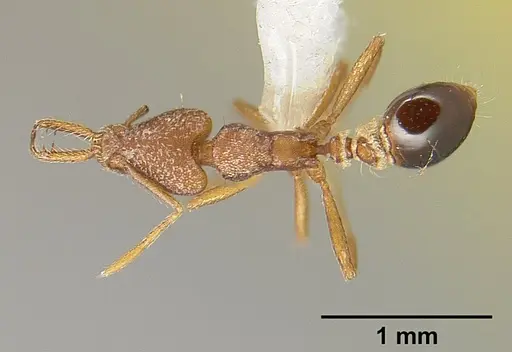
Literature
Loading distribution map...Loading products...