
Strumigenys azteca
- Sci. Name
- Strumigenys azteca
- Tribe
- Attini
- Subfamily
- Myrmicinae
- Author
- Kempf, 1960
- Distribution
- Found in 3 countries
Introduction
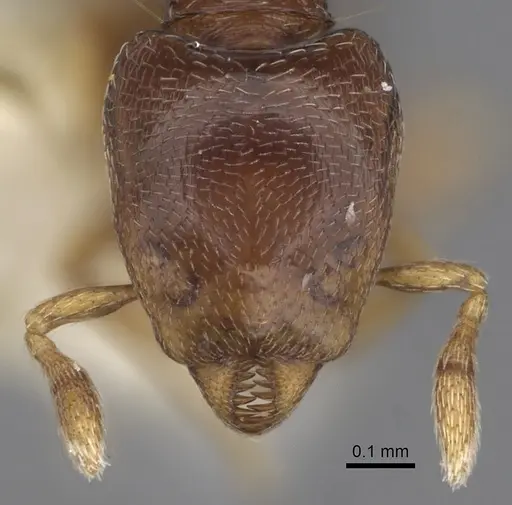
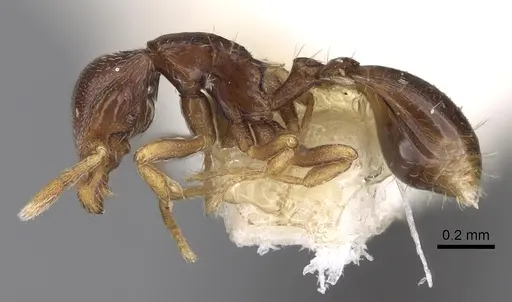
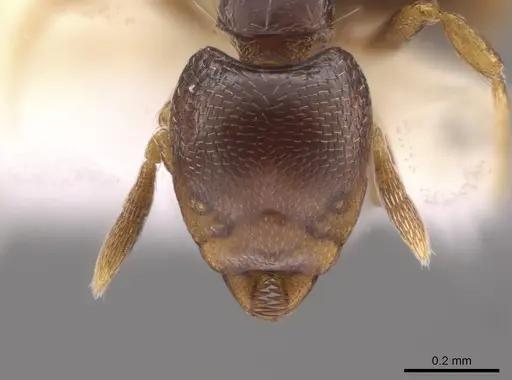
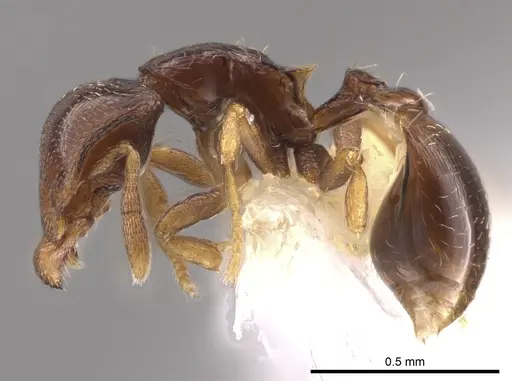
Strumigenys azteca is a tiny ant species, with workers measuring just 1.8-1.9mm in total length . They belong to the trap-jaw ant group (Dacetini tribe), with elongated mandibles that snap shut on prey . The head has a high-domed profile in side view, and the species is part of the azteca-complex within the Strumigenys excisa group . Originally described as Glamyromyrmex aztecus in 1960,they have since been moved to the genus Strumigenys . Found in the Neotropical region: Belize, Guatemala, Honduras, and Mexico (recorded from Hidalgo and Veracruz states) . They live in wet forest leaf litter, hunting small arthropods like springtails .
Quick Summary
- Difficulty: Expert
- Origin & Habitat: Neotropical region, Belize, Guatemala, Honduras, and Mexico (specifically Hidalgo and Veracruz states). Inhabits wet forest leaf litter in tropical rainforest environments [4][1].
- Colony Type: Unknown, no specific data on colony structure. Based on typical Strumigenys patterns, likely monogyne (single queen), but this is not confirmed.
- Size & Growth:
- Queen: Size data unavailable.
- Worker: 1.8-1.9mm [1]
- Colony: Unknown, no published colony size records. Likely remains under 100 workers based on related species.
- Growth: Slow (inferred from specialized predatory lifestyle)
- Development: Unknown, no specific data available for this species. (Development time is not documented. Based on related Myrmicinae, it may take 6-10 weeks at warm temperatures, but this is purely speculative.)
- Antkeeping:
- Temperature: Warm, humid conditions, keep around 22-26°C (inferred from wet forest habitat). Avoid temperatures below 20°C. No specific temperature data available [1].
- Humidity: High humidity is essential, these ants live in wet forest leaf litter. Keep the substrate consistently moist but not waterlogged. Use a moisture reservoir and mist regularly, ensuring good ventilation to prevent mold [1].
- Diapause: No, as a Neotropical species from wet forests, they do not require diapause. Keep conditions stable year-round [1].
- Nesting: Prefers naturalistic setups: small chambers in leaf litter and rotting wood. In captivity, a test tube with water reservoir works, but a small terrarium with moist substrate and leaf litter is better. Escape prevention is critical due to tiny size [1].
- Behavior: These are specialized micro-predators that hunt springtails, mites, and other tiny arthropods in leaf litter [2]. They are trap-jaw ants with elongated mandibles that snap shut in milliseconds [2]. They possess a functional stinger (subfamily Myrmicinae, tribe Attini), but it is tiny and not medically significant. They are not aggressive toward humans and are peaceful within the colony. Their small size makes them excellent escape artists, standard barriers may not work. Workers are slow-moving and forage individually in the substrate [1].
- Common Issues: escape prevention is critical, they are extremely small and can squeeze through standard mesh, colonies remain small and grow slowly, which can frustrate beginners, specialized diet, they may refuse standard ant foods, live micro-prey (springtails, mites) is essential, high humidity requirements can lead to mold problems if ventilation is poor, wild-caught colonies may be stressed from collection and difficult to establish
Housing and Escape Prevention
Strumigenys azteca is one of the smallest ants you can keep, so escape prevention must be rock solid. A test tube setup works, but seal all openings with fluon or barrier tape. The tiniest gap is an escape route. A naturalistic terrarium-style setup is better because it maintains high humidity and provides hunting space. Use fine mesh (smaller than 0.5mm) for ventilation. When opening the enclosure, be extremely careful, these ants will bolt through any gap. Some keepers use a double-enclosure system to feed in a contained area [1].
Feeding and Diet
These are specialized micro-predators that hunt tiny arthropods in nature [2]. In captivity, their primary food should be live springtails, the ideal size and movement trigger their trap-jaw response. Other acceptable foods: tiny house mites, booklice (psocids), and fruit flies. They will typically NOT accept standard ant foods like mealworms, cricket pieces, or honey. Some colonies may eventually accept small pieces of prey, but live food is strongly preferred. Feed every 2-3 days with small amounts of live prey, removing uneaten prey after 24 hours to prevent mold. Sugar water acceptance is uncertain, offer occasionally but do not rely on it [2][1].
Temperature and Humidity
As a Neotropical wet forest species, Strumigenys azteca needs warm, humid conditions. Keep the enclosure at 22-26°C (72-79°F). Temperatures below 20°C can cause stress and reduce activity. Use a small heating cable on one side to create a gentle gradient, but provide cooler zones. Humidity should be high, aim for 70-85%. Keep the substrate consistently moist but not waterlogged. A water tube in the test tube setup helps maintain humidity. Mist regularly and provide good ventilation to prevent mold, but avoid excessive airflow that dries the enclosure [1].
Colony Establishment
Establishing a wild-caught colony can be tricky. These ants are sensitive to disturbance. If you find a colony, collect as much surrounding leaf litter and rotting wood as possible to provide familiar hunting ground. Transfer them to a pre-prepared naturalistic setup with moist substrate. Leave them completely undisturbed for 1-2 weeks. Queens may be found in small chambers within the litter. Once established, colony growth is slow, expect months to see significant increases in worker numbers. If the colony refuses to forage, try adding some of the original leaf litter to introduce familiar micro-arthropod prey [1].
Behavior and Temperament
Strumigenys azteca is peaceful and non-aggressive. Workers are slow-moving and spend most of their time hunting through the substrate. They are not defensive toward humans. Their trap-jaw mechanism is used exclusively for hunting tiny prey, not for defense [2]. They possess a functional stinger, but it is too small to be of concern. Colonies are small and cryptic. Workers forage individually, searching for springtails and other micro-arthropods. The mandibles snap shut in milliseconds when triggered, use a magnifying lens to see hunting in action [2][1].
Frequently Asked Questions
Can I keep Strumigenys azteca in a test tube?
Yes, a test tube setup works, but escape prevention is critical. Use a small test tube with a water reservoir, plugged with cotton. Seal all openings with fluon or barrier tape, these ants are tiny enough to squeeze through standard gaps. Many keepers recommend placing the test tube inside a larger container as a secondary barrier [1].
What do Strumigenys azteca ants eat?
They are specialized micro-predators that need live prey. Their primary food should be live springtails, the perfect size and movement to trigger their trap-jaw response. Other acceptable foods: tiny house mites, booklice, and fruit flies. They will typically NOT accept standard ant foods like mealworms or honey. Live micro-prey is essential [2][1].
How long does it take for Strumigenys azteca to produce first workers?
The development time is not documented for this species. Based on typical Myrmicinae development, it might take 6-10 weeks at optimal temperature, but this is only a guess. No specific data is available.
Are Strumigenys azteca good for beginners?
No, this species is not recommended for beginners. Their tiny size makes escape prevention extremely difficult, they require specialized live prey (not standard ant foods), they need high humidity that can cause mold, and colonies grow very slowly. This is an expert-level species [1].
How big do Strumigenys azteca colonies get?
Colony size is not documented. Based on related Strumigenys species and their specialized predatory lifestyle, colonies likely remain small, probably under 100 workers at maturity. This is much smaller than most commonly kept species [1].
Do Strumigenys azteca need hibernation?
No, they do not need hibernation. As a Neotropical species from wet tropical forests, they are adapted to year-round warm and humid conditions. Keep temperatures stable between 22-26°C. Some reduced activity may occur during cooler periods, but a true diapause is not required [1].
Why are my Strumigenys azteca dying?
Common causes include: escape (they are tiny and will find any gap), improper humidity (too dry causes desiccation, too wet causes drowning or mold), stress from disturbance (leave them alone after collection), and most commonly, lack of appropriate prey. They must have live micro-prey like springtails. If they refuse prey, try adding leaf litter from their original site which may contain familiar micro-arthropods [1].
Can I keep multiple queens together?
This has not been documented for this species. Based on typical Strumigenys colony structure, they are likely monogyne (single queen), but this is unconfirmed. Combining unrelated queens is not recommended as it could lead to fighting. If you find a queen, house her alone [1].
When should I move Strumigenys azteca to a formicarium?
This species is best kept in naturalistic setups rather than traditional formicariums. A small terrarium with moist substrate, leaf litter, and hiding places works well. If using a test tube setup, you can connect it to a small outworld, but ensure all connections are sealed with fluon. Move them only when the test tube becomes overcrowded or moisture cannot be maintained. The key is maintaining high humidity while providing hunting space [1].
Report an Issue
The current care sheet is based fully on literature. See inconsistencies, or something that's incorrect? Please , it will be resolved after review from an admin. Contributing to the blogs tab also helps providing information, to make us be able to further improve the caresheets. Thank you for your support!
References

This caresheet is licensed under CC BY-SA 4.0 .
Community Blogs
CASENT0281949
View on AntWeb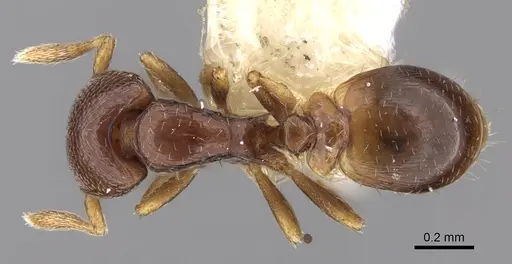
CASENT0648869
View on AntWeb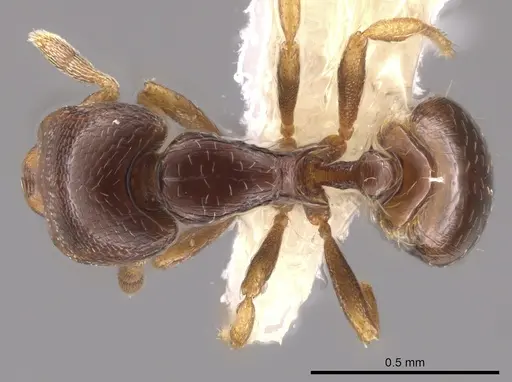
Literature
Loading distribution map...Loading products...