
Strumigenys assamensis
- Sci. Name
- Strumigenys assamensis
- Tribe
- Attini
- Subfamily
- Myrmicinae
- Author
- De Andrade, 1994
- Distribution
- Found in 1 countries
Introduction
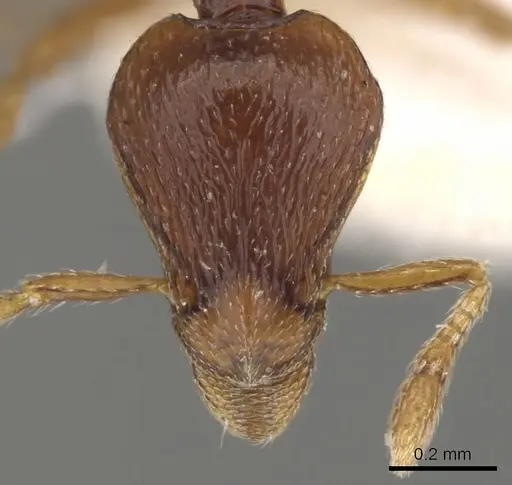
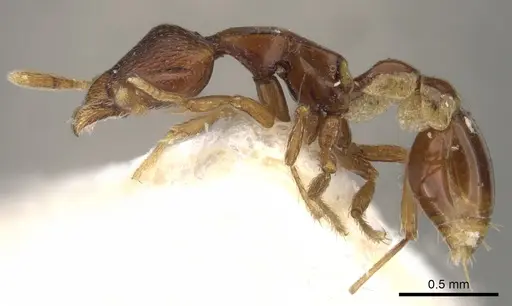
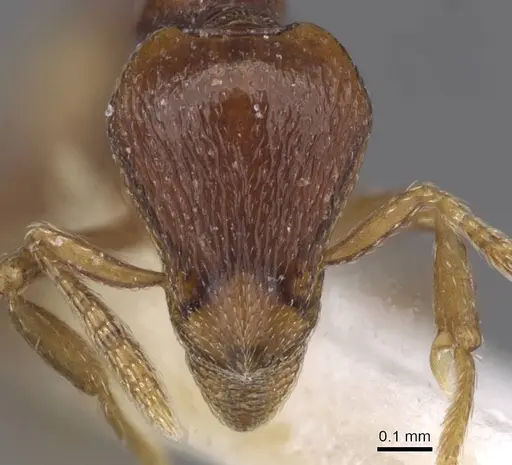
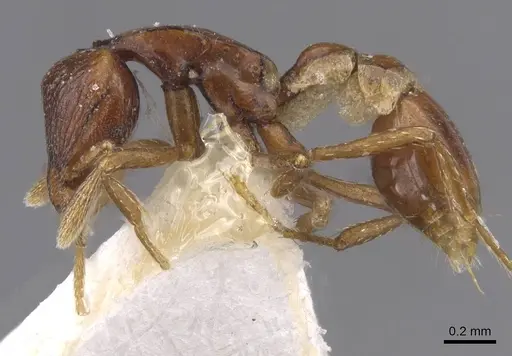
Strumigenys assamensis is a tiny predatory ant that measures about 2.7–2.8 mm in total length . Workers have a distinctive reddish-brown body, very short antenna scapes (SI 57–60), fully closed mandibles with around seven principal teeth, and no standing hairs on the head or thorax . The propodeum lacks spines, replaced by a broad translucent lamella. This species belongs to the leptothrix-complex within the Strumigenys leptothrix group . It is native to India (Arunachal Pradesh, Meghalaya), Vietnam (Hòa Bình), and southern China (Yunnan), living at elevations of 900–1200 m . Nothing is known about its biology in the wild .
Quick Summary
- Difficulty: Expert
- Origin & Habitat: India, Vietnam, and southern China (Yunnan) at elevations of 900–1200 m [2]. Likely lives in humid montane forests with leaf litter and rotting wood.
- Colony Type: Colony structure is unconfirmed – no data exists on queen number or colony size in the wild.
- Size & Growth:
- Queen: Unknown – no queen description available
- Worker: 2.7–2.8 mm total length [1]
- Colony: Unknown – no colony data available
- Growth: Unknown
- Development: Unknown – no development data exists for this species (Based on related Strumigenys species, development likely takes 2–4 months at optimal temperature)
- Antkeeping:
- Temperature: Aim for 22–26°C with a gentle gradient. This species comes from warm, humid montane forests in southern Asia [2].
- Humidity: High humidity required – think damp forest floor conditions. Keep substrate consistently moist but not waterlogged.
- Diapause: Unknown – no data on overwintering requirements. Related tropical Strumigenys may not require diapause.
- Nesting: Likely nests in rotting wood or leaf litter in nature. In captivity, a small Y‑tong or plaster nest with tight chambers works well. Provide damp substrate.
- Behavior: These are tiny, specialized predators with mandibles designed for catching springtails and other micro‑arthropods. Workers are slow‑moving and may be shy. Escape prevention is critical due to their minute size – they can squeeze through extremely small gaps. They are non‑aggressive toward humans but possess a functional stinger (tribe Attini default), the venom is not medically significant.
- Common Issues: escape prevention is critical due to their extremely small size – use fine mesh barriers, no biological data exists – keepers must experiment with care conditions, slow growth expected given lack of data on this species, humidity control is challenging – too wet causes mold, too dry causes desiccation, specialized diet means they may refuse standard ant foods
Housing and Nest Setup
Strumigenys assamensis is an extremely small ant requiring carefully scaled housing. Use a small Y‑tong or plaster nest with tight chambers – these tiny ants can escape through gaps that would hold back larger species. A test tube setup can work for founding colonies, but monitor water levels closely as evaporation happens quickly. The nest should have a water reservoir to maintain humidity. Because of their minute size, even standard ant‑keeping equipment may have gaps too large – examine all connections and use fine mesh barriers on any ventilation. Provide a small outworld for foraging that the ants can easily navigate. [2][1]
Feeding and Diet
Strumigenys ants are specialized predators that primarily hunt springtails (Collembola) and other tiny soil arthropods in the wild. In captivity, their primary food should be live springtails – this is the most reliable prey for Strumigenys species. You may also experiment with other micro‑arthropods like minute soil mites, but success varies. These ants have specialized mandibles designed for capturing small, fast‑moving prey – they cannot tackle larger insects. Sugar sources are typically not accepted by Strumigenys as they are obligate predators. Feed small prey items every 2–3 days, removing any uneaten prey to prevent mold. [1]
Temperature and Humidity
Strumigenys assamensis comes from warm, humid montane forests in southern Asia. Maintain temperatures in the 22–26°C range – avoid temperatures below 20°C as this species has not been documented in cooler climates [2]. Use a heating cable on one side of the nest to create a gentle gradient if room temperature is insufficient. Humidity should be high – the substrate should feel consistently damp but never waterlogged. These ants come from environments where moisture is constant, so monitor humidity closely. A small water reservoir connected to the nest helps maintain stable moisture levels.
Behavior and Temperament
This species is non‑aggressive and poses little danger to keepers – the stinger is functional but not medically significant (tribe Attini default). Workers are slow‑moving and may spend considerable time stationary. The most important behavioral note is their escape ability: at only 2.7–2.8 mm, these ants can squeeze through impossibly small gaps. Excellent escape prevention is mandatory – inspect all equipment for gaps, use fluon on container rims, and ensure any ventilation has fine mesh. Colonies are likely small and slow‑growing, so patience is essential. [1]
Frequently Asked Questions
How long does it take for Strumigenys assamensis to produce first workers?
The development timeline is completely unknown for this species – no research exists on their biology. Based on related Strumigenys species, expect 2–4 months from egg to worker at optimal temperature, but this is an estimate only.
Can I keep Strumigenys assamensis in a test tube?
Yes, a test tube setup can work for founding colonies. However, monitor water levels closely as these tiny ants are sensitive to drying. You may need to connect the test tube to a small foraging area as the colony grows.
What do Strumigenys assamensis ants eat?
They are specialized predators that need live springtails as their primary food. Other tiny live prey like minute soil mites may be accepted. Standard ant foods like mealworms or honey are not appropriate – this species is an obligate predator of micro‑arthropods.
Are Strumigenys assamensis good for beginners?
No. This is an expert-level species with no biological data available – keepers must essentially experiment with all care parameters. Their tiny size also makes them challenging to house and feed properly. Start with more common species before attempting Strumigenys.
How big do Strumigenys assamensis colonies get?
Unknown – no colony size data exists for this species. Based on typical Strumigenys patterns, colonies likely remain small with under 100 workers even at maturity.
Do Strumigenys assamensis need hibernation?
Unknown – no data exists on overwintering requirements. This species comes from warm, humid forests in southern Asia and Vietnam, where temperatures remain moderate year-round. Related tropical Strumigenys typically do not require diapause.
Why are my Strumigenys assamensis dying?
Without biological data, diagnosing problems is difficult. Common issues include: drying out (maintain high humidity), escape (they are tiny and will find any gap), inappropriate food (they need live springtails, not standard ant food), and temperature stress (keep at 22–26°C).
When should I move Strumigenys assamensis to a formicarium?
Move only when the colony is established with at least 10–15 workers and the test tube shows signs of crowding. Given their small size and specialized needs, many keepers keep them in modified test tube setups long-term.
Can I keep multiple queens together?
Unknown – no data exists on colony founding or queen behavior for this species. Do not attempt combining unrelated queens as no information is available on whether they tolerate co‑founding.
Report an Issue
The current care sheet is based fully on literature. See inconsistencies, or something that's incorrect? Please , it will be resolved after review from an admin. Contributing to the blogs tab also helps providing information, to make us be able to further improve the caresheets. Thank you for your support!
References

This caresheet is licensed under CC BY-SA 4.0 .
Community Blogs
CASENT0900133
View on AntWeb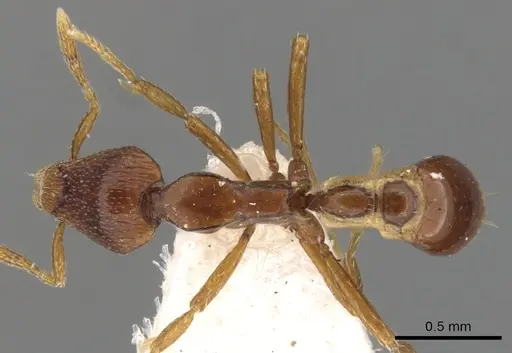
CASENT0912846
View on AntWeb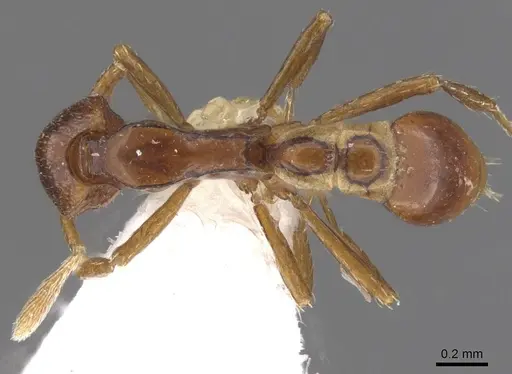
Literature
Loading distribution map...Loading products...