
Strumigenys ambatrix
- Sci. Name
- Strumigenys ambatrix
- Tribe
- Attini
- Subfamily
- Myrmicinae
- Author
- Bolton, 2000
- Distribution
- Found in 1 countries
Introduction
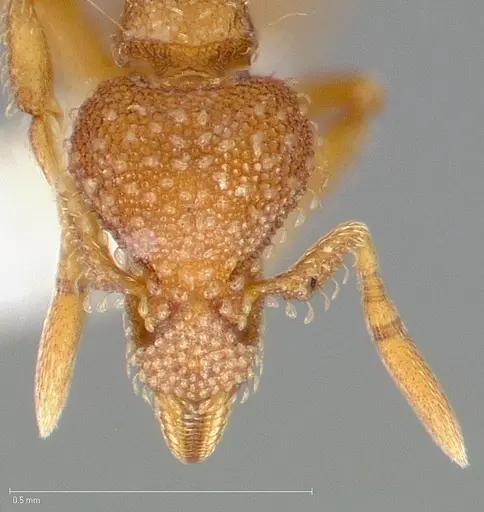
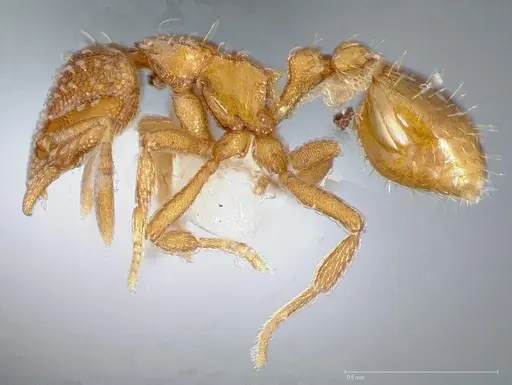
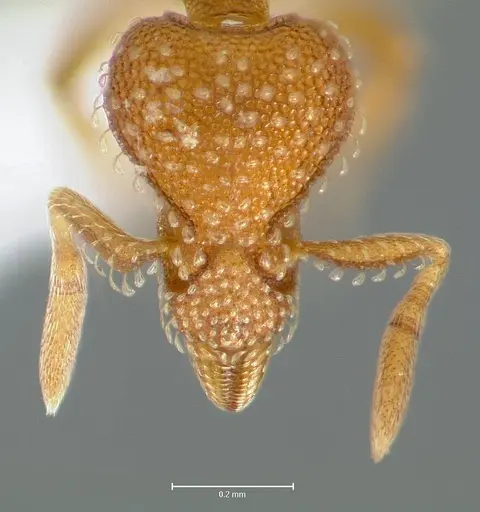
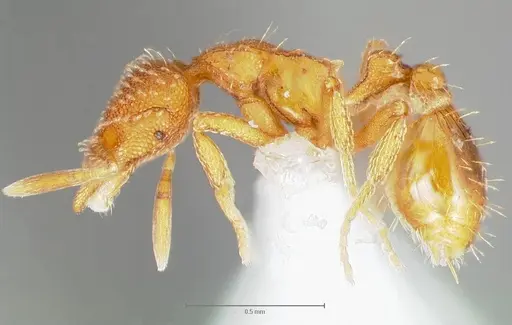
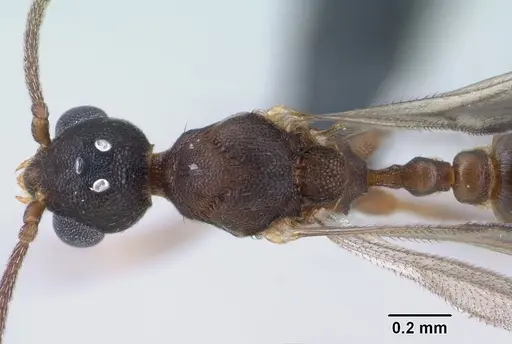
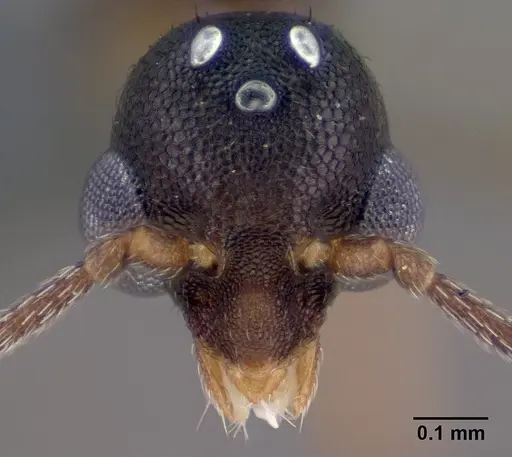
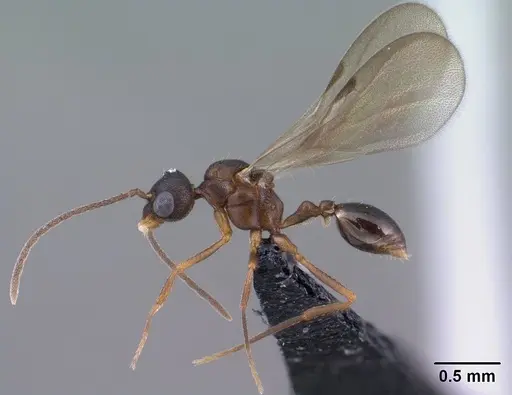
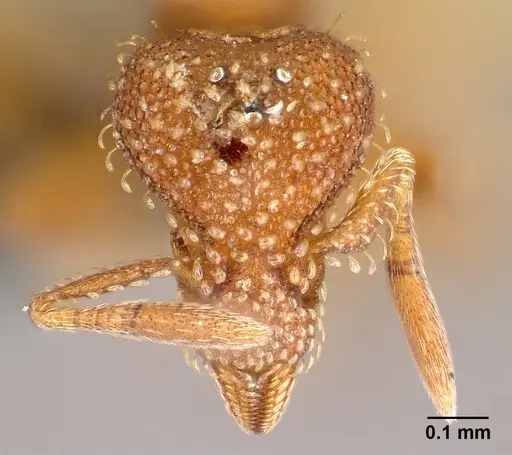
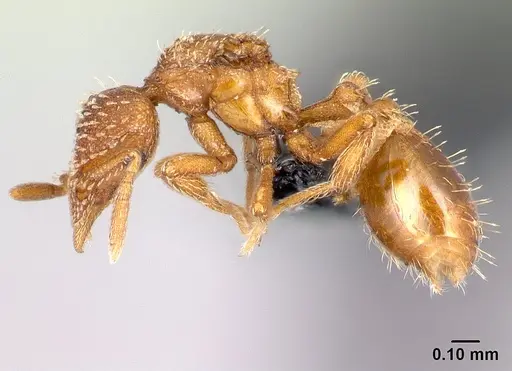
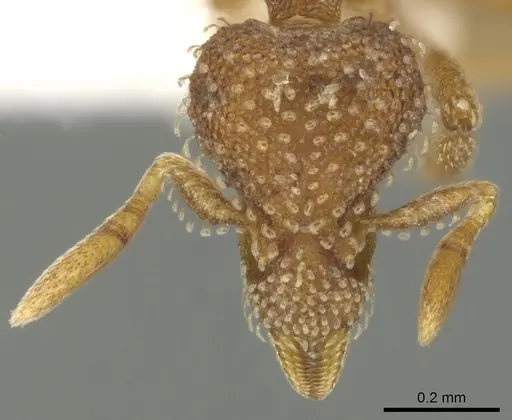
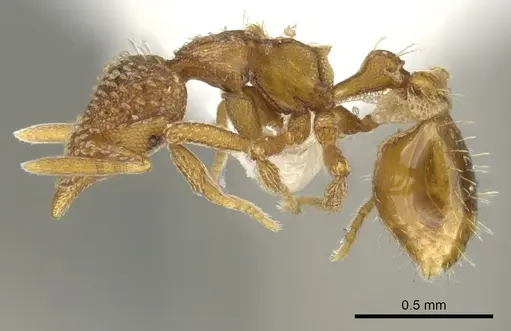
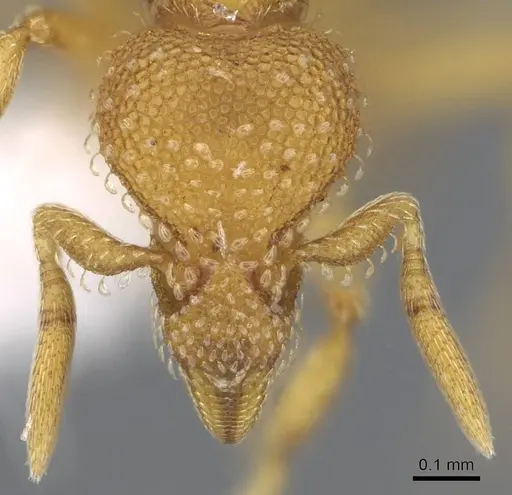
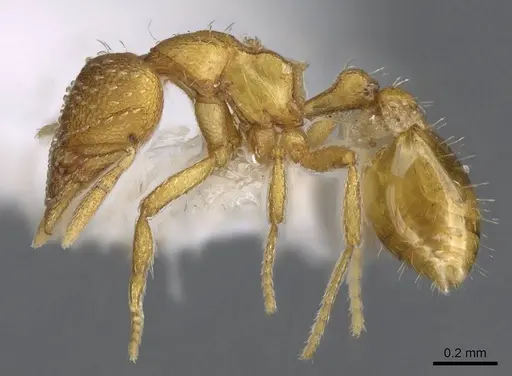
Strumigenys ambatrix is a tiny predatory ant species native to the rainforests of eastern Madagascar. Workers measure just 2.0-2.1 mm in total length, making them one of the smaller ants in the hobby . They belong to the myrmicine tribe Attini, but unlike the well‑known leaf‑cutting ants, Strumigenys are specialized predators that hunt minute soil‑dwelling arthropods. The species is part of the Strumigenys rostrata group and can be identified by the long, flagellate (whip‑like) hairs on the pronotal humeri - a unique feature among Madagascan species in this group . These ants have elongated mandibles that snap shut rapidly to capture prey, a characteristic of the dacetine ant group.
Quick Summary
- Difficulty: Expert
- Origin & Habitat: Eastern Madagascar rainforests, inhabits leaf litter and rotten wood in humid, shaded environments [1]
- Colony Type: Likely monogyne (single queen) based on typical Strumigenys colony structure
- Size & Growth:
- Queen: Size data unavailable, likely similar to workers (approximately 2.1 mm) [1]
- Worker: 2.0-2.1 mm (total length) [1]
- Colony: Unknown, related Strumigenys species rarely exceed a few hundred workers, but colony sizes for this species are unconfirmed
- Growth: Slow
- Development: Estimated 8-12 weeks, based on development of other small Strumigenys species (Development is temperature‑dependent, optimal warmth speeds growth. First nanitic workers are notably smaller than mature workers.)
- Antkeeping:
- Temperature: 24-26°C, warm, stable conditions matching their tropical forest origin, inferred from habitat data
- Humidity: High humidity (estimated 70-85%). Keep nest substrate consistently moist but not waterlogged. Rainforest litter provides natural moisture [1].
- Diapause: Unknown, no research exists. As a tropical species, they likely do not require hibernation but may reduce activity in cooler conditions.
- Nesting: Small chambers scaled to their tiny size. In nature they nest in soil and rotten wood. In captivity, use test tubes for founding or Y‑tong nests with fine chambers and a layer of moist substrate (e.g., coco coir or soil mix).
- Behavior: Strumigenys are specialized predators that hunt springtails and other micro‑arthropods. They possess a functional sting but it is too small to penetrate human skin and is harmless. Their tiny size means escape prevention is critical, they can squeeze through standard mesh barriers. Workers are slow, deliberate foragers that search through substrate rather than running openly. They do not attend aphids or seek sugar, their diet consists entirely of live prey.
- Common Issues: tiny size makes escape likely without fine mesh barriers (0.3 mm or tighter), slow growth tests keeper patience, colonies may take months to produce first workers, requires live prey (springtails, micro‑arthropods), cannot survive on dead food or sugar, high humidity needs can lead to mold if ventilation is poor, wild‑caught colonies may contain parasites that can devastate captive populations
Housing and Nest Setup
Due to their minute size, careful housing is essential. A small test tube setup works well for founding colonies, use a test tube with a water reservoir sealed with cotton, providing a snug chamber for the queen. For established colonies, use Y‑tong nests or plaster nests with chambers scaled for 2 mm ants. The nest should have a layer of moist substrate (coco coir, peat, or soil mix) at least 1-2 cm deep to allow natural foraging. Avoid tall, open spaces, these ants feel secure in tight, enclosed spaces. Escape prevention is critical: use fine mesh (0.3 mm or tighter) on all openings, as they can squeeze through standard ant farm barriers [1].
Feeding and Diet
Strumigenys ambatrix are obligate predators and cannot survive on dead food or sugar. Their diet in captivity must consist primarily of live springtails (e.g., Folsomia candida), which you can culture separately. Other accepted prey includes small soil mites, booklice (psocids), and tiny isopods. Feed small prey every 2-3 days, adjusting based on colony size, a single springtail is enough for a small colony. Remove uneaten prey after 24 hours to prevent mold. Unlike many ants, they do not need sugar or honey, their mandibles are specialized for hunting, not collecting nectar [1].
Temperature and Humidity
Maintain temperatures of 24-26°C for optimal colony health and brood development. Strumigenys ambatrix originates from humid Madagascan rainforests, so they require consistent moisture. Keep the nest substrate damp but not saturated, water should not pool. Achieve a humidity range of roughly 70-85% by keeping the water reservoir in the nest topped up, and lightly misting the outworld if needed. Avoid placing the nest near direct sunlight or heating elements. Room temperature within this range is acceptable, if your room is cooler, use a heating cable on one side of the nest to create a gentle gradient [1].
Growth and Development
Colonies grow slowly, which tests many keepers' patience. The queen lays small numbers of eggs during founding. Eggs develop through larval and pupal stages over approximately 8-12 weeks at optimal temperature (24-26°C), though this timeline is estimated from genus‑level data. The first nanitic workers are notably smaller than mature workers. Colony growth accelerates once you have 10-20 workers, as more foragers means more successful hunts. Maximum colony size for this species is unknown, but related Strumigenys species rarely exceed a few hundred workers. Do not disturb the queen during founding, stress can cause her to consume her brood [1].
Behavior and Temperament
These ants are completely harmless to humans. They possess a functional sting but it is far too small to penetrate skin. Workers are slow, deliberate foragers that search through the substrate rather than running openly. They are not aggressive and will flee from disturbance. In the nest, workers carry captured prey back to share with nestmates. Strumigenys use chemical communication like other ants. Their main defense is hiding in the substrate. The greatest behavioral concern is their escape ability, despite being slow, their tiny size allows them to slip through gaps invisible to the human eye. Always use multiple escape barriers [1].
Frequently Asked Questions
How long does it take for Strumigenys ambatrix to produce first workers?
Expect 8-12 weeks from egg to first worker at optimal temperature (24-26°C). This is an estimate based on related Strumigenys species, as specific development data for Strumigenys ambatrix is not available. Growth is slow, and nanitics will be very small.
Can I keep Strumigenys ambatrix in a test tube?
Yes, test tubes work well for founding colonies. Use a small test tube with a water reservoir and cotton barrier. The chamber should be snug for the queen, too much space stresses her. For larger colonies, transition to a small Y‑tong or plaster nest with fine chambers.
What do Strumigenys ambatrix eat?
They eat only live prey, springtails are the ideal staple food. You must culture live springtails separately to feed your colony. They cannot survive on dead food, sugar, or honey. Other small live prey like micro‑mites may also be accepted.
Are Strumigenys ambatrix good for beginners?
No, this species is recommended for experienced keepers only. Their tiny size makes housing and escape prevention challenging, they require live prey cultures, and their slow growth can be frustrating. They also need high humidity which requires constant attention.
Why are my Strumigenys ambatrix dying?
Common causes include: escape (check for tiny gaps), starvation (are you feeding live prey?), too dry (humidity below 70%), too cold (below 24°C), or parasites from wild‑caught colonies. Also check for mold from overwatering or uneaten prey.
Do Strumigenys ambatrix need hibernation?
Unknown, no research exists on their seasonal behavior. Given their tropical rainforest origin in Madagascar, they likely do not require hibernation. They may reduce activity in cooler conditions but should be kept warm year‑round.
How big do Strumigenys ambatrix colonies get?
The maximum colony size is unknown for this specific species. Based on related Strumigenys, expect 100-300 workers at maturity, but this is speculative. Growth is slow, taking many months to reach these numbers.
When should I move my Strumigenys ambatrix to a formicarium?
Wait until the colony has at least 20-30 workers before moving. Strumigenys prefer small spaces, so use a small formicarium or Y‑tong with appropriately sized chambers. Moving too early stresses the colony.
Can I keep multiple Strumigenys ambatrix queens together?
This has not been documented. Based on typical Strumigenys behavior, they are likely single‑queen colonies. Do not attempt combining unrelated queens, they will likely fight.
Report an Issue
The current care sheet is based fully on literature. See inconsistencies, or something that's incorrect? Please , it will be resolved after review from an admin. Contributing to the blogs tab also helps providing information, to make us be able to further improve the caresheets. Thank you for your support!
References

This caresheet is licensed under CC BY-SA 4.0 .
Community Blogs
CASENT0005445
View on AntWeb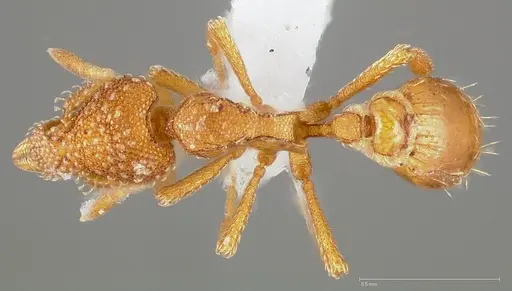
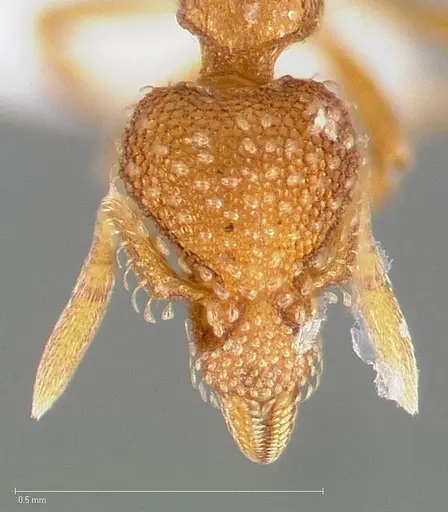
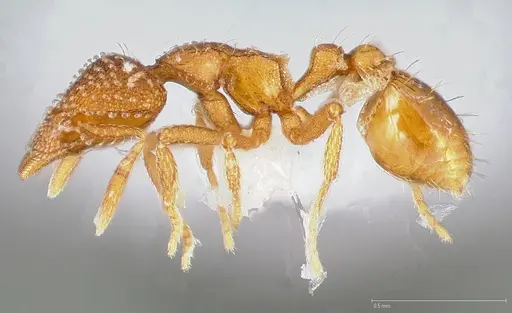
CASENT0005446
View on AntWeb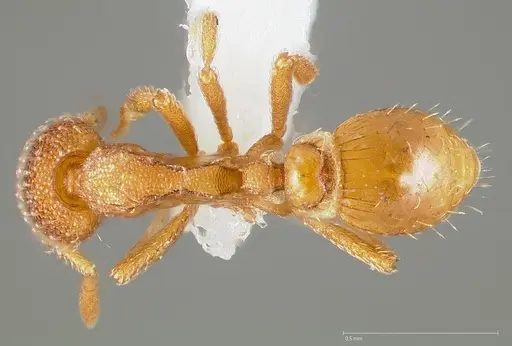
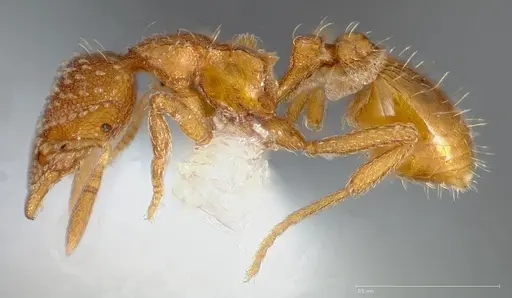
CASENT0005447
View on AntWeb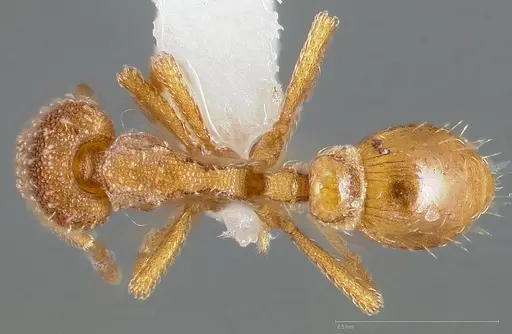
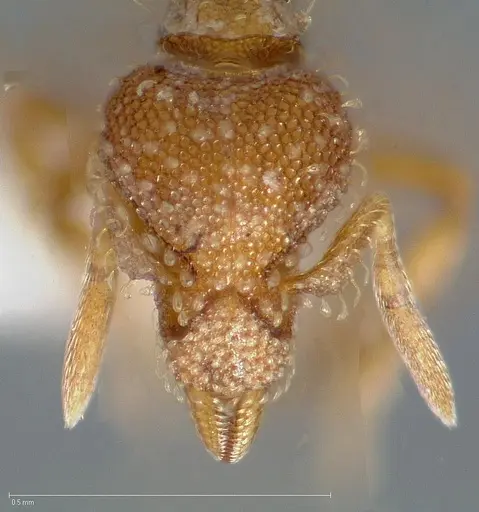
CASENT0005990
View on AntWeb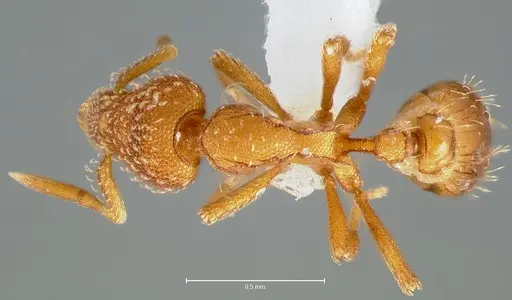
CASENT0135807
View on AntWeb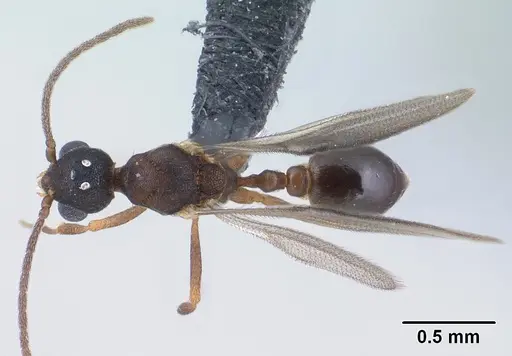
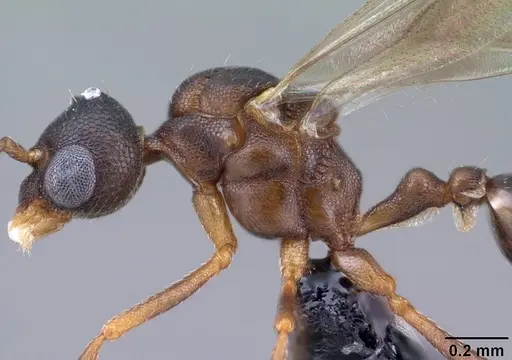
CASENT0140727
View on AntWeb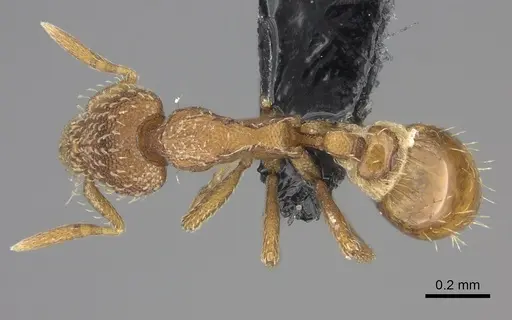
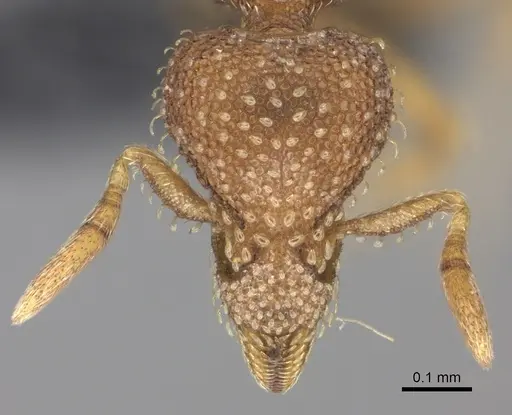
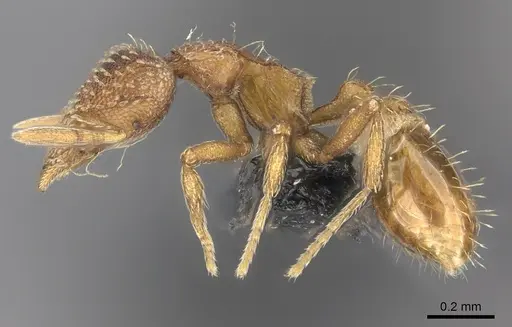
CASENT0164372
View on AntWeb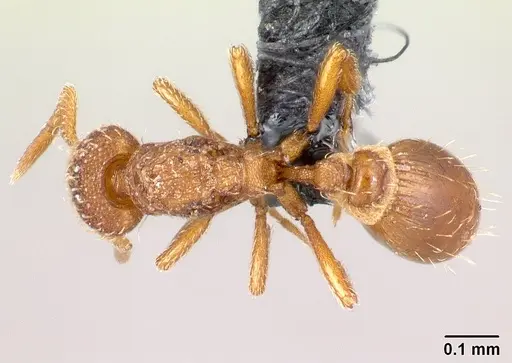
CASENT0900033
View on AntWeb
CASENT0914633
View on AntWeb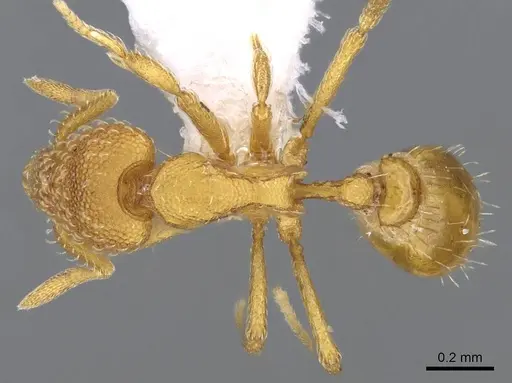
Literature
Loading distribution map...Loading products...