
Strumigenys admixta
- Sci. Name
- Strumigenys admixta
- Tribe
- Attini
- Subfamily
- Myrmicinae
- Author
- Fisher, 2000
- Distribution
- Found in 1 countries
Introduction
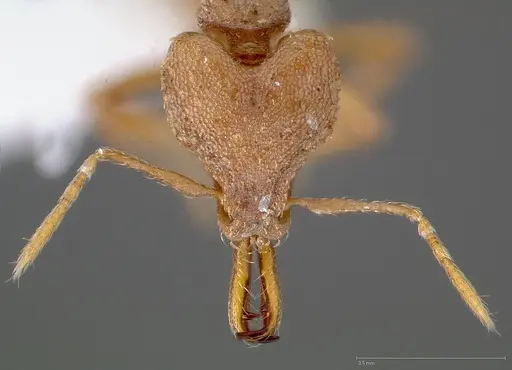
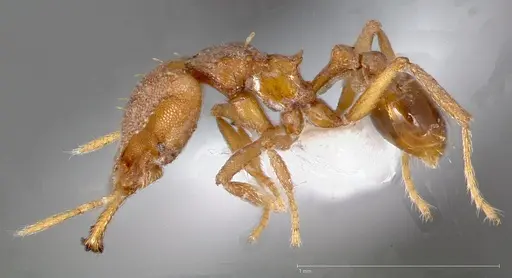
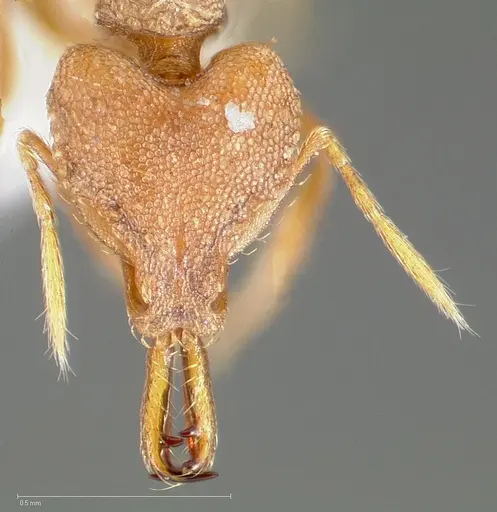
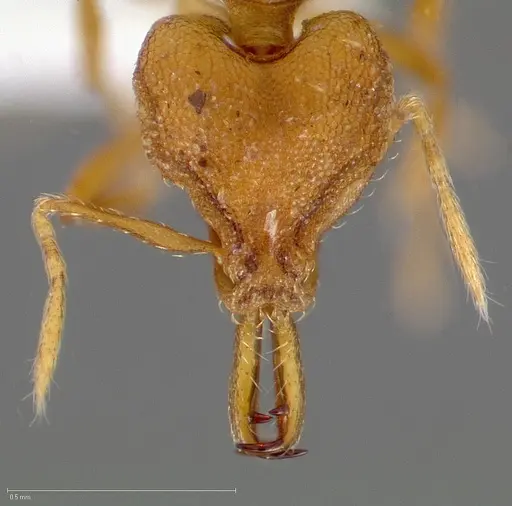
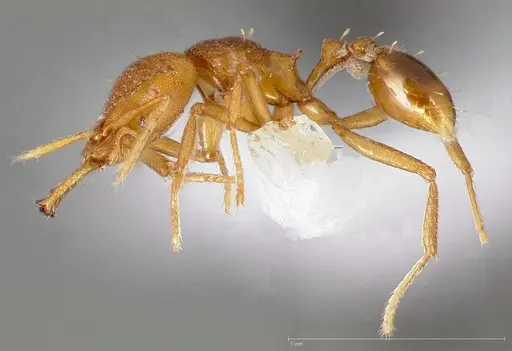
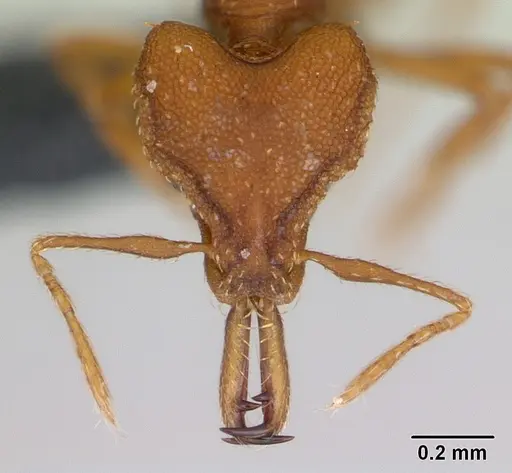
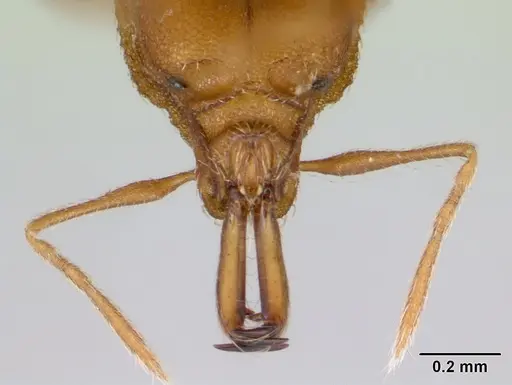
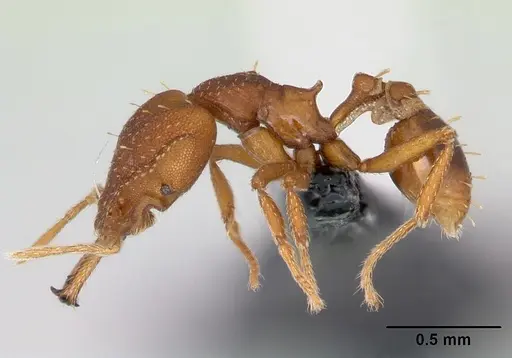
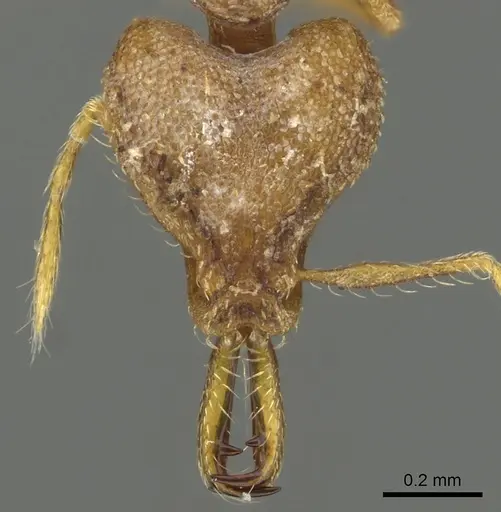
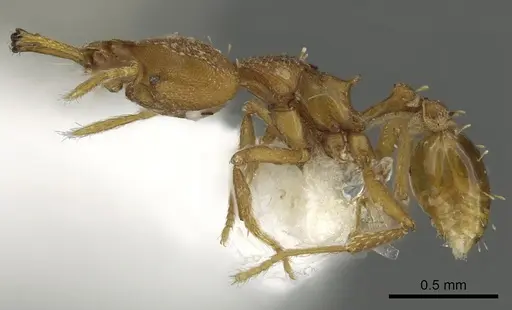
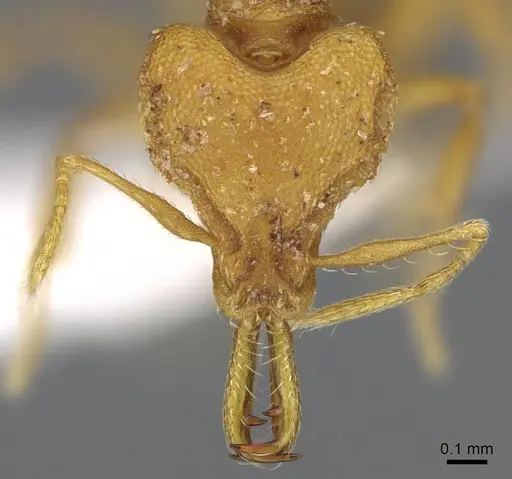
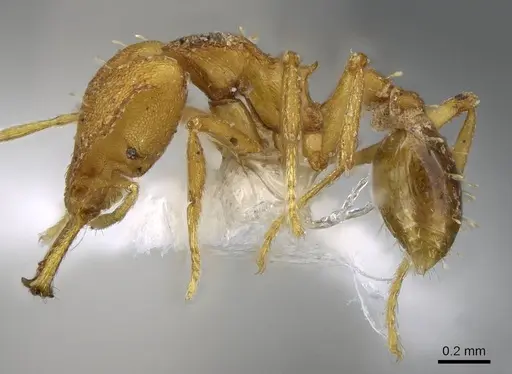
Strumigenys admixta is a tiny ant, measuring about 2.5-2.7 mm in total length . It is native to Madagascar, living in forest habitats where it is found in leaf litter, rotten wood, and under stones . It belongs to the Strumigenys arnoldi group (sphera-complex) . You can identify it by the projecting lamellate flange along the upper scrobe margin and the distinctly swollen basal half of the scape . These ants are predatory, hunting tiny arthropods like springtails. Their small size and ground-dwelling habits make them a challenging but interesting species for experienced keepers who can provide the right micro-prey.
Quick Summary
- Difficulty: Expert
- Origin & Habitat: Madagascar, in tropical forest habitats. They live in leaf litter, rotten wood, and under stones in humid, shaded environments [1][2].
- Colony Type: Colony structure is unconfirmed. Based on typical Strumigenys patterns, likely single-queen colonies.
- Size & Growth:
- Queen: Unconfirmed, queen size has not been documented for this species.
- Worker: ~2.5-2.7 mm [1]
- Colony: Unknown, no colony size data available. Based on their tiny size and predatory lifestyle, colonies likely remain small (probably under 100 workers).
- Growth: Unknown, likely slow given their tiny size and predatory nature.
- Development: Unconfirmed, no direct development data exists. Based on similar tiny Myrmicinae, estimate 6-10 weeks at optimal temperature. (Development timeline is unconfirmed. Related Strumigenys species typically take several months to establish first workers.)
- Antkeeping:
- Temperature: Keep at 22-26°C. These are tropical forest ants that prefer warm, stable conditions. A gentle heating gradient allows them to regulate their temperature [2].
- Humidity: High humidity required, think damp forest floor. Keep the nest substrate consistently moist but not waterlogged. Provide a humidity gradient with a moist side and slightly drier areas [2].
- Diapause: Unconfirmed, Madagascar has mild seasonal variation. A brief cool period (2-3 weeks at 18-20°C) may be beneficial but is not required.
- Nesting: In the wild they nest in leaf litter, rotten wood, and under stones. In captivity, naturalistic setups with moist substrate, or tight plaster or Y-tong nests with small chambers (2-3 mm passages) work well. Avoid tall, open spaces, they need tight, confined spaces. Ensure all openings are sealed with fine mesh (0.5 mm or less) to prevent escapes. [1]
- Behavior: These ants are solitary hunters, not colony foragers. Workers hunt individually through leaf litter and substrate for tiny arthropods like springtails. They do not form foraging trails or recruit nestmates, each worker hunts independently. This means you may not see much activity, which is normal. They are not aggressive toward larger animals and will flee from threats. However, like other myrmicine ants, they possess a functional stinger, but it is not medically significant to humans. Their tiny size means escape prevention is critical, they can squeeze through standard mesh.
- Common Issues: escape prevention is critical, their tiny size (2.5 mm) means they can escape through standard mesh and gaps in most formicaria, requiring live micro-prey makes them difficult to feed, springtail cultures are essential, slow growth and small colony sizes mean progress is hard to observe, wild-caught colonies may contain parasites that can devastate captive populations, overfeeding can foul the nest as they cannot consume large prey items
Housing and Nest Setup
Strumigenys admixta requires careful housing due to their extremely small size. Standard formicarium mesh will not contain them, you need fine mesh (at least 0.5 mm) or a sealed setup with no gaps. Naturalistic setups work well: a shallow container with moist soil, leaf litter, and pieces of rotting wood mimics their natural habitat [1]. Alternatively, a tight plaster or Y-tong nest with chambers scaled to their tiny size (2-3 mm passages) works well. The nest should have a water reservoir to maintain humidity without flooding. Keep the outworld simple and escape-proof, these ants are not strong climbers but will find any gap.
Feeding and Diet
These ants are obligate predators on tiny arthropods. Their primary food source should be live springtails, this is non-negotiable for keeping them healthy. They will not accept sugar water or honey, as they are not nectar-feeding ants. Other small live prey like micro-arthropods, tiny isopods, and pot worms may be accepted experimentally. Do not offer large prey items, they cannot subdue anything much bigger than themselves. Feed small amounts every few days, removing any uneaten prey to prevent mold. An established springtail culture is essential before acquiring this species. [1]
Temperature and Humidity
Maintain temperatures between 22-26°C. These are tropical forest ants that do not tolerate cool conditions. A heating cable on one side of the nest creates a temperature gradient they can regulate within [2]. Humidity is critical, keep the substrate consistently damp like a forest floor after rain. Use a water reservoir in the nest and mist occasionally, but avoid standing water. The substrate should feel moist to the touch but not be soggy. Provide a humidity gradient so ants can choose their preferred zone.
Behavior and Foraging
Strumigenys admixta are solitary hunters, not colony foragers. Workers hunt individually through leaf litter and substrate, using their small size to access tight spaces where springtails hide. They do not form foraging trails or recruit nestmates, each worker hunts independently. This means you may not see much activity, which is normal. They are not defensive and will flee from threats rather than attack. Their mandibles are specialized for catching tiny prey, not for biting larger animals. They possess a functional stinger like other myrmicine ants, but it is not a threat to humans. Observe them during feeding to confirm they are hunting and consuming prey. [1]
Acquiring and Establishing Colonies
This species is rarely available in the antkeeping hobby due to its specialized care requirements and remote Madagascar origin. If available, wild-caught colonies are the most common source. Quarantine and observe new colonies carefully, wild-caught ants may carry parasites that can spread to other colonies. When establishing a colony, minimize disturbances. Keep the nest dark and quiet for the first few weeks. Once workers are actively hunting springtails, you can begin regular care. Do not combine unrelated queens, this has not been studied and may result in aggression. [1]
Frequently Asked Questions
Can I keep Strumigenys admixta in a test tube?
Test tubes are not ideal for this species. Their tiny size means they can escape through standard cotton plugs, and test tubes don't provide enough space for hunting behavior. A naturalistic setup with substrate or a tight plaster or Y-tong nest works better. If using test tubes, use fine cotton and ensure no gaps.
What do Strumigenys admixta eat?
They eat live springtails and other tiny micro-arthropods. They are predatory hunters, not sugar-feeding ants. Do not offer honey, sugar water, or large insects, they cannot consume these. An established springtail culture is essential for keeping this species.
How long until first workers in Strumigenys admixta?
The development timeline is unconfirmed for this species. Based on similar tiny Myrmicinae, expect 6-10 weeks from egg to worker at optimal temperature (24-26°C). Growth is likely slow, do not expect rapid expansion.
Are Strumigenys admixta good for beginners?
No. This is an expert-level species due to their tiny size (escape prevention is critical), specialized diet (live springtails required), and need for high humidity. They are not recommended for beginners.
Do Strumigenys admixta need hibernation?
Diapause requirements are unconfirmed. As Madagascar tropical ants, they likely do not need a true hibernation. A brief cool period (2-3 weeks at 18-20°C) may be beneficial but is not required.
How big do Strumigenys admixta colonies get?
Colony size is unknown, no data exists for this species. Based on their tiny size and predatory lifestyle, colonies likely remain small (likely under 100 workers).
Why are my Strumigenys admixta dying?
Common causes include: escape through tiny gaps, starvation (no springtails), too dry conditions, mold from overwatering, or parasites from wild-caught colonies. Check escape prevention first, then verify they are actively hunting and consuming springtails.
Can I keep multiple Strumigenys admixta queens together?
Not recommended. Combining unrelated queens has not been documented for this species and may result in aggression. Based on typical Strumigenys behavior, they likely form single-queen colonies.
When to move Strumigenys admixta to a formicarium?
Move them only when the colony is actively hunting and outgrowing their initial setup. They do well in naturalistic setups long-term, a transition to a formicarium is optional and may cause stress. If moving, ensure the new setup maintains the humidity and tight spaces they prefer.
Report an Issue
The current care sheet is based fully on literature. See inconsistencies, or something that's incorrect? Please , it will be resolved after review from an admin. Contributing to the blogs tab also helps providing information, to make us be able to further improve the caresheets. Thank you for your support!
References

This caresheet is licensed under CC BY-SA 4.0 .
Community Blogs
CASENT0005468
View on AntWeb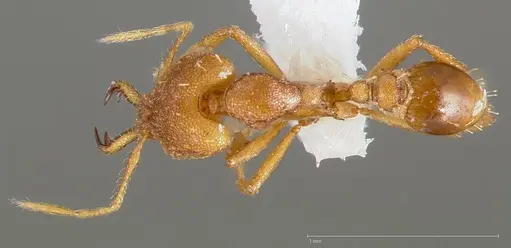
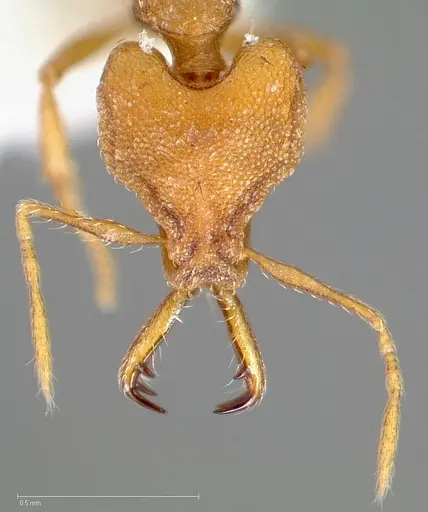
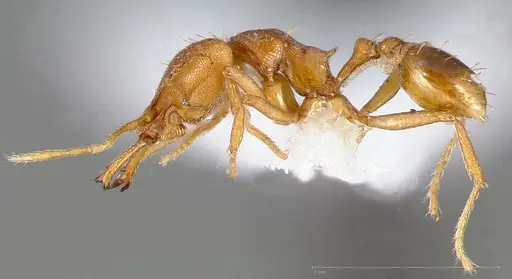
CASENT0005469
View on AntWeb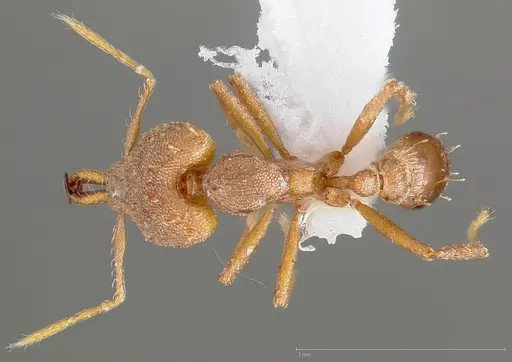
CASENT0005470
View on AntWeb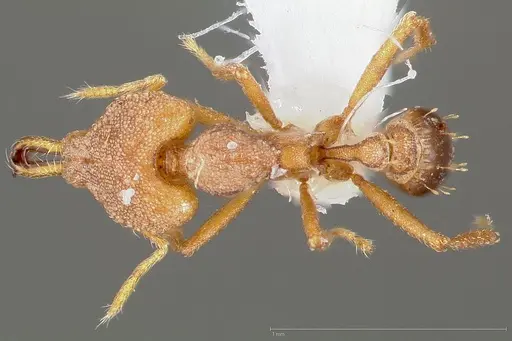

CASENT0005471
View on AntWeb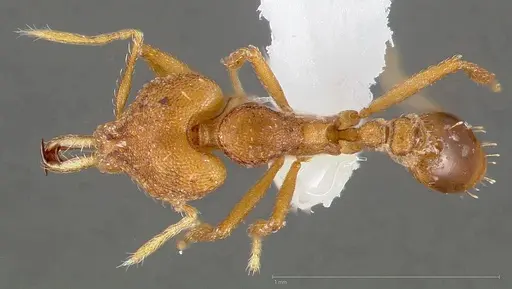
CASENT0069921
View on AntWeb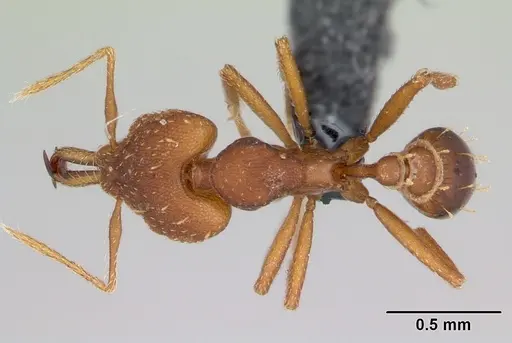
CASENT0900702
View on AntWeb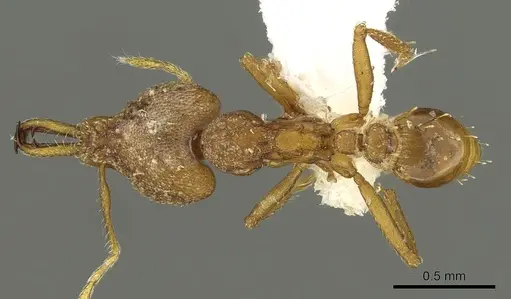
CASENT0914760
View on AntWeb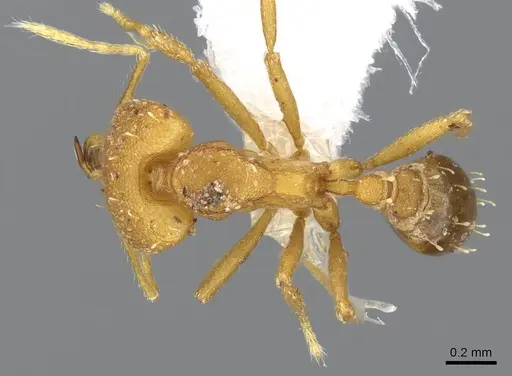
Literature
Loading distribution map...Loading products...