
Strongylognathus alpinus
- Sci. Name
- Strongylognathus alpinus
- Tribe
- Crematogastrini
- Subfamily
- Myrmicinae
- Author
- Wheeler, 1909
- Distribution
- Found in 2 countries
Introduction
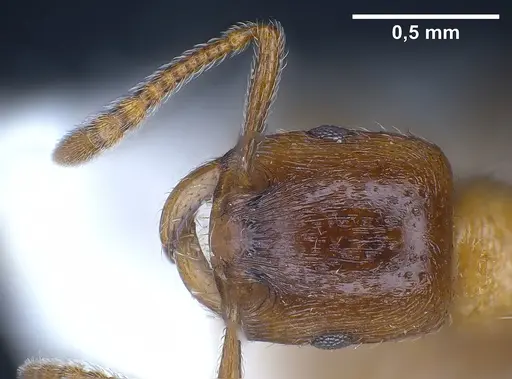
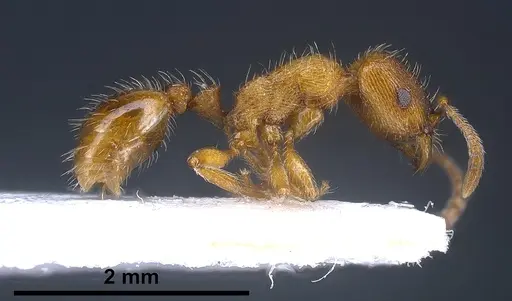
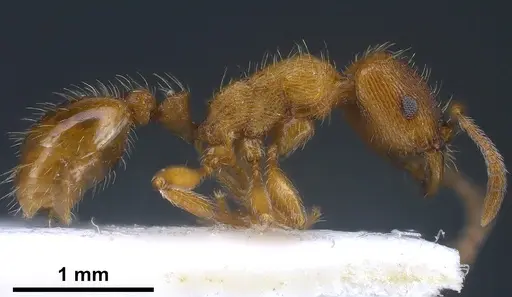
Strongylognathus alpinus is a small ant, workers about 4-6mm , belonging to the Myrmicinae subfamily. It is native to the upper montane and subalpine zones of Switzerland and Turkey, found at elevations between 1450 and 2100 meters in stony pastures, grassy rubble fans, and clearings of sun-exposed woodlands . Nests are usually under stones and can be very large, spanning several square meters and containing over 15,000 Strongylognathus workers along with up to 45,000 host workers . This species is a dulotic (slave-making) ant. It raids colonies of Tetramorium hosts, including Tetramorium caespitum, Tetramorium impurum , and Tetramorium alpestre , capturing brood that hatches into workers that serve the slave-maker colony. This dependence on a host species makes it one of the most challenging ants to keep in captivity.
Quick Summary
- Difficulty: Expert
- Origin & Habitat: Upper montane and subalpine zones of Switzerland and Turkey (Palaearctic Region), at 1450-2100m in stony pastures, grassy rubble fans, and clearings of sun-exposed woodlands [2]
- Colony Type: Dulotic (slave-making) species that requires host colonies of Tetramorium to survive and function. Single queen per colony (likely monogyne, but not explicitly confirmed)
- Size & Growth:
- Queen: ~6-8mm (inferred from Strongylognathus genus patterns)
- Worker: 4-6mm [1]
- Colony: Up to 15,000+ Strongylognathus workers plus up to 45,000 host workers [2]
- Growth: Slow to moderate, depends on successful raids and host worker production
- Development: Unknown for this species, estimated 6-8 weeks based on related Tetramorium species at optimal temperature (Development occurs within host colonies alongside host brood, Strongylognathus workers emerge from stolen host brood)
- Antkeeping:
- Temperature: Keep cool, mountain adapted species. Maintain 20-24°C (room temperature) and avoid temperatures above 28°C. Based on high-altitude habitat [2]
- Humidity: Moderate humidity typical of stony mountain habitats. Keep nest substrate slightly moist but not waterlogged, with drier areas available
- Diapause: Yes, as a high-altitude Alpine species, requires winter dormancy. Keep at 5-10°C for 3-4 months during winter (typical late autumn through winter) [2]
- Nesting: Naturalistic setup with flat stones works best to mimic under-stone nesting. Y-tong or plaster nests with narrow chambers are also suitable. Provide both humid brood chambers and drier resting areas
- Behavior: Strongylognathus alpinus is an aggressive slave-making ant that conducts raids on Tetramorium colonies [1]. Workers use a modified stinger to smear venom onto enemies rather than piercing them (smear defense typical of tribe Crematogastrini). They are not especially escape-prone due to their size, but standard escape prevention is still needed. The species is docile toward its own colony but aggressive toward other ants during raids. Colonies become increasingly active and territorial as they grow.
- Common Issues: keeping host colonies alive, the slave-maker depends entirely on Tetramorium host workers, so you must maintain at least one healthy host colony, colony collapse if host workers die out, Strongylognathus cannot survive without host workers to perform nest duties, slow colony growth, establishing a functioning colony takes significant time and effort, and growth depends on successful raids, winter mortality if diapause conditions are not provided, these Alpine ants require proper hibernation, legal concerns, this species is listed on the IUCN Red List, check local regulations before acquiring as it may be protected in some regions
Understanding the Slave-Making Lifestyle
Strongylognathus alpinus relies entirely on host ant colonies to survive. The queen invades a Tetramorium colony (known hosts: Tetramorium caespitum, Tetramorium impurum [3], and Tetramorium alpestre [4]), kills or replaces the host queen, and uses the existing host workers to raise her own brood. The stolen host larvae and pupae hatch as workers that serve the slave-maker colony, performing all normal duties including foraging, nest maintenance, and brood care [3]. Slave raids have been observed in experimental settings where Strongylognathus workers actively confront host colonies to capture brood [1]. This means keeping Strongylognathus alpinus successfully requires maintaining at least one healthy Tetramorium colony as a perpetual host. In established colonies, you may observe raiding parties leaving the nest to attack nearby Tetramorium colonies.
Housing Requirements
Housing this species presents unique challenges because you need to maintain two colonies: the slave-maker colony and at least one host colony. A naturalistic setup with flat stones works best to mimic their natural under-stone nesting habitat [2]. The nest should have chambers large enough for the colony to expand but not so large that humidity becomes hard to manage. For the host colony, provide an identical setup so they stay healthy and productive. Both colonies need escape prevention, while not tiny, these ants will exploit any gap. Keep the slave-maker nest and host nest close together (but not directly connected unless you want raids) so you can easily transfer host workers or brood as needed. Some keepers maintain multiple host colonies to ensure a constant supply of workers.
Feeding and Nutrition
Feed Strongylognathus alpinus a varied diet similar to what their Tetramorium hosts would eat. Provide protein sources like small insects (fruit flies, small crickets, mealworms) 2-3 times per week, and constant access to sugar sources such as honey water or sugar water. The host workers will forage for food and feed both themselves and the slave-maker workers, so ensure food is available to both colonies. Remove uneaten protein after 24-48 hours to prevent mold. Good nutrition for the host colony is critical because it produces the workers that serve the slave-maker colony.
Note: There is no specific dietary data for Strongylognathus alpinus in the literature, this guidance is based on the typical needs of Tetramorium hosts. [2]
Temperature and Seasonal Care
As an Alpine species from 1450-2100m, Strongylognathus alpinus prefers cooler conditions than many common ant species [2]. Keep the colony at 20-24°C (roughly room temperature) and avoid temperatures above 28°C, which can stress the colony. During winter, these ants require a proper diapause (hibernation) period. Reduce temperatures to 5-10°C for 3-4 months, typically from late autumn through winter. During this time, reduce food offerings and expect minimal activity. Do not skip winter dormancy, it is essential for colony health and may trigger reproductive behavior the following season. Make temperature changes gradual, not sudden.
Colony Establishment and Growth
Establishing a colony of Strongylognathus alpinus is much harder than keeping most ant species because you cannot simply start with a queen and wait for workers. You also need a host colony. The typical approach is to obtain an already-established colony that includes both slave-makers and host workers, or to introduce a queen into an existing Tetramorium colony. Growth is slow because it depends on host worker production, which is limited by the host colony's size. A well-established colony can eventually reach 15,000+ Strongylognathus workers with corresponding host workers [2]. Be patient, building a large colony takes years. Monitor both the slave-maker and host colonies closely, as the death of the host colony will eventually lead to the collapse of the slave-maker colony.
Frequently Asked Questions
Can I keep Strongylognathus alpinus in a test tube?
A test tube is not ideal. They need a naturalistic setup with stones or a Y-tong/plaster nest because they nest under stones in the wild [2]. You also need to house a separate host colony, so plan for two setups from the start.
How do I keep Strongylognathus alpinus alive?
The key is keeping its host colony alive. This species cannot survive without Tetramorium host workers, which perform all nest duties [3]. Maintain at least one healthy Tetramorium caespitum, Tetramorium impurum [3], or Tetramorium alpestre [4] colony alongside the slave-maker colony.
What do Strongylognathus alpinus eat?
They eat the same foods as their Tetramorium hosts: protein (small insects like fruit flies, crickets, mealworms) offered 2-3 times weekly, and constant sugar sources (honey water, sugar water). Host workers forage and feed both themselves and the slave-maker workers [2].
Do Strongylognathus alpinus ants sting?
Yes, but they don't sting in the typical sense. Their stinger is modified into a flattened, spatulate shape used to smear venom onto enemies rather than piercing them (smear defense, typical of tribe Crematogastrini). The venom can be irritating, but it's not a classical stinging action. Handle with care.
How long does it take for Strongylognathus alpinus to grow?
Growth is slow and depends on the host colony's size. Specific development timelines are unconfirmed for this species, but based on related Tetramorium species, expect 6-8 weeks from egg to worker at optimal temperature [2]. A colony takes years to reach significant size, established colonies can have 15,000+ Strongylognathus workers but building up takes considerable time [2].
Are Strongylognathus alpinus good for beginners?
No, this species is not for beginners. It requires maintaining two colonies at once (slave-maker and host), understanding dulotic behavior, and providing proper winter diapause. This is an expert-level species that most antkeepers should avoid until they have significant experience with more common species.
Do Strongylognathus alpinus need hibernation?
Yes, as an Alpine species from high elevations, they require a winter dormancy period. Keep colonies at 5-10°C for 3-4 months during winter (typical late autumn through winter). This is essential for colony health and may trigger reproductive behavior in spring [2].
Can I keep multiple queens together?
No, Strongylognathus alpinus is monogyne (single queen per colony). Multiple unrelated queens would likely fight [3]. The colony structure involves one queen replacing the host Tetramorium queen, not multiple Strongylognathus queens.
Why is my Strongylognathus alpinus colony dying?
The most likely cause is death of the host colony [3]. Without Tetramorium host workers, the slave-maker cannot function. Other common issues include improper diapause, temperatures too high, or poor nutrition [1]. Check the host colony first when troubleshooting.
Report an Issue
The current care sheet is based fully on literature. See inconsistencies, or something that's incorrect? Please , it will be resolved after review from an admin. Contributing to the blogs tab also helps providing information, to make us be able to further improve the caresheets. Thank you for your support!
References

This caresheet is licensed under CC BY-SA 4.0 .
Community Blogs
ANTWEB1041371
View on AntWeb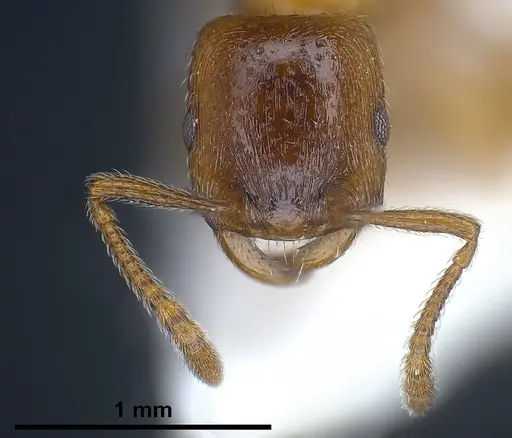
Literature
Loading distribution map...Loading products...