
Stigmatomma santschii
- Sci. Name
- Stigmatomma santschii
- Tribe
- Amblyoponini
- Subfamily
- Amblyoponinae
- Author
- Menozzi, 1922
- Distribution
- Found in 2 countries
Introduction
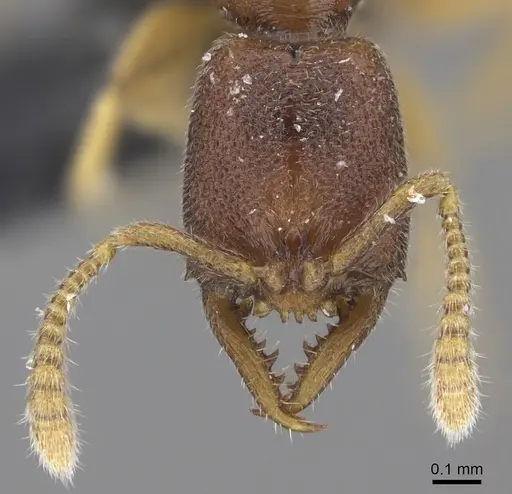
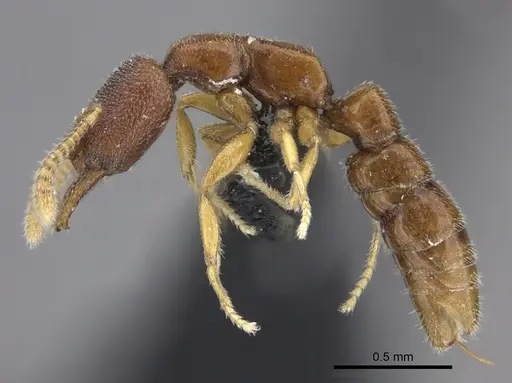
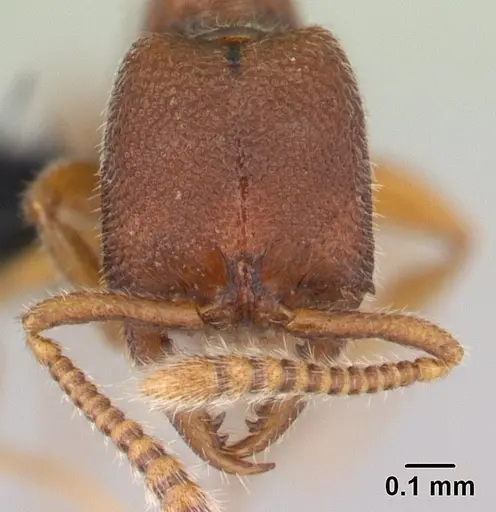
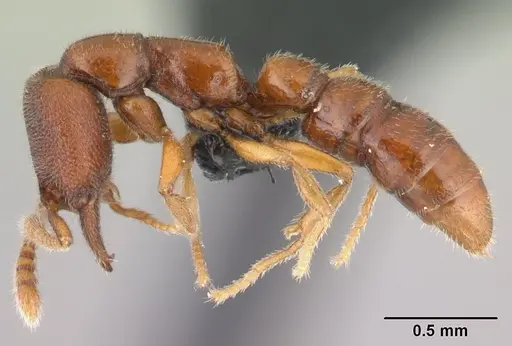
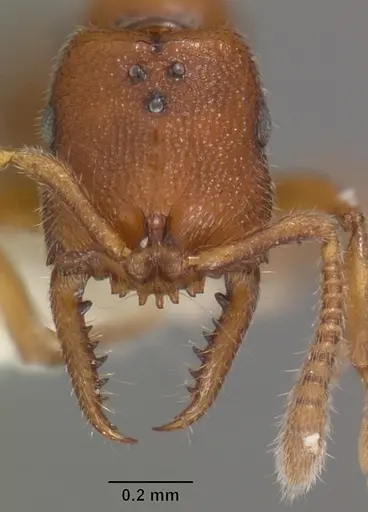
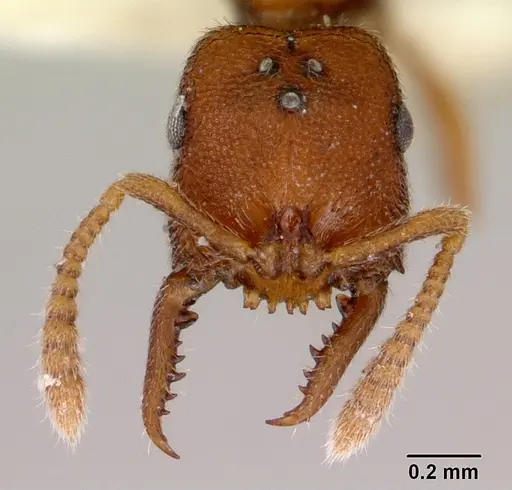
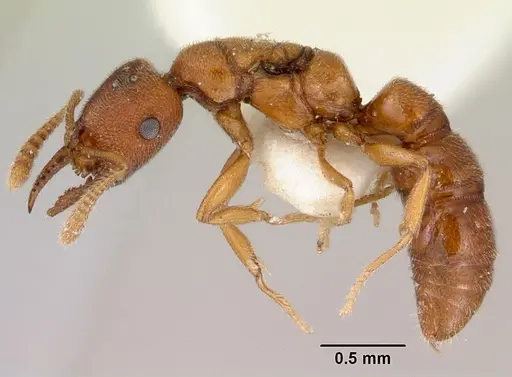
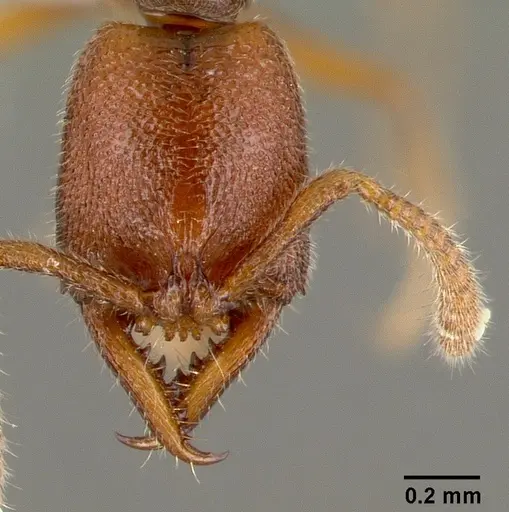
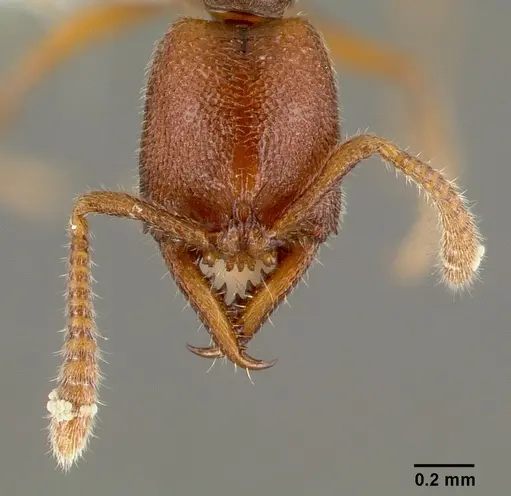
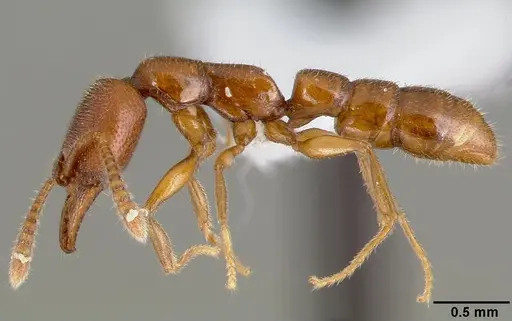
Stigmatomma santschii is a small predatory ant native to West Africa, found in Senegal, Ghana, Nigeria, Cameroon, and Ivory Coast . Workers are around 4-5mm (estimated from genus-level data), with the typical Amblyoponinae look: a flattened body, strong mandibles for catching prey, and a functional stinger. They live in leaf litter and soil in tropical forests and savannahs, hunting small invertebrates like springtails and other micro-arthropods. The genus Stigmatomma is part of the primitive Amblyoponinae subfamily, known for their predatory lifestyle.
Quick Summary
- Difficulty: Expert
- Origin & Habitat: West Africa, recorded in Senegal, Ghana, Nigeria, Cameroon, and Ivory Coast. Found in leaf litter and soil in tropical forest and savannah mosaic environments [1][2].
- Colony Type: Colony structure is unconfirmed for this species.
- Size & Growth:
- Queen: Estimated around 5-6mm, no direct measurements available.
- Worker: Estimated around 4-5mm, no direct measurements available.
- Colony: Likely under 200 workers (inferred from related Amblyoponinae).
- Growth: Moderate to slow (inferred).
- Development: 6-10 weeks (estimated, based on related Amblyoponinae species). (No species-specific data, estimate uses warm tropical conditions.)
- Antkeeping:
- Temperature: Keep warm at 24-28°C based on their tropical West African distribution. A gentle temperature gradient is recommended.
- Humidity: High humidity, keep the nest substrate consistently moist but not waterlogged, mimicking forest floor conditions.
- Diapause: Unlikely, as a tropical species, they probably do not require a true diapause. They may reduce activity during cooler/drier periods.
- Nesting: Prefers humid, dark spaces. Use a naturalistic setup with soil or a moisture-retaining nest like plaster or Ytong (AAC). They are subterranean, so deeper chambers work well.
- Behavior: Predatory hunters of small invertebrates. They are not aggressive toward humans but have a functional stinger (use if handled). Workers actively forage in the substrate, mainly at night or dusk. Escape risk is moderate, standard fluon barriers work.
- Common Issues: very limited care information makes proper husbandry challenging., predatory diet requires live prey, may not accept dead food., high humidity needs can cause mold if ventilation is poor., small colony sizes mean losses have a bigger impact., tropical species is sensitive to temperature drops or dry conditions.
Housing and Nest Setup
Stigmatomma santschii needs a humid, dark setup that mimics its natural leaf litter and soil habitat [1]. A soil chamber or a moisture-retaining nest (plaster or Ytong) works well. The nest should have deep chambers for their subterranean foraging. Test tubes can work for starting colonies, but manage the water carefully to avoid flooding. Provide a small outworld for hunting. Ensure good ventilation to prevent mold while keeping humidity high.
Feeding and Diet
These are predatory ants that need live small invertebrates. Offer springtails, fruit flies, small mealworms, and other micro-arthropods. They are unlikely to accept dead prey because movement triggers their hunting response. Sugar sources may be taken occasionally but are not essential. Feed protein prey 2-3 times per week, adjusting based on colony consumption. Remove uneaten prey to prevent mold.
Temperature and Seasonal Care
Maintain temperatures between 24-28°C, based on their tropical West African distribution [1]. A heating cable on one side can create a gentle gradient. Avoid temperatures below 22°C. No true diapause is needed, but they may reduce activity during dry seasons. Watch for decreased foraging and adjust feeding. Avoid sudden temperature changes.
Behavior and Handling
Stigmatomma santschii workers hunt substrate-dwelling invertebrates. They have a functional stinger but are not aggressive toward humans, they only sting if handled roughly. Sting is mild, like a mosquito bite. Workers are mostly active at night or dusk, foraging through the substrate. They are not particularly colony-aggressive. Standard escape prevention (fluon or oil) on the outworld rim is sufficient.
Colony Development
This species likely has small colonies, probably up to 200 workers when mature (inferred from related Amblyoponinae). Egg-to-worker development is estimated at 6-10 weeks at warm temperatures. Queens probably lay few eggs at a time. Growth is moderate to slow. Patience is needed, small colonies take time to establish. Leave founding colonies undisturbed for the first few months.
Frequently Asked Questions
Is Stigmatomma santschii good for beginners?
No, this species is not recommended for beginners. There is very limited specific care information, and they require live prey, high humidity, and warm temperatures. Only experienced keepers should attempt it.
What do Stigmatomma santschii ants eat?
They are predatory and need live small invertebrates like springtails, fruit flies, and small mealworms. They likely won't accept dead prey. Offer protein 2-3 times per week.
Do Stigmatomma santschii ants sting?
Yes, they have a functional stinger, but they are not aggressive and only sting if threatened. The sting is mild, similar to a mosquito bite.
How long does it take for Stigmatomma santschii to produce first workers?
Based on related Amblyoponinae species, expect around 6-10 weeks from egg to first worker at 24-28°C. No species-specific data exists.
What temperature do Stigmatomma santschii ants need?
Keep them at 24-28°C, reflecting their tropical West African home. A gentle gradient helps.
Do Stigmatomma santschii need hibernation?
No, as a tropical species they do not require a true diapause. They may slow down during dry seasons but no cold period is needed.
How big do Stigmatomma santschii colonies get?
Likely up to 200 workers at maturity, based on related Amblyoponinae species.
Can I keep Stigmatomma santschii in a test tube?
Yes, for founding colonies, but careful water management is needed to avoid flooding. A plaster or Ytong nest is better for established colonies.
Where is Stigmatomma santschii found?
This species is native to West Africa: Senegal, Ghana, Nigeria, Cameroon, and Ivory Coast. They live in leaf litter and soil in tropical forests and savannahs [1][2].
Why is my Stigmatomma santschii colony dying?
Common causes: temperature below 22°C, dry substrate, lack of live prey, or mold from poor ventilation. Check humidity, temperature (24-28°C), and ensure live prey is offered regularly. Maintain air flow to prevent mold.
Report an Issue
The current care sheet is based fully on literature. See inconsistencies, or something that's incorrect? Please , it will be resolved after review from an admin. Contributing to the blogs tab also helps providing information, to make us be able to further improve the caresheets. Thank you for your support!
References

This caresheet is licensed under CC BY-SA 4.0 .
Community Blogs
CASENT0006948
View on AntWeb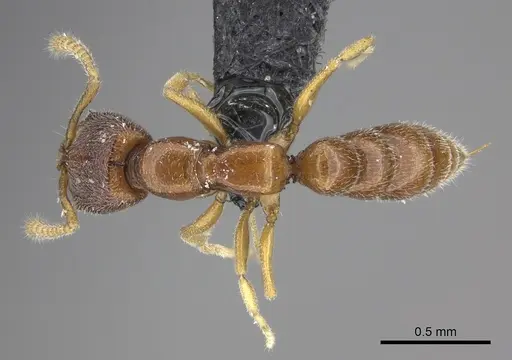
CASENT0095448
View on AntWeb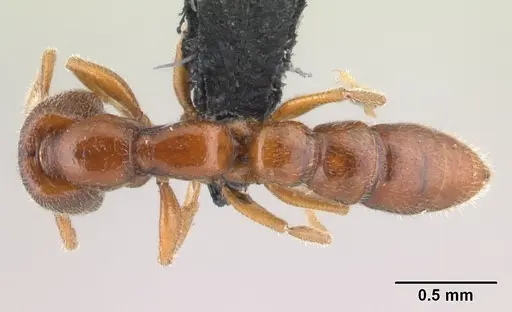
CASENT0102206
View on AntWeb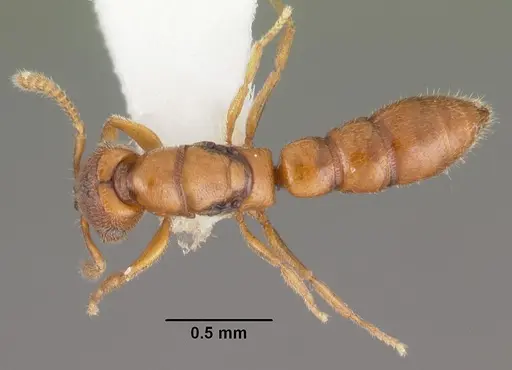
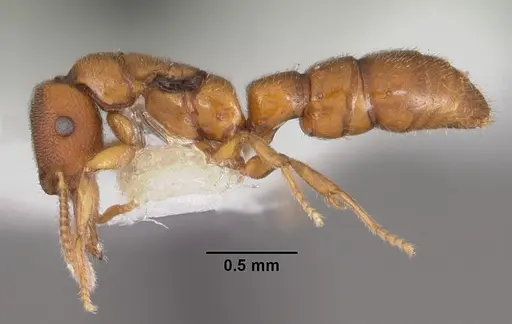
CASENT0172229
View on AntWeb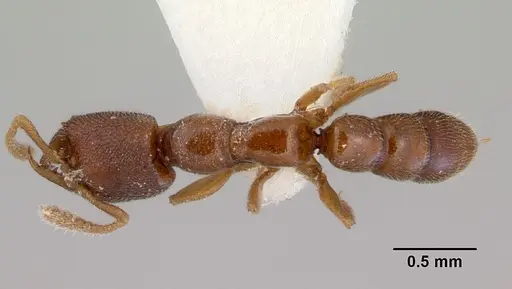
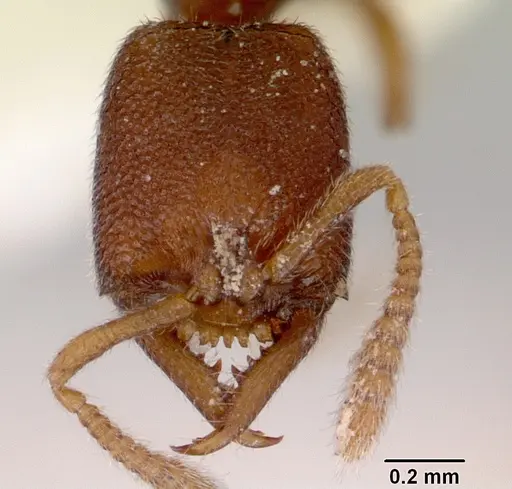
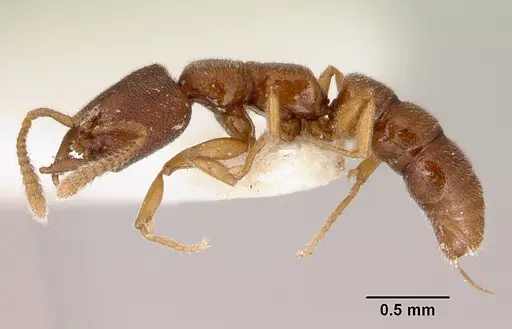
CASENT0172230
View on AntWeb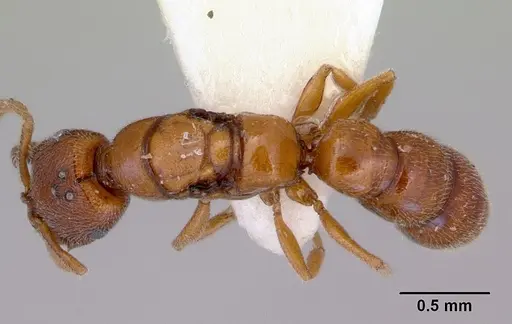
CASENT0172231
View on AntWeb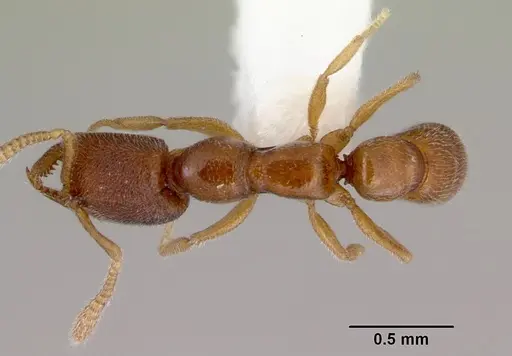
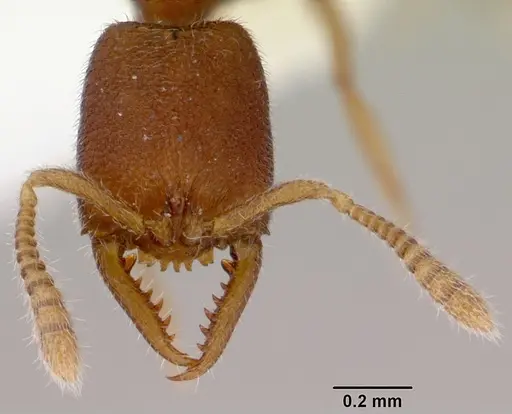
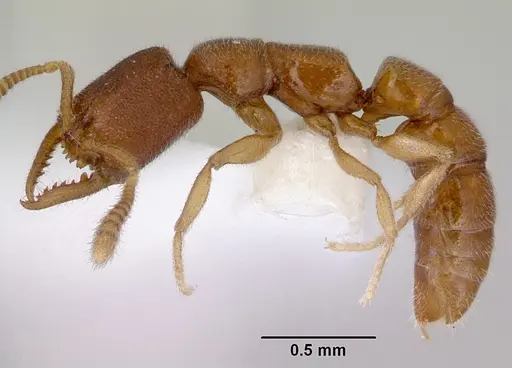
CASENT0260453
View on AntWeb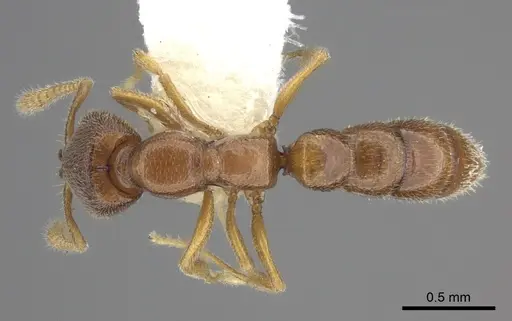
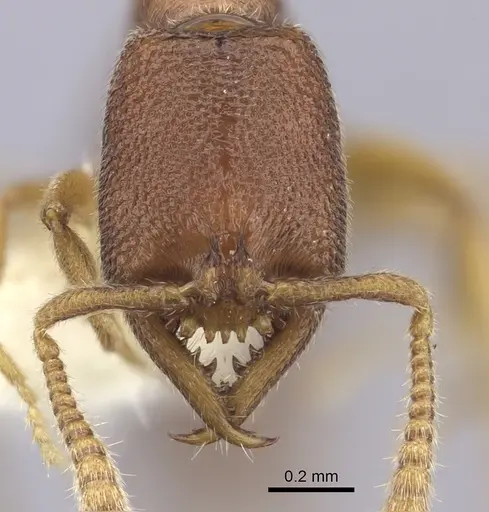
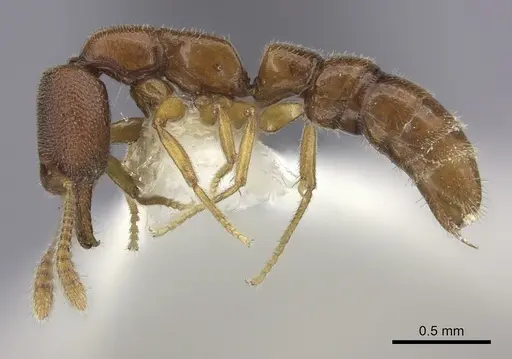
CASENT0280651
View on AntWeb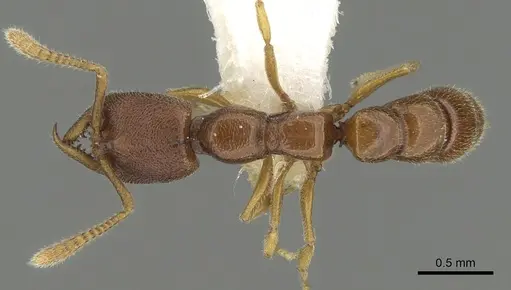
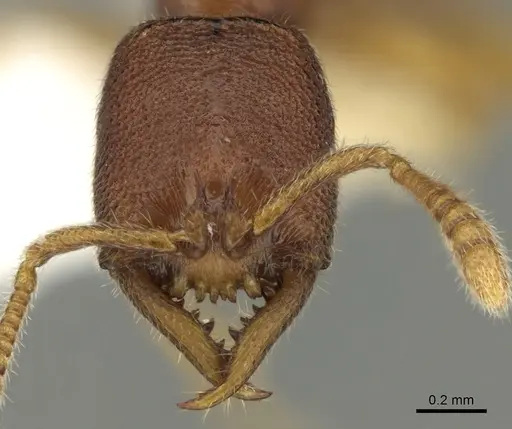
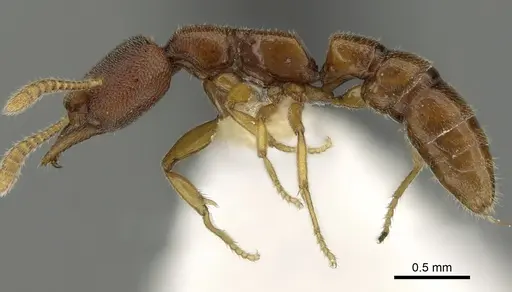
CASENT0408408
View on AntWeb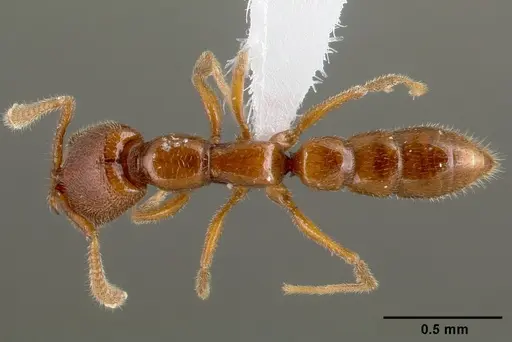
Literature
Loading distribution map...Loading products...