
Stigmatomma roahady
- Sci. Name
- Stigmatomma roahady
- Tribe
- Amblyoponini
- Subfamily
- Amblyoponinae
- Author
- Esteves & Fisher, 2016
- Distribution
- Found in 1 countries
Introduction
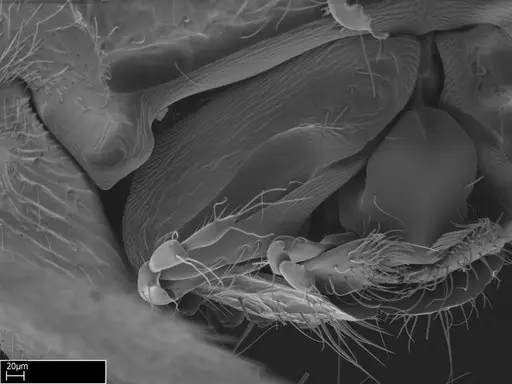
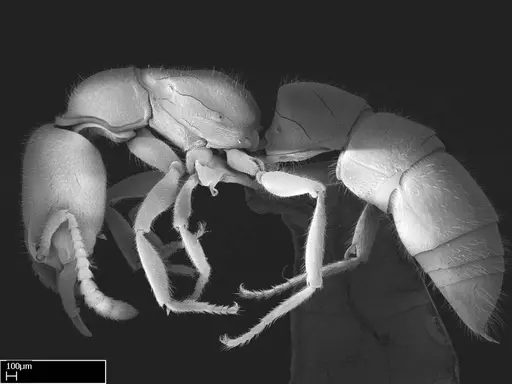
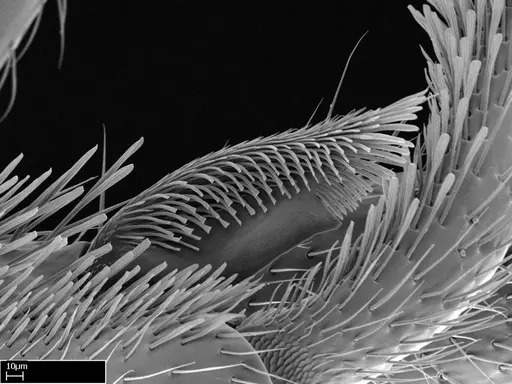
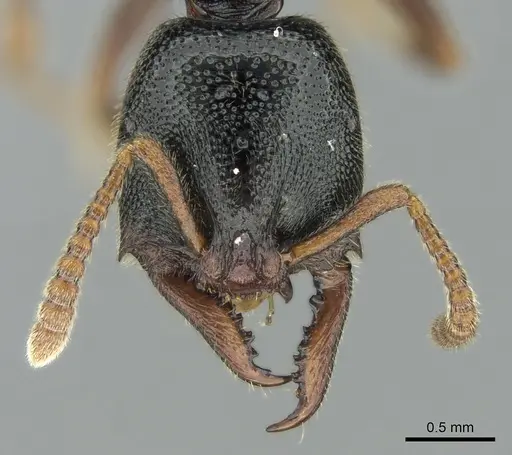
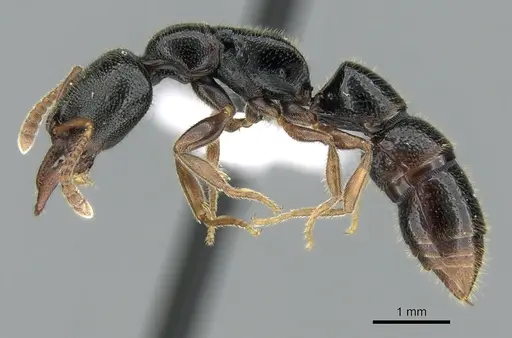
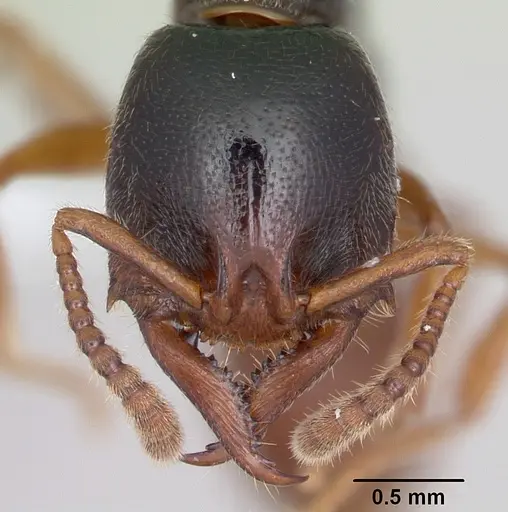
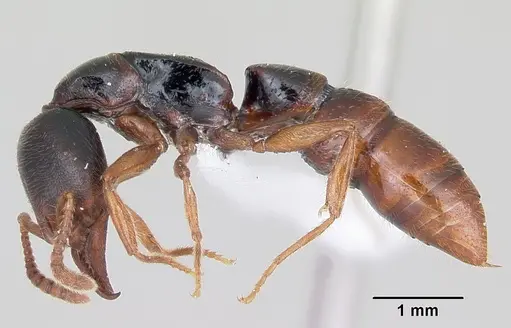
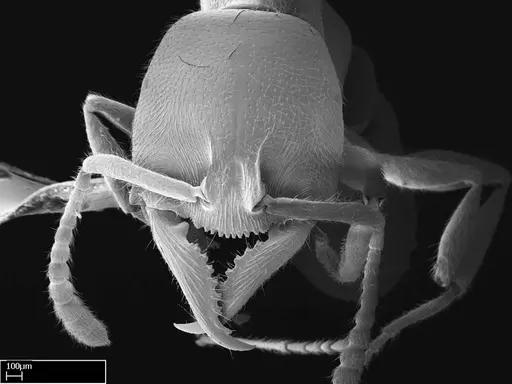
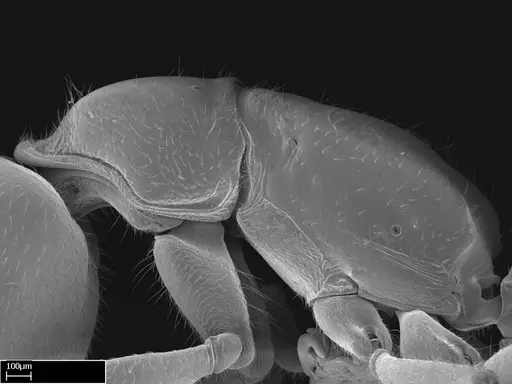
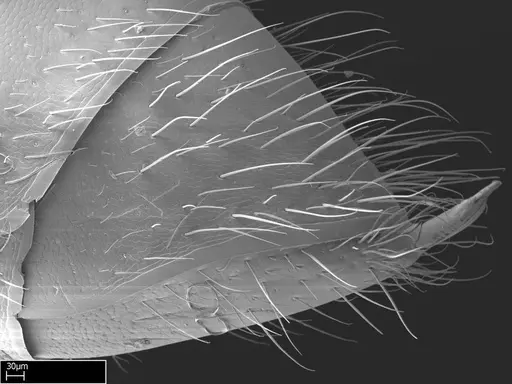
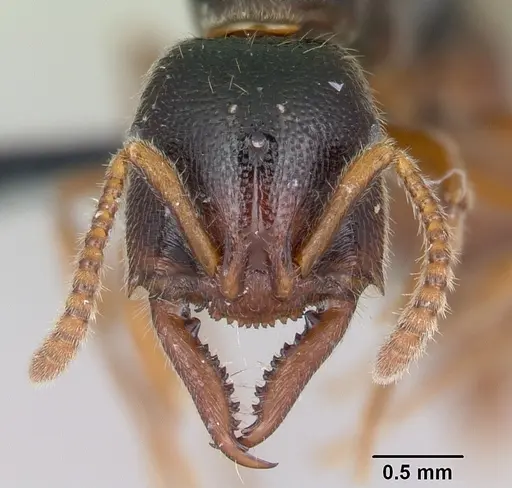
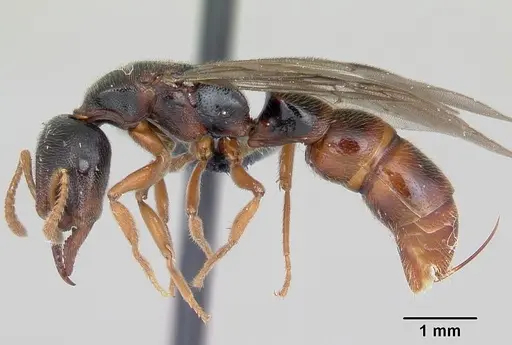
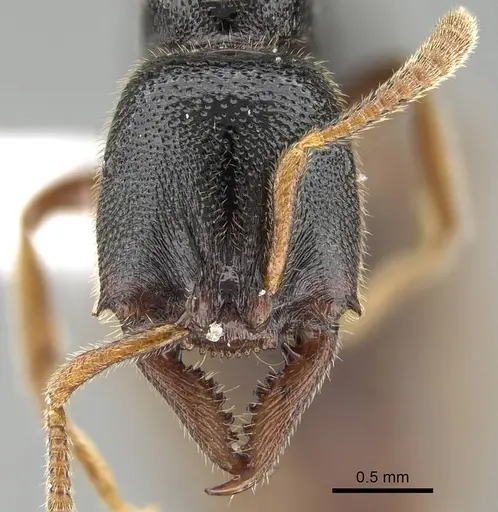
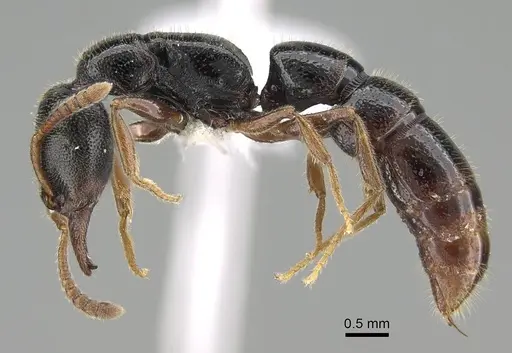
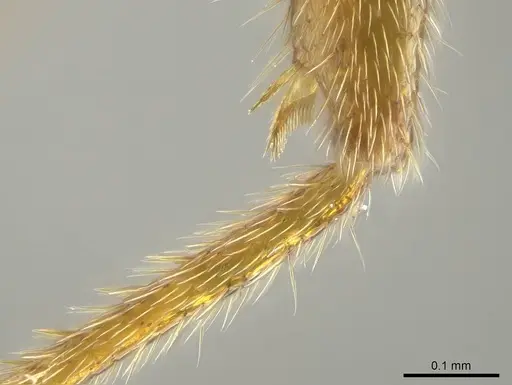
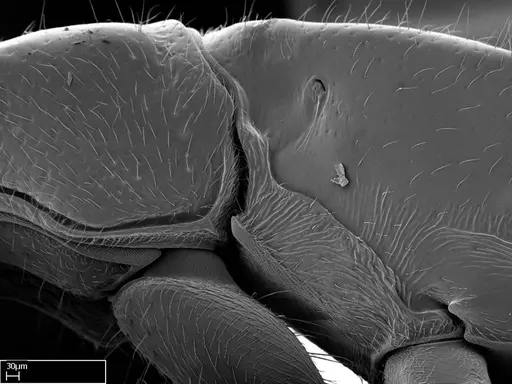
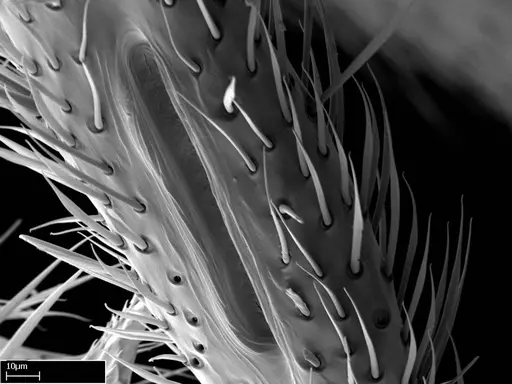
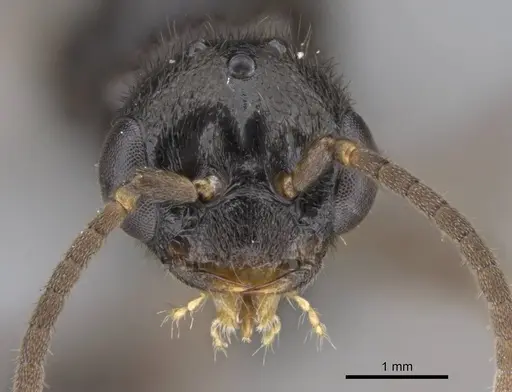
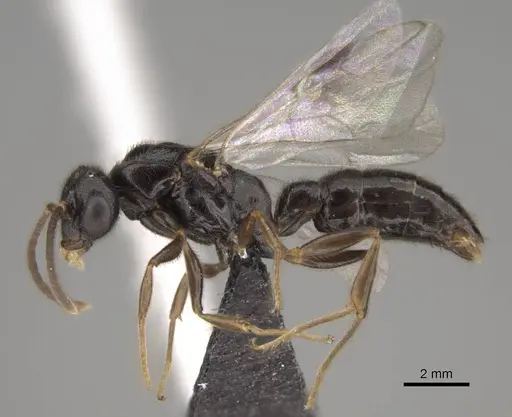
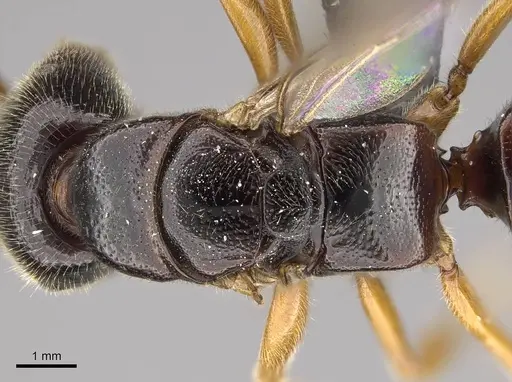
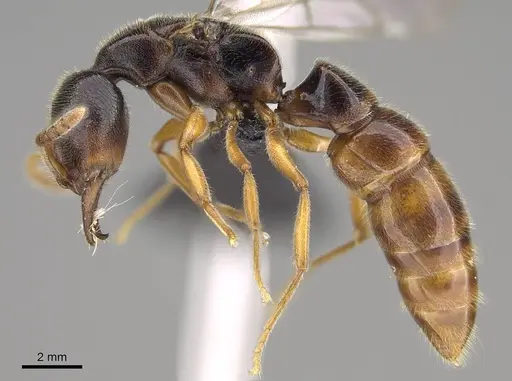
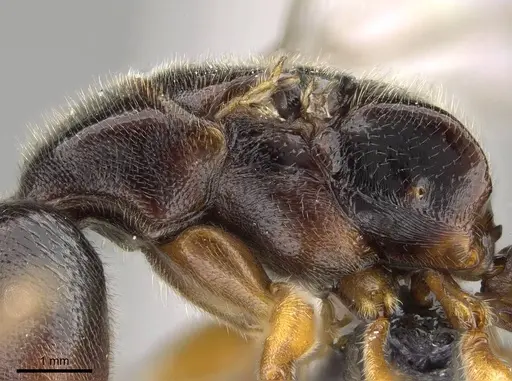
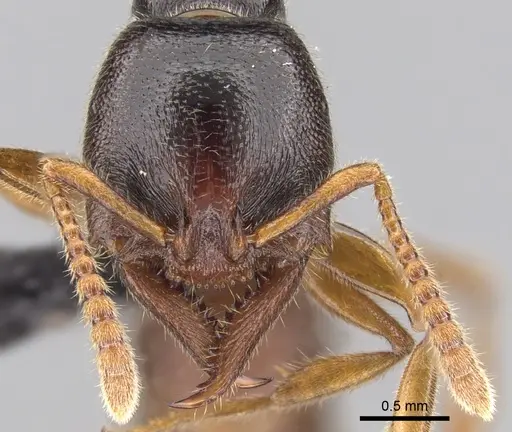
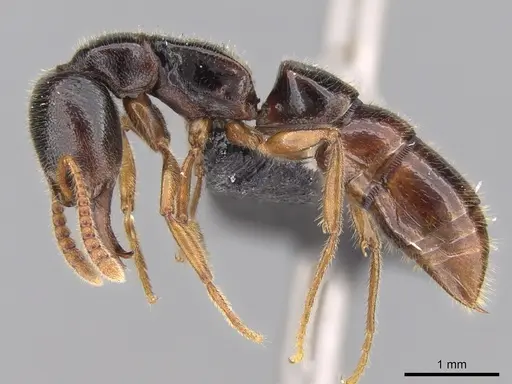
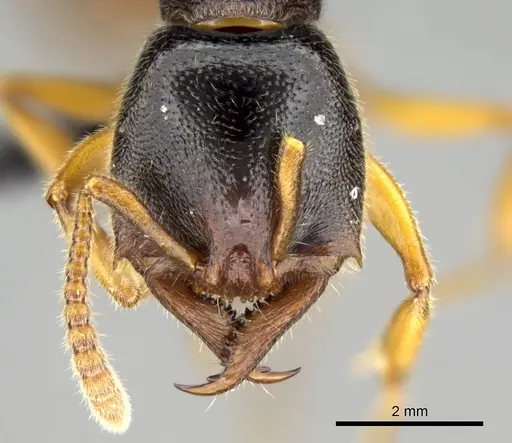
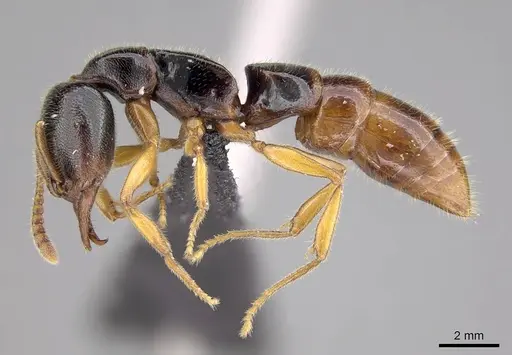
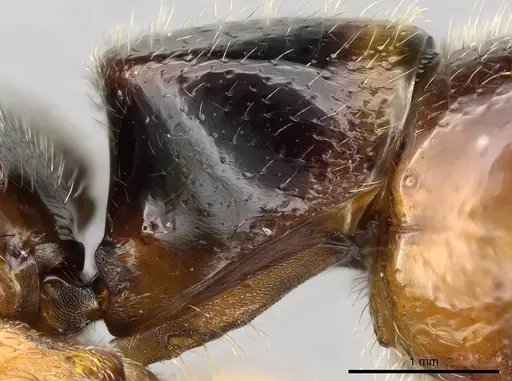
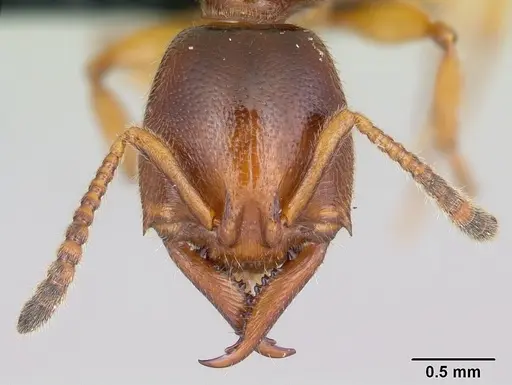
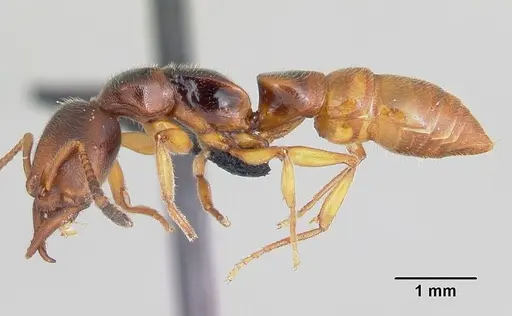
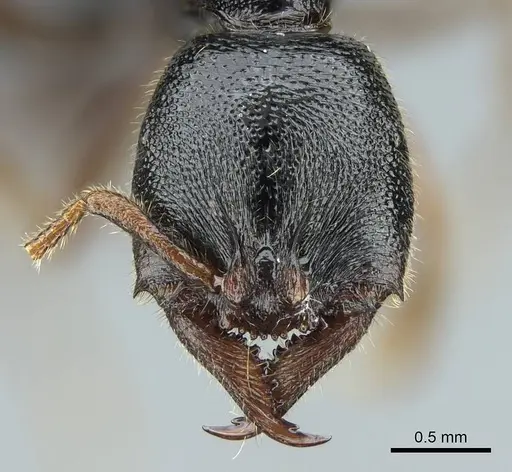
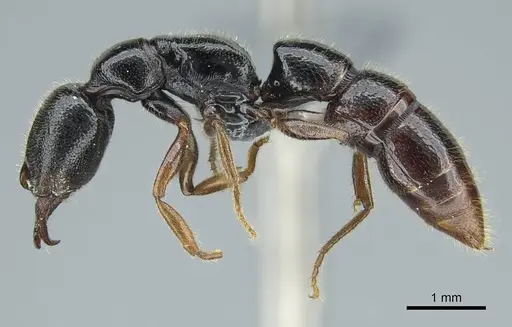
Stigmatomma roahady is a large, striking ant species endemic to Madagascar. It is described as a large-sized ant within the genus . The body color ranges from orange-brown to nearly black, with the gaster often showing a slightly lighter apex and the appendages being yellow-brown to orange . This species belongs to the tsyhady species group and is the only Stigmatomma in the Malagasy region with a distinctive groove-like sulcus on both the mesobasitarsus and metabasitarsus, a unique feature that gives the species its name (roa means 'two' and hady means 'sulcus' in Malagasy) . What makes Stigmatomma roahady particularly interesting is this basitarsal sulcus gland, a novel exocrine structure that runs along the anterior face of both pairs of basitarsi. Research has confirmed this is a true glandular structure lined with secretory epithelium, likely producing pheromonal secretions . Found throughout the humid forest regions of eastern Madagascar from 400-1400m elevation, these ants inhabit rainforest and montane rainforest habitats where they nest in rotting wood, soil, and under moss .
Quick Summary
- Difficulty: Expert
- Origin & Habitat: Eastern Madagascar, rainforest and montane rainforest habitats at elevations of 400-1400m [1][3]
- Colony Type: Colony structure is unconfirmed for this species. No data available on queen number or social organization.
- Size & Growth:
- Queen: Larger than workers, alate virgin queens described but no specific measurements available [3]
- Worker: Worker size data unavailable, described as large-sized within the genus [1]
- Colony: Unknown, no colony size data available
- Growth: Unknown, no development data available
- Development: No published development timeline exists for this species. (No data available.)
- Antkeeping:
- Temperature: Based on their natural habitat in warm Madagascar rainforests, keep temperatures around 22-25°C. Provide a gentle gradient so workers can self-regulate. Avoid sudden drops.
- Humidity: High humidity is essential, these ants live in rainforest floor microhabitats. Keep nest substrate consistently moist but not waterlogged. Provide a moisture gradient in the nest.
- Diapause: Unlikely, Madagascar experiences minimal cold periods. No formal diapause requirement documented.
- Nesting: Provide a naturalistic setup with damp substrate. Based on collection records, they nest in rotten wood, soil, under moss, and in root mats [1][3]. A Y-tong or plaster nest with good moisture retention is suitable. Include pieces of rotten wood.
- Behavior: As an Amblyoponinae ant, this species has a functional sting, so handle with caution. They are likely predatory foragers. Collection records show ground foraging activity [3]. Temperament is undocumented but typical Amblyoponinae are not aggressive unless threatened. Escape risk is moderate, standard barrier methods work well.
- Common Issues: high humidity management is critical, too dry and colonies desiccate, too wet and mold becomes a problem, no published captive breeding data exists, this is an expert-level species with unknown requirements, predatory feeding requirements mean live prey is essential, they cannot survive on sugar alone, wild-caught colonies may carry parasites or be stressed from collection, temperature stability matters, avoid fluctuations that could stress the colony
Nesting Preferences and Habitat Setup
In the wild, Stigmatomma roahady nests primarily in rotting wood, rotten logs, and soil in Madagascar's rainforest and montane rainforest habitats. They have been collected from sifted leaf mold, under moss on the ground, in tree stumps, and in the root mat on the ground [3]. Most collection records come from elevations above 800m in montane areas [1].
For captive care, provide a humid naturalistic setup that mimics these conditions. A Y-tong or plaster nest with pre-drilled chambers works well, as long as the substrate stays consistently damp without flooding. These ants prefer tight, enclosed chambers rather than open spaces. Include some rotten wood or bark pieces in the setup if possible, as this reflects their natural nesting preferences. A water reservoir or moisture gradient helps maintain high humidity.
Feeding and Diet
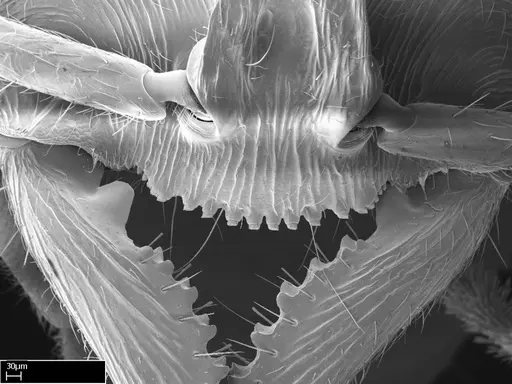
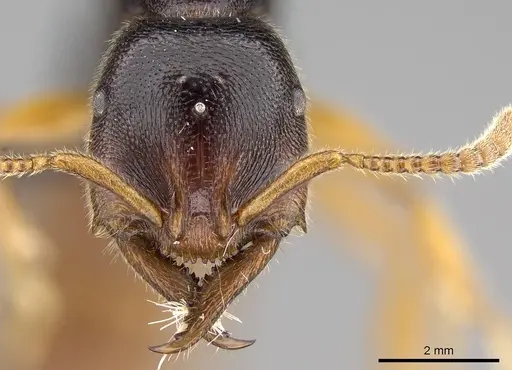
As a member of the Amblyoponinae subfamily, Stigmatomma roahady is predatory and likely feeds primarily on small arthropods and invertebrates. One ground foraging record exists [3], suggesting they hunt on the forest floor. Their mandibles are designed for capturing and holding prey.
In captivity, offer small live prey such as fruit flies, pinhead crickets, small mealworms, and other appropriately-sized insects. They likely accept protein sources readily. Sugar water or honey can be offered as a supplementary energy source, though predatory ants primarily rely on protein. Feed every 2-3 days, removing uneaten prey after 24 hours to prevent mold. The key is providing varied small live prey rather than relying on artificial foods.
Temperature and Seasonal Care
Stigmatomma roahady comes from Madagascar's humid forests where temperatures remain warm year-round. Keep the nest area at 22-25°C, ideally with a gentle gradient so workers can self-regulate. A heating cable on one side of the nest can create this gradient, but ensure it doesn't dry out the substrate or cause excessive evaporation.
No formal diapause requirement has been documented for this species. Madagascar experiences minimal seasonal temperature variation compared to temperate regions, so a true hibernation is unlikely needed. However, you might observe slightly reduced activity during the cooler months. Avoid sudden temperature drops or drafts that could stress the colony. [1][3]
Unique Anatomy: The Basitarsal Sulcus Gland
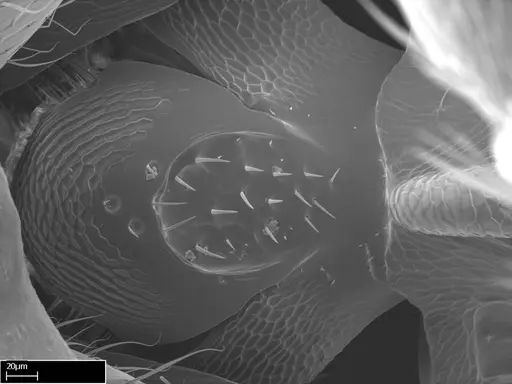
The most distinctive feature of Stigmatomma roahady is its basitarsal sulcus gland, a unique structure not found in any other Stigmatomma species in the Malagasy region [2]. This groove runs along the anterior face of both the mesobasitarsus and metabasitarsus (the first tarsal segments of the middle and hind legs).
Research has confirmed this is a functional exocrine gland lined with secretory epithelium that produces likely pheromonal secretions [2]. The gland appears as a straight longitudinal groove, internally lined by tall cylindrical glandular cells. The cytoplasm shows characteristics typical of pheromone-producing glands, dominated by smooth endoplasmic reticulum and Golgi apparatus [2]. While the exact function isn't definitively proven, it is believed to play a role in chemical communication, possibly trail-laying or colony recognition.
Behavior and Temperament
As an Amblyoponinae ant, Stigmatomma roahady has a functional sting, so handle with appropriate caution. Collection records show one instance of ground foraging, indicating they hunt on the forest floor [3]. Temperament is undocumented, but typical Amblyoponinae species are not aggressive toward humans unless provoked.
Escape prevention should be standard, while not tiny, workers can still find gaps in setups. Use Fluon or other standard barrier methods. No specific data on diel activity is available, assume foraging may occur at any time.
Frequently Asked Questions
How long does it take for Stigmatomma roahady to raise first workers?
The exact development timeline has not been documented for this species. No published data exists on egg-to-worker duration. Expect an unknown timeline, this is an area that needs further study.
Can I keep Stigmatomma roahady in a test tube setup?
Test tubes can work for founding colonies if humidity is carefully managed, but a naturalistic or Y-tong/plaster setup with better moisture retention is preferred. These ants naturally nest in rotting wood and damp soil, so a test tube alone may not provide adequate humidity. If using test tubes, ensure the water reservoir is sized appropriately and monitor for mold.
Do Stigmatomma roahady ants sting?
Yes, as a member of the Amblyoponinae subfamily, these ants possess a functional sting. While not typically aggressive, they may sting if threatened or handled roughly. The sting is likely painful but not medically significant for healthy humans. Use caution when handling.
What do Stigmatomma roahady eat in captivity?
They are predatory ants that require live small invertebrates. Offer fruit flies, small crickets, mealworms, and other appropriately-sized live prey. Sugar water or honey can be offered as a supplement but should not be the primary food source. Remove uneaten prey after 24 hours.
Are Stigmatomma roahady good for beginners?
No. This is an expert-level species due to several factors: no published captive breeding data exists, they have specific high-humidity requirements, they need a constant supply of live prey, and they are difficult to acquire. This species is recommended only for experienced antkeepers who can provide specialized care.
How big do Stigmatomma roahady colonies get?
The maximum colony size is unknown, no published colony size data exists for this species. Start with a single queen and expect growth to be slow if successful. Colony size at maturity remains undocumented.
Do Stigmatomma roahady need hibernation?
No formal diapause or hibernation requirement has been documented. Madagascar experiences warm temperatures year-round, so these ants likely do not need a cold period. A slight reduction in activity during cooler months may occur naturally, but active heating is not required unless room temperature drops significantly.
Where is Stigmatomma roahady native to?
Stigmatomma roahady is endemic to Madagascar. It is found throughout the eastern humid forest regions, particularly in rainforest and montane rainforest habitats at elevations between 400-1400 meters. The species was described in 2016 and is only known from Madagascar.
Why is Stigmatomma roahady special compared to other ants?
This species has a unique feature among all Stigmatomma in the Malagasy region, a basitarsal sulcus gland on both the mesobasitarsus and metabasitarsus. This groove-like structure is a novel exocrine gland that produces likely pheromonal secretions. The species name 'roahady' comes from Malagasy words meaning 'two sulcus' (roa = two, hady = sulcus), referencing this unique feature.
Can I keep multiple Stigmatomma roahady queens together?
The colony structure is unconfirmed for this species. No data exists on whether Stigmatomma roahady accepts multiple queens. For best success, start with a single queen colony and do not attempt to combine unrelated queens.
Report an Issue
The current care sheet is based fully on literature. See inconsistencies, or something that's incorrect? Please , it will be resolved after review from an admin. Contributing to the blogs tab also helps providing information, to make us be able to further improve the caresheets. Thank you for your support!
References

This caresheet is licensed under CC BY-SA 4.0 .
Community Blogs
BLF1745(19)-7
View on AntWeb-7_1.webp)
-7_2.webp)
-7_3.webp)
CASENT0002031
View on AntWeb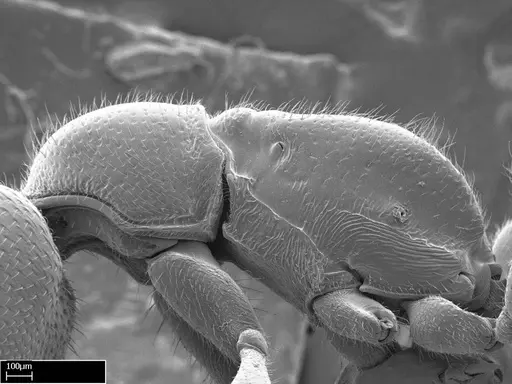
CASENT0002078
View on AntWeb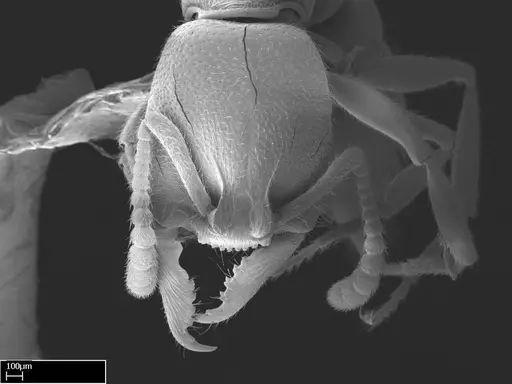
CASENT0002104
View on AntWeb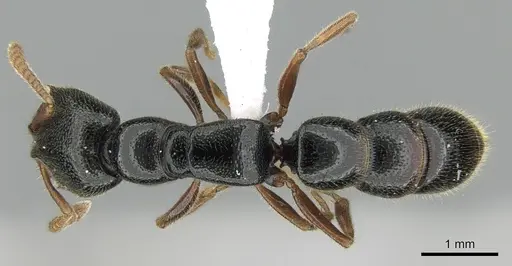
CASENT0002140
View on AntWeb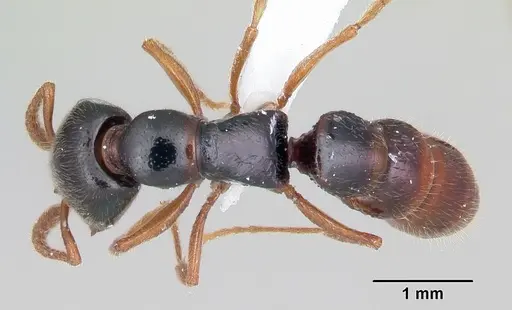
CASENT0004339
View on AntWeb
CASENT0007136
View on AntWeb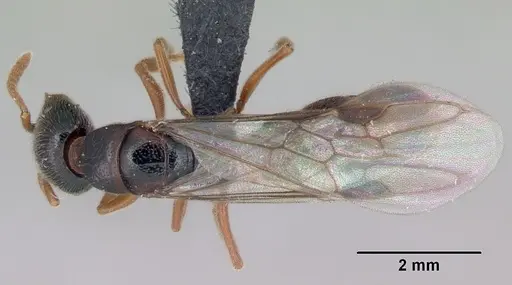
CASENT0042894
View on AntWeb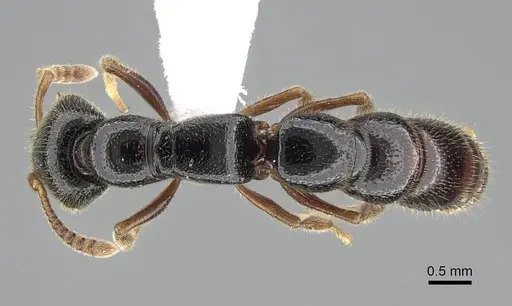
CASENT0056916
View on AntWeb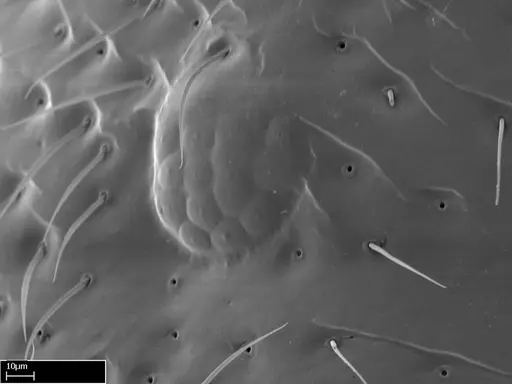
CASENT0067261
View on AntWeb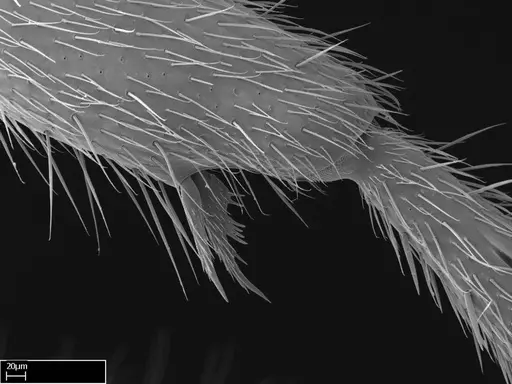
CASENT0107483
View on AntWeb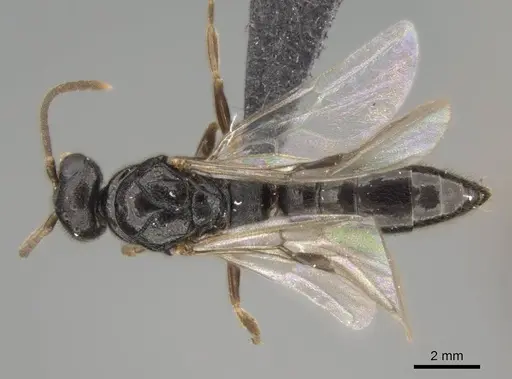
CASENT0112603
View on AntWeb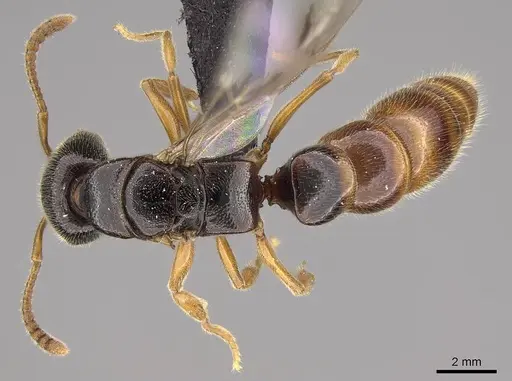
CASENT0135098
View on AntWeb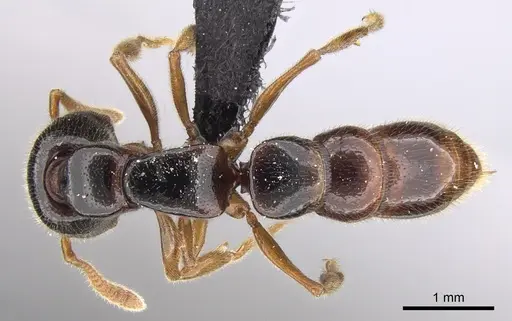
CASENT0318421
View on AntWeb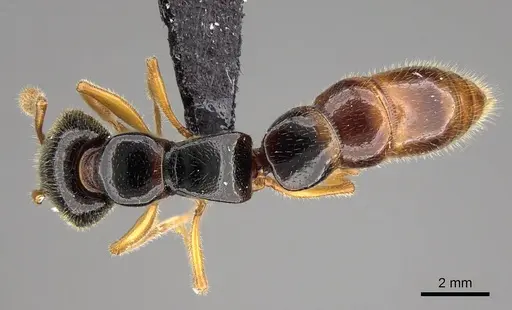
CASENT0318480
View on AntWeb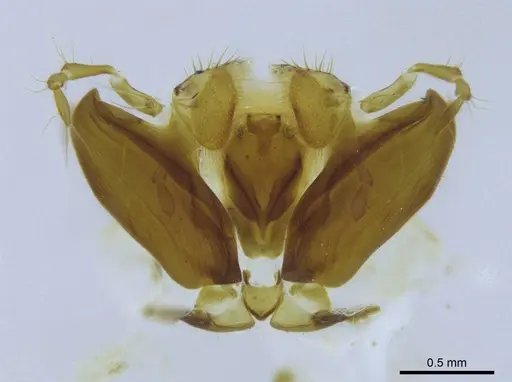
CASENT0497186
View on AntWeb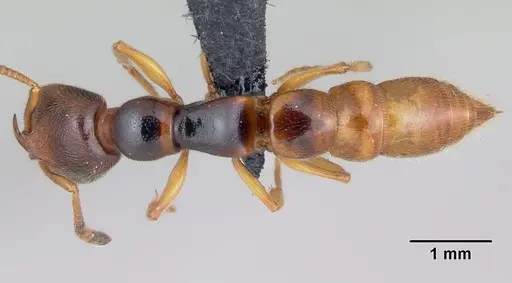
CASENT0840861
View on AntWeb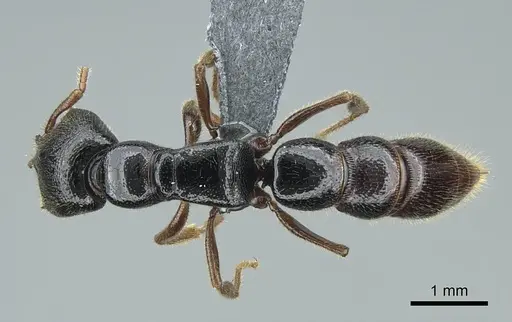
Literature
Loading distribution map...Loading products...