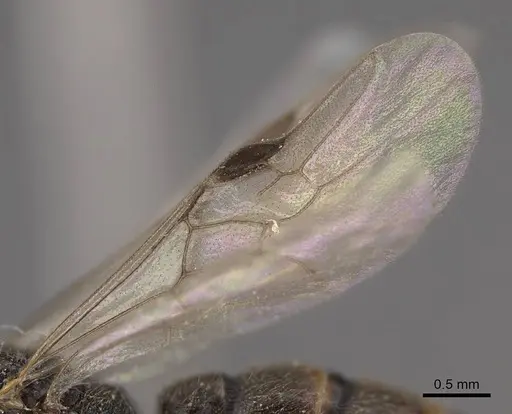
Stigmatomma pallipes shows a June to September flight window. Peak activity occurs in August, with nuptial flights distributed across 3 months.
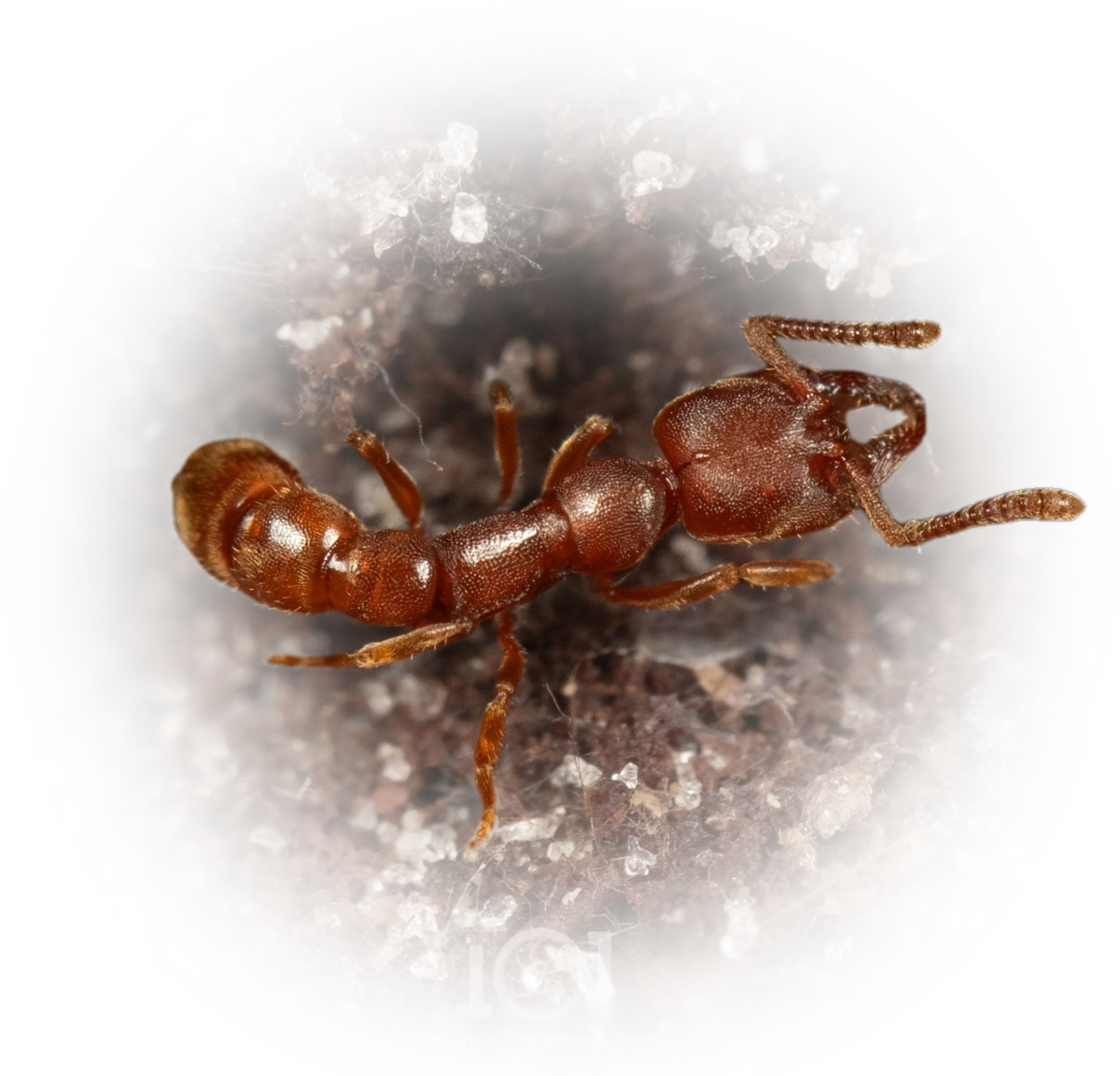
Eastern Dracula Ant
Stigmatomma pallipes
- Sci. Name
- Stigmatomma pallipes
- Tribe
- Amblyoponini
- Subfamily
- Amblyoponinae
- Author
- Haldeman, 1844
- Common Name
- Eastern Dracula Ant
- Distribution
- Found in 2 countries
- Nuptial Flight
- From June to September
- Peak flight Time
- 14:00
AI Identifiable
try →
Introduction
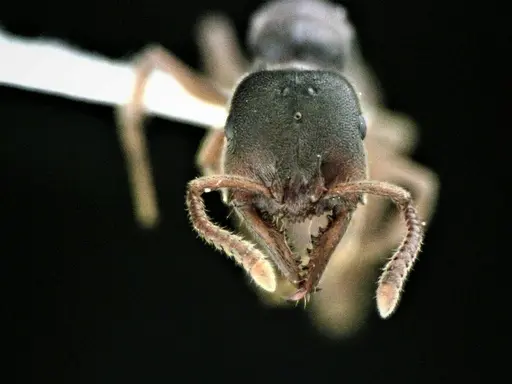
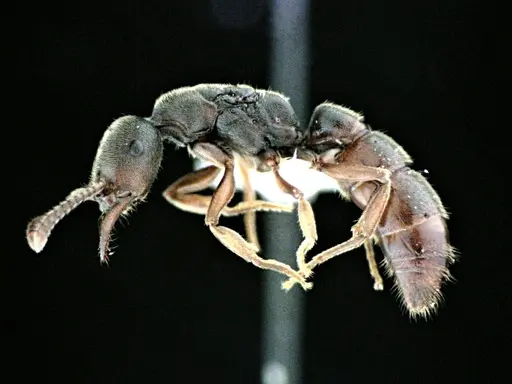
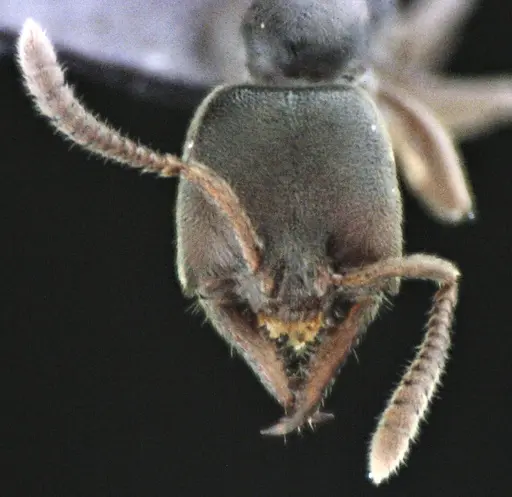
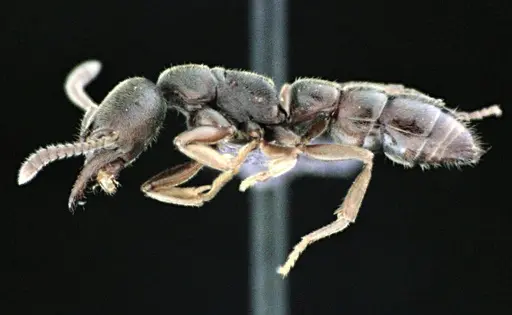
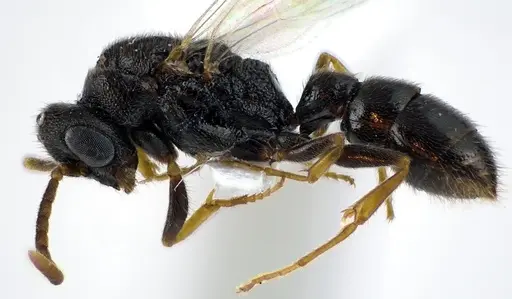
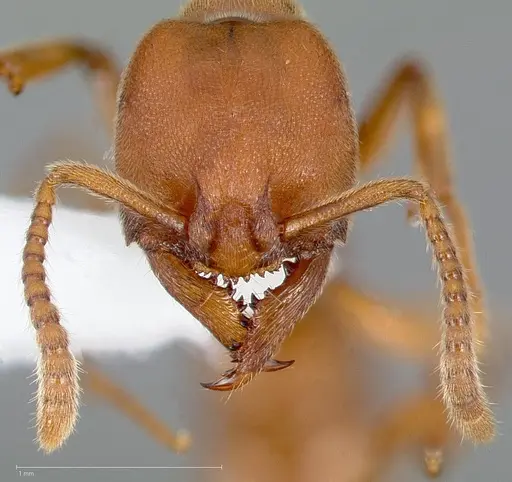
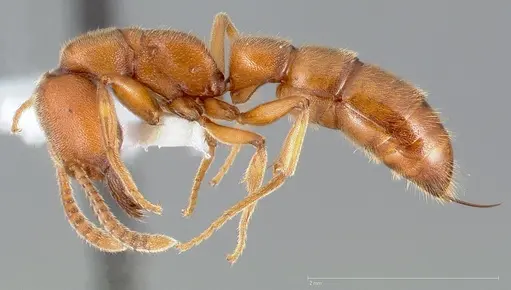
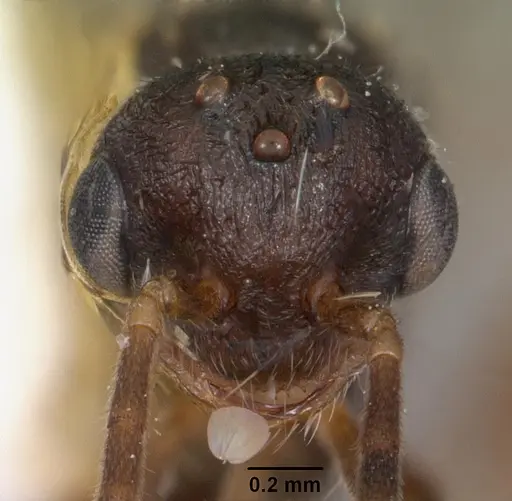
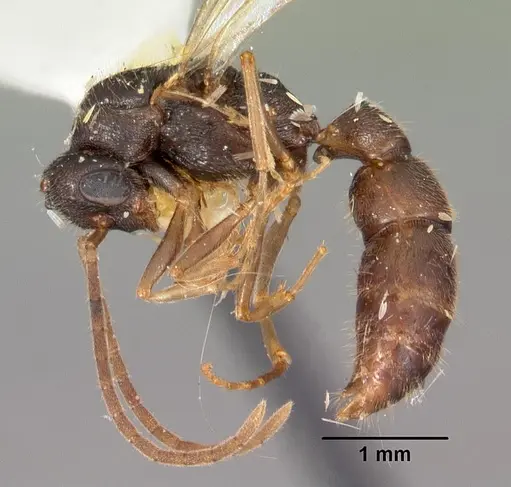
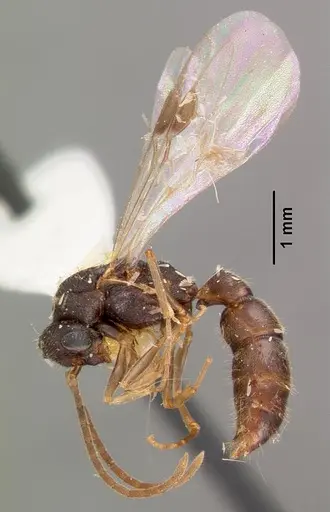
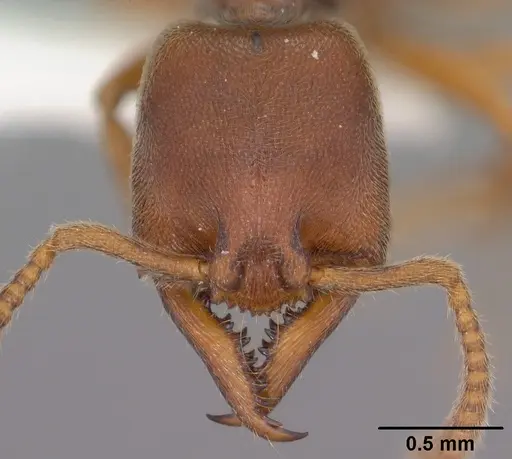
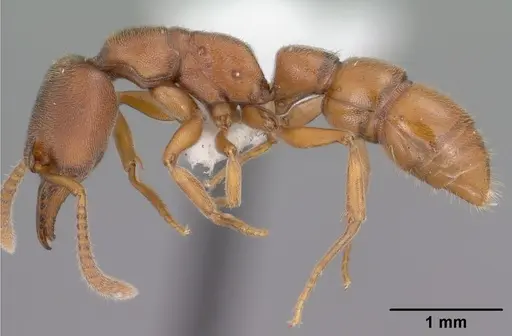
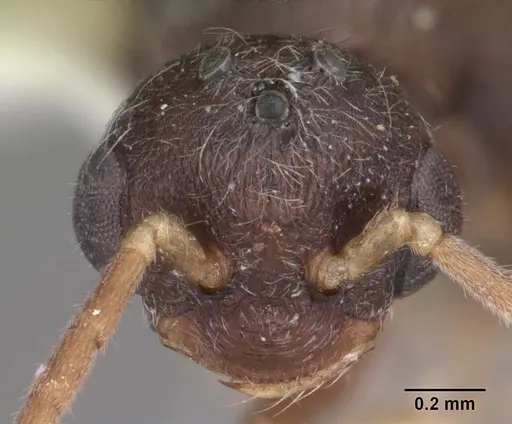
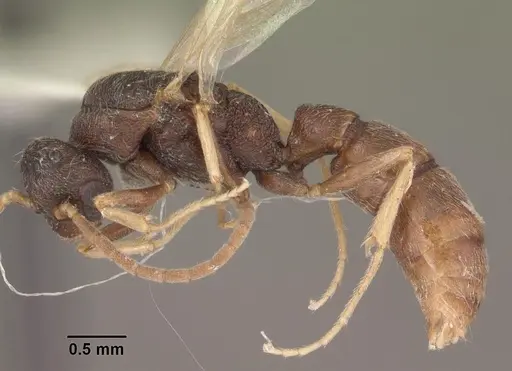
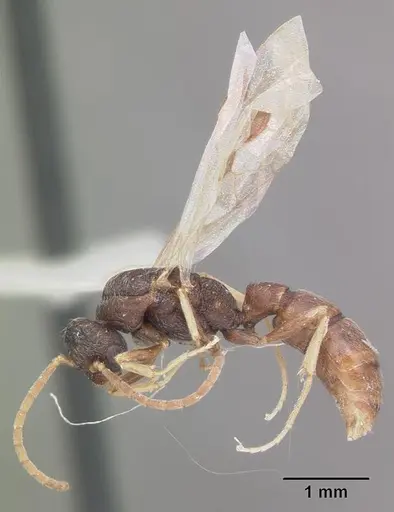
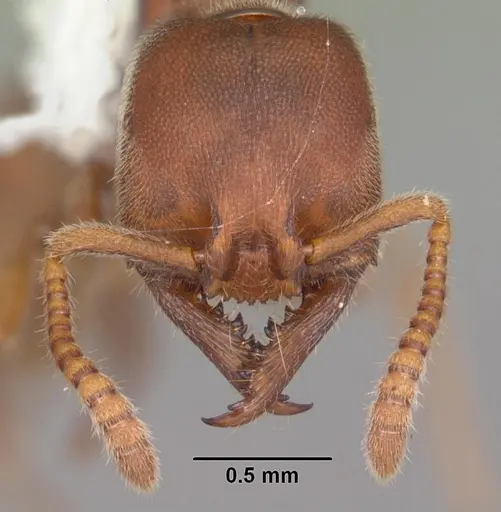
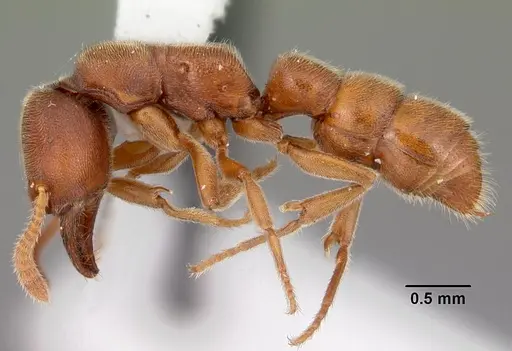
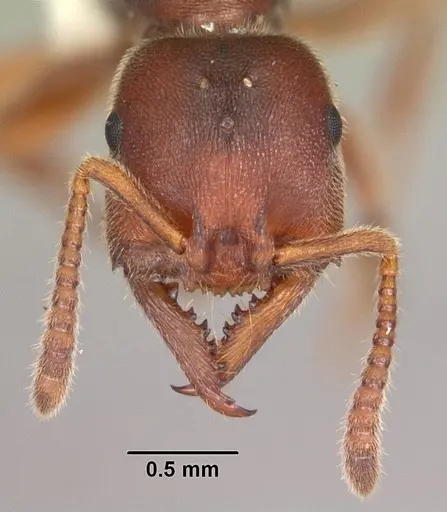
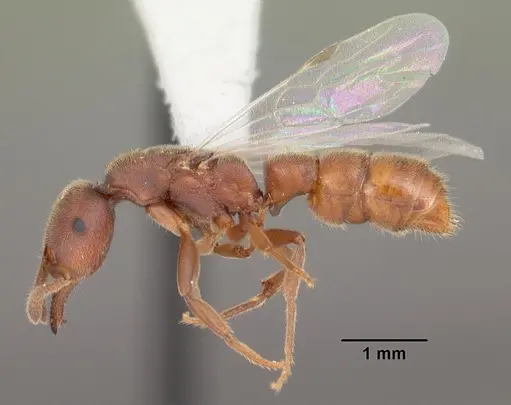
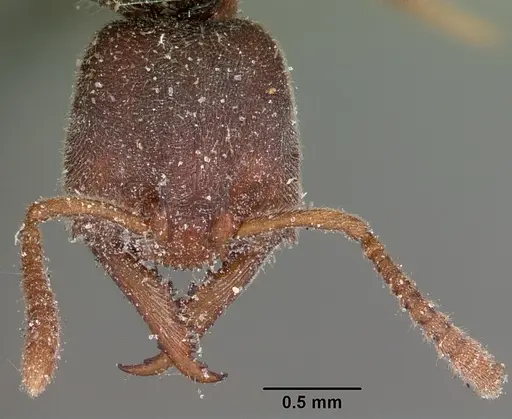
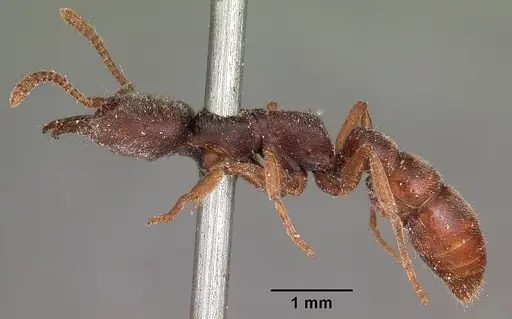
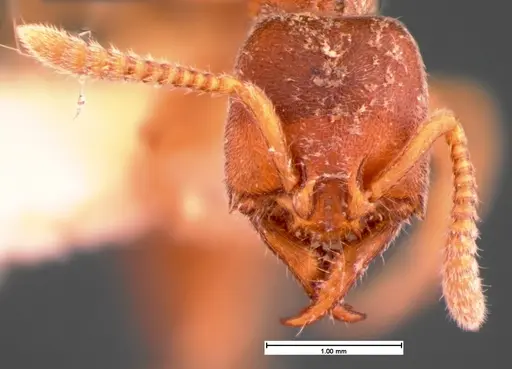
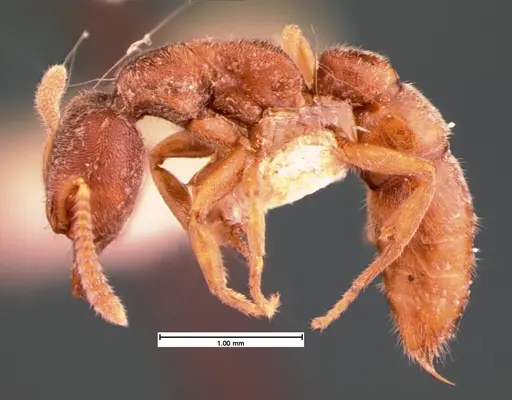
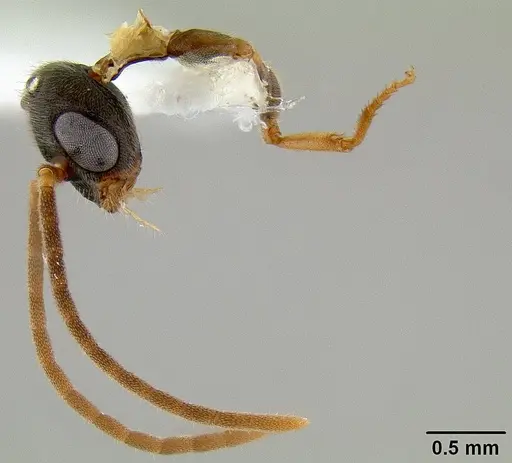
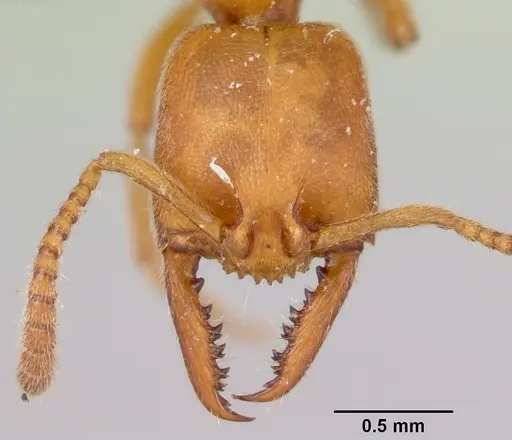
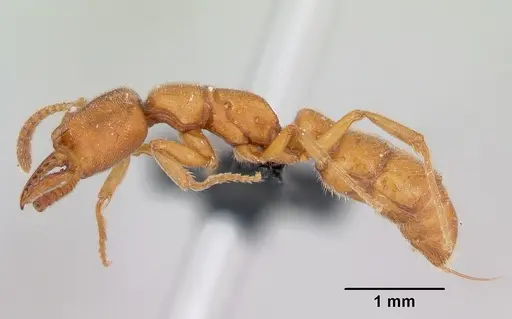
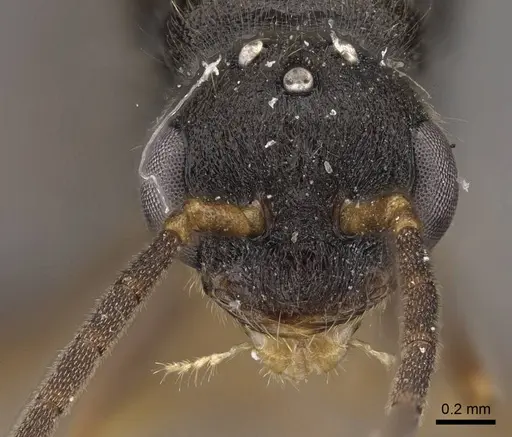
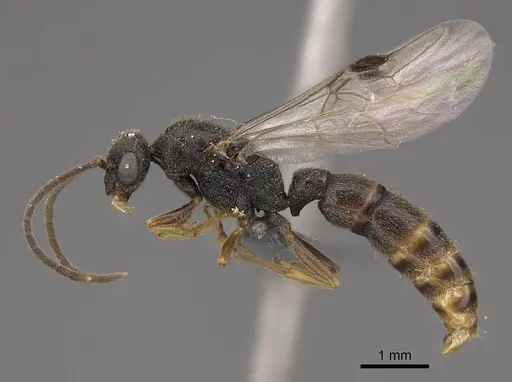
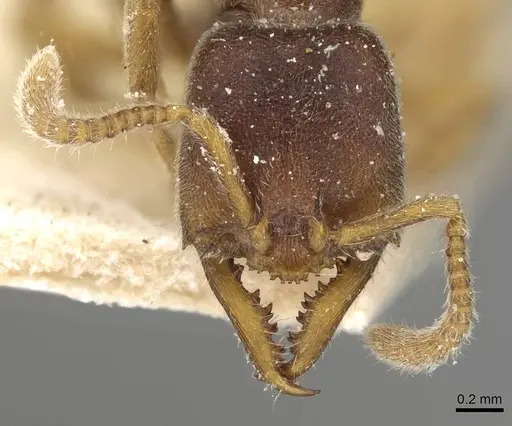
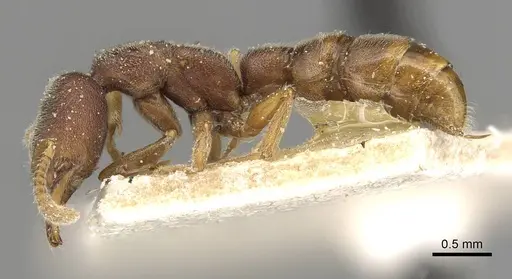
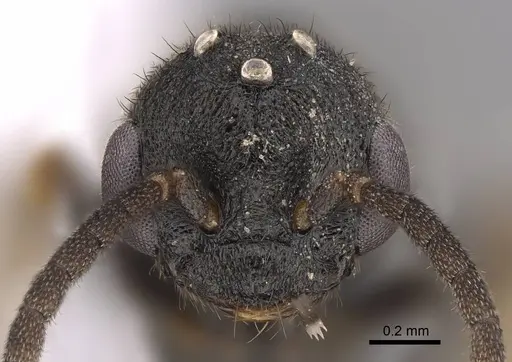
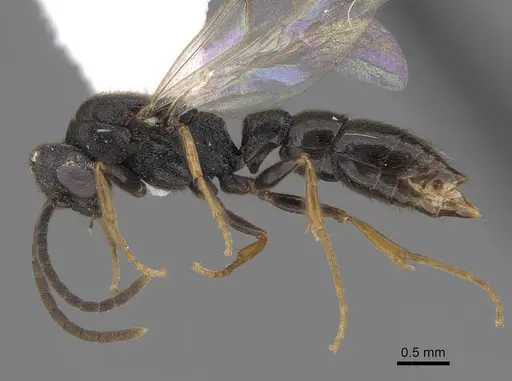
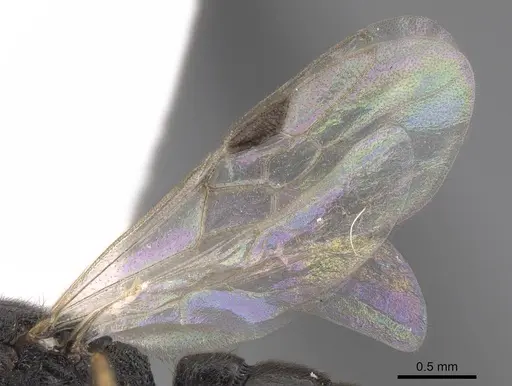
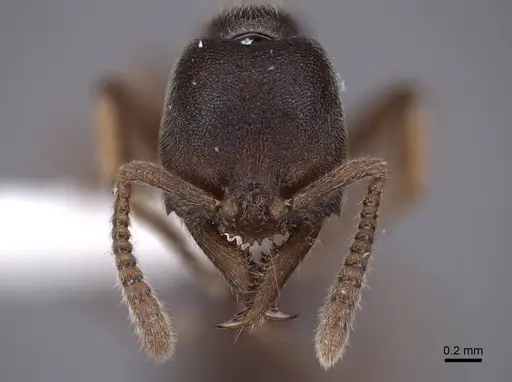
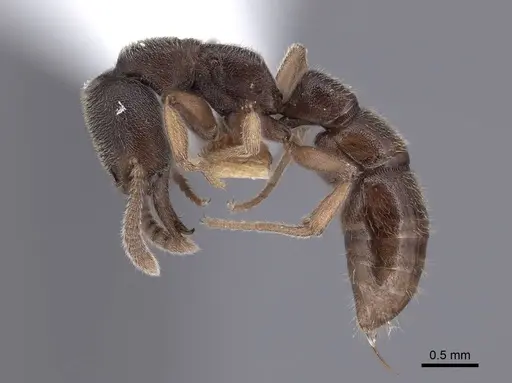
Stigmatomma pallipes is a small, reddish-brown ant found across the United States from Quebec to California . Workers measure about 6mm (1/4 inch) and have long, toothed mandibles, tiny eyes with only one or two facets, and a powerful sting . Queens look like workers, same size and shape, not the usual bulky thorax seen in other ants . They live in moist woodlands, oak forests, chaparral, and riparian areas, hiding under stones or in rotting wood . These ants are specialized centipede hunters, using their sting to paralyze lithobiomorph and geophilomorph prey . Unlike most ants, workers don't feed each other by regurgitation, and queens squeeze larvae to drink a clear liquid they produce . Colonies stay small, often far fewer than 100 workers, and may have one or more queens .
Quick Summary
- Difficulty: Expert
- Origin & Habitat: Widely distributed in the United States from Quebec to Wisconsin, south to Florida, and west to California, also in Arizona mountains [1]. Found in moist hardwood forests, oak woodland, mixed conifer forest, chaparral, and riparian woodland, usually under stones, in rotting logs, or deep litter [1][5].
- Colony Type: Small colonies with one or more queens (oligogyne). Groups of 9-16 workers live together, and colonies split by fission when they grow [1].
- Size & Growth:
- Antkeeping:
- Temperature: Keep at 20-24°C (room temperature). As a temperate species, a winter cooling period (10-15°C for 3-4 months) probably helps [1].
- Humidity: High, keep the substrate consistently moist but not waterlogged, like damp forest floor litter. Provide a gradient so ants can choose [1].
- Diapause: Likely yes, temperate distribution and late summer mating suggest a winter rest period is needed [1].
- Nesting: Use a naturalistic setup with flat stones, rotting wood, and deep soil or coco fiber substrate that holds moisture. They prefer tight, dark spaces [1].
- Behavior: Slow-moving, cryptic, and solitary foragers [6]. They hunt centipedes underground and use a powerful sting [1]. Workers almost never come to the surface and do not regurgitate food to nestmates [1]. Escape risk is low for a 6mm ant if kept in a secure setup.
- Common Issues: specialized centipede diet is extremely hard to provide in captivity, colonies stay tiny and grow very slowly, cryptic underground lifestyle means you rarely see them, substrate drying out kills the colony, must remain consistently moist, 6mm size can still slip through small gaps if barrier is inadequate
Nuptial Flight Activity Analysis 69 observations
Flight Activity by Hour 69 observations
Stigmatomma pallipes nuptial flight activity peaks around 14:00 during the afternoon. Activity is spread across a 19-hour window (01:00–19:00). A secondary activity peak occurs around 12:00. Times may be influenced by human observation patterns.
Nest Preferences
In the wild, Stigmatomma pallipes nests under stones, in rotting logs, and within leaf litter in moist, shaded woodlands with heavy canopy cover [1]. They prefer damp, dark spots and are often collected in litter samples from forested habitats [5]. For a captive nest, use a naturalistic setup: a deep layer of soil or coco fiber mixed with rotting wood pieces and a few flat stones on top. Keep the substrate moist but not wet, and provide tight crevices rather than open chambers. Avoid acrylic nests, they need the texture of natural materials [1].
Feeding and Diet
These ants are obligate predators of centipedes, mainly lithobiomorphs and geophilomorphs [3][4]. Workers grab centipedes with their long, toothed mandibles and deliver a paralyzing sting [1][2]. They also take beetle larvae and other soft‑bodied soil arthropods [1]. Unlike most ants, workers do not feed each other by regurgitation, instead, they carry prey back to the nest and let the larvae crawl onto it to feed [1]. The queen gets extra nutrition by gently squeezing a larva until it releases a drop of clear fluid (hemolymph), which she drinks [1]. In captivity, you must provide live, small centipedes. They will not accept sugar water, honey, or seeds. This makes long‑term keeping very difficult.
Temperature and Care
Stigmatomma pallipes lives across a broad range from Quebec to California, including mountainous areas up to 3,000 feet or higher [7]. It prefers moderate temperatures around 20-24°C [1]. Because it mates in late summer (September in New England) and is temperate, it likely needs a winter diapause, cool the colony to 10-15°C for three to four months [1]. Avoid overheating, these are forest floor ants, not desert species.
Behavior and Temperament
Workers are slow and secretive, spending almost all their time underground [1]. They forage alone [6], though sometimes several workers cooperate to subdue a large centipede [1]. Only one worker carries the prey back to the nest [1]. They have a functional sting and will use it if handled, but they are not aggressive toward the keeper. Because they rarely come to the surface, escape risk is low if the enclosure is tight and sealed with a barrier like Fluon or baby powder for extra safety.
Colony Founding and Reproduction
Founding behavior is not well‑documented. Mating happens in late summer on the ground surface, and females usually return to their natal nest instead of flying off to found a new colony alone [1]. New colonies probably form by fission: a group of 9-16 workers with one or more queens splits from the parent colony [1]. This suggests that queens rely on worker help during establishment, but the exact method is unconfirmed. If you try to start a colony, give the queen live centipedes and keep humidity very high.
Unique Adaptations
Like other 'dracula ants, ' Stigmatomma pallipes has a strange feeding habit, the queen squeezes a larva and drinks the clear liquid it regurgitates (non‑destructive cannibalism) [1]. Their mandibles are flat and wide, with fused teeth, built for gripping struggling centipedes [2]. Unlike their relatives Mystrium, these jaws are not snap‑action, they are stiff and strong [2].
Frequently Asked Questions
Can I keep Stigmatomma pallipes in a test tube?
No, test tubes are not suitable. These ants need a naturalistic setup with soil, rotting wood, and stones to feel secure [1]. A test tube lacks the damp, dark, soil‑like conditions they require.
What do Stigmatomma pallipes eat?
They are specialized predators of centipedes (lithobiomorphs and geophilomorphs) [3][4]. They also eat beetle larvae and other soil arthropods [1]. They will not accept sugar water, honey, or seeds.
How big do Stigmatomma pallipes colonies get?
Colonies stay small, usually far fewer than 100 workers, often organized in groups of 9-16 workers with one or more queens [1].
Do Stigmatomma pallipes sting?
Yes, they have a powerful sting for paralyzing centipede prey [1]. Handle carefully to avoid being stung.
Are Stigmatomma pallipes good for beginners?
No, they are an expert‑level species because of their specialized centipede diet, small colony size, cryptic lifestyle, and high humidity needs [1].
Do Stigmatomma pallipes need hibernation?
Likely yes. As a temperate species that mates in late summer, a winter diapause period (10-15°C for several months) is probably beneficial [1].
How long until Stigmatomma pallipes get their first workers?
Development time is unconfirmed. Based on related temperate Amblyoponinae, expect roughly 8-12 weeks at optimal temperatures, but this is a guess.
Why are my Stigmatomma pallipes dying?
Common causes: refusal to accept captive food (they need live centipedes), substrate drying out, or lack of proper hiding places. Their specialized diet makes them very hard to keep [1].
Can I keep multiple Stigmatomma pallipes queens together?
In nature, small colonies can have more than one queen, so they seem to tolerate multiple queens [1]. However, combining unrelated queens from different sources is untested and not recommended.
What is the best nest type for Stigmatomma pallipes?
A naturalistic setup with moist soil, flat stones, and rotting wood works best [1]. Avoid acrylic nests with open chambers, they need tight, dark spaces under objects.
When is the nuptial flight of Stigmatomma pallipes?
The nuptial flight of Stigmatomma pallipes typically occurs From June to September.
What time of day does Stigmatomma pallipes fly?
The nuptial flight of Stigmatomma pallipes peaks around 14:00 during the afternoon, with most activity between 01:00 and 19:00. Times may be influenced by human observation patterns.
Report an Issue
The current care sheet is based fully on literature. See inconsistencies, or something that's incorrect? Please , it will be resolved after review from an admin. Contributing to the blogs tab also helps providing information, to make us be able to further improve the caresheets. Thank you for your support!
References

This caresheet is licensed under CC BY-SA 4.0 .
Community Blogs
ANTWEB1008501
View on AntWeb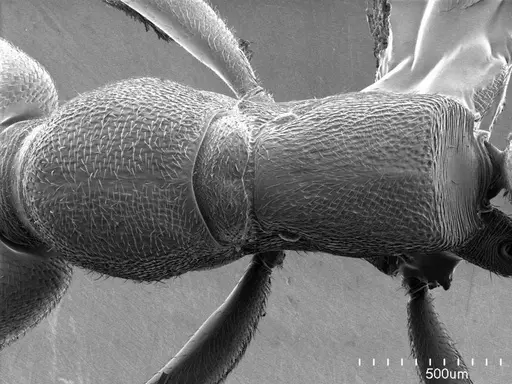
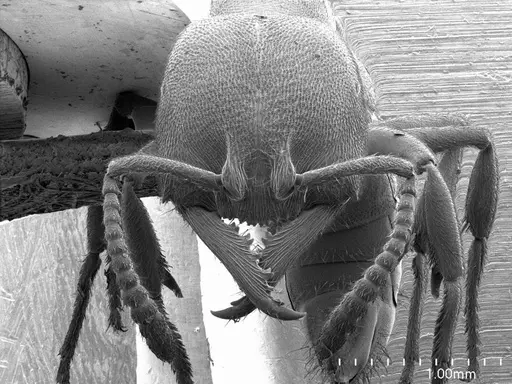
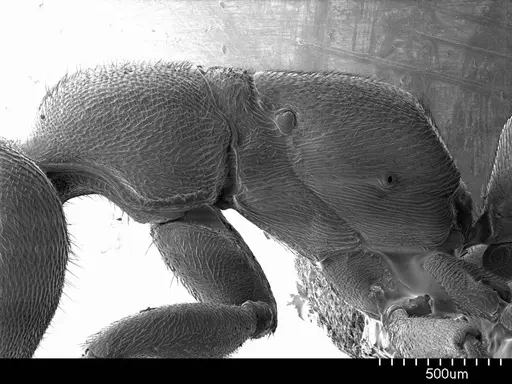
ANTWEB1041508
View on AntWeb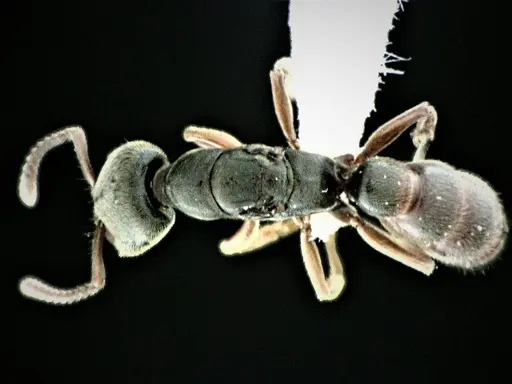
ANTWEB1041509
View on AntWeb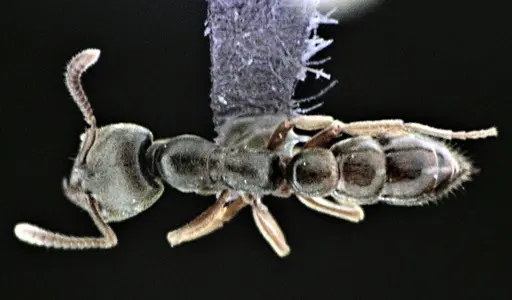
ANTWEB1041586
View on AntWeb
CASENT0005434
View on AntWeb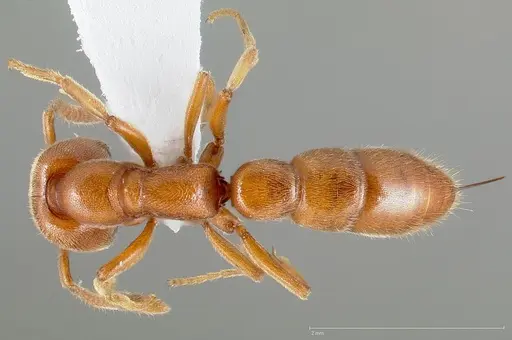
CASENT0102196
View on AntWeb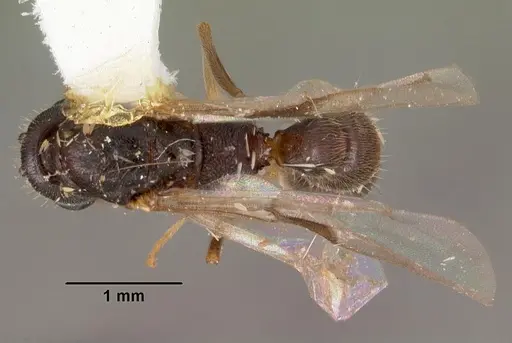
CASENT0102903
View on AntWeb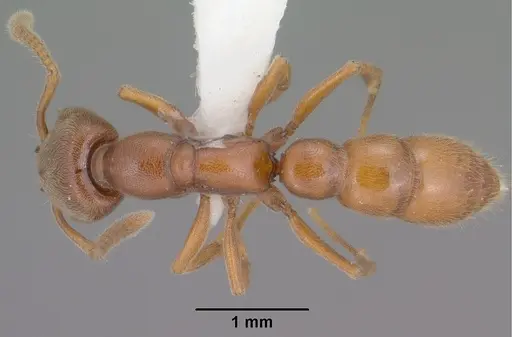
CASENT0102907
View on AntWeb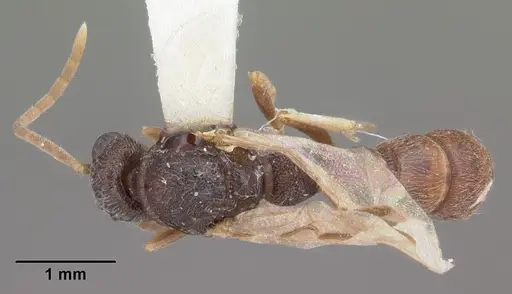
CASENT0103551
View on AntWeb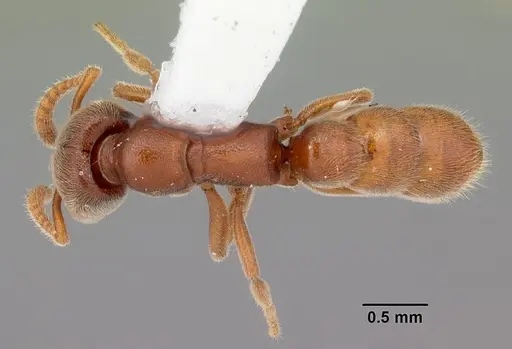
CASENT0103553
View on AntWeb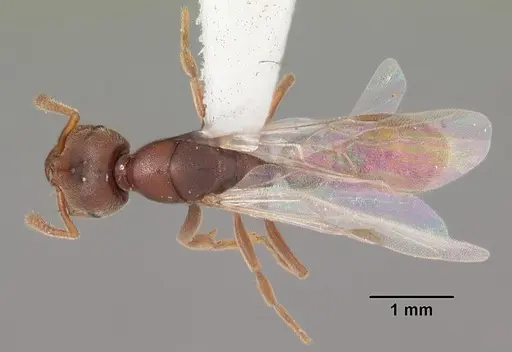
CASENT0104569
View on AntWeb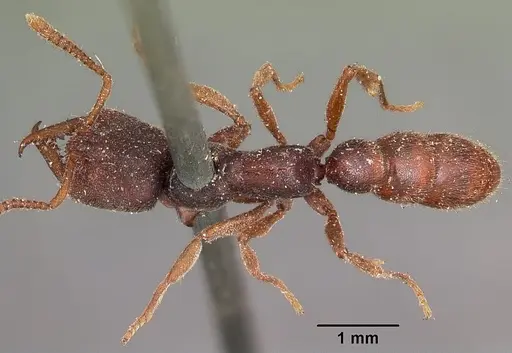
CASENT0105551
View on AntWeb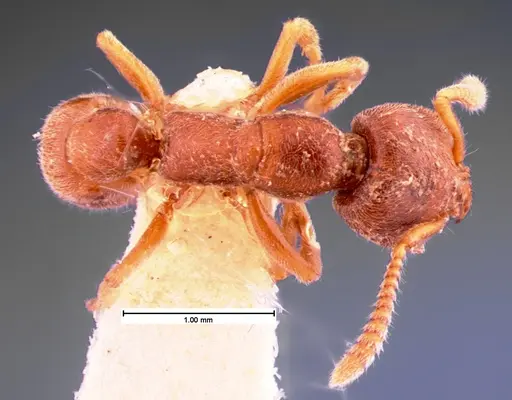
CASENT0106070
View on AntWeb
CASENT0172588
View on AntWeb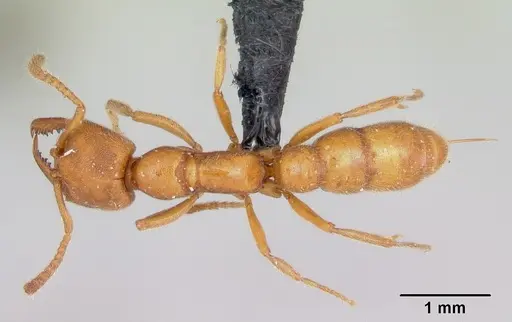
CASENT0247077
View on AntWeb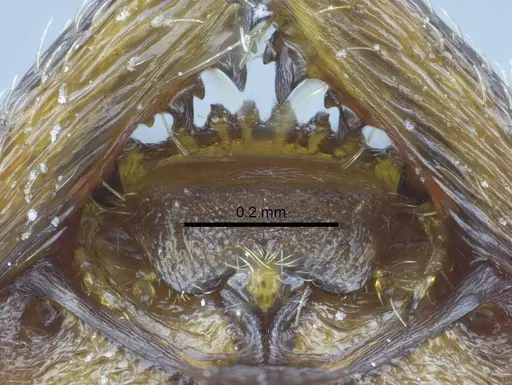
CASENT0724061
View on AntWeb
CASENT0770630
View on AntWeb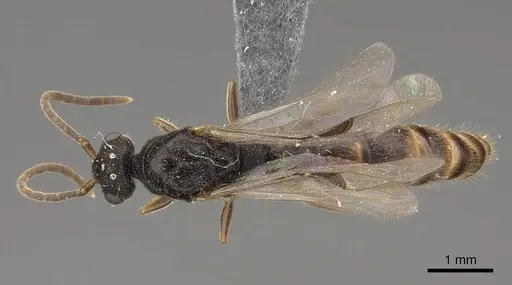
CASENT0915104
View on AntWeb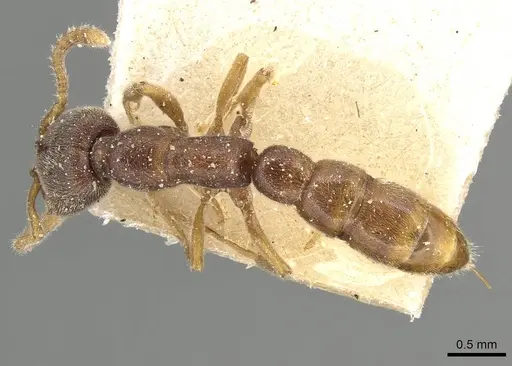
CASENT0923164
View on AntWeb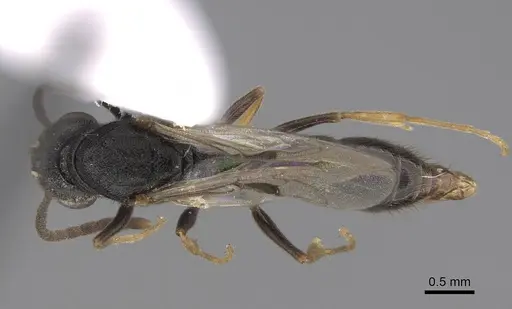
FMNHINS0000045022
View on AntWeb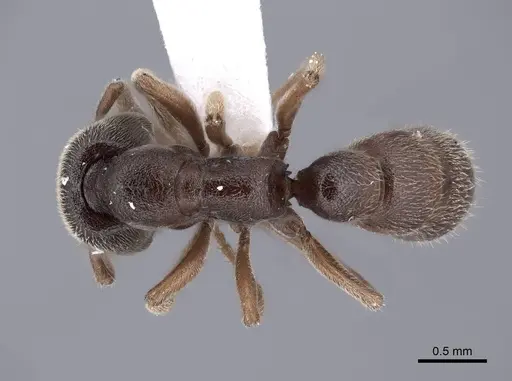
Literature
Loading distribution map...Loading products...