
Stigmatomma liebe
- Sci. Name
- Stigmatomma liebe
- Tribe
- Amblyoponini
- Subfamily
- Amblyoponinae
- Author
- Esteves & Fisher, 2016
- Distribution
- Found in 1 countries
Introduction
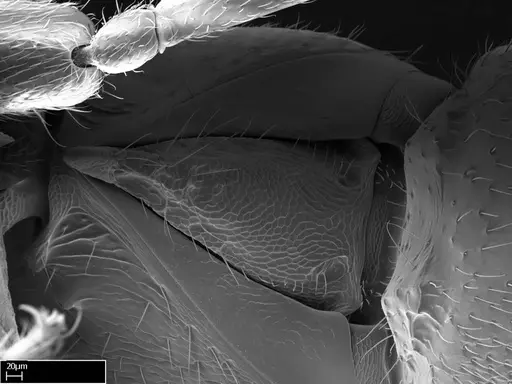
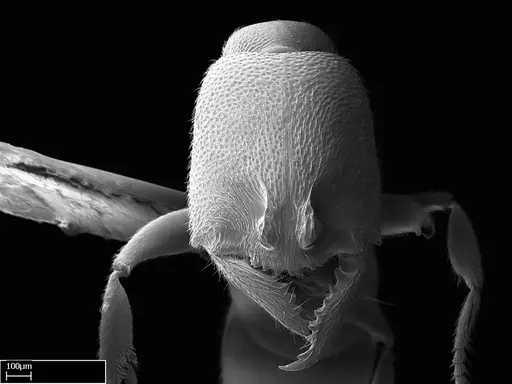
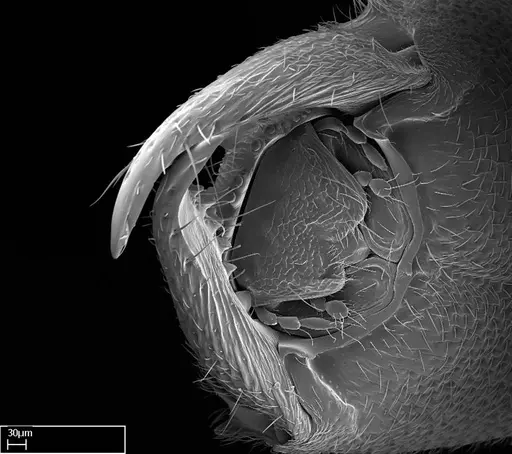
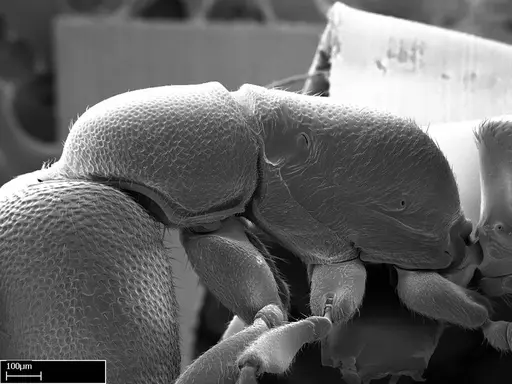
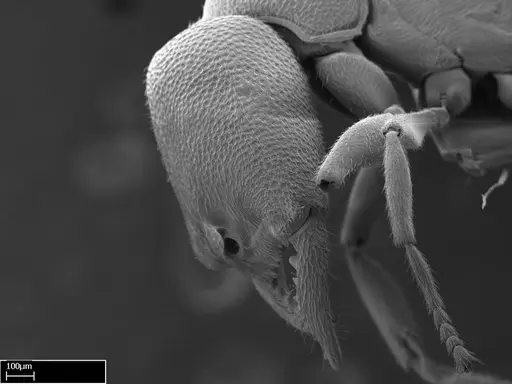
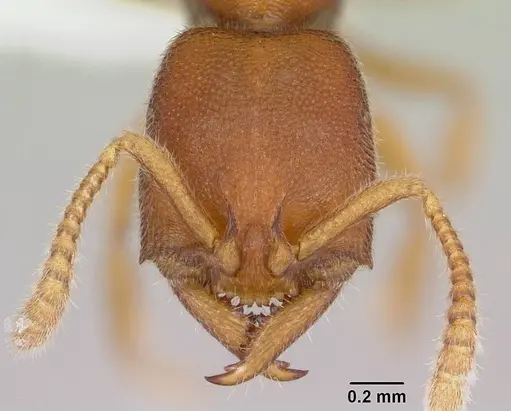
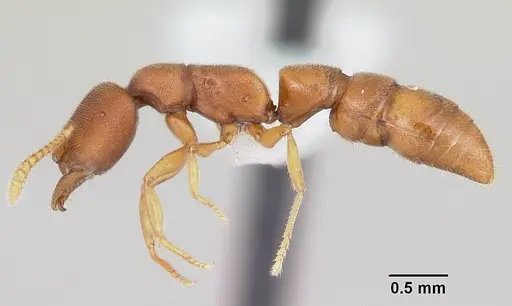
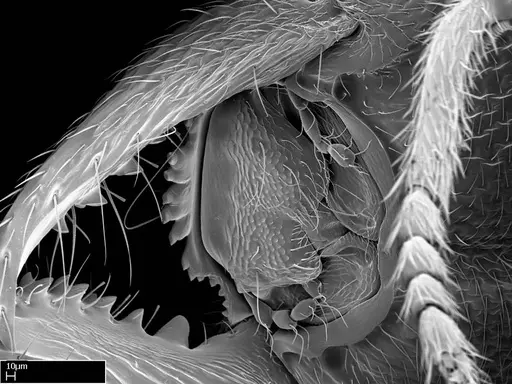
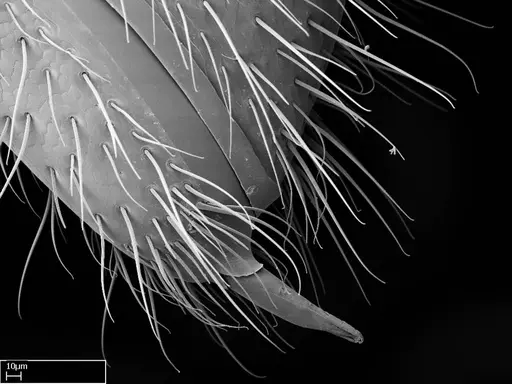
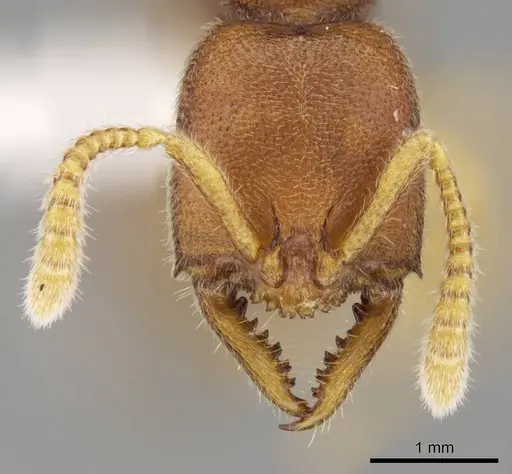
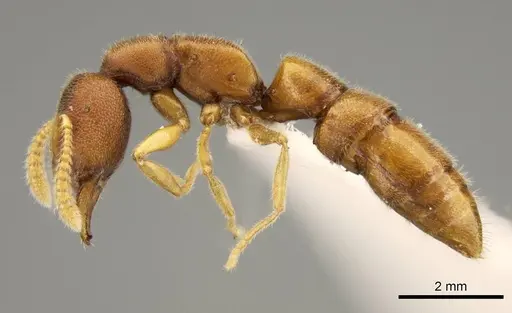
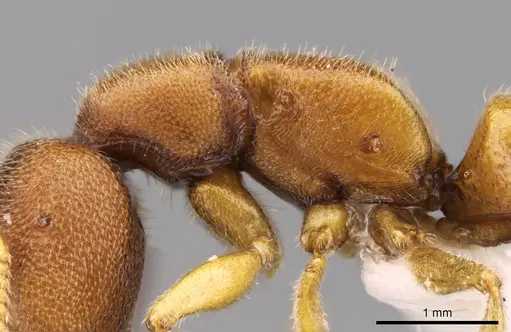
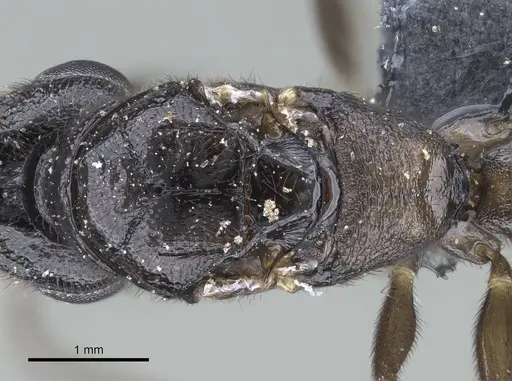
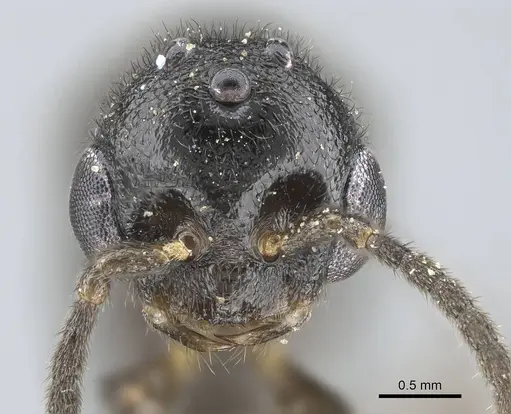
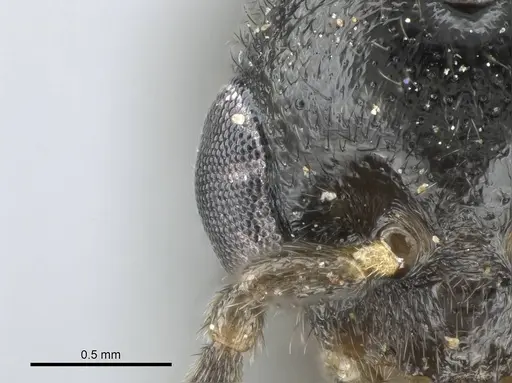
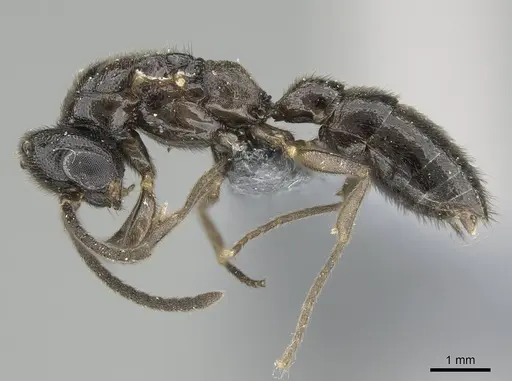
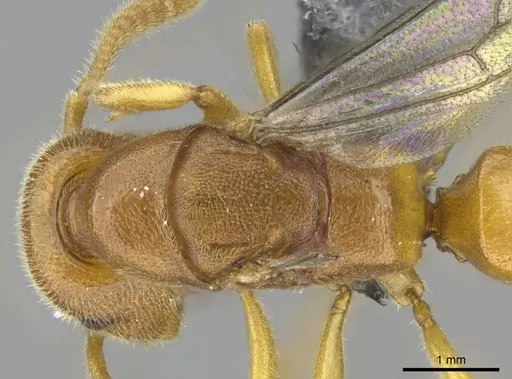
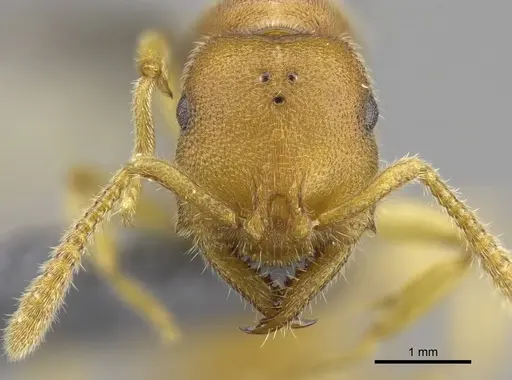
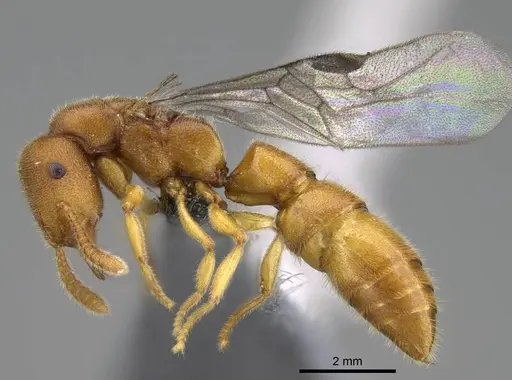
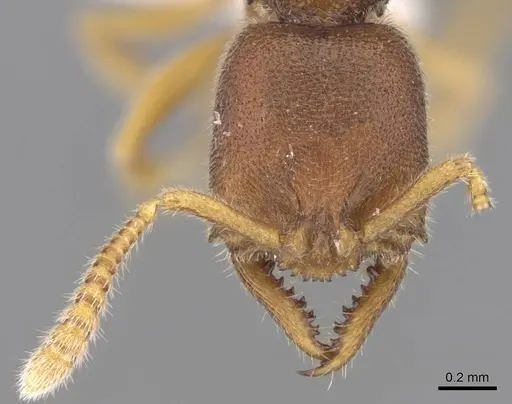
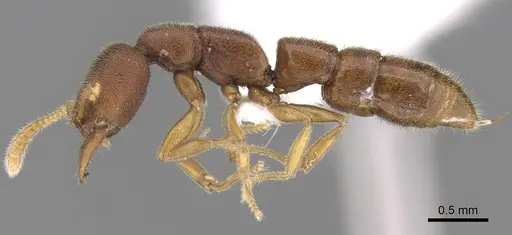
Stigmatomma liebe is a small ant from Madagascar, with a head length about 0.9-1.0 mm and a mesosoma length about 1.2-1.3 mm . Its body is yellow to orange, and its legs are yellow, which sets it apart from related species that are darker . Workers have 12 antennal segments and a palpal formula of 4:3 (four maxillary, three labial palps) . A bizarre feature: the front middle and hind tibial spurs are usually tiny bud-like bumps hidden in a pit, only visible under high magnification . They also have a unique slit-like groove running along the front of the mid-basitarsus . This ant lives in the high-elevation rainforests of southern Madagascar, above 1100 m . It shares its range with related species like Stigmatomma roahady and Stigmatomma tsyhady in protected areas such as Andohahela National Park, the Anosyenne Mountains, Andringitra Reserve, and Ivohibe Special Reserve . In the wild, they nest in root mats on rocks and in soil, and are found in sifted leaf mold and rotting wood .
Quick Summary
- Difficulty: Medium
- Origin & Habitat: Montane rainforest habitats above 1100 m elevation in the southern portion of Madagascar's humid forests ecoregion [1].
- Colony Type: Colony structure is unconfirmed. Based on typical Amblyoponinae patterns, colonies likely have a single queen with potential ergatoid (wingless) replacement reproductives, but no direct data exists for this species.
- Size & Growth:
- Queen: Larger than workers, with fully winged reproductive morphology including larger compound eyes and ocelli [1]. No specific measurements available.
- Worker: Head length approximately 0.9-1.0 mm, mesosoma length approximately 1.2-1.3 mm [1]. Total body length is not documented in the literature.
- Colony: No colony size data available
- Growth: Unknown, no development timing data available
- Development: Unknown, no direct measurements. Estimates from related Amblyoponinae predators suggest 6-10 weeks at optimal temperature (around 20°C), but this is uncertain. (No specific development data exists for this species.)
- Antkeeping:
- Temperature: Keep cool, aim for 18-22°C. This species comes from montane rainforests above 1100 m, so it prefers cooler temperatures than most tropical ants. Avoid overheating above 25°C [1].
- Humidity: High humidity is critical. Keep the nest substrate consistently moist but not waterlogged. Use damp sifted leaf mold, rotting wood, and soil to mimic their natural environment [1].
- Diapause: Unknown, no specific data on overwintering. Given their montane habitat, they likely experience cooler seasonal temperatures, a slight cooling period in winter (15-18°C) may be beneficial, but this is unconfirmed.
- Nesting: Prefers naturalistic setups that mimic their environment: sifted leaf mold, rotting wood fragments, or a mix of soil and organic material. A Y-tong or plaster nest with high humidity works if kept moist. Avoid bare acrylic setups.
- Behavior: Workers are likely nocturnal or crepuscular, typical of Amblyoponinae. They are specialized predators that hunt small prey like springtails and other micro-arthropods in leaf litter [1]. Escape risk is moderate, they are small but not extremely tiny. Temperament is non-aggressive toward humans, but they have a functional sting (subfamily trait) and may defend the nest if threatened.
- Common Issues: high humidity is critical, dry conditions kill colonies quickly, escape prevention is needed due to small size, use fine mesh, slow growth may frustrate beginners, colonies develop slowly, prey acceptance can be tricky, may need live micro-prey initially, such as springtails or fruit flies, temperature sensitivity, overheating is a common killer, keep below 25°C, avoid disturbing the founding queen, they are sensitive to stress
Housing and Nest Setup
To keep Stigmatomma liebe happy, set up a naturalistic nest that mimics Madagascar's montane rainforest floor. Use a mix of sifted leaf mold, small rotting wood pieces, and soil [1]. These ants nest in root mats on rock and in soil [1]. The substrate should be consistently moist but not waterlogged. A layer of leaf litter on top helps hold humidity and gives workers places to hunt.
For a more controlled nest, a Y-tong (AAC) or plaster nest works well if you keep humidity high. Place a moisture reservoir or gradient so ants can choose their preferred dampness. Avoid tall, open spaces, these are litter-dwellers that like tight, enclosed spaces. A shallow foraging area with natural materials works better than a bare plastic setup.
Feeding and Diet
Stigmatomma liebe is a specialized predator, hunting small soft-bodied prey in leaf litter [1]. In captivity, offer live prey like springtails, fruit flies, and tiny beetles. Start with live food, these ants may not accept dead prey right away. You can try small pieces of mealworm or cricket, but success varies.
They do not feed on sugar sources (they are strictly carnivorous). Feed every 2-3 days, adjusting based on colony size. Remove uneaten prey to prevent mold. A steady supply of live micro-prey is key to colony survival.
Temperature and Seasonal Care
Keep Stigmatomma liebe cool, aim for 18-22°C [1]. Their montane rainforest habitat above 1100 m means they prefer cooler conditions than most tropical ants. Avoid temperatures above 25°C, as overheating can kill them. Room temperature (around 20°C) is often ideal.
If you need to provide gentle heat, use a heating cable on one side of the nest to create a gradient. Watch the ants: if they cluster away from the warm area, it's too hot.
Winter care is uncertain since no diapause data exists, but given their montane origin, a slight cooling period in winter (to about 15-18°C) may be helpful. Do not let the nest dry out during this time.
Humidity Requirements
High humidity is absolutely critical for this species. The substrate should feel consistently moist (like damp forest floor), not wet [1]. Provide a water source like a test tube with cotton or a small moisture reservoir. Keep nests away from air conditioning vents, heaters, or other drying influences.
A shallow water dish in the outworld helps boost ambient humidity through evaporation. Monitor condensation on nest walls, if it disappears quickly, humidity is too low. Without adequate moisture, the colony will decline rapidly.
Behavior and Colony Dynamics
Stigmatomma liebe workers are likely nocturnal or crepuscular, like many litter-dwelling Amblyoponinae. They move slowly and deliberately through the leaf litter searching for prey. They are not aggressive toward humans, but they have a functional sting (subfamily trait) and may defend the nest if disturbed.
Colony structure is not documented, so much is unknown. Based on related species, a single queen likely founds the colony, and growth is probably slow. Ergatoid (wingless) replacement reproductives may appear in established colonies, as seen in some other Stigmatomma species, but this is unconfirmed for Stigmatomma liebe. [1]
Frequently Asked Questions
How long does it take for Stigmatomma liebe to raise first workers?
The exact egg-to-worker timeline is unknown. Estimates from related Amblyoponinae predators suggest 6-10 weeks at optimal temperature (around 20°C), but this is uncertain. Colony growth is likely slow.
What do Stigmatomma liebe ants eat?
They are specialized predators that hunt small live prey like springtails, fruit flies, and other micro-arthropods [1]. Some colonies may accept small pieces of mealworm or cricket, but live prey works best. They do not accept sugar sources.
Can I keep Stigmatomma liebe in a test tube?
Test tubes can work for founding if you maintain high humidity, but these ants do better in naturalistic setups with damp leaf litter and soil [1]. If using a test tube, add a moisture chamber and ensure it doesn't dry out.
What temperature do Stigmatomma liebe ants need?
Keep them cool, aim for 18-22°C. They come from montane rainforests above 1100 m in Madagascar and prefer cooler conditions than most tropical ants. Avoid temperatures above 25°C [1].
Are Stigmatomma liebe ants good for beginners?
This species is rated Medium difficulty. The high humidity needs and requirement for live prey can be challenging. Slow growth and specific temperature needs also require attention. Beginners should ensure they can maintain consistent high humidity before trying.
Do Stigmatomma liebe ants sting?
They belong to the Amblyoponinae subfamily, which has functional stingers. However, they are small and non-aggressive, stings are unlikely unless handled roughly and would be mild.
How big do Stigmatomma liebe colonies get?
Colony size data is unavailable. Based on related Stigmatomma species and their leaf-litter habitat, colonies probably remain relatively small, likely under a few hundred workers. They are not among the large colony-forming ants.
Do Stigmatomma liebe ants need hibernation?
Specific diapause needs are unconfirmed. Given their montane habitat, they likely experience seasonal temperature changes. A slight cooling period in winter (around 15-18°C) may be beneficial, but this is unknown.
Why is my Stigmatomma liebe colony dying?
Most common causes: low humidity (dry conditions kill them quickly), overheating (temperatures above 25°C), and poor prey acceptance. Ensure humidity stays high, temperatures remain cool, and offer appropriate live prey. Colonies may also fail if the founding queen was disturbed.
When should I move Stigmatomma liebe to a formicarium?
Wait until the colony reaches at least 20-30 workers before considering a move. These ants prefer naturalistic setups, so a formicarium with appropriate humidity and leaf litter is better than bare acrylic. Moving too early stresses the colony.
Report an Issue
The current care sheet is based fully on literature. See inconsistencies, or something that's incorrect? Please , it will be resolved after review from an admin. Contributing to the blogs tab also helps providing information, to make us be able to further improve the caresheets. Thank you for your support!
References

This caresheet is licensed under CC BY-SA 4.0 .
Community Blogs
CASENT0009102
View on AntWeb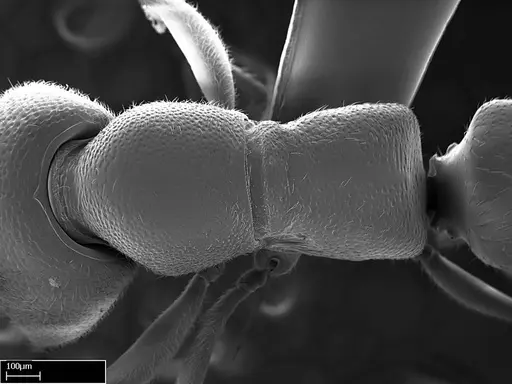
CASENT0227587
View on AntWeb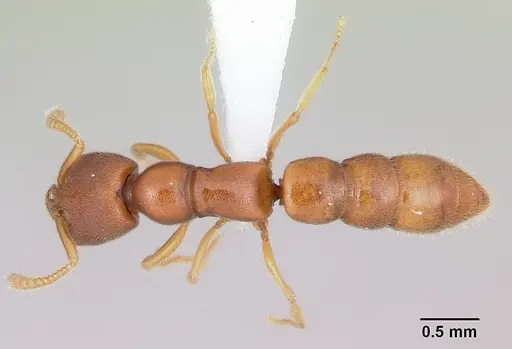
CASENT0318413
View on AntWeb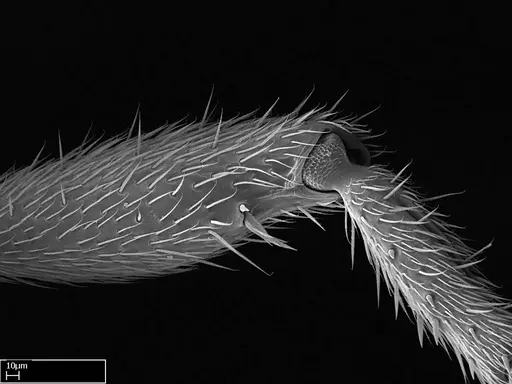
CASENT0318414
View on AntWeb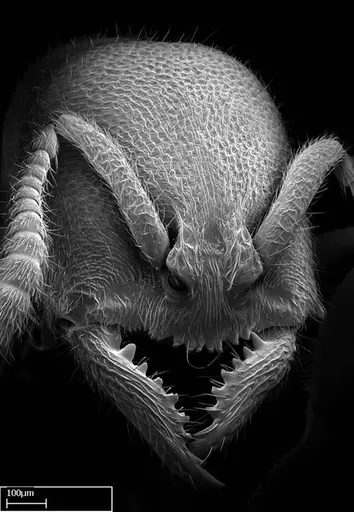
CASENT0318428
View on AntWeb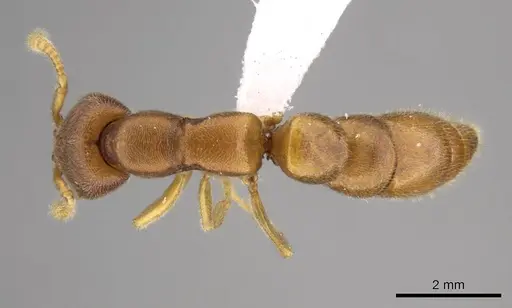
CASENT0705911
View on AntWeb
CASENT0724171
View on AntWeb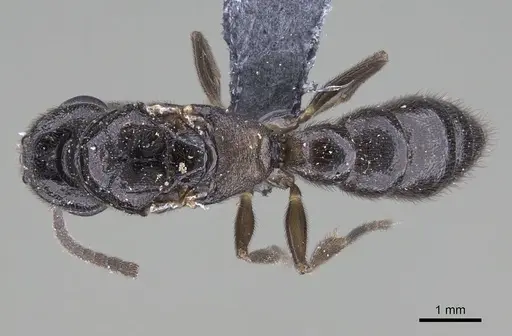
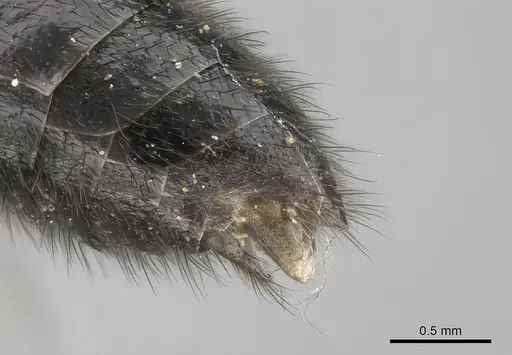
CASENT0724172
View on AntWeb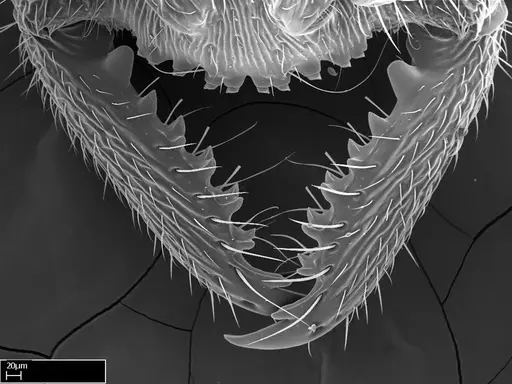
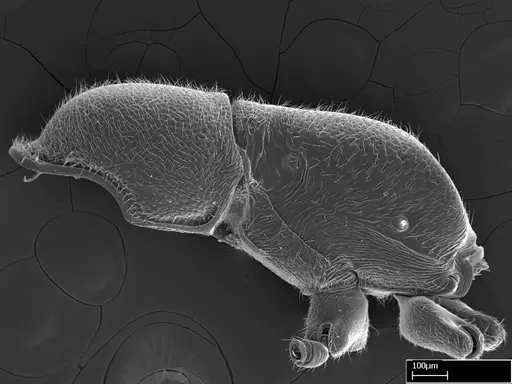
CASENT0724177
View on AntWeb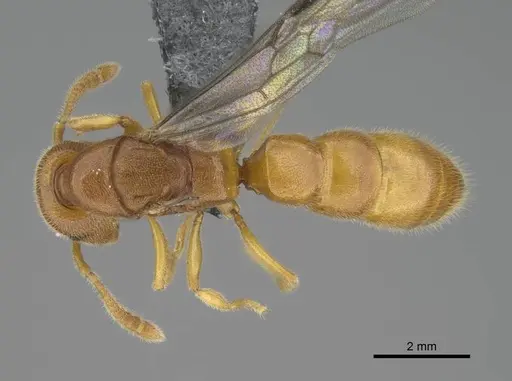
CASENT0746700
View on AntWeb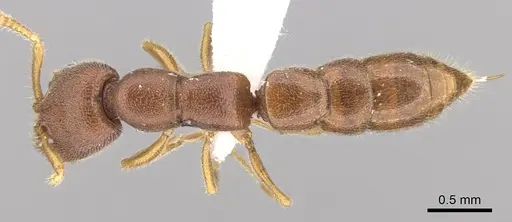
Literature
Loading distribution map...Loading products...