
Stigmatomma gaetulicum
- Sci. Name
- Stigmatomma gaetulicum
- Tribe
- Amblyoponini
- Subfamily
- Amblyoponinae
- Author
- Baroni Urbani, 1978
- Distribution
- Found in 1 countries
Introduction
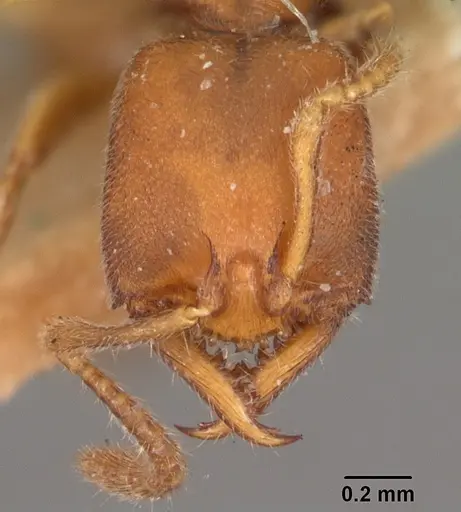
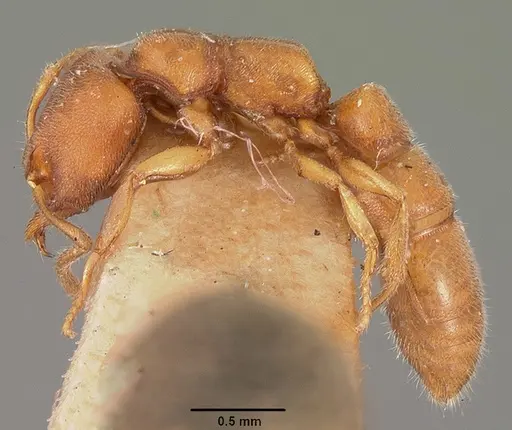
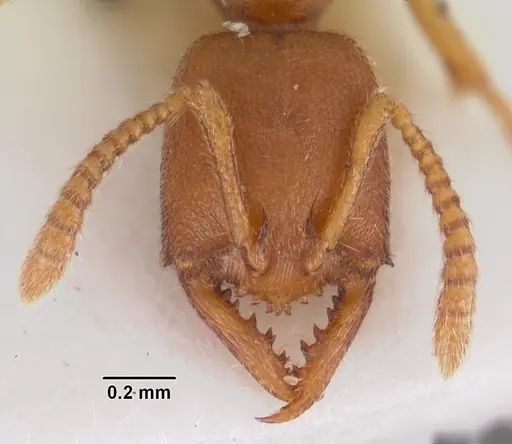
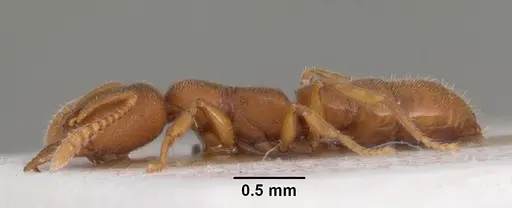
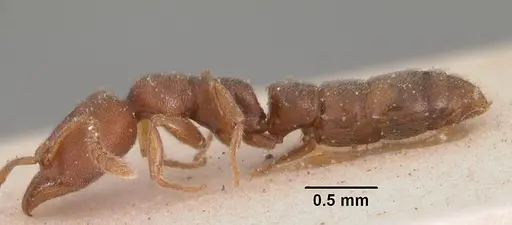
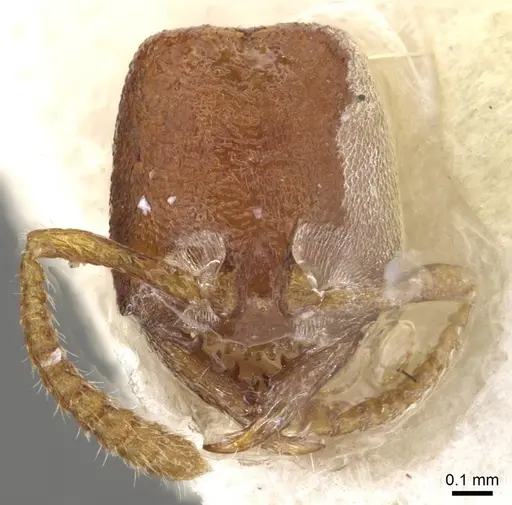
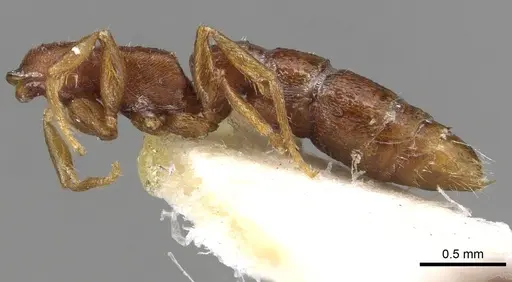
Stigmatomma gaetulicum is a small, cryptic ant native to the western Mediterranean: Morocco, Gibraltar, Portugal, and Spain . Workers are unmeasured but typical of the genus: slender, elongated build with serrated mandibles. It was originally described as Amblyopone gaetulica in 1978 before being moved to Stigmatomma in 2012 . Like other Amblyoponinae, it has a functional sting used to paralyze prey, and is a specialized subterranean predator. The species is rarely recorded, fewer than 5 localities across its entire range , with most finds coming from under stones in moist soil .
Quick Summary
- Difficulty: Expert
- Origin & Habitat: Western Mediterranean: Morocco [4][1], Gibraltar, Portugal, and Spain [1][3][2][5]. Found in scrubland and grassland, under stones in moist soil [1][3][2].
- Colony Type: Unconfirmed. Colony structure is unknown for this species, related Stigmatomma may have ergatoid (wingless) queens, but no specific data exists.
- Size & Growth:
- Queen: size data unavailable
- Worker: size data unavailable
- Colony: Unknown
- Growth: Unknown
- Development: Unknown (No data on development time for this species.)
- Antkeeping:
- Temperature: Temperature needs are undocumented. Based on Mediterranean distribution, keep at 20-24°C during activity, with a possible cool winter period (10-15°C) if needed, observe colony response.
- Humidity: High humidity required. Found in moist soil under stones in the wild [1][3]. Keep nest substrate consistently damp (handful damp but not dripping) and provide a moisture gradient.
- Diapause: Unknown. Mediterranean species often require a winter rest, but no specific data for this species. If providing, use 2-3 months at 10-15°C and observe.
- Nesting: Natural nests under stones in soil. In captivity, use a soil substrate (e.g., potting soil + sand) with flat stones or bark for cover. Provide dark, tight spaces and maintain high moisture in one area.
- Behavior: Secretive, slow-moving predator. Workers forage individually. They possess a sting but are not aggressive, prefer to flee. Escape risk moderate, use fine mesh barriers due to small size.
- Common Issues: humidity requirements are poorly understood, too dry or too wet can kill the colony, prey preferences unknown, may require live micro-prey exclusively, colony growth may be very slow due to unknown optimal conditions, diapause needs are unconfirmed, getting it wrong can disrupt development, rarely available in the hobby, so genetic diversity and care experience are limited
Housing and Nest Setup
Mimic the natural under‑stone microhabitat. Use a terrarium with a deep soil substrate (a mix of potting soil and sand) and place flat stones or slate on top for cover. Keep the soil consistently damp, when squeezed, it should hold together without dripping. A small water reservoir or misting system helps maintain moisture. Provide plenty of dark, enclosed spaces. Avoid test‑tube setups, Stigmatomma gaetulicum needs a soil‑based environment with moisture gradients [1][3].
Feeding and Diet
No specific feeding data exists for this species, but as a member of the predaceous subfamily Amblyoponinae, it likely hunts small soil invertebrates like springtails, fruit flies, and centipedes. Offer live prey every 2-3 days and remove leftovers after 24 hours. Sugar water or honey is unlikely to be accepted, these ants get nutrition almost entirely from animal protein.
Temperature and Seasonal Care
Optimal temperatures are unknown. Start at 20-24°C during the active season. If you observe normal foraging and brood development, continue. For winter, reduce to about 10-15°C for a couple of months, this may help reset their seasonal cycle, but is not confirmed for this species. Gradually warm them back up in spring. Maintain higher humidity year‑round, but avoid waterlogging during the cool period.
Behavior and Colony Dynamics
Stigmatomma gaetulicum is a cryptic species, workers stay hidden under stones or in soil crevices most of the time. They move slowly and deliberately. Their primary defense is a sting, but they are not aggressive and will flee rather than fight. Colonies are likely small, possibly fewer than 100 workers, but this is unconfirmed. They do not form conspicuous trails. No data exists on whether they have gamergates or ergatoid queens, assume a single egg‑layer until evidence appears. [1]
Frequently Asked Questions
How long does it take for Stigmatomma gaetulicum to raise first workers?
Unknown. No development timeline has been reported. Expect that colony growth will be slow and unpredictable without specific data.
What do Stigmatomma gaetulicum ants eat?
Based on the subfamily, they are obligate predators of small soil invertebrates. Offer live springtails, fruit flies, or tiny crickets. Avoid sugary foods, they likely do not accept them.
Can I keep Stigmatomma gaetulicum in a test tube?
No. They need a soil‑based nest with moisture gradients, not a test tube. Use a naturalistic terrarium with moist soil and stones.
Do Stigmatomma gaetulicum ants sting?
Yes. As Amblyoponinae, they have a functional sting used to paralyze prey. They are not aggressive to humans and will only sting if handled roughly.
How big do Stigmatomma gaetulicum colonies get?
Unknown. Based on related species, they may stay under 200 workers, but no data confirms this. Expect a small colony.
Do Stigmatomma gaetulicum need hibernation?
Unknown. They come from a Mediterranean climate with cool winters, so a winter rest period may be beneficial, but it’s not confirmed. Experiment with caution.
Is Stigmatomma gaetulicum good for beginners?
No, this is an expert‑level species. Very little is known about its care, it needs live prey, specific humidity, and a naturalistic setup. Only experienced antkeepers should attempt it.
Why are my Stigmatomma gaetulicum dying?
Possible causes: insufficient moisture (they need damp soil), wrong temperature, lack of live prey, or stress from handling. Since their needs are poorly documented, adjust conditions gradually and observe.
Can I keep multiple queens together?
Not recommended. Colony structure is unknown, but most related species are monogyne. Keep one queen per colony to avoid stress.
What humidity level do Stigmatomma gaetulicum need?
High humidity, the substrate should stay damp. Wild specimens are found in moist soil under stones [1][3]. Exact percentages are less important than consistent moisture, aim for a soil that feels moist but not waterlogged.
Report an Issue
The current care sheet is based fully on literature. See inconsistencies, or something that's incorrect? Please , it will be resolved after review from an admin. Contributing to the blogs tab also helps providing information, to make us be able to further improve the caresheets. Thank you for your support!
References

This caresheet is licensed under CC BY-SA 4.0 .
Community Blogs
CASENT0102205
View on AntWeb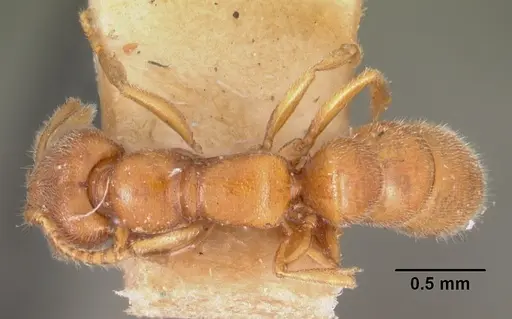
CASENT0102472
View on AntWeb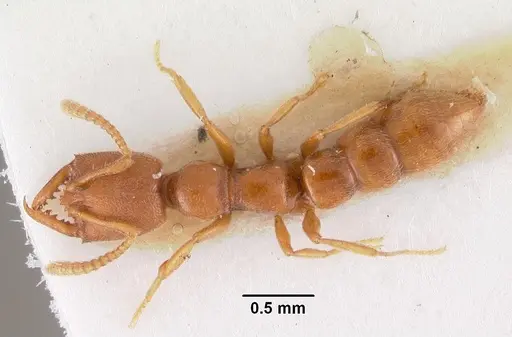
CASENT0102473
View on AntWeb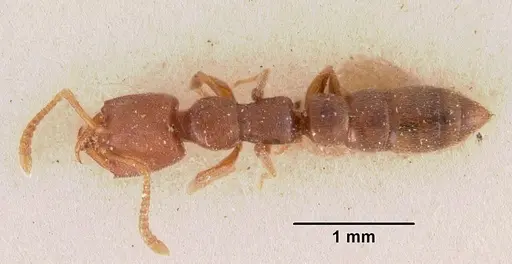
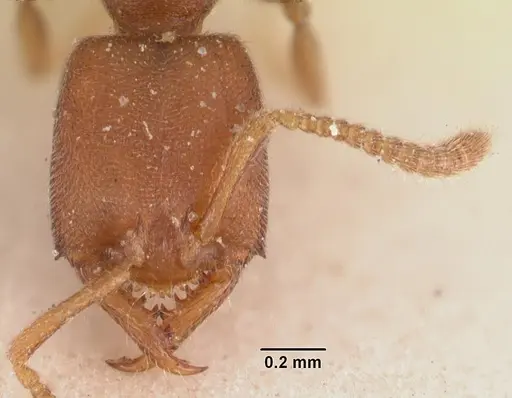
CASENT0915102
View on AntWeb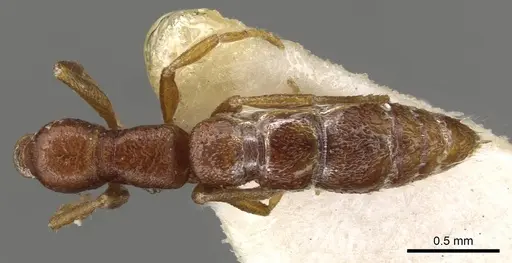
Literature
Loading distribution map...Loading products...