
Stigmacros stanleyi
- Sci. Name
- Stigmacros stanleyi
- Tribe
- Melophorini
- Subfamily
- Formicinae
- Author
- McAreavey, 1957
- Distribution
- Found in 1 countries
Introduction
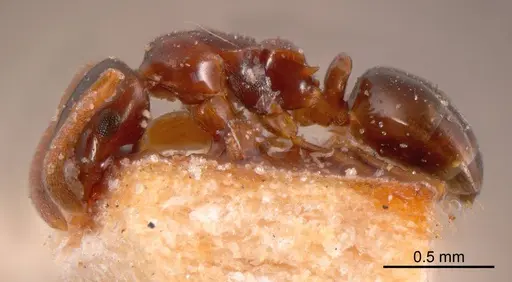
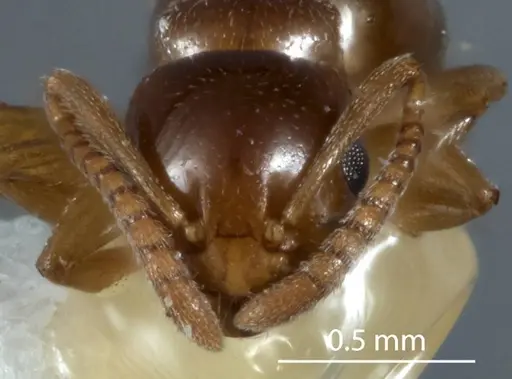
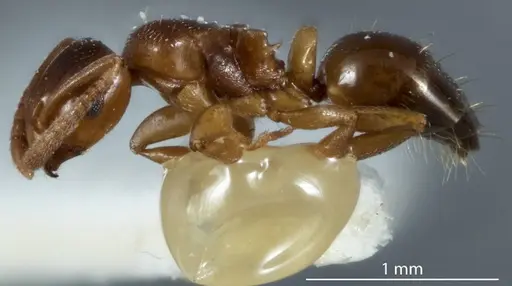
Stigmacros stanleyi is a small reddish-brown ant belonging to the subfamily Formicinae, tribe Melophorini. It has erect setae (bristles) on the mesosoma (middle body section), along with both non-marginal and marginal setae on the gastral tergites. The propodeum (the segment behind the mesosoma) is notably truncate and rather square when viewed from above, which helps distinguish this species from its close relative Stigmacros pilosella. This ant is native to southwestern Australia, particularly the wheatbelt and goldfields regions, though it also occurs in New South Wales and Victoria. In the wild, these ants are typically found in leaf litter .
Quick Summary
- Difficulty: Expert, rarely kept, with no documented care information
- Origin & Habitat: Southwestern Australia, particularly the wheatbelt and goldfields regions. Also found in NSW and Victoria. Naturally inhabits leaf litter in Mediterranean climate zones with cool, wet winters and hot, dry summers [1].
- Colony Type: Colony structure is unconfirmed. Based on related Melophorini species, likely single-queen (monogyne) colonies, though this has not been directly documented.
- Size & Growth:
- Queen: Size data unavailable
- Worker: Size data unavailable
- Colony: Unknown, no colony size data available for this species
- Growth: Unknown, no development timing documented
- Development: Unknown, no data available (Direct development data unavailable, any estimate would be purely speculative.)
- Antkeeping:
- Temperature: Keep at moderate room temperature (20-24°C). Avoid extremes. A slight thermal gradient is beneficial. No specific data available [1].
- Humidity: Litter-dwelling ants need a humid nest environment. Keep the substrate moist but not waterlogged. Provide good ventilation to prevent mold [1][2].
- Diapause: Unknown, no data available for this species. Based on the Mediterranean climate origin, a winter rest period is possible, but observe colony behavior, do not force hibernation without confirming need.
- Nesting: Natural nesting occurs in leaf litter and upper soil layers. In captivity, a small test tube setup or small formicarium with moist Y-tong or plaster works well. They prefer tight, humid chambers scaled to their small size. Avoid large open spaces.
- Behavior: These are small, generally docile ants that are not aggressive toward keepers. As Formicinae, they lack a stinger but can spray formic acid as a defense, this is harmless to humans due to their size. Their primary defense is fleeing or hiding. They are escape risks due to small size, use fine mesh barriers and ensure any setup has no gaps larger than 1mm. Foraging style is typical of litter ants, they search slowly through substrate and debris for small prey and honeydew. Activity level is moderate [2].
- Common Issues: small size makes escape prevention critical, they can squeeze through tiny gaps., no documented care information means experimental approaches may be necessary., humidity balance is tricky, too wet causes mold, too dry causes desiccation., winter dormancy requirements are unknown, observe colony behavior before attempting., as a rarely kept species, finding established care protocols may be difficult.
Housing and Nest Setup
Stigmacros stanleyi is a small litter-dwelling ant that requires careful housing. A small test tube setup works well for founding colonies, use a test tube with a water reservoir at one end, stopped with cotton, providing humidity through the entire tube. Since the founding method is unknown, simply provide a dark, undisturbed chamber. For established colonies, a small formicarium with chambers scaled to their small size works better than larger setups. Avoid tall, open spaces, these ants feel safer in tight, enclosed spaces. The nest material should be able to hold moisture without becoming waterlogged. Y-tong (AAC) nests or small plaster nests with moisture reservoirs are good options. Always provide an outworld area for foraging that is escape-proofed with fine mesh or fluon barriers [1][2].
Feeding and Diet
In the wild, Stigmacros ants are generalist foragers that collect small insects, honeydew from aphids and scale insects, and other sweet liquids. In captivity, offer a varied diet: small live prey items like fruit flies, pinhead crickets, and small mealworms are excellent protein sources. For carbohydrates, offer sugar water, honey water, or diluted honey in small amounts. Observe your colony's preferences, some colonies accept sugars readily while others focus primarily on protein. Feed small amounts every 2-3 days, removing any uneaten prey after 24 hours to prevent mold. Fresh water should always be available. As they are small ants, portion sizes are tiny, a single fruit fly or drop of honey water goes a long way [2].
Temperature and Seasonal Care
Stigmacros stanleyi originates from southwestern Australia's Mediterranean climate, which features mild temperatures year-round with cool, wet winters and warm, dry summers. Aim to keep the nest area at 20-24°C during the active season. They can tolerate brief temperature fluctuations but avoid extremes, temperatures above 30°C or below 15°C for extended periods are likely harmful. During the Australian winter (roughly June-August in the southern hemisphere), a cooling period may be beneficial, but since diapause requirements are unknown, do not force a cold period without monitoring colony behavior. Reduce feeding slightly if activity drops, but keep temperatures above 15°C unless you are certain hibernation is needed [1].
Behavior and Handling
These ants are generally calm and not prone to aggressive behavior toward humans. As Formicinae ants, they lack a functional stinger but can spray formic acid as a defensive mechanism, this is rarely a concern for keepers as they are too small to cause any discomfort. Their primary defense is fleeing or hiding rather than attacking. They are not known for biting. The main handling concern is their small size making them difficult to contain, they are excellent escape artists and can squeeze through gaps as small as 1mm. Always use fine mesh on any ventilation holes, apply fluon or similar barriers to container rims, and ensure lids fit tightly. When observing your colony, do so quietly as vibrations can stress small colonies [2].
Colony Establishment
Since Stigmacros stanleyi is rarely kept in captivity, established protocols do not exist. If you acquire a founding queen, provide her with a simple test tube setup with moist cotton at one end. She will likely seal herself in and begin laying eggs. Do not disturb her during the founding period, queens can be sensitive to vibrations and light exposure. The founding type is unconfirmed, so if she does not seal herself in, she may be semi-claustral and require occasional feeding. Expect development times to be unknown, monitor for first workers and adjust care accordingly. Once workers emerge, you can begin offering tiny amounts of food. Growth will be slow initially, be patient and consistent with care [2].
Frequently Asked Questions
How long does it take for Stigmacros stanleyi to go from egg to worker?
The exact development timeline has not been documented for this species. No estimate is available, and any guess would be unreliable.
What do Stigmacros stanleyi ants eat?
They are generalist foragers that accept small live prey (fruit flies, small crickets), and sugar sources (honey water, sugar water). Offer a varied diet and remove uneaten food promptly to prevent mold.
Are Stigmacros stanleyi ants good for beginners?
This species is not recommended for beginners due to limited documented care information and their small size requiring excellent escape prevention. They are best suited for experienced antkeepers willing to experiment.
What temperature do Stigmacros stanleyi ants need?
Keep them at 20-24°C during the active season. They come from Mediterranean Australia and can tolerate moderate temperatures. Winter dormancy requirements are unknown, do not cool unless you observe the colony slowing down naturally.
Do Stigmacros stanleyi ants need hibernation?
Unknown. No data available for this species. Based on their Australian origin, a winter rest period is possible, but observe colony behavior. If they remain active through winter, continue feeding lightly.
How big do Stigmacros stanleyi colonies get?
Colony size is unknown, no documented maximum colony size exists for this species. Based on similar litter-dwelling Formicinae, colonies likely reach several hundred workers at most.
Can I keep multiple Stigmacros stanleyi queens together?
Colony structure is unconfirmed for this species. Based on related Melophorini, they likely form single-queen colonies. Combining unrelated queens is not recommended as aggression may occur.
Why are my Stigmacros stanleyi ants escaping?
Their small size (approximately 4-5mm, though exact measurements are unavailable) makes them excellent escape artists. Use fine mesh (1mm or smaller), apply fluon to barrier edges, and ensure all container lids fit tightly. Check for any gaps around tubing connections.
What type of nest is best for Stigmacros stanleyi?
Small test tubes work well for founding colonies. For established colonies, small Y-tong or plaster nests with tight chambers scaled to their size are ideal. The nest should hold moisture well and provide humid, enclosed spaces.
Report an Issue
The current care sheet is based fully on literature. See inconsistencies, or something that's incorrect? Please , it will be resolved after review from an admin. Contributing to the blogs tab also helps providing information, to make us be able to further improve the caresheets. Thank you for your support!
References

This caresheet is licensed under CC BY-SA 4.0 .
Community Blogs
ANTWEB1008355
View on AntWeb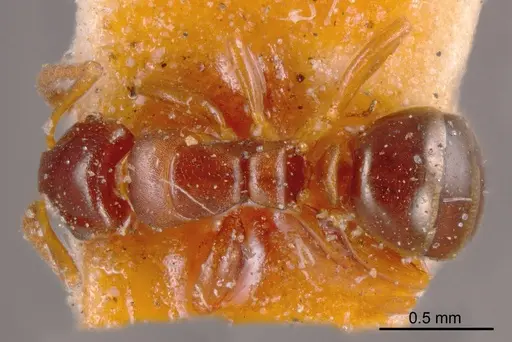
JDM32-002334
View on AntWeb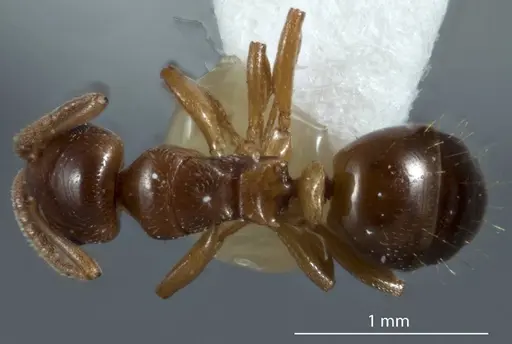
Literature
Loading distribution map...Loading products...