
Stigmacros reticulata
- Sci. Name
- Stigmacros reticulata
- Tribe
- Melophorini
- Subfamily
- Formicinae
- Author
- Clark, 1930
- Distribution
- Found in 1 countries
Introduction
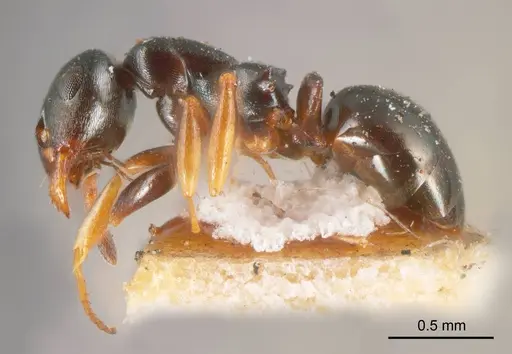
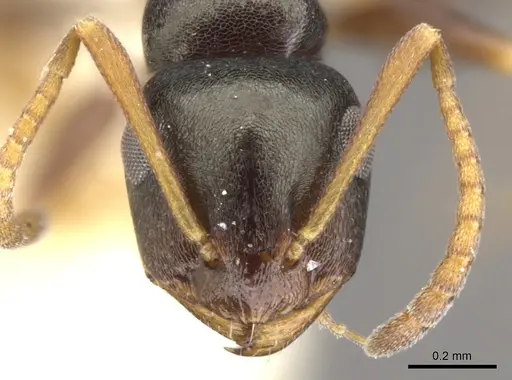
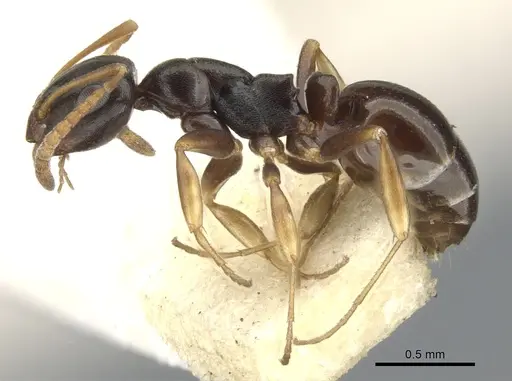
Stigmacros reticulata is a small ant from the subfamily Formicinae, found only in Australia. Workers have variable coloring: shiny black in the south, reddish-and-black in the east and north . They live in white sand heathland and Banksia woodlands, where they forage during the day. When disturbed, they freeze completely and stay still for a long time - a defense against predators . This species belongs to the subgenus Campostigmacros, with the worker described by Clark in 1930 and the queen described later by McAreavey in 1957 .
Quick Summary
- Difficulty: Medium
- Origin & Habitat: Endemic to Australia, found in white sand heathland and Banksia woodland habitats across southern, eastern, and northern regions [1].
- Colony Type: Colony structure is unknown, there is no published data on queen number or social organization for this species.
- Size & Growth:
- Queen: No measurements available in scientific literature
- Worker: No measurements available in scientific literature
- Colony: No data published
- Growth: Unknown
- Development: No development data exists for this species (Related Melophorini species can take 6-8 weeks in warm conditions, but this is an educated guess, do not rely on it.)
- Antkeeping:
- Temperature: Based on their Australian habitat, start around 22-26°C and watch how the colony reacts. Give them a temperature gradient so workers can choose [1].
- Humidity: White sand heathland is dry. Keep the nest moderately dry to slightly damp, let it dry out between waterings. Avoid wet conditions [1].
- Diapause: Unknown. Australian populations might need a mild winter rest, but this is not documented.
- Nesting: Natural nest sites are unknown. In captivity, start with a test tube setup. For larger colonies, try a Y‑tong or plaster nest with some dry areas. Keep humidity low.
- Behavior: Diurnal forager, active during the day. The standout behavior is freezing when disturbed: workers stop moving for a long time [1]. They use formic acid for defense, not a stinger. Escape risk is moderate, they are not tiny, but can slip through small gaps. Check for escape routes, especially in founding setups.
- Common Issues: Very little species‑specific info makes keeping this ant a guessing game, be prepared for trial and error., Colony growth may be slow simply because no one knows the best conditions., Winter care is unclear, you may need to experiment with a mild cool period., Finding queens is hard, this species is not commonly traded., Freezing behavior is normal, don't mistake it for death or stress.
Natural History and Distribution
Stigmacros reticulata lives only in Australia, across southern, eastern, and northern regions. The color varies by location: southern workers are shiny black, while eastern and northern workers are reddish‑and‑black [1]. They are found in white sand heathland and Banksia woodlands, open, dry habitats with sandy soils. The queen was first described by McAreavey in 1957 (as part of the subgenus Campostigmacros) [2].
Defense and Behavior
The most noticeable behavior is the freezing response: when disturbed, a worker stops moving and stays still for a long time [1]. This helps them hide from predators. As Formicinae ants, they can spray formic acid but have no stinger. They forage during the day, which matches their open, sunny habitat.
Housing and Nesting
The natural nesting habits of S. reticulata are unknown. For founding colonies, a test tube setup with a dark cavity is the safest choice. Once the colony grows, you can move them to a Y‑tong or plaster nest. Because their habitat is dry, keep the nest relatively dry, let it partly dry out between waterings. Provide a drinking tube with fresh water. Place the setup in a spot that gets indirect light during the day to encourage natural diurnal activity, but avoid direct sunlight.
Feeding and Diet
No specific diet data exists for S. reticulata. Like other Formicinae ants, they probably take sugary liquids (honey water, sugar water) and protein from small insects (fruit flies, tiny crickets, mealworms). Offer food during daylight hours, when they are naturally active. Remove uneaten protein after a day to prevent mold. Because they freeze when startled, they might seem less competitive at food sources, just give them time.
Temperature and Seasonal Care
Based on their warm Australian habitat, aim for 22-26°C. A temperature gradient helps: warm one side of the nest while keeping the other side cooler, so workers can move as they like. Use a heating cable if your room is cooler. Winter care is unknown. They might need a mild rest period at lower temperatures (around 15-18°C) for a couple of months, but this is a guess. Watch the colony, if they slow down and cluster, try a cooler period.
Frequently Asked Questions
How long does it take for Stigmacros reticulata to develop from egg to worker?
No data exists. Related Melophorini species can take 6-10 weeks at warm temperatures, but this is an estimate, don't rely on it.
What do Stigmacros reticulata ants eat?
No specific diet is known. Based on related ants, they likely accept sugar water and small insects. Offer food during the day.
Are Stigmacros reticulata good for beginners?
Not really. There's too little information to give reliable care advice. Better for experienced keepers who enjoy experimenting.
How big do Stigmacros reticulata colonies get?
Unknown. No published data on colony size.
Do Stigmacros reticulata need hibernation or diapause?
Unconfirmed. If you want to try, provide a cooler period (15-18°C) for 2-3 months, but this is an experiment.
Why do my Stigmacros reticulata freeze when I observe them?
That is normal. It's a known defense behavior, they freeze when disturbed and stay still for a while [1]. Not a sign of illness.
Can I keep multiple Stigmacros reticulata queens together?
No data. Until we know, do not combine unrelated queens.
What temperature should I keep my Stigmacros reticulata colony at?
Aim for 22-26°C. Use a heat cable if needed, and provide a gradient so workers can choose.
When should I move my colony from a test tube to a formicarium?
Wait until the colony has at least 20-30 workers and the water in the test tube runs low. Move them only then, and keep the new nest dry.
Report an Issue
The current care sheet is based fully on literature. See inconsistencies, or something that's incorrect? Please , it will be resolved after review from an admin. Contributing to the blogs tab also helps providing information, to make us be able to further improve the caresheets. Thank you for your support!
References

This caresheet is licensed under CC BY-SA 4.0 .
Community Blogs
ANTWEB1008351
View on AntWeb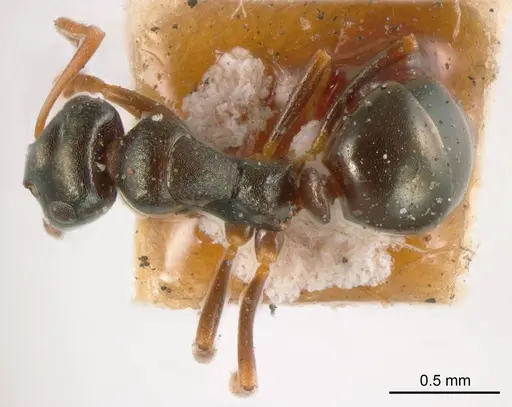
CASENT0903231
View on AntWeb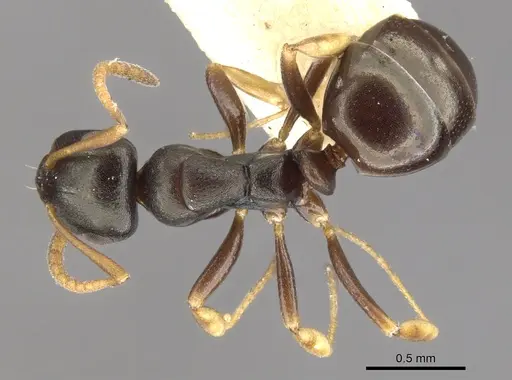
Literature
Loading distribution map...Loading products...