
Stigmacros epinotalis
- Sci. Name
- Stigmacros epinotalis
- Tribe
- Melophorini
- Subfamily
- Formicinae
- Author
- McAreavey, 1957
- Distribution
- Found in 1 countries
Introduction
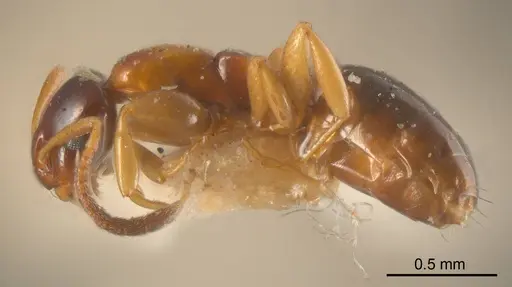
Stigmacros epinotalis is a small ant species native to Australia, belonging to the subfamily Formicinae and tribe Melophorini. It was described by McAreavey in 1957. Workers are distinguished from the very similar Stigmacros aemula by the oblique declivitous face of their propodeum . These ants are part of a genus endemic to Australia. Like other Formicinae, they lack a functional stinger and defend themselves by spraying formic acid. Very little specific research is available on their biology or captive care, so most recommendations must be inferred from related species.
Quick Summary
- Difficulty: Medium
- Origin & Habitat: Australia, with a range similar to Stigmacros aemula [1][2]. Specific habitat details are undocumented, but related Stigmacros species are often found in arid to semi-arid regions.
- Colony Type: Unknown. Social structure has not been studied for this species.
- Size & Growth:
- Queen: Size data unavailable.
- Worker: Size data unavailable.
- Colony: Unknown.
- Growth: Unknown.
- Development: Unknown. No published data. (Development times for related Formicinae at warm temperatures may give a rough idea, but specific data for S. epinotalis is lacking.)
- Antkeeping:
- Temperature: Unknown. Based on Australian distribution, likely warm (20-30°C). Avoid extremes.
- Humidity: Unknown. Based on likely arid habitat, keep the nest substrate mostly dry with occasional light misting. Avoid constant dampness.
- Diapause: Unknown. Australian ants from warm regions may not require hibernation, but no specific data exists.
- Nesting: Unknown. Based on genus patterns, they may nest in soil or under stones. Provide a naturalistic setup with sandy soil or a Y-tong nest with dry chambers.
- Behavior: Unknown. As Formicinae, they lack a stinger and use formic acid for defense. They are likely docile but this is speculative. Their small size means escape prevention is critical – use fine mesh (at least 0.5mm) and tight-fitting lids.
- Common Issues: limited species-specific information makes care recommendations uncertain., small size requires excellent escape prevention – they can squeeze through tiny gaps., wild-caught colonies may carry parasites not adapted to captive conditions.
Housing and Nest Setup
No specific nesting information is documented for Stigmacros epinotalis. Based on related Stigmacros species, they may nest in soil or under stones. A naturalistic setup with a sandy-soil mixture is a reasonable starting point, but be prepared to adjust based on colony behavior. For a founding colony, a test tube setup works well. As the colony grows, consider a Y-tong (AAC) nest with narrow chambers and dry substrate. Escape prevention is critical due to their small size – use fine mesh (at least 0.5mm) on all openings and ensure all connections are tight.
Feeding and Diet
Specific dietary preferences for S. epinotalis are unknown. As Formicinae, they likely accept sugar water or honey for energy and small insects for protein. Offer sugar water continuously and provide small prey items like fruit flies or pinhead crickets 2-3 times per week. Remove any uneaten prey after 24 hours to prevent mold. They may also tend aphids for honeydew if given the opportunity. These feeding suggestions are based on general Formicinae care and should be adjusted if colony behavior indicates otherwise.
Temperature and Seasonal Care
No specific temperature requirements have been studied for S. epinotalis. Given their Australian distribution, a warm environment (20-30°C) is likely suitable. Use a heating cable on one side of the nest to create a thermal gradient, allowing the ants to choose their preferred temperature. Avoid temperatures below 15°C for extended periods. Whether the species requires a winter diapause is unknown – if you provide a slight cooling period (15-18°C) for a few months, monitor colony activity closely. The safest approach is to keep temperatures stable within the warm range year-round.
Behavior and Defense
No specific behavioral studies have been conducted for S. epinotalis. As a member of Formicinae, it lacks a functional stinger and instead defends itself by spraying formic acid, which can cause mild skin irritation but is not dangerous. Based on related species, they are likely docile and diurnal foragers, but this is speculative. Their small size makes them fast-moving and capable of escaping through tiny gaps – always use excellent escape prevention measures. Handle the colony minimally to avoid stress and formic acid spray.
Frequently Asked Questions
How long does it take for Stigmacros epinotalis to develop from egg to worker?
There is no published data for this species. Development times for other Formicinae at warm temperatures range from 6-10 weeks, but this is only a rough guess. Actual timing for S. epinotalis is unknown.
Can I keep Stigmacros epinotalis in a test tube?
Yes, test tubes are a good option for founding a colony. Use a small diameter tube with a tight cotton plug. Ensure the tube is escape-proof, as these tiny ants can squeeze through very small gaps.
What temperature do Stigmacros epinotalis need?
The exact temperature requirements are unknown. Based on their Australian origin, a range of 20-30°C is likely suitable. Use a heating cable to create a gradient and observe the ants' preferences.
Are Stigmacros epinotalis good for beginners?
This species is not recommended for complete beginners due to the lack of specific care information and the need for excellent escape prevention. Intermediate keepers willing to research and adapt may find them interesting.
How big do Stigmacros epinotalis colonies get?
Colony size is not documented. Based on related Melophorini, they might reach a few hundred workers, but this is speculative. Colony growth is likely moderate, but actual data is unavailable.
Do Stigmacros epinotalis need hibernation?
It is unknown. Australian ants from warm regions often do not require formal hibernation. A slight cooling during winter (15-18°C) may be beneficial, but it is not mandatory. Monitor the colony's activity and adjust accordingly.
What do Stigmacros epinotalis eat?
No specific dietary studies exist. Based on Formicinae habits, they likely accept sugar water or honey for energy and small insects (e.g., fruit flies) for protein. Offer sugar water continuously and protein 2-3 times per week.
Why are my Stigmacros epinotalis escaping?
Their small size allows them to escape through very tiny gaps. Use fine mesh (0.5mm or smaller) on all openings, ensure lids fit tightly, and consider using fluon or other barriers. Check all connections and seams regularly.
Can I keep multiple queens together?
Colony structure is unknown for this species. It is best to assume a single-queen colony and house foundresses separately. Combining unrelated queens may lead to fighting. No studies confirm polygyny.
Report an Issue
The current care sheet is based fully on literature. See inconsistencies, or something that's incorrect? Please , it will be resolved after review from an admin. Contributing to the blogs tab also helps providing information, to make us be able to further improve the caresheets. Thank you for your support!
References

This caresheet is licensed under CC BY-SA 4.0 .
Community Blogs
ANTWEB1008334
View on AntWeb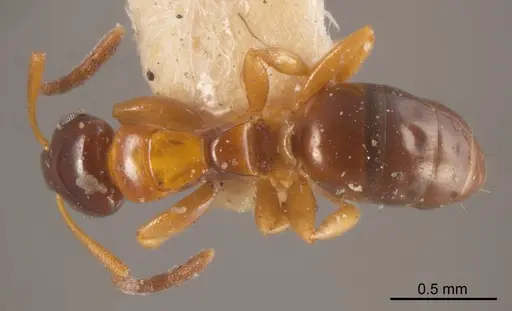
Literature
Loading distribution map...Loading products...