
Stictoponera quadrutinodules
- Sci. Name
- Stictoponera quadrutinodules
- Tribe
- Ectatommini
- Subfamily
- Ectatomminae
- Author
- Chen <i>et al.</i>, 2017
- Distribution
- Found in 1 countries
Introduction
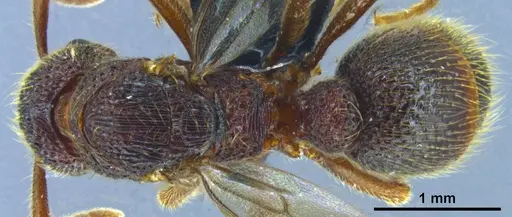
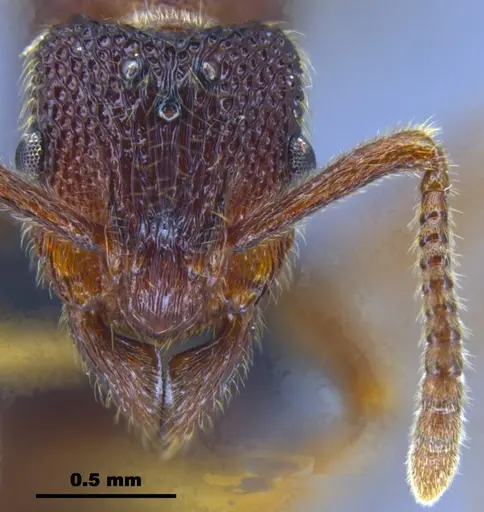
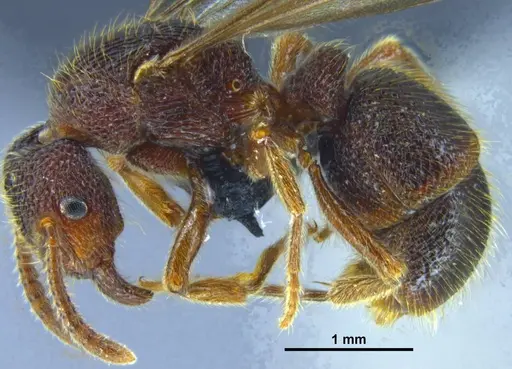
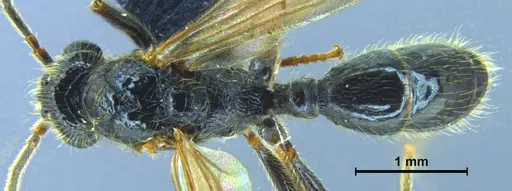
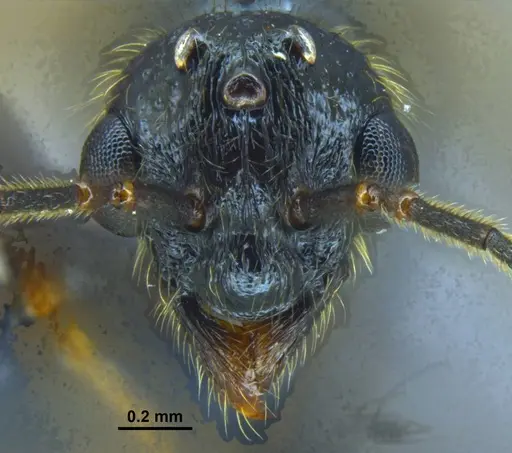
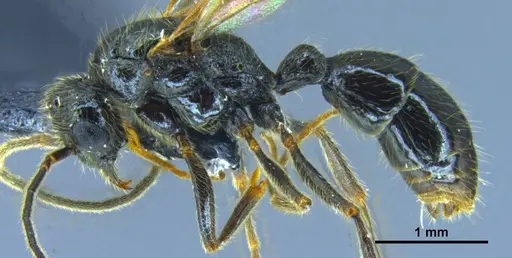
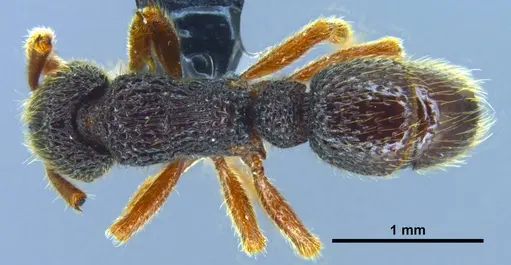
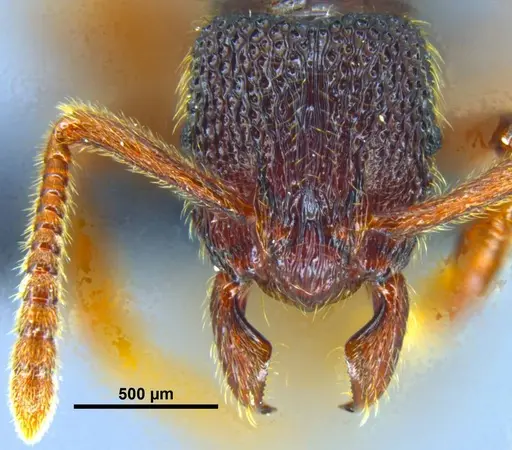
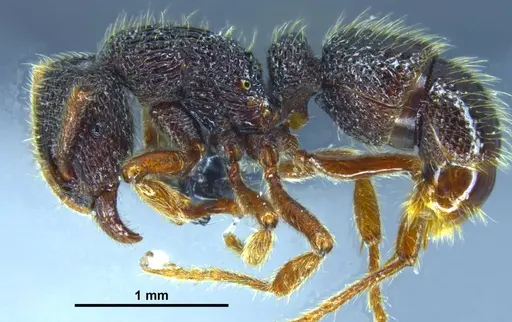
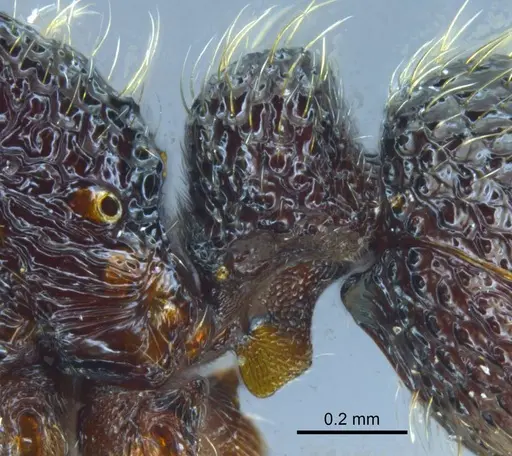
Stictoponera quadrutinodules is a small predatory ant from southern China (Jiangxi and Yunnan provinces) . Workers are around 4.2 mm long with a distinctive nearly square petiole that gives the species its name (Latin 'quadrat' for square, 'nodules' for petiole). They have very small eyes with only 5 ommatidia, and their body is black-brown with reddish-brown legs and gaster . Queens are larger at 5.5 mm and entirely reddish-brown . This species was discovered nesting under stones in broadleaf forest and conifer mixed forest at 1026 m altitude . As an Ectatomminae ant, it has a functional stinger and is predatory by nature - but very little is known about its specific life history, so most care information is estimated from habitat and related species.
Quick Summary
- Difficulty: Medium
- Origin & Habitat: Southern China (Jiangxi and Yunnan provinces), found nesting under stones in broadleaf forest and conifer mixed forest at 1026 m altitude [1][2].
- Colony Type: Unconfirmed, only dealate queens and males have been collected. Likely single-queen based on typical Ectatomminae patterns, but no direct data.
- Size & Growth:
- Queen: 5.52 mm [1]
- Worker: 4.18-4.23 mm (holotype 4.22 mm) [1]
- Colony: Unknown, likely small (estimated under 100 workers based on related species)
- Growth: Unknown, estimated moderate based on related Ectatomminae species
- Development: Estimated 8-12 weeks at optimal temperature (no direct data) [1] (Development time is inferred from related species, no specific measurements exist for this species. Ponerine-like Ectatomminae generally develop slower than many common ants.)
- Antkeeping:
- Temperature: Cooler conditions estimated, aiming for 18-22°C. Based on high altitude origin (1026 m) [1]. Avoid exceeding 25°C.
- Humidity: Moderate to high, forest floor habitat suggests damp substrate. Keep soil moist but not waterlogged [1].
- Diapause: Likely required, estimated from temperate origin at 1026 m altitude. Provide 3-4 months at 10-15°C during winter [1].
- Nesting: Natural nesting is under stones in forest soil. Use a naturalistic setup with moist soil substrate or a plaster nest with moisture chambers [1].
- Behavior: Small, secretive ants that stay hidden. They can sting (Ectatomminae subfamily), but are not aggressive toward humans. Escape risk is high due to small size, use fine mesh on all openings. Not colony aggressive toward conspecifics.
- Common Issues: small size makes escapes likely without fine mesh barriers, humidity control is critical, too dry causes colony decline, unknown dietary needs, likely predatory, but specific prey preferences unconfirmed, winter diapause is estimated but timing is uncertain, very little captive data available, be prepared to adjust care based on observation
Housing and Nest Setup
Stictoponera quadrutinodules naturally nests under stones in moist forest soil at around 1000 m altitude [1]. In captivity, a naturalistic setup works best, use a container with damp soil or a plaster nest with moisture chambers. Keep the nest area dark and humid, they will often settle in the dampest part of the enclosure. A test tube setup can work for founding colonies if the tube is kept moist, but a larger naturalistic setup is better for established colonies. Because workers are only about 4.2 mm, ensure any gaps between nest and outworld are sealed with fine mesh (max 1 mm opening). Provide a water source in the outworld [1].
Feeding and Diet
As a member of Ectatomminae, this species is believed to be predatory, they likely hunt small invertebrates such as fruit flies, springtails, and other tiny arthropods. However, no specific dietary data exists for this species. Offer appropriately sized live prey no larger than the ants themselves. Feed small prey items every 2-3 days, adjusting based on consumption. Some Ectatomminae may occasionally accept sugar water, but do not rely on it, protein from prey is essential. Remove uneaten prey promptly to prevent mold. [1]
Temperature and Seasonal Care
These ants come from a high altitude habitat (1026 m) in southern China, suggesting they prefer cooler conditions than many tropical ants [1]. Aim for 18-22°C and avoid temperatures above 25°C. During winter, a diapause period is likely required. Provide 3-4 months at 10-15°C to mimic their natural seasonal cycle. Reduce feeding during the rest period and keep the nest slightly cooler. Do not skip diapause entirely, as it may affect colony health in the long term [1].
Behavior and Defense
Stictoponera quadrutinodules has a functional stinger, as seen in the type descriptions (worker sting extruding [1]). They are not aggressive toward humans but may sting if handled roughly. In captivity, observe rather than handle. Workers are small and secretive, spending most of the time in the nest. They are not aggressive colony defenders. Their tiny size (under 5 mm) means they can escape through very small cracks, always use fine mesh on nest and outworld openings, and check for gaps regularly [1].
Growth and Development
Colony growth is expected to be moderate and slower than many common ant species. The first workers (nanitics) will likely be smaller than normal workers and may take 2-3 months to emerge from founding. Based on related Ectatomminae species, total development from egg to worker is estimated at 8-12 weeks at optimal temperature [1]. Colonies likely remain small, probably under 100 workers even at maturity. Be patient with founding colonies, Ectatomminae develop slower than many Formicinae or Myrmicinae. Do not overfeed during founding, as excess prey can mold and harm the colony [1].
Frequently Asked Questions
How long does it take for Stictoponera quadrutinodules to produce first workers?
No direct data exists. Based on related Ectatomminae species, expect first workers approximately 8-12 weeks after the queen lays eggs. This is slower than many common ant species, be patient [1].
Do Stictoponera quadrutinodules ants sting?
Yes, they have a functional stinger, confirmed in the type descriptions [1]. The sting is not dangerous to healthy humans but can be painful. They are not aggressive and will only sting if threatened.
What do Stictoponera quadrutinodules eat?
Specific dietary data is lacking, but as Ectatomminae ants they are likely predatory. Offer small live prey like fruit flies, springtails, and tiny spiders. Do not rely on sugar sources, protein from prey is essential.
Can I keep Stictoponera quadrutinodules in a test tube?
Yes, test tubes can work for founding colonies. Keep the water reservoir filled and maintain humidity. However, a naturalistic setup with soil or a moist plaster nest is better for established colonies [1].
What temperature do Stictoponera quadrutinodules need?
Keep them cooler than most ants, aim for 18-22°C. Their high altitude origin means they prefer cooler conditions. Avoid temperatures above 25°C [1].
Do Stictoponera quadrutinodules need hibernation?
A winter diapause is likely required based on their temperate origin. Provide 3-4 months at 10-15°C during winter to mimic their natural seasonal cycle [1].
Are Stictoponera quadrutinodules good for beginners?
They are considered medium difficulty. Their unknown dietary needs, specific humidity requirements, and lack of captive data make them more challenging. They are better suited for keepers with some experience who are willing to experiment [1].
How big do Stictoponera quadrutinodules colonies get?
Colony size is unknown, but likely small, probably under 100 workers based on related small Ectatomminae species. They are not large colony builders [1].
Why are my Stictoponera quadrutinodules dying?
Common potential causes include: too dry conditions (keep substrate moist), temperatures too high (keep below 25°C), improper diet (they likely need live prey), or escape through small gaps. Check all husbandry parameters and ensure escape prevention is adequate [1].
When should I move my colony to a formicarium?
Move to a larger setup once the colony reaches 15-20 workers or outgrows the test tube. A naturalistic setup with soil works well. Do not rush the move, let the colony establish first [1].
Report an Issue
The current care sheet is based fully on literature. See inconsistencies, or something that's incorrect? Please , it will be resolved after review from an admin. Contributing to the blogs tab also helps providing information, to make us be able to further improve the caresheets. Thank you for your support!
References

This caresheet is licensed under CC BY-SA 4.0 .
Community Blogs
Literature
Loading distribution map...Loading products...