
Stictoponera biroi
- Sci. Name
- Stictoponera biroi
- Tribe
- Ectatommini
- Subfamily
- Ectatomminae
- Author
- Emery, 1901
- Distribution
- Found in 2 countries
Introduction
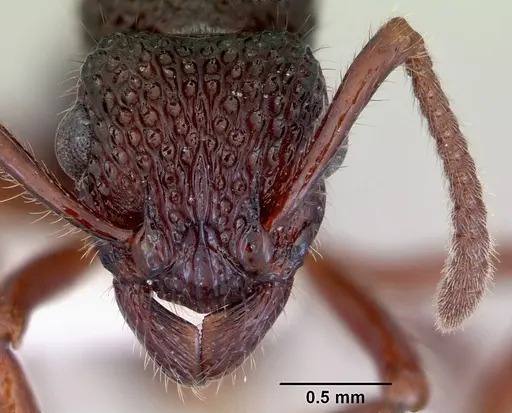
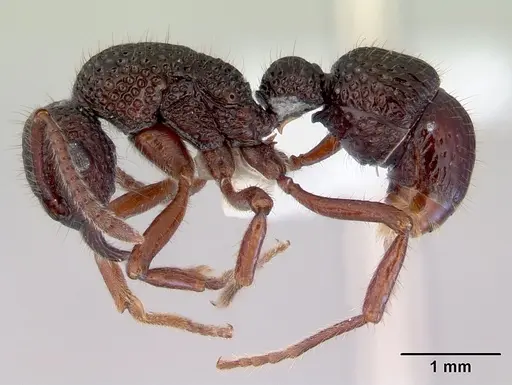
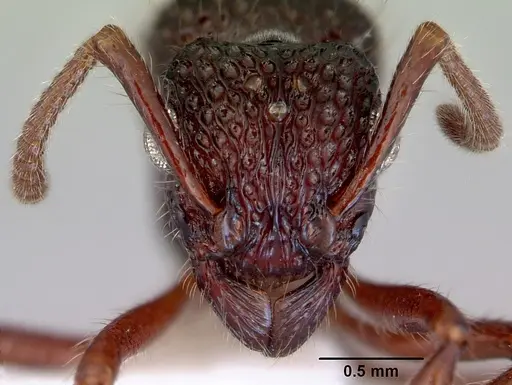
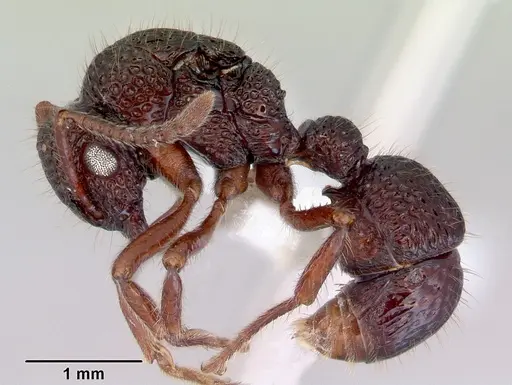
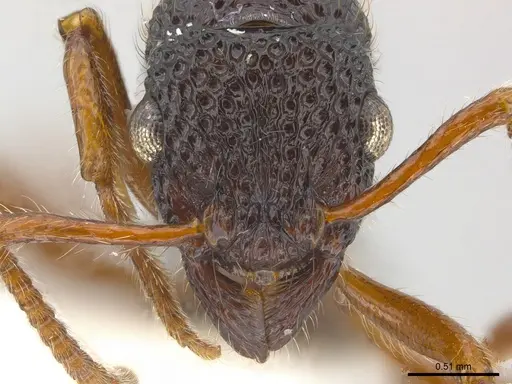
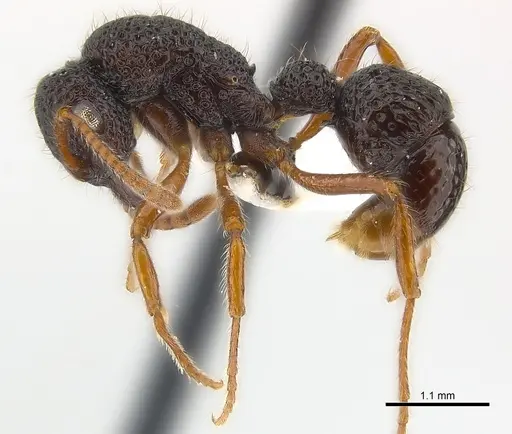
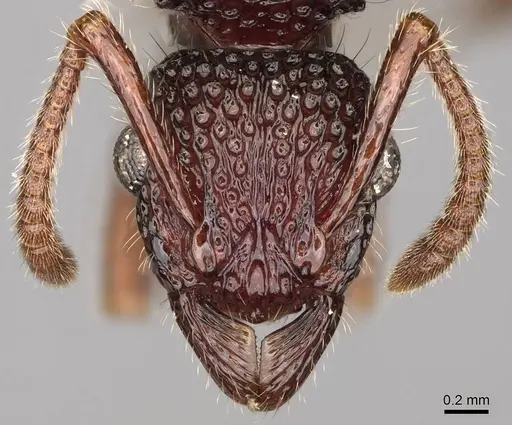
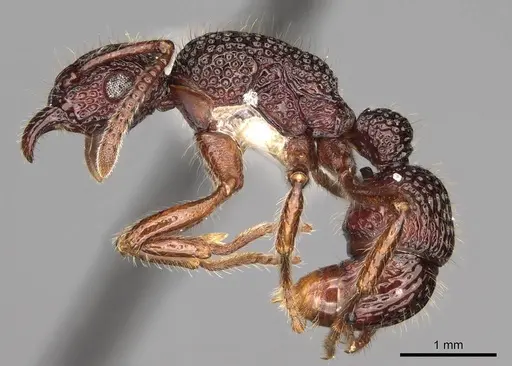
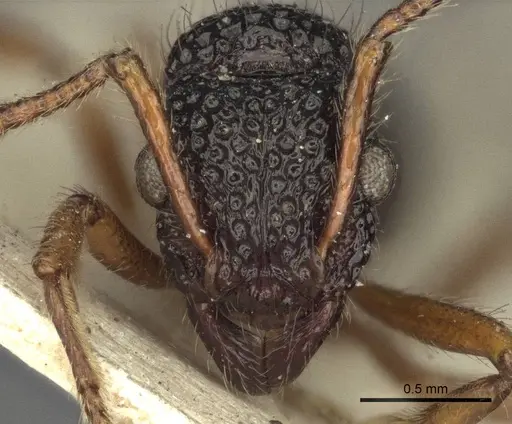
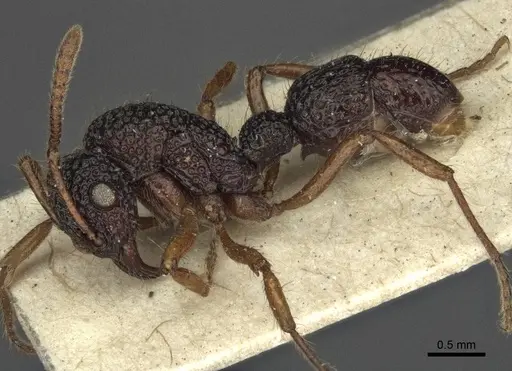
Stictoponera biroi is a small ponerine ant native to the Australasian region, found throughout New Guinea (both West Papua and Papua New Guinea) with limited collections from extreme northern Australia . The species nests in small colonies within rotten logs in rainforest and secondary lowland forest environments . This is the only Stictoponera species found in Australia, where the related genus Rhytidoponera dominates the Ectatomminae ant fauna . The species was originally described by Emery in 1901 and was recently transferred from Gnamptogenys to Stictoponera based on phylogenetic analysis . What makes S. biroi interesting is its biogeographic pattern: it is one of the few Stictoponera species that has crossed into Australia, specifically found in the York Peninsula of Queensland, and occupies areas with a highly seasonal water regime . This suggests some adaptability to varying conditions compared to its typical rainforest-dwelling relatives. Workers are dark brown with reddish legs and antennae, and they possess a functional stinger for defense.
Quick Summary
- Difficulty: Medium
- Origin & Habitat: New Guinea and northern Australia (York Peninsula, Queensland). Found in rainforest and secondary lowland forest, nesting in rotten wood [1].
- Colony Type: Small colonies in rotten logs, colony structure (single or multiple queens) is unconfirmed
- Size & Growth:
- Queen: size data unavailable
- Worker: size data unavailable
- Colony: Small, likely under 100 workers based on limited field collections and small colony size in rotten logs
- Growth: Moderate, based on typical ponerine development
- Development: Estimated 6-10 weeks at optimal temperature based on typical Ponerinae development patterns (Direct development data unavailable, estimates based on related species in the genus)
- Antkeeping:
- Temperature: Based on their tropical rainforest habitat, aim for warm, stable conditions around 24-28°C (75-82°F) [1]. Avoid temperatures below 20°C for extended periods.
- Humidity: Keep the nest substrate consistently moist but not waterlogged. High humidity is critical, mist the outworld occasionally and use a water reservoir in the nest. Balance moisture to avoid mold.
- Diapause: Unlikely, being a tropical species from New Guinea, they probably do not require a true diapause. However, a slight reduction in temperature during cooler months may be beneficial.
- Nesting: Provide rotten wood pieces or a naturalistic setup with damp wood. A Y-tong or plaster nest with high humidity chambers also works well. They prefer tight, enclosed spaces that retain moisture [1].
- Behavior: Stictoponera biroi is a predatory ant with a functional stinger. Workers are moderately aggressive and will defend the nest actively. They are small but active foragers, hunting small invertebrates in the wild. Escape risk is moderate, their small size means they can squeeze through small gaps, so ensure enclosures are secure. Based on typical poneroid patterns, colonies are likely single-queen, but this is not confirmed.
- Common Issues: humidity management is critical, too dry and colonies desiccate quickly, too wet and mold becomes a problem, small colony size means any losses have a bigger impact, avoid disturbing founding colonies unnecessarily, tropical species may not tolerate temperature drops, keep away from cold drafts and air conditioning, predatory ants need live prey, they may not accept dead food initially and need hunting opportunities, escape prevention is important due to their small size, use fine mesh and check all gaps
Housing and Nest Setup
Stictoponera biroi naturally nests in rotten, damp wood within rainforests [1]. For captivity, you have several good options. A naturalistic setup with pieces of rotting wood or cork bark placed on damp soil works well, the wood provides the humidity retention they need while giving them dark, enclosed spaces to nest. Alternatively, a Y-tong (AAC) nest or plaster nest with small chambers can work if you maintain high humidity by keeping the water reservoir well-filled and covering the nest with a damp cloth or keeping it in a humid enclosure. The key is providing tight, enclosed chambers that stay moist, these ants avoid open, dry spaces. A small outworld connected to the nest allows for feeding and foraging. Because they are small, ensure all connections are secure and gaps are minimized.
Feeding and Diet
As a Ponerinae ant, Stictoponera biroi is predatory and hunts small invertebrates in the wild. In captivity, offer small live prey such as fruit flies, springtails, small crickets, and other tiny arthropods. They may accept dead prey if moved around (mimicking movement), but live prey is best for establishing colonies, especially during the founding stage. Beyond protein, you can occasionally offer a drop of diluted honey or sugar water, though protein-rich foods should make up the majority of their diet. Feed small amounts 2-3 times per week, adjusting based on colony size and consumption. Remove uneaten prey after 24-48 hours to prevent mold issues in the humid environment they require.
Temperature and Humidity
These tropical ants need warm, humid conditions. Based on their rainforest habitat, maintain temperatures around 24-28°C (75-82°F) using a heating cable or mat if your room temperature is below this range [1]. Place the heating element on top of the nest, not underneath, to avoid drying out the substrate too quickly. Humidity should stay high, keep the nest substrate consistently moist but not waterlogged. Use a water reservoir in your nest setup and mist the outworld occasionally, but avoid letting water pool. A hygrometer helps monitor conditions. If the environment is too dry, workers become sluggish and larvae may die. If too wet, mold becomes a problem, balance is key. Good ventilation helps prevent mold while maintaining humidity.
Colony Development and Growth
Stictoponera biroi forms small colonies in rotten logs in the wild [1], suggesting colonies remain relatively modest in size. The founding queen must raise her first workers alone, and this process can take several months. Based on typical Ponerinae development, expect 6-10 weeks from egg to first worker (nanitic) at optimal temperature. Initial colony growth is slow, the queen can only lay a few eggs at a time, and each brood takes weeks to develop. Once the first workers emerge, the colony grows more steadily as more foragers can gather food. Be patient with founding colonies, disturbing them frequently can cause the queen to abandon or eat her brood. Minimize vibrations and avoid exposing the nest to light during the founding phase.
Behavior and Defense
Stictoponera biroi is a predatory ant with a functional stinger (common to the Ectatomminae subfamily). Workers are moderately aggressive and will readily defend the colony if threatened. When handling or working near the nest, move slowly and carefully. If provoked, workers may sting, the sting is not dangerous to healthy humans but can be painful. Unlike some ants that spray formic acid, this species uses its stinger for defense. Workers are active foragers, hunting individually rather than in groups. They establish foraging routes and will investigate new food sources thoroughly. Their small size and active nature mean they are always busy within the nest and outworld.
Frequently Asked Questions
How long does it take for Stictoponera biroi to raise first workers?
Based on typical Ponerinae development, expect 6-10 weeks from egg to first worker at optimal temperature (24-28°C). The exact timeline for this species has not been documented, so this is an estimate. Patience is essential, founding colonies grow slowly and should not be disturbed during this critical period.
Do Stictoponera biroi ants sting?
Yes, they have a functional stinger. As a member of Ectatomminae, they retain the ancestral stinger that many ant species have lost. Their sting is not medically significant for healthy humans but can cause brief pain. Handle with care and avoid provoking the colony.
What do Stictoponera biroi eat?
They are predatory ants that hunt small invertebrates. In captivity, feed small live prey like fruit flies, springtails, and tiny crickets. They may accept dead prey that is moved to simulate hunting, but live food is preferred, especially for founding colonies. Occasional sugar sources like honey water can be offered as supplements.
Can I keep multiple Stictoponera biroi queens together?
The colony structure of this species has not been documented. Based on typical poneroid patterns, they likely form single-queen colonies. Combining unrelated queens is not recommended as it may result in fighting. If you obtain a wild colony, keep only one queen per enclosure.
What humidity do Stictoponera biroi need?
High humidity is essential. These rainforest ants live in rotting wood that stays consistently moist [1]. Use a nest with a water reservoir, keep substrate damp (not soaking), and consider covering the nest with a damp cloth. Poor humidity quickly kills these ants.
Do Stictoponera biroi need hibernation?
No, they are tropical ants from New Guinea and do not require a true diapause. They may benefit from a slight temperature reduction during winter months if your room temperature drops significantly, but avoid cold temperatures below 20°C for extended periods.
Are Stictoponera biroi good for beginners?
This species is rated as medium difficulty. While smaller than some ponerines, they require specific conditions: high humidity, warm temperatures, and live prey. The small colony size also means less margin for error. Beginners may find the humidity and feeding requirements challenging, but those with some antkeeping experience should succeed.
How big do Stictoponera biroi colonies get?
Based on field data showing small colony sizes in rotten logs [1], they likely reach only dozens to perhaps 100 workers at most. This is a small colony species compared to many common ant pets. Their limited distribution and nesting in small wood pieces suggest colonies stay modest in size.
When should I move Stictoponera biroi to a formicarium?
Wait until the colony has at least 15-20 workers before considering a move. Founding colonies in test tubes or similar setups are less stressful. When moving becomes necessary, connect the old nest to a new one and allow the ants to move themselves rather than forcing them.
Why is my Stictoponera biroi colony dying?
The most common causes are: low humidity (drying out), temperatures below 20°C, lack of live prey, or mold from excessive moisture. Check your conditions first. Also ensure the colony is not being disturbed too frequently, vibrations and light exposure stress founding colonies. Small colonies have little buffer against problems.
Report an Issue
The current care sheet is based fully on literature. See inconsistencies, or something that's incorrect? Please , it will be resolved after review from an admin. Contributing to the blogs tab also helps providing information, to make us be able to further improve the caresheets. Thank you for your support!
References

This caresheet is licensed under CC BY-SA 4.0 .
Community Blogs
CASENT0172380
View on AntWeb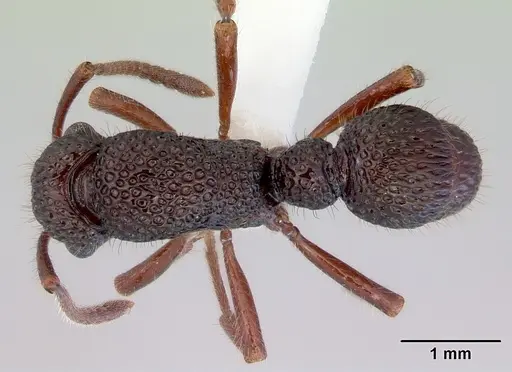
CASENT0172381
View on AntWeb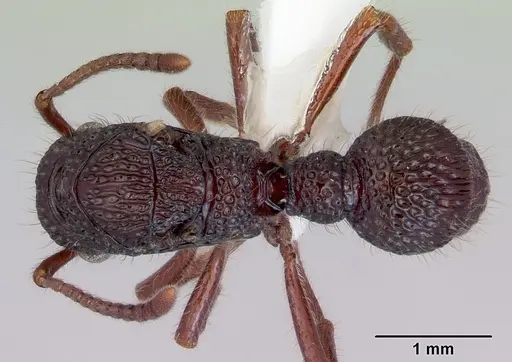
CASENT0179976
View on AntWeb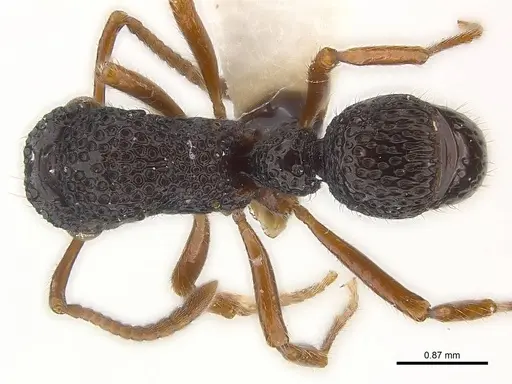
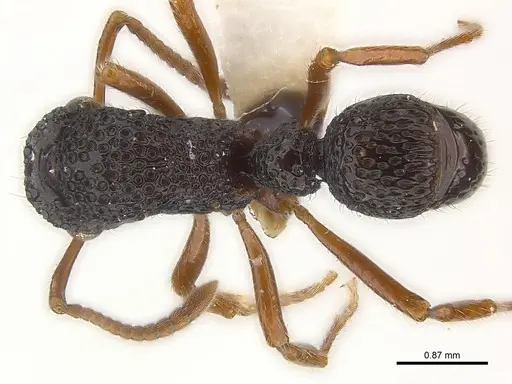
CASENT0281519
View on AntWeb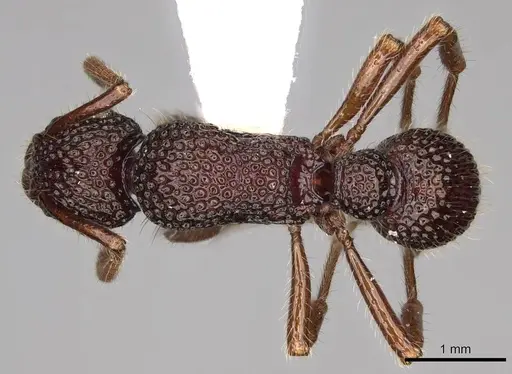
CASENT0916591
View on AntWeb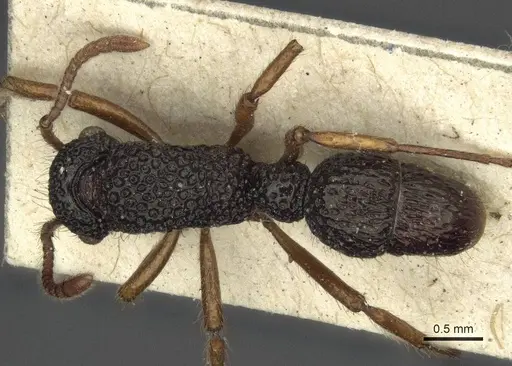
Literature
Loading distribution map...Loading products...