
Stenamma wheelerorum
- Sci. Name
- Stenamma wheelerorum
- Tribe
- Stenammini
- Subfamily
- Myrmicinae
- Author
- Snelling, 1973
- Distribution
- Found in 1 countries
Introduction
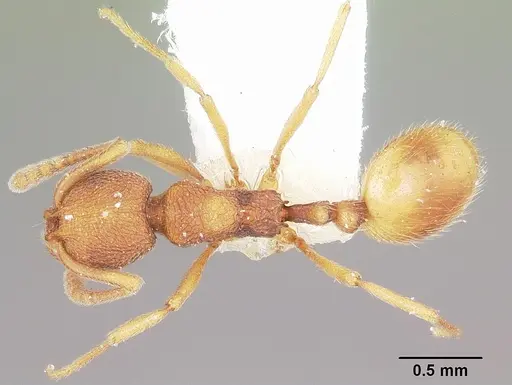
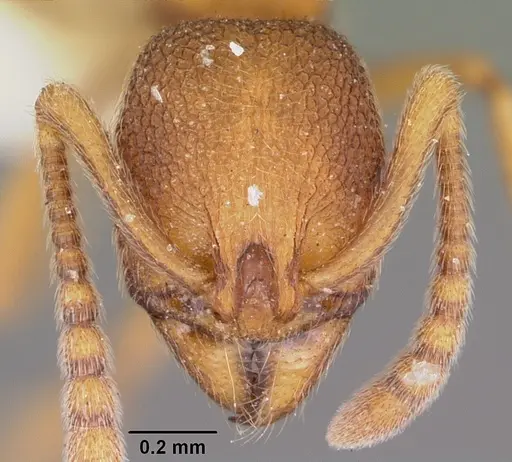
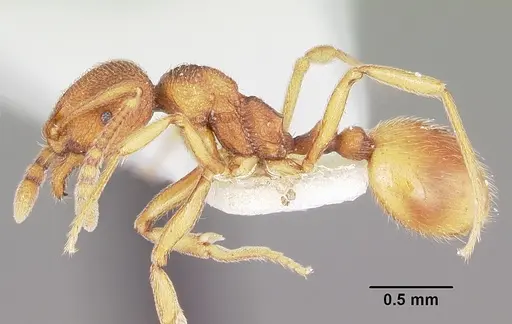
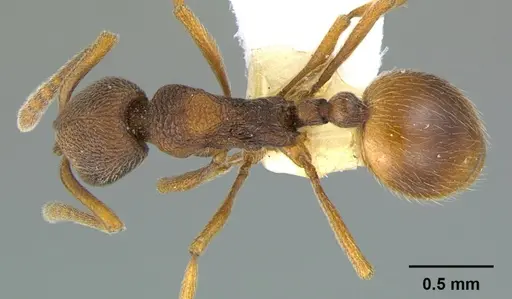
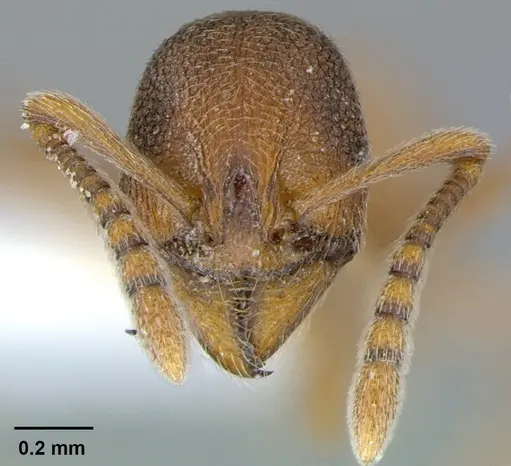
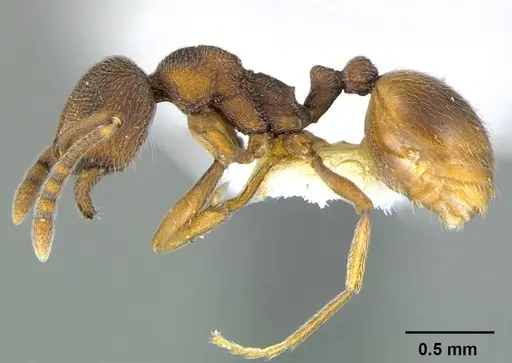
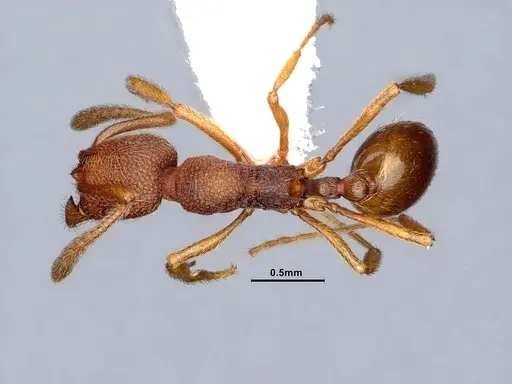
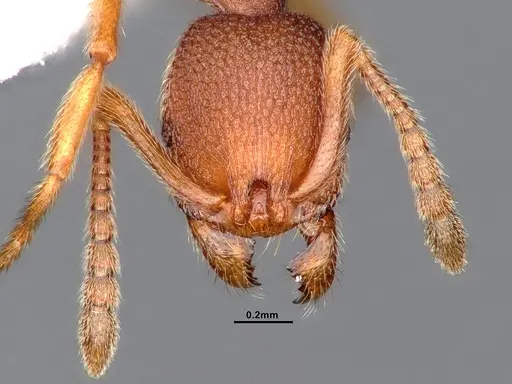
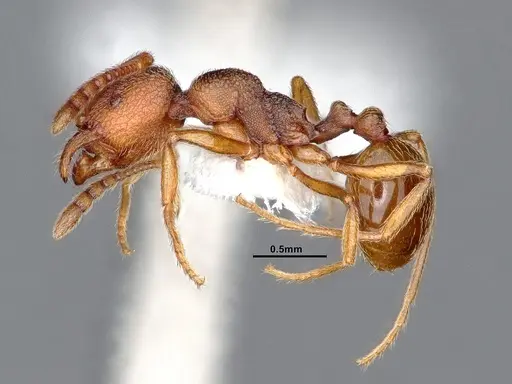
Stenamma wheelerorum is a tiny, ground-dwelling ant known only from high-elevation Nevada, USA. Workers are very small, with a head length of roughly 0.72-0.80 mm (total body length unknown) . They have a yellowish-ferruginous color with brownish infuscation on the head, thorax, and petiole. Distinctive features include flattened and broadened antennal scapes and coarse, appressed body hairs. This species belongs to the 'debile' clade and is the sole member of the wheelerorum group, making it phylogenetically distinct from most other North American Stenamma . This is one of the rarest ant species in North America - it has only been collected twice, with the type series from Washoe County, Nevada at about 8800 feet elevation. Absolutely nothing is known about its biology in the wild. No one has documented their feeding habits, colony structure, or nuptial flights. This makes them a challenging species to keep, as there is no established care protocol. What we can do is look at related Stenamma species for clues about their likely needs .
Quick Summary
- Difficulty: Expert
- Origin & Habitat: Known only from high elevation in Washoe County, Nevada, USA (around 8800 feet near Mount Rose) [1][4].
- Colony Type: Unknown, only two queens have ever been collected. Based on related Stenamma species, they are likely monogyne (single-queen colonies), but this is unconfirmed.
- Size & Growth:
- Queen: Size data unavailable [1]
- Worker: Size data unavailable [1]
- Colony: Unknown, only 55 worker paratypes exist from the original collection [1]
- Growth: Unknown, estimated moderate based on related species
- Development: Unknown, estimated 6-10 weeks based on similar small Myrmicinae (No direct data exists. Related Stenamma species typically take 6-10 weeks from egg to worker at room temperature.)
- Antkeeping:
- Temperature: Keep cool to moderate, aim for 18-22°C. This species comes from high-elevation Nevada where temperatures are moderate even in summer. Avoid overheating [4].
- Humidity: Moderate humidity likely preferred. Related Stenamma species are ground-dwelling ants that prefer slightly moist substrate. Keep the nest substrate damp but not waterlogged.
- Diapause: Likely yes, given their Nevada mountain origin, they probably need a winter dormancy period. Expect 2-3 months at 5-10°C [4].
- Nesting: Probably prefers naturalistic setups with soil or small chambers. As tiny hypogeic ants, they likely avoid light and prefer tight, dark spaces. A small test tube setup or Y-tong with narrow chambers would be appropriate.
- Behavior: Almost nothing is known about their behavior. Based on related species, they are likely docile, slow-moving ants that forage on the ground surface or just below it. Their small size and reduced eyes (only 4-6 facets) suggest they are adapted for dark, shaded microhabitats [1]. Escape prevention is critical due to their tiny size, they can easily slip through standard barrier setups. Handle with caution as all Myrmicinae can sting, though their small size means any sting would be mild.
- Common Issues: no established care protocol exists, you are pioneering husbandry for this species, tiny size makes escape likely without fine mesh barriers and careful setup, cold-adapted nature means overheating is a serious risk, keep well below 25°C, almost nothing is known about their diet, you will need to experiment with small live prey and sugar sources, only two wild colonies have ever been collected, so genetic diversity in captivity may be limited
Why Keep Stenamma wheelerorum?
This species represents a genuine frontier of discovery for antkeepers. Since only two collections have ever been made, and no biologist has observed their behavior in the wild, you have the opportunity to be among the first to document aspects of their biology [3]. However, that also means you are pioneering their care with no roadmap. These ants are best suited for experienced keepers who enjoy experimentation and have the patience to try different approaches when standard methods fail. If you prefer species with established care guides and predictable behavior, look elsewhere. If you are excited about discovering something new about a rare ant species, this could be rewarding, but expect challenges along the way.
Housing and Setup
Given their tiny size and presumed ground-dwelling nature, you need to think small. A test tube setup works well for founding colonies, use a small diameter tube with a tight-fitting water reservoir. For established colonies, a Y-tong nest with narrow chambers or a small naturalistic setup with tight spaces is appropriate. The key is providing darkness and humidity. These ants have very small eyes (only 4-6 facets), which suggests they avoid light and prefer dark, enclosed spaces [1]. Cover the nest with a dark cloth or use a nest that blocks light. Escape prevention is critical, their tiny size means they can squeeze through gaps that larger ants cannot. Use fine mesh on any ventilation holes and apply fluon or another barrier to all surfaces they might walk on. A humidity gradient within the nest allows them to choose their preferred moisture level.
Temperature Management
This is one of the most important aspects of keeping S. wheelerorum successfully. They come from high-elevation Nevada (around 8800 feet), where summer temperatures are moderate and winters are cold [4]. Keep the nest in the range of 18-22°C, this is cooler than many ant species require. Avoid any temperatures above 25°C, as overheating is likely fatal. A room-temperature setup around 20°C is probably ideal. If you need to warm the nest slightly, use a very low-output heating cable on one side only, creating a gentle gradient. Never place the nest in direct sunlight or near heat sources. During winter, they will likely need a diapause period at 5-10°C for 2-3 months, mimicking the cold mountain winters of their natural habitat.
Feeding and Diet
We have no direct information about what S. wheelerorum eats in the wild, so you will need to experiment. Based on related Stenamma species, they likely forage for small insects, springtails, and other micro-arthropods on the ground surface. Start by offering small live prey like fruit flies, pinhead crickets, and springtails. Given their tiny size, standard cricket pieces may be too large, chop prey into very small pieces or offer already-small insects. Sugar acceptance is uncertain, offer a small drop of sugar water or honey occasionally, but do not rely on it as a primary food source. Remove any uneaten prey within 24-48 hours to prevent mold. Feed every 2-3 days for established colonies, adjusting based on how quickly they consume food. Since no one has kept this species before, your observations will be genuinely valuable.
Colony Founding
No one has ever observed a founding colony of S. wheelerorum, so we must make educated guesses. Like other Stenamma species, the queen likely seals herself in a small chamber and raises her first workers alone (claustral founding). She would use stored fat reserves to survive until the first workers emerge. The queen is tiny, only 0.72-0.75 mm in head length (total length unknown) [1], which suggests she may have limited fat reserves and could be more vulnerable during founding than larger queens. Provide a small, dark, humid founding chamber. Expect a long wait, small queens often take longer to produce their first workers. Be patient and resist the urge to check on the queen too frequently, as disturbance can cause founding queens to abandon or eat their brood.
Winter Care and Diapause
Given their origin in the Nevada mountains, a winter dormancy period is almost certainly necessary. These ants have evolved in an environment with cold winters and should not be kept active year-round [4]. Around October-November, begin gradually lowering temperatures over a 2-week period to around 5-10°C. Maintain this temperature range for 2-3 months. During diapause, reduce food to almost nothing, the colony will be largely inactive and will not eat much. Keep the substrate slightly moist but not wet, completely drying out can be fatal. In spring, gradually warm them back up to room temperature over 1-2 weeks. Do not rush the warming process, sudden temperature changes can stress or kill the colony. This annual cycle is likely essential for their long-term health and may trigger reproductive behavior.
Frequently Asked Questions
Is Stenamma wheelerorum a good species for beginners?
No. This species is not recommended for beginners. Almost nothing is known about their care, no one has ever documented keeping this species in captivity before. You will be pioneering their husbandry with no established roadmap. Additionally, their tiny size creates practical challenges for feeding and escape prevention. If you want a rewarding challenge as an experienced keeper, this could be interesting, but beginners should start with species that have established care protocols [3].
How long does it take for Stenamma wheelerorum to produce first workers?
We do not have direct data for this species. Based on similar small Myrmicinae, expect 6-10 weeks from egg to worker at optimal temperature (around 20°C). The queen is very small, which may mean she has limited energy reserves, be patient and ensure she has good humidity and minimal disturbance during founding. Some small ant species take longer than expected, so do not lose hope if progress seems slow.
What do Stenamma wheelerorum ants eat?
This is unknown, no one has ever observed their feeding behavior. Based on related Stenamma species, they likely eat small live prey like springtails, fruit flies, and other micro-arthropods. Offer small live prey items and small pieces of standard ant foods. Sugar water acceptance is uncertain, offer occasionally but do not rely on it. Experiment to see what they accept, and remove uneaten food promptly to prevent mold.
Do Stenamma wheelerorum ants sting?
They are in the subfamily Myrmicinae, which includes many species with functional stingers. However, their tiny size means any sting would be extremely mild, barely noticeable to humans. They are small and docile, more likely to flee than to attempt to sting. Handle gently and avoid disturbing the nest unnecessarily [1].
Can I keep multiple Stenamma wheelerorum queens together?
We do not know. Only two queens have ever been collected, and nothing is known about their colony structure. Based on related Stenamma species, they are likely monogyne (single-queen colonies), but this is unconfirmed. Do not attempt to combine unrelated queens, the risks of conflict outweigh any potential benefits. If you acquire multiple founding queens, house them separately until you understand their social structure better.
What temperature should I keep Stenamma wheelerorum at?
Keep them cool, aim for 18-22°C. This species comes from high-elevation Nevada where summer temperatures are moderate. Never exceed 25°C. A room-temperature setup around 20°C is ideal. Use a heating cable on very low setting only if your room is significantly colder, and create a temperature gradient so they can choose their preferred spot. Overheating is one of the biggest risks to this species [4].
Do Stenamma wheelerorum need hibernation?
Yes, almost certainly. They originate from the Nevada mountains at around 8800 feet elevation, where winters are cold and long. Provide a winter dormancy period of 2-3 months at 5-10°C each year, typically from late fall through winter. Gradually cool them down over 2 weeks, maintain cold temperatures, then gradually warm them in spring. This cycle is likely essential for their long-term health and may trigger reproductive behavior [4].
Why is Stenamma wheelerorum so rare in the hobby?
This species has only ever been collected twice in the wild, both times in Washoe County, Nevada. They are among the rarest North American ants, the original type series consists of only 55 workers and 2 queens [1]. Their tiny size and presumed ground-dwelling habits make them difficult to find. Also, no one has documented their biology, so even if colonies were collected, no one would know how to keep them. This makes them a true collector's item for advanced antkeepers interested in rare species [3].
How big do Stenamma wheelerorum colonies get?
We do not know the maximum colony size, only about 55 workers have ever been collected from the wild. Based on related Stenamma species, colonies likely reach a few hundred workers at most. These are not large colony species. Expect slow growth and modest final sizes. The small queen size suggests limited reproductive output compared to larger ant species [1].
What makes Stenamma wheelerorum different from other ants?
This species is phylogenetically distinct, it belongs to the 'debile' clade and is the sole member of the wheelerorum group, making it sister to most Palaearctic Stenamma species. They diverged from their closest relatives around 4 million years ago [3]. Their most distinctive physical features are the flattened and broadened antennal scapes and the coarse, appressed body hairs [1]. They are also one of the rarest ant species in North America, known from only two collections ever [3].
Report an Issue
The current care sheet is based fully on literature. See inconsistencies, or something that's incorrect? Please , it will be resolved after review from an admin. Contributing to the blogs tab also helps providing information, to make us be able to further improve the caresheets. Thank you for your support!
References

This caresheet is licensed under CC BY-SA 4.0 .
Community Blogs
Literature
Loading distribution map...Loading products...