
Stenamma vexator
- Sci. Name
- Stenamma vexator
- Tribe
- Stenammini
- Subfamily
- Myrmicinae
- Author
- Branstetter, 2013
- Distribution
- Found in 1 countries
Introduction
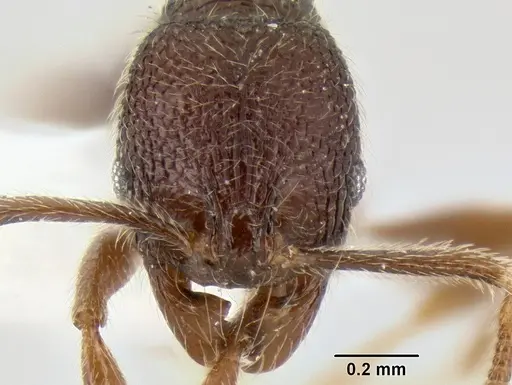
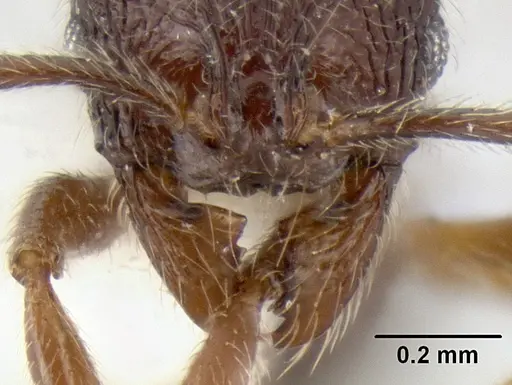
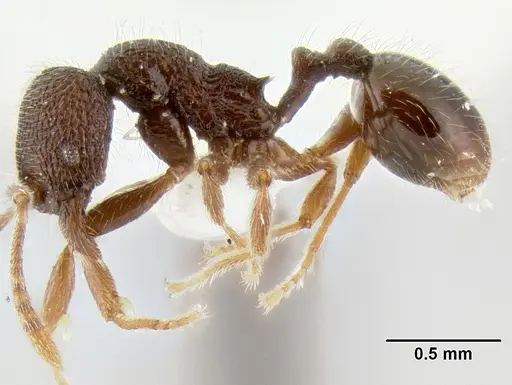
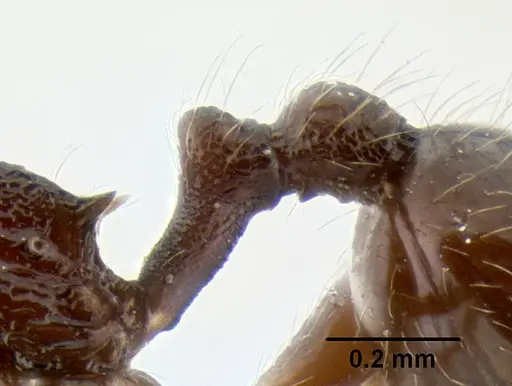
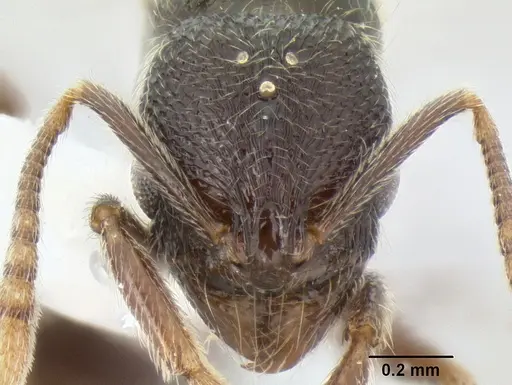
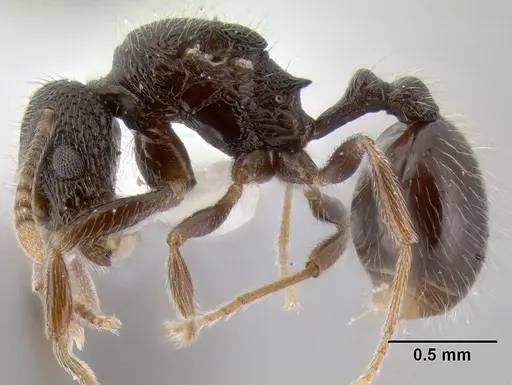
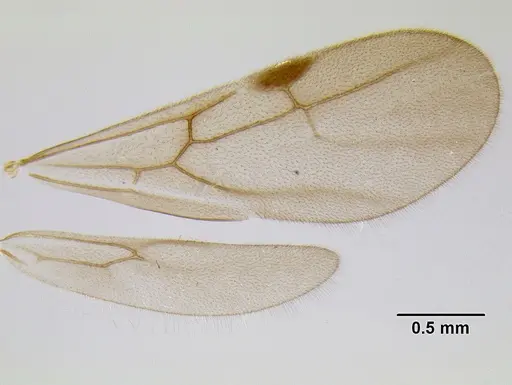
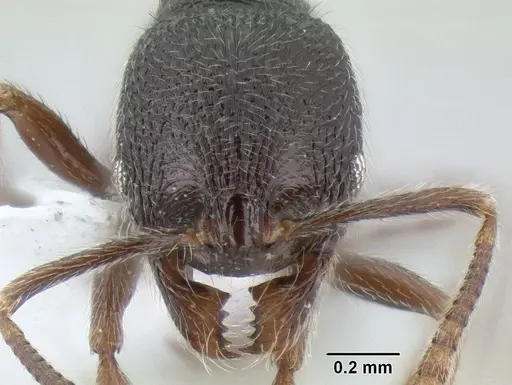
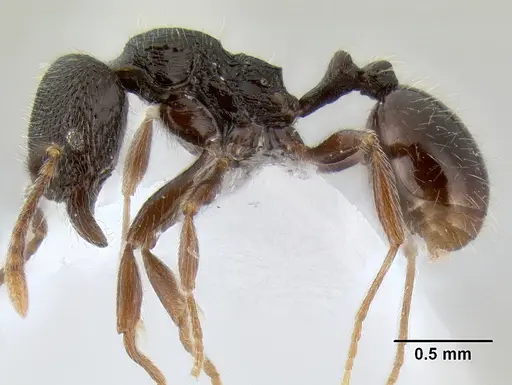
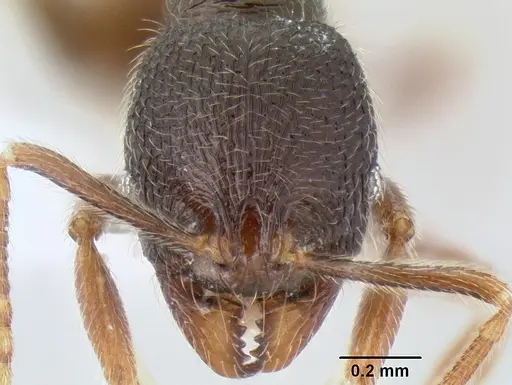
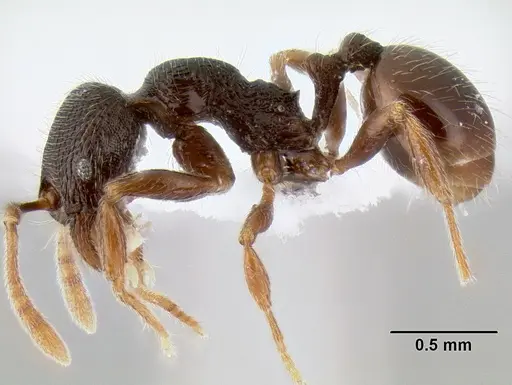
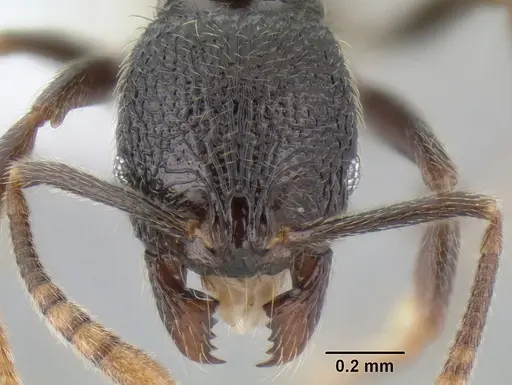
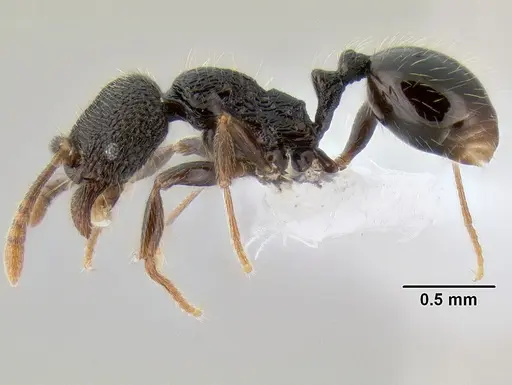
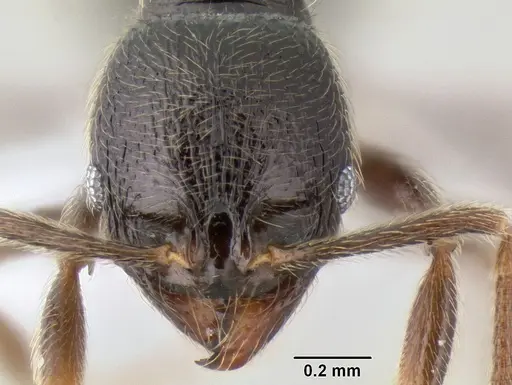
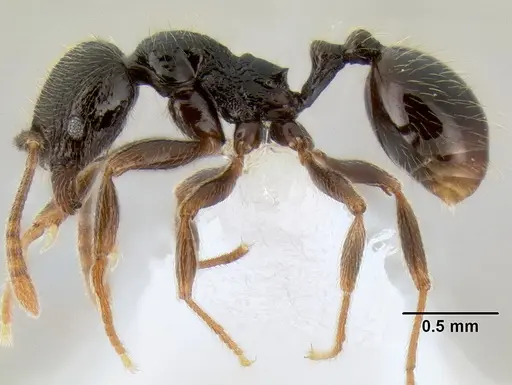
Stenamma vexator is a small ant native to the montane cloud forests of eastern Mexico . Workers are dark brown to black with lighter brown to orange-brown appendages, and the species was only described in 2013 . These ants inhabit elevations between 1000-2000 meters on the Mexican Atlantic slope, living in the cool, damp leaf litter of cloud forests, wet oak forests, and oak-pine forests . They are extremely cryptic - they have only been collected from sifted leaf litter samples, so they almost never forage in the open . Males have never been collected, so their nuptial flight biology remains a mystery .
Quick Summary
- Difficulty: Medium
- Origin & Habitat: Eastern Mexico (Atlantic slope) at 1000-2000 m elevation, in montane cloud forests, wet oak forests, and oak-pine forests [1][3]
- Colony Type: Unconfirmed. Likely single-queen (monogyne) based on typical Stenamma patterns, but no direct evidence. Colony structure and queen number are not documented.
- Size & Growth:
- Queen: Slightly larger than worker, total length not available. Based on head measurements and related Stenamma, roughly 3-4 mm (inferred from Stenamma genus) [2]
- Worker: Total length not reported. Head length 0.62-0.78 mm indicates a small species. Inferred body size roughly 2-4 mm (from Stenamma genus patterns) [2]
- Colony: Unknown, no colony size data exists for this species.
- Growth: Moderate, estimated 6-10 weeks from egg to first worker at optimal temperature
- Development: 6-10 weeks (estimated based on typical Myrmicinae development) (Development time is unconfirmed for this species. Estimate is based on related small Myrmicinae kept at 20°C.)
- Antkeeping:
- Temperature: Likely cool conditions,18-22°C [1]. Their cloud forest habitat stays relatively cool year-round. Avoid temperatures above 25°C.
- Humidity: High, keep the nest substrate consistently moist but not waterlogged. Mimic damp leaf litter conditions (70-85% RH) [3].
- Diapause: Probably beneficial, as a montane species, a cool period (10-15°C for 2-3 months) in winter is likely healthy, but not confirmed.
- Nesting: Prefers small, humid chambers. Y‑tong (AAC) or plaster nests work well. Test tubes with a water reservoir are also suitable. Add leaf litter and small stones for cover [3].
- Behavior: Very cryptic and non‑aggressive. Workers rarely forage in the open and stay within the leaf litter. Escape risk is low due to their small size, standard fluon or PTFE barriers are enough.
- Common Issues: high humidity is critical, drying out kills colonies quickly, cool temperatures can be hard to maintain in a warm room, slow growth tests patience, wild‑caught colonies may be stressed from collection and transport, very limited availability in the antkeeping hobby
Housing and Nest Setup
These ants need small, humid enclosures that mimic their leaf‑litter home [2]. A Y‑tong (AAC) nest with narrow chambers scaled to their small size works well, or you can use a plaster nest kept consistently damp. Test tubes with a water reservoir are also suitable, keep the cotton damp but not flooded. The key is maintaining high humidity without stagnation. Provide a small foraging area (roughly 10×10 cm), they don’t travel far. Add pieces of dead leaves, twigs, or small stones for cover.
Temperature Requirements
Keep them cool, aim for 18-22°C in the nest area [1][3]. Their native cloud‑forest habitat at 1000-2000 m elevation stays cool year‑round. Room temperature is often too warm, you may need to keep them in a cooler part of your home or use a small thermoregulated setup. Avoid any temperatures above 25°C, as this can stress and kill colonies. Letting temperatures drop to about 15°C in winter is likely beneficial for a dormancy period.
Feeding and Diet
Like most Stenamma, S. vexator is probably a predator of small leaf‑litter invertebrates [2]. Offer small live prey: springtails, fruit flies, and pinhead crickets. They may also accept protein gels or diluted honey, but live prey should be the main food. Feed 2-3 times a week, removing uneaten prey after 24 hours. Keep prey small, nothing larger than their head. A constant sugar source (honey water on a cotton ball) is recommended, though acceptance may vary.
Humidity and Water
High humidity is critical, aim for 70-85% relative humidity in the nest area [3]. These ants come from cloud forests where the air is almost always damp. Keep the nest substrate consistently moist but never waterlogged. In test tube setups, the water reservoir should keep the cotton damp, in Y‑tong or plaster nests, mist daily as needed. Provide a water source (e.g., a small dish with cotton) to prevent drowning. Consistency is key, fluctuations between wet and dry can stress the colony.
Colony Dynamics and Growth
Colony size is unknown, but likely small, similar leaf‑litter Stenamma only reach a few hundred workers [2] (speculative). Growth is moderate: expect 6-10 weeks from egg to first worker under optimal conditions. The first workers (nanitics) will be smaller than mature workers. Feed sparingly during founding, the queen rear her first brood on body reserves. Once workers arrive, offer small prey. Patience is essential, as growth is slow compared to many common species. Males have never been collected, suggesting nuptial flights are rare or difficult to observe [3].
Overwintering and Seasonal Care
As a montane species from 1000-2000 m elevation, S. vexator likely benefits from a cool period during winter [1][3]. Reduce temperatures to around 10-15°C for 2-3 months (e.g., November-February). During this time, cut feeding back significantly, the colony will be less active. Keep humidity high even at cool temperatures, the nest should never dry out completely. Make temperature changes gradual to avoid stressing the colony.
Frequently Asked Questions
How long does it take for Stenamma vexator to raise their first workers?
Expect 6-10 weeks from egg to first worker at optimal temperature (around 20°C). This is an estimate based on typical Myrmicinae development, specific times have not been documented for this species [2].
What temperature do Stenamma vexator need?
Keep them cool at 18-22°C. Their native cloud‑forest habitat stays relatively cool year‑round. Never let temperatures exceed 25°C, as this can kill them. Room temperature is often too warm [1][3].
Can I keep Stenamma vexator in a test tube?
Yes. A test tube setup with a water reservoir works well. Ensure the cotton stays damp but not flooded. Once workers emerge, connect a small foraging area.
What do Stenamma vexator eat?
They likely hunt small invertebrates such as springtails and fruit flies. Offer live prey 2-3 times per week, along with a constant sugar source like honey water. Prey should be very small [2].
Are Stenamma vexator good for beginners?
No, this species is best for intermediate to advanced keepers. High humidity and cool temperature requirements, combined with slow growth and limited availability, make it challenging.
How big do Stenamma vexator colonies get?
Unknown. No colony size data exists for this species. Based on related leaf‑litter Stenamma, they probably stay under a few hundred workers, but this is speculative.
Do Stenamma vexator ants sting?
Yes, as a Myrmicinae species they have a functional stinger, but they are very small and non‑aggressive. The sting is mild and unlikely unless they are handled roughly.
Do Stenamma vexator need hibernation?
Probably yes, as a montane species, a cool period (10-15°C for 2-3 months) in winter is likely beneficial for colony health. This is inferred from their habitat, not confirmed [1][3].
Why is my Stenamma vexator colony dying?
The most common causes are: temperatures too warm (above 25°C), humidity too low (nest drying out), or stress from poor founding conditions. These ants are sensitive to environmental fluctuations. Check your setup immediately if workers appear sluggish or the colony declines.
Can I keep multiple Stenamma vexator queens together?
Not recommended. Colony structure is unconfirmed, combining unrelated queens has not been documented and would likely result in fighting. Start with a single founding queen.
Report an Issue
The current care sheet is based fully on literature. See inconsistencies, or something that's incorrect? Please , it will be resolved after review from an admin. Contributing to the blogs tab also helps providing information, to make us be able to further improve the caresheets. Thank you for your support!
References

This caresheet is licensed under CC BY-SA 4.0 .
Community Blogs
CASENT0126485
View on AntWeb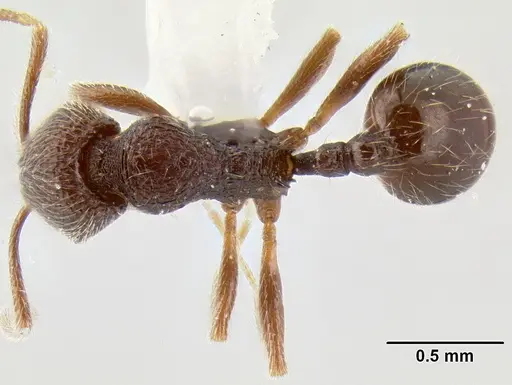
CASENT0126490
View on AntWeb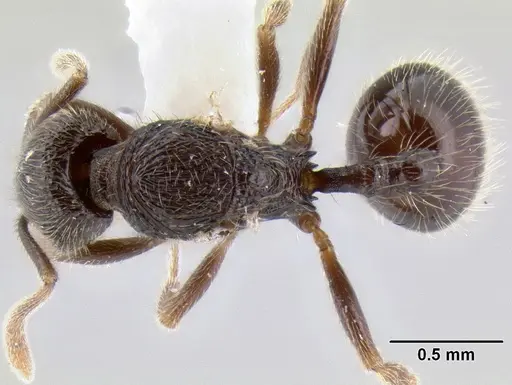
CASENT0604610
View on AntWeb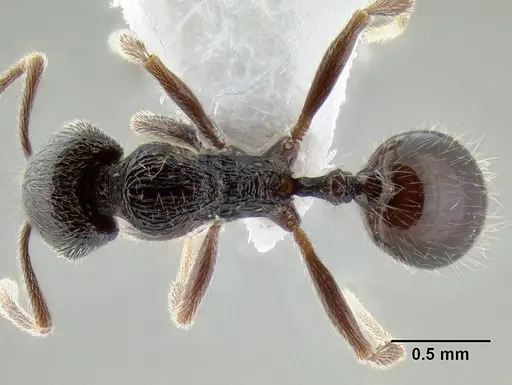
CASENT0604641
View on AntWeb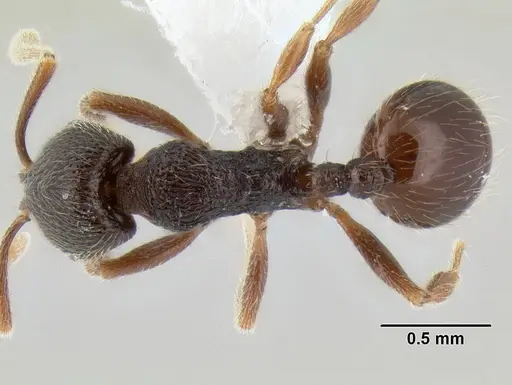
CASENT0604721
View on AntWeb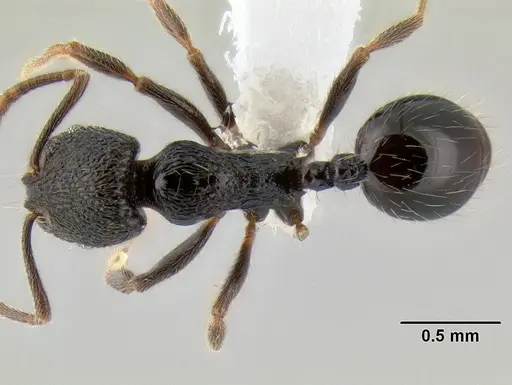
CASENT0605506
View on AntWeb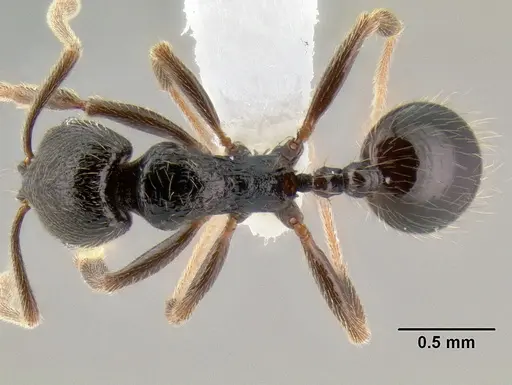
Literature
Loading distribution map...Loading products...