
Stenamma tico
- Sci. Name
- Stenamma tico
- Tribe
- Stenammini
- Subfamily
- Myrmicinae
- Author
- Branstetter, 2013
- Distribution
- Found in 3 countries
Introduction
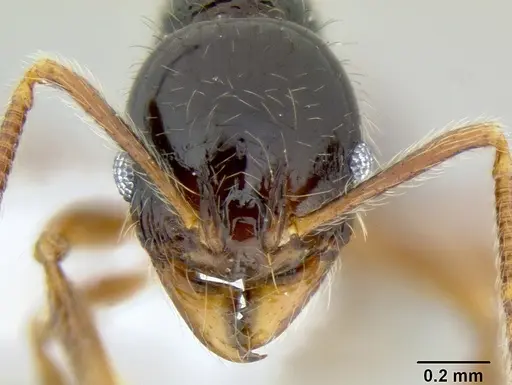
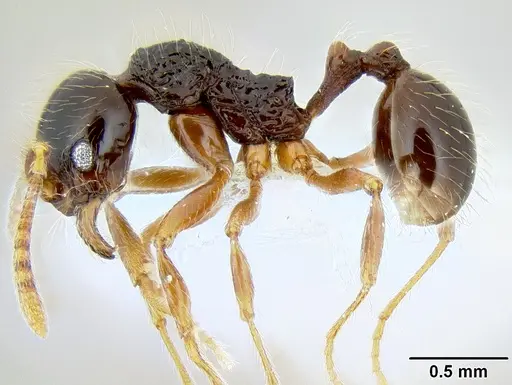
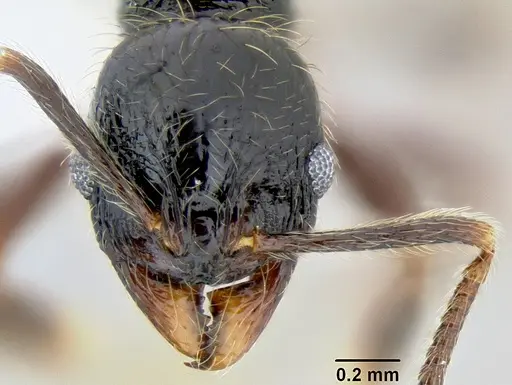
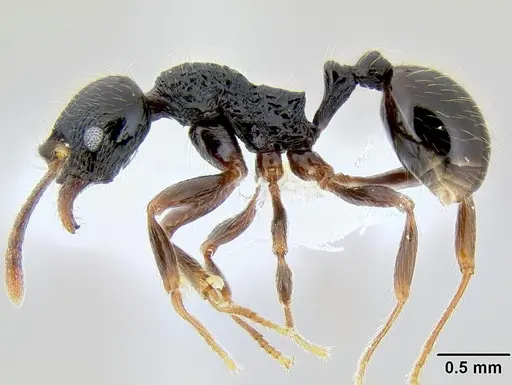
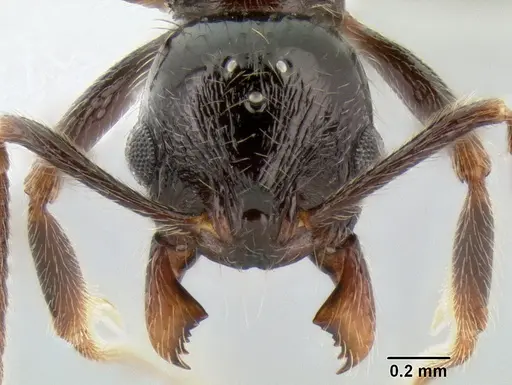
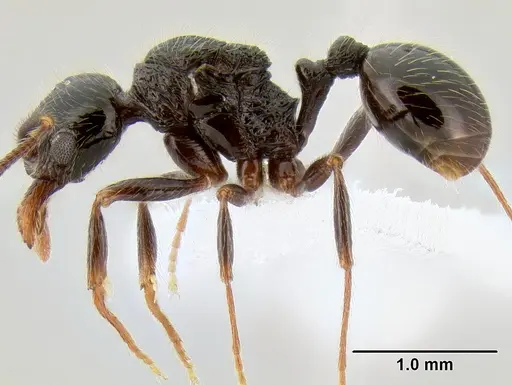
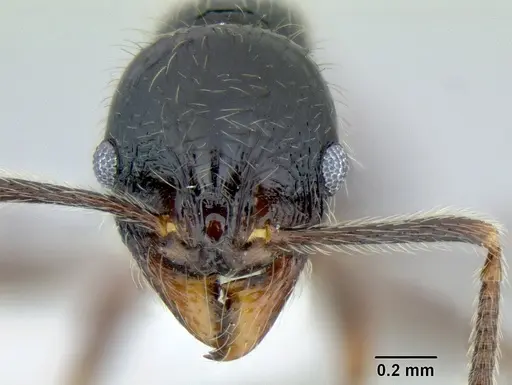
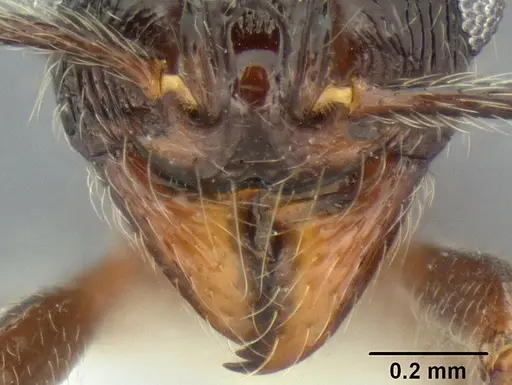
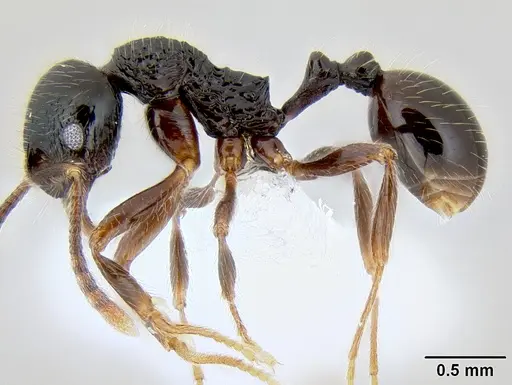
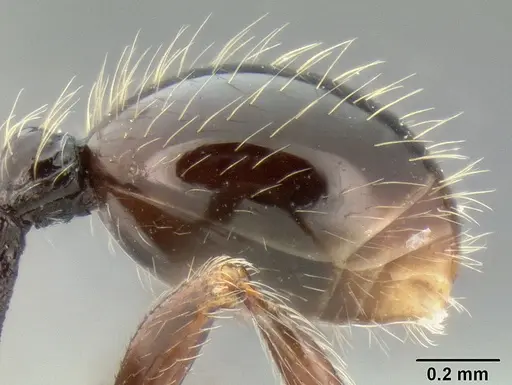
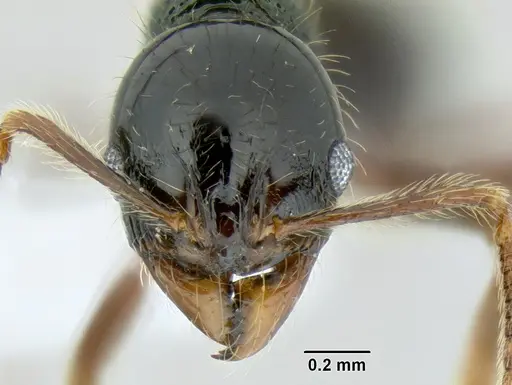
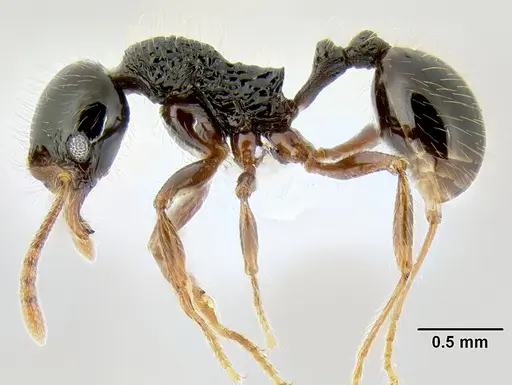
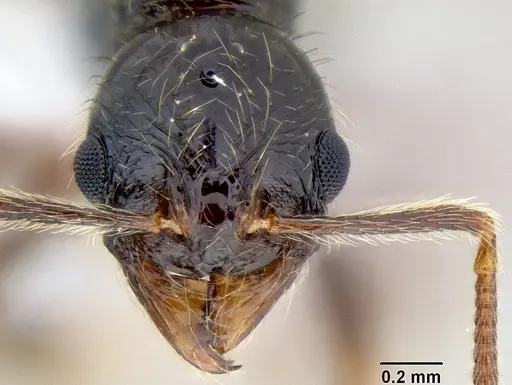
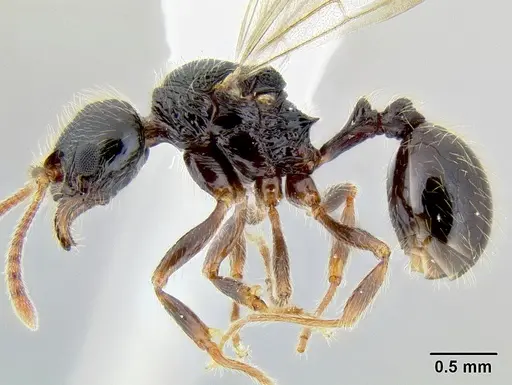
Stenamma tico is a tiny ant native to Central America, ranging from Nicaragua through Costa Rica to Panama . Their body is largely black to red-black with brown patches on the waist and gaster, and they have large, bulging eyes that may help them see in low light . This species lives in wet forest environments from sea level up to about 1500 m elevation, and it's most common at mid-elevations . What makes S. tico so mysterious is that no one has ever found a nest in the wild. Almost all specimens come from sifted leaf litter collected on the forest floor . Researchers once spotted a trail of workers moving across a clay bank, which suggests they may nest in clay environments similar to their relative Stenamma diversum . Their large eyes and wet forest habitat indicate they prefer dark, humid conditions and may be more active at night.
Quick Summary
- Difficulty: Medium
- Origin & Habitat: Wet forests in Nicaragua, Costa Rica, and Panama from sea level to 1500 m elevation [1][2]
- Colony Type: Colony structure is unconfirmed – no natural nests have ever been found
- Size & Growth:
- Queen: Size data unavailable – no total length measurements published
- Worker: Size data unavailable – no total length measurements published, workers are very small
- Colony: Unknown – no mature colonies have been documented
- Growth: Unknown – no development data exists for this species
- Development: Unknown – estimated 6–10 weeks based on typical Myrmicinae development at tropical temperatures (No direct development data exists. This estimate is based on related Stenamma species and typical Myrmicinae timelines at 24–26°C)
- Antkeeping:
- Temperature: Based on its tropical origin, keep the nest area at 24–26°C [3]. Avoid temperatures below 20°C. A heating cable on one side can create a temperature gradient.
- Humidity: High humidity is essential – these ants live in damp forest floor litter. Keep the nest substrate consistently moist but not waterlogged, with a drier zone available.
- Diapause: No – this is a tropical species that does not require hibernation [3]
- Nesting: No natural nest has ever been found, but related species nest in clay banks and rotting wood. A Y-tong (AAC) nest or plaster nest works well for holding moisture. A naturalistic setup with moist soil, cork, and leaf litter mimics the forest floor. The key is maintaining high humidity.
- Behavior: This species is poorly known in captivity. Workers forage in leaf litter and may be more active at night given their large, bulging eyes [2]. They are likely peaceful and not aggressive. Escape risk is high because workers are tiny – they can squeeze through very small gaps. Their main challenge is drying out quickly, so humidity must be strictly maintained.
- Common Issues: very high humidity requirement makes them prone to mold if ventilation is poor, no captive breeding data exists – establishing a colony may be very difficult, they dry out quickly if humidity drops even briefly, wild-caught colonies may have parasites or stress-related issues from collection, tiny workers can escape through standard test tube setups if not sealed properly
Housing and Nest Setup
Since no natural nest has ever been found for S. tico, we must work with what we know from its habitat and relatives [2]. They live in wet forest leaf litter and have been seen on clay banks, which suggests they prefer humid, enclosed spaces. A Y-tong (AAC) or plaster nest works well because these materials hold moisture effectively. Alternatively, a naturalistic setup with moist soil, cork, and leaf litter mimics the forest floor.
The most critical factor is humidity – these ants come from constantly damp forest floors. Keep the nest substrate moist but not sitting in standing water. A water reservoir or moisture gradient lets the ants choose their preferred humidity zone. Provide a shallow water tube as a drinking source, though they will also drink from condensation on nest walls.
Because workers are extremely small, use very fine mesh or tight sealing around any openings to prevent escape.
Feeding and Diet
Stenamma species are generalist foragers that likely eat small invertebrates and honeydew in the wild. In captivity, offer small live prey like fruit flies, pinhead crickets, or springtails. They will also accept sugar sources like honey water or diluted sugar water, though acceptance may vary.
Feed small amounts of protein prey 2–3 times per week, and keep a constant sugar source available. Remove uneaten prey after 24 hours to prevent mold. Because workers are tiny, all prey items should be very small – fruit flies or finely chopped mealworms work well. [2]
Temperature and Seasonal Care
As a tropical species from Costa Rica and Panama, S. tico requires warm temperatures year-round [3]. Keep the nest area at 24–26°C. A heating cable on one side of the nest can create a temperature gradient, letting workers move between warmer and cooler areas.
No diapause or winter rest is needed – these ants come from a region with minimal seasonal temperature variation. Maintain warm conditions consistently throughout the year. Avoid any temperature drop below 20°C, as this could stress or kill the colony.
Behavior and Observation
S. tico has large, bulging eyes, which may indicate nocturnal or crepuscular activity patterns [2]. In captivity, they may be more active during darker periods or under low-light conditions.
Workers forage in the substrate and on the surface, searching for tiny prey and honeydew. They are not aggressive and likely flee rather than fight when threatened. Observation is challenging because they spend much of their time hidden in leaf litter or substrate, but this is part of their charm – watching tiny workers navigate their environment is rewarding. Because they are so small, use a magnifying glass or macro lens to see details.
Frequently Asked Questions
How long does it take for Stenamma tico to go from egg to worker?
The exact development timeline is unknown – no research has documented development for this species. Based on typical Myrmicinae development at tropical temperatures (24–26°C), estimate 6–10 weeks from egg to first worker. Expect it to be slower if kept cooler.
Can I keep Stenamma tico in a test tube setup?
Yes, a test tube setup can work if you maintain high humidity. Use a test tube with a water reservoir sealed with cotton, and keep it in a humid environment. However, these ants are tiny and may escape through gaps in standard test tube lids – check seals carefully. A Y-tong or plaster nest may be easier for keeping humidity stable.
Do Stenamma tico ants sting?
Stenamma are in the subfamily Myrmicinae, which includes many species with stingers. However, Stenamma ants are generally docile and not known for stinging. They are more likely to flee than to use their stinger if threatened.
Are Stenamma tico good for beginners?
This species is not ideal for complete beginners because it requires very high humidity and has specific habitat needs that aren't fully understood. However, antkeepers experienced with tropical, humidity-dependent species should find it manageable. The main challenge is simply establishing a colony since wild-caught specimens are rare and captive breeding isn't documented.
What do Stenamma tico eat?
They are generalist foragers. Offer small live prey like fruit flies, springtails, or tiny crickets. They will also accept sugar water or honey diluted with water. Feed protein prey 2–3 times per week with constant sugar access.
Do Stenamma tico need hibernation?
No – this is a tropical species from Costa Rica and Panama with no cold season in its natural habitat [3]. Keep them warm year-round at 24–26°C without any cooling period.
How big do Stenamma tico colonies get?
The maximum colony size is unknown – no mature colonies have ever been documented in the wild. Based on related Stenamma species, colonies likely reach several hundred workers at most. They are not known for supercolonial behavior.
Why are my Stenamma tico dying?
The most common causes are low humidity (they dry out easily), temperature stress (too cold or temperature swings), and mold from poor ventilation. Check that the nest substrate stays consistently moist but not waterlogged, that temperatures stay in the 24–26°C range, and that ventilation is adequate to prevent mold growth.
Can I keep multiple Stenamma tico queens together?
This is unknown – no nests have ever been found, so we don't know their natural colony structure. Do not combine unrelated queens unless you are prepared for aggression. Without documented polygyny (multiple-queen colonies), assume single-queen colonies and keep queens separate.
When should I move Stenamma tico to a formicarium?
Wait until the colony has enough workers to outgrow the test tube – usually when you see them foraging actively and the tube becomes crowded. There's no exact count, but aim for a small but stable cluster of workers. Make sure your formicarium can maintain the high humidity this species requires. A Y-tong or plaster nest with a moisture reservoir works well for transition.
Report an Issue
The current care sheet is based fully on literature. See inconsistencies, or something that's incorrect? Please , it will be resolved after review from an admin. Contributing to the blogs tab also helps providing information, to make us be able to further improve the caresheets. Thank you for your support!
References

This caresheet is licensed under CC BY-SA 4.0 .
Community Blogs
CASENT0600101
View on AntWeb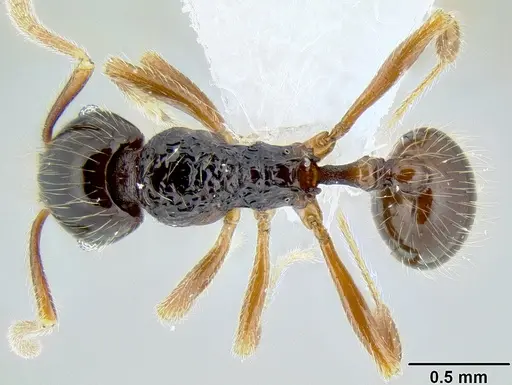
CASENT0600104
View on AntWeb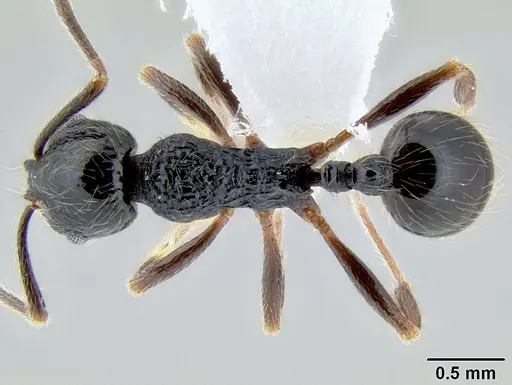
CASENT0600122
View on AntWeb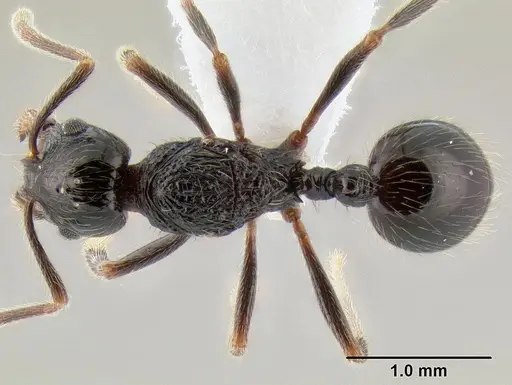
CASENT0622416
View on AntWeb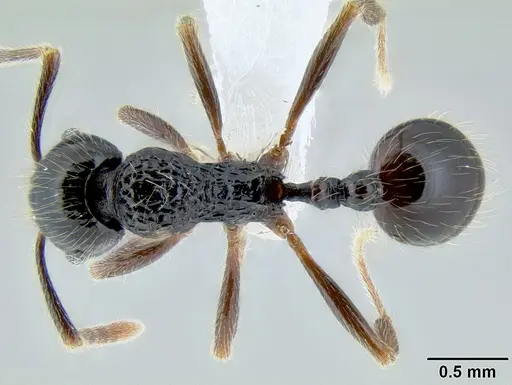
CASENT0622571
View on AntWeb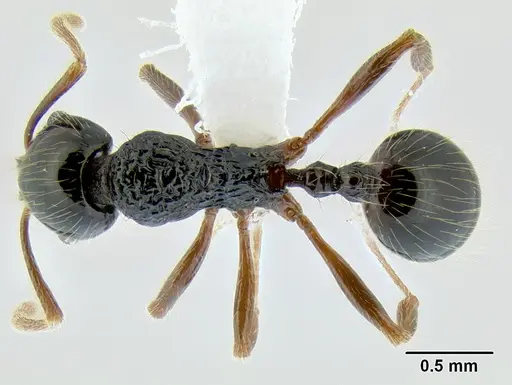
INB0003732299
View on AntWeb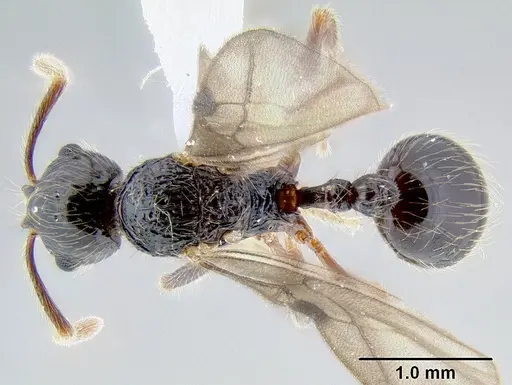
Literature
Loading distribution map...Loading products...