
Stenamma striatulum
- Sci. Name
- Stenamma striatulum
- Tribe
- Stenammini
- Subfamily
- Myrmicinae
- Author
- Emery, 1895
- Distribution
- Found in 8 countries
Introduction
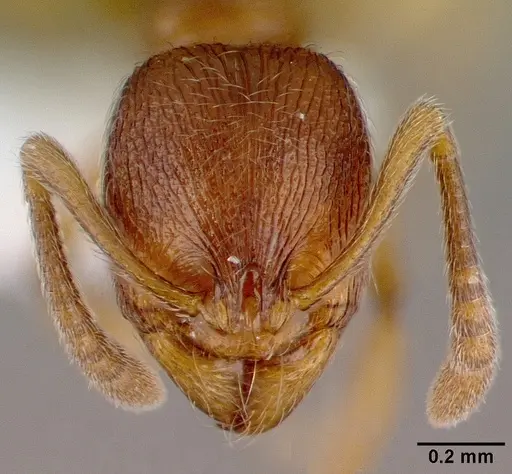
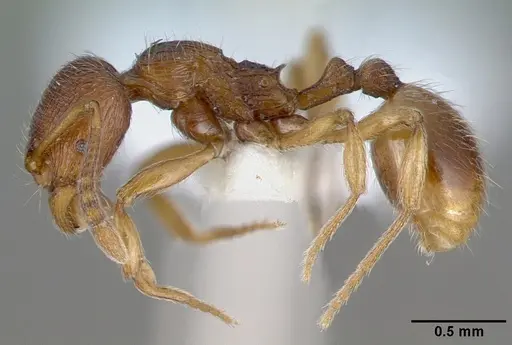
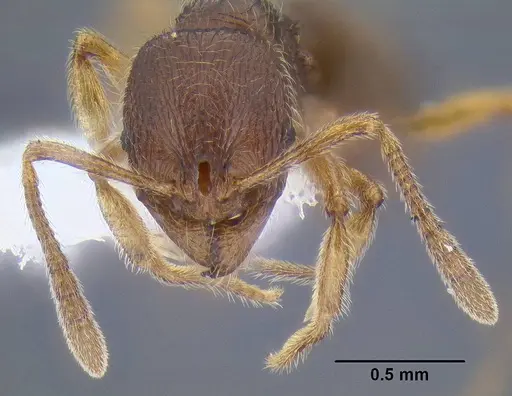
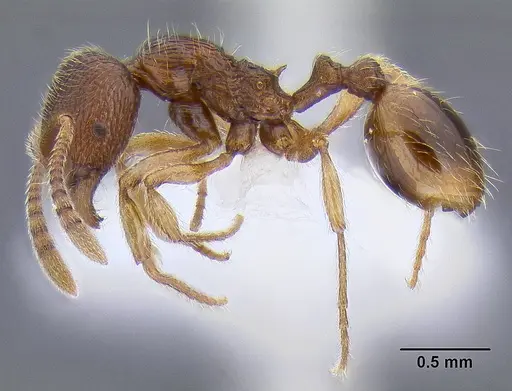
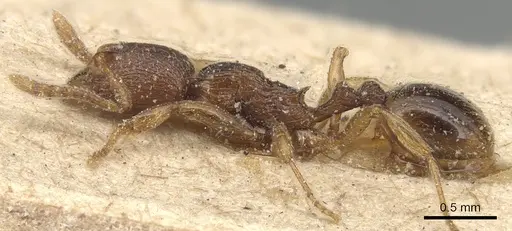
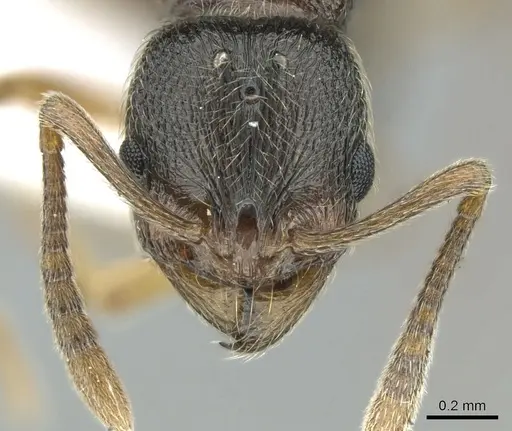
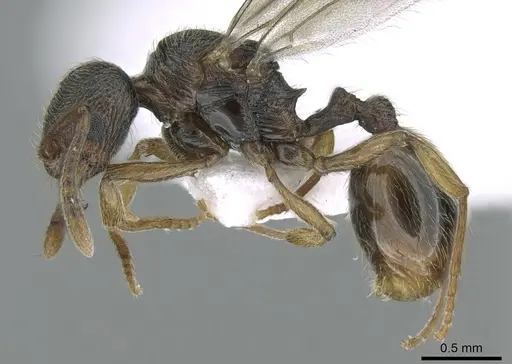
Stenamma striatulum is a tiny ant species native to the Mediterranean region of Europe. Workers measure 2.9-3.4 mm, making them one of the smallest Stenamma species in Western Europe . Queens are slightly larger at 3.5-3.8 mm and have a distinctive appearance with finer, more longitudinally arranged wrinkles on their head and thorax compared to related species, plus a shinier integument . Their most recognizable features include moderately long propodeal spines (spikes on the back) and antennae that almost reach the back of the head when laid flat . This species is a ground-dwelling ant that prefers warm forest habitats across southern Europe, from Spain to Turkey . It is often called a 'cryptic' ant because it lives hidden in the soil and leaf litter, making it harder to find than surface-active species. Workers are rarely seen foraging openly; they are more often detected by collecting fleeing queens and males in traps than by direct observation . They have been recorded from mixed deciduous forests, beech forests, and leaf litter, up to about 1,100 m altitude .
Quick Summary
- Difficulty: Medium
- Origin & Habitat: Mediterranean Europe, including Spain, France, Italy, Croatia, Greece, Bulgaria, Turkey, and surrounding regions [6][7][8][9]. Prefers warm forest habitats at elevations from sea level to around 1,100 m [4]. Recorded in mixed deciduous forests, beech forests, and leaf litter [5][10].
- Colony Type: Colony structure is unconfirmed. Based on genus-level patterns of other Stenamma, probably single-queen colonies (monogyne), but this has not been directly documented for this species [11].
- Size & Growth:
- Queen: 3.5-3.8 mm [1]
- Worker: 2.9-3.4 mm [1]
- Colony: Not documented in literature. Colony size for this species remains unknown.
- Growth: Not documented. Based on general Stenamma behavior, likely moderate to slow, but caution that no data exists.
- Development: 6-10 weeks (estimated based on typical Myrmicinae development at room temperature). Not directly studied for this species. (Temperature significantly affects development speed. This estimate is for 20-24°C.)
- Antkeeping:
- Temperature: Keep at room temperature, roughly 20-24°C. Being a Mediterranean species, they tolerate warmer conditions but prefer stable temperatures. A slight gradient with a cooler area is beneficial. [4] (habitat data).
- Humidity: Moderate to high. As a hypogeic ant living in soil and leaf litter, the nest substrate should be consistently moist but not waterlogged. Allow some surface drying between waterings [3][10].
- Diapause: Likely yes. As a species from temperate Mediterranean regions, a winter diapause is expected. A period of 2-3 months at 5-10°C is recommended based on related species, but not directly confirmed for S. striatulum.
- Nesting: Y-tong (AAC) or plaster nests work well, with narrow chambers and tight passages scaled to their tiny size. Naturalistic setups with soil and leaf litter are also suitable since they are ground-dwelling. Avoid large open chambers.
- Behavior: These ants are shy, non-aggressive, and spend most of their time hidden. Workers rarely forage on the surface, the species is primarily detected through soil/litter sampling or by capturing flying sexuals [3]. Their small size means excellent escape prevention is critical.
- Common Issues: escape prevention is critical due to their very small size, they can squeeze through gaps smaller than standard mesh, cryptic nature makes it difficult to observe colony activity and assess health, colonies may struggle if kept too dry, they need consistent moisture from their forest-floor habitat, wild-caught colonies may carry undetected parasites, quarantining new colonies is recommended, sensitive to disturbance, minimize nest inspections and use red film for observation
Housing and Nest Setup
Because Stenamma striatulum is tiny and lives in soil and leaf litter, its captive housing must be appropriately scaled. Y-tong (AAC) nests work well because the narrow chambers match their natural tight spaces. Plaster nests are another good option as they hold moisture. Avoid large open gaps, these ants feel safest in cramped chambers. A test tube setup is fine for founding colonies, but you will likely need to move them to a proper formicarium once the colony reaches about 20-30 workers.
The outworld (foraging area) should be small and simple. Since workers rarely come out to forage, a large space is unnecessary. Use a container with a secure lid and apply fluon or fine mesh (0.5 mm or smaller) on all openings, these tiny ants are expert escape artists. A thin layer of substrate in the outworld is optional but may help them feel more natural. Always double-check seals and tubing connections. [1][10][3][11]
Feeding and Diet
In the wild, Stenamma species feed on small invertebrates and honeydew from aphids. In captivity, offer tiny protein sources such as fruit flies, springtails, pinhead crickets, or chopped mealworms. Because the ants are so small, standard cricket sizes are too large, cut prey into pieces or use springtails. Sugar water or honey water are accepted, offer a drop every few days on a cotton ball and remove uneaten portions within 24-48 hours to prevent mold. Feed protein about twice a week, adjusting based on colony size and consumption. Remove leftover prey within 24 hours. [11]
Temperature and Seasonal Care
Colonies should be kept at room temperature (20-24°C). As a Mediterranean forest species, they handle slightly warmer conditions but need stability, avoid direct sunlight or heating vents. During winter, provide a diapause period: gradually lower temperature to 5-10°C for 2-3 months, typically from late autumn through winter. This mimics their natural cycle. Do not feed during diapause, the colony will be mostly inactive. Resume warmth and feeding when spring arrives. Note that although these recommendations come from general Mediterranean patterns, direct studies on S. striatulum diapause are lacking [4].
Humidity and Water
As a ground-dwelling forest ant, S. striatulum needs moderate to high humidity. Keep the nest substrate consistently moist but not waterlogged, it should feel damp to the touch with no standing water. Allow the surface to dry slightly between waterings, but never let it dry out completely.
For Y-tong nests, add water through the hydration chamber every few days, observing condensation as a guide. For plaster nests, drip water onto one end and let it wick through. Watch for mold, if it appears, reduce watering and improve ventilation. These ants are sensitive both to drying out and to excessive moisture, so balance is key. [3] [10]
Handling and Observation
These ants are very small and shy, making them a species best enjoyed through quiet observation. You will not see dramatic foraging displays. Instead, watch the subtle activity inside the nest, workers moving brood, the queen tending eggs, and the occasional worker checking the outworld.
Because they are so tiny (workers under 3.5 mm), minimize nest inspections. Only check when necessary, for health assessments or when moving to a new setup. Use red film over the nest to observe without disturbing them. Always enforce robust escape prevention: gap-free lids, fine mesh (0.5 mm or smaller), and fluon or PTFE barriers on all exposed surfaces. [1][3]
Frequently Asked Questions
How long does it take for Stenamma striatulum to raise first workers?
The exact timeline is unconfirmed for this species. Based on typical Myrmicinae development, expect 6-10 weeks from egg to worker at room temperature (20-24°C). Temperature significantly affects development, warmer speeds it up, cooler slows it down. The first nanitic workers will be smaller than mature workers.
Can I keep Stenamma striatulum in a test tube?
Yes, test tubes work well for founding colonies. Use a small test tube with a cotton barrier and water reservoir. Because they are so tiny, ensure the cotton is packed tightly to prevent escapes. You will likely need to move them to a proper formicarium (Y-tong or plaster nest) once the colony reaches 20-30 workers.
Do Stenamma striatulum ants sting?
Stenamma species, like most myrmicines, have a stinger, but it is very small and not effective for defense against humans. These ants are completely harmless and show no aggression. No sting-related incidents are documented.
What do Stenamma striatulum eat?
They accept small protein sources like fruit flies, springtails, and tiny cricket pieces. They also readily take sugar water or honey water. Since they are so small, standard prey items need to be cut into tiny pieces or replaced with smaller prey. Remove uneaten food after 24 hours to prevent mold.
Are Stenamma striatulum good for beginners?
This species is rated as medium difficulty. While not aggressive and relatively easy to house, their tiny size makes escape prevention challenging, and their cryptic nature makes monitoring difficult. They also require proper winter diapause and may grow slowly. Beginners might find larger, faster-growing species more rewarding.
How big do Stenamma striatulum colonies get?
Colony size is not documented in the literature for this species. Based on related Stenamma, colonies may reach a few hundred workers, but this is speculative. No reliable maximum figure is available.
Do Stenamma striatulum need hibernation?
Yes, as a Mediterranean/Palaearctic species, they likely need a winter rest period. Reduce temperature to 5-10°C for 2-3 months during winter. This period mimics their natural cycle and helps maintain colony health. No specific study confirms this for S. striatulum, but it is standard for temperate zone ants.
Why are my Stenamma striatulum escaping?
Their tiny size (workers under 3.5 mm) means they can squeeze through incredibly small gaps. Standard formicarium lids and tubing connections often have gaps large enough for them. Use fluon or PTFE on all edges, fine mesh (0.5 mm or smaller) on ventilation, and check all connections carefully.
When should I move Stenamma striatulum to a formicarium?
Move them when the test tube becomes crowded or the water supply needs frequent refilling. This is typically around 20-30 workers. A Y-tong or plaster nest with appropriately scaled chambers works best. Avoid moving too early, founding colonies do best in stable test tube setups.
Can I keep multiple Stenamma striatulum queens together?
This has not been documented for this species. Based on typical Stenamma behavior, they likely form single-queen colonies. Combining unrelated queens is not recommended and may result in fighting. If you catch multiple founding queens, keep them in separate setups.
Report an Issue
The current care sheet is based fully on literature. See inconsistencies, or something that's incorrect? Please , it will be resolved after review from an admin. Contributing to the blogs tab also helps providing information, to make us be able to further improve the caresheets. Thank you for your support!
References

This caresheet is licensed under CC BY-SA 4.0 .
Community Blogs
CASENT0010683
View on AntWeb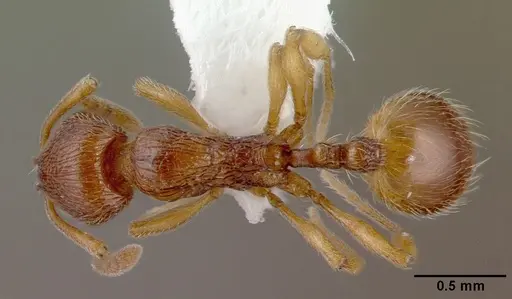
CASENT0106294
View on AntWeb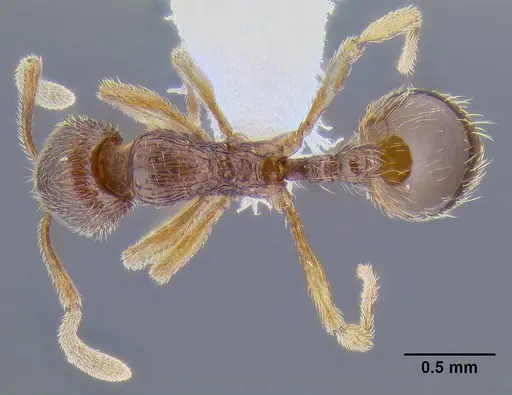
CASENT0904148
View on AntWeb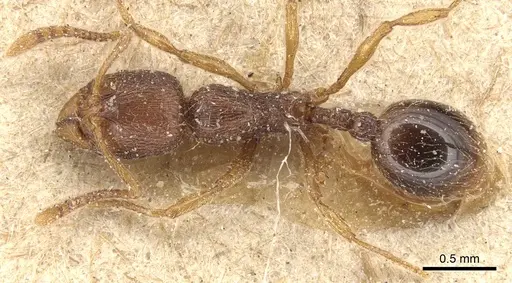
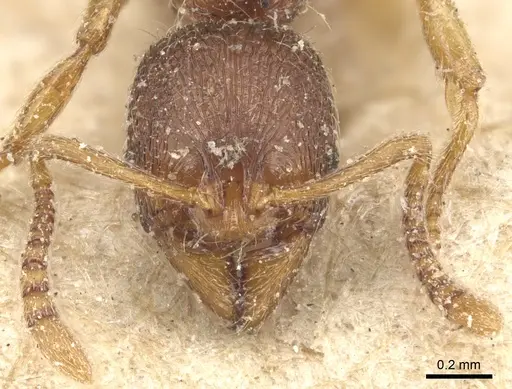
CASENT0906109
View on AntWeb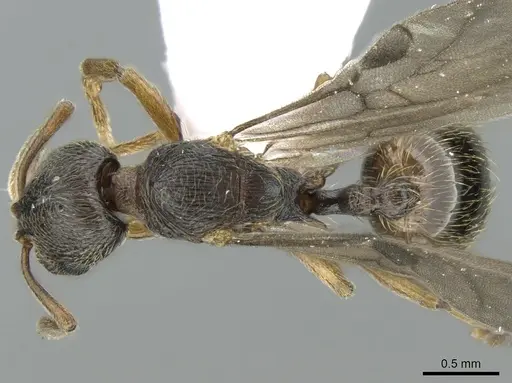
Literature
Loading distribution map...Loading products...