
Stenamma sardoum
- Sci. Name
- Stenamma sardoum
- Tribe
- Stenammini
- Subfamily
- Myrmicinae
- Author
- Emery, 1915
- Distribution
- Found in 2 countries
Introduction
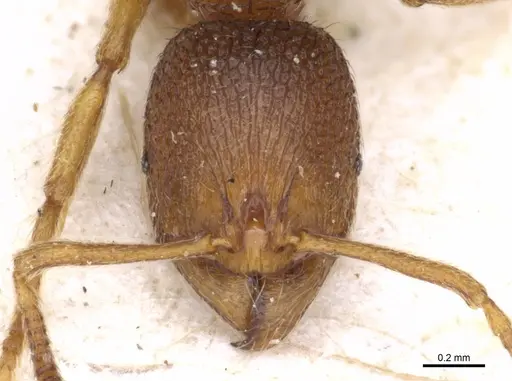
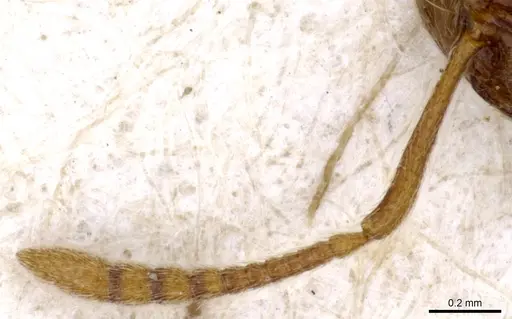
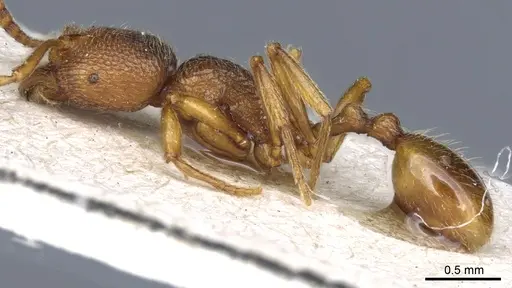
Stenamma sardoum is a small, cryptic ant that is likely a Sardinian endemic (possibly also found in Corsica) . Workers measure 3.3-4.3 mm and queens 4.4-5.0 mm, both with a distinctive rusty reddish-brown (ferrugineous) color that is paler than the related *Stenamma debile* (which is darker brown) . They belong to the westwoodii species group and can be identified by their elongated postpetiole, irregular promesonotal sculpturation, and relatively long antennal scapes . Queens look similar but have slightly different body proportions. This species occurs in mountainous forests on the island of Sardinia, making it a rare choice for antkeepers interested in Mediterranean endemics.
Quick Summary
- Difficulty: Medium
- Origin & Habitat: Sardinia, Italy (possibly Corsica), found in mountainous areas like the Gennargent mountains at Aritzo [3]. They inhabit forested zones at moderate to subalpine elevations, typical of cool, shaded microhabitats [4].
- Colony Type: Unconfirmed. Based on related *Stenamma* species, they might form single-queen (monogyne) colonies, but this has not been directly documented for this species.
- Size & Growth:
- Queen: 4.4-5.0 mm [1]
- Worker: 3.3-4.3 mm [1]
- Colony: Unknown, likely small to moderate (dozens to low hundreds of workers) based on typical *Stenamma* colony sizes, but exact numbers are unconfirmed.
- Growth: Unknown, expected slow based on related species, but no captive data is available.
- Development: Unknown for this species. Related *Stenamma* species may take 8-12 weeks at moderate temperatures, but this is just an estimate. (Development time is unconfirmed. Keep the colony undisturbed during founding, as the queen may seal herself in.)
- Antkeeping:
- Temperature: Keep at cool to moderate temperatures, roughly 18-22°C. Avoid heat above 25°C. The species prefers conditions typical of mountainous Mediterranean forests, not hot lowlands [4].
- Humidity: Unconfirmed but likely moderate to high, these are forest-floor ants that naturally encounter moist conditions. Keep the nest substrate moderately moist but not waterlogged, with some drier areas for the workers to regulate.
- Diapause: Likely required. As a temperate species from Sardinia, a winter rest period of 2-3 months at cooler temperatures (10-15°C) is plausible, but exact requirements are unknown.
- Nesting: Natural nesting behavior is unconfirmed but likely occurs in soil or under stones. In captivity, use a test tube setup for founding. For established colonies, a Y-tong (AAC) or plaster nest with moisture chambers works well. Avoid dry, heated nests.
- Behavior: Unconfirmed but inferred from the genus: likely cryptic, non-aggressive, and slow-moving. Workers probably forage on the forest floor and avoid confrontation. Escape risk is moderate due to their small size, ensure all openings are sealed with fine mesh or fluon.
- Common Issues: limited availability, this species is a Sardinian endemic and rarely available in the hobby, escape prevention needed because of small worker size (3-4 mm), no captive breeding data exists, wild-caught colonies may struggle to adapt, winter diapause is likely required but exact conditions are unconfirmed, slow or unknown growth may frustrate beginners expecting rapid colony development
Housing and Nest Setup
For founding colonies, a standard test tube setup is recommended. Fill the tube one-third with water, plug with cotton, and place the queen in the tube chamber. Keep the tube in darkness and leave it undisturbed for at least 4-6 weeks to allow the first workers (nanitics) to emerge. Since the queen may seal herself in, do not peek, just wait. For larger colonies, transfer to a Y-tong (AAC) or plaster nest with moisture chambers. These ants prefer tight, enclosed spaces, avoid large open chambers. Use fine mesh or fluon to prevent escapes, as workers are small (3-4 mm).
Feeding and Diet
Natural diet is unconfirmed. Based on typical Stenamma foraging behavior, these ants are likely generalist predators and scavengers. Offer small live prey such as fruit flies, small crickets, and pieces of mealworm. They may also accept sugar water or honey, though this should be offered sparingly. Feed small amounts every 2-3 days and remove any uneaten prey after 24 hours to prevent mold. Always provide a source of fresh water. Since this species has not been kept in captivity, you may need to experiment to find what they accept.
Temperature and Seasonal Care
Keep the nest at a cool room temperature, ideally 18-22°C. This species comes from mountainous forests and does not tolerate high heat, avoid temperatures above 25°C [4]. Provide a slight temperature gradient so workers can choose their preferred zone. A winter diapause is very likely needed. During the cold months, move the colony to a cool location (around 10-15°C) for 2-3 months. Do not feed during this period, but keep the nest humid (moisten the water reservoir). Resume normal feeding and warmth in spring.
Handling and Colony Maintenance
These ants are likely docile and easy to handle, but be gentle when moving them, coax workers into a new container instead of shaking. Monitor for mold in test tube setups, and replace the tube if it becomes excessive. For established colonies, maintain humidity by regularly adding water to the moisture chamber. Never let the nest dry out completely, as this can kill brood. Growth will be slow, so be patient, avoid disturbing the colony often. Do not try to force faster growth with excessive feeding.
Differentiating from Similar Species
The worker of Stenamma sardoum can be distinguished from the more common Stenamma debile by its distinctly paler, rusty reddish-brown color (S. debile is darker brown) [1]. The underside of the petiole and postpetiole (waist segments) are slightly more concave in profile when compared directly [1]. Separating them from Stenamma westwoodiii is more difficult and requires looking at body proportions and sculpturing of the thorax [1]. If you keep multiple Stenamma species, double-check identifications regularly to avoid mixing.
Frequently Asked Questions
How long does it take for Stenamma sardoum to raise first workers?
The exact timeline is unconfirmed. Based on related Stenamma species, expect roughly 8-12 weeks from egg to first worker at room temperature (around 20°C). The queen may seal herself in during this period, so do not disturb the test tube.
Is Stenamma sardoum a good beginner species?
This species is rated as medium difficulty. While it is likely docile, it is rarely available and almost nothing is known about its captive care. The slow growth and probable need for winter diapause require some experience. Beginners may find the limited information and availability challenging.
Do Stenamma sardoum ants sting?
The stinging ability of this species is unconfirmed. Like other Stenamma, they have a functional stinger, but they are not aggressive and rarely use it. The sting is likely mild and not a concern for keepers.
What do I feed Stenamma sardoum?
No specific diet has been recorded. Offer small insects such as fruit flies, small crickets, and mealworm pieces. They may also accept sugar water or honey. Feed small amounts every 2-3 days and remove uneaten food to prevent mold.
Does Stenamma sardoum need hibernation?
Yes, a winter diapause is likely required. As a temperate Mediterranean species, they probably need 2-3 months at cooler temperatures (10-15°C) during winter. This mimics their natural seasonal cycle.
How big do Stenamma sardoum colonies get?
Colony size is unconfirmed. Based on typical Stenamma species, colonies likely reach dozens to a few hundred workers. Growth is expected to be slow and may take several years to reach maturity.
Can I keep multiple Stenamma sardoum queens together?
This has not been documented. Based on related species, they likely form single-queen colonies. Do not attempt to combine unrelated queens, as this may result in fighting. House any foundresses separately.
Where is Stenamma sardoum found in the wild?
This species appears to be a Sardinian endemic, found only on the island of Sardinia, Italy [1]. There are unconfirmed reports from Corsica. They inhabit mountainous forested areas like the Gennargent mountains, typically at moderate to subalpine elevations [3][4].
Why is my Stenamma sardoum colony declining?
Possible causes include: improper temperature (too hot or cold), incorrect humidity (too dry or waterlogged), lack of winter diapause, poor nutrition, or disease. Review your setup and ensure the queen is still alive. Because this species is poorly studied, adjustments may be needed based on trial and error.
When should I move Stenamma sardoum to a formicarium?
Wait until the colony has at least 20-30 workers before transferring from a test tube. The colony should be actively foraging and consuming food. Make the transition gradual, connect the test tube to the formicarium and allow workers to explore before moving the queen.
Report an Issue
The current care sheet is based fully on literature. See inconsistencies, or something that's incorrect? Please , it will be resolved after review from an admin. Contributing to the blogs tab also helps providing information, to make us be able to further improve the caresheets. Thank you for your support!
References

This caresheet is licensed under CC BY-SA 4.0 .
Community Blogs
CASENT0904150
View on AntWeb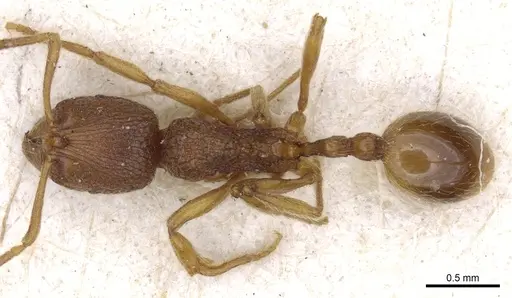
Literature
Loading distribution map...Loading products...