
Stenamma maximon
- Sci. Name
- Stenamma maximon
- Tribe
- Stenammini
- Subfamily
- Myrmicinae
- Author
- Branstetter, 2013
- Distribution
- Found in 4 countries
Introduction
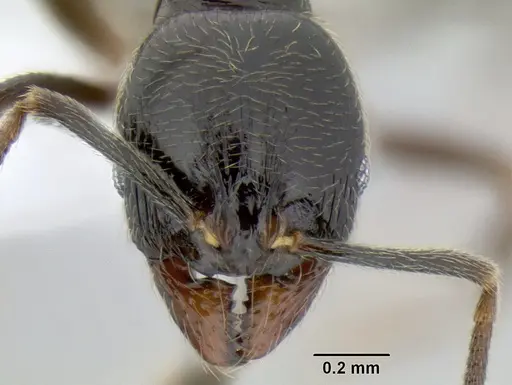
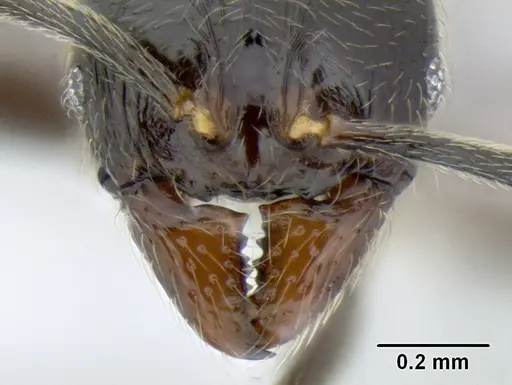
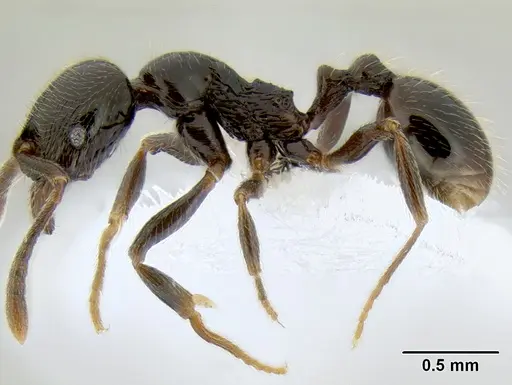
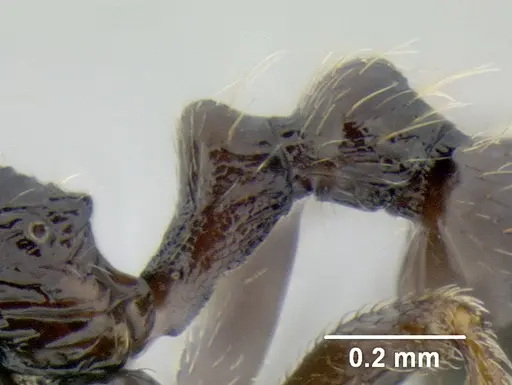
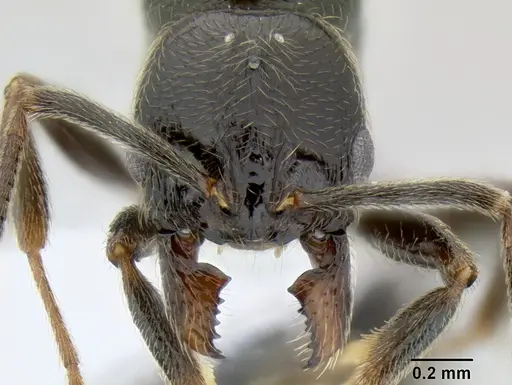
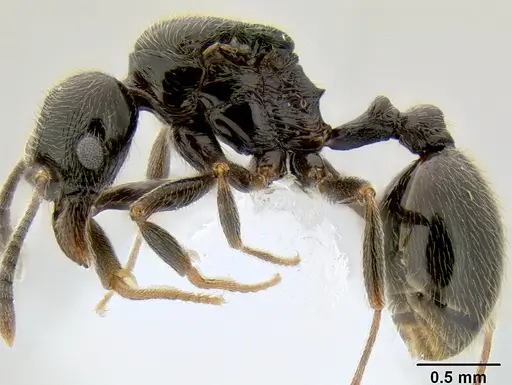
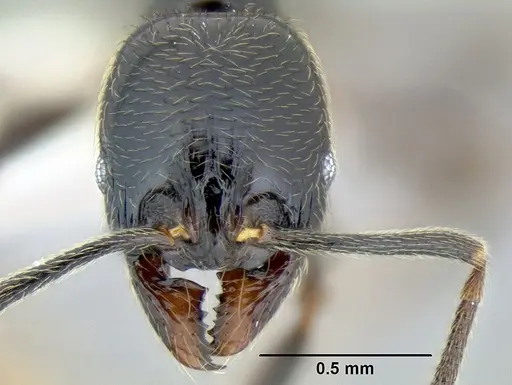
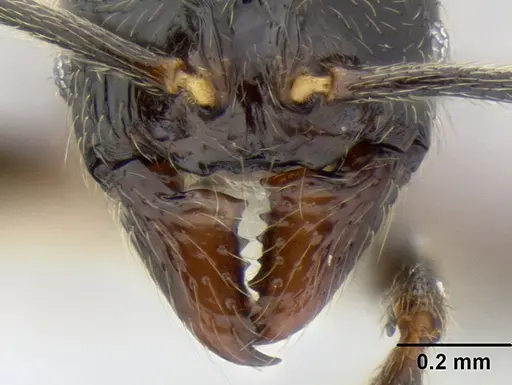
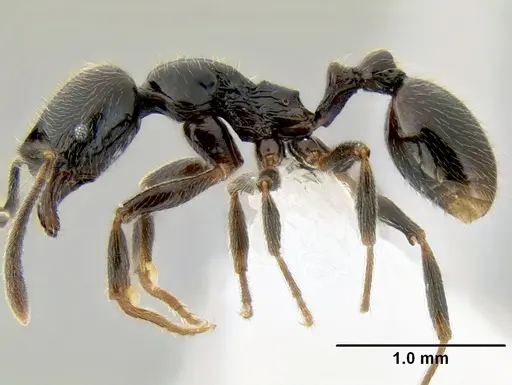
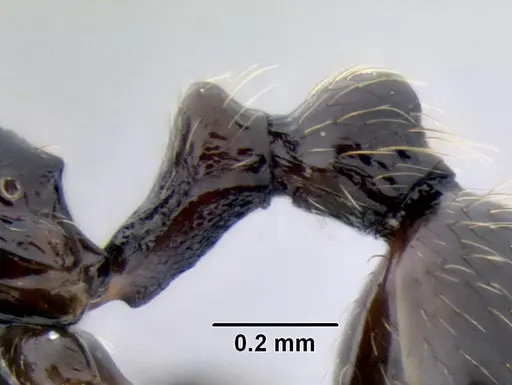
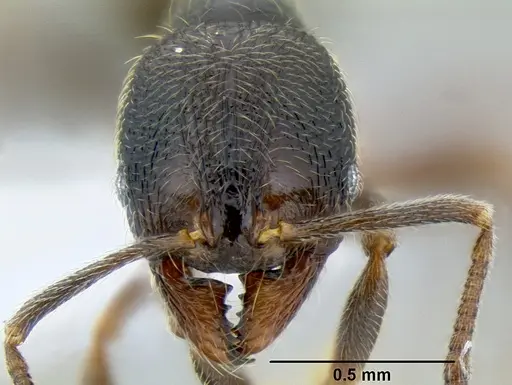
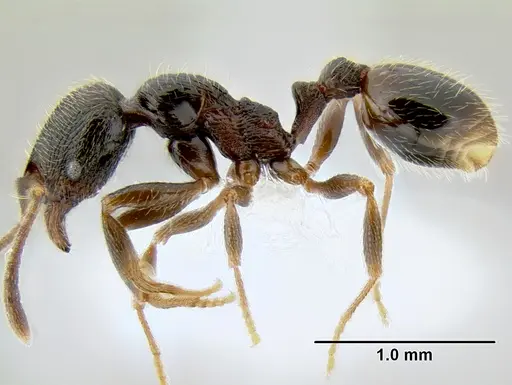
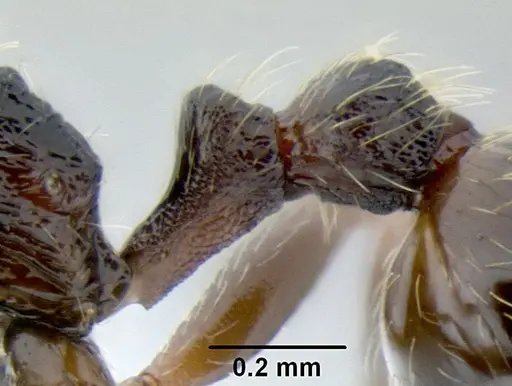
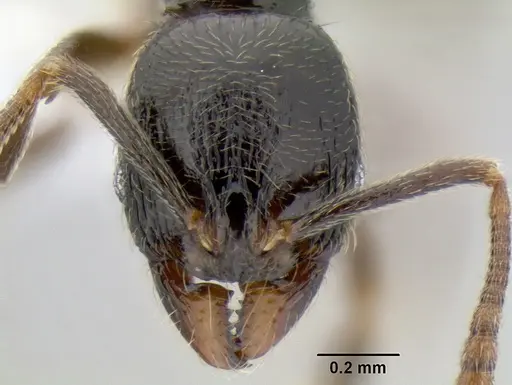
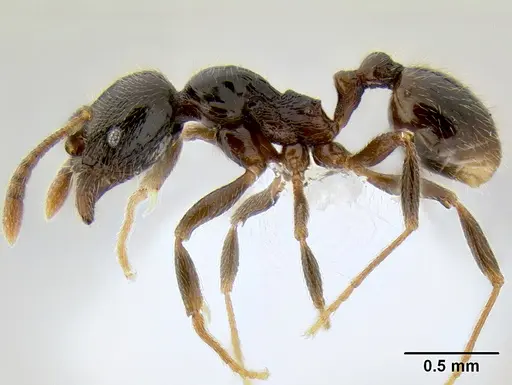
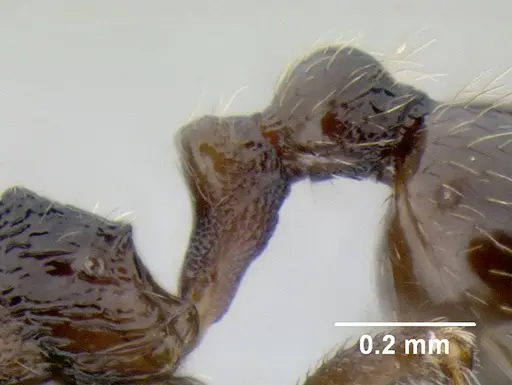
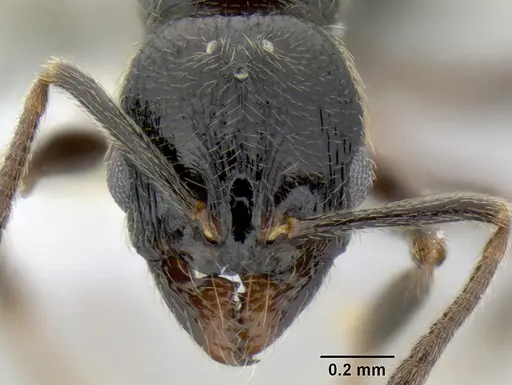
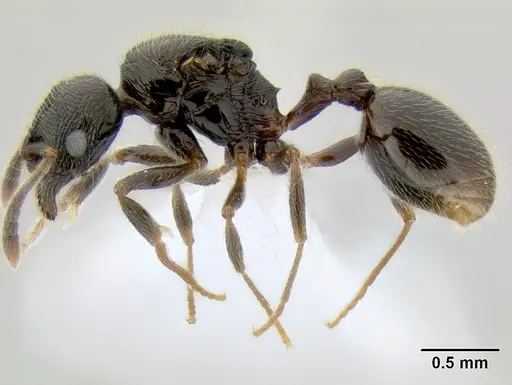
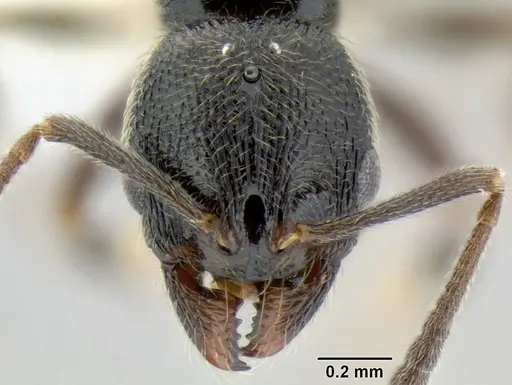
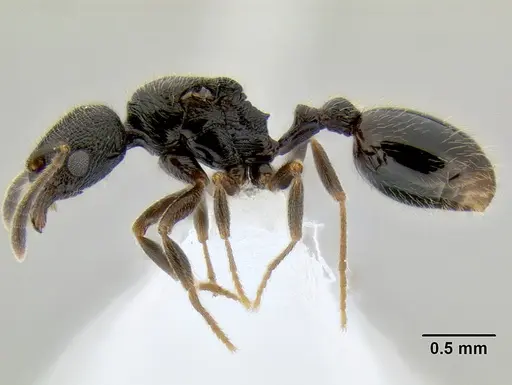
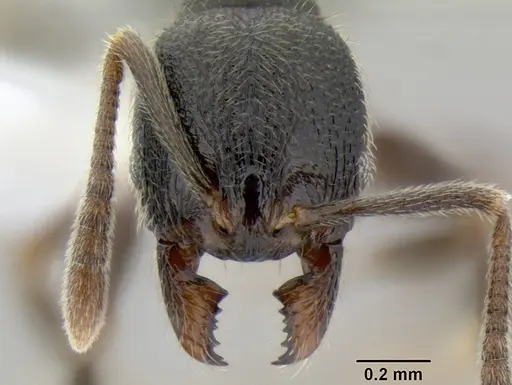
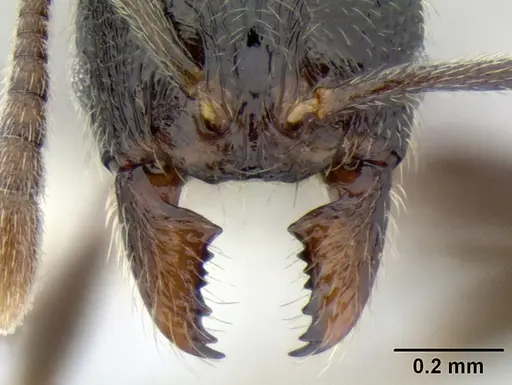
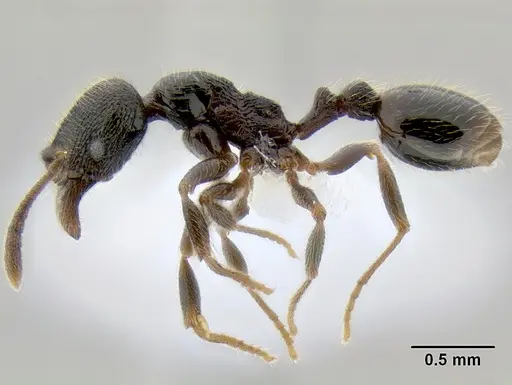
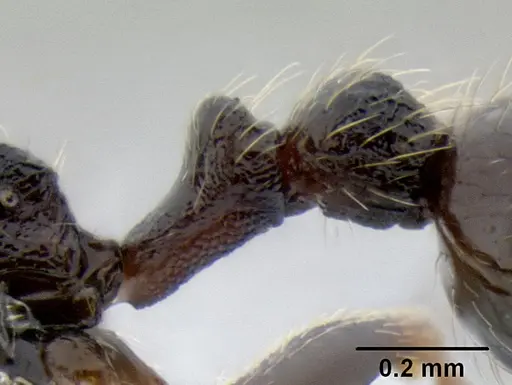
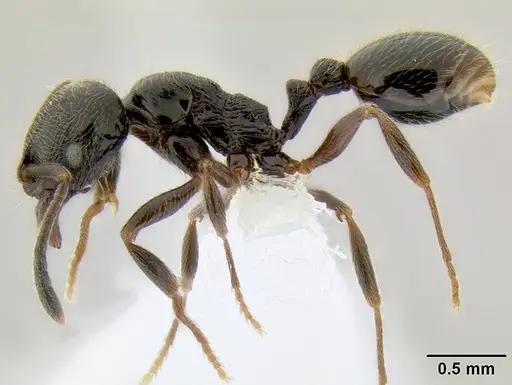
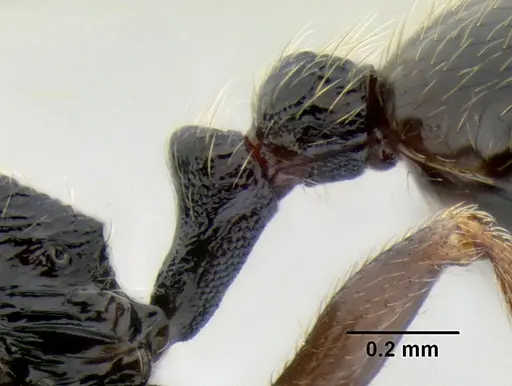
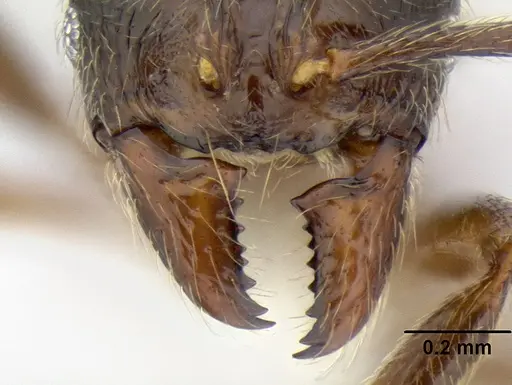
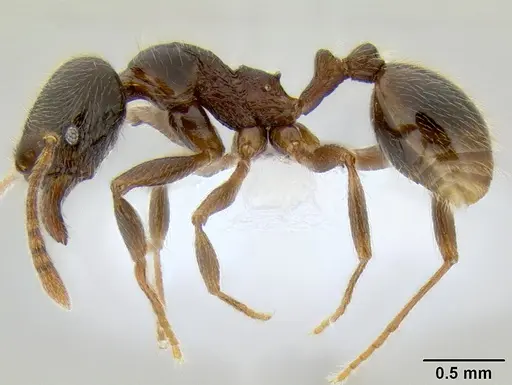
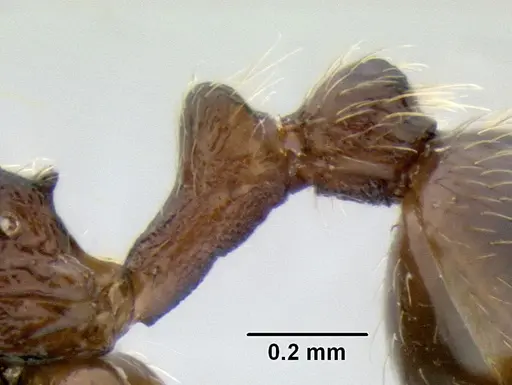
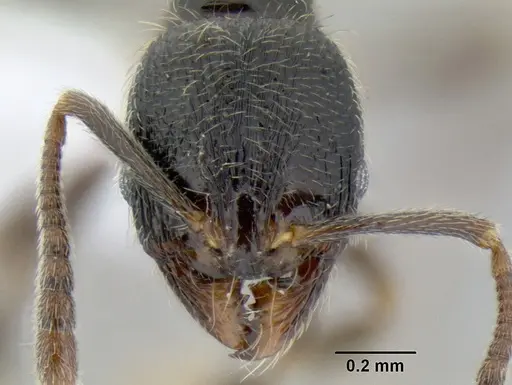
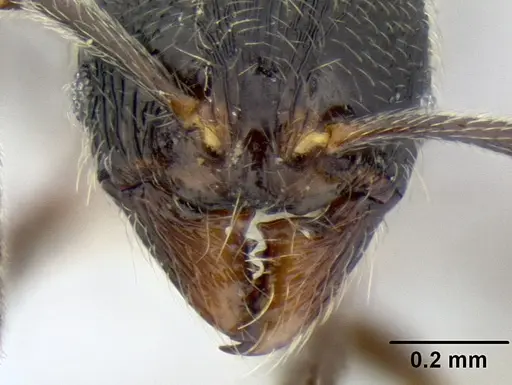
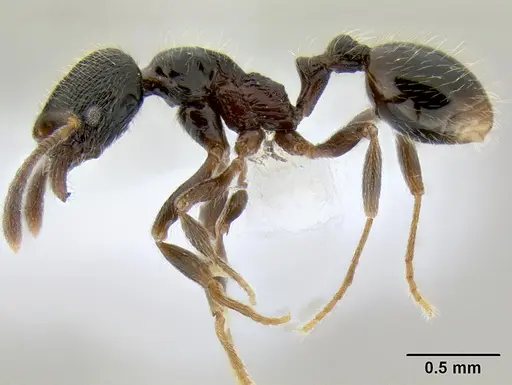
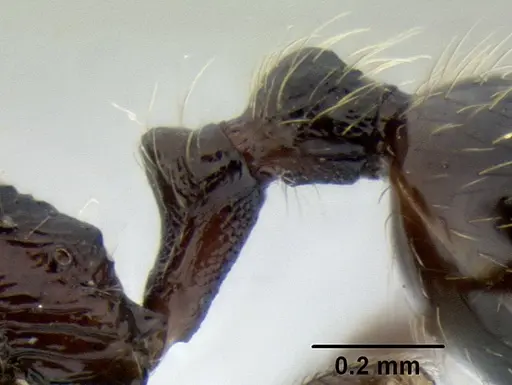
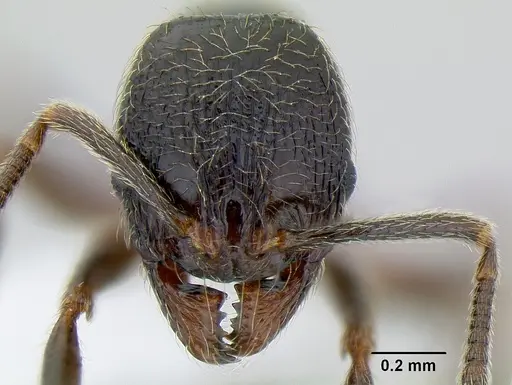
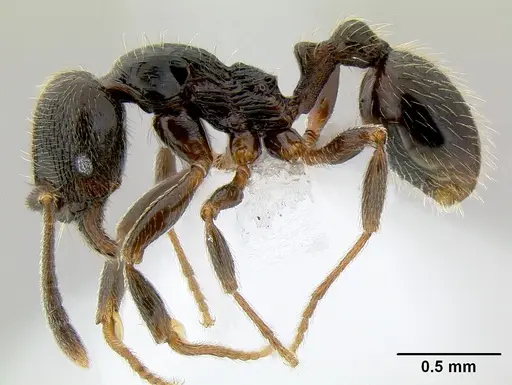
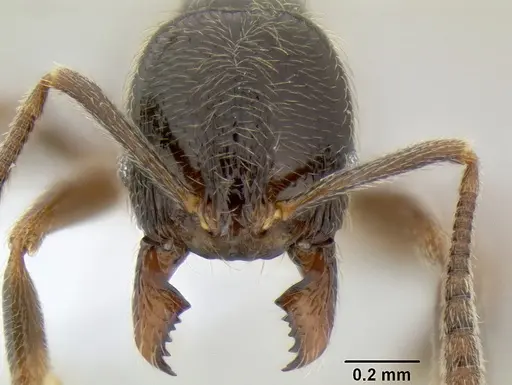
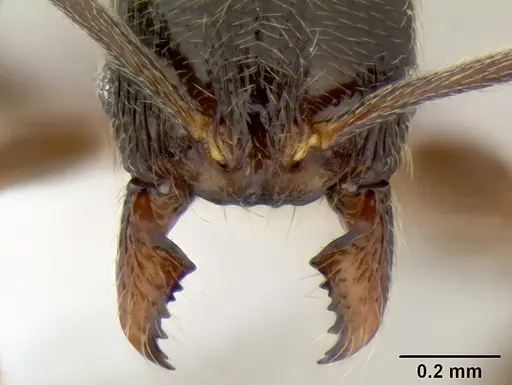
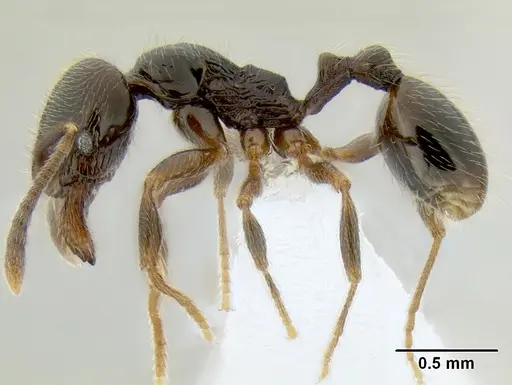
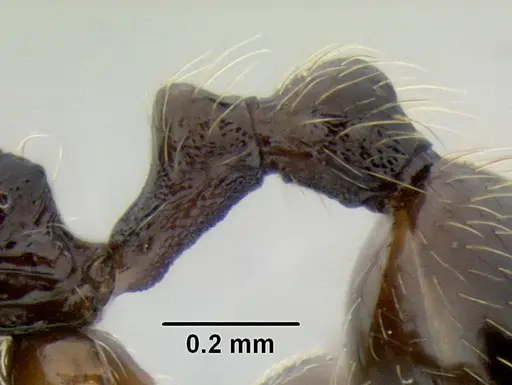
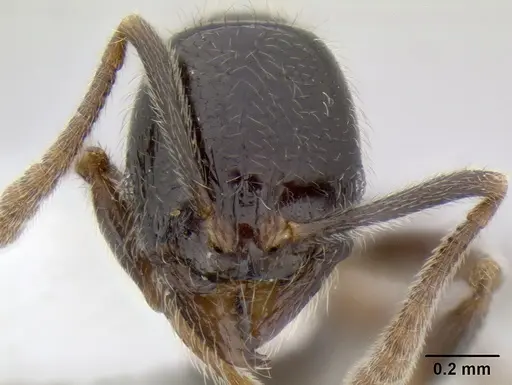
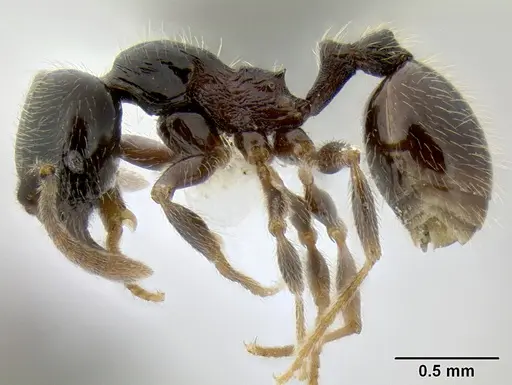
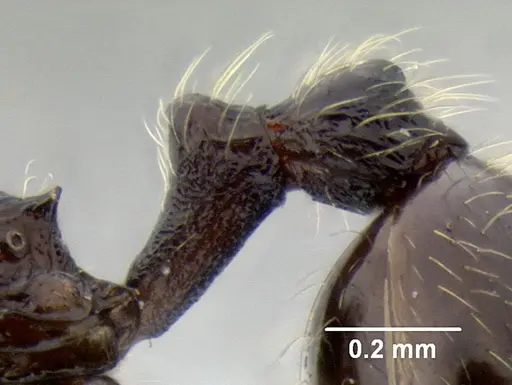
Stenamma maximon is a medium-sized ant species native to high elevation wet forests of southern Mexico through Honduras . It has a dark brown to black integument and a distinctive bulging postpetiole that looks larger than the petiolar node . The species lives in cloud forests and wet oak-pine forests at 1700-2800 meters elevation, where it nests in small rotting logs and forages both within leaf litter and on the surface . Described in 2013 by Michael Branstetter, its name comes from the folk saint Maximón worshipped in highland Guatemala . What makes this species interesting is its dual foraging strategy: workers actively search above the leaf litter and are commonly attracted to cookie baits, making them more visible than most leaf-litter ants . This gives keepers a rare window into the behavior of a typically cryptic group.
Quick Summary
- Difficulty: Medium
- Origin & Habitat: High elevation wet forests (cloud forest, wet oak forest, hardwood forest, wet oak-pine forest) of southern Mexico to Honduras,1700-2800 m elevation [1][2]
- Colony Type: Unconfirmed. Based on genus-level patterns, likely monogyne (single queen) but no species-specific data available.
- Size & Growth:
- Queen: Size data unavailable, described as medium-sized for the genus, but total length not provided [1][2].
- Worker: Size data unavailable, described as medium-sized for the genus, but total length not provided [1][2].
- Colony: Unknown. No documented colony size estimates.
- Growth: Unknown. No data available.
- Development: Unknown. No specific studies on development time, expect several months based on highland origin. (All development estimates are speculative, no published data exist for this species.)
- Antkeeping:
- Temperature: Likely 18-22 °C based on high elevation cloud forest habitat. Avoid sustained temperatures above 25 °C.
- Humidity: High humidity required, keep nest substrate consistently moist but not waterlogged.
- Diapause: Unknown. High elevation suggests possible winter cooling, but requirements are unconfirmed. If attempting, provide a 2-3 month period at 10-15 °C with reduced feeding and monitor colony response.
- Nesting: Natural nests in small rotting logs and under rocks in leaf litter [2]. In captivity, use a Y-tong, plaster, or soil nest with good moisture retention. Naturalistic setups with moist substrate and small chambers work well.
- Behavior: Workers are active foragers that search both within the leaf litter and on the surface [2]. They are not aggressive and will flee rather than defend. Their moderate size (for a Stenamma) makes them less prone to escaping through fine gaps. Escape risk is low to moderate, standard barriers (fluon or oil) are sufficient.
- Common Issues: high humidity needs can lead to mold if ventilation is poor, cool temperature requirements are hard to maintain in warm climates without active cooling, slow or uncertain growth may frustrate keepers expecting rapid colony development, wild-caught colonies may carry parasites or pathogens that cause die-offs, nest substrate drying out quickly in typical setups, frequent rehydration or a water reservoir is needed
Housing and Nest Setup
Stenamma maximon does well in naturalistic setups that mimic its leaf‑litter habitat [2]. Fill a container with moist forest floor substrate (a mix of soil, leaf litter, and small pieces of rotting wood), this creates the humidity and foraging environment they need. Alternatively, use a Y-tong or plaster nest with well‑hydrated plaster to maintain moisture. Avoid large, open spaces, they prefer tight, enclosed chambers. A small outworld for foraging completes the setup. Because they forage on the surface, you will see them actively hunting and exploring much more than other leaf‑litter species [2].
Temperature and Humidity
This species comes from high‑elevation cloud forests, so it requires cool conditions. Keep temperatures between 18 and 22 °C, significantly cooler than most tropical ants. If your room runs warm, place the setup in a cooler spot or use gentle cooling (e.g., a cool basement or a small fan). High humidity is essential: the nest substrate should stay consistently moist but not waterlogged. Aim for a relative humidity around 70-85%, a water reservoir connected to the nest helps maintain this. Mist the outworld occasionally, but focus on keeping the nest area humid. Ensure some ventilation to prevent mold, which thrives in stagnant, wet conditions. [2]
Feeding and Diet
In the wild, S. maximon workers are generalist foragers. They hunt small invertebrates in leaf litter and also scavenge, and they are readily attracted to sweet baits like cookie crumbs [2]. In captivity, offer a varied diet: small live prey (fruit flies, pinhead crickets, or small mealworms) for protein, and sugar water, honey, or diluted syrup for carbohydrates. Feed protein 2-3 times per week and keep a constant sugar source available. Remove uneaten prey after 24-48 hours to prevent mold. These active foragers benefit from regular feeding schedules that allow them to hunt and carry food back to the nest.
Colony Development
No specific data on colony growth are available for this species [1][2]. Based on related Stenamma and their high‑altitude habitat, development is likely slow, especially during the founding stage. The queen may raise her first brood without leaving the nest, a common pattern in leaf‑litter ants, but this has not been confirmed. Be patient: expect at least several months before the first workers appear. Once workers emerge, colony growth remains moderate. Young colonies are fragile and sensitive to fluctuations in temperature and humidity.
Seasonal Care and Winter Rest
Stenamma maximon comes from a seasonally variable high‑elevation environment. While specific diapause requirements are unconfirmed, many cloud‑forest ants benefit from a cooler rest period in winter. To mimic natural conditions, you can lower the temperature to 10-15 °C for 2-3 months during the colder months. Reduce feeding during this time, offer only occasional sugar water. Do not expect growth during this period. After the rest, slowly raise the temperature back to normal and resume regular feeding. If you choose not to provide a cooling period, the colony may still survive, but its long‑term health could suffer. [2]
Frequently Asked Questions
Is Stenamma maximon a good beginner ant?
Stenamma maximon is a medium‑difficulty species. Its specific temperature and humidity needs (cool and humid) make it better suited for keepers with some experience maintaining stable conditions. Beginners might struggle to keep temperatures low enough and humidity high enough consistently.
What temperature do Stenamma maximon ants need?
Keep them at 18-22 °C. This is a high‑elevation cloud‑forest species that prefers cooler conditions than most ants. Avoid temperatures above 25 °C, which can stress or kill the colony. If your room is warm, find a cooler location or use gentle cooling methods.
How long does it take for Stenamma maximon to raise first workers?
No specific data exist. Based on similar high‑elevation Stenamma and Myrmicinae, it likely takes several months from egg to first worker at optimal temperature (around 20 °C). The founding phase is slow, so be patient.
Can I keep multiple Stenamma maximon queens together?
Not recommended. The species is suspected to be monogyne (single queen), and no data support pleometrosis (multiple queens). House each queen separately in individual founding setups to avoid aggression.
Do Stenamma maximon ants sting?
Stenamma maximon belongs to the subfamily Myrmicinae, which typically have a functional stinger. However, they are not aggressive and will flee rather than defend. The sting is mild and rarely used unless the ant is directly threatened or handled roughly [2].
What do Stenamma maximon eat?
They are generalist foragers. Offer small live prey (fruit flies, small crickets, mealworms) for protein and sugar sources (sugar water, honey, or syrup) for carbohydrates. They readily accept both and actively hunt for food [2].
How big do Stenamma maximon colonies get?
Colony size is not documented. No published estimates exist, so it is best to assume colonies remain relatively small, likely no more than a few hundred workers [1][2].
Do Stenamma maximon need hibernation?
Probably yes. As a high‑elevation species from a seasonal environment, a winter rest period may benefit the colony. Provide 2-3 months at 10-15 °C with reduced feeding. However, specific requirements are unconfirmed, so monitor your colony’s behavior and adjust accordingly.
Why are my Stenamma maximon dying?
Common causes: temperatures too warm (above 25 °C), humidity too low or fluctuating, mold from poor ventilation, or parasites from wild‑caught colonies. Check temperature and humidity first. If the colony was wild‑caught, parasites are a common cause of decline [2].
When should I move Stenamma maximon to a formicarium?
Wait until the colony has at least 20-30 workers before moving to a formicarium. For this species, a naturalistic setup with moist substrate often works better than traditional formicariums. They prefer tight chambers and a humid environment.
What makes Stenamma maximon special compared to other ants?
Their dual foraging strategy sets them apart, unlike many leaf‑litter ants that stay hidden, S. maximon workers actively forage on the surface and are commonly attracted to baits, making them more observable. Their high‑elevation cloud‑forest origin also gives them unique temperature needs compared to most commonly kept ants [2].
Report an Issue
The current care sheet is based fully on literature. See inconsistencies, or something that's incorrect? Please , it will be resolved after review from an admin. Contributing to the blogs tab also helps providing information, to make us be able to further improve the caresheets. Thank you for your support!
References

This caresheet is licensed under CC BY-SA 4.0 .
Community Blogs
CASENT0603886
View on AntWeb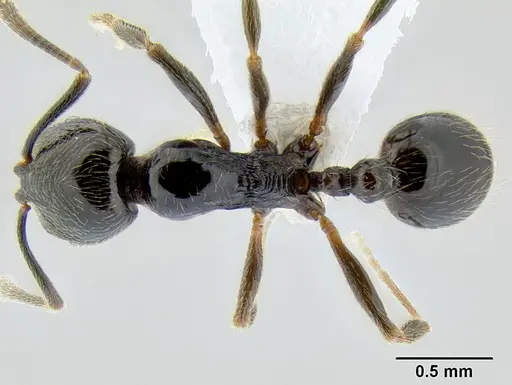
CASENT0604871
View on AntWeb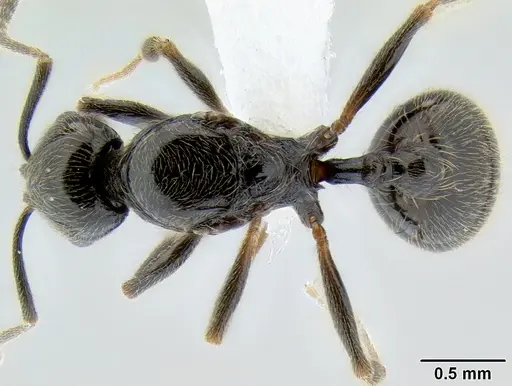
CASENT0604875
View on AntWeb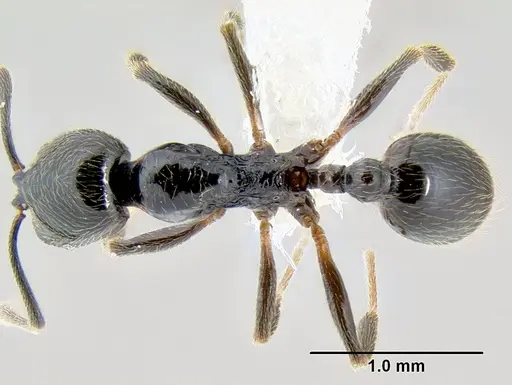
CASENT0605063
View on AntWeb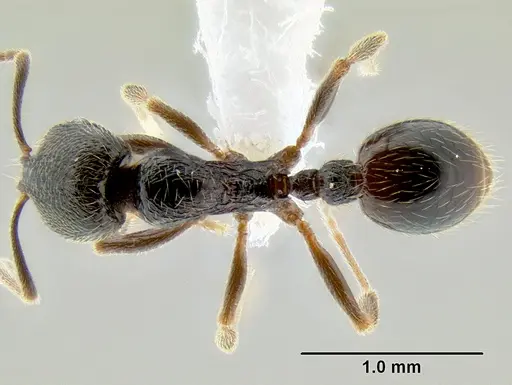
CASENT0605089
View on AntWeb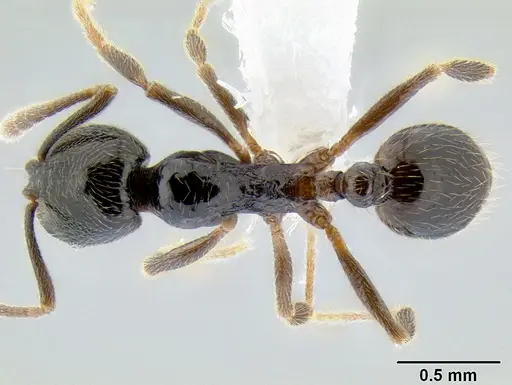
CASENT0605131
View on AntWeb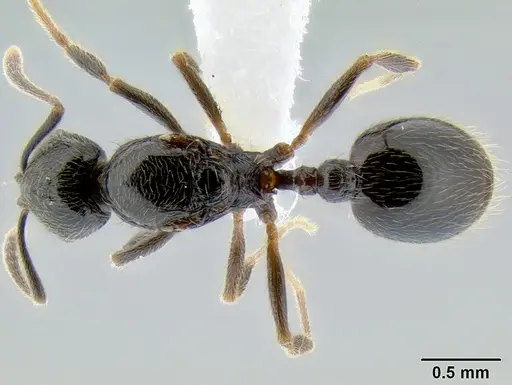
CASENT0605135
View on AntWeb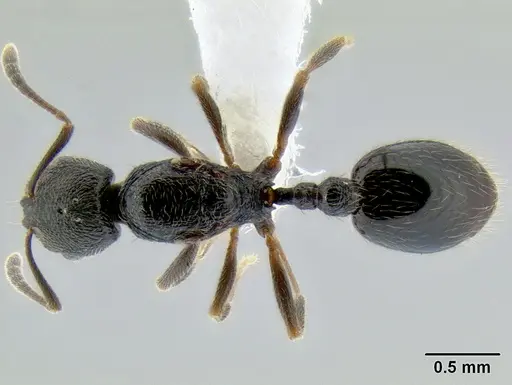
CASENT0605136
View on AntWeb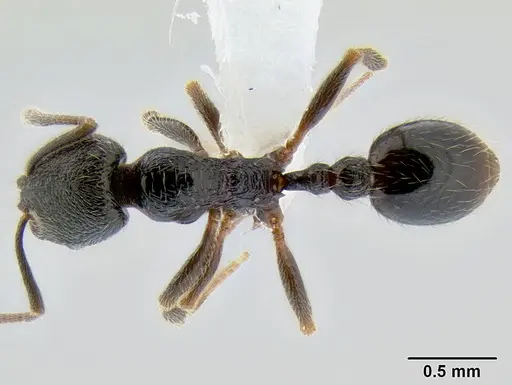
CASENT0605240
View on AntWeb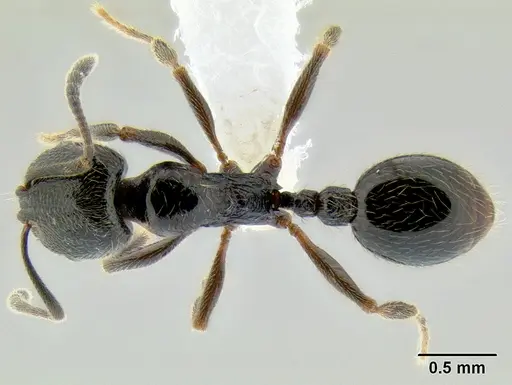
CASENT0605448
View on AntWeb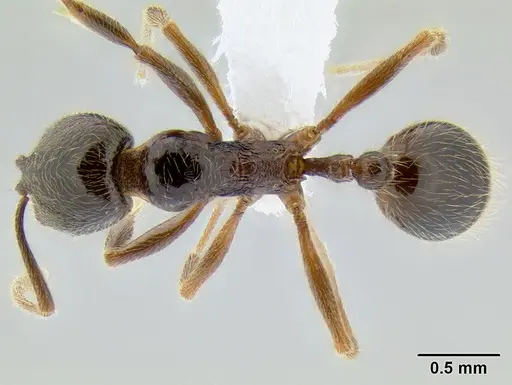
CASENT0606136
View on AntWeb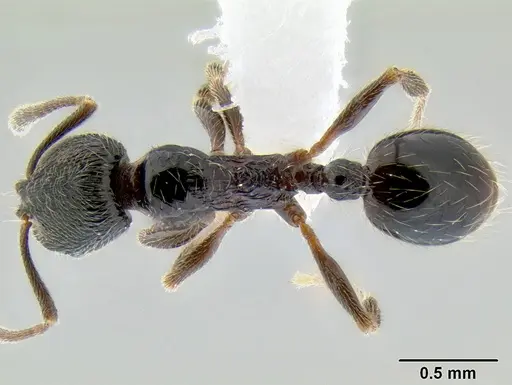
CASENT0621541
View on AntWeb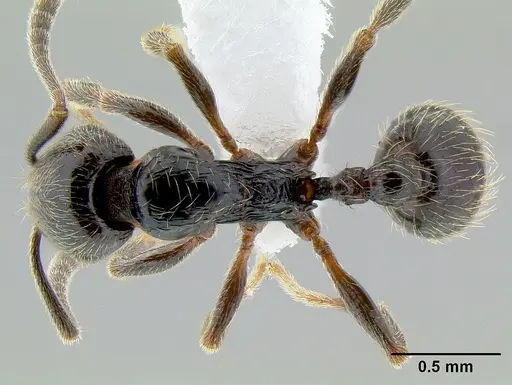
CASENT0621635
View on AntWeb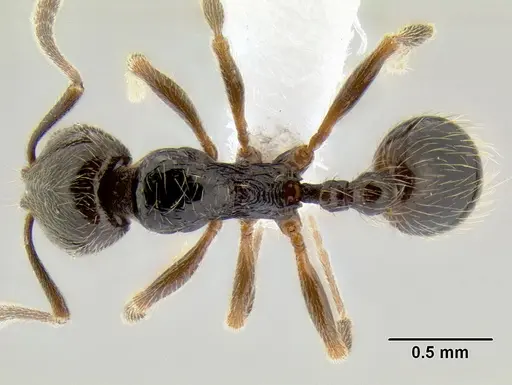
CASENT0623062
View on AntWeb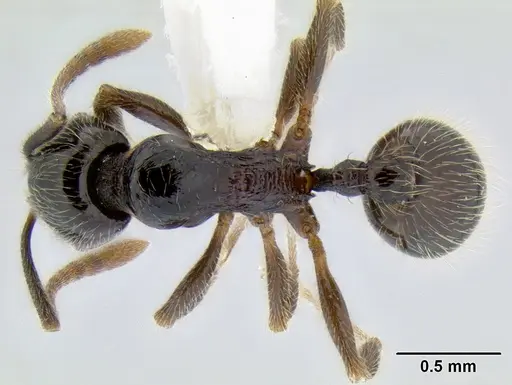
Literature
Loading distribution map...Loading products...