
Stenamma jeriorum
- Sci. Name
- Stenamma jeriorum
- Tribe
- Stenammini
- Subfamily
- Myrmicinae
- Author
- DuBois, 1998
- Distribution
- Found in 1 countries
Introduction
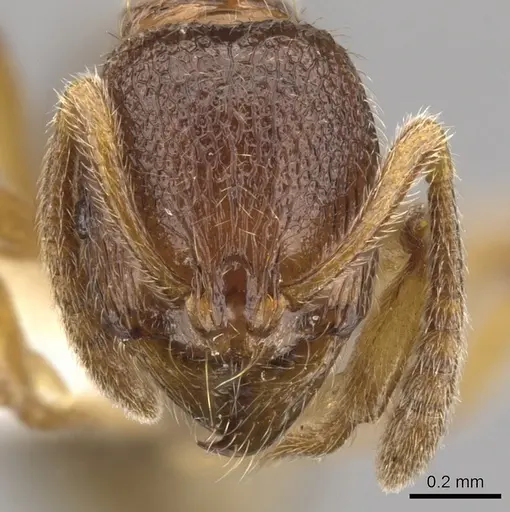
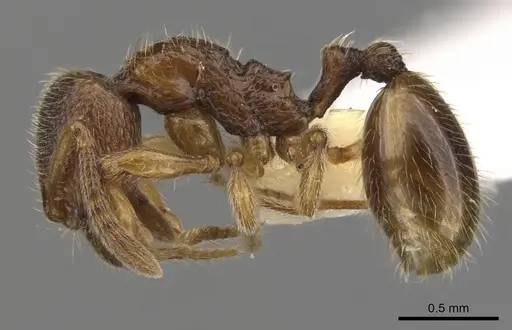
Stenamma jeriorum is a small, cryptic ant species endemic to Pakistan, known only from the type locality of Malan Jabba in the Swat Valley mountains . Workers have strongly convex sides of the head, propodeal spines shorter than the propodeal plates, and antennal scapes that do not reach the occipital corners . The species belongs to the westwoodii group within the genus Stenamma and inhabits the Palearctic biogeographic region at approximately 34°N latitude, indicating a preference for cooler, temperate conditions . As a member of the Myrmicinae subfamily, it possesses a functional stinger for defense.
Quick Summary
- Difficulty: Hard
- Origin & Habitat: Endemic to Pakistan, known only from Malan Jabba in the Swat Valley mountains [1]. The type locality is a high-altitude location in the Hindu Kush range, suggesting a montane habitat.
- Colony Type: Likely monogyne based on typical Stenamma colony structure, but not confirmed by direct study. Colony sizes are expected to remain small.
- Size & Growth:
- Queen: Unknown, estimated ~5-7 mm based on typical Stenamma queen sizes (inferred from genus).
- Worker: Unknown, estimated ~3-5 mm based on typical Stenamma worker sizes (inferred from genus).
- Colony: Unknown, likely under 200 workers based on typical Stenamma colony sizes (inferred from genus).
- Growth: Slow (inferred from genus patterns).
- Development: Unknown, no direct data. Based on related Myrmicinae species, an estimate of 8-12 weeks is possible but speculative. (Direct development data is unavailable, all estimates are inferred from genus-level patterns and should be treated with caution.)
- Antkeeping:
- Temperature: Keep nest temperatures cool, around 18-22°C, based on Palearctic high-altitude habitat. Avoid prolonged exposure above 25°C [4].
- Humidity: No specific data. As a likely soil-nesting species, maintain moderate humidity with moist substrate, good ventilation, and a humidity gradient if possible to prevent mold.
- Diapause: Yes, likely requires a winter dormancy period like other Palearctic species. Provide 2-3 months at 5-10°C from November to February. This is inferred from geographic range [4].
- Nesting: Likely nests in soil or rotting wood in shaded forest habitats. In captivity, test tube setups work well for founding, with options to move to Y-tong (AAC) or naturalistic setups once established.
- Behavior: Cryptic and secretive. Stenamma ants are not aggressive and will retreat rather than fight. Their small size makes them capable of escaping through tiny gaps, so ensure a tight seal on the outworld. Use Fluon or similar barriers on exposed surfaces.
- Common Issues: very limited scientific data on captive care, most recommendations are inferred from genus-level patterns., slow growth rate and small colony size may frustrate keepers expecting rapid development., requires cool temperatures year-round, may struggle in warm climates without cooling., proper hibernation is critical for long-term health, failure to provide diapause can weaken or kill the colony., wild-caught colonies are extremely rare due to the species' very limited endemic range in Pakistan.
Temperature and Seasonal Care
As a Palearctic species from high-altitude Pakistan, Stenamma jeriorum likely prefers cool temperatures. Aim for a nest area around 18-22°C, avoiding prolonged exposure above 25°C [4]. During winter (roughly November to February in the Northern Hemisphere), provide a diapause period by reducing temperatures to 5-10°C for 2-3 months. This mimics the natural seasonal cycle of its mountain habitat. Failure to provide proper hibernation can weaken the colony over time. Use a refrigerator or cool basement for winter housing, ensuring temperatures stay above freezing but remain consistently cold. Avoid heating during diapause, it is a rest period, not active growth [4]. Note that these recommendations are inferred from geographic range and genus patterns, direct studies on this species do not exist.
Housing and Nest Setup
For founding colonies, a simple test tube setup works well. Ensure the water reservoir maintains humidity without risk of flooding. Stenamma ants prefer dark, concealed nesting sites, so provide a darkness barrier if using a transparent nest. As the colony grows, you can move to a Y-tong (AAC) nest or a naturalistic setup with soil substrate. The outworld should be small and secure, these ants are small and can escape through tiny gaps, so apply Fluon or similar barriers on exposed surfaces. Specific nest preferences for this species are unstudied, so observe your colony and adjust based on their behavior.
Feeding and Diet
Stenamma ants are likely omnivorous predators, similar to other members of the genus. Offer protein sources such as small insects (fruit flies, small mealworms, pinhead crickets) and provide sugar water or honey as an energy source. In the wild, they probably forage for small arthropods and honeydew from aphids. Feed prey items that match the worker size, avoid offering anything larger than the workers themselves. Remove uneaten prey after 24-48 hours to prevent mold. Sugar water should be available constantly, refreshed every few days. Feed every 2-3 days for established colonies, adjusting based on consumption rates. These recommendations are based on genus-level patterns, as specific dietary studies for this species are lacking.
Growth and Development
Colony growth is expected to be slow, typical of cryptic Stenamma species. The founding queen likely remains sealed in her chamber for several weeks until the first workers emerge, but direct data for this species is unavailable. After founding, growth will be gradual, expect months to reach even tens of workers. Maximum colony size is likely under 200 workers based on typical genus patterns. This slow growth is normal for the species and should not be interpreted as a problem. Avoid the temptation to overfeed in an attempt to speed growth, this typically leads to mold problems rather than faster development. Patience is essential with this species.
Frequently Asked Questions
How long does it take for Stenamma jeriorum to produce first workers?
The exact timeline is unknown for this species. Based on related Stenamma species and Myrmicinae patterns, a rough estimate is 8-12 weeks from egg to first worker at optimal temperatures around 20°C. However, this is speculative and not confirmed by direct observation.
Do Stenamma jeriorum ants need hibernation?
Likely yes, as a Palearctic species from high-altitude Pakistan. Provide 2-3 months of reduced temperatures (5-10°C) during winter, typically from late autumn through early spring. This inference comes from its geographic range [4]. Failure to provide proper diapause can weaken and eventually kill the colony.
How big do Stenamma jeriorum colonies get?
Colony size is expected to remain small, likely under 200 workers at maturity. This is typical for the Stenamma genus, which consists of cryptic ants that maintain modest colony sizes. No direct data exists for this species.
What do Stenamma jeriorum ants eat?
They are presumably omnivorous. Offer small live or dead insects (fruit flies, small mealworms, pinhead crickets) as protein, and provide sugar water or honey consistently. Remove uneaten prey after 24-48 hours to prevent mold issues.
Can I keep Stenamma jeriorum in a test tube?
Yes, test tubes work well for founding colonies. Ensure proper humidity maintenance and avoid flooding the tube. Once the colony outgrows the setup, consider moving to a larger nest like Y-tong or a naturalistic terrarium.
Are Stenamma jeriorum ants aggressive?
No, Stenamma ants are cryptic and non-aggressive. They will typically retreat rather than engage in confrontation. Their sting is present (Myrmicinae) but they rarely use it, preferring to escape threats.
What temperature is ideal for Stenamma jeriorum?
Keep nest temperatures between 18-22°C. This Palearctic species prefers cooler conditions than tropical ants and may struggle above 25°C [4]. Room temperature in most homes is likely appropriate, but monitor during summer heat waves.
Is Stenamma jeriorum suitable for beginners?
No, this species is not recommended for beginners. Scientific data on captive care is extremely limited, growth is slow, and proper hibernation requirements must be met. Additionally, wild-caught colonies are essentially unavailable due to their extremely limited endemic range in Pakistan [1].
Where is Stenamma jeriorum found in the wild?
This species is endemic to Pakistan, known only from Malan Jabba in the Swat Valley region. It belongs to the Palearctic biogeographic region and represents an extremely limited distribution [1][2].
Do Stenamma jeriorum queens fight?
Stenamma species are typically monogyne (single-queen colonies). If you obtain multiple founding queens, they should not be housed together as they are not known to found colonies pleometrotically (multiple queens founding together). Keep each queen in separate setups.
Report an Issue
The current care sheet is based fully on literature. See inconsistencies, or something that's incorrect? Please , it will be resolved after review from an admin. Contributing to the blogs tab also helps providing information, to make us be able to further improve the caresheets. Thank you for your support!
References

This caresheet is licensed under CC BY-SA 4.0 .
Community Blogs
CASENT0900947
View on AntWeb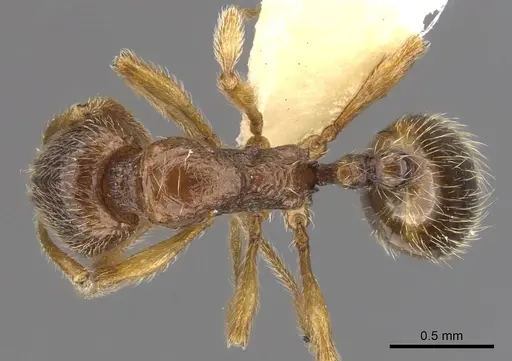
Literature
Loading distribution map...Loading products...