
Stenamma impar
- Sci. Name
- Stenamma impar
- Tribe
- Stenammini
- Subfamily
- Myrmicinae
- Author
- Forel, 1901
- Distribution
- Found in 2 countries
Introduction
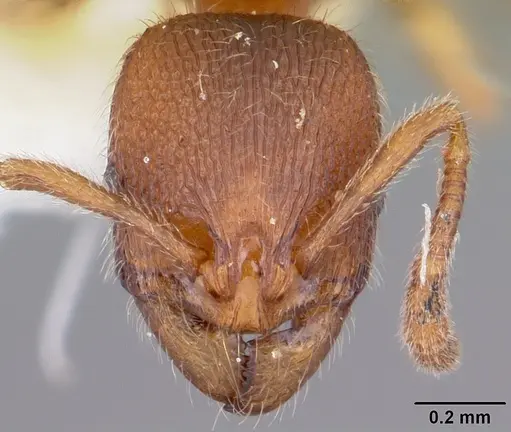
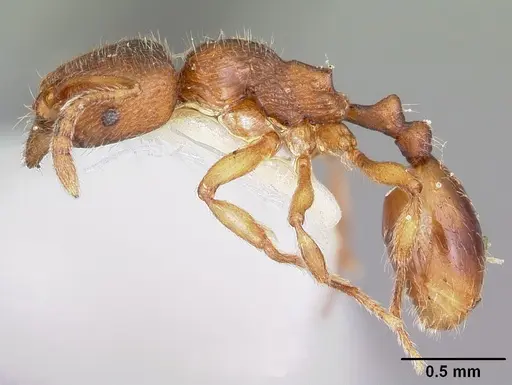
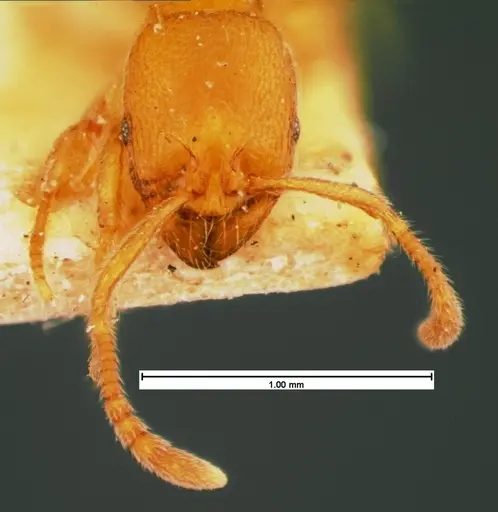
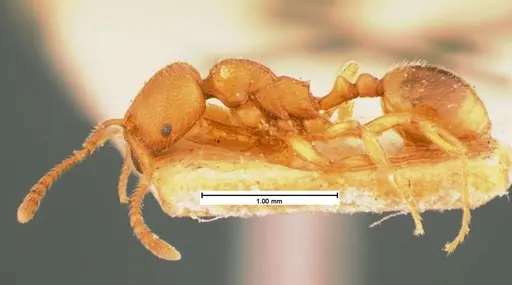
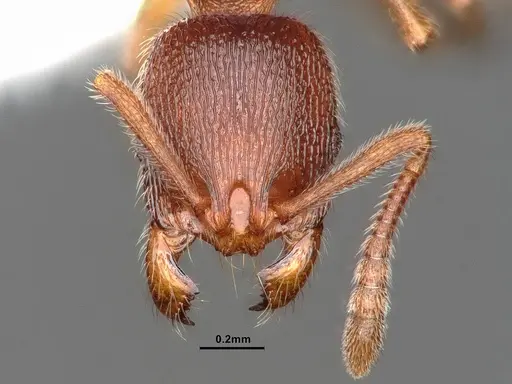
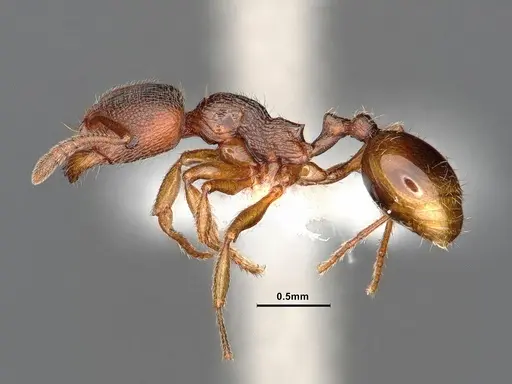
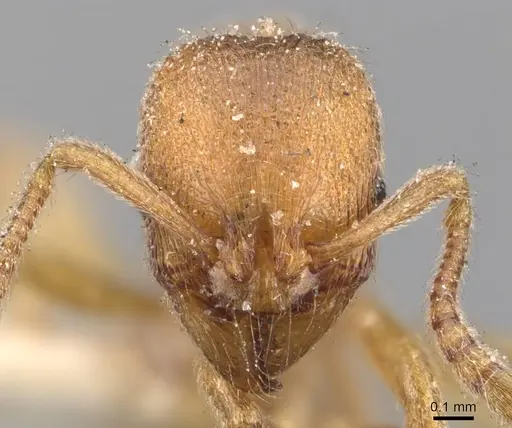
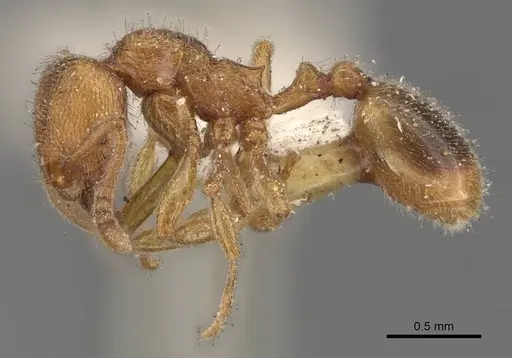
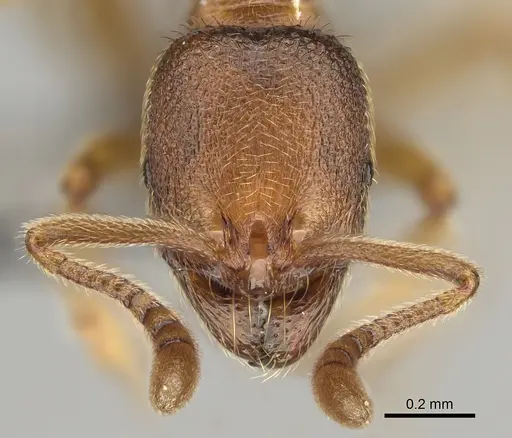
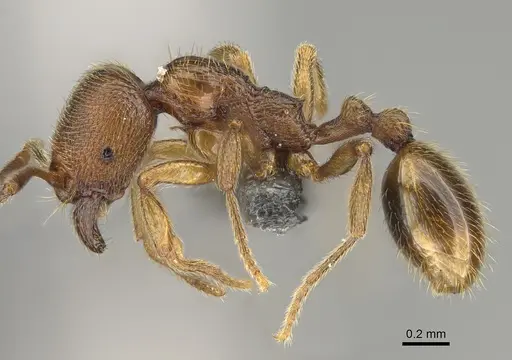
Stenamma impar is a small, slender ant native to eastern North America, ranging from Massachusetts to Georgia and west to North Dakota, Illinois, and Missouri . Workers measure 2.3-2.7 mm with a light brown to yellowish-brown body, and the gaster typically has a dark transverse band near the middle . The species has a small eye with only 5-6 ommatidia, a distinctly angular petiolar node in side view, and fine body sculpturing . Queens are larger at 3.2-3.5 mm and produce winged reproductives in late summer . This woodland species forages in leaf litter and is most active during cooler months (late fall through early spring) . It nests in soil at depths up to 16 inches, usually in a single chamber . Workers are cryptic and slow-moving .
Quick Summary
- Difficulty: Medium
- Origin & Habitat: Eastern North America: Massachusetts to Georgia, west to North Dakota, Illinois, and Missouri. Found in moist woodland soils and leaf litter, often in oak-dominated forests [3][4]. Nests in firm clay soil at depths of 4-16 inches [1].
- Colony Type: Monogyne (single-queen) colonies. Each colony has one mother queen, and complete colonies average about 108 individuals, of which roughly half are workers [1]. Maximum colony size is about 109 workers [1].
- Size & Growth:
- Antkeeping:
- Temperature: Keep cool, around 18-22°C. This is a cold-climate species found in northern areas (Quebec, Michigan) and avoids heat [5]. Avoid temperatures above 25°C. Activity drops during hot summers [2].
- Humidity: Moderate to high, in nature they occupy both dry and damp soils [1]. Keep the nest substrate consistently damp but not waterlogged, and provide a moisture gradient so workers can choose their preferred zone.
- Diapause: Yes, winter cooling is required. Larvae overwinter in natural nests [1]. Provide a cooling period of at least a few months at about 5-10°C (exact duration unknown).
- Nesting: Soil-nesting species. In the wild they dig a single chamber 4-16 inches deep in firm clay soil [1]. They may also nest in rotten wood. In captivity, use a naturalistic soil setup or a plaster/Y-tong nest with moisture-retaining substrate. Provide deep chambers (a few inches) to mimic their natural depth.
- Behavior: Workers are small, slow-moving, and cryptic, they forage individually in leaf litter and do not form large trails [4]. They are not aggressive and pose no stinging threat to keepers (defense mechanism unknown for this species). Escape risk is moderate due to their small size (2.3-2.7 mm), use standard barriers (fluon, oil) to prevent escapes. Most active in cooler months (fall to early spring) and less active in summer heat [2][3].
- Common Issues: slow colony growth may frustrate keepers expecting rapid development, colonies are small (max ~109 workers), manage expectations for colony size, most active in cool weather, may appear less active during summer months, wild-caught colonies may harbor parasites or pathogens, quarantine new colonies, very small workers can escape through standard barriers if not careful
Housing and Nest Setup
Stenamma impar naturally nests in soil, excavating a single chamber 4-16 inches deep in firm clay soil [1]. For captivity, a naturalistic setup with a container filled with soil (e.g., a mix of clay and sand) works best, it allows the ants to dig to their preferred depth. Alternatively, a plaster or Y-tong nest with moisture-retaining substrate can be used. Avoid acrylic nests. Provide at least a few inches of substrate so they can create deep chambers. Keep the substrate moderately damp but not waterlogged, and include a moisture gradient (one side wetter, one side drier). The outworld can be simple, a foraging area with leaf litter and small hiding spots suits their cryptic nature. Always provide a dark cover over the nest area, as they prefer darkness [4].
Feeding and Diet
This species is carnivorous, hunting small invertebrates in forest leaf litter [6]. In captivity, offer small live prey such as flightless fruit flies, pinhead crickets, tiny mealworms, and other soft-bodied arthropods. They are not strong sugar-feeders, protein should be the main food. Occasionally offer a drop of diluted honey or sugar water, but do not expect strong acceptance. Feed small prey 2-3 times per week, adjusting based on consumption. Remove uneaten prey after 24-48 hours to prevent mold. Because workers are small, prey should be no larger than the ants themselves. They do not form large foraging trails and prefer to hunt individually [4].
Temperature and Seasonal Care
Stenamma impar is a cold-climate specialist found in northern regions like Quebec and Michigan [5]. Keep the nest area cool (18-22°C). Avoid temperatures above 25°C, as this ants will reduce activity in heat. During the active season (spring to fall), room temperature is fine. In winter, they require a diapause period, in nature, larvae overwinter in the nest [1]. Provide a cooling period of at least 2-3 months at about 5-10°C, but the exact length is not documented. Use an unheated cellar, garage, or a dedicated refrigerator set to those temperatures. Do not skip hibernation, it is essential for colony health and future alate production. Note that colonies are most active in fall through early spring and may appear sluggish in summer [2].
Colony Founding and Development
Colonies are monogyne, each is founded by a single queen [1]. The exact founding method (claustral vs. semi‑claustral) is unknown. Based on typical myrmicine patterns, queens likely raise the first brood without foraging, but this is speculation. Colony growth is slow: the largest wild colony found had about 109 workers [1]. Larvae overwinter [1], which extends the development timeline. Eggs have been found as late as mid-October, suggesting the reproductive cycle stretches into autumn [1]. Winged reproductives (alates) appear in late summer, in Michigan, adult alates were collected from colonies on August 13 and 19 [1][7]. A colony producing alates is mature and healthy.
Behavior and Temperament
Workers are small, slow-moving, and secretive [4]. They do not form conspicuous trails, each worker hunts alone in leaf litter. When disturbed, they move slowly rather than fleeing rapidly or attacking. They are not aggressive and are safe to handle with standard care. This species is classified as cryptic [8], it blends into its environment. Most activity occurs during cooler months (late fall through early spring), and they become less active in hot summer weather [2][3]. This unusual seasonal pattern makes them interesting for patient keepers. Provide a quiet, dark nest environment to encourage natural behavior.
Frequently Asked Questions
How long does it take for Stenamma impar to develop from egg to worker?
The exact duration is unknown. Larvae overwinter, so development may take many months, likely longer than a typical fast-growing ant [1].
Can I keep Stenamma impar in a test tube setup?
Test tubes can work for small colonies, but this species naturally nests deep in soil (4-16 inches) [1]. A naturalistic soil setup is more appropriate long‑term. If you use test tubes, keep the cotton moist and cover the tube to keep it dark. Watch for mold in humid conditions.
Do Stenamma impar ants sting?
There is no specific information on stinging for this species. As a member of the subfamily Myrmicinae, it may have a stinger, but it is not known to be aggressive or dangerous. Keepers should still handle with care.
How big do Stenamma impar colonies get?
The largest recorded colony had 109 workers [1]. Expect your colony to remain small, up to about 100 workers, even when well‑established.
Do Stenamma impar need hibernation?
Yes. This cold-climate species requires a winter diapause. Larvae overwinter in natural nests [1]. Provide a cooling period of at least 2-3 months at about 5-10°C (exact duration unknown). An unheated basement, garage, or refrigerator works.
What do Stenamma impar eat?
They are carnivorous, hunting small invertebrates in leaf litter [6]. Offer small live prey like fruit flies, tiny crickets, and small mealworms 2-3 times per week. They may accept a drop of sugar water occasionally, but protein should be the main diet.
Are Stenamma impar good for beginners?
This species is rated medium difficulty. They need cool temperatures and a winter rest, grow slowly, and are not flashy. They are calm and low‑maintenance, but beginners may find them less rewarding than faster-growing species. Suitable for keepers who can provide seasonal care [5].
Why is my Stenamma impar colony so inactive?
This is normal, they are most active in cooler months (fall to early spring) and naturally slow down in summer heat [2]. Check that the nest is not too hot (keep below 25°C) and that it stays dark and humid. Activity should pick up when temperatures cool.
When will my colony produce alates (reproductives)?
In the wild, alates appear in late summer, August in Michigan [1][7]. Your colony may need to be mature (likely 50+ workers) before it can produce alates. This may take a year or more given slow growth.
Can I keep multiple Stenamma impar queens together?
No. This is a monogyne species, each colony has one queen [1]. Keeping multiple unrelated queens together would lead to conflict. Only one queen per colony.
Report an Issue
The current care sheet is based fully on literature. See inconsistencies, or something that's incorrect? Please , it will be resolved after review from an admin. Contributing to the blogs tab also helps providing information, to make us be able to further improve the caresheets. Thank you for your support!
References

This caresheet is licensed under CC BY-SA 4.0 .
Community Blogs
CASENT0104795
View on AntWeb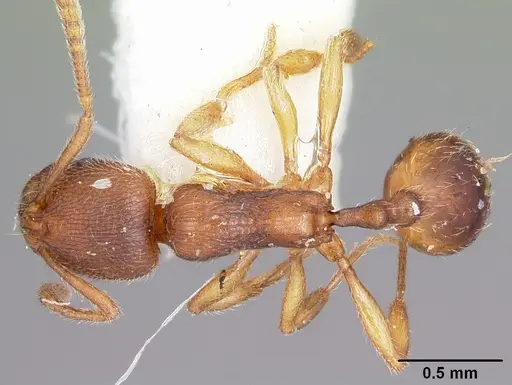
CASENT0105543
View on AntWeb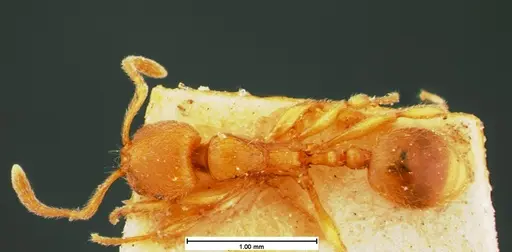
CASENT0884249
View on AntWeb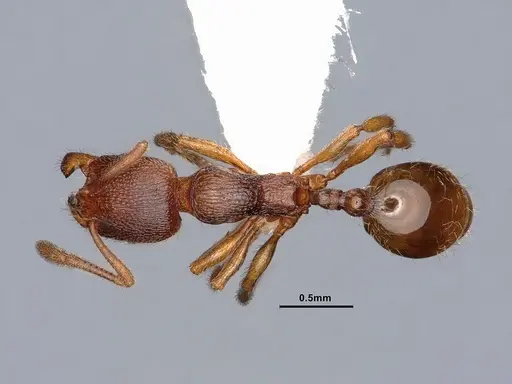
CASENT0907679
View on AntWeb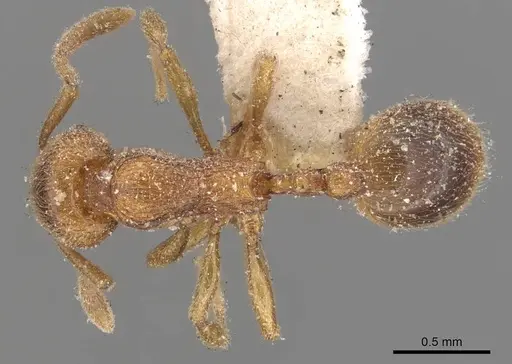
CASENT0923373
View on AntWeb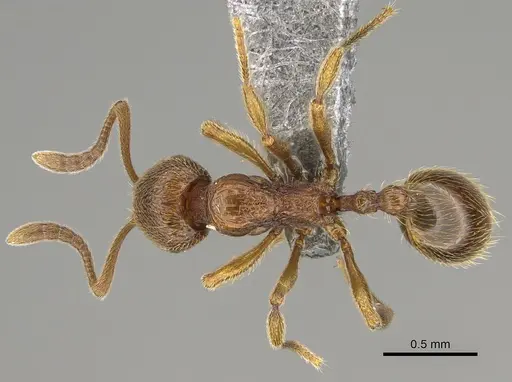
Literature
Loading distribution map...Loading products...