
Stenamma felixi
- Sci. Name
- Stenamma felixi
- Tribe
- Stenammini
- Subfamily
- Myrmicinae
- Author
- Mann, 1922
- Distribution
- Found in 7 countries
Introduction
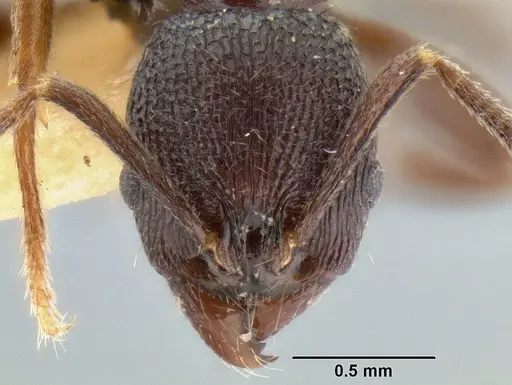
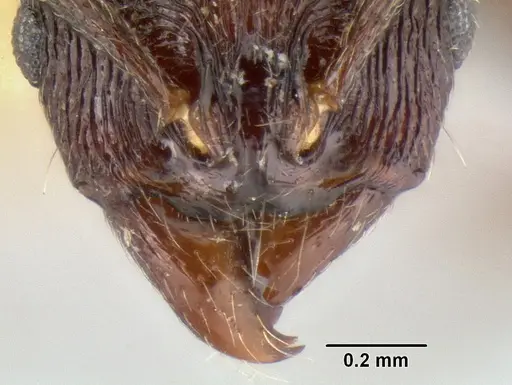
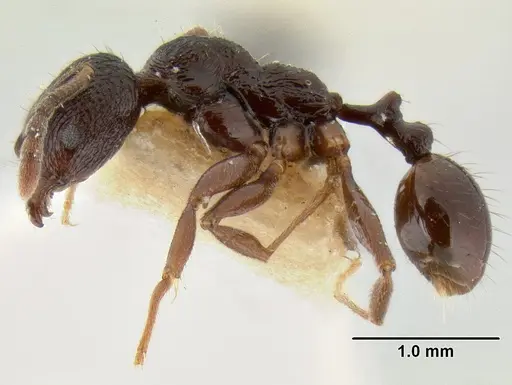
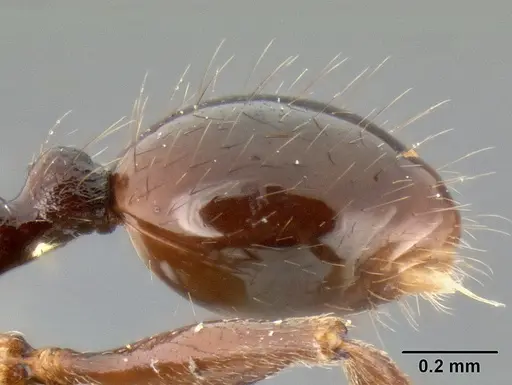
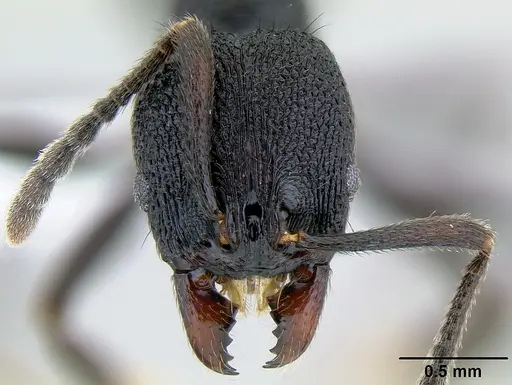
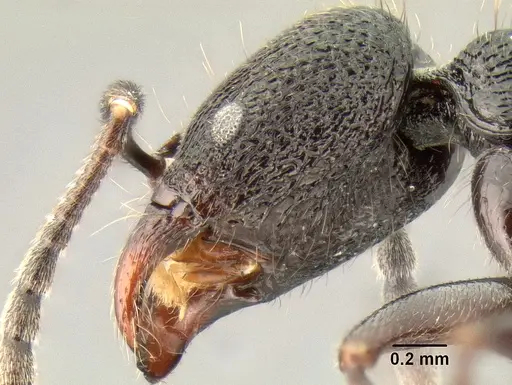
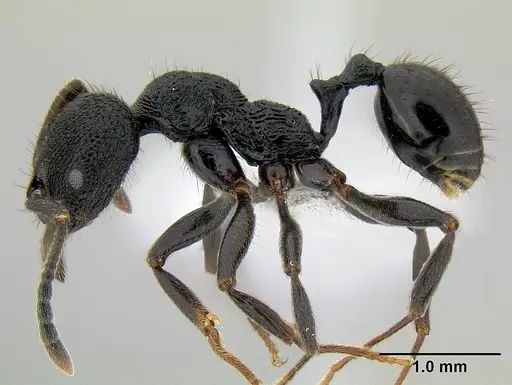
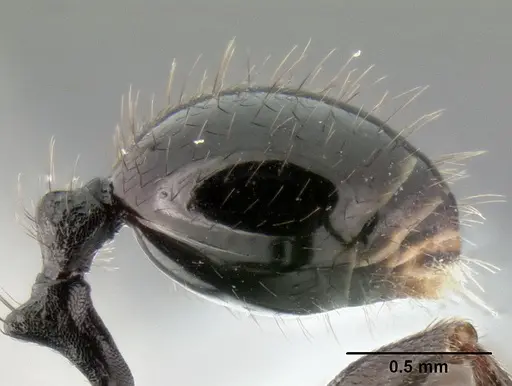
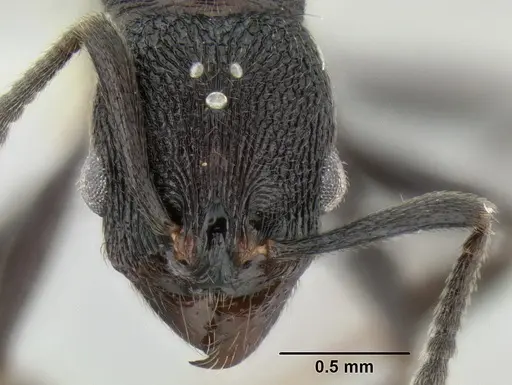
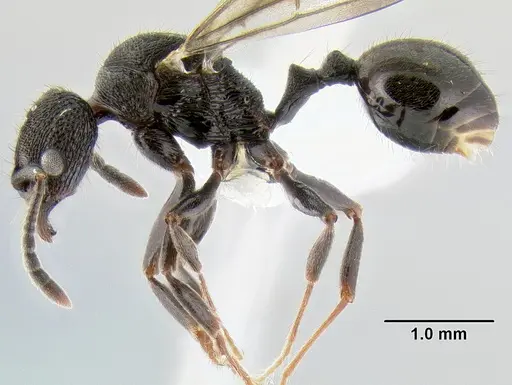
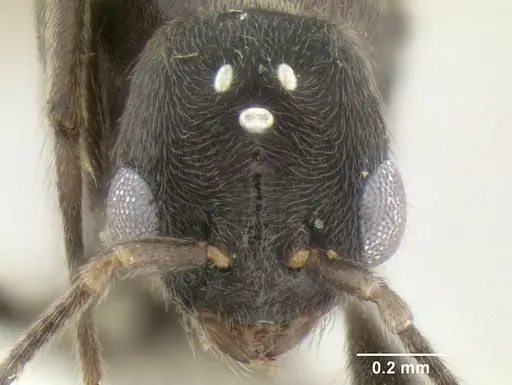
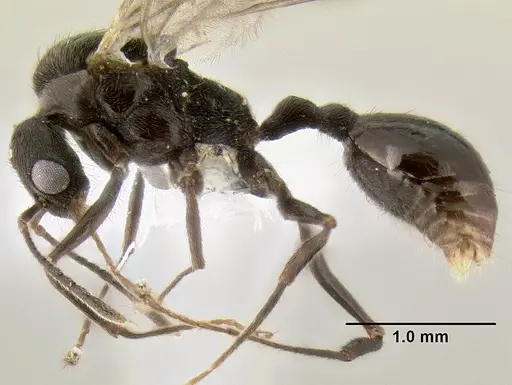
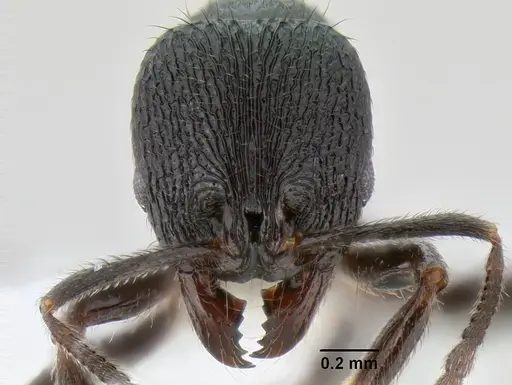
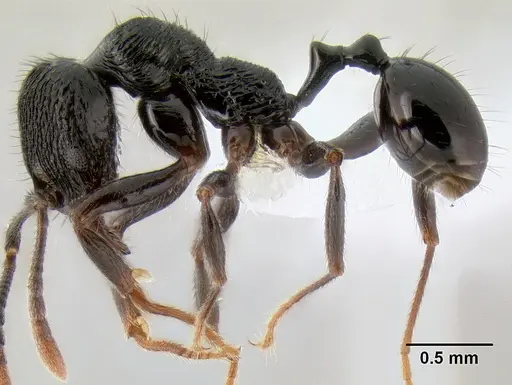
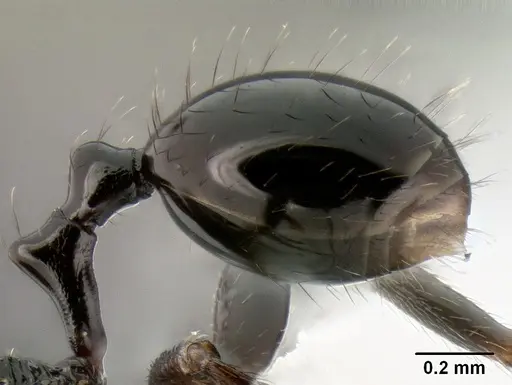
Stenamma felixi is a medium to large-sized ant species native to Central and South America, ranging from Mexico's Atlantic slope down to Ecuador . They have a mostly black to dark brown body with dense sculpturing on the head and mesosoma, featuring sharp carinae and rugae, and relatively large oval eyes. Unusually for an ant, they lack propodeal spines, instead, the propodeum forms shallow blunt angles where the top and rear meet . This species is one of the most widespread and common Stenamma in Middle America, found exclusively in wet forest environments from lowland rainforest to cloud forest, at elevations between 50-1600 m (most common above 500 m) . What makes S. felixi interesting is its nesting behavior and colony structure. Nests are generally quite large and are found in rotting logs on the ground, inside tree stumps, and under bark, occasionally in mud banks . All colonies collected so far are monogynous (single queen) . Workers are epigeic (ground-dwelling) and forage alone, you may spot lone workers running across logs in the forest . The exact dietary preferences and founding methods are not known, but based on the genus, queens likely seal themselves in during founding (claustral) and the species is probably omnivorous.
Quick Summary
- Difficulty: Medium
- Origin & Habitat: Wet forests from lowland rainforest to cloud forest, ranging from Mexico's Atlantic slope through Central America to Ecuador, at elevations of 50-1600 m (most common above 500 m) [2][1]
- Colony Type: Monogyne, single queen colonies confirmed in the wild [2]. Founding type is unconfirmed, inferred claustral based on typical Stenamma patterns.
- Size & Growth:
- Queen: size data unavailable (described as medium to large for the genus) [1]
- Worker: size data unavailable (described as medium to large for the genus) [1]
- Colony: Large nests, estimated several hundred workers, based on field descriptions [2]
- Growth: Moderate (inferred from genus patterns)
- Development: Unknown, no species-specific data available (Based on typical tropical ant development, larval period likely lasts several weeks at warm temperatures.)
- Antkeeping:
- Temperature: Keep at 22-26 °C, they inhabit warm, humid tropical forests. Based on their elevation range (50-1600 m), they can likely tolerate 20-28 °C, but aim for mid-20s for optimal brood development [2][1].
- Humidity: High humidity required, these are wet forest ants. Keep the nest substrate consistently moist but not waterlogged. Provide a moisture gradient so ants can choose their preferred level. Think damp forest floor conditions.
- Diapause: Unlikely, as a tropical species from low to mid elevations, they do not need a true winter diapause. A slight temperature drop during winter may slow activity, but no forced cooling is required.
- Nesting: In captivity, they do well in naturalistic setups with rotting wood pieces, or in Y-tong/plaster nests with high humidity. They naturally nest in rotting logs and tree stumps, so providing wood or cork in the setup mimics their natural preferences [2]. Chambers should be sized for their medium-large body.
- Behavior: Workers are epigeic, solitary foragers, they hunt alone rather than in groups [2]. They are not particularly aggressive and will typically flee rather than fight. They have relatively large eyes and are active foragers. Escape risk is moderate, they are not tiny but can fit through small gaps. Use standard escape prevention. They are cryptic and may spend considerable time hidden inside the nest structure.
- Common Issues: high humidity maintenance is critical, these are wet forest specialists, dry conditions or mold from stale water can kill colonies, slow founding phase, like many Stenamma, queens may take months to produce first workers, patience is key, escape prevention needed despite medium size, they can squeeze through small gaps in setups, wild-caught colonies may have parasites or diseases from their natural habitat, quarantine new colonies, overheating or prolonged exposure to temperatures above 30 °C can be fatal
Housing and Nest Setup
Stenamma felixi does well in naturalistic setups that mimic their rotting wood habitat. Offer pieces of rotting wood, cork, or a Y-tong/plaster nest with high humidity chambers. The key is maintaining consistently damp conditions without flooding. Use a water reservoir or moisture gradient so ants can self-regulate. Since they nest in rotting logs in the wild [2], adding small wood pieces or bark helps them feel at home. A test tube setup can work for founding colonies if kept humid, but transfer to a more spacious nest once the colony grows beyond about 20-30 workers. Avoid acrylic nests, they don't hold humidity well for this species.
Feeding and Diet
In the wild, S. felixi workers are epigeic solitary foragers, but their exact dietary preferences are unknown [2]. As a Myrmicinae ant, they are likely omnivorous. Offer a varied diet: small live insects (fruit flies, small crickets, mealworms) for protein, and sugar water or honey for carbohydrates. Since they forage alone, place food in the outworld rather than expecting them to find hidden food. Feed protein 2-3 times per week and keep a constant sugar source available. Remove uneaten prey after 24-48 hours to prevent mold. Start with small prey items and adjust based on what workers accept.
Temperature and Seasonal Care
Keep your colony at 22-26 °C with a slight temperature gradient so workers can choose. These ants come from tropical wet forests, so they prefer warmth and humidity. A heating cable on one side of the nest can create the needed gradient, place it above the nest (not underneath) to avoid drying out the substrate. Based on their elevation range (50-1600 m), they likely tolerate temperatures down to about 20 °C, but growth and activity slow in cooler conditions. No true diapause is needed, but you may notice reduced activity during winter if room temperature drops. Avoid temperatures below 18 °C or above 30 °C [2][1].
Colony Development and Growth
S. felixi colonies start with a claustral queen (inferred from genus patterns) who seals herself in and raises the first brood alone. The founding phase can take several months, be patient. First workers (nanitics) will be smaller than mature workers. Colonies in the wild become quite large, with nests described as 'generally quite large' [2]. Expect a moderate growth rate through the first year, with acceleration once the colony reaches 50+ workers. Since all wild colonies are monogynous [2], do not attempt to keep multiple queens. The colony will likely reach several hundred workers over 2-3 years under good conditions. Mating flights occur in the wild but the specific timing is unknown, in captivity, alates may appear after the colony is well-established.
Behavior and Observation
These ants are relatively calm and not aggressive. Workers are solitary foragers, they hunt alone rather than forming raiding parties or recruiting en masse [2]. This makes them less exciting to watch during feeding compared to species that use tandem running or chemical recruitment, but their large size and distinctive appearance make them interesting. They have relatively large eyes for a Stenamma, which may indicate better vision. You may see workers actively patrolling the outworld, especially at night or in dim light. They are cryptic and may spend considerable time in the nest, so don't worry if you don't see constant activity. Provide a dark cover for the nest to reduce stress from constant light exposure.
Frequently Asked Questions
How long does it take for Stenamma felixi queens to raise their first workers?
The exact timeline for S. felixi is not documented. Based on typical Stenamma development patterns, it likely takes several weeks to a few months from egg to first worker at optimal temperatures (around 24-26 °C). The claustral founding phase requires patience, queens may remain sealed in for months before the first workers emerge.
Can I keep Stenamma felixi in a test tube setup?
Yes, test tubes work for founding colonies, but you must maintain high humidity. Wrap the water end of the tube with cotton and keep it in a humid enclosure. Once the colony reaches 20-30 workers, consider moving them to a naturalistic setup or Y-tong nest with better humidity control. The key is keeping the substrate consistently damp without flooding [2].
Do Stenamma felixi ants sting?
Stenamma are in the subfamily Myrmicinae, which includes many species with stingers. However, Stenamma ants are generally not known for aggressive stinging behavior. They are more likely to flee than fight. While they likely have a stinger, they are not considered dangerous to humans.
What do Stenamma felixi eat?
They are likely omnivorous like most Myrmicinae ants. Offer small live insects (fruit flies, pinhead crickets, small mealworms) for protein 2-3 times per week, and keep sugar water or honey available constantly. Their exact wild diet is unknown, but as epigeic foragers they likely hunt small invertebrates and also collect honeydew [2].
Are Stenamma felixi good for beginners?
They are rated as Medium difficulty. They require high humidity and warm temperatures, which can be challenging for complete beginners. However, they are not aggressive and don't have complex social requirements. If you have experience keeping at least one other ant species, S. felixi should be manageable. The main challenges are maintaining proper humidity and being patient during the slow founding phase.
How big do Stenamma felixi colonies get?
Colonies can reach several hundred workers. Nests in the wild are described as 'quite large' [2]. Under good captive conditions, expect 2-3 years to reach several hundred workers. Growth is moderate, not as fast as some tropical species but faster than many temperate ants.
Do Stenamma felixi need hibernation?
No, they are tropical ants from wet forests in Central America. They do not require a true diapause. However, if room temperatures drop significantly in winter, you may notice reduced activity. Just maintain normal temperatures around 22-26 °C year-round [2][1].
Why are my Stenamma felixi workers dying?
Common causes include: too low humidity (they are wet forest specialists), temperatures outside their 20-28 °C range, mold from overwatering or poor ventilation, or stress from excessive disturbance. Check that the nest substrate is consistently damp but not waterlogged, that temperatures are stable, and that you're not opening the nest too frequently. Wild-caught colonies may also carry parasites that can cause die-offs.
Can I keep multiple Stenamma felixi queens together?
No. All colonies collected in the wild have been monogynous (single queen) [2]. This species does not form multi-queen colonies. Attempting to combine unrelated queens will likely result in fighting. If you acquire a colony, it should already have a single established queen.
When should I move my Stenamma felixi to a formicarium?
Move from a test tube setup to a larger nest (naturalistic, Y-tong, or plaster) once the colony reaches 20-30 workers or when the test tube shows signs of mold from too much moisture. Connect the new nest to the test tube and let workers move on their own. Ensure the new setup can maintain high humidity.
Report an Issue
The current care sheet is based fully on literature. See inconsistencies, or something that's incorrect? Please , it will be resolved after review from an admin. Contributing to the blogs tab also helps providing information, to make us be able to further improve the caresheets. Thank you for your support!
References

This caresheet is licensed under CC BY-SA 4.0 .
Community Blogs
CASENT0126355
View on AntWeb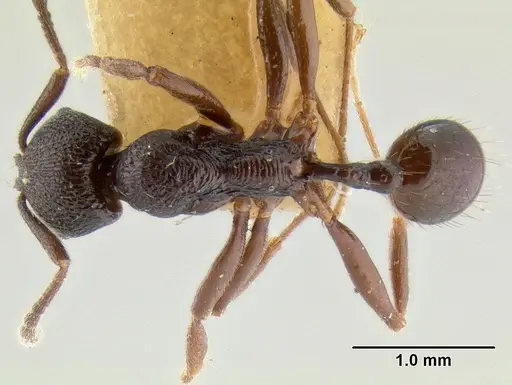
CASENT0620969
View on AntWeb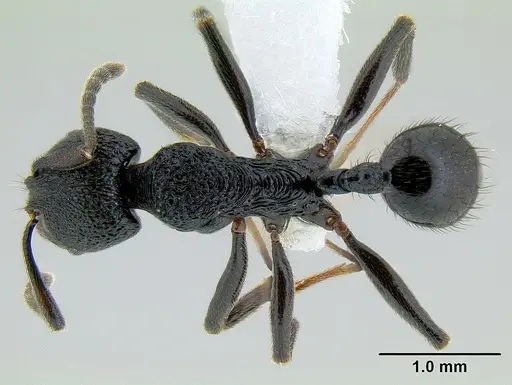
CASENT0622308
View on AntWeb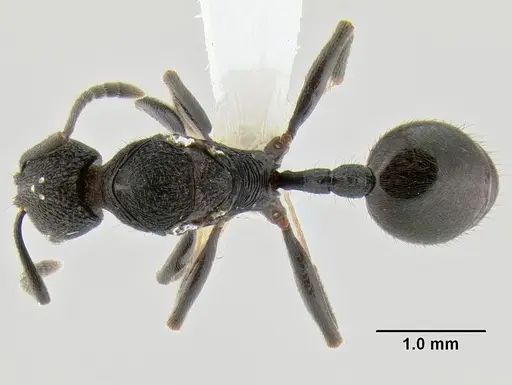
CASENT0622311
View on AntWeb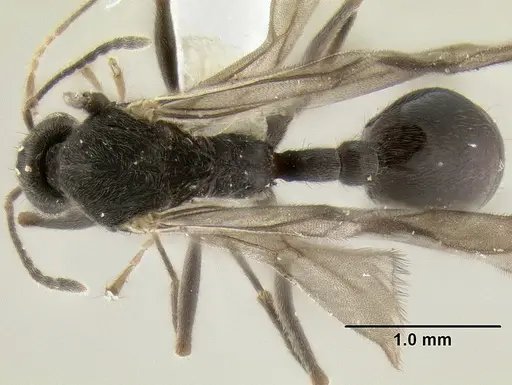
CASENT0622555
View on AntWeb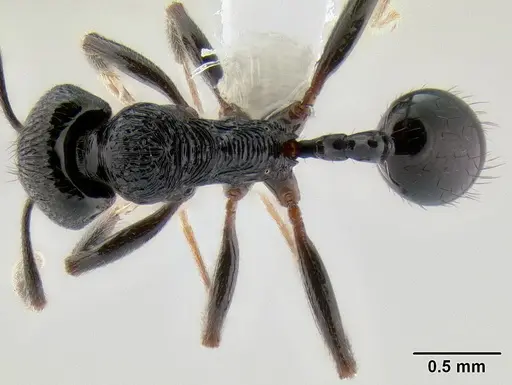
Literature
Loading distribution map...Loading products...