
Stenamma exasperatum
- Sci. Name
- Stenamma exasperatum
- Tribe
- Stenammini
- Subfamily
- Myrmicinae
- Author
- Snelling, 1973
- Distribution
- Found in 1 countries
Introduction
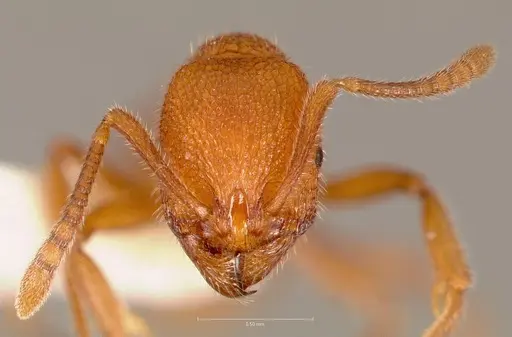
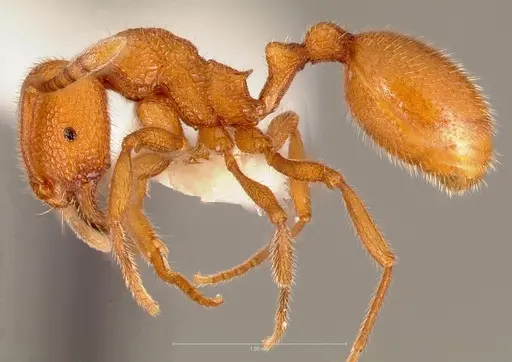
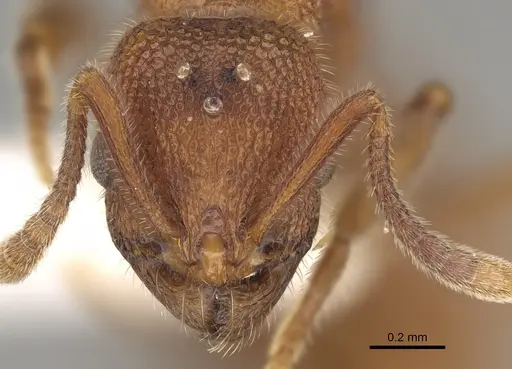
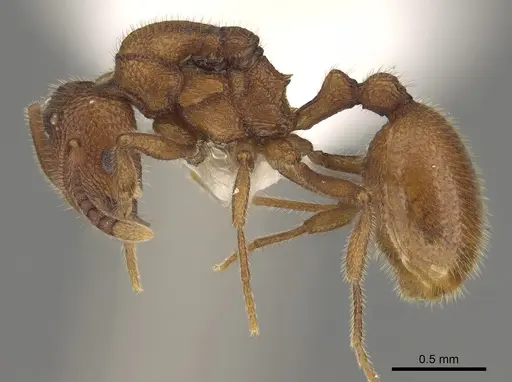
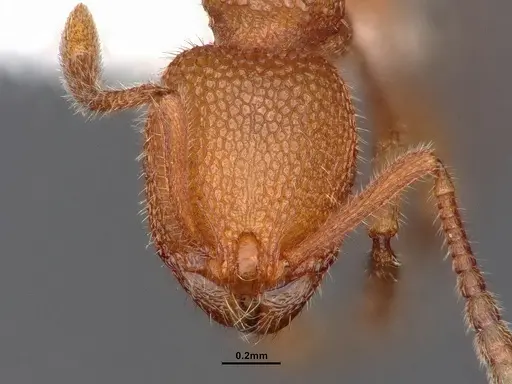
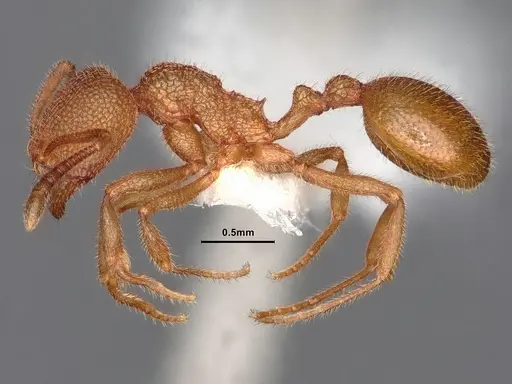
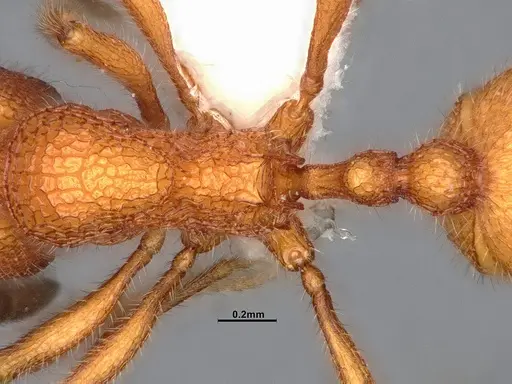
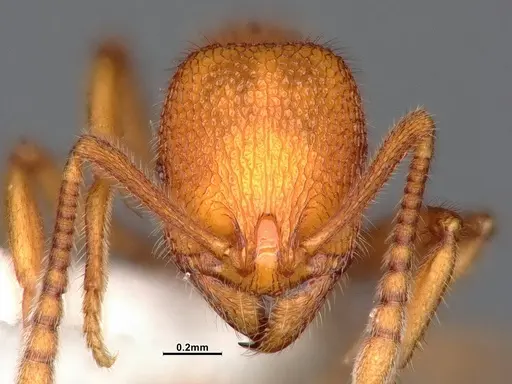
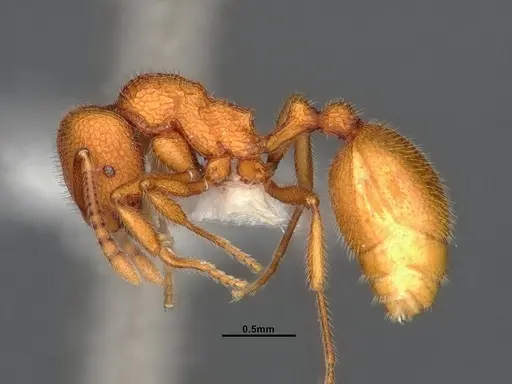
Stenamma exasperatum is a small, yellowish-brown ant species from California, belonging to the Myrmicinae subfamily. Workers are tiny, total body length is not recorded, but based on related species, they likely measure around 3-5 mm . They have a distinctive coarse, reticulate sculpturing on the thorax and gaster . This species is closely related to *Stenamma heathi*, but has more clearly reticulate head and thorax and fully erect hairs on the scapes and tibiae . It is known only from California, mainly around Calaveras Big Trees in Calaveras County, where the type specimens were collected under a stone in a *Sequoiadendron* grove . The name 'exasperatum' reflects the collector's frustration at discovering it was a new species after initially thinking it was *S. heathi* .
Quick Summary
- Difficulty: Medium
- Origin & Habitat: Native to California, USA, in the Nearctic region [3]. Found in cool, shaded habitats such as *Sequoiadendron* groves and pine-fir forests, often under stones or in leaf litter [1].
- Colony Type: Colony structure is unconfirmed. Based on related *Stenamma* species, likely monogyne (single queen) colonies with moderate worker counts.
- Size & Growth:
- Queen: Undescribed in literature, inferred from genus to be roughly 5-7 mm total length.
- Worker: Total length not documented. Workers are very small, based on related species, estimated 3-5 mm total length [1].
- Colony: Unconfirmed, no data. Likely under a few hundred workers based on typical *Stenamma* colonies.
- Growth: Moderate (inferred from related species)
- Development: Undocumented, estimated 6-10 weeks at optimal temperature based on related *Stenamma* species. (Development timeline is inferred. No species-specific data available.)
- Antkeeping:
- Temperature: Prefer cool conditions, likely 18-22°C, based on their shaded mountain forest habitat [3]. Avoid temperatures above 25°C. Provide a gradient so ants can regulate.
- Humidity: Keep nest substrate consistently moist but not waterlogged. Provide a drier area in the outworld. Their natural habitat under stones and in litter suggests high humidity in the nest.
- Diapause: Yes, as a Nearctic species from California's mountains, they likely require a winter dormancy period. Provide 2-3 months at 5-10°C during autumn/winter [3].
- Nesting: Prefers naturalistic setups with moist soil or plaster nests, which mimic their under-stone habitat. Y-tong (AAC) nests also work well. Keep nest chambers small and enclosed.
- Behavior: Calm and non-aggressive. Workers move slowly and are cryptic, spending most time inside the nest. They forage individually, not in groups. Their very small size (head width ~0.7 mm) allows them to escape through tiny gaps, use fine mesh (0.5 mm or smaller) on all openings and apply Fluon. They do not sting aggressively.
- Common Issues: escape is lethal, use fine mesh (0.5 mm or smaller) on ventilation holes and connections., overheating above 25°C can cause colony death, keep nest cool., overfeeding leads to mold in humid nests, which can kill brood, remove uneaten prey within 24 hours., excessive disturbance causes stress and can stop brood production or kill the queen, keep them in a dark, quiet location., wild-caught colonies may carry mites or parasites, quarantine new colonies before adding to existing setups.
Housing and Nest Setup
Stenamma exasperatum does well in naturalistic setups with moist soil or plaster substrates that mimic their under-stone nesting habitat [1]. Y-tong (AAC) nests are also suitable. Because the ants are very small, keep chamber sizes small, they prefer tight, enclosed spaces. Keep the nest substrate consistently moist but not waterlogged. Place the setup in a cool, shaded location away from direct sunlight and vibrations. Cover the nest to maintain darkness. A small outworld for foraging completes the setup. Escape prevention is critical: use fine mesh (0.5 mm or smaller) on all openings.
Feeding and Diet
The diet of Stenamma exasperatum has not been studied, but based on related species, they likely accept small protein sources such as fruit flies, small mealworms, and other tiny arthropods. They may also consume honeydew and sugar water. Offer small prey items a few times per week, adjusting based on colony consumption. Remove uneaten prey after 24-48 hours to prevent mold. Sugar sources can be offered occasionally but are not essential. Because of their small size, prey items must be appropriately sized, avoid large insects.
Temperature and Seasonal Care
Keep the nest at 18-22°C, reflecting their cool mountain forest habitat [3]. Avoid temperatures above 25°C, overheating can be fatal. A heating cable on one side can create a gradient, but ensure part of the nest stays cool. During winter (October-March), provide a diapause period at 5-10°C to simulate their natural seasonal cycle. Do not feed during diapause, but keep the substrate slightly moist to prevent desiccation.
Behavior and Temperament
Stenamma exasperatum is calm and non-aggressive. Workers move slowly and are cryptic, spending most of their time inside the nest. They forage individually rather than in groups. They have a functional stinger (like all Myrmicinae) but are not defensive and pose no danger to keepers. Their very small size (head width ~0.7 mm) means they can escape through remarkably tiny gaps. Use fine mesh (0.5 mm or smaller) on all ventilation holes and apply Fluon to barrier edges. Avoid frequent disturbance, as they prefer stable, quiet conditions.
Colony Establishment
Founding behavior is unconfirmed, no data exists on whether queens are claustral or semi-claustral. If you obtain a founding queen, provide a small, dark, and humid chamber with substrate. Do not disturb for several weeks. Once first workers (nanitics) emerge, you can offer small prey. Colony growth is gradual, and workers may live several years. Do not attempt to combine multiple queens unless pleometrosis is confirmed for this species (unknown).
Frequently Asked Questions
How long does it take for Stenamma exasperatum to produce first workers?
No documented data exists for this species. Based on closely related Stenamma, an estimate of 6-10 weeks at around 20°C is possible, but this is unconfirmed. Patience is required.
What temperature is best for Stenamma exasperatum?
Prefer cool conditions, likely 18-22°C, inferred from their mountain forest habitat [3]. Avoid temperatures above 25°C, as overheating can kill the colony. Provide a gentle temperature gradient.
Do Stenamma exasperatum ants sting?
They are not aggressive and unlikely to sting. As Myrmicinae, they have stingers but are calm and non-defensive. They pose no danger to keepers.
How big do Stenamma exasperatum colonies get?
Colony size is unconfirmed, no data exists. Based on related Stenamma, expect up to a few hundred workers. Growth is gradual.
Can I keep multiple Stenamma exasperatum queens together?
Not recommended, pleometrosis is unknown for this species. Unrelated queens may fight. House them separately to be safe.
What do Stenamma exasperatum eat?
Likely accept small live prey such as fruit flies and small mealworms, and may consume sugar water or honey. Feed small protein items a few times weekly. Remove uneaten food to prevent mold.
Do Stenamma exasperatum need hibernation?
Yes, as a Nearctic species from a mountainous region, they likely require a winter dormancy period. Provide 2-3 months at 5-10°C during autumn/winter. Keep substrate slightly moist during this period [3].
Why are my Stenamma exasperatum escaping?
Their tiny size (head width ~0.7 mm) allows them to squeeze through surprisingly small gaps. Use fine mesh (0.5 mm or smaller) on all ventilation holes and apply Fluon to barrier edges. Check all connections and lid seals regularly.
Is Stenamma exasperatum good for beginners?
Medium difficulty. Their slow growth and preference for cool, quiet conditions require patience. They are not aggressive, but escape prevention is critical due to small size. Not recommended for first-time keepers.
When should I move my colony to a formicarium?
No specific data. In general, wait until the colony outgrows its current setup (e.g., test tube) and has at least 30-50 workers. Stenamma prefer stable conditions, so avoid unnecessary moves. They do well in naturalistic soil or Y-tong nests.
Report an Issue
The current care sheet is based fully on literature. See inconsistencies, or something that's incorrect? Please , it will be resolved after review from an admin. Contributing to the blogs tab also helps providing information, to make us be able to further improve the caresheets. Thank you for your support!
References

This caresheet is licensed under CC BY-SA 4.0 .
Community Blogs
CASENT0005814
View on AntWeb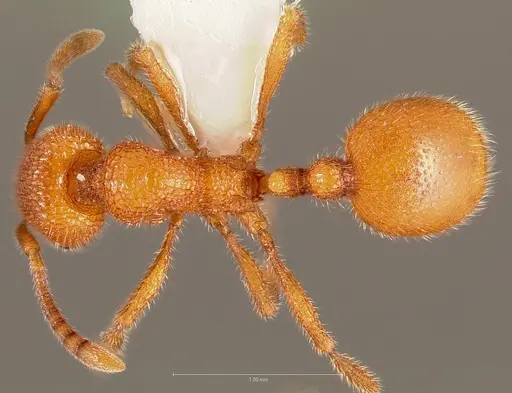
CASENT0863116
View on AntWeb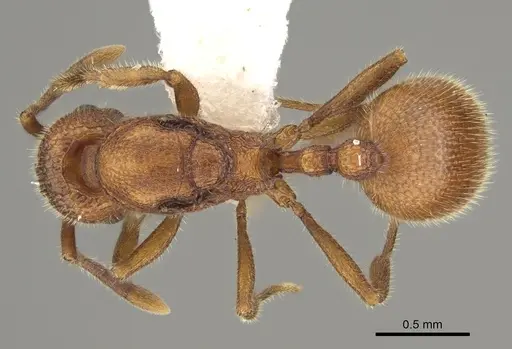
CASENT0884233
View on AntWeb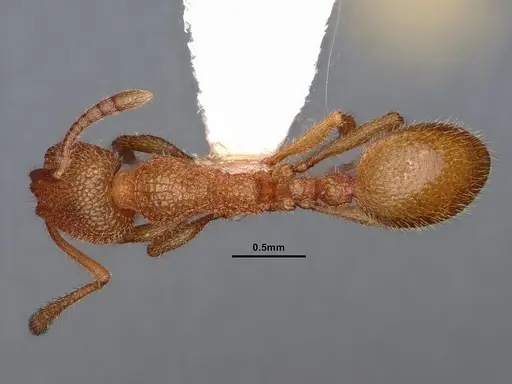
CASENT4032366
View on AntWeb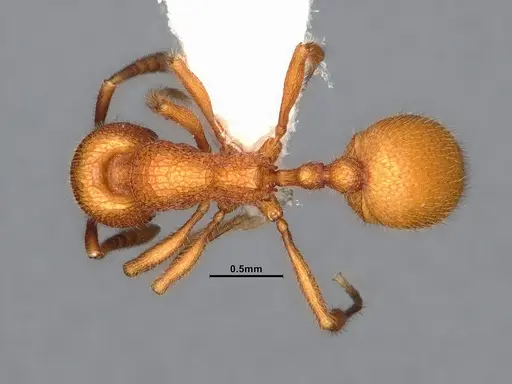
Literature
Loading distribution map...Loading products...