
Stenamma diecki
- Sci. Name
- Stenamma diecki
- Tribe
- Stenammini
- Subfamily
- Myrmicinae
- Author
- Emery, 1895
- Distribution
- Found in 2 countries
Introduction
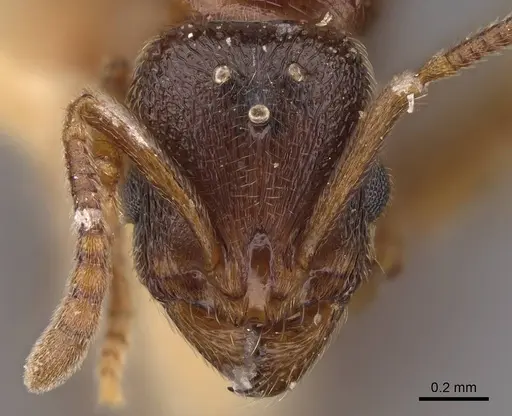
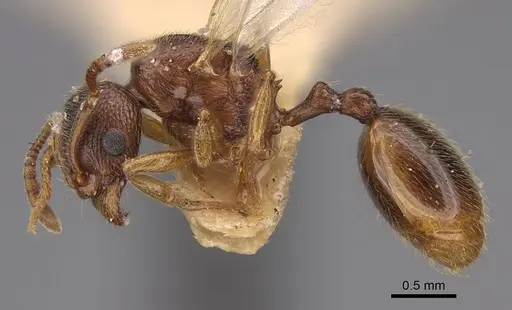
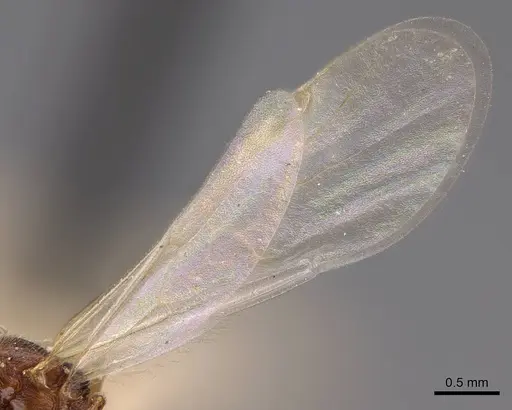
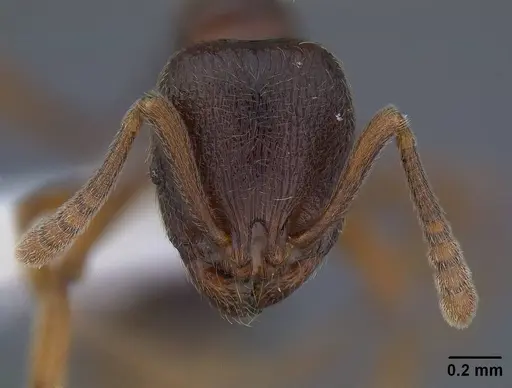
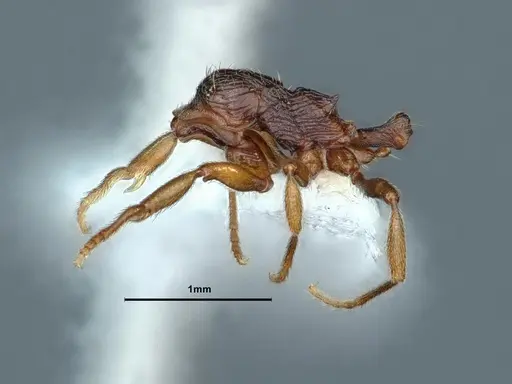
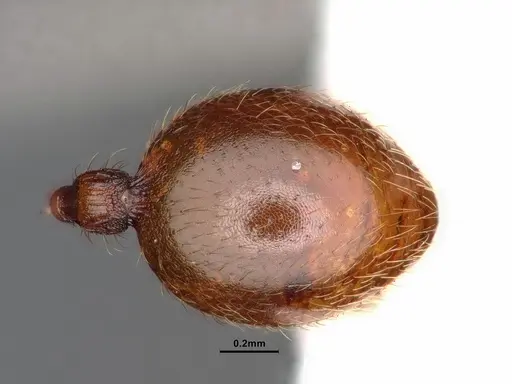
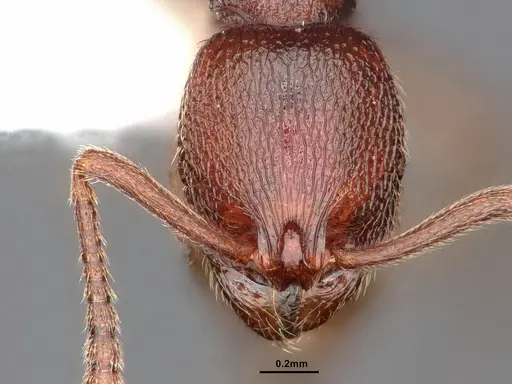
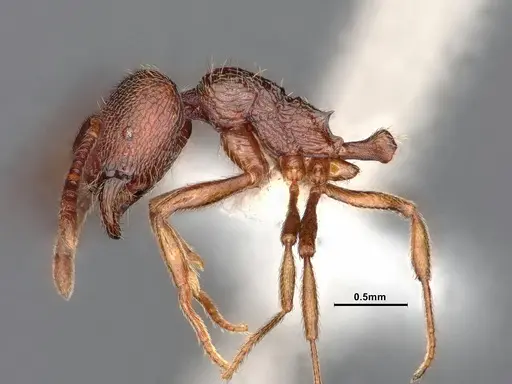
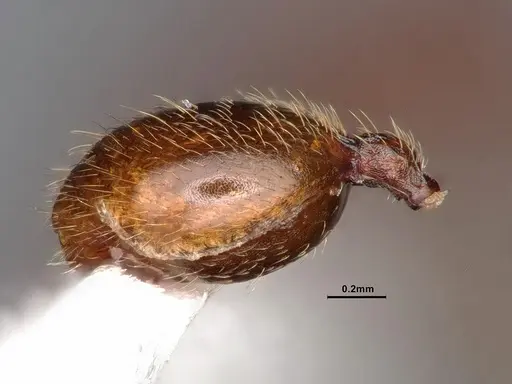
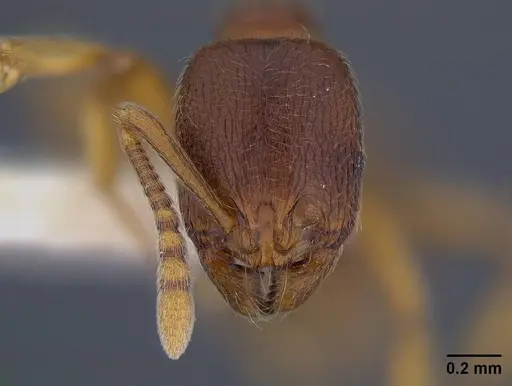
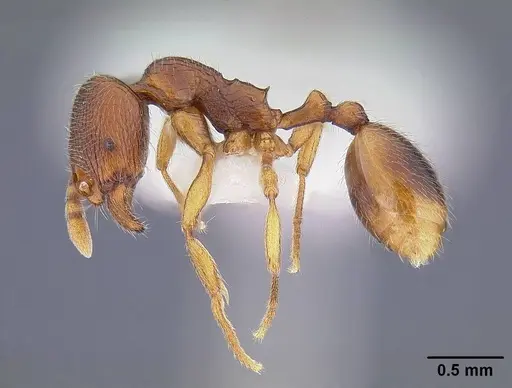
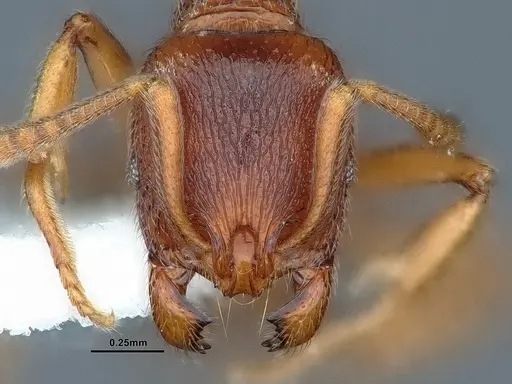
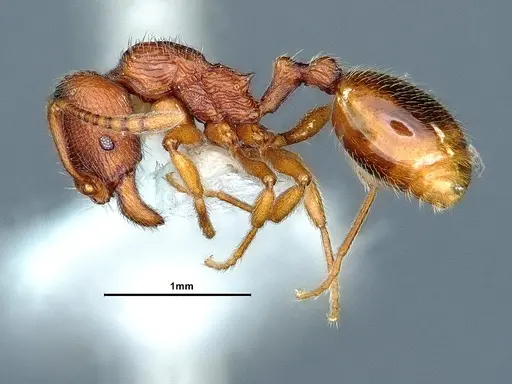
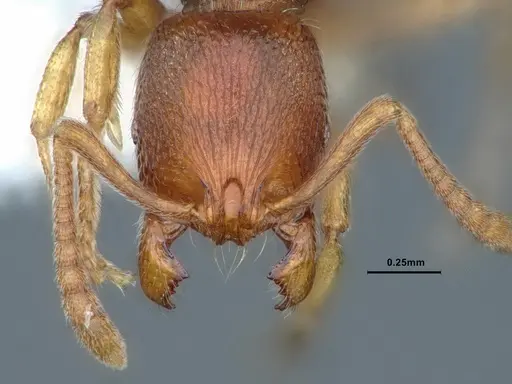
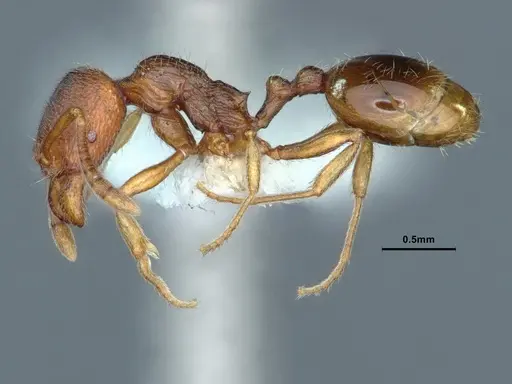
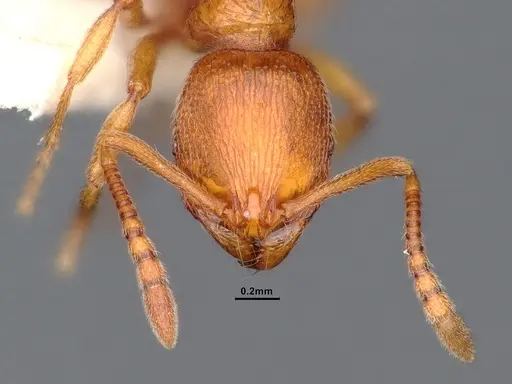
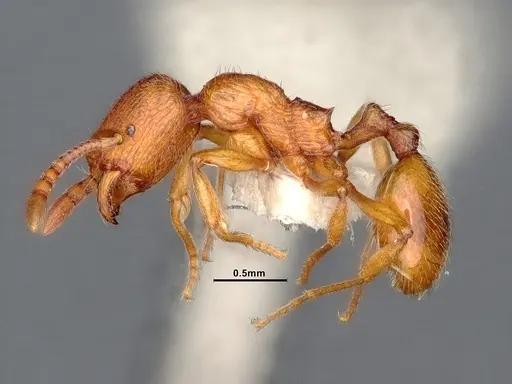
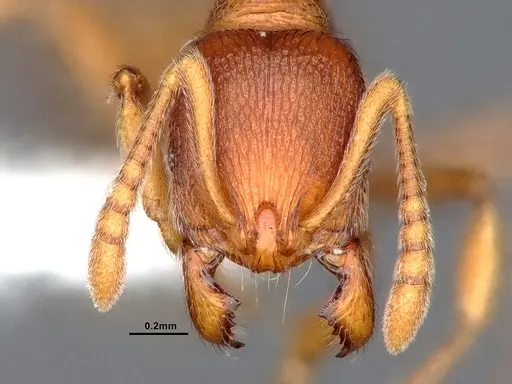
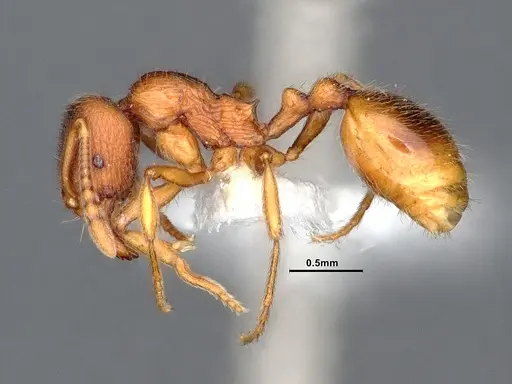
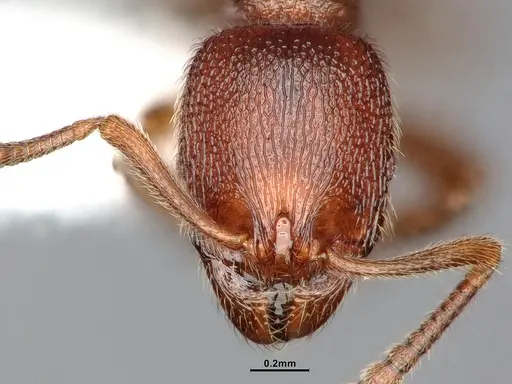
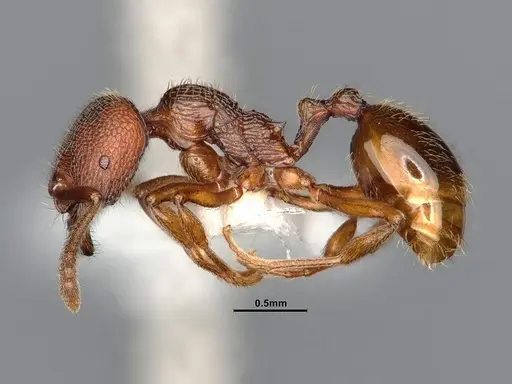
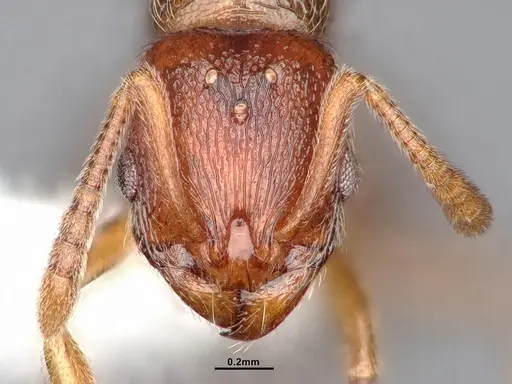
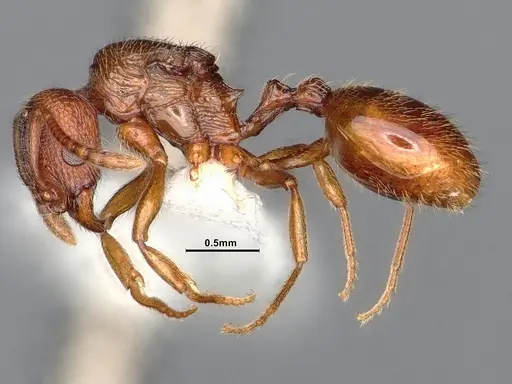
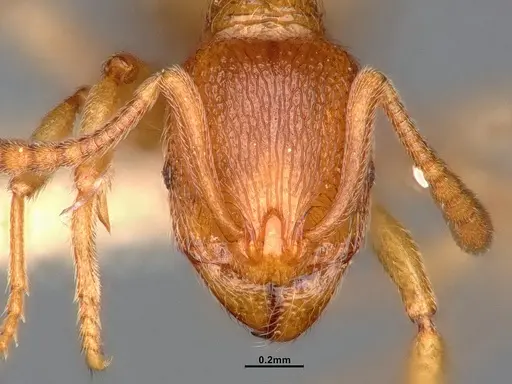
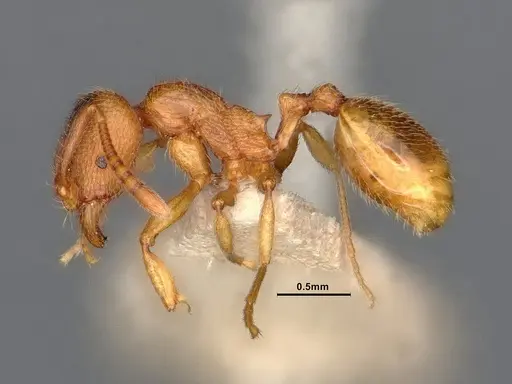
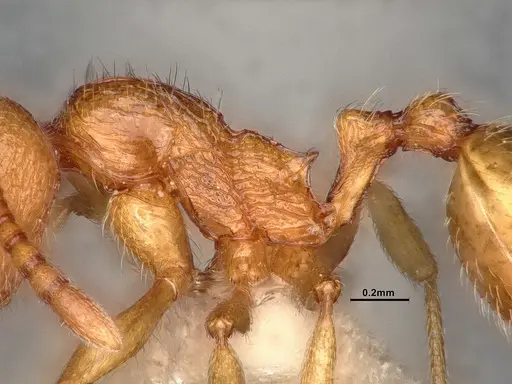
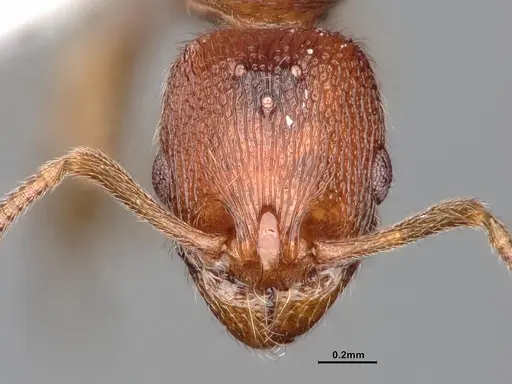
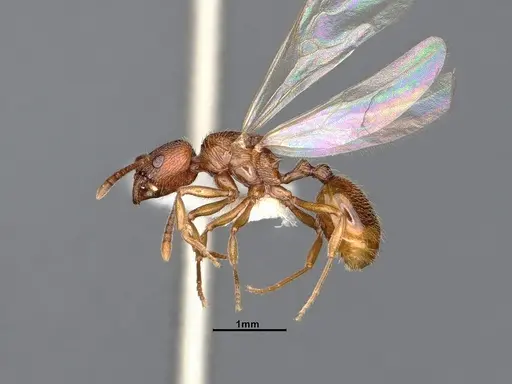
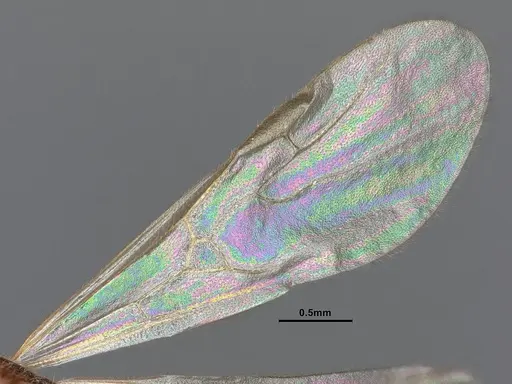
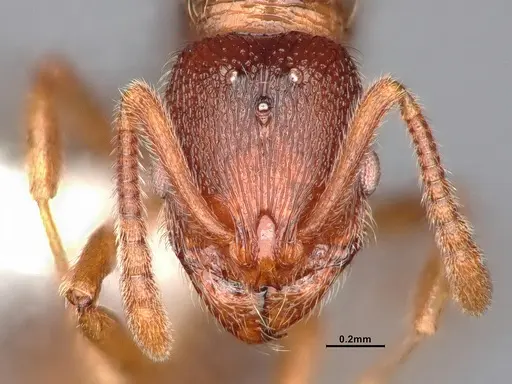
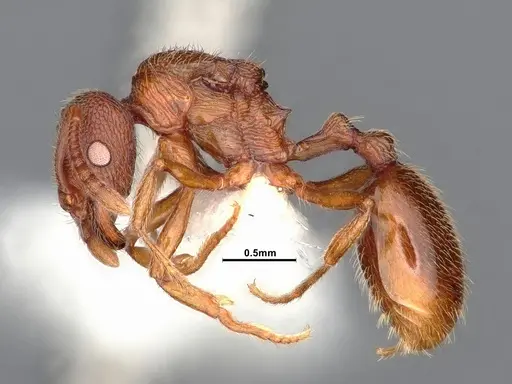
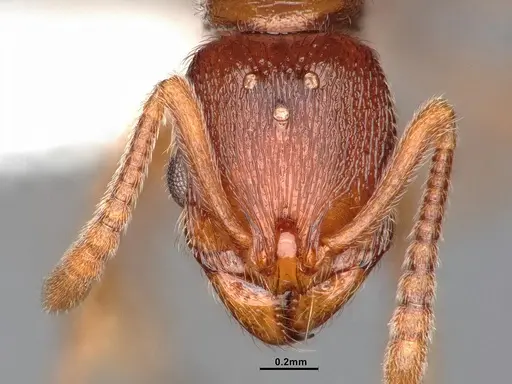
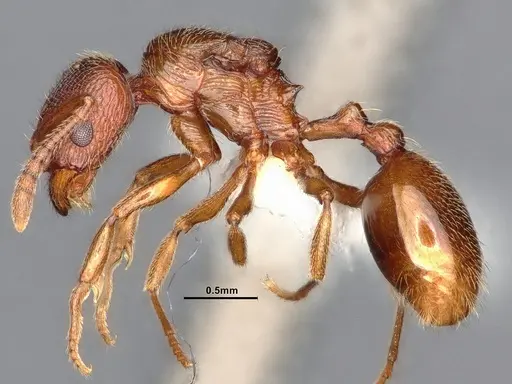
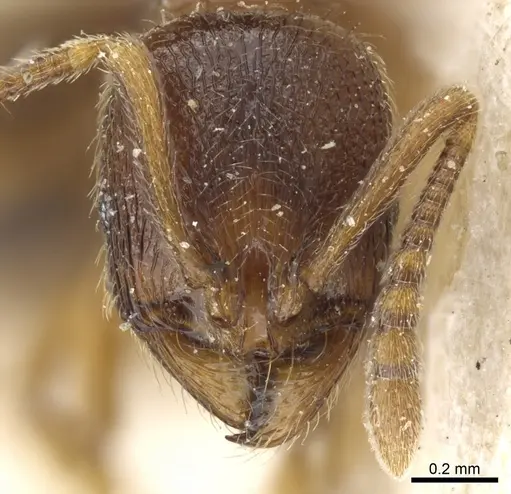
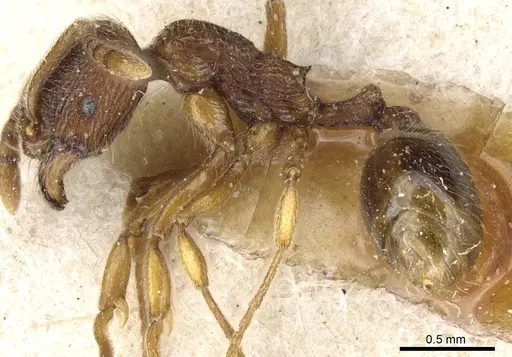
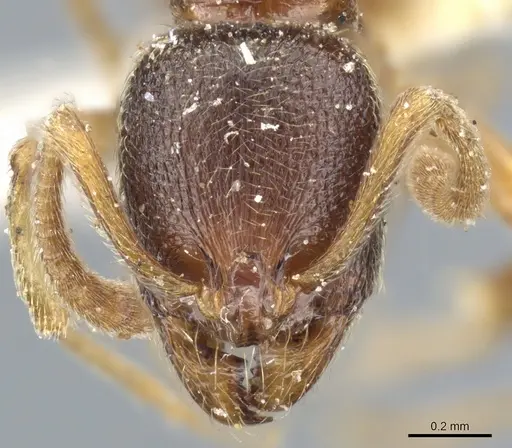
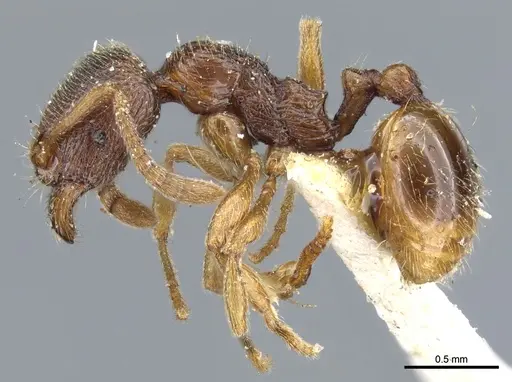
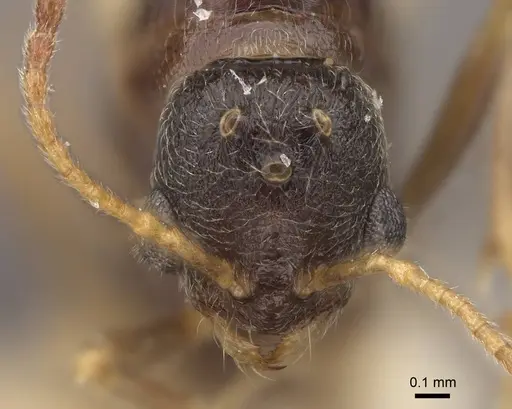
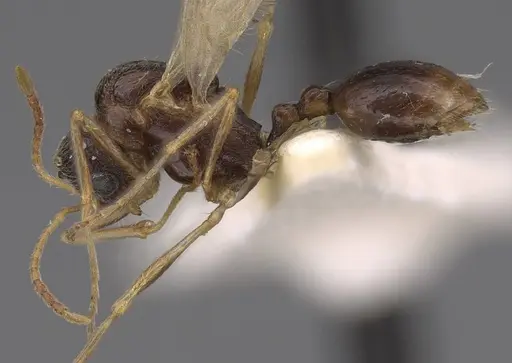
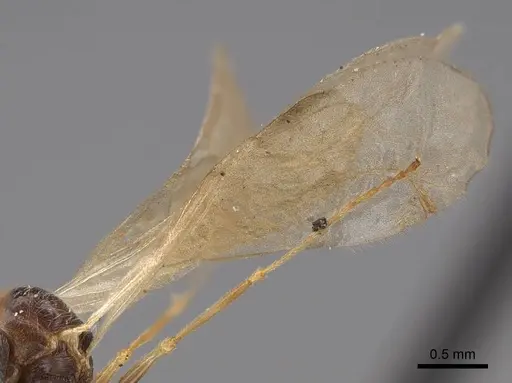
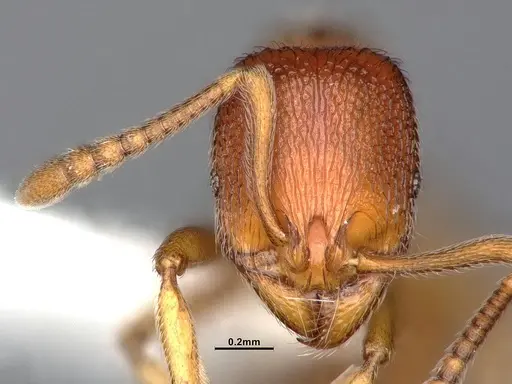
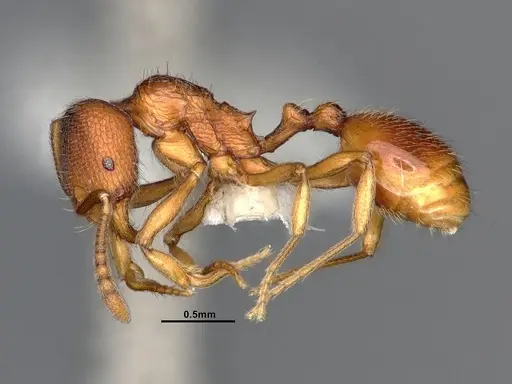
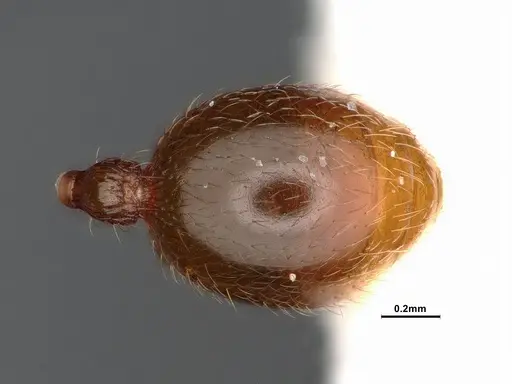
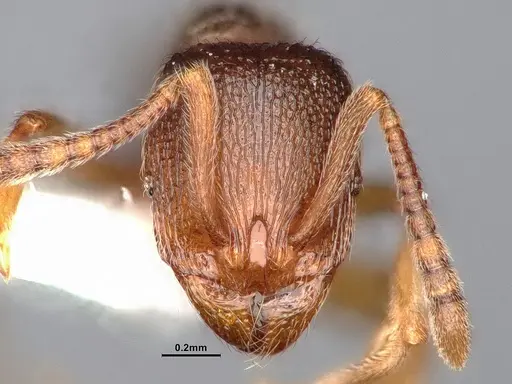
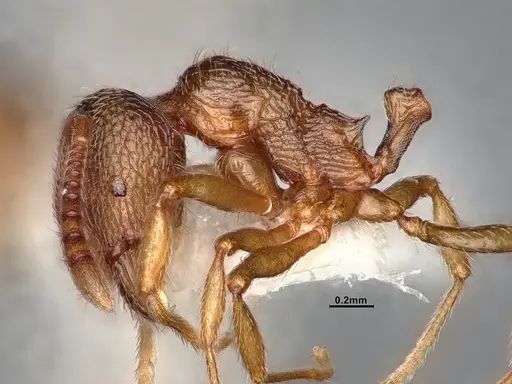
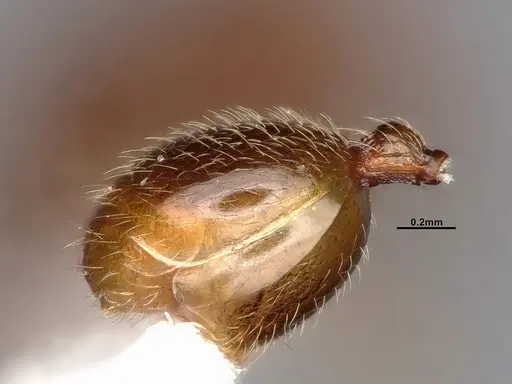
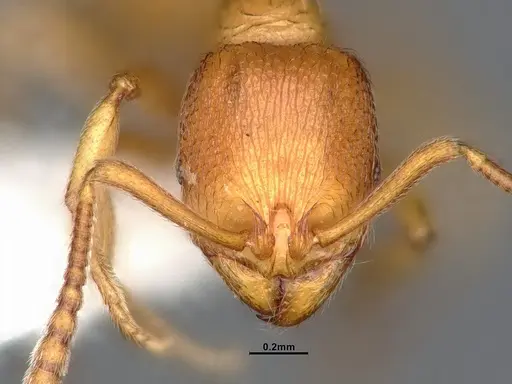
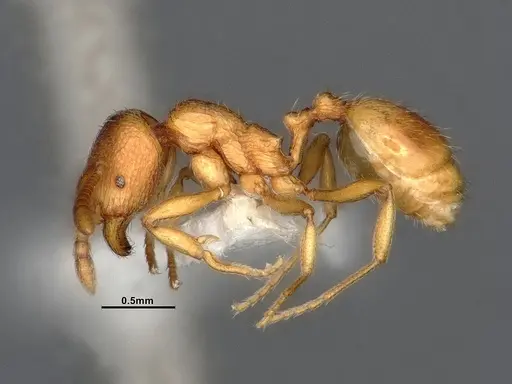
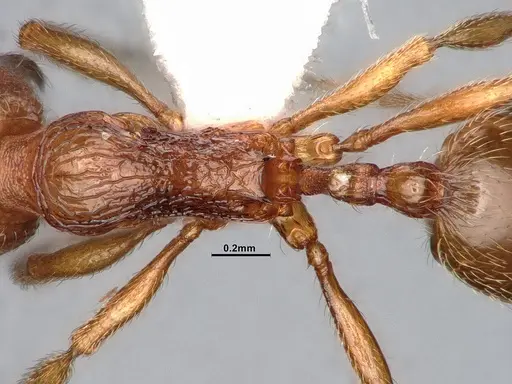
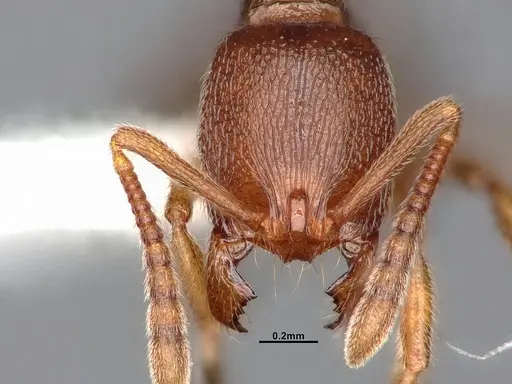
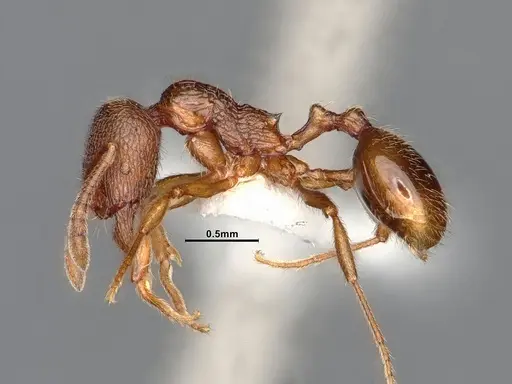
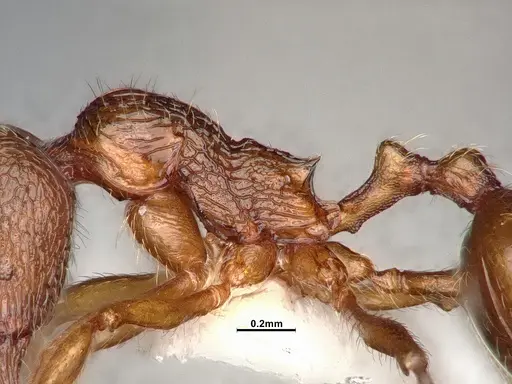
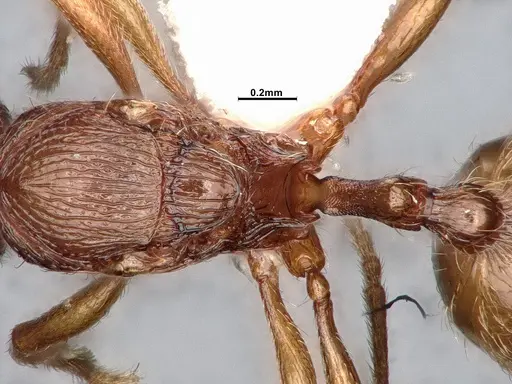
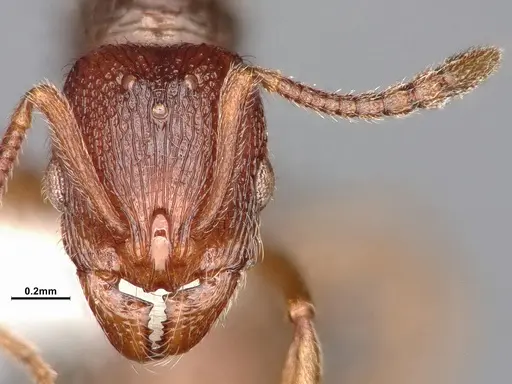
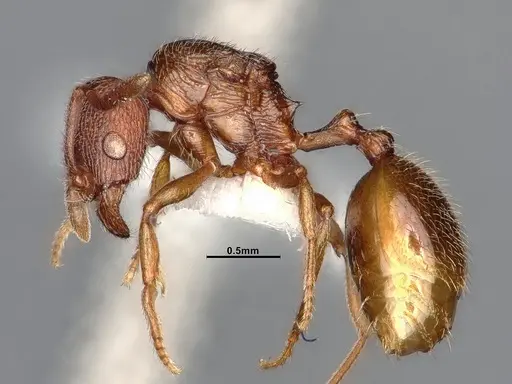
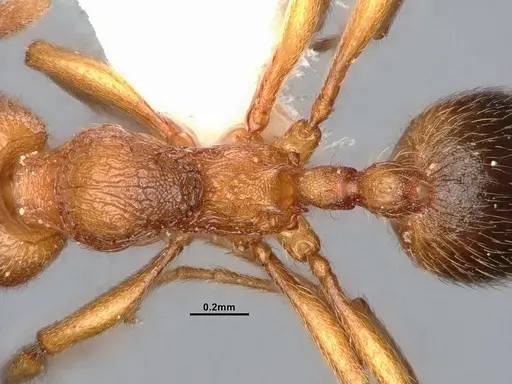
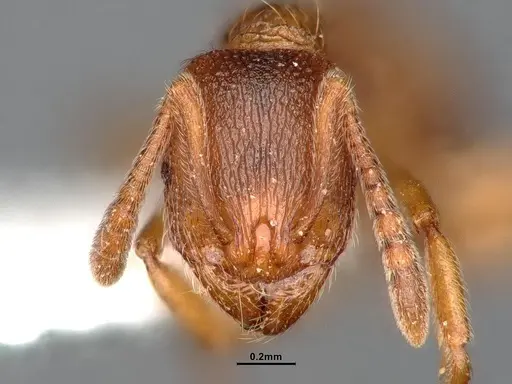
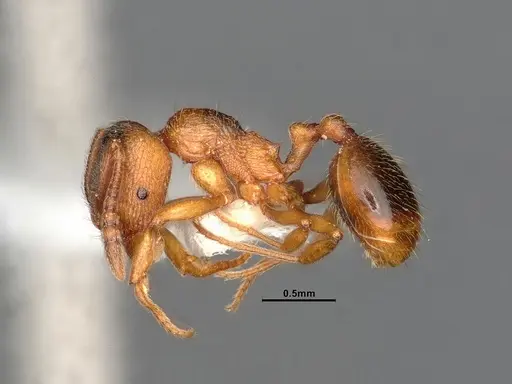
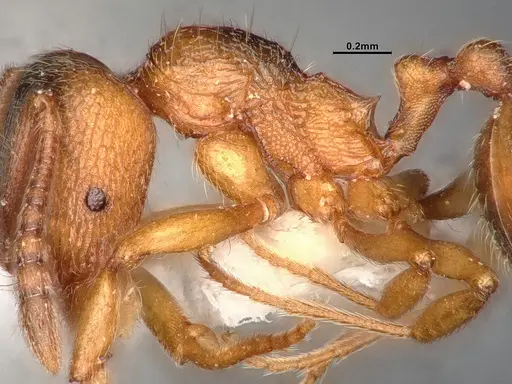
Stenamma diecki is a small, cryptic ant native to North America, ranging from southern Canada through most of the United States into northern Mexico. Workers measure 2.7-3 mm (some up to 3.5 mm) with a light brown to brown body and relatively small eyes with only 4-5 ommatidia . Queens are larger at 3.7-4 mm with 14 ommatidia . The species is one of the most variable Stenamma ants, with workers from different regions showing differences in body proportions, color, and sculpturing . It was named after Dr. George Dieck, who collected the type specimens in British Columbia . What stands out about S. diecki is its wide habitat tolerance - it occurs in wet forests, dry open areas, dense woods, and from sea level to over 2,400 m (8,000 ft) elevation . Colonies are small and secretive, and workers are timid, often feigning death when disturbed - a defensive behavior rarely seen in ants . They are predatory, feeding on small insects like springtails and fly larvae .
Quick Summary
- Difficulty: Medium
- Origin & Habitat: Widespread across North America, southern Canada, most of the United States, and northern Mexico. Found in moist, shaded forests including red spruce-balsam fir forests, oak-hickory woods, and boreal forests, as well as boggy or swampy areas to rather dry sites. Nests in soil and rotting wood, typically under stones, logs, moss, or humus [1][4].
- Colony Type: Monogyne, single queen per colony, confirmed by multiple studies [1][5]. Colonies are small, typically 30-60 workers, with the largest documented colony containing 97 adult workers plus brood [1][4].
- Size & Growth:
- Queen: 3.7-4 mm [1]
- Worker: 2.7-3 mm (up to 3.5 mm) [1]
- Colony: Up to about 100 adult workers, plus alates and brood [1][4]
- Growth: Slow
- Development: Duration unconfirmed, likely 8-12 weeks based on typical Myrmicinae development at room temperature. The exact timeline for S. diecki has not been studied. (Development is slow and colonies grow gradually. Males and virgin females are produced from midsummer to early fall and commonly overwinter in the parental nest [1].)
- Antkeeping:
- Temperature: Keep cool, around 18-22°C. This species is adapted to northern forests and high elevations, avoid temperatures above 25°C. The optimal range is not precisely known, but these conditions mimic their natural habitat [1][4].
- Humidity: High humidity required, they naturally live in moist forest habitats. Keep the nest substrate consistently damp but not waterlogged. Provide a water tube and ensure the nest area stays humid [4][3].
- Diapause: Yes, requires a winter rest period. Reduce temperature to 5-10°C for 3-4 months during winter, mimicking natural seasonal cycles. This is important for colony health and reproductive timing [1].
- Nesting: Prefers naturalistic setups with moist substrate. Nests in shallow chambers just below the surface under stones or rotting wood. In captivity, a test tube setup works well initially, for larger colonies use a small naturalistic formicarium with soil substrate. They need tight, enclosed spaces, these are cavity-dwelling ants [4][1].
- Behavior: Timid and secretive. Workers are slow-moving and will feign death (thanatosis) when disturbed, they freeze and drop off surfaces [1][3]. They are not aggressive and retreat rather than fight. Despite their small size, they are predatory and hunt small arthropods like springtails and fly larvae [1]. Escape risk is high due to their tiny size (workers
- Common Issues: slow growth can frustrate beginners, colonies remain small for many months, thanatosis (playing dead) when disturbed can look like a mass die-off but is normal defensive behavior, small colony size means they produce few workers initially, don't overfeed, requires cool temperatures, overheating kills them more easily than other species, wild-caught colonies may carry parasites that can decimate the colony
Housing and Nest Setup
Stenamma diecki does well in a simple test tube setup for a founding colony. Use a standard test tube with a water reservoir at one end, stopped with cotton, this provides humidity for months. For established colonies, a small naturalistic formicarium with a soil substrate works best. These ants naturally nest in shallow chambers under stones or rotting wood, so they prefer tight, enclosed spaces rather than open areas. The nest should be kept dark or covered, these are secretive ants that avoid light. A layer of moist soil or plaster works well to maintain humidity. Because they are cavity-dwelling ants, they do best in nests with small chambers scaled to their tiny size [4][1].
Feeding and Diet
In the wild, S. diecki workers are predatory on small arthropods. They have been observed feeding on dipterous (fly) larvae and springtails (Tomocerus species) [1]. In captivity, offer small live prey like springtails, fruit flies, or tiny crickets. They are carnivorous and need protein to raise brood [6]. You can also offer small pieces of mealworms or other insects. Sugar water or honey is sometimes accepted but protein should be the primary food source. Feed small amounts 2-3 times per week, these are small ants with modest appetites, and overfeeding can lead to mold problems in the nest [1].
Temperature and Seasonal Care
This is a cool-adapted species. Keep the nest at 18-22°C, room temperature is usually ideal. They are native to northern forests and high elevations, so they do not tolerate heat well. Avoid placing the nest near heat sources or in direct sunlight. During winter, they need a diapause period. Reduce temperature to 5-10°C for 3-4 months, typically from late fall through early spring. This mimics their natural seasonal cycle and is important for colony health and reproduction. Do not skip hibernation, it helps synchronize their breeding cycle and promotes healthy brood development [1][4].
Behavior and Temperament
Stenamma diecki workers are notably timid and secretive. When disturbed, they exhibit thanatosis, they freeze in place and often fall off surfaces, feigning death [1][3]. This is a defensive adaptation, not a sign of illness. Workers are slow-moving and spend most of their time inside the nest. They are not aggressive and rely on their tiny sting only as a last resort, it is not a concern for humans. They are predatory and will hunt small prey in the nest area. Colonies are quiet and unobtrusive, making them interesting to observe but not particularly active or flashy. Males and virgin females are produced from midsummer to early fall and commonly overwinter in the parental nest before taking nuptial flights in spring [1].
Colony Development
Colonies start with a single queen who seals herself in a small chamber. She lays 16-32 eggs which she tends until the first workers emerge [1]. Initial workers (nanitics) are smaller than mature workers. Growth is slow, colonies typically reach only 30-60 workers even when established [4]. The largest documented wild colony had 97 workers plus substantial brood [1]. This is not a species that produces massive colonies, they remain modest in size. Patience is required, as it can take a year or more for a founding colony to reach 30 workers. Sexual reproduction (males and new queens) occurs from midsummer to fall, with alates often overwintering before dispersing [1].
Frequently Asked Questions
How long does it take for Stenamma diecki to raise their first workers?
The exact duration is unknown for this species. Based on typical Myrmicinae development, it may take 6-12 weeks at room temperature (around 20°C). The queen will lay 16-32 eggs and tend them until workers hatch. Keep her undisturbed and at stable, cool temperatures [1].
Can I keep Stenamma diecki in a test tube?
Yes, test tubes work well for founding colonies. Use a standard test tube with a water reservoir and cotton stop. Keep it humid and dark. Once the colony reaches 20-30 workers, you can consider moving them to a small naturalistic formicarium with soil substrate [4].
Do Stenamma diecki ants sting?
They have a tiny sting but it is not a concern for humans. Their main defense is fleeing and feigning death (thanatosis) when threatened. They rely on this behavior rather than stinging [1].
What do Stenamma diecki eat?
They are carnivorous and need protein. Offer small live prey such as springtails, fruit flies, or tiny insects. They may also accept small pieces of mealworms or other insects. Sugar water is sometimes accepted but protein should be the main food [1][6].
Why do my Stenamma diecki workers fall over and play dead?
This is normal defensive behavior called thanatosis. When disturbed, workers freeze and drop off surfaces to feign death. This is not a sign of illness but a natural response to perceived threats [1][3].
Do Stenamma diecki need hibernation?
Yes, they require a winter rest period. Reduce temperature to 5-10°C for 3-4 months during winter. This is important for colony health and helps synchronize their breeding cycle. In their native northern forest habitat, they experience cold winters [1].
How big do Stenamma diecki colonies get?
Colonies remain small. Typical mature colonies have 30-60 workers, with the largest recorded having about 100 workers [1][4]. This species does not produce massive colonies.
Are Stenamma diecki good for beginners?
They are moderate difficulty. They require specific conditions (cool temperatures, high humidity, winter dormancy) and growth is slow. They are interesting to watch but require patience, making them better suited for intermediate antkeepers [1][4].
Can I keep multiple Stenamma diecki queens together?
No. This species is strictly monogyne, colonies have only a single queen. Multiple queens will fight. Do not attempt to keep more than one queen per colony [1].
What temperature is best for Stenamma diecki?
Keep them cool, 18-22°C is ideal. They are native to northern forests and do not tolerate heat well. Room temperature is usually perfect. Avoid temperatures above 25°C [1][4].
Report an Issue
The current care sheet is based fully on literature. See inconsistencies, or something that's incorrect? Please , it will be resolved after review from an admin. Contributing to the blogs tab also helps providing information, to make us be able to further improve the caresheets. Thank you for your support!
References

This caresheet is licensed under CC BY-SA 4.0 .
Community Blogs
CASENT0126091
View on AntWeb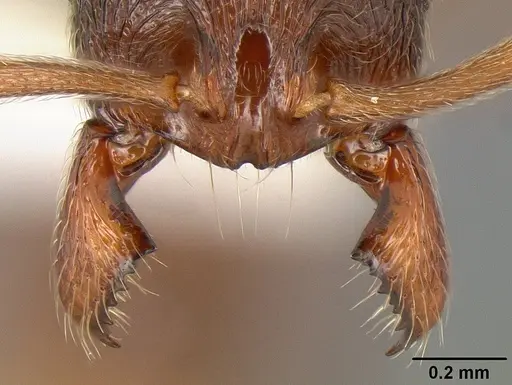
CASENT0248398
View on AntWeb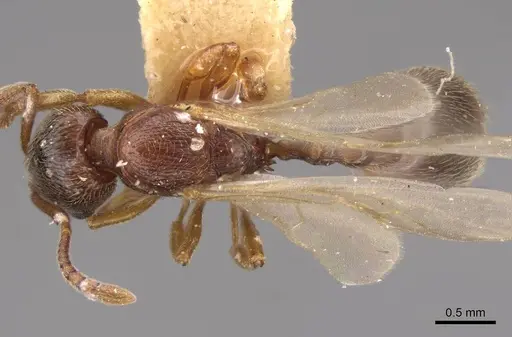
CASENT0761109
View on AntWeb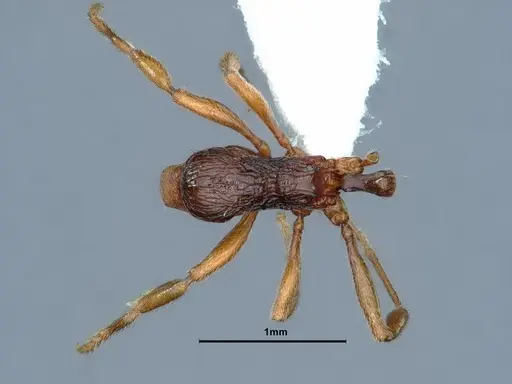
CASENT0842372
View on AntWeb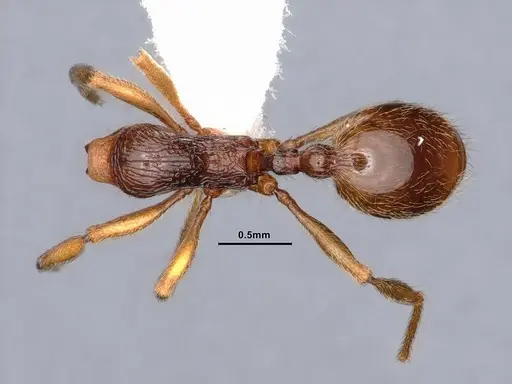
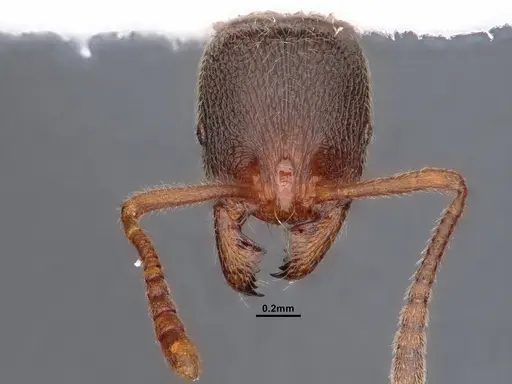
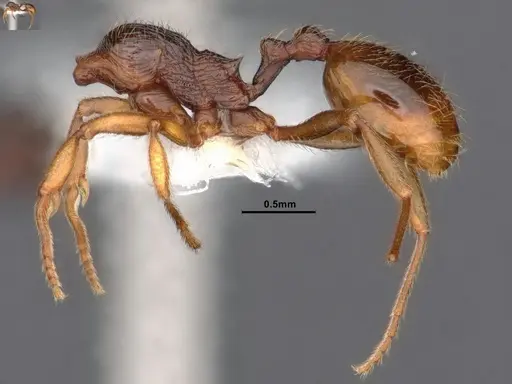
CASENT0843611
View on AntWeb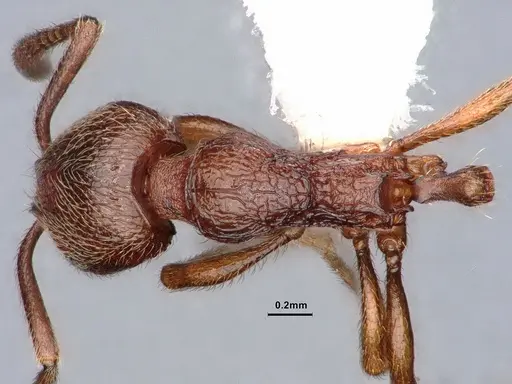
CASENT0844140
View on AntWeb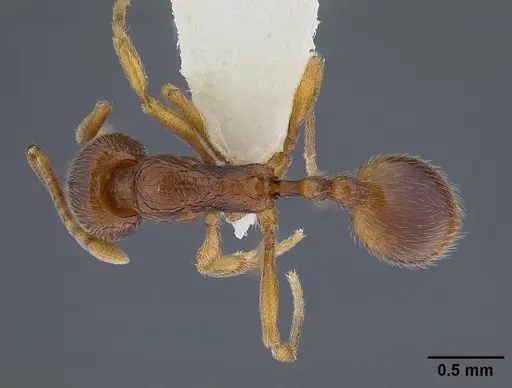
CASENT0883414
View on AntWeb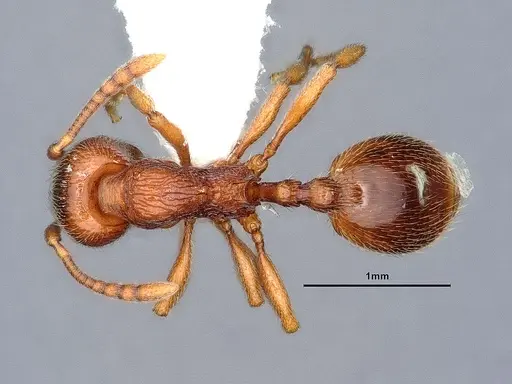
CASENT0883415
View on AntWeb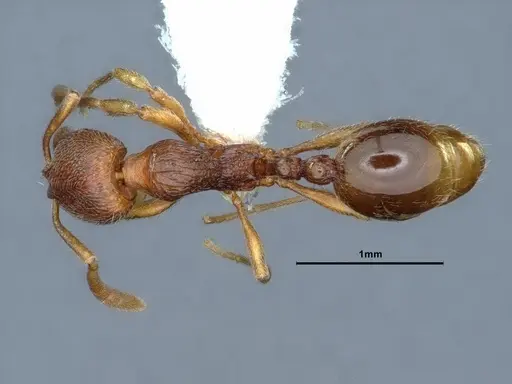
CASENT0884440
View on AntWeb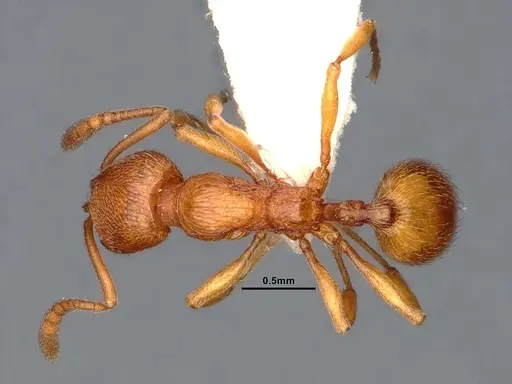
CASENT0884441
View on AntWeb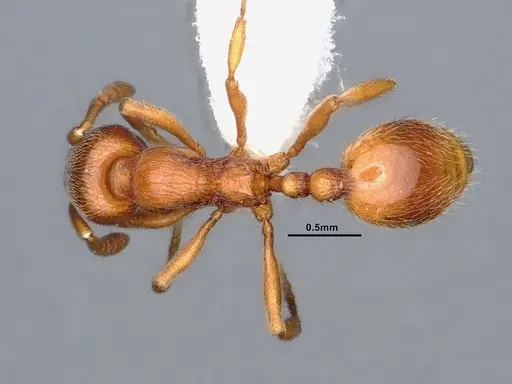
CASENT0885489
View on AntWeb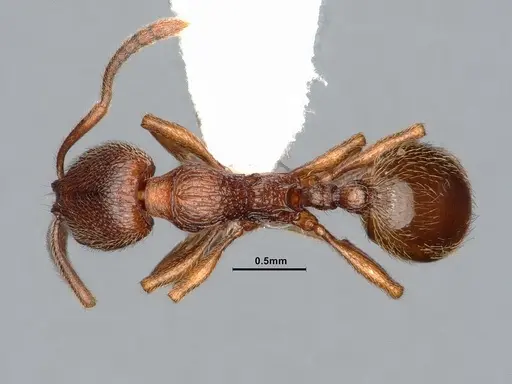
CASENT0885490
View on AntWeb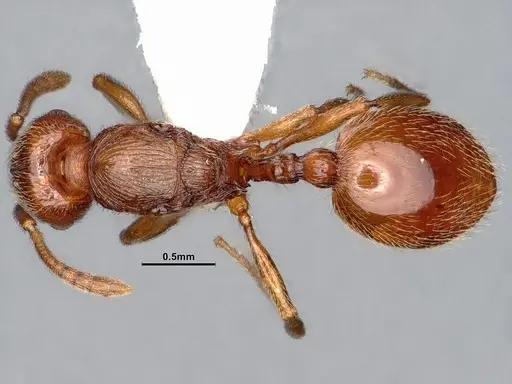
CASENT0885491
View on AntWeb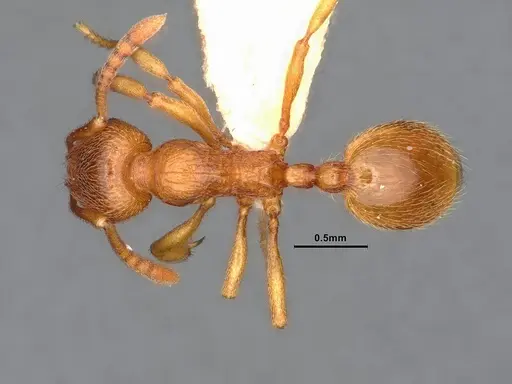
CASENT0885492
View on AntWeb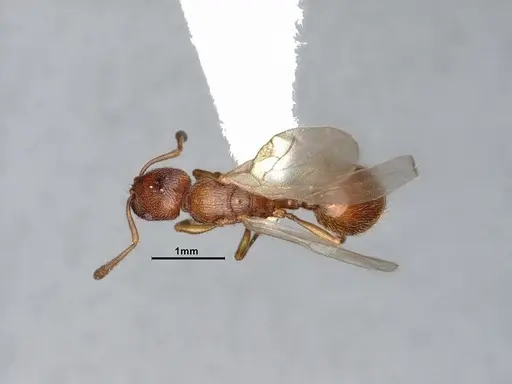
CASENT0885516
View on AntWeb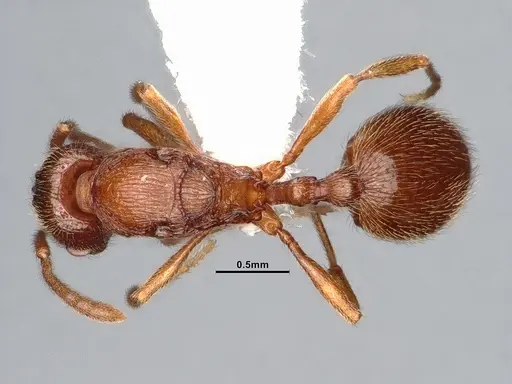
CASENT0885517
View on AntWeb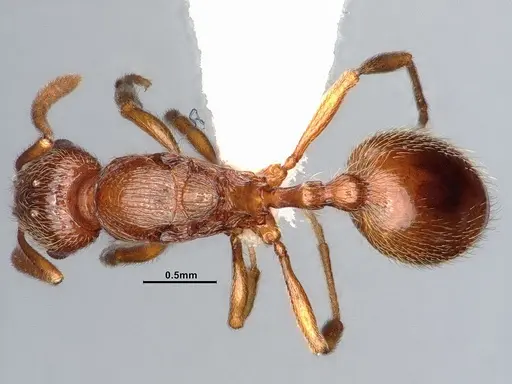
CASENT0904152
View on AntWeb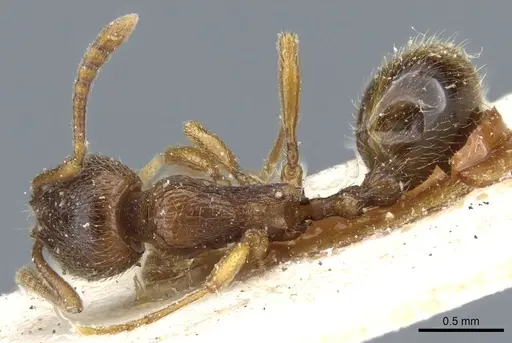
CASENT0904153
View on AntWeb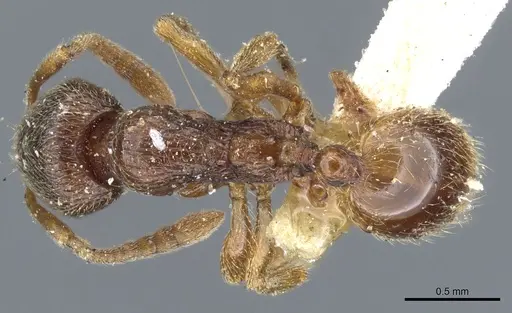
CASENT0923081
View on AntWeb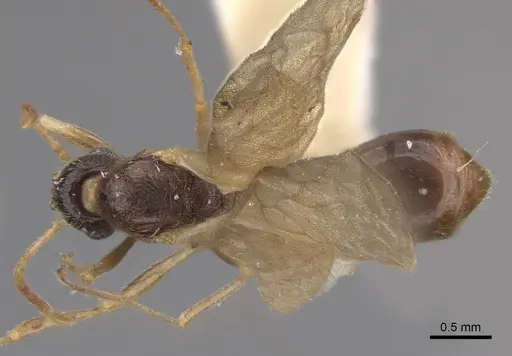
CASENT4031361
View on AntWeb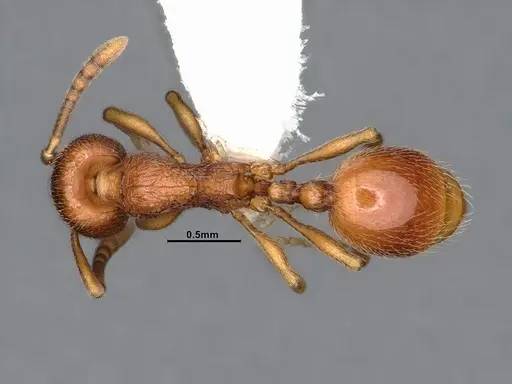
CASENT4031362
View on AntWeb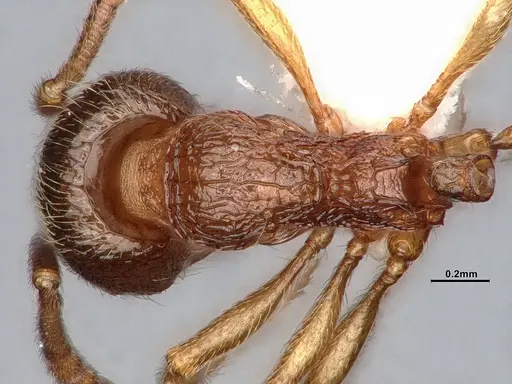
CASENT4031363
View on AntWeb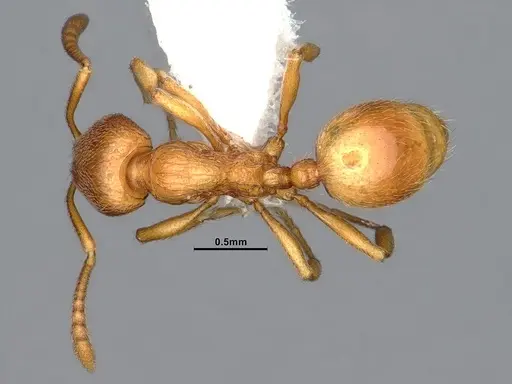
CASENT4031364
View on AntWeb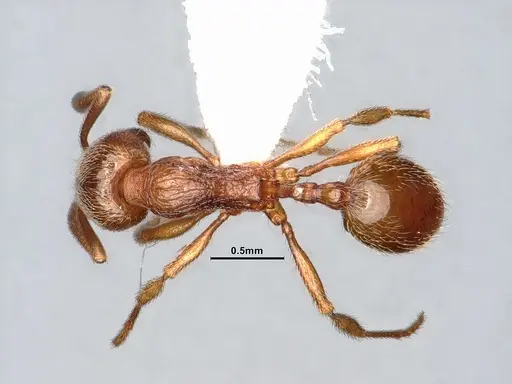
CASENT4031365
View on AntWeb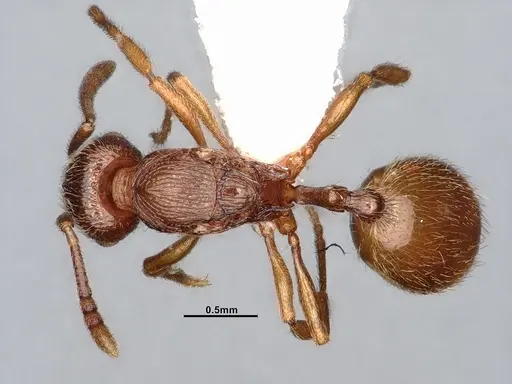
CASENT4031381
View on AntWeb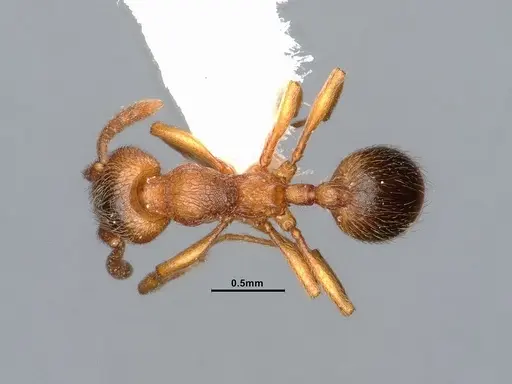
Literature
Loading distribution map...Loading products...