
Stenamma connectum
- Sci. Name
- Stenamma connectum
- Tribe
- Stenammini
- Subfamily
- Myrmicinae
- Author
- Branstetter, 2013
- Distribution
- Found in 1 countries
Introduction
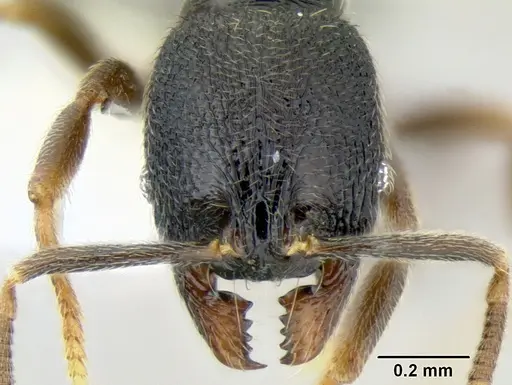
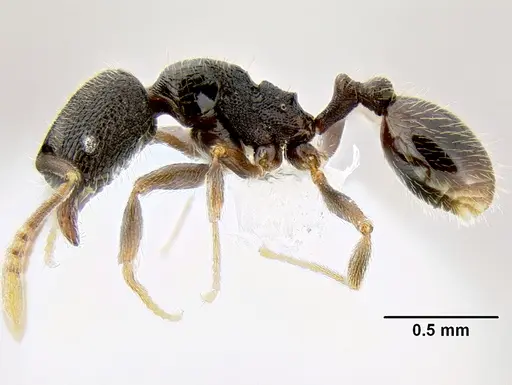
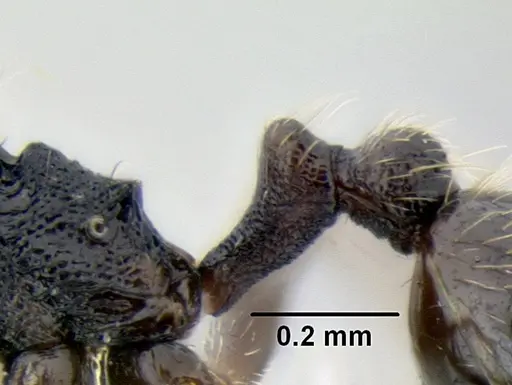
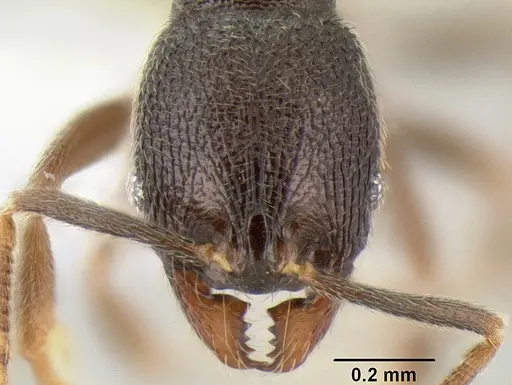
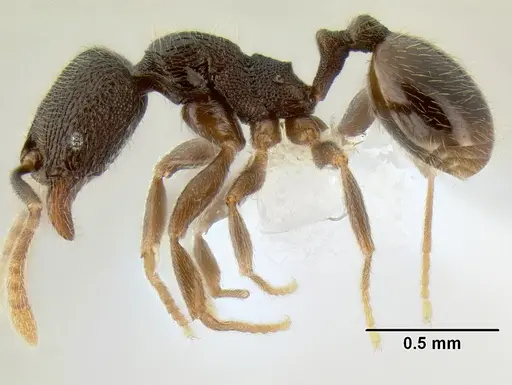
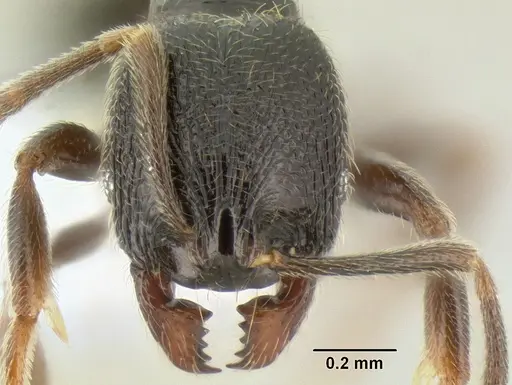
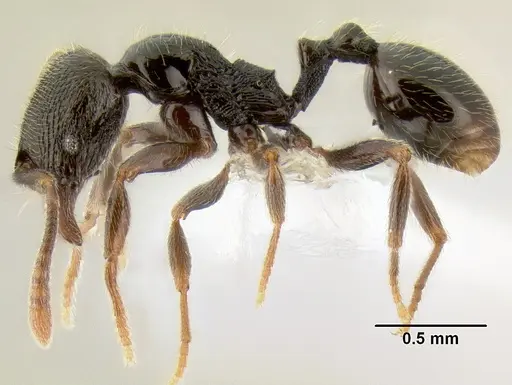
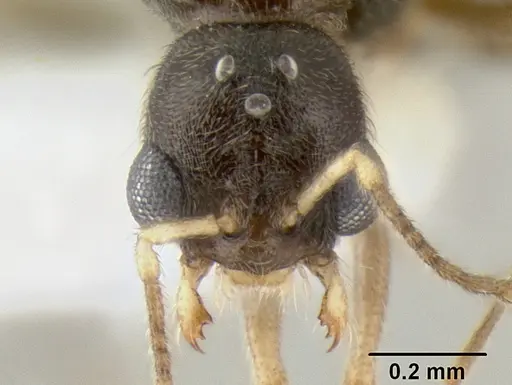
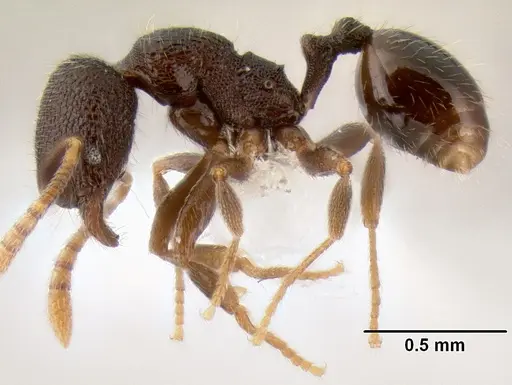
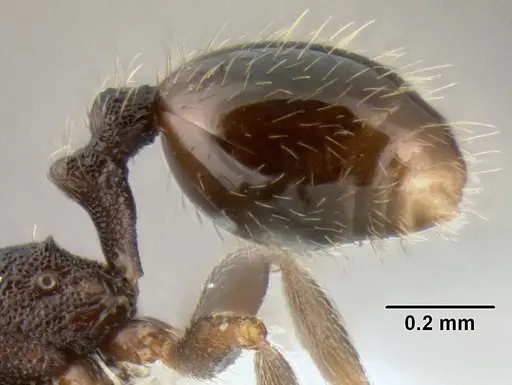
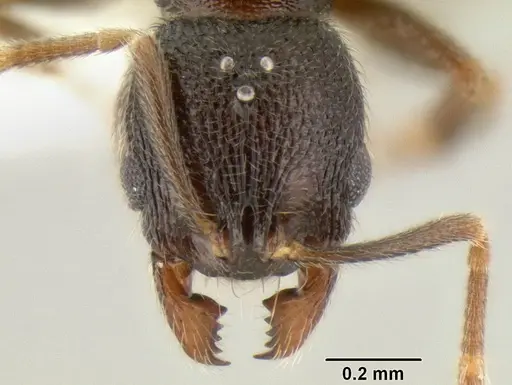
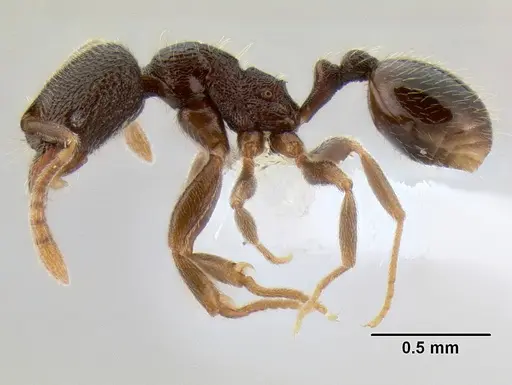
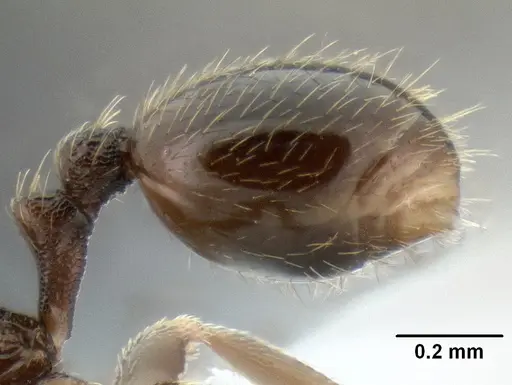
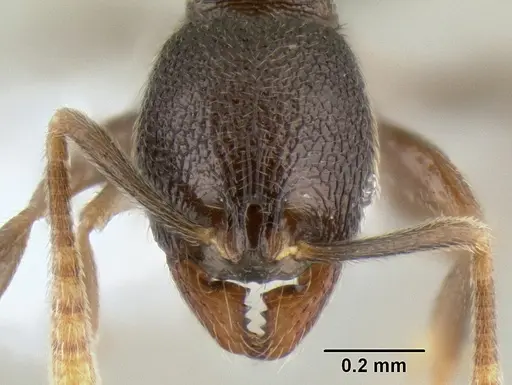
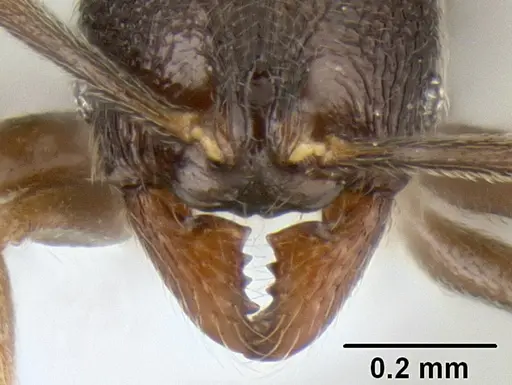
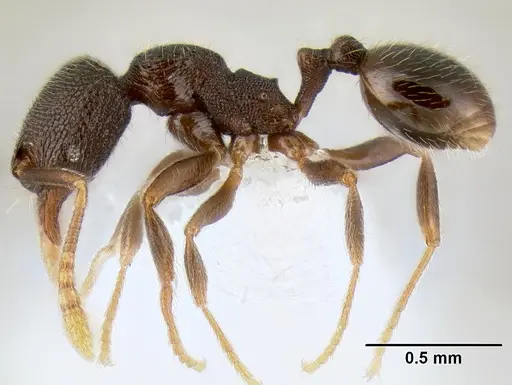
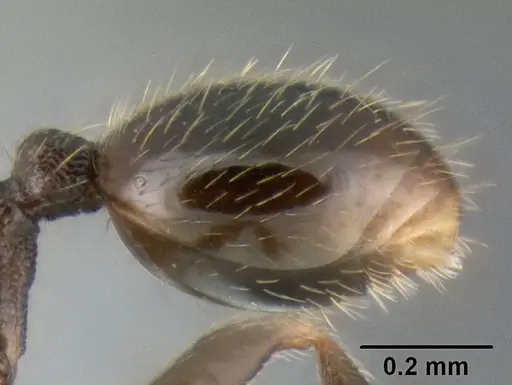
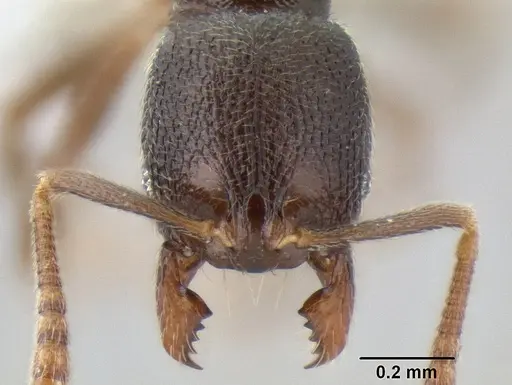
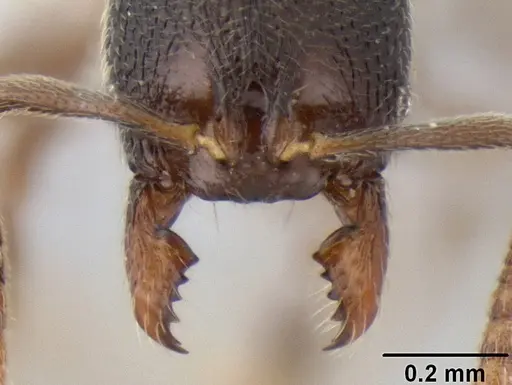
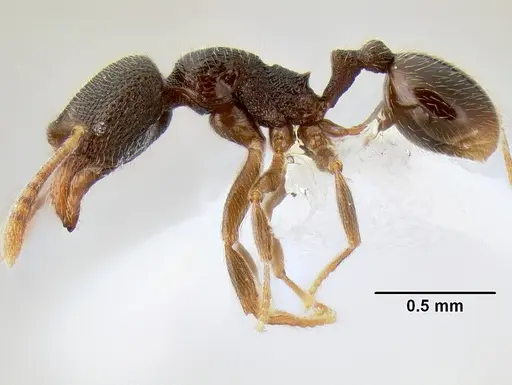
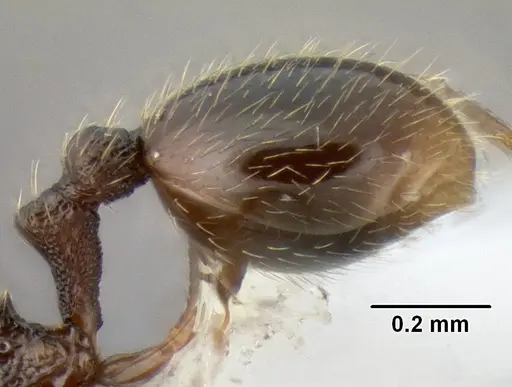
Stenamma connectum is a small, dark brown to brown ant native to the montane wet forests of southern Mexico, specifically Oaxaca and Veracruz . Workers are small-sized species, though exact total length is not recorded . They inhabit elevations between 600-2160 meters, living in the leaf litter of cloud forests where humidity stays consistently high . The species was only formally described in 2013,and only one natural nest has ever been found – a single dealate queen with brood tucked beneath a moss mat . Their most distinctive feature is the propodeal area: the connection between the propodeal lobe and spine is sinuous (curvy), which is why the species is named 'connectum' . These ants are part of the Stenamma MAC clade and are considered tropical, occurring at around 20° latitude . Because they are rarely collected and poorly studied, almost nothing is known about their captive care.
Quick Summary
- Difficulty: Hard
- Origin & Habitat: Southern Mexico (Oaxaca, Veracruz) in montane wet forest habitats at 600-2160 m elevation [2][1]. They live in leaf litter in cloud forest environments with high humidity and moderate temperatures.
- Colony Type: Colony structure is unconfirmed. Based on typical Stenamma patterns, colonies are likely monogyne (single queen) [4].
- Size & Growth:
- Queen: Size data unavailable. Queens are similar in size to workers but with standard queen modifications, including a larger thorax [2].
- Worker: Size data unavailable. Workers have a mesosoma length of 0.61-0.87 mm, but total length has not been recorded [2].
- Colony: Unknown – only one colony (a queen with brood) has ever been observed [2].
- Growth: Unknown – no captive breeding data exists.
- Development: Unconfirmed. No direct data for this species. (Temperature-dependent development is assumed, but no timeline is available.)
- Antkeeping:
- Temperature: Based on their montane habitat, keep cool and stable: aim for 18-22°C. Avoid prolonged heat above 25°C [2].
- Humidity: High humidity is essential – think damp cloud forest floor. Keep the nest substrate consistently moist but not waterlogged. The only known nest was found under a moss mat, indicating constant moisture [2].
- Diapause: Likely benefits from a cool winter period due to its montane origin. Reduce temperature to about 15°C for 2-3 months during winter [2].
- Nesting: Natural nesting occurs under moss mats in leaf litter [2]. In captivity, a naturalistic setup with deep layers of soil, leaf litter, and moss works best. Plaster or Y-tong nests with good moisture retention are suitable if kept consistently damp.
- Behavior: Very shy and non-aggressive. As a leaf-litter dweller, workers are slow-moving and secretive, spending most of their time hidden in the substrate [1]. They forage individually and do not form visible trails. Escape risk is high due to tiny size – use fine mesh barriers. They are not known to sting and pose no threat to keepers.
- Common Issues: escape prevention is critical due to tiny size – use fine mesh and tight-fitting barriers, very limited biological data makes captive care challenging – expect trial and error, high humidity requirements can lead to mold if ventilation is poor, slow growth and secretive behavior may make you think the colony is failing when it's not, wild-caught colonies are likely stressed and may not adapt to captivity
Housing and Nest Setup
Stenamma connectum is a leaf-litter ant, so a naturalistic setup works best. Use a container with several centimeters of substrate (a mix of soil and peat), topped with leaf litter and pieces of moss. This mimics the damp forest floor where they naturally nest under moss mats [2]. Keep the substrate consistently moist but not waterlogged – these ants come from constantly damp environments. A small water chamber or test tube water reservoir helps maintain humidity. If using a formicarium, choose one with good moisture retention, like plaster or Y-tong. Avoid dry setups entirely. Lighting should be low, these ants are secretive and prefer darkness [1]. Because of their tiny size, use fine mesh on ventilation holes and tight seals on lids to prevent escapes.
Temperature and Humidity
These ants come from montane cloud forests, so they need cool, stable conditions. Aim for 18-22°C – avoid prolonged heat above 25°C [2]. A gentle gradient with one slightly warmer side can be created with a small heating cable if your room runs cool. Humidity is critical: maintain a damp substrate, the surface should feel moist to the touch. Mist lightly if it begins to dry, but avoid waterlogging. Ventilation must still be adequate to prevent mold. During winter, you can reduce temperature to about 15°C for 2-3 months to simulate their natural seasonal cycle [2].
Feeding and Diet
In the wild, Stenamma species are thought to be generalist predators of small invertebrates and likely feed on honeydew from insects [4]. For captive colonies, offer a varied diet: small live prey like springtails, fruit flies, or tiny crickets should be the main protein source. Sugar can be offered as honey water or sugar water, but acceptance is unknown. Provide protein twice weekly and sugar continuously. Remove uneaten prey after 24 hours to prevent mold. Prey items must be appropriately small – springtails are ideal. Do not overfeed, small portions are better for this secretive species [1][4].
Colony Establishment
Establishing a colony of Stenamma connectum is challenging because almost nothing is known about their captive behavior. If you obtain a queen, she may seal herself in a small chamber, but founding behavior is unconfirmed. Provide a small test tube setup with moist cotton or substrate, and place it in a dark, humid location. Do not disturb her – disturbance can cause stress. Founding colonies likely grow very slowly. Workers may not appear for many months. Once they emerge, they are tiny and very shy. Be patient – these ants are not for keepers who want rapid growth. Wild-caught colonies from leaf litter samples are extremely difficult to establish, as these ants are adapted to specific forest floor conditions [2][1].
Behavior and Temperament
Stenamma connectum is an extremely shy, non-aggressive species. Workers are slow-moving and spend most of their time hidden in the leaf litter or substrate [1]. They do not form visible foraging trails, instead, individual workers wander through the leaf litter searching for food. They are not defensive and will not attack when exposed. The colony will likely remain cryptic, with workers rarely visible on the surface. This makes them a species for patient keepers who enjoy observing subtle behavior in the substrate. They pose no stinging risk. Their small size and secretive nature mean they're best suited for experienced keepers who appreciate rare, little-known species [2].
Frequently Asked Questions
How long does it take for Stenamma connectum to produce first workers?
The timeline is completely unknown. No data exists on development times. Be prepared for a very long wait – many months or more – and do not assume the colony has failed if you see no workers for several months.
Can I keep Stenamma connectum in a test tube setup?
Test tubes can work for a founding queen, but once workers appear, a naturalistic setup with deep substrate and leaf litter is recommended, as these ants naturally nest in leaf litter under moss mats [2].
What do Stenamma connectum ants eat?
They are assumed to feed on small live prey (springtails, fruit flies) and honeydew. Offer small protein sources twice a week and sugar water continuously. This is based on related Stenamma species, as their natural diet has not been studied [4].
Do Stenamma connectum ants sting?
They are not known to sting and are completely non-aggressive. Like most Myrmicinae, they may have a reduced sting, but it is not used defensively against humans.
Are Stenamma connectum good for beginners?
No – this species is unsuitable for beginners. Almost no captive care data exists, they require constant high humidity, and their secretive nature makes it hard to tell if the colony is thriving. They are best left to experienced antkeepers who enjoy challenging projects.
Do Stenamma connectum need hibernation?
Based on their montane origin (600-2160 m elevation), they likely benefit from a cool winter period. Lower the temperature to about 15°C for 2-3 months during winter. This is inferred from habitat, not confirmed by experiments [2].
Why are my Stenamma connectum always hiding?
This is normal behavior. They are cryptic leaf-litter ants that naturally avoid light and open spaces. Workers will remain in the substrate and only rarely venture out. This is not a sign of illness, it is simply their natural habit [1].
How big do Stenamma connectum colonies get?
Colony size is undocumented. The only colony ever found was a single queen with brood [2]. In related Stenamma species, colonies may reach several hundred workers, but this is unknown for S. connectum.
What makes Stenamma connectum different from other ants?
They are one of the most recently described and least-studied ant species. Their propodeal spines and lobes have a unique sinuous connection, giving them their name 'connectum'. Only one natural nest has ever been found, making them exceptionally rare in both the wild and captivity [2].
Report an Issue
The current care sheet is based fully on literature. See inconsistencies, or something that's incorrect? Please , it will be resolved after review from an admin. Contributing to the blogs tab also helps providing information, to make us be able to further improve the caresheets. Thank you for your support!
References

This caresheet is licensed under CC BY-SA 4.0 .
Community Blogs
CASENT0126417
View on AntWeb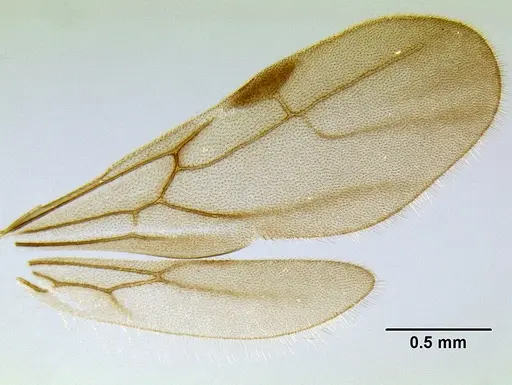
CASENT0126480
View on AntWeb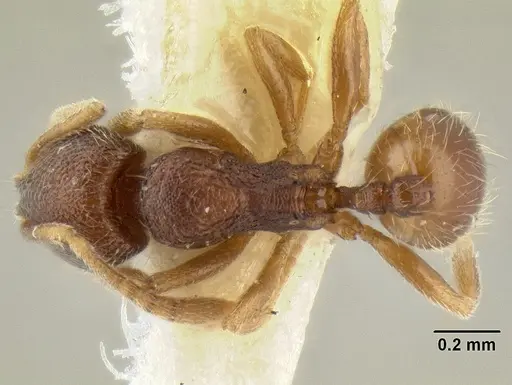
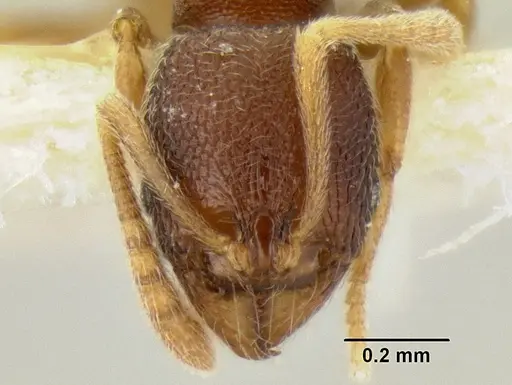
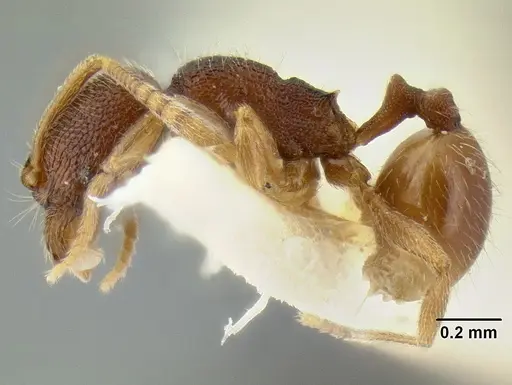
CASENT0605461
View on AntWeb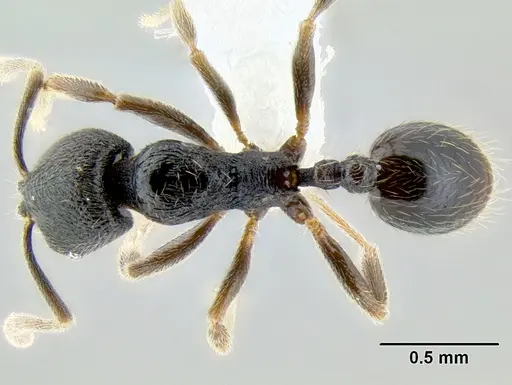
CASENT0605496
View on AntWeb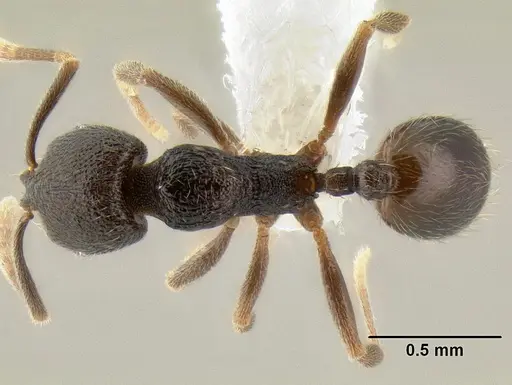
CASENT0605552
View on AntWeb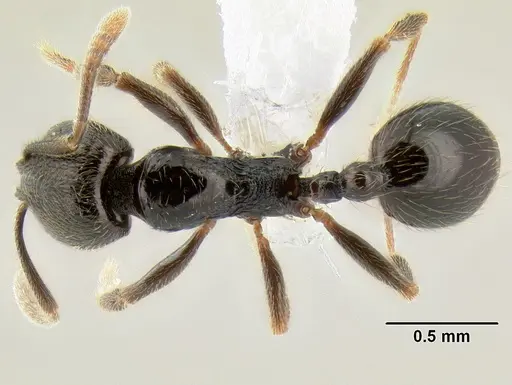
CASENT0605585
View on AntWeb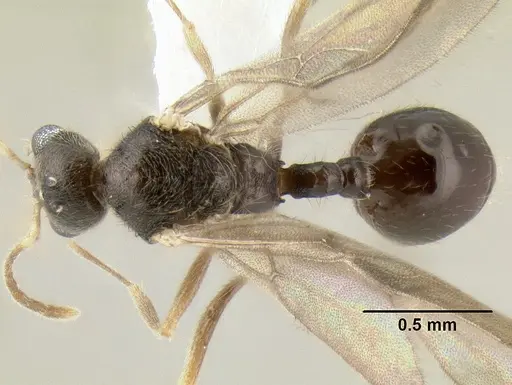
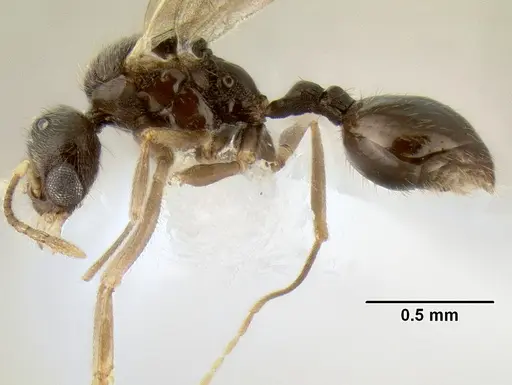
CASENT0605586
View on AntWeb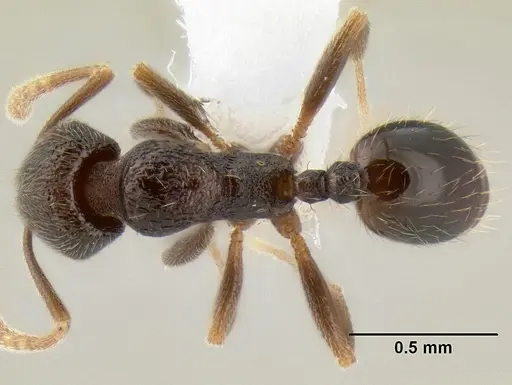
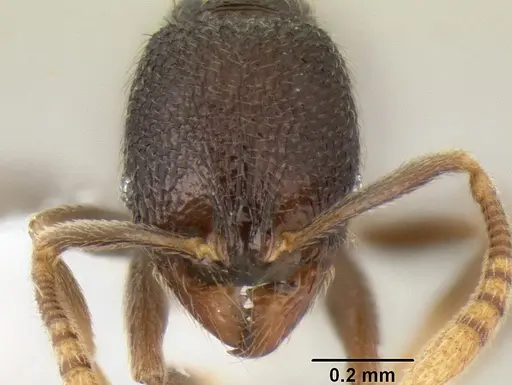
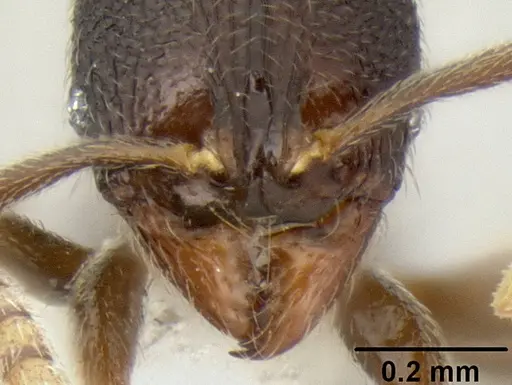
CASENT0605755
View on AntWeb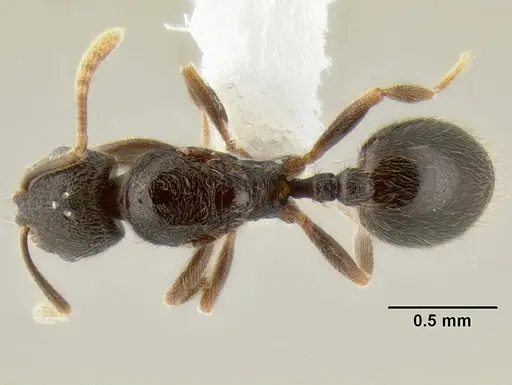
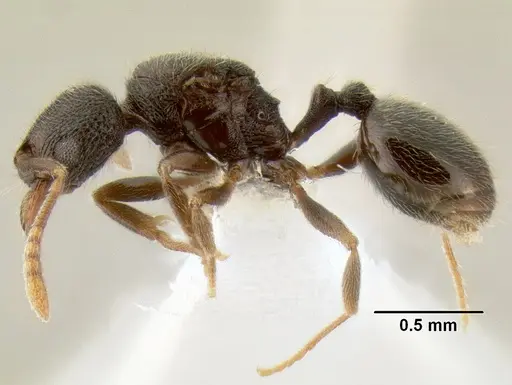
CASENT0622437
View on AntWeb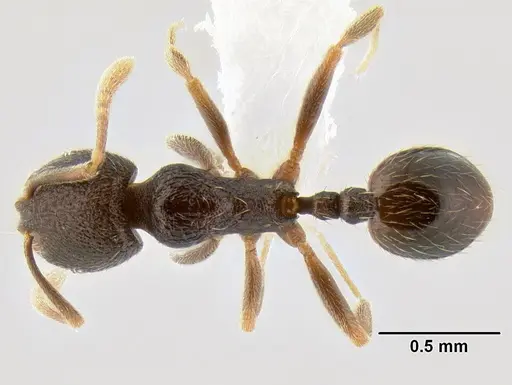
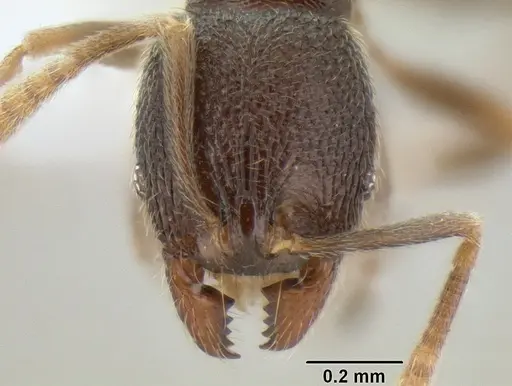
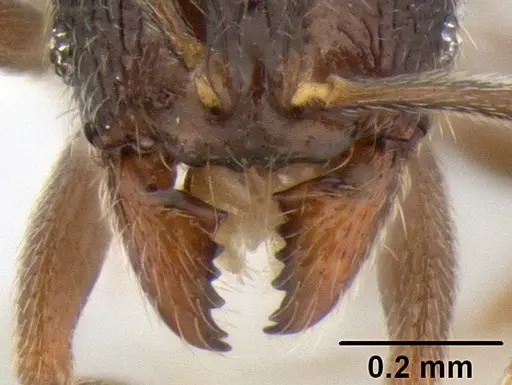
CASENT0622438
View on AntWeb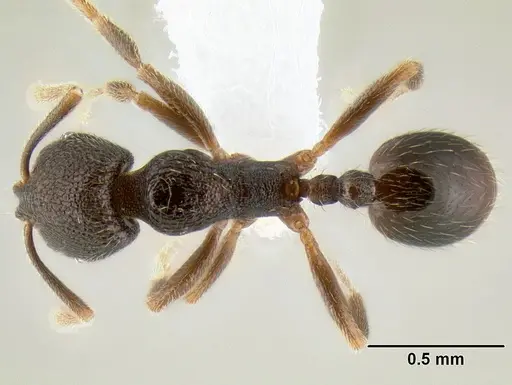
CASENT0622439
View on AntWeb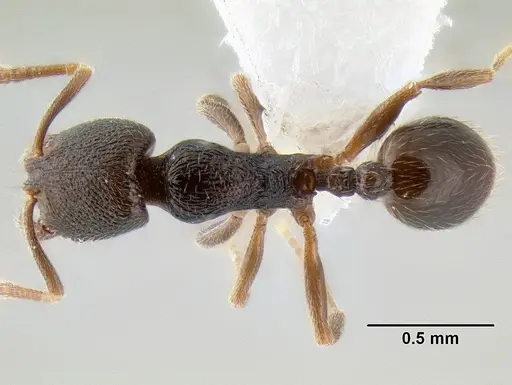
Literature
Loading distribution map...Loading products...