
Stenamma atribellum
- Sci. Name
- Stenamma atribellum
- Tribe
- Stenammini
- Subfamily
- Myrmicinae
- Author
- Branstetter, 2013
- Distribution
- Found in 1 countries
Introduction
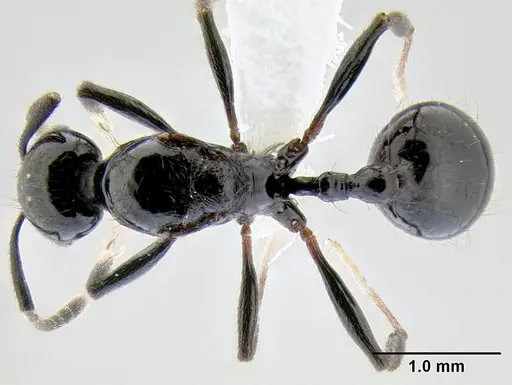
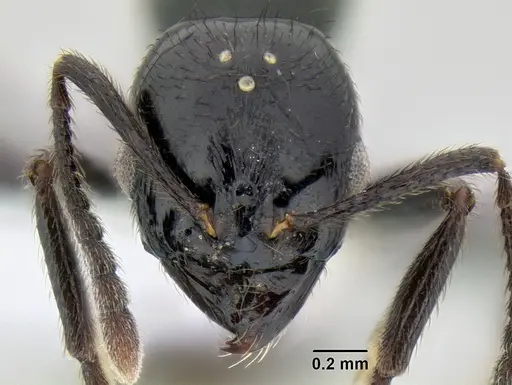
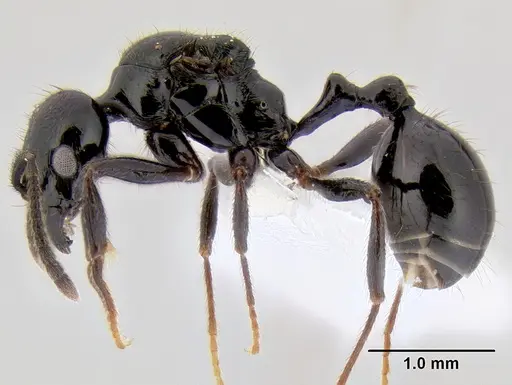
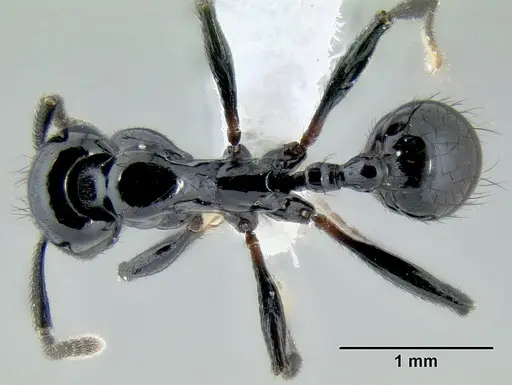
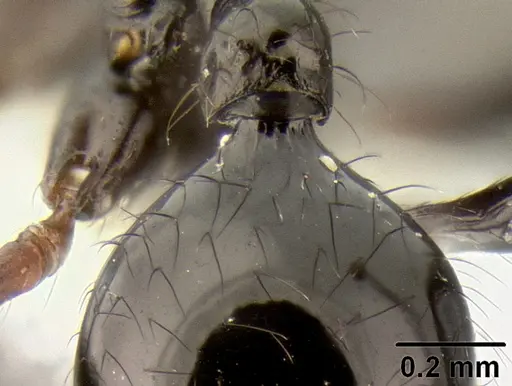
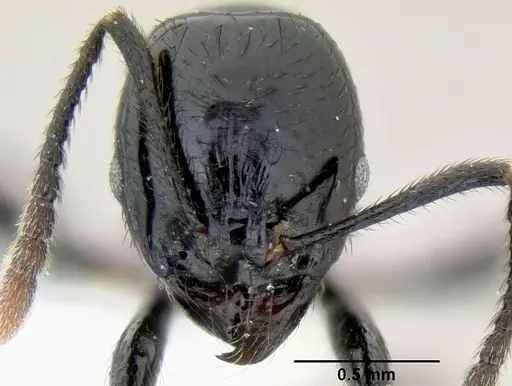
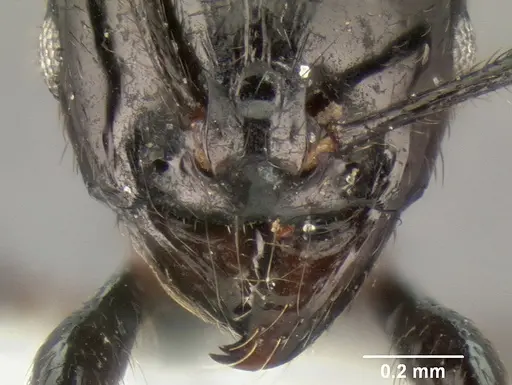
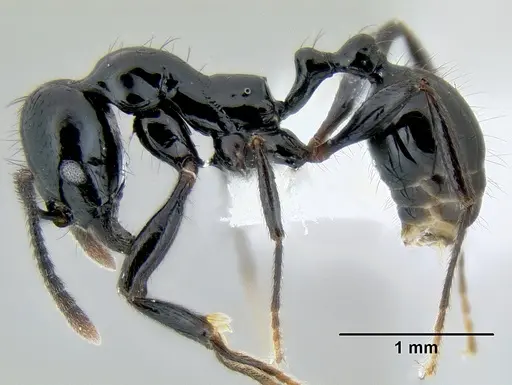
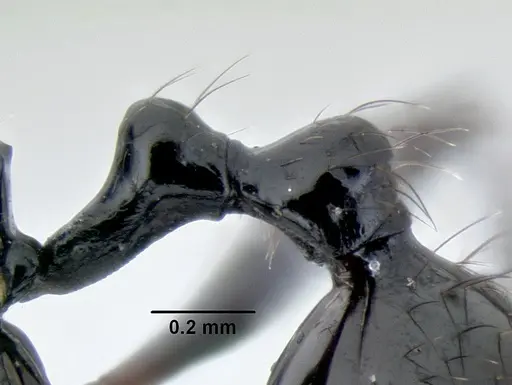
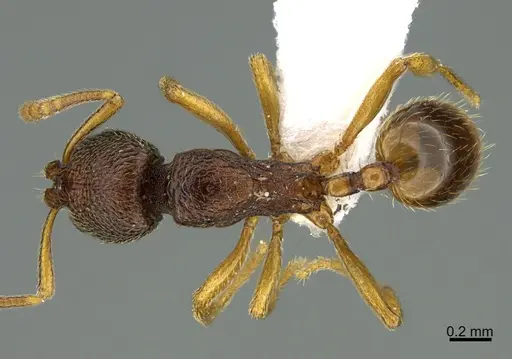
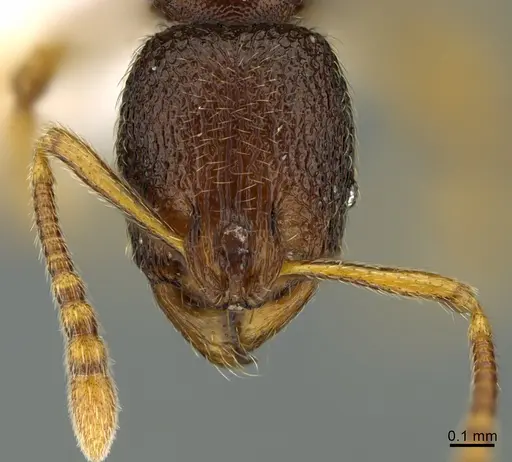
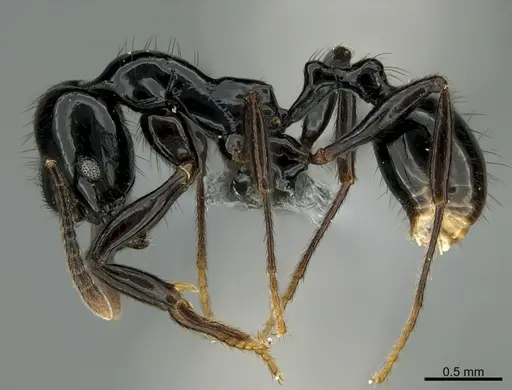
Stenamma atribellum is a medium- to large-sized ant species found only in the cloud forests of Honduras. It has a distinctive smooth, shiny black body with an elongated constriction at the front of the gaster (the rear body segment). Propodeal spines are reduced to tiny tubercles, making it easy to tell apart from other Stenamma ants . The species name comes from Greek words meaning 'black beast' . It is known from a single nest collection at about 2030 m elevation in Parque Nacional Cusuco, making it one of the rarest ant species known .
Quick Summary
- Difficulty: Expert
- Origin & Habitat: Honduras – Cortés department, Parque Nacional Cusuco, cloud forest at 1550–2030 m elevation [1][2]. The only known nest was found under the bark of a large log near the edge of dwarf forest [1][2].
- Colony Type: Single‑queen colonies (monogyne) – the only documented wild colony had one queen and at least 100 workers [1]. Colony structure in captivity is unconfirmed beyond this single observation.
- Size & Growth:
- Queen: Size data unavailable. Only head and mesosoma measurements exist, which do not represent full body length.
- Worker: Size data unavailable. Only head and mesosoma measurements exist, which do not represent full body length.
- Colony: At least 100 workers in the only documented wild colony [1]. Maximum colony size is unknown.
- Growth: Unconfirmed. Based on typical Stenamma patterns, likely moderate growth.
- Development: Unconfirmed – no data exists for this species. Estimated 8–12 weeks based on related Stenamma species. (No direct development data. All estimates are speculative.)
- Antkeeping:
- Temperature: Cloud forest species from 1550–2030 m elevation – likely prefers cool, stable conditions. Recommended temperature 18–22 °C. Avoid temperatures above 25 °C. Provide a gradient so workers can choose [1][2].
- Humidity: Critical – keep nest substrate consistently damp but not waterlogged. Use moist soil, plaster nests, or Y‑tong with water reservoirs. The natural nest under bark in cloud forest suggests very high humidity [1].
- Diapause: Unconfirmed. As a tropical high‑elevation cloud forest species, they may not require true hibernation but could have reduced activity during cooler periods.
- Nesting: In nature, nests under loose bark of logs in cloud forest [1][2]. In captivity, provide a naturalistic setup with damp substrate and bark pieces, or use Y‑tong/plaster nests with high humidity.
- Behavior: Docile and secretive, based on genus patterns. Workers forage in leaf litter and under bark. They are not known to sting. Escape risk is moderate – use standard barrier methods.
- Common Issues: extreme rarity – virtually unavailable in the hobby, only one known collection, high humidity requirements – colonies can fail quickly if substrate dries out, sensitive to overheating – keep away from direct heat sources and maintain 18–22 °C, no captive husbandry information – keepers must pioneer all care methods
Housing and Nest Setup
Provide a high‑humidity setup that mimics cloud forest conditions. A naturalistic terrarium with damp soil, leaf litter, and loose bark pieces works well – the only known nest was under bark [1]. You can also use a Y‑tong (AAC) or plaster nest with a water reservoir to keep humidity high. The key is to keep the substrate consistently moist. Ventilation should be enough to prevent mold but not so strong that the nest dries out. Because these ants are secretive, give them plenty of dark, enclosed spaces.
Feeding and Diet
Diet is unconfirmed for this species. Based on typical Stenamma feeding habits, they likely accept small protein sources like fruit flies, small crickets, and mealworm pieces. They may also take sugar water or honey water once the colony is established. Offer small amounts and remove uneaten food to prevent mold in the humid environment. Avoid overfeeding – cloud forest specialists may have low metabolic demands.
Temperature Management
This species comes from cool cloud forest at 1550–2030 m elevation, so keep the nest area between 18–22 °C. Do not let temperatures exceed 25 °C for long – they are sensitive to overheating [1][2]. Room temperature is often fine, but monitor when using any heating. A gentle temperature gradient in the nest lets workers choose their preferred spot. Keep the setup away from direct sunlight and heaters.
Humidity Requirements
High humidity is essential – this ant lives in constantly moist cloud forest. Keep the nest substrate damp but not waterlogged. A water tube or moisture reservoir connected to the nest helps maintain stable humidity. You can also mist the outworld occasionally, but rely on the substrate. Condensation on the nest walls is normal. Avoid strong air currents that dry out the nest [1][2].
Colony Founding
Founding behavior is completely unconfirmed for this species – there is no record of whether queens are claustral or semi‑claustral. If you obtain a queen, place her in a test tube setup with damp cotton and leave her completely undisturbed. Do not offer food until first workers appear, as this is safe for most ant species, but we don’t know for sure. Wait at least 8–12 weeks before checking. Be patient and minimize disturbance.
Behavior and Temperament
No direct behavioral observations have been published. Based on genus patterns, Stenamma ants are generally docile and secretive. Workers likely forage mainly in leaf litter and under bark, hunting small invertebrates. They are not known to sting and pose no danger to you. The colony probably stays hidden most of the time and won't form large visible trails. This species is best for keepers who enjoy subtle, secretive ant behavior rather than active foragers.
Frequently Asked Questions
Is Stenamma atribellum available in the antkeeping hobby?
No. This species is extremely rare – known only from one nest collection in Honduras. It has never been available in the trade. Most keepers will never encounter it.
How do I keep Stenamma atribellum?
Keep them in a high‑humidity setup with damp substrate, at 18–22 °C. Provide protein and sugar water once workers appear. However, because this species has never been kept in captivity, all recommendations are based on genus patterns – you will be pioneering the care.
What do Stenamma atribellum ants eat?
Diet is unconfirmed. Based on related Stenamma, they likely accept fruit flies, small insects, and honey or sugar water. Start with tiny protein offerings and observe what the colony accepts.
Do Stenamma atribellum ants sting?
No – Stenamma ants are not known to have functional stingers. They are completely harmless to keepers.
How big do Stenamma atribellum colonies get?
The only documented wild colony had at least 100 workers [1]. Maximum colony size is unknown but likely moderate – probably a few hundred at most, based on genus patterns.
Do Stenamma atribellum need hibernation?
Diapause requirements are unconfirmed. As a tropical high‑elevation cloud forest species, they probably don't require true hibernation but may slow down in cooler periods. More research is needed.
What is the egg to worker timeline for Stenamma atribellum?
Unconfirmed. Based on related Stenamma species, expect 8–12 weeks from egg to first worker at around 20 °C. This is an estimate only.
Can I keep multiple Stenamma atribellum queens together?
Not recommended. The single known wild colony had only one queen [1]. Combining unrelated queens has not been studied. Stick to single‑queen colonies.
What makes Stenamma atribellum different from other ants?
It has a distinctive elongated constriction at the front of the gaster and an almost completely smooth, shiny black body [1]. It is also one of the rarest ant species, known only from a single collection in Honduras.
Is Stenamma atribellum good for beginners?
No – this species is Expert difficulty due to extreme rarity, critical humidity needs, and complete lack of captive husbandry information. It is not recommended for beginners and virtually unavailable.
Report an Issue
The current care sheet is based fully on literature. See inconsistencies, or something that's incorrect? Please , it will be resolved after review from an admin. Contributing to the blogs tab also helps providing information, to make us be able to further improve the caresheets. Thank you for your support!
References

This caresheet is licensed under CC BY-SA 4.0 .
Community Blogs
Literature
Loading distribution map...Loading products...