
Solenopsis wasmannii
- Sci. Name
- Solenopsis wasmannii
- Tribe
- Solenopsidini
- Subfamily
- Myrmicinae
- Author
- Emery, 1894
- Distribution
- Found in 4 countries
Introduction
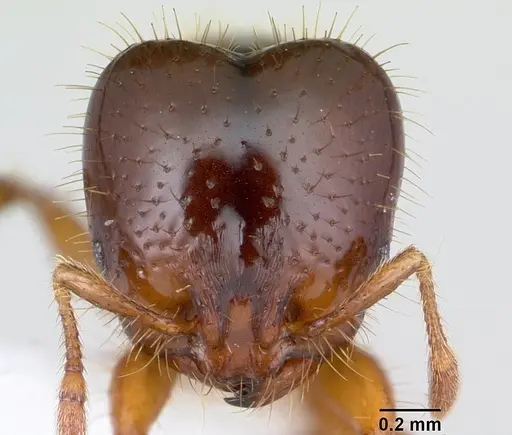
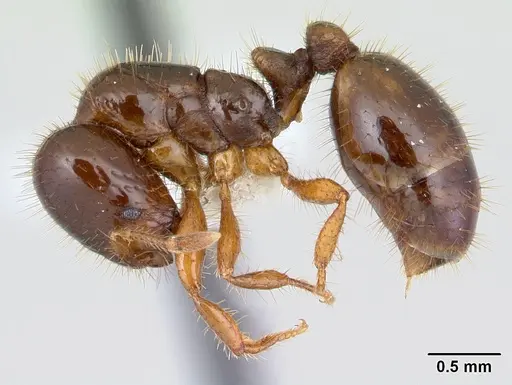
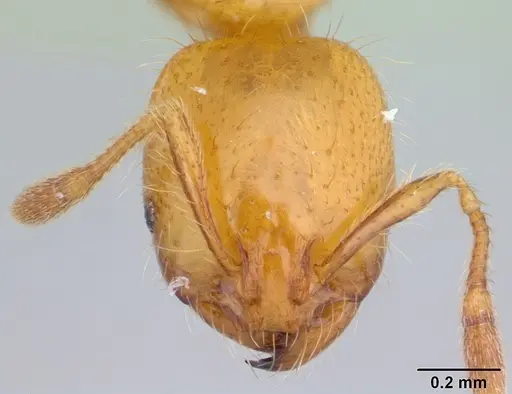
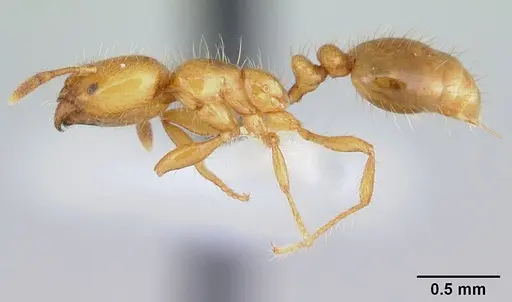
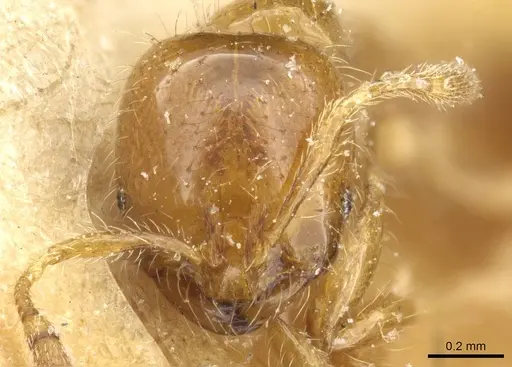
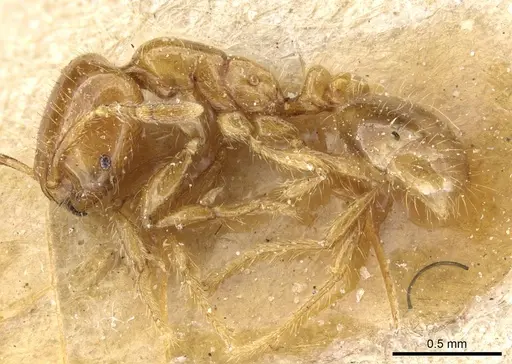
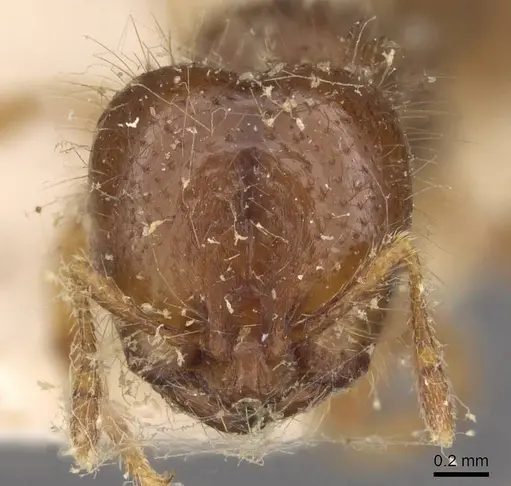
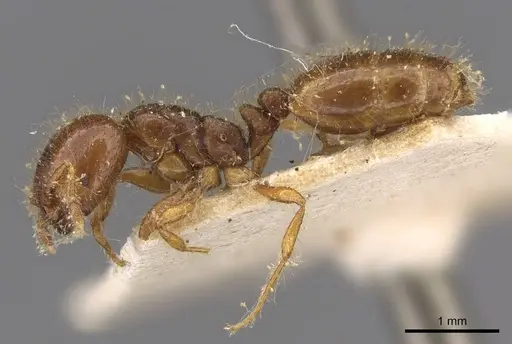
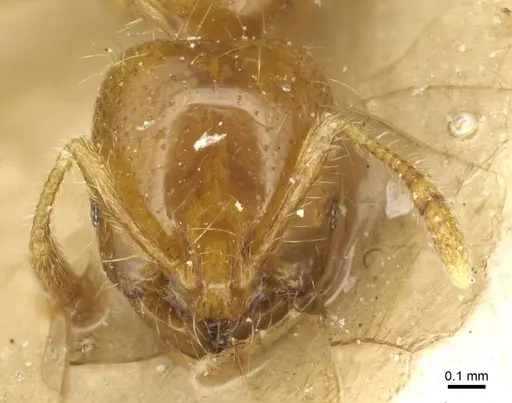
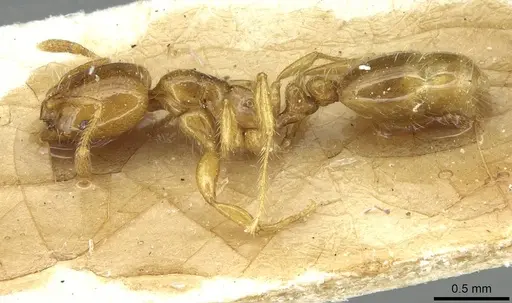
Solenopsis wasmannii is a polymorphic thief ant in the Solenopsis wasmannii species complex, found across the Neotropical region including Argentina, Bolivia, Brazil, Chile, and Paraguay . Workers range from tiny minors (about 1.80 mm) to large majors over 5 mm, with majors having distinctly enlarged heads similar to those of Pheidole . The species is one of the few 'smaller' Solenopsis with strong polymorphism. It nests in the ground, having been collected under stones in cerrado savanna at 450 m elevation and in soil nests in tropical dry forest at 1400 m . Queens are large (6-9 mm) and concolorous brown . This ant is an opportunistic forager and a known scavenger, occasionally stealing food from other ant colonies.
Quick Summary
- Difficulty: Medium
- Origin & Habitat: Native to Argentina, Bolivia, Brazil, Chile, and Paraguay. It inhabits tropical dry forests, cerrado (savanna), and Atlantic Forest remnants at elevations from 450 m to 1400 m [1]. It has been recorded in semi-deciduous forests, eucalyptus plantations, and disturbed areas [3][4][5].
- Colony Type: Unknown, no specific data on queen number. Based on typical Solenopsis patterns, likely monogyne (single queen), but unconfirmed.
- Size & Growth:
- Queen: 6-9 mm [1]
- Worker: 1.80-5.28 mm (polymorphic) [1]
- Colony: Unknown, related Solenopsis can reach several thousand workers, but no direct data for S. wasmannii
- Growth: Unknown, inferred moderate at tropical temperatures
- Development: Estimated 4-6 weeks at 25-28°C (based on related tropical Solenopsis, no specific data) (Development time is temperature-dependent, keep warm for best growth)
- Antkeeping:
- Temperature: Keep at 24-28°C. These are tropical ants and need consistent warmth. A heating cable on one side of the nest creates a gradient [1]. Avoid prolonged temperatures below 20°C.
- Humidity: Provide a gradient: keep the nest substrate slightly moist in one area and dry in another. This species naturally inhabits seasonally dry forests, so it can tolerate some drying, but avoid total desiccation.
- Diapause: No, as a tropical species, it does not require winter hibernation. Maintain stable warmth year-round.
- Nesting: Ground-nesting, naturally under stones and in soil. In captivity use a Y-tong (AAC), plaster, or soil nest with a hydration chamber. A test tube setup works for founding colonies.
- Behavior: A thief ant, opportunistic forager that scavenges and may steal food from other colonies. Workers are generally non-aggressive toward keepers but will defend their nest. They have a functional stinger (Myrmicinae, Solenopsidini) armed with piperidine alkaloid venom. The sting is mild and not dangerous. Minors are very small (1.8 mm), so escape prevention is critical, use fluon or PTFE on nest edges and seal gaps. Activity pattern unknown, likely both day and night.
- Common Issues: tropical temperature requirements, colonies can decline if kept below 20°C for long, escape risk, tiny minor workers fit through very small gaps, secure all openings, mold from overhumidification, provide a humidity gradient to avoid constant wetness, fragile founding stage, queens need stable conditions and minimal disturbance
Housing and Nest Setup
Solenopsis wasmannii naturally nests under stones and in soil cavities in forests and savannas [1]. In captivity, you can use a Y-tong (AAC) nest, a plaster nest, or a naturalistic soil setup. Because the colony contains both tiny minors (around 1.8 mm) and majors over 5 mm, include chambers of varying sizes, some narrow for minors and wider for majors. Provide a hydration system in one section to create moisture, leaving other sections dry. A test tube attached to a small outworld works well for founding colonies. As the colony grows, transfer them to a larger formicarium before they outgrow the tube. Always use escape prevention on the outworld edges.
Feeding and Diet
These ants are opportunistic feeders (thief ants). In captivity, offer protein sources such as small insects (fruit flies, pinhead crickets, mealworms) and sugar sources like honey water or sugar water. They may also scavenge dead insects. Feed protein 2-3 times per week and maintain a constant supply of sugar water. Remove uneaten prey after 24-48 hours to prevent mold. They are adaptable and will accept a variety of foods. [1]
Temperature and Seasonal Care
As a tropical species from warm South American habitats, keep the temperature between 24-28°C. Avoid prolonged exposure below 20°C, which can slow development or harm the colony. Use a heating cable on one side of the nest to create a gradient, this allows the ants to choose their preferred temperature. Place the heating on top of the nest (not underneath) to prevent excessive drying. No hibernation is needed, maintain stable warmth year-round. A simple thermometer near the nest helps monitor conditions [1].
Colony Development and Growth
How colonies start is unconfirmed, but based on related Solenopsis, the queen likely raises the first brood without foraging (claustral founding). At optimal temperatures (24-28°C), the first tiny workers (nanitics) should appear in about 4-6 weeks. As the colony grows, you will see increasing size variation, minor workers are small (1.8 mm) while majors can exceed 5 mm with enlarged heads [2]. Colony size in the wild is unknown, but mature colonies might reach several hundred to a few thousand workers based on related species. Development is steady with warm temperatures, do not disturb the queen during founding.
Behavior and Temperament
Solenopsis wasmannii is generally calm and not aggressive toward keepers. As a thief ant, it avoids confrontation and focuses on scavenging and stealing food from other colonies. When threatened, workers will sting, they belong to the Myrmicinae subfamily (tribe Solenopsidini) and inject a venom composed of piperidine alkaloids. The sting is mild and not a concern for healthy humans. The smallest workers can squeeze through tiny gaps, so sealing the formicarium thoroughly is essential. Use fluon or PTFE on the inner walls of the outworld. Activity patterns are undocumented, assume they may forage both day and night.
Frequently Asked Questions
How long does it take for Solenopsis wasmannii to produce first workers?
Expect first workers (nanitics) to emerge in about 4-6 weeks after the queen lays eggs at 24-28°C. This is based on related tropical Solenopsis, no specific data exists for S. wasmannii.
What do Solenopsis wasmannii ants eat?
They are opportunistic feeders. Offer small insects (fruit flies, pinhead crickets) 2-3 times per week and provide honey water or sugar water constantly. They also scavenge dead prey.
What temperature do Solenopsis wasmannii need?
Keep them at 24-28°C year-round. Avoid temperatures below 20°C for extended periods. No hibernation needed.
Are Solenopsis wasmannii good for beginners?
They are rated medium difficulty. They need stable tropical heat and careful humidity management. Not ideal for absolute beginners, but manageable with basic antkeeping experience.
How big do Solenopsis wasmannii colonies get?
Colony size is unconfirmed for this species. Related Solenopsis can reach several thousand workers, but it's unknown for S. wasmannii.
Do Solenopsis wasmannii need hibernation?
No, they are tropical and require stable warm conditions all year. Do not expose them to cold temperatures.
What size formicarium do I need for Solenopsis wasmannii?
Start with a test tube for the founding queen. Move to a small Y-tong or plaster nest once the colony reaches 50-100 workers. A moderate-sized formicarium is sufficient for colonies up to a few hundred workers.
Why are my Solenopsis wasmannii dying?
Common causes: temperatures too low (below 20°C), excessively wet or dry conditions, mold from uneaten food, or constant disturbance. Check temperature and humidity first, remove old food promptly.
Can I keep multiple queens together?
Not recommended. There is no evidence that S. wasmannii is polygyne. Keeping multiple queens together is likely to result in fighting. Keep single queens only.
Report an Issue
The current care sheet is based fully on literature. See inconsistencies, or something that's incorrect? Please , it will be resolved after review from an admin. Contributing to the blogs tab also helps providing information, to make us be able to further improve the caresheets. Thank you for your support!
References

This caresheet is licensed under CC BY-SA 4.0 .
Community Blogs
CASENT0178149
View on AntWeb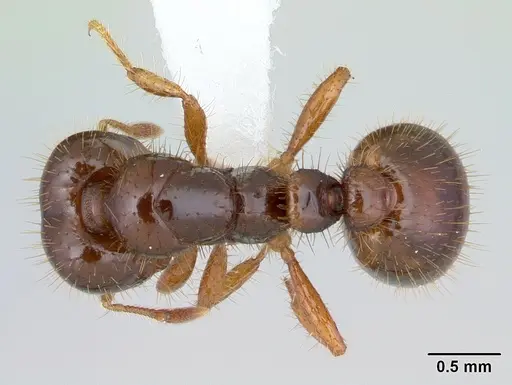
CASENT0178150
View on AntWeb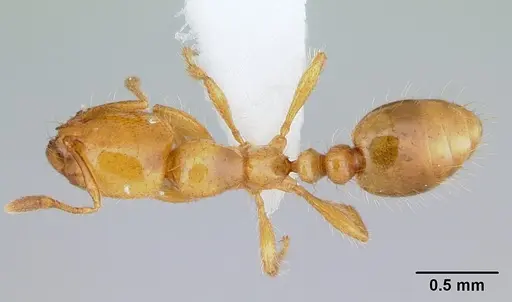
CASENT0905759
View on AntWeb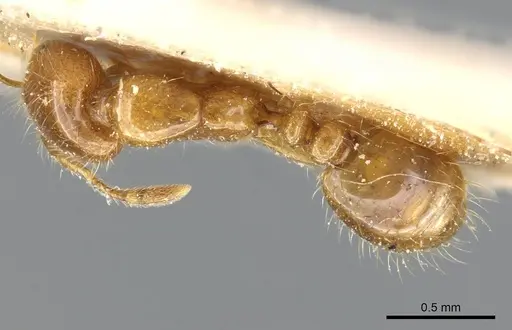
CASENT0908805
View on AntWeb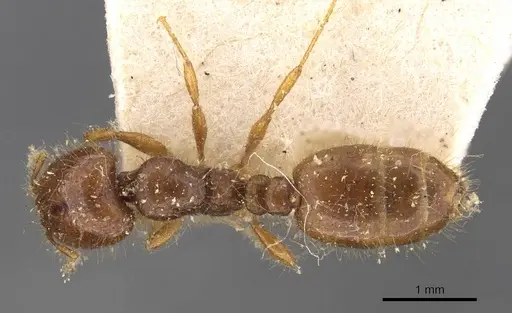
CASENT0913950
View on AntWeb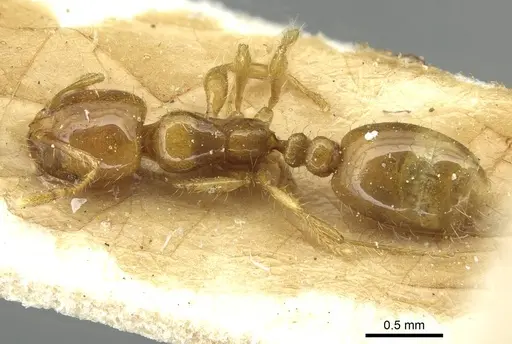
Literature
Loading distribution map...Loading products...