
Solenopsis validiuscula
- Sci. Name
- Solenopsis validiuscula
- Tribe
- Solenopsidini
- Subfamily
- Myrmicinae
- Author
- Emery, 1895
- Distribution
- Found in 1 countries
Introduction
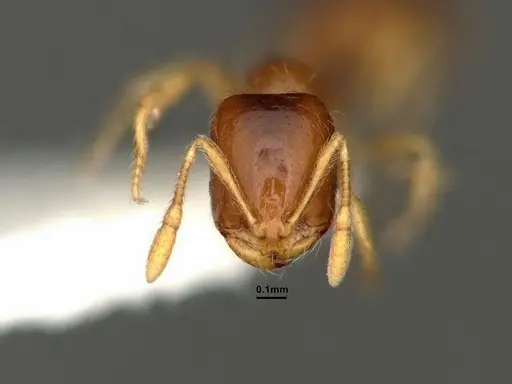
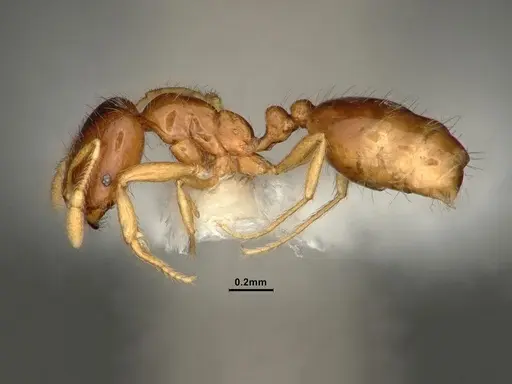
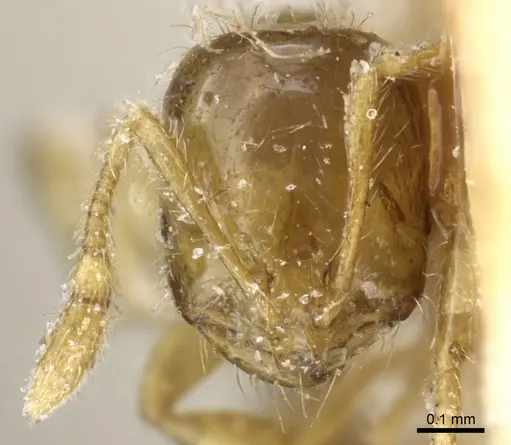
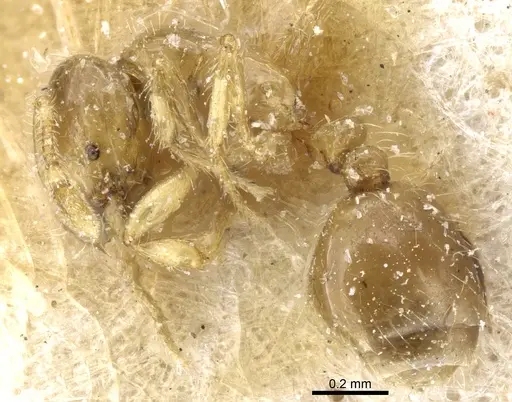
Solenopsis validiuscula is a small thief ant in the Solenopsis molesta species complex. Workers are 1.5-1.8 mm long and dark brown with moderately coarse head punctures . Queens are larger,5.2-5.5 mm long, medium brown with a small median ocellus and relatively large eyes . This species is native to western North America, ranging from British Columbia, Canada, through California, Arizona, Colorado, New Mexico, and into Mexico . It lives in ponderosa pine forests, pinyon juniper woodlands, sagebrush communities, and riparian habitats at elevations from 1200 to 9000 m . These ants nest under stones and occasionally under logs, often near other ant species like Camponotus and Lasius . They feed on carrion and are active from spring to fall, with reproductives found in nests from July to October .
Quick Summary
- Difficulty: Medium
- Origin & Habitat: Western North America, found in ponderosa pine forests, pinyon juniper woodlands, sagebrush communities, grassy clearings, and riparian areas from British Columbia south to Mexico at elevations of 1200-9000 m [2][3][1].
- Colony Type: Colony structure is not well documented. It is a thief ant that nests near other ant species. Sexual brood is produced from July to October in Colorado and August to September in New Mexico [1]. Colony type is unknown, likely monogyne based on related species, but not confirmed.
- Size & Growth:
- Queen: 5.2-5.5 mm (total length) [1]
- Worker: 1.5-1.8 mm (total length) [1]
- Colony: Unknown for this species. Related Solenopsis molesta colonies reach up to a few hundred workers, this is an estimate.
- Growth: Moderate, estimated based on related Solenopsis species.
- Development: 6-8 weeks, estimated based on typical Solenopsis development at room temperature (20-24°C). (Development time is inferred from related species in the genus, direct measurements for Solenopsis validiuscula are not available.)
- Antkeeping:
- Temperature: Room temperature (20-24°C) is suitable. They naturally live in temperate to warm mountainous regions and tolerate typical indoor conditions [1].
- Humidity: Moderate humidity, keep the nest substrate damp but not waterlogged. In the wild they nest in moist clay, loam, and sandy soils [1].
- Diapause: Yes, likely required given their temperate distribution (Colorado, New Mexico, higher elevations). Provide a winter rest period at 10-15°C for 2-3 months.
- Nesting: Under stones and occasionally logs in soil. In captivity, start with a test tube setup. For larger colonies, use a small formicarium with soil or plaster. They prefer tight, dark spaces that mimic natural stone-covered nests [1].
- Behavior: Shy, non-aggressive ants that avoid confrontation. As thief ants, they naturally nest near other species and steal food and brood, but in captivity they accept offered protein. Workers are tiny (1.5-1.8 mm) and can squeeze through small gaps, so escape prevention is important. They have a functional stinger but it is very small and mild, not dangerous to humans. They are primarily nocturnal and stay underground most of the time [1][5].
- Common Issues: small size means escape prevention must be tight, they can fit through tiny gaps, colonies grow slowly, which can frustrate beginners expecting fast development, wild-caught colonies may carry parasites that can wipe out the colony, they are secretive, you may rarely see workers in the outworld, their mild sting means they cannot defend against larger ant species if kept together
Housing and Nest Setup
For founding, a test tube setup works well: fill one-third with water, plug with cotton, and place the queen inside. If she is claustral (typical for Solenopsis), she will seal herself in and raise her first workers without leaving. After about 15-20 workers appear, move them to a small formicarium. These ants prefer dark, cramped spaces, a Y-tong (AAC) nest or a small naturalistic setup with soil is good. Avoid open, bright areas. Cover three sides of the nest to keep it dark [1].
Feeding and Diet
In the wild, Solenopsis validiuscula feeds on carrion (dead insects and animals) [1][4]. In captivity, offer small protein sources like fruit flies, pinhead crickets, small mealworms, or other tiny insects. They also accept sugar water or honey water occasionally, but protein is their main need. Feed small amounts every 2-3 days and remove uneaten food within 24 hours to prevent mold [1][4].
Temperature and Seasonal Care
Keep the colony at room temperature (20-24°C). They come from mountainous regions in western North America and can handle cooler temperatures, but warmth speeds up brood development. In winter, provide a diapause period, reduce temperature to 10-15°C for 2-3 months, mimicking their natural seasonal cycle. This rest period helps regulate future reproduction. Do not feed during diapause [2][3].
Behavior and Colony Dynamics
This species is shy and secretive, workers spend most of their time inside the nest. They are not aggressive and will flee from threats. Their stinger is very small and mild, harmless to humans. The colony likely stays small (up to a few hundred workers). Queens probably mate and then find a nesting site under a stone, they may rear the first workers alone, but this is unconfirmed. The first workers (nanitics) will be smaller than later ones [1][5].
Frequently Asked Questions
How long does it take for Solenopsis validiuscula to raise first workers?
Direct data is not available. Based on related Solenopsis species, first workers (nanitics) likely emerge 6-8 weeks after the queen lays eggs at room temperature (22-24°C). The queen may remain sealed in her chamber during this time.
Can I keep multiple Solenopsis validiuscula queens together?
Not recommended. Colony structure is unknown, but most Solenopsis species are monogyne (single queen). Combining unrelated queens probably leads to fighting and colony failure. House each queen alone.
What do I feed my Solenopsis validiuscula colony?
Offer small protein sources like fruit flies, tiny crickets, small mealworms, or other micro-insects. They also accept sugar water or honey water occasionally. Feed small amounts every 2-3 days and remove uneaten food within 24 hours. In the wild they are carrion-feeders, so protein is key [1][4].
Are Solenopsis validiuscula good for beginners?
Moderate difficulty, not the easiest but not the hardest. Their small size and slow growth can be frustrating if you expect rapid results. They are less visually impressive than larger ants. However, simple care and room temperature tolerance make them manageable with patience [1].
Do Solenopsis validiuscula need hibernation?
Yes, they likely require a winter diapause. Given their range in Colorado, New Mexico, and higher elevations, they are adapted to cold winters. Provide 2-3 months at 10-15°C during winter. Reduce feeding, keep the colony dark, and avoid disturbance during this rest period.
How big do Solenopsis validiuscula colonies get?
Not well documented. Based on related Solenopsis molesta complex species, colonies probably reach a few hundred workers at most. Expect slow, steady growth over 1-2 years to maybe 50-100 workers.
Why is my colony not growing?
Possible reasons: temperatures below 20°C slow development, overfeeding can cause mold, and wild-caught colonies may have parasites. Also remember they naturally grow slowly. Ensure the queen is alive and producing brood, and check that humidity is appropriate (damp but not wet) [1].
When should I move my colony to a formicarium?
Wait until you have at least 15-20 workers before moving from a test tube to a formicarium. Moving too early can stress the colony. Connect the test tube to the formicarium and let the ants move on their own, do not force them. Ensure the formicarium has appropriate humidity and dark spaces [1].
Report an Issue
The current care sheet is based fully on literature. See inconsistencies, or something that's incorrect? Please , it will be resolved after review from an admin. Contributing to the blogs tab also helps providing information, to make us be able to further improve the caresheets. Thank you for your support!
References

This caresheet is licensed under CC BY-SA 4.0 .
Community Blogs
CASENT0884281
View on AntWeb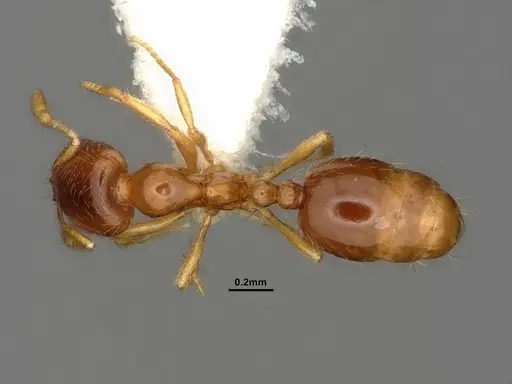
CASENT0904623
View on AntWeb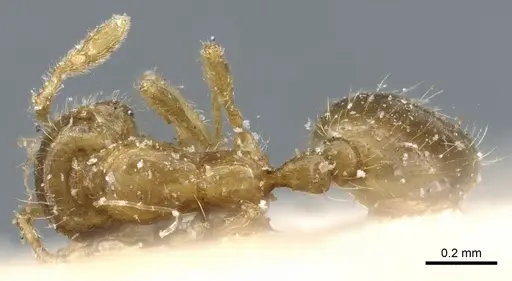
Literature
Loading distribution map...Loading products...