
Solenopsis subtilis
- Sci. Name
- Solenopsis subtilis
- Tribe
- Solenopsidini
- Subfamily
- Myrmicinae
- Author
- Emery, 1896
- Distribution
- Found in 2 countries
Introduction
Solenopsis subtilis is an ant speciesof the genusSolenopsis , belonging to the subfamily Myrmicinae and tribe Solenopsidini . It is documented in 2 countries , including Bolivia, Costa Rica .
Frequently Asked Questions
What's the best setup for a Solenopsis subtilis colony?
For Solenopsis subtilis, a plaster or acrylic formicarium with excellent humidity regulation is highly recommended. These 'thief ants' are masters of escape, so make sure your setup is completely escape-proof with tight-fitting lids and a fluon barrier. Remember, they thrive in environments that mimic their natural subterranean and humid habitats.
How do I feed my Solenopsis subtilis colony?
Solenopsis subtilis are omnivorous, much like their fire ant cousins. Offer them a varied diet of protein-rich foods like small feeder insects (pre-killed mealworms or crickets are good choices) and a consistent source of sugar water. Ensure you remove any uneaten food promptly to prevent mold growth, which can harm your colony.
Are Solenopsis subtilis queens polygynous or monogynous?
Solenopsis subtilis queens are typically monogyne, meaning a single queen leads the colony. While some Solenopsis species can be polygyne, for S. subtilis, you'll generally find one queen establishing and heading the colony.
Do Solenopsis subtilis sting? How bad is it?
Yes, like many ants in the Solenopsis genus, Solenopsis subtilis workers can sting. While specific details on the severity for this particular species are limited, other 'fire ant' species are known for their painful, burning stings that can cause localized pustules. Always handle with care and avoid direct contact.
What temperature and humidity do Solenopsis subtilis need?
These ants thrive in warmer conditions, ideally between 24-30°C (75-86°F). Humidity is critically important, especially for their brood development, with optimal egg hatching requiring 90-95% relative humidity. Aim for a consistently humid environment within a section of their nest.
How fast do Solenopsis subtilis colonies grow?
Solenopsis subtilis colonies have a medium growth rate. They start small, but once established, they can grow steadily. Providing consistent food, optimal temperatures, and proper humidity will help them expand their numbers effectively.
Do Solenopsis subtilis need diapause (hibernation)?
Based on available information and their natural habitat, Solenopsis subtilis typically do not require a diapause period. They originate from tropical and subtropical regions where harsh winters are not a factor, allowing them to remain active year-round.
What kind of substrate is best for their nest?
Given their subterranean nature, Solenopsis subtilis prefer substrates like sand, loam, or fine gravel in their natural habitat. In an artificial setup, a nest that incorporates a wetted substrate or material that retains moisture well would be beneficial, though acrylic or plaster setups are more common for ease of viewing and maintenance.
How long does it take for Solenopsis subtilis eggs to become workers?
Under optimal conditions, the journey from egg to adult worker for Solenopsis subtilis usually takes about 3 to 4 weeks. This relatively quick development contributes to their colony's growth once a queen is established and laying consistently.
What's unique about Solenopsis subtilis behavior?
Solenopsis subtilis are classic 'thief ants', a truly fascinating aspect of their biology! They're known for their lestobiotic lifestyle, where they nest near or even inside other ant colonies to pilfer food and brood. This specialized behavior makes them quite intriguing to observe, showcasing a unique form of interspecies interaction.

This caresheet is licensed under CC BY-SA 4.0 .
Community Blogs
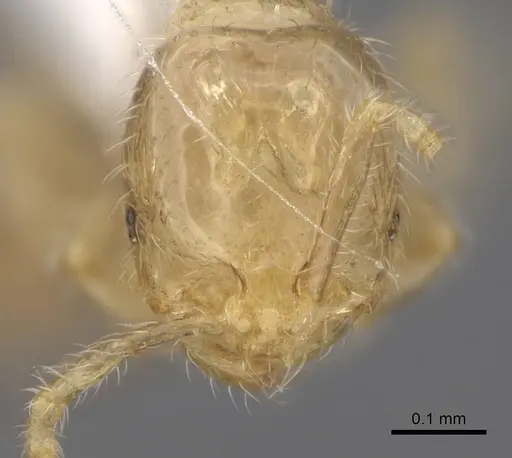
CASENT0916031
View on AntWeb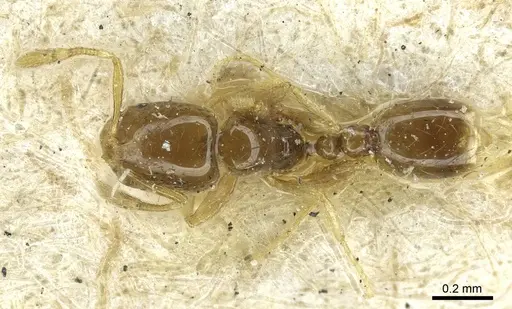
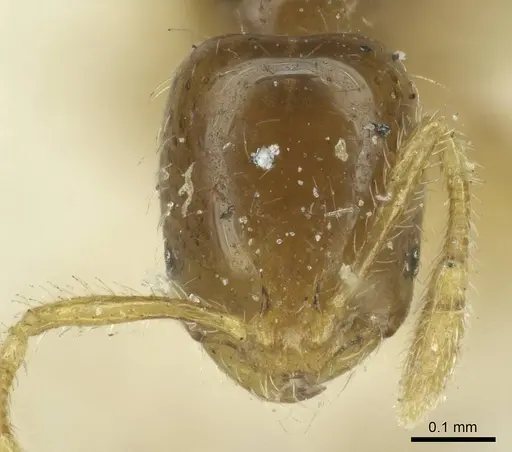
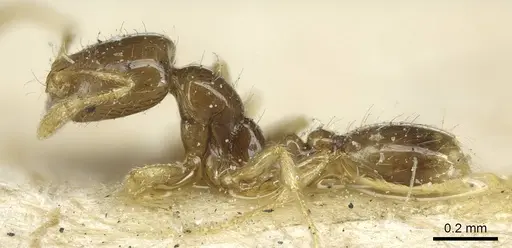
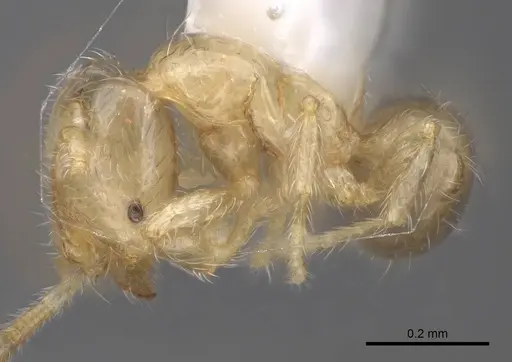
CASENT0923111
View on AntWeb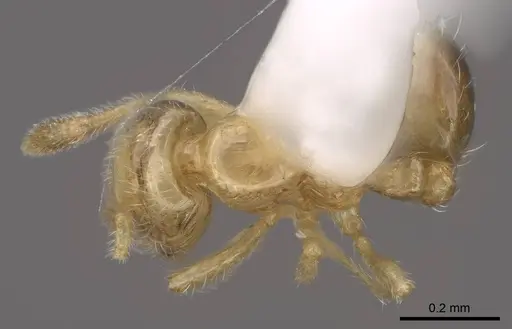
Literature
Loading distribution map...Loading products...