
Solenopsis seychellensis
- Sci. Name
- Solenopsis seychellensis
- Tribe
- Solenopsidini
- Subfamily
- Myrmicinae
- Author
- Forel, 1909
- Distribution
- Found in 1 countries
Introduction
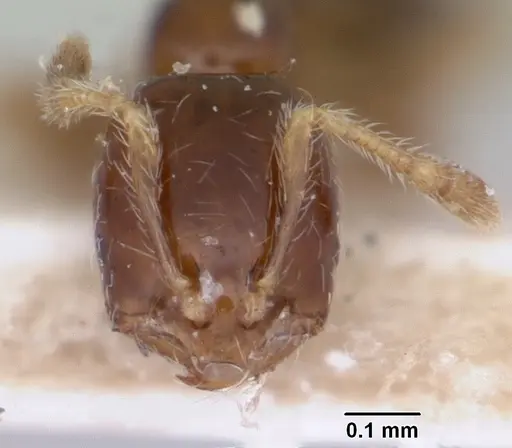
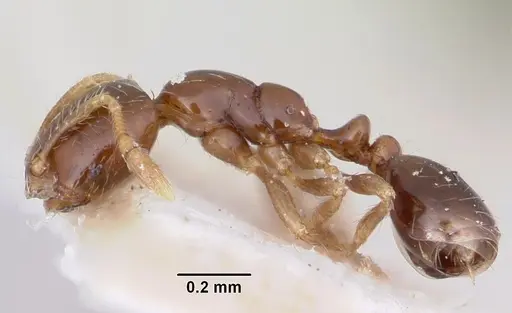
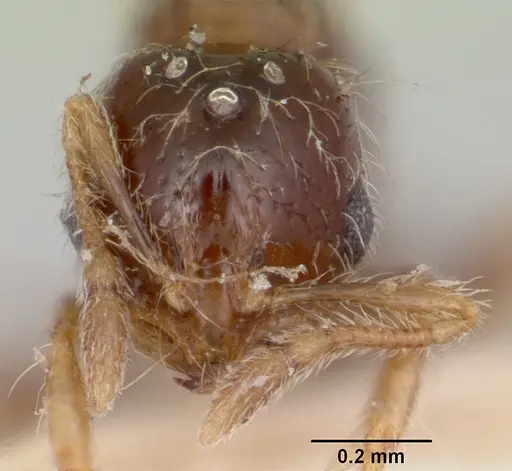
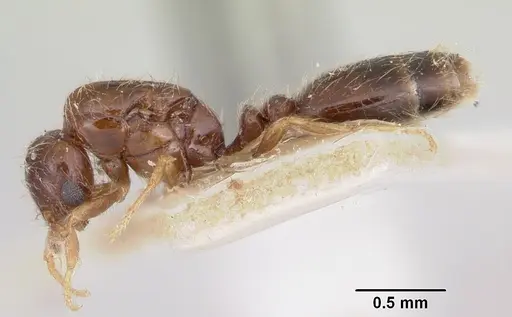
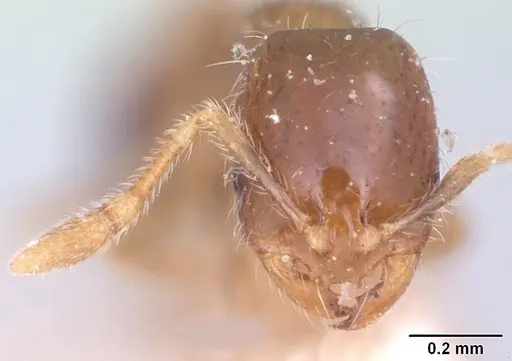
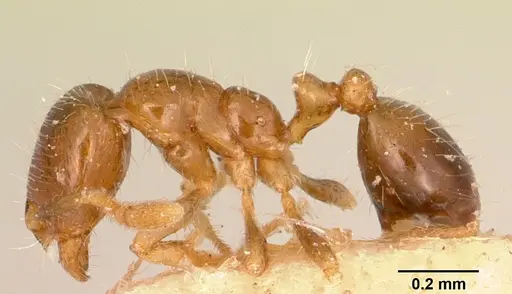
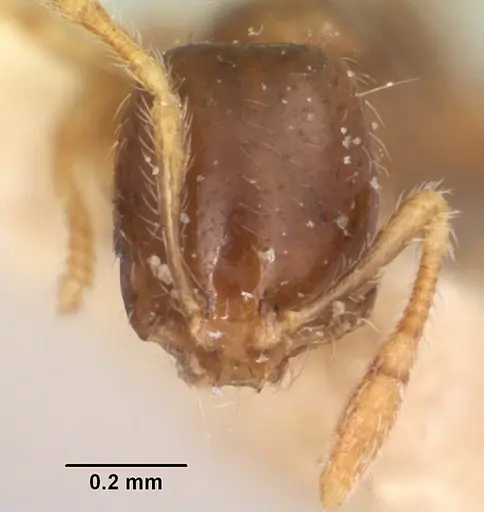
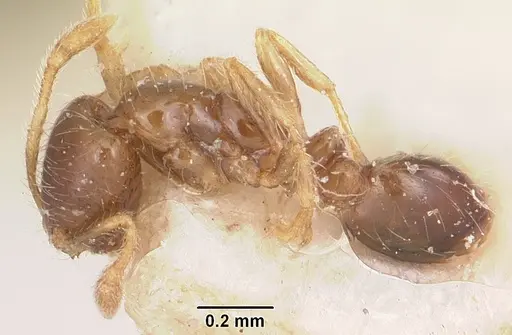
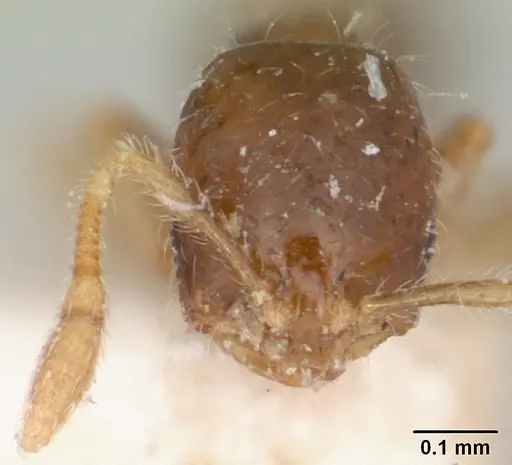
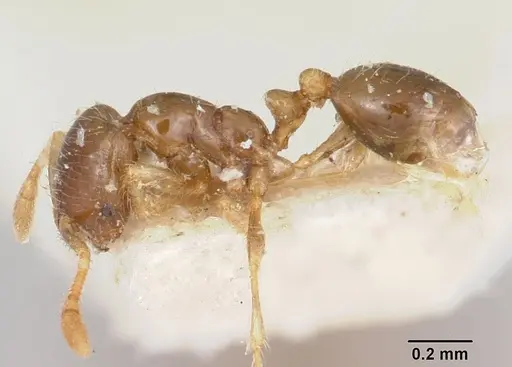
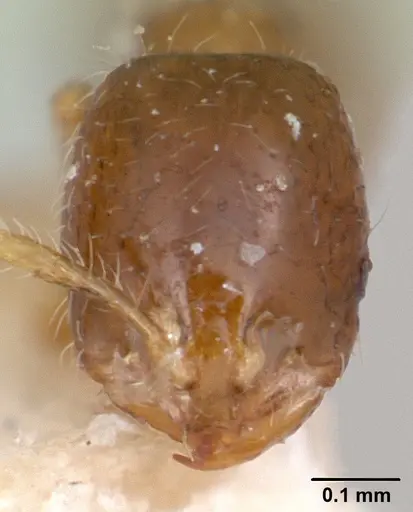
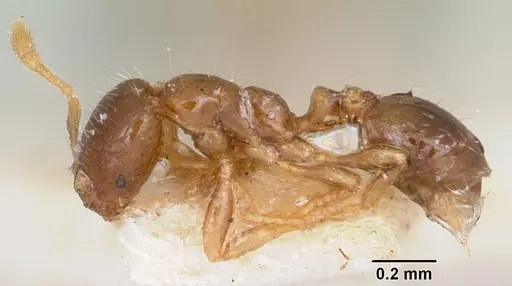
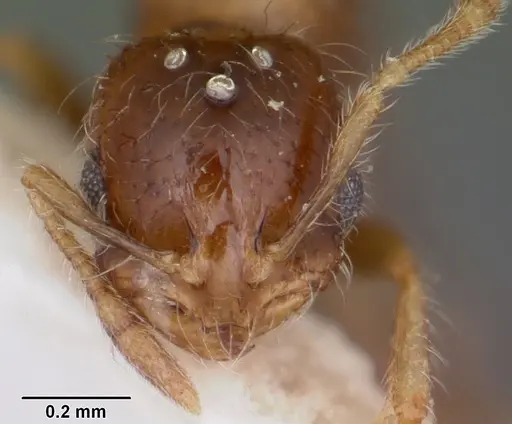
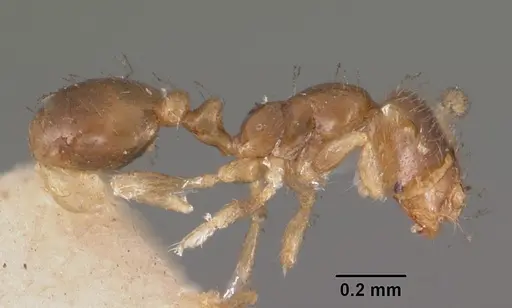
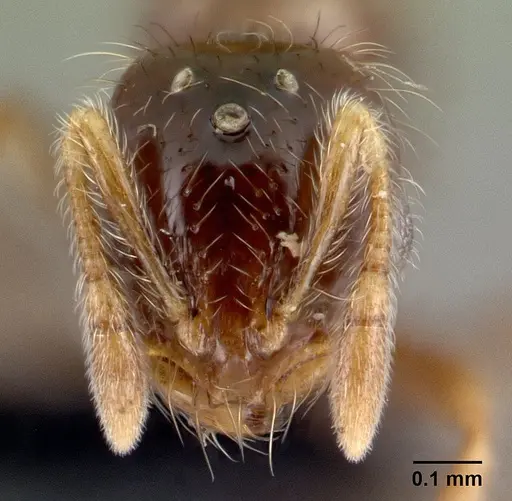
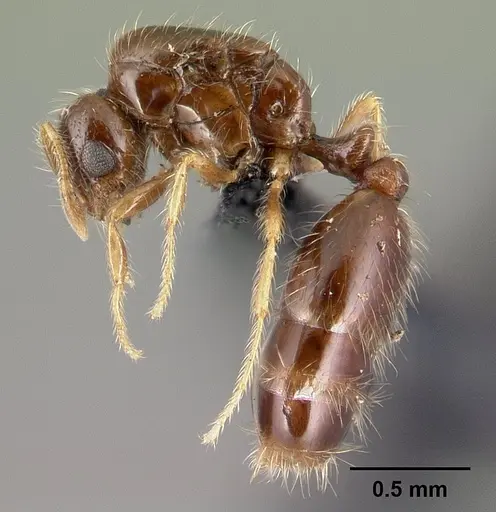
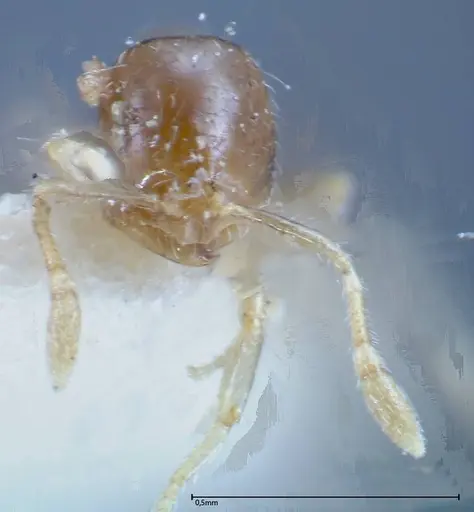
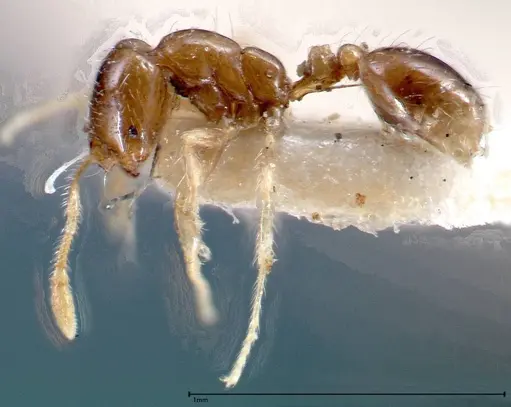
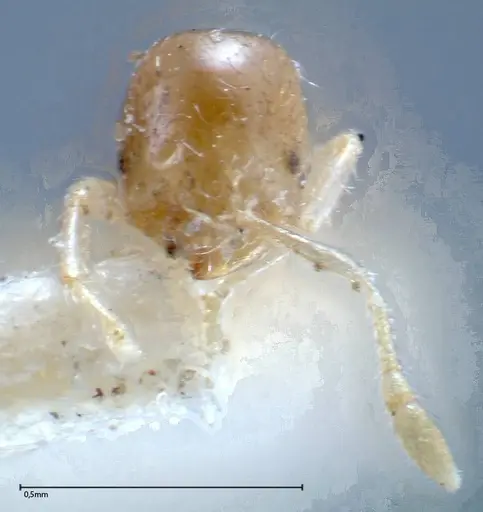
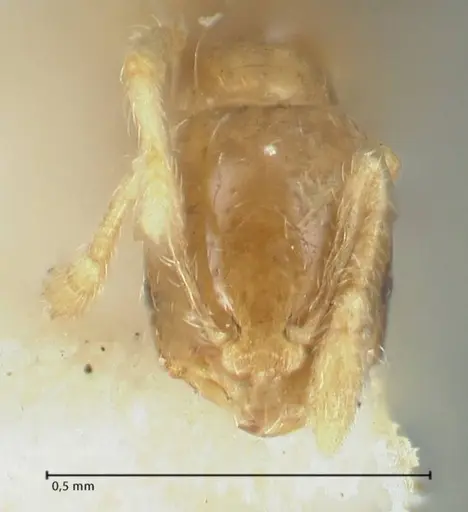
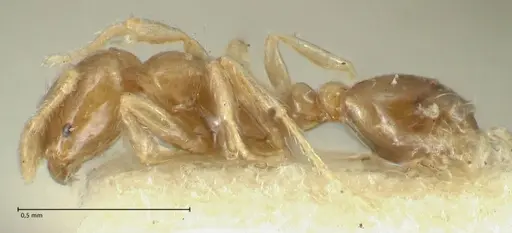
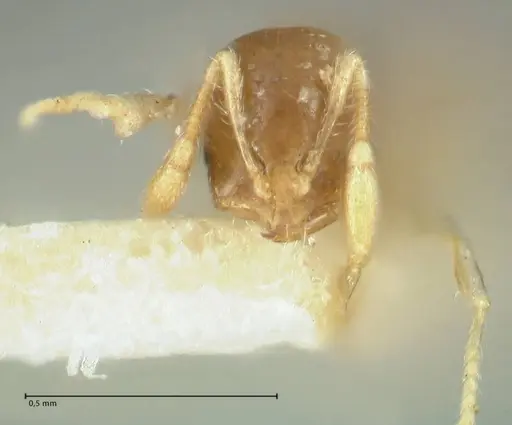
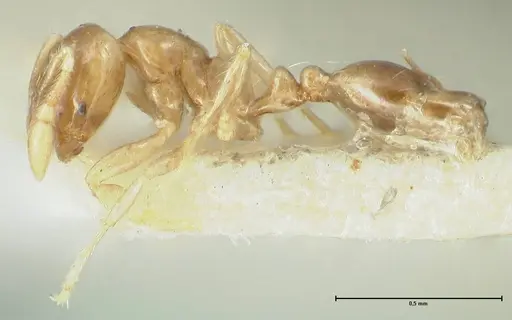
Solenopsis seychellensis is a small ant species native to the Seychelles islands in the Indian Ocean. Workers are tiny, with no precise body size documented, but they are typical of the genus in being small and reddish-brown to yellowish. The genus is known for a painful sting, and this species likely shares that defense. These ants have only been recorded from Mahé and Silhouette islands in the Seychelles, where they inhabit elevations of 1000-2000 feet . The species was first described by Forel in 1909 from workers, with queens later described in 1912.
Quick Summary
- Difficulty: Medium
- Origin & Habitat: Native to the Seychelles islands (Mahé and Silhouette), living in tropical island environments. Found at elevations of 1000-2000 feet, likely in humid forested areas [1].
- Colony Type: Colony structure is not documented for this species. Based on the subfamily, single-queen colonies are typical, but this remains unconfirmed.
- Size & Growth:
- Queen: Size data unavailable, no measurements exist for this species.
- Worker: Size data unavailable, no measurements exist for this species.
- Colony: Unknown, no documented colony sizes.
- Growth: Unknown, inferred from related Solenopsis species as moderate.
- Development: Estimated 6-8 weeks based on typical Solenopsis development. (Species-specific data is lacking, timeline is based on genus patterns.)
- Antkeeping:
- Temperature: Keep at 24-28°C, warm and stable as a tropical species. Provide a slight temperature gradient.
- Humidity: High humidity preferred, keep the nest substrate consistently moist but not waterlogged.
- Diapause: Not required, being from a tropical island, this species likely does not need hibernation.
- Nesting: Start in a test tube with a water reservoir. Once established, move to a dark, humid formicarium such as Y-tong or plaster. Always ensure excellent escape prevention.
- Behavior: Workers have a potent sting for their size and will defend the nest if threatened, though they are not as aggressively territorial as some fire ants. Foraging is typical of the genus, opportunistic and active. Because of their small size, they are high escape risks, use fine mesh and tight seals.
- Common Issues: small size makes escape prevention critical, use fine mesh and tight-fitting lids, tropical species may struggle in cool, dry environments, maintain warmth and humidity, sting can be painful, handle with care and avoid disturbing the nest, limited species-specific data means care is based on inferred genus patterns, so monitor closely and adjust
Housing and Nest Setup
Start your colony in a standard test tube setup with a water reservoir. These tiny ants need excellent escape prevention, even small workers can squeeze through typical gaps. Apply fluon on tube rims and consider fine mesh covering any ventilation. Once the colony reaches about 30 workers, you can transition to a small formicarium. Y-tong (AAC) or plaster nests work well as they provide the dark, humid conditions these ants likely prefer. Avoid overly large outworlds initially, smaller spaces help them feel secure and make feeding easier. Based on genus patterns, they prefer confined, humid spaces [2].
Temperature and Humidity
Maintain temperatures between 24-28°C year-round. Being from a tropical island, they do not tolerate cool conditions well. A heating cable on one side of the nest can create a useful gradient. Humidity should be high, keep the nest substrate consistently moist. These ants come from a humid island environment, so dry conditions will stress them. A water tower or moisture reservoir in the outworld helps maintain humidity. Avoid placing the nest near air conditioning or drafty areas. These care details are inferred from typical tropical Solenopsis requirements [2].
Feeding and Diet
Like other Solenopsis species, these ants are omnivorous. They will readily accept sugar sources (honey water, sugar water) and protein (small insects, mealworms, fruit flies). In the wild, they likely forage for small arthropods and tend aphids for honeydew. Feed small amounts of protein 2-3 times per week, and keep a sugar source available at all times. Remove uneaten food promptly to prevent mold. Their small size means prey items should be appropriately sized, fruit flies and pinhead crickets work well. Based on genus patterns [2].
Behavior and Handling
While not as aggressive as some fire ant relatives, Solenopsis seychellensis workers can deliver a painful sting. This is a defensive response, they will not attack unless the nest is threatened. Workers are active foragers and will quickly explore their territory. The small size of these ants makes them excellent escape artists, always use fine mesh and check for gaps. They are not aggressive toward keepers during routine maintenance if you work calmly. Observe but do not disturb unnecessarily. Sting defense is typical of the tribe Solenopsidini, but species-specific aggression data is lacking [2].
Colony Development
Queen founding behavior is unconfirmed for this specific species. Based on typical Solenopsis patterns, the queen likely raises her first brood on stored reserves, but this is speculative, no direct evidence exists. Expect 6-8 weeks from egg to first worker under optimal conditions, based on related species. The initial nanitic workers will be smaller than mature workers. Growth rate is moderate, do not expect rapid colony expansion. Colony size at maturity is unknown but is likely in the hundreds based on related species. Patience is key. No specific development data exists for this species [2].
Frequently Asked Questions
How long does it take for Solenopsis seychellensis to raise first workers?
Based on typical Solenopsis development, expect 6-8 weeks from egg to first worker at optimal temperature (24-28°C). This is an estimate since species-specific development data does not exist [2].
Can I keep Solenopsis seychellensis in a test tube?
Yes, test tubes work well for founding colonies. Use excellent escape prevention, these tiny ants can squeeze through small gaps. Apply fluon to tube rims and use fine mesh on any ventilation [2].
What temperature do Solenopsis seychellensis need?
Keep them warm at 24-28°C. They are tropical island ants and do not tolerate cool conditions. A heating cable on part of the nest can provide a useful gradient [2].
How big do Solenopsis seychellensis colonies get?
Colony size is not documented for this species. Based on related Solenopsis species, colonies likely reach several hundred workers. Growth is moderate, expect gradual expansion over months [2].
Do Solenopsis seychellensis need hibernation?
Unlikely, being from a tropical island environment, they probably do not require a true hibernation. They may show reduced activity during cooler periods, but no diapause is needed [2].
What do Solenopsis seychellensis eat?
They are omnivorous. Offer sugar sources (honey water, sugar water) constantly and protein (small insects like fruit flies, mealworms) 2-3 times weekly. Remove uneaten food to prevent mold [2].
Are Solenopsis seychellensis good for beginners?
They are rated as medium difficulty. The main challenges are their small size (escape prevention is critical), their sting (requires careful handling), and the lack of species-specific care data. Experienced antkeepers will find them manageable [2].
When should I move my colony to a formicarium?
Move to a formicarium once the colony reaches about 30 workers and the test tube is becoming crowded. Ensure the formicarium provides dark, humid nest chambers appropriate for their small size [2].
Can I keep multiple Solenopsis seychellensis queens together?
This has not been studied for this species. Based on typical Solenopsis behavior, single-queen colonies are most likely. Combining unrelated queens is not recommended [2].
Report an Issue
The current care sheet is based fully on literature. See inconsistencies, or something that's incorrect? Please , it will be resolved after review from an admin. Contributing to the blogs tab also helps providing information, to make us be able to further improve the caresheets. Thank you for your support!
References

This caresheet is licensed under CC BY-SA 4.0 .
Community Blogs
CASENT0101220
View on AntWeb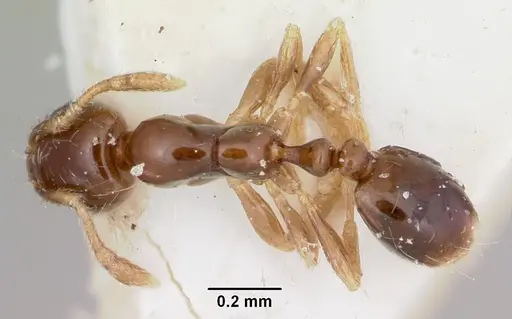
CASENT0101221
View on AntWeb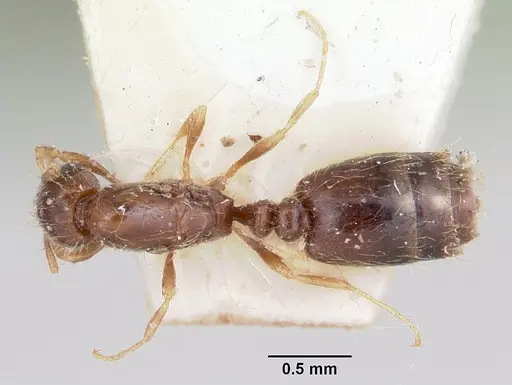
CASENT0101232
View on AntWeb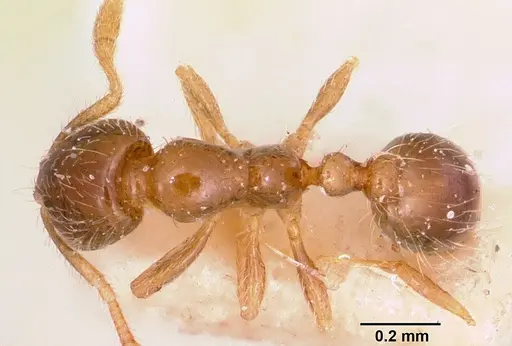
CASENT0101233
View on AntWeb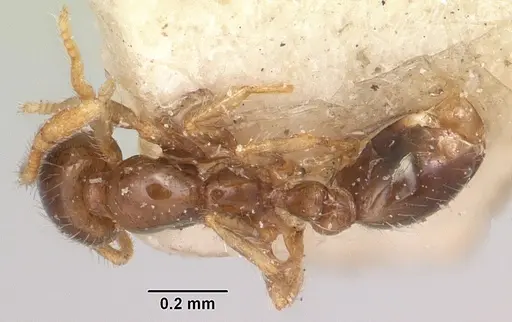
CASENT0101234
View on AntWeb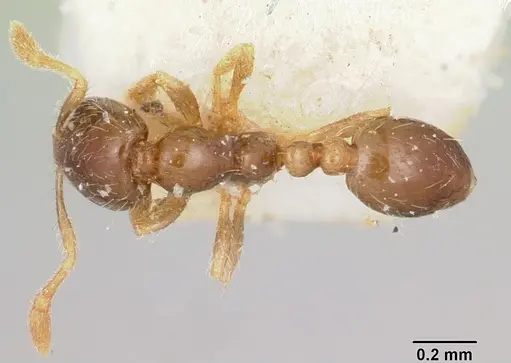
CASENT0101235
View on AntWeb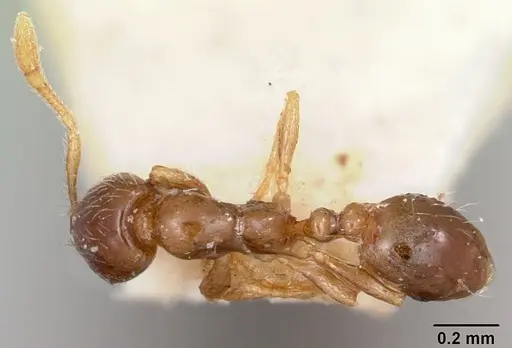
CASENT0101892
View on AntWeb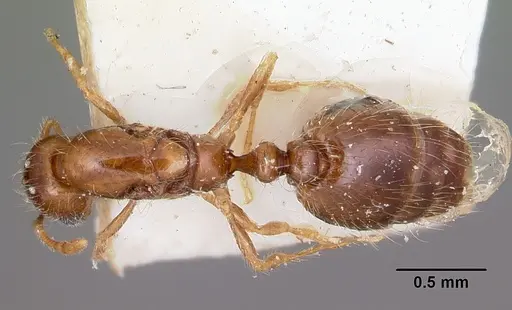
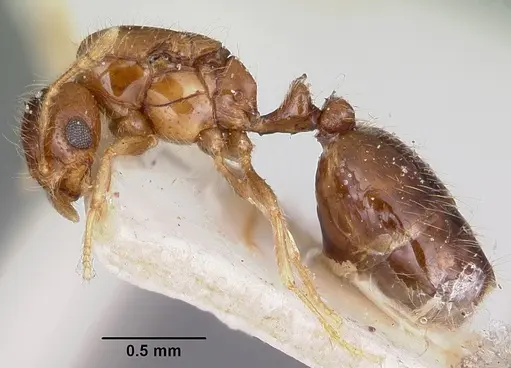
CASENT0101959
View on AntWeb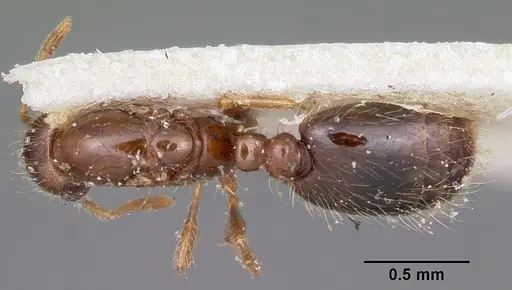
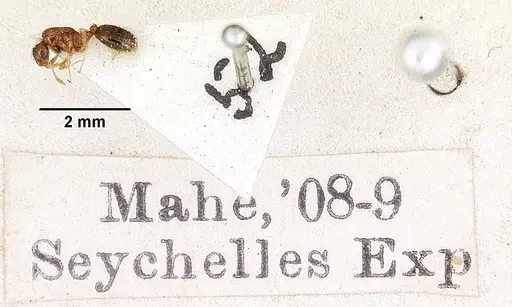
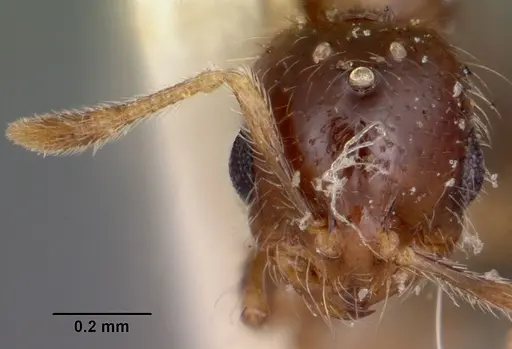
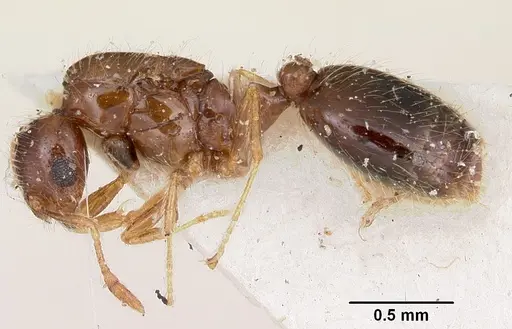
CASENT0102062
View on AntWeb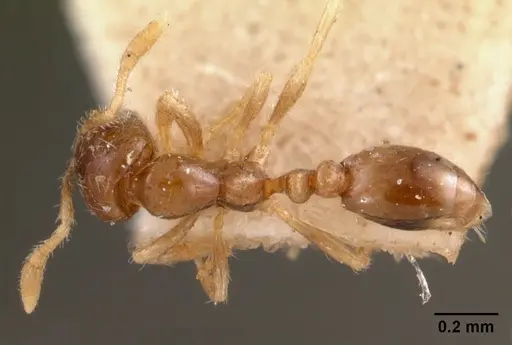
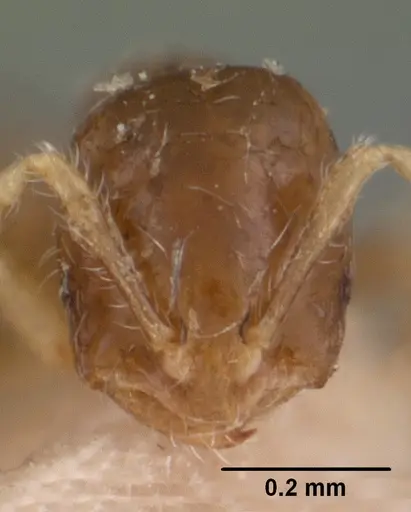
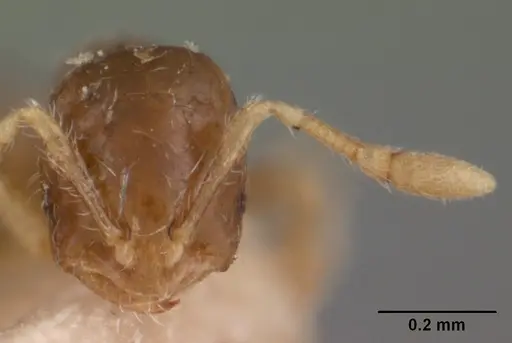
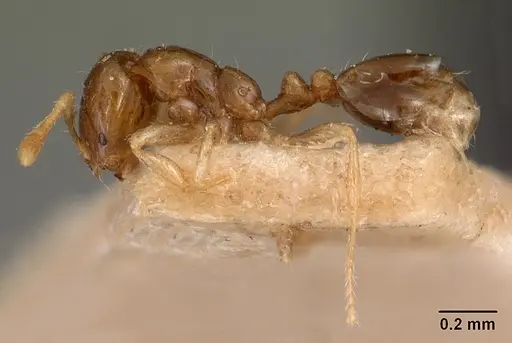
CASENT0102063
View on AntWeb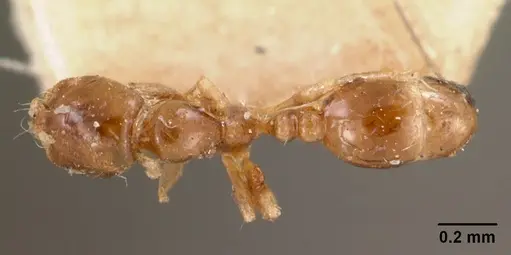
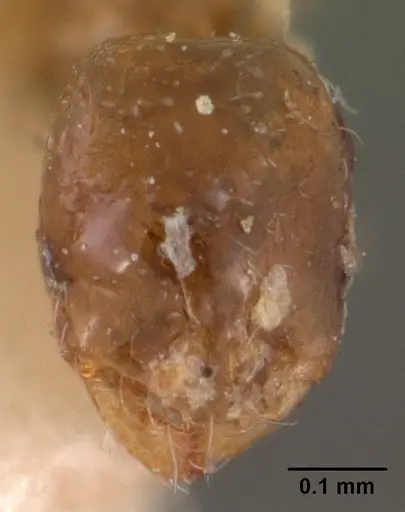
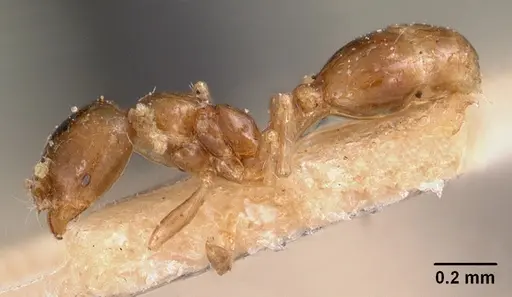
CASENT0102282
View on AntWeb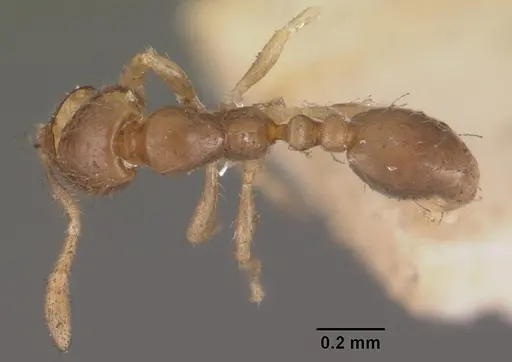
CASENT0102283
View on AntWeb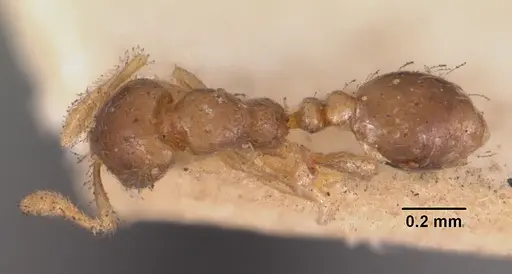
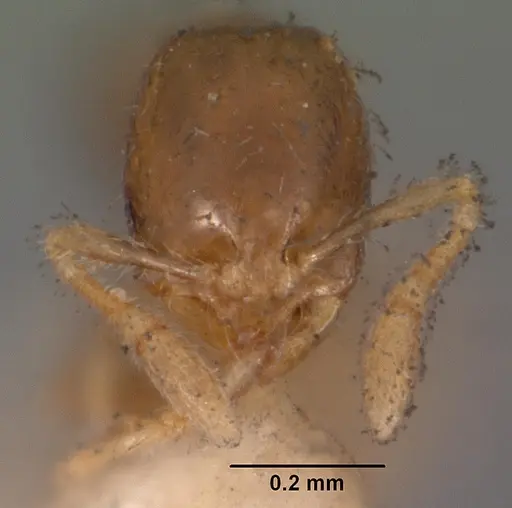
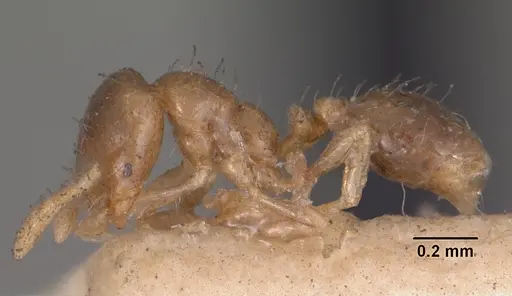
CASENT0188899
View on AntWeb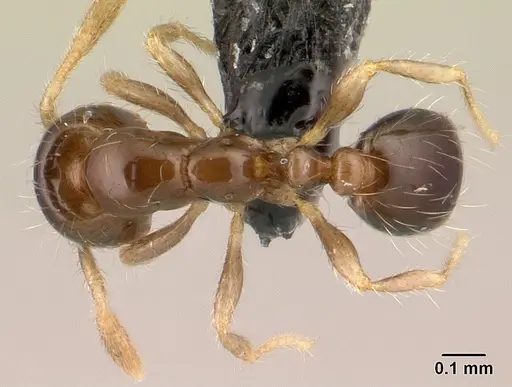
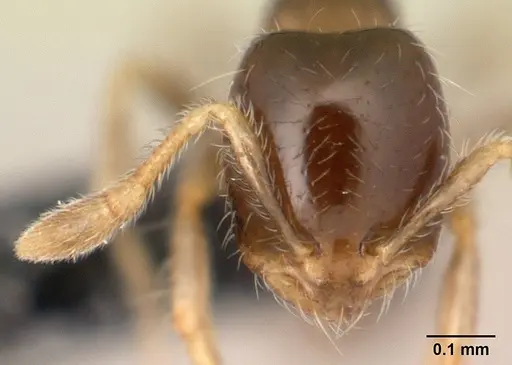
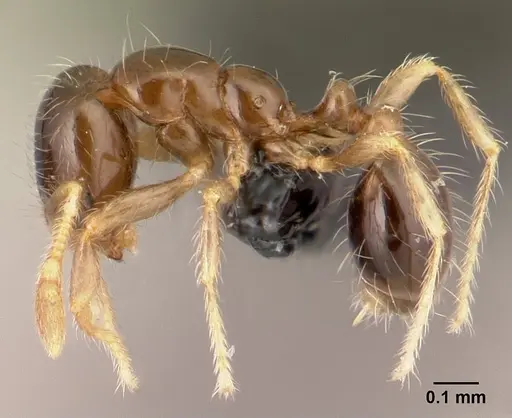
CASENT0217133
View on AntWeb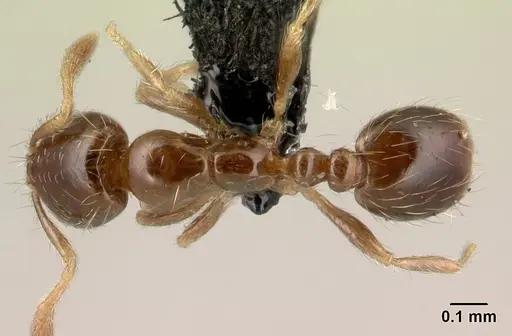
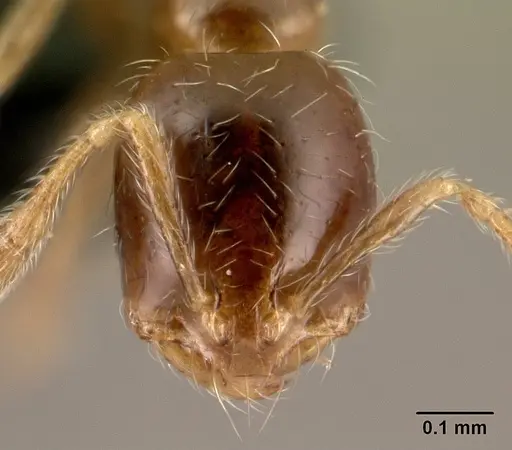
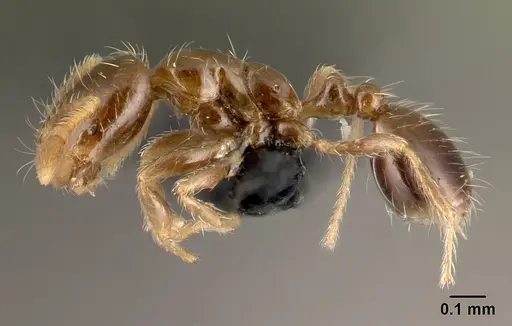
CASENT0218570
View on AntWeb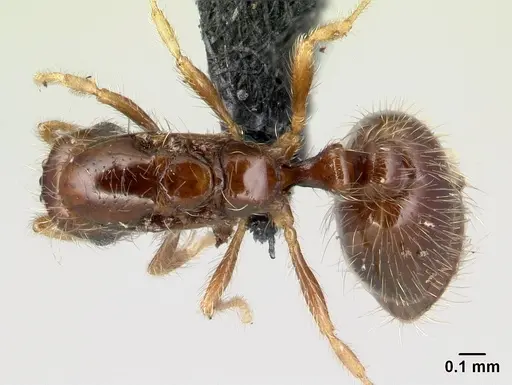
FOCOL0281-1
View on AntWeb
FOCOL0281-2
View on AntWeb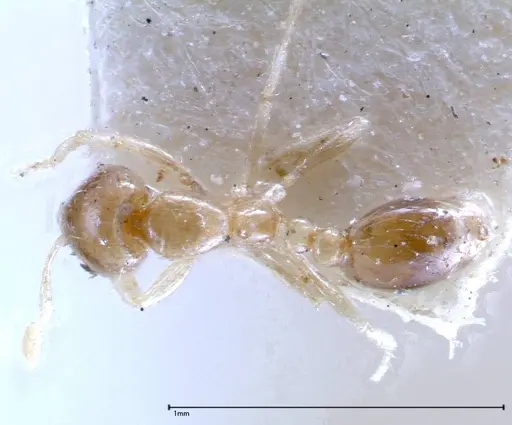
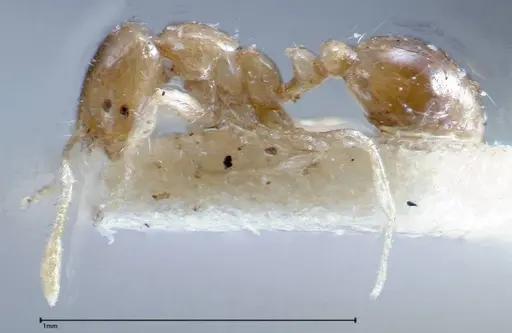
FOCOL0281-3
View on AntWeb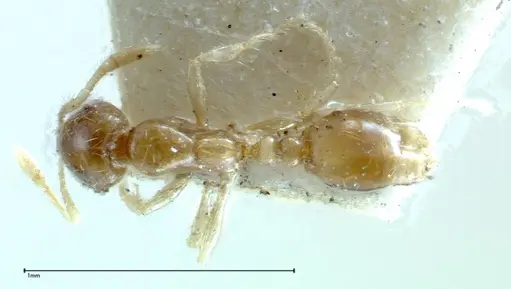
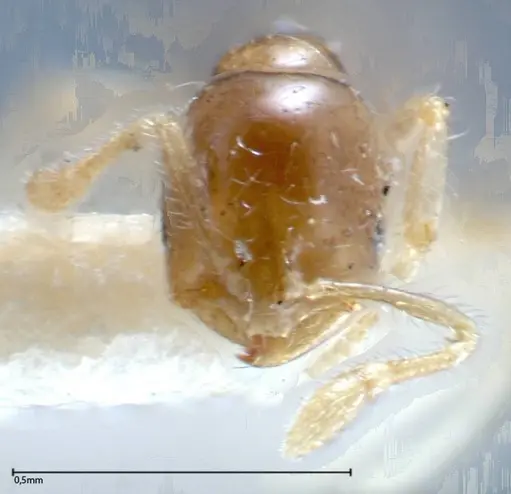
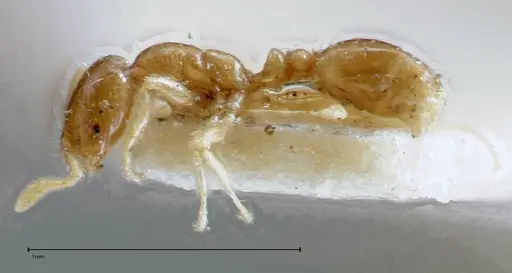
FOCOL1868
View on AntWeb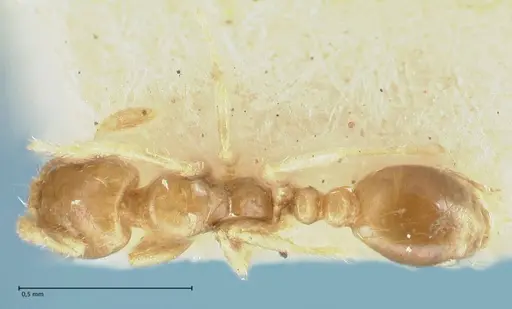
FOCOL1869
View on AntWeb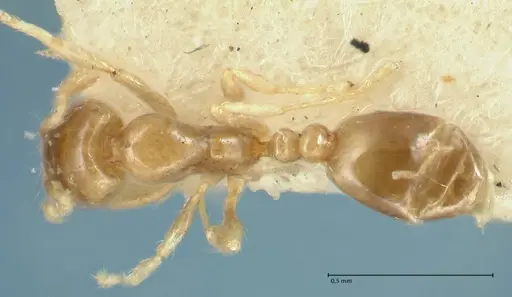
Literature
Loading distribution map...Loading products...