
Solenopsis pollux
- Sci. Name
- Solenopsis pollux
- Tribe
- Solenopsidini
- Subfamily
- Myrmicinae
- Author
- Forel, 1893
- Distribution
- Found in 7 countries
Introduction
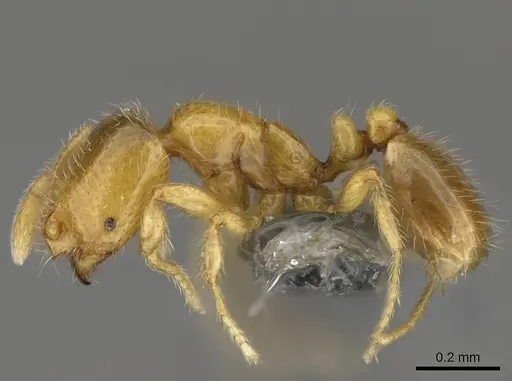
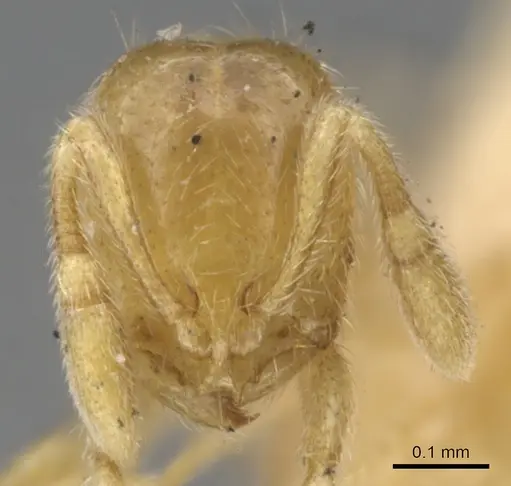
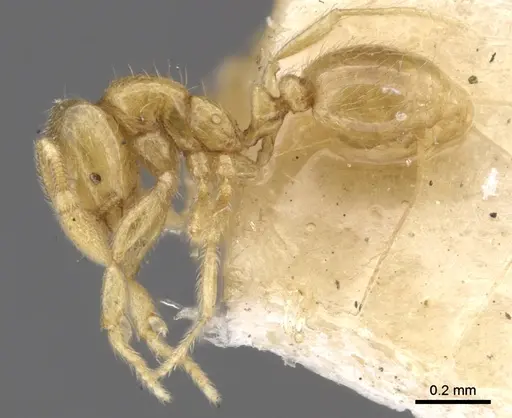
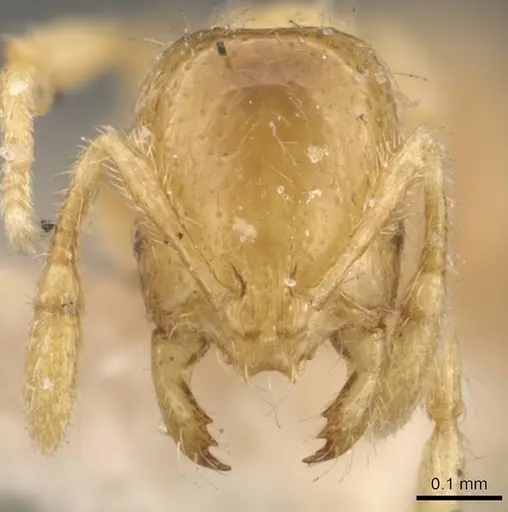
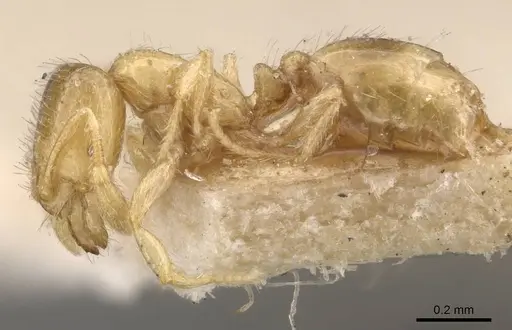
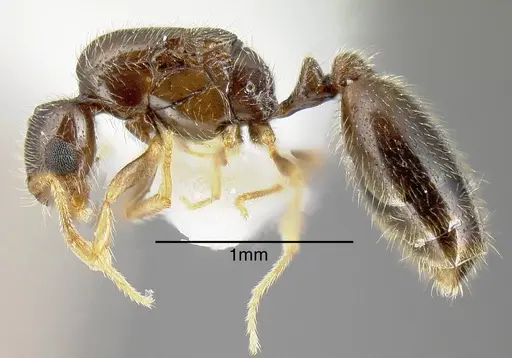
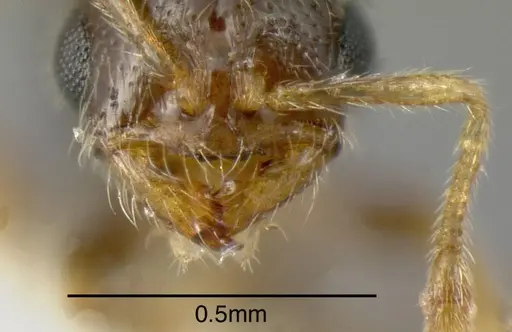
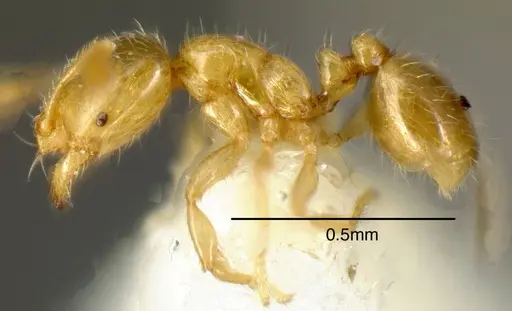
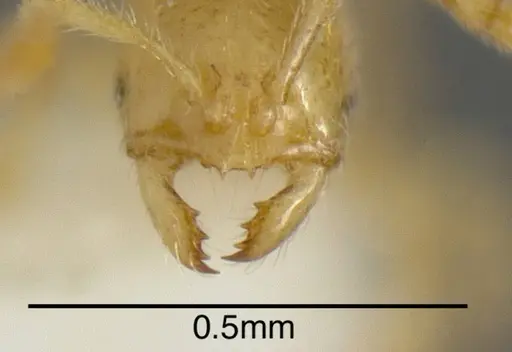
Solenopsis pollux is a tiny thief ant belonging to the Solenopsis molesta species complex. Workers measure just 1.08-1.20 mm and are a uniform yellow color, making them nearly invisible against soil or sand . Queens are larger at 3.38-3.72 mm with a golden brown body and darker brown head . This species has a quadrate head with coarse punctures, small eyes containing only 3-5 lens units, and well-developed clypeal teeth . The species was first described from St. Vincent in the Caribbean in 1893 and now has a broad distribution across the Neotropics, from Mexico through Central America to Brazil and throughout the Caribbean islands . These ants are forest dwellers typically found in leaf litter and under stones, nesting in soil adjacent to stumps or under fallen wood . They form small colonies - historical observations on St. Vincent recorded colonies of 40-50 individuals, though some reached around 200 workers . Notably, one colony contained about 20 queens, indicating that multiple queens can coexist . As thief ants, they are known for nesting near other ant colonies and scavenging from them, though they also forage for small prey and attend aphids for honeydew.
Quick Summary
- Difficulty: Medium
- Origin & Habitat: Native to the Caribbean, Central and South America. Found across Mexico, Costa Rica, Panama, Colombia, Brazil, and Caribbean islands including Puerto Rico, Hispaniola, Grenada, and St. Vincent. Inhabits tropical dry forest, cloud forest, leaf litter, and under stones, from sea level to 1000 m elevation [3][2][1].
- Colony Type: Colonies can have multiple queens (polygyne). In St. Vincent, one colony contained about 20 queens [2]. Typical colony size remains small.
- Size & Growth:
- Queen: 3.38-3.72 mm [1]
- Worker: 1.08-1.20 mm [1]
- Colony: Up to ~200 workers in natural colonies [2]
- Growth: Moderate, small colony size suggests moderate growth
- Development: Estimated 6-8 weeks at tropical temperatures (Development time is inferred from related Solenopsis species. Their tiny size means first workers (nanitics) will be especially small.)
- Antkeeping:
- Temperature: Keep at 24-28 °C, being a tropical species, they need warmth. Room temperature (20-24 °C) may be adequate, but warmer conditions will support better growth and activity.
- Humidity: Moderate humidity around 60-80%. These forest-floor ants prefer damp substrate but not waterlogged conditions. Provide a moisture gradient so ants can choose their preferred level.
- Diapause: No true diapause required, as a tropical species, they do not need hibernation. However, slight temperature reduction during winter months may slow activity naturally.
- Nesting: Naturalistic setups with moist substrate work well, they nest in soil and under stones in the wild. Test tubes with a dirt chamber also suitable. Provide dark nesting sites and keep the setup humid.
- Behavior: Thief ants are secretive and not aggressive. Workers are slow-moving and tend to avoid confrontation. They are primarily scavengers and will investigate protein sources and sugar. CRITICAL: Their extremely small size (just over 1 mm) makes escape prevention essential, they can squeeze through standard mesh and gaps in tubing. Use fluon on edges and ensure all connections are sealed.
- Common Issues: escape prevention is critical, workers are tiny enough to squeeze through standard mesh and gaps, small colony size means slower population growth than many common species, wild-caught colonies may have parasites that can decimate the colony in captivity, test tube setups may dry out quickly, monitor moisture levels closely, their small size makes them easy to overlook when checking food, ensure prey items are consumed
Housing and Setup
For Solenopsis pollux, a naturalistic setup with a moist soil chamber works best, reflecting their natural habitat of forest floor leaf litter and soil [3]. You can use a standard test tube setup with a dirt chamber attached, or a small plaster or soil‑based nest with a soil area. The key is providing consistent moisture without flooding. Because workers are only about 1 mm long, escape prevention is your biggest concern, apply fluon to all rim edges, use tightly fitting connections, and consider using cotton plugs in test tubes rather than foam that might have gaps. A small outworld works fine since colonies stay small. Keep the nest area dark, as these secretive ants prefer dim conditions.
Feeding and Diet
Solenopsis pollux is an omnivorous thief ant. In the wild, they are attracted to protein baits like Vienna sausage and will scavenge from other ant colonies [1]. In captivity, offer small protein sources such as small mealworms, fruit flies, or other tiny insects. They will also accept sugar water or honey, though thief ants are more focused on protein than sweets. Feed small amounts twice weekly and remove uneaten prey after 24-48 hours to prevent mold. Because workers are so tiny, prey items should be appropriately sized, a fruit fly is a substantial meal for these ants. They may also scavenge from larger prey items rather than hunting live prey.
Temperature and Seasonal Care
As a tropical species from the Caribbean and Central/South America, Solenopsis pollux prefers warmer temperatures in the 24-28 °C range [1]. They can tolerate room temperature (20-24 °C) but will be more active and develop faster when kept warmer. Avoid temperatures below 20 °C for extended periods. No true hibernation or diapause is required, these ants originate from regions without cold winters. During winter, you may notice reduced activity, which is natural. If you keep them in a room that cools significantly in winter, consider using a small heating cable on one side of the nest to maintain warmth. A temperature gradient allows ants to self‑regulate.
Colony Development
Founding behavior has not been documented for this species. Based on related Solenopsis species, queens likely start nests in soil or under stones, but the specific method is unknown. Once established, colonies grow moderately but remain relatively small, natural colonies rarely exceed 200 workers [2]. This means you won't see the explosive growth seen in species like Lasius or Formica. Patience is key. A well‑established colony might reach 100-150 workers over a year or two under good conditions. The small colony size also means you don't need a large formicarium, a compact setup is actually better for these tiny ants.
Behavior and Temperament
Solenopsis pollux is a shy, non‑aggressive species. Workers are slow‑moving and spend much of their time foraging in the substrate or along edges. They are not defensive and will retreat from confrontation rather than fight. This makes them a peaceful addition to a collection but also means they may be outcompeted by larger, more aggressive ants if housed communally. They are primarily nocturnal foragers in the wild. Their tiny size means they are rarely noticed until you actively look for them. As a member of the subfamily Myrmicinae, they have a functional stinger, but they are docile and rarely use it against humans. Overall, they are fascinating little ants to observe but require careful attention to their small size and escape prevention. [1]
Frequently Asked Questions
How long does it take for Solenopsis pollux to produce first workers?
Expect first workers (nanitics) to emerge in approximately 6-8 weeks after the queen lays eggs, assuming temperatures around 26 °C. This is an estimate based on related Solenopsis species since specific development timing for S. pollux has not been documented. The first workers will be very small, even tinier than normal workers.
Are Solenopsis pollux ants good for beginners?
They are moderate difficulty. The main challenge is their extremely small size, escape prevention requires attention to detail and proper barriers. They are not aggressive and don't require special heating if your room stays above 20 °C. However, their small size makes them harder to observe and feed than larger species. They are better suited for antkeepers who already have some experience and want a unique, less common species.
How big do Solenopsis pollux colonies get?
Colonies remain relatively small. In the wild, colonies typically contain 40-200 workers [2]. In captivity, a mature colony might reach 100-150 workers. This is much smaller than many common ant species, so you won't need a large formicarium. The small colony size also means they are not messy feeders, small portions work well.
What should I feed Solenopsis pollux?
Offer small protein sources like fruit flies, tiny mealworms, or small crickets. They will also accept sugar water or honey. In the wild, they are attracted to protein baits and will scavenge. Feed small amounts twice weekly and remove uneaten prey within a day or two to prevent mold issues in their small setups.
Can I keep multiple Solenopsis pollux queens together?
Observations from St. Vincent found a single colony with about 20 queens [2], so multiple queens can coexist in nature. In captivity, if you have a colony with multiple queens that were collected together, they may be tolerated. However, introducing unrelated queens is risky and could lead to fighting. If you catch a queen alone, it is best to consider the colony monogyne unless you have evidence of polygyny.
Why are my Solenopsis pollux escaping?
Their tiny size (workers are only ~1 mm) means they can squeeze through the smallest gaps. Standard mesh and tubing connections often have gaps large enough for them. Apply fluon to all rim edges, use tightly fitting connections, and check that cotton plugs are packed firmly. Inspect your setup under bright light to spot any potential escape routes.
Do Solenopsis pollux need hibernation?
No. Being a tropical species from the Caribbean and Central/South America, they do not require a hibernation period. They may show reduced activity in cooler winter months, but no special winter care is needed beyond keeping them above 20 °C.
What temperature is ideal for Solenopsis pollux?
Keep them at 24-28 °C for optimal activity and development. Room temperature (20-24 °C) is acceptable but may result in slower growth. A small heating cable on part of the nest can provide warmth if needed. Avoid temperatures below 20 °C.
When should I move Solenopsis pollux to a formicarium?
You can keep them in a test tube setup indefinitely since colonies stay small. If you want to transition to a formicarium, wait until the colony has at least 30-50 workers. A small naturalistic setup with a dirt chamber works well. They prefer humid, dark nesting areas.
Report an Issue
The current care sheet is based fully on literature. See inconsistencies, or something that's incorrect? Please , it will be resolved after review from an admin. Contributing to the blogs tab also helps providing information, to make us be able to further improve the caresheets. Thank you for your support!
References

This caresheet is licensed under CC BY-SA 4.0 .
Community Blogs
CASENT0729170
View on AntWeb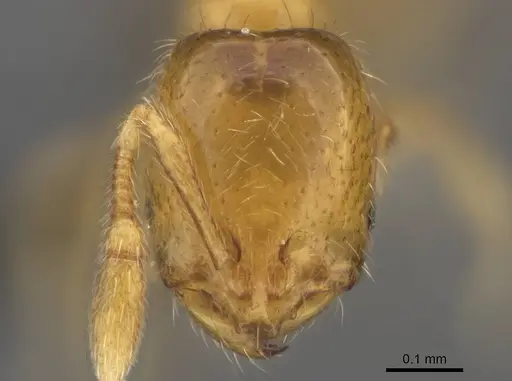
CASENT0902345
View on AntWeb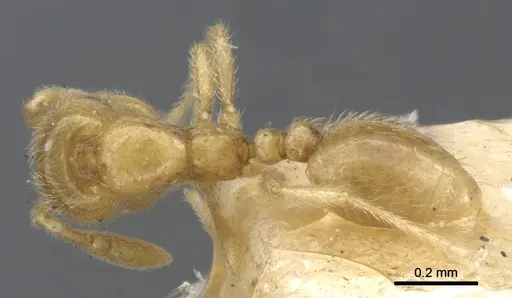
CASENT0908846
View on AntWeb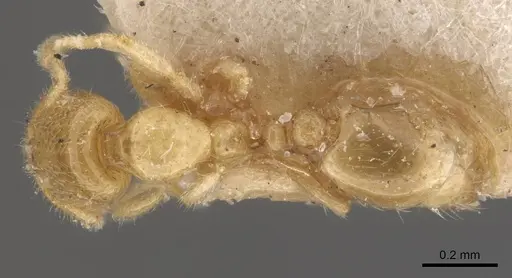
INBIOCRI001280897
View on AntWeb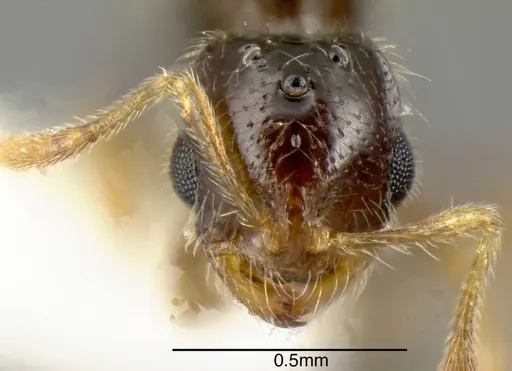
INBIOCRI001280920
View on AntWeb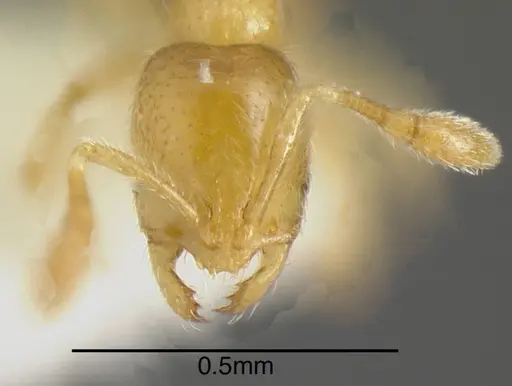
Literature
Loading distribution map...Loading products...