
Solenopsis papuana
- Sci. Name
- Solenopsis papuana
- Tribe
- Solenopsidini
- Subfamily
- Myrmicinae
- Author
- Emery, 1900
- Distribution
- Found in 8 countries
Introduction
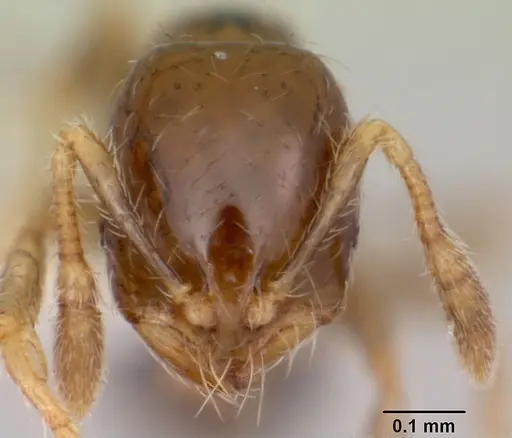
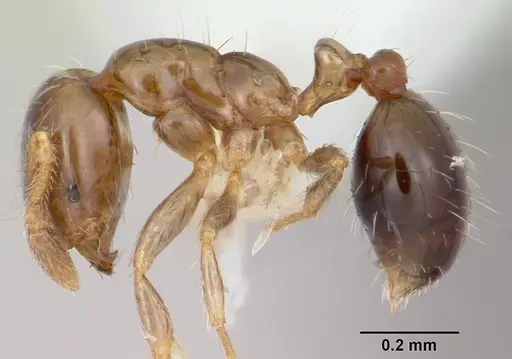
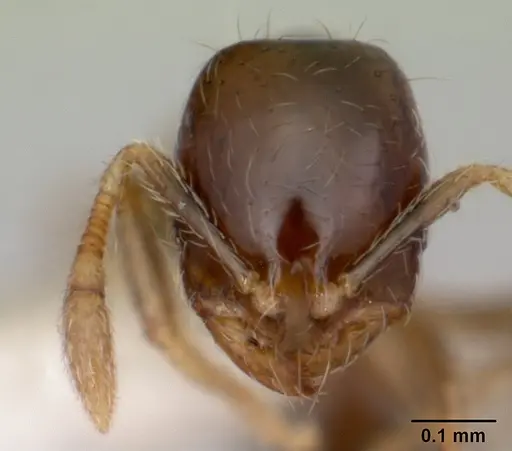
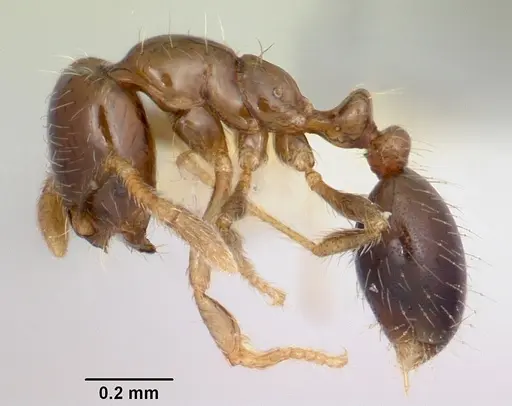
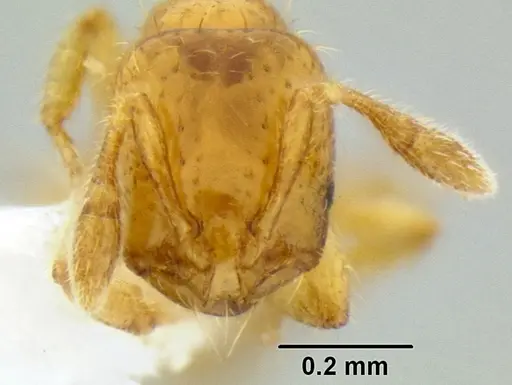
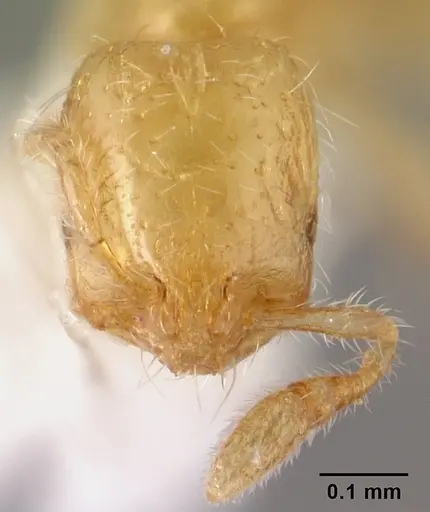
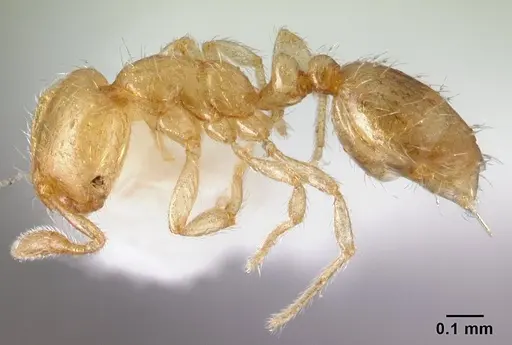
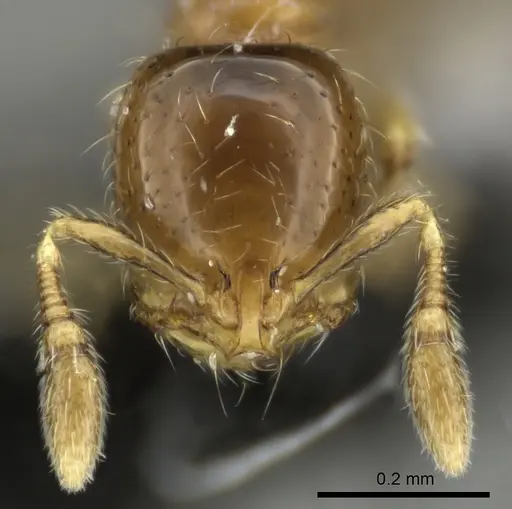
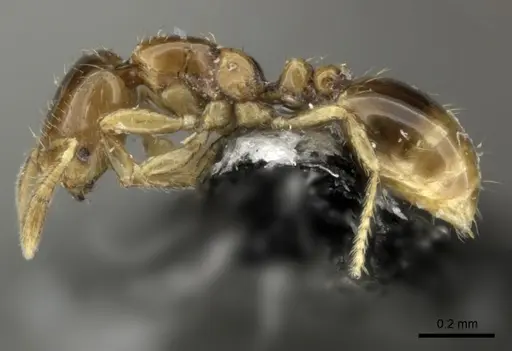
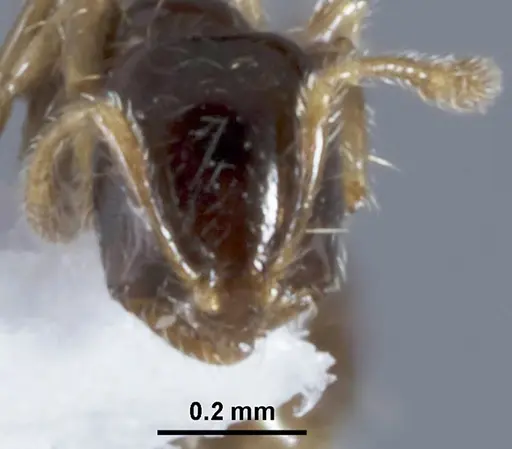
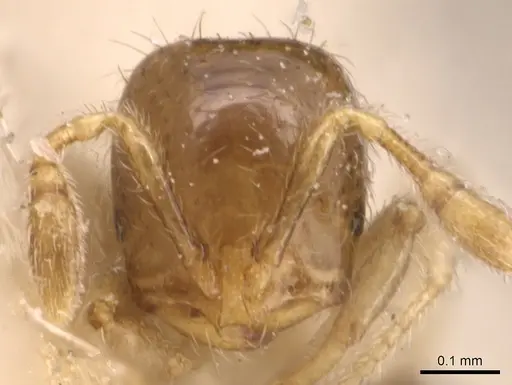
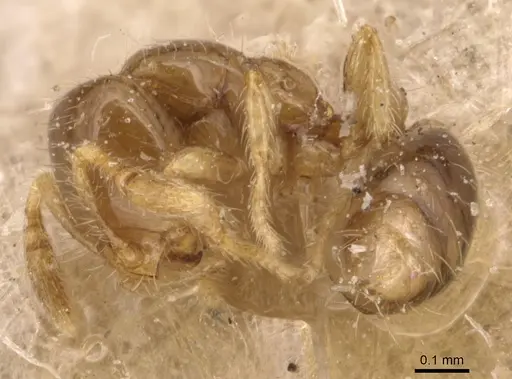
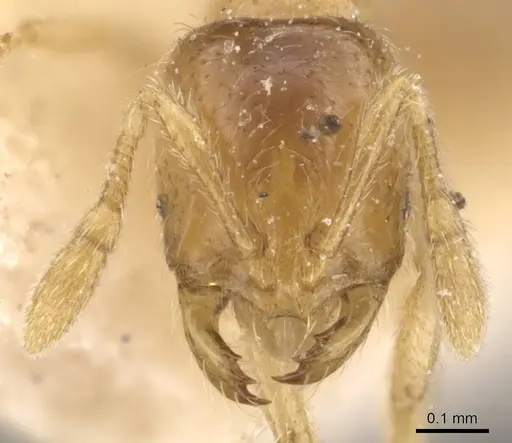
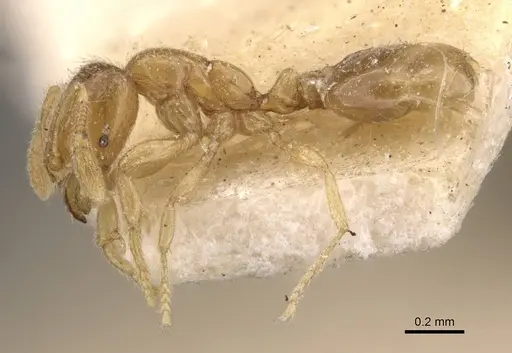
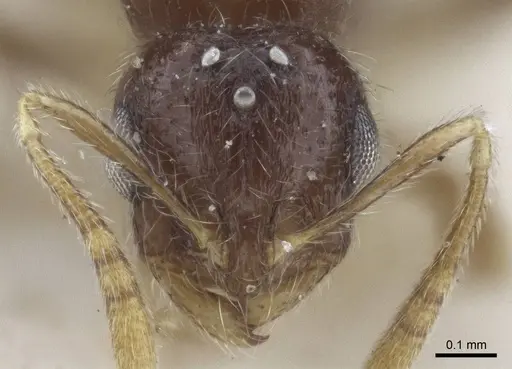
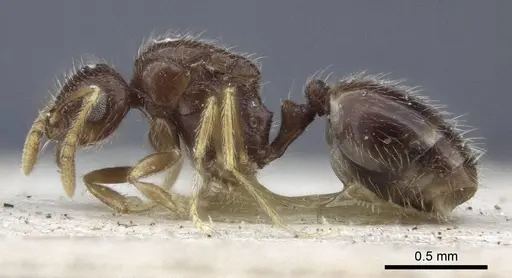
Solenopsis papuana is a tiny thief ant native to the Papuan region (Papua New Guinea) that has spread across much of the Pacific . Workers are around 1.5mm long , with variable color from pale yellow to dark brown . They have 10-segmented antennae with two-segmented clubs, which separates them from similar Monomorium species . The worker caste is monomorphic . Queens and males have also been described . This species became invasive after arriving in Hawaii in 1967 and now occupies mesic to wet forests on several islands . It is one of the few ant species that can infiltrate undisturbed upland forests, reaching high densities in soil and leaf litter . Studies show it significantly reduces native arthropod populations, such as picture-winged Drosophila flies and spiders . Its ability to invade native ecosystems makes it a serious threat to biodiversity in Hawaii.
Quick Summary
- Difficulty: Expert
- Origin & Habitat: Native to Papua New Guinea and Pacific islands (Fiji, Samoa, Tonga, Solomon Islands, French Polynesia, etc.) [11][2]. Lives in wet to mesic forests between 300-1,100 m elevation, nesting under rocks or wood on the ground [12].
- Colony Type: Polygyne (multiple-queen) colonies can contain over 1,000 workers [12]. This ground-nesting species spends most of its time in soil and leaf litter [3].
- Size & Growth:
- Antkeeping:
- Temperature: Keep warm and stable, roughly 24-28°C. Avoid temperatures below 20°C for long periods.
- Humidity: Keep nest substrate consistently moist but not waterlogged. They naturally live in damp forest floor conditions. [3]
- Diapause: No, tropical species, no hibernation required. Maintain warmth year-round.
- Nesting: Ground-nesting species. Use test tubes for founding, then Y-tong (AAC), plaster, or soil nests for established colonies. Provide dark, humid chambers with moist substrate. [3][9]
- Behavior: Generalist feeders: prey on small insects, scavenge, and tend honeydew-producing Hemiptera [3]. They can sting, the sting is described as painful in some regions, but Hawaiian specimens have not caused reported complaints [13][14]. Workers recruit vigorously to food and defend resources with stings [5]. They approach baits from underneath and forage only short distances from the nest [9]. Escape risk is extreme due to tiny size (1.5mm), use fine mesh and tight seals.
- Common Issues: escape prevention is critical because workers are only 1.5mm and can squeeze through tiny gaps, use fine mesh (0.5mm or smaller) and seal all connections, tendency to stay in substrate means you may rarely see workers unless the foraging area is set up with open space, this species is invasive in Hawaii, never release in non-native regions, and extreme containment measures are required, wild-caught colonies may carry parasites or face acclimation issues, can form large colonies quickly, ensure adequate space as the colony grows
Housing and Nest Setup
Because Solenopsis papuana is only 1.5mm, escape prevention is your top priority. Use fine mesh (0.5mm or smaller) on all ventilation openings and apply fluon to connections. A standard test tube setup with a water reservoir works well for founding a colony. For larger colonies, use a small formicarium with moist soil, plaster, or Y-tong (AAC) blocks. They naturally nest under rocks or wood in damp forest floor conditions, so keep the nest dark and the substrate moist [12][3]. Provide a small foraging arena since they forage only short distances [9].
Feeding and Diet
These ants are generalists that will take a variety of foods. Offer small live prey such as fruit flies, pinhead crickets, or other tiny insects. They also scavenge dead insects and accept protein baits like SPAM or peanut butter, which attract them strongly in field tests [9]. Sugar sources (honey water, sugar water) are readily consumed. In the wild they also tend honeydew-producing insects [3]. Feed small amounts every 2-3 days and remove uneaten prey after 24 hours. Their small size means all food items must be very small.
Temperature and Seasonal Care
As a tropical Pacific species, Solenopsis papuana prefers warm conditions around 24-28°C. It does not need any cooling or hibernation period, keep temperatures stable year-round. If your room is cooler, use a heating cable on one side of the nest to create a gentle warmth gradient. Avoid letting the nest drop below 20°C for long periods. Humidity should be maintained by keeping the nest substrate damp but not waterlogged, mimicking the moist forest floor they inhabit [12][3].
Behavior and Colony Dynamics
Colonies are polygyne, meaning multiple queens can coexist, and mature nests can hold over 1,000 workers [12]. Workers spend most of their time in the soil and leaf litter, only occasionally climbing tree trunks up to 2m [3]. When food is found, they recruit nestmates quickly and defend the resource with stings [5]. They often approach food from underneath, which is a distinctive behavior [9]. In Hawaii, this species has been shown to reduce native spider populations [10] and impact the reproduction of picture-winged flies [3]. Colony growth is moderate.
Legal and Ethical Considerations
WARNING: Solenopsis papuana is an invasive species in Hawaii and has caused serious damage to native arthropod populations [3][10]. It has also been intercepted at New Zealand borders [15][4]. Because of this, you must take extreme care to prevent any escape. NEVER release this species into the wild. If you can no longer keep the colony, freeze it humanely or pass it to another responsible keeper. In regions where it is not native, keeping this species may be illegal or require permits, check local regulations. Responsible antkeeping means preventing any accidental introduction.
Frequently Asked Questions
How long does it take for Solenopsis papuana to raise first workers?
There is no species-specific data, but based on related Solenopsis, you can expect around 5-7 weeks from egg to worker at warm temperatures (24-28°C). The founding method is unconfirmed, so it may be claustral or semi-claustral, observe your queen's behavior.
Can I keep multiple queens together?
Yes, Solenopsis papuana is polygyne, so multiple queens naturally coexist in a colony [12]. If you have multiple foundresses, they may tolerate each other, but some may eventually be eliminated. This species is adapted to multi-queen colonies.
What do Solenopsis papuana eat?
They are generalist feeders that accept small live prey (fruit flies, tiny crickets), dead insects, and sugar sources (honey water, sugar water). In the wild they also scavenge and tend honeydew-producing insects. SPAM and peanut butter are very attractive baits [9].
Are Solenopsis papuana good for beginners?
No. Although they are not difficult to feed or breed, their tiny size makes escape prevention extremely challenging, and their invasive status in Hawaii requires expert-level containment. This species is only recommended for experienced keepers who can guarantee no escapes.
How big do Solenopsis papuana colonies get?
Mature colonies can reach over 1,000 workers [12]. They grow at a moderate rate, expect several months to a year to reach 100+ workers under good conditions. Provide extra nest space as the colony expands.
Do I need to hibernate Solenopsis papuana?
No, these are tropical ants from the Pacific region and do not need diapause. Keep them warm year-round at 24-28°C. They are active throughout the year in their native habitat.
Why are my Solenopsis papuana escaping?
This species is extremely small (1.5mm) and can slip through tiny gaps. Use fine mesh (0.5mm or smaller) on all openings, apply fluon to connection points, and check that lids fit tightly. Every tubing joint and seam must be sealed.
What is the best nest type for Solenopsis papuana?
A test tube setup works well for founding colonies. For established colonies, use a small formicarium with moist soil, plaster, or Y-tong (AAC) to provide the damp, dark environment they prefer. They are ground-nesters that naturally live in soil and leaf litter, so avoid dry, exposed setups.
Report an Issue
The current care sheet is based fully on literature. See inconsistencies, or something that's incorrect? Please , it will be resolved after review from an admin. Contributing to the blogs tab also helps providing information, to make us be able to further improve the caresheets. Thank you for your support!
References

This caresheet is licensed under CC BY-SA 4.0 .
Community Blogs
CASENT0103246
View on AntWeb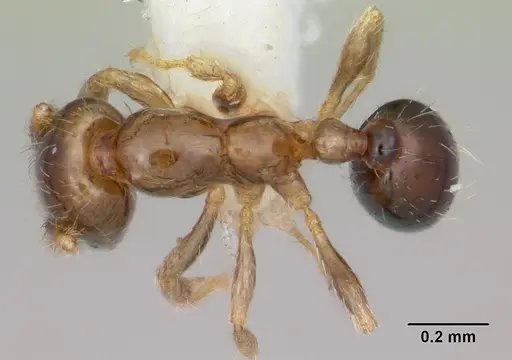
CASENT0103247
View on AntWeb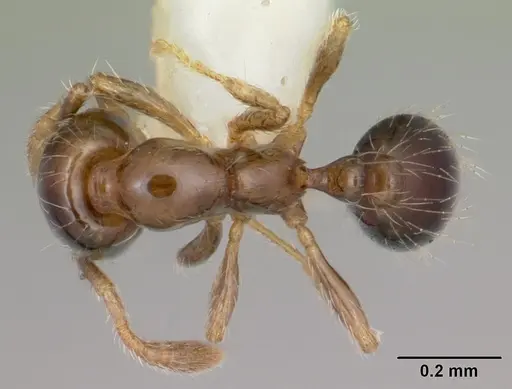
CASENT0106272
View on AntWeb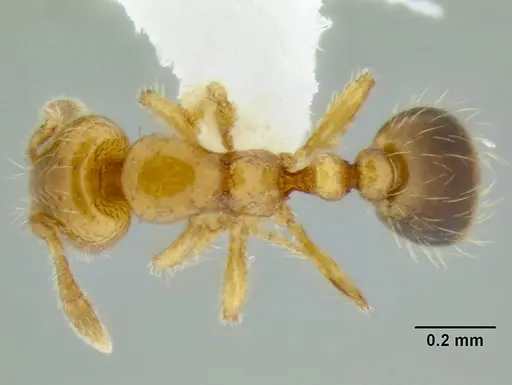
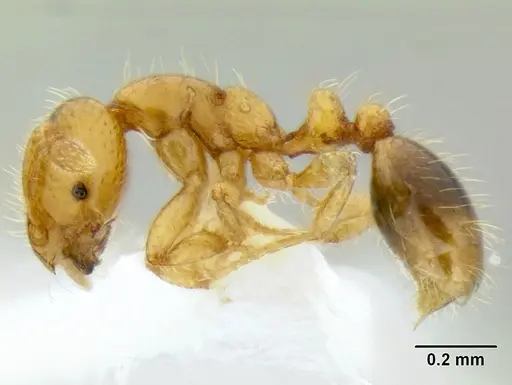
CASENT0171089
View on AntWeb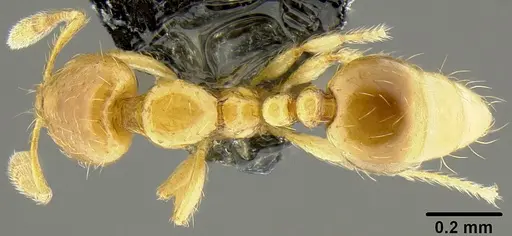
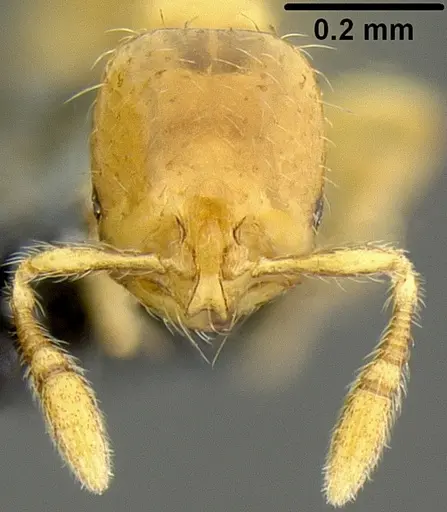
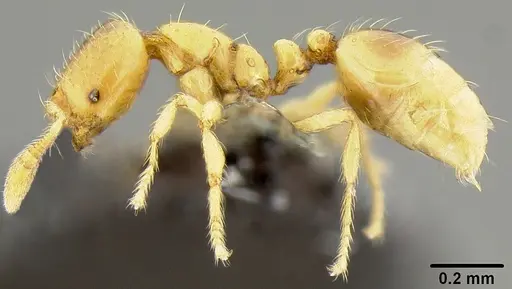
CASENT0178442
View on AntWeb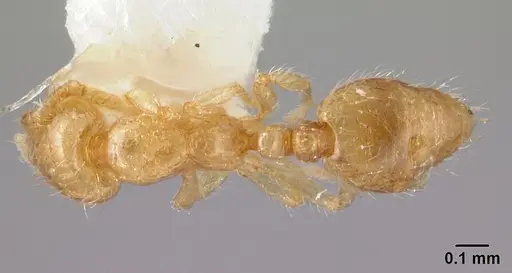
CASENT0199735
View on AntWeb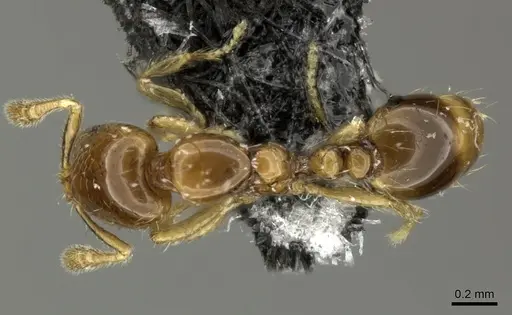
CASENT0872756
View on AntWeb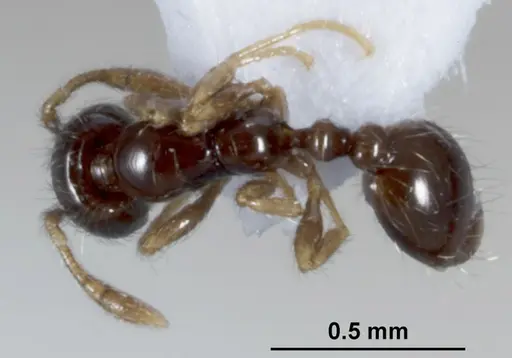
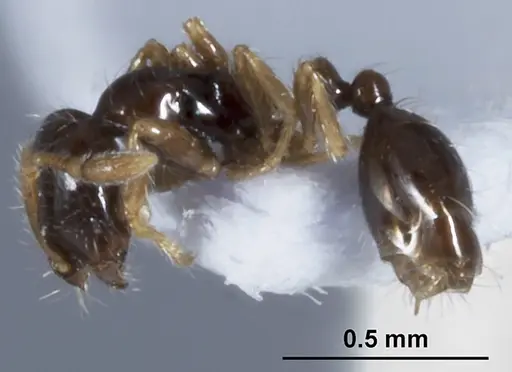
CASENT0872757
View on AntWeb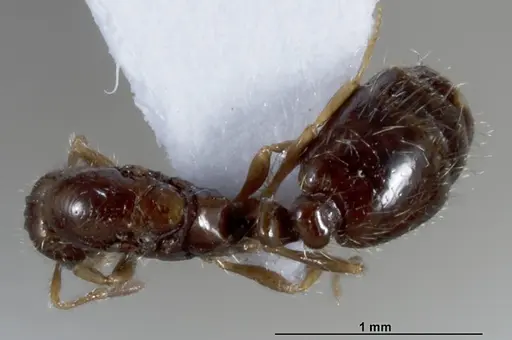
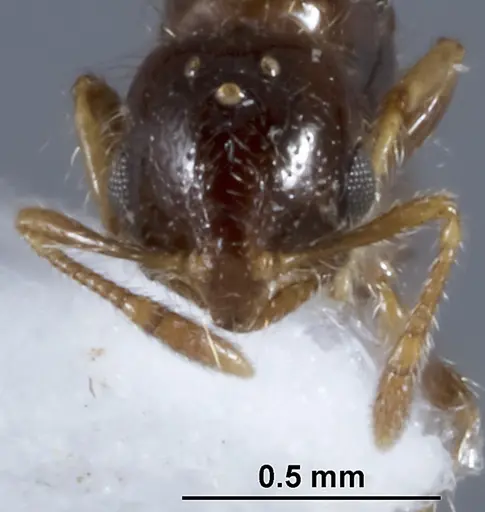
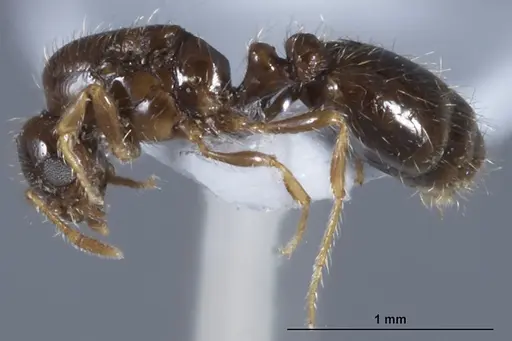
CASENT0904638
View on AntWeb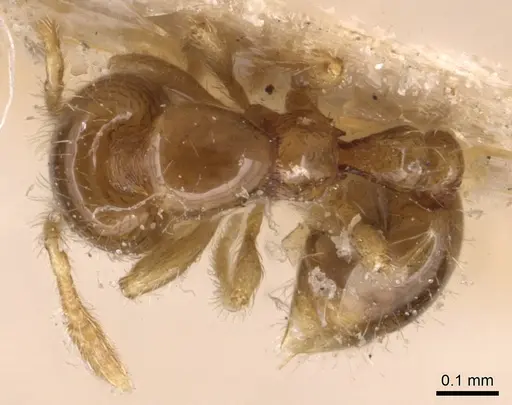
CASENT0908875
View on AntWeb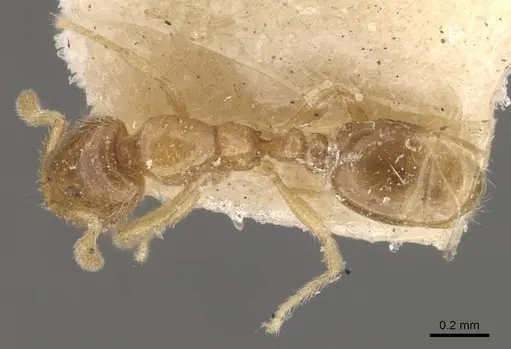
CASENT0916609
View on AntWeb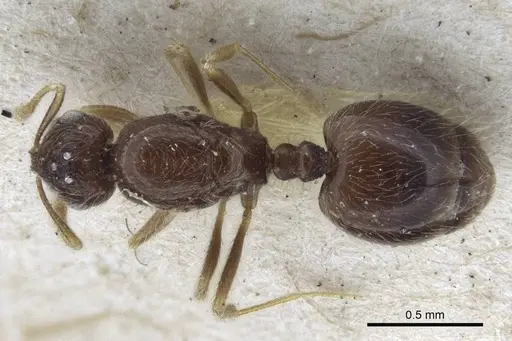
Literature
Loading distribution map...Loading products...