
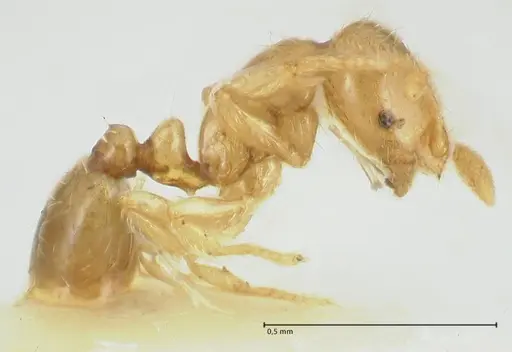
Solenopsis overbecki
- Sci. Name
- Solenopsis overbecki
- Tribe
- Solenopsidini
- Subfamily
- Myrmicinae
- Author
- Viehmeyer, 1916
- Distribution
- Found in 1 countries
Introduction
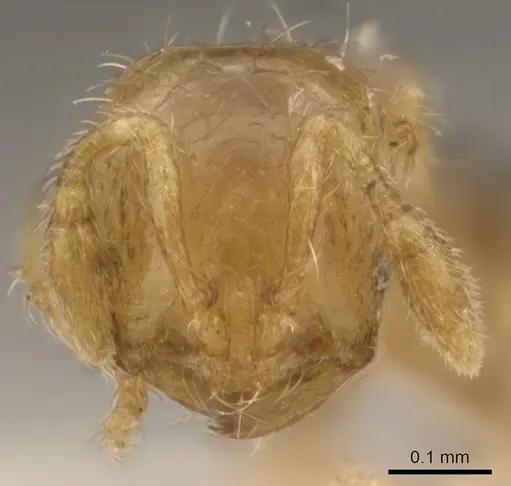
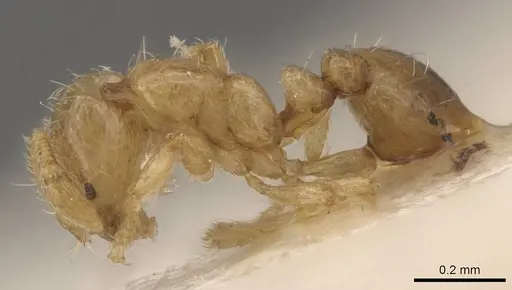
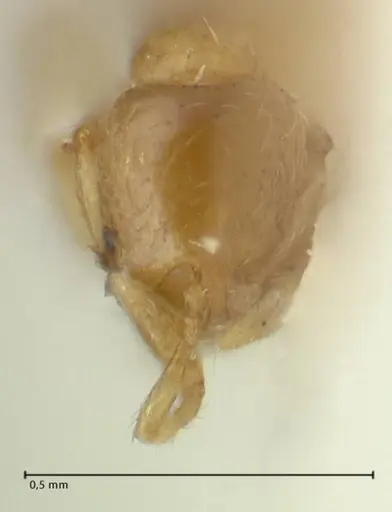
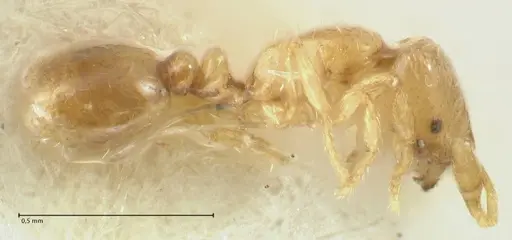
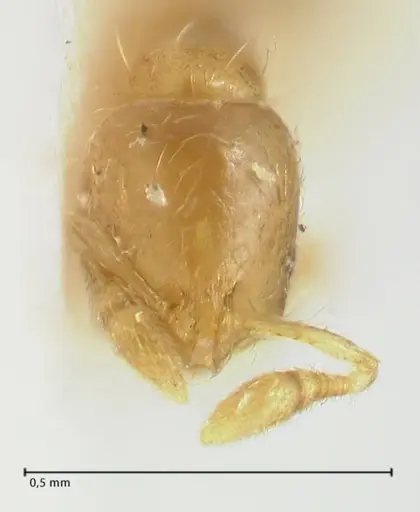
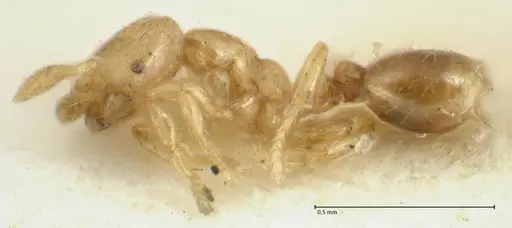
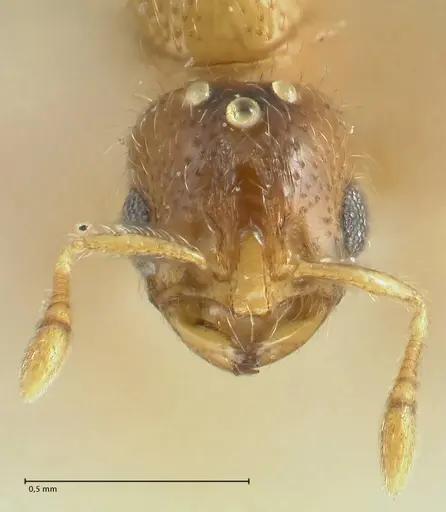
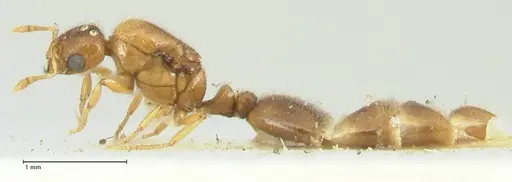
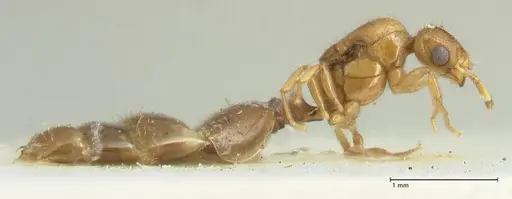
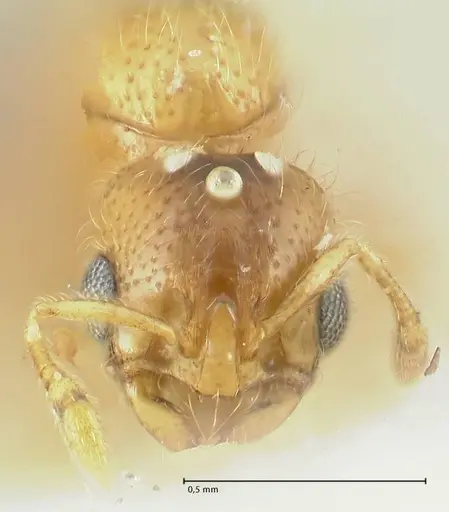
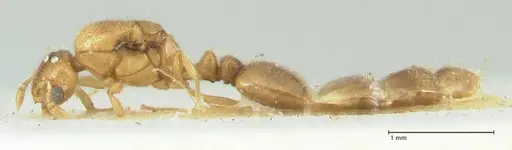
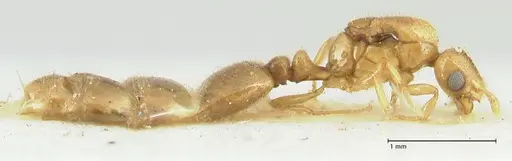
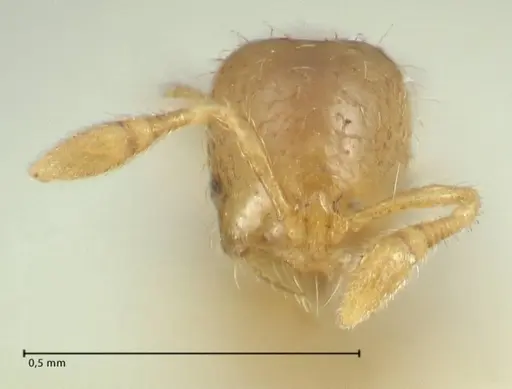
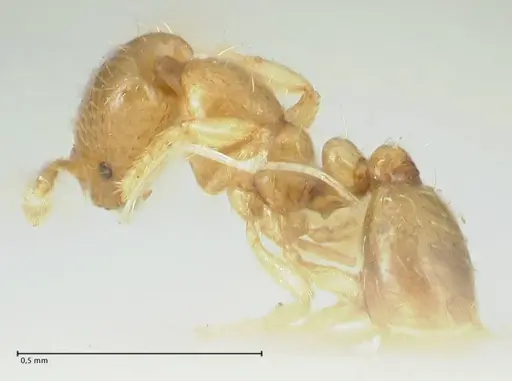
Solenopsis overbecki is a tiny ant from Singapore, first described in 1916. Workers are reddish-brown and small, estimated at 2-4 mm based on typical Solenopsis patterns. They nest in narrow passages inside rotting branches lying on the ground, in damp tropical forests. A standout trait is that colonies are polygynous - multiple wingless queens live together in the same nest .
Quick Summary
- Difficulty: Medium
- Origin & Habitat: Singapore (Indomalaya region), found in narrow passages of rotting branches on the forest floor [1][2]
- Colony Type: Polygynous, colonies contain multiple queens (documented with 4 wingless queens) that coexist in the same nest [1][2]
- Size & Growth:
- Queen: Size unpublished. Inferred from Solenopsis patterns: queens likely around 4-6 mm.
- Worker: Size unpublished. Inferred from Solenopsis patterns: workers roughly 2-4 mm.
- Colony: Unknown, likely dozens to a few hundred workers based on related Solenopsis (inferred).
- Growth: Moderate, estimated from tropical Solenopsis development patterns.
- Development: Unknown. Based on related Solenopsis, roughly 4-6 weeks at 26-28°C (estimate). (No direct development data for S. overbecki. Timelines are from other tropical Solenopsis.)
- Antkeeping:
- Temperature: Tropical species from Singapore, keep at 26-28°C year-round. Use a heating cable on top of the nest to create a gradient (inferred from habitat).
- Humidity: High humidity, keep the nest substrate consistently moist but not waterlogged. The rotting wood they naturally nest in retains moisture (inferred from habitat).
- Diapause: No, as a tropical Singapore species, they do not need hibernation. Maintain warmth all year (inferred from geography).
- Nesting: In nature they nest in narrow cavities inside rotting wood. In captivity, Y-tong (AAC) or plaster nests work well, they hold moisture and provide tight chambers. Avoid dry or airy setups (inferred from nesting habits).
- Behavior: Solenopsis overbecki has a functional sting (subfamily Myrmicinae, tribe Solenopsidini) but is much smaller than fire ants. They are probably less aggressive than their fire ant relatives, but will defend if threatened. Their tiny size makes escape prevention critical, they can squeeze through very small gaps. Fine mesh and fluon barriers are essential (inferred from size and subfamily).
- Common Issues: escape prevention is critical, tiny workers can get through gaps larger ants cannot., tropical warmth must be maintained year-round, cold stops development and can kill the colony., overheating from direct sunlight or heating cables placed too close can kill the colony., small colony size makes them sensitive to disturbance, frequent nest checks can stress the queens., feeding tiny prey (e.g., fruit flies) and removing leftovers promptly prevents mold and mites.
Housing and Nest Setup
Solenopsis overbecki naturally nests in narrow passages inside rotting branches on the ground [1][2]. You need to mimic this: provide tight, humid chambers. Y-tong (AAC) or plaster nests are good choices, they hold moisture and let you keep the substrate damp. Test tubes are fine for a small colony but will need upgrading. The main challenges are keeping humidity high and preventing escapes. Use fluon on the rim of the outworld and fine mesh (0.5 mm or smaller) on ventilation holes. A small piece of rotting wood in the outworld can also give them a more natural refuge.
Temperature and Heating
These ants come from Singapore, a tropical climate, so they need warmth all year. Aim for 26-28 °C in the nest area. If your room is cooler, place a heating cable on top of the nest (not underneath, bottom heat dries the substrate too fast). Create a warm-cool gradient so the ants can choose. Avoid direct sunlight, it can cause deadly hot spots. Below 22 °C, brood development will likely stop. No winter cooling needed (inferred from tropical origin).
Feeding and Diet
Like other Solenopsis, S. overbecki is probably omnivorous (inferred from genus). Offer small live prey: fruit flies, pinhead crickets, or other tiny insects. Also provide sugar sources like diluted honey, sugar water, or honeydew. Feed small amounts every 2-3 days and remove leftovers to prevent mold. Protein is especially important when the colony has larvae. A newly founded colony will accept a drop of honey near the test tube entrance.
Managing Multiple Queens
This species is polygynous, colonies naturally contain several wingless queens [1][2]. Unlike most ants, you should not remove extra queens. They coexist peacefully, and having multiple queens makes the colony more resilient if one dies. You can try starting a new colony with multiple foundresses together. But avoid disturbing the nest too often, as stress can still cause queen loss.
Escape Prevention
With workers estimated at 2-4 mm, these ants are expert escape artists. You must: (1) cover all ventilation holes with fine mesh (0.5 mm or smaller), (2) apply fluon to the inner rim of the outworld, (3) check tube and nest connections daily for gaps, (4) keep the nest closed except for feeding. Even a tiny crack can let them out. A water moat around the nest stand adds an extra barrier. Inspect your setup after every feeding.
Frequently Asked Questions
How long until Solenopsis overbecki gets its first workers?
No data for this species. Based on other tropical Solenopsis, first workers might appear in 4-6 weeks at 26-28°C. This is an estimate, actual time could differ.
Can I keep multiple queens together?
Yes, this species is naturally polygynous. Up to 4 wingless queens have been found in one nest [1][2]. You can keep multiple queens together and they should coexist. During colony founding, you might be able to start with several foundresses.
What temperature do they need?
They need tropical warmth: 26-28°C year-round. If your home is cooler, add a heating cable on top of the nest. Below 22°C for long periods will harm the colony (inferred from origin).
Do they need hibernation?
No, because they come from Singapore, a tropical climate, they do not need a winter diapause. Keep them warm all year.
What do Solenopsis overbecki eat?
They are omnivorous. Give them small live insects (fruit flies, pinhead crickets) 2-3 times a week, plus a constant sugar source like diluted honey. Remove leftovers to prevent mold.
Are Solenopsis overbecki good for beginners?
They are not well studied, so difficulty is uncertain. The main challenges are providing constant warmth and preventing escapes due to their tiny size. If you have experience with small, escape-prone ants, they may be manageable. Their polygynous nature can make them more stable than single‑queen species.
How big do their colonies get?
Colony size is not documented. Based on related Solenopsis, they probably reach dozens to a few hundred workers, not the massive colonies of fire ants. Growth is moderate (inferred).
When should I move them to a formicarium?
No specific data for this species. General antkeeping advice: wait until you have at least 15-20 workers before moving them from a test tube to a Y‑tong or plaster nest. Moving too early risks losing the colony.
Why are my ants escaping?
Because they are tiny, 2-4 mm workers can slip through tiny gaps. Check all connections, apply fluon, and make sure ventilation mesh is 0.5 mm or finer. Even a small crack at a tube joint can be an escape route. Inspect daily.
Report an Issue
The current care sheet is based fully on literature. See inconsistencies, or something that's incorrect? Please , it will be resolved after review from an admin. Contributing to the blogs tab also helps providing information, to make us be able to further improve the caresheets. Thank you for your support!
References

This caresheet is licensed under CC BY-SA 4.0 .
Community Blogs
CASENT0908878
View on AntWeb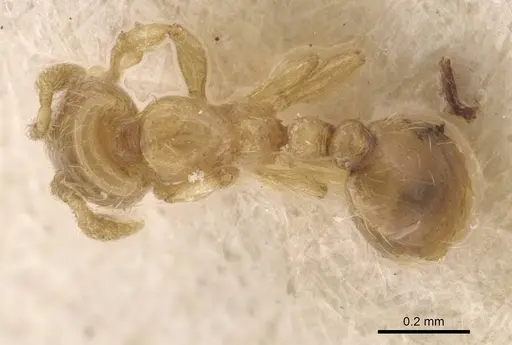
FOCOL1870
View on AntWeb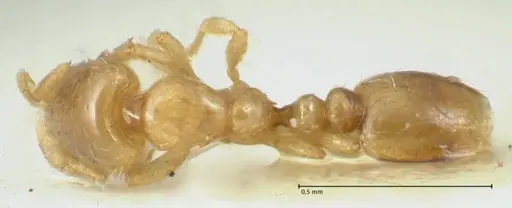
FOCOL1871
View on AntWeb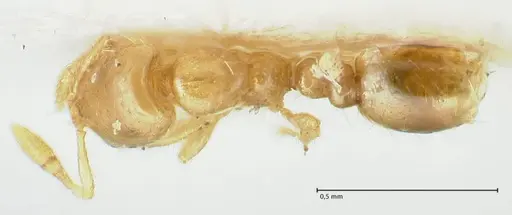
FOCOL1872
View on AntWeb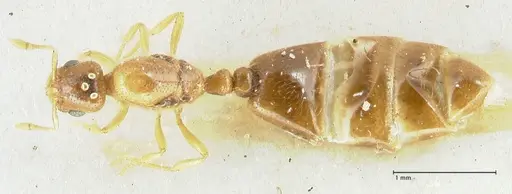
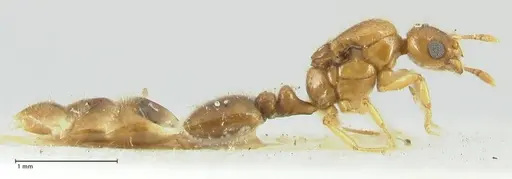
FOCOL1873
View on AntWeb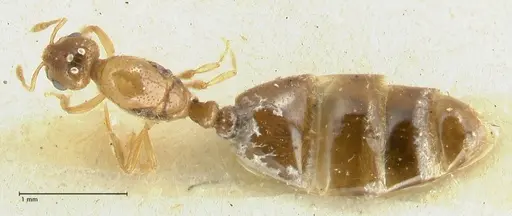
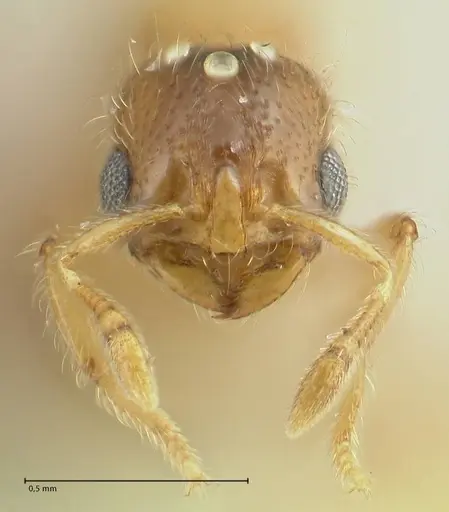
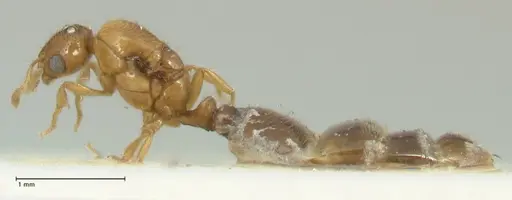
FOCOL1874
View on AntWeb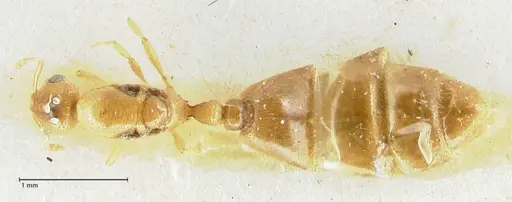
FOCOL1875
View on AntWeb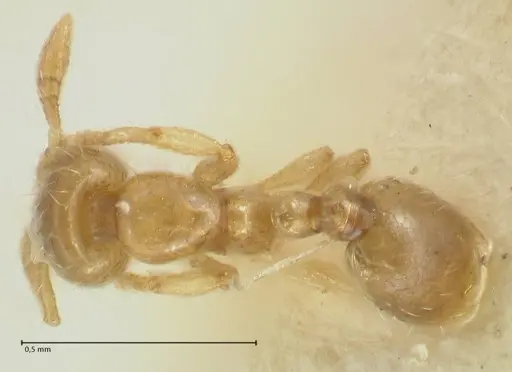
Literature
Loading distribution map...Loading products...