
Solenopsis clarki
- Sci. Name
- Solenopsis clarki
- Tribe
- Solenopsidini
- Subfamily
- Myrmicinae
- Author
- Crawley, 1922
- Distribution
- Found in 1 countries
Introduction
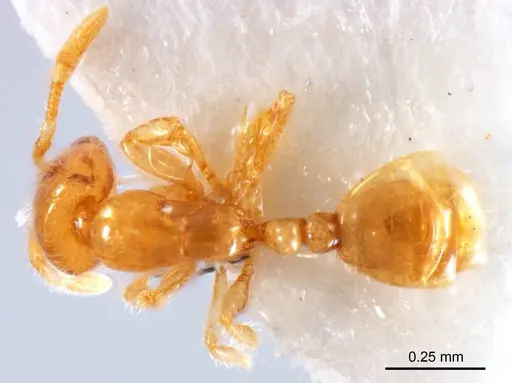
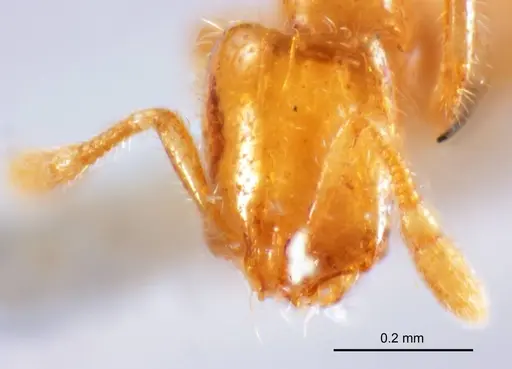
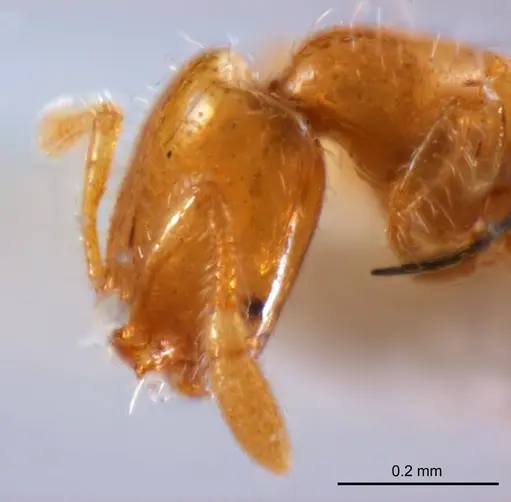
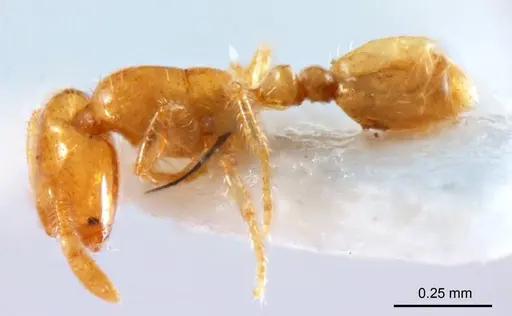
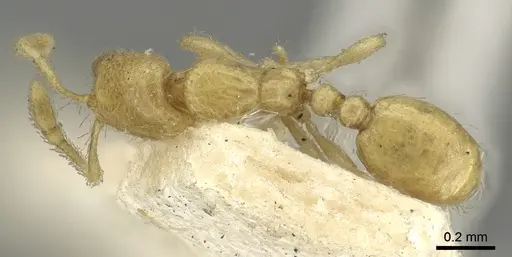
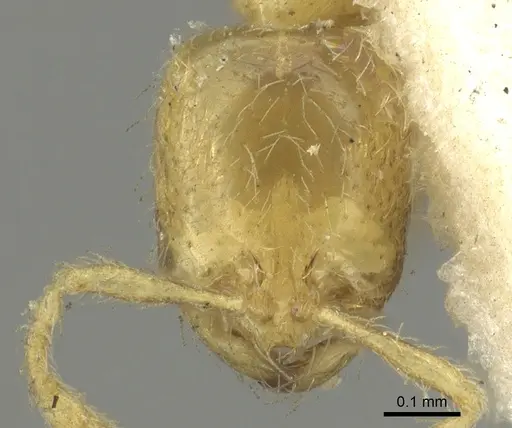
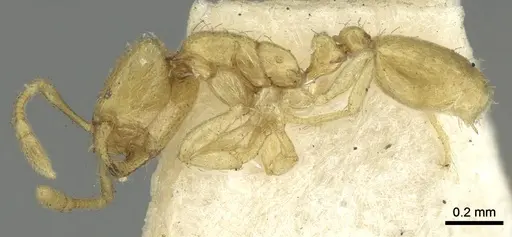
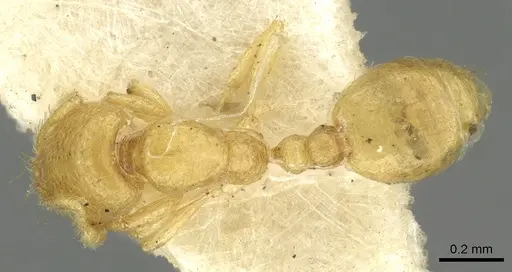
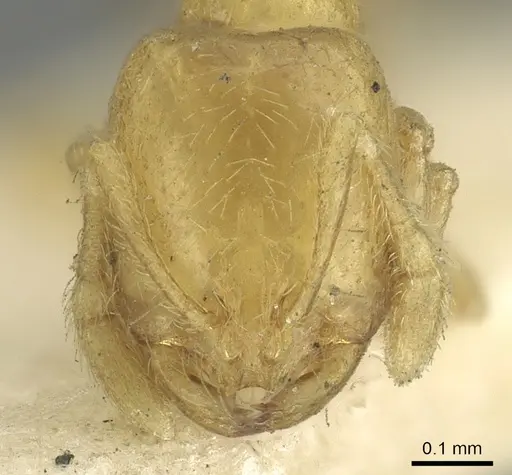
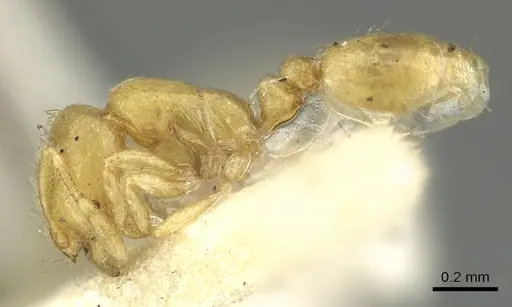
Solenopsis clarki is a small ant native to Western Australia, found across the southwest region and potentially extending into the Kimberley . Workers are polymorphic – the species produces both smaller minor workers and larger major workers, but specific size measurements are not recorded in the literature. The most unusual feature is their reduced eyes: they either lack eyes entirely or have only a tiny pigmented speck . In the wild, nests are found under rocks, pieces of wood or bark, and often in galleries abandoned by other ant species .
Quick Summary
- Difficulty: Medium
- Origin & Habitat: Western Australia, Australia. Found across the southwest (SWBP) region and possibly into the Kimberley region [1]. Nests under rocks, wood, bark, and in excavated galleries of other ant species [1].
- Colony Type: Colony structure is not documented. Workers are polymorphic with minor and major castes, but whether colonies are monogyne or polygyne is unknown.
- Size & Growth:
- Queen: Size data unavailable
- Worker: Size data unavailable – polymorphic minor and major workers exist but no measurements published [1]
- Colony: Unknown (estimated several hundred workers based on related Solenopsis, but not confirmed)
- Growth: Unknown (no data available for this species)
- Development: Estimated 6–10 weeks at 22–26°C based on related Solenopsis species (no specific data for S. clarki) (Development time is a genus-level estimate – actual times may differ)
- Antkeeping:
- Temperature: No specific data. Based on Mediterranean climate of Western Australia, aim for 22–26°C with a slight gradient. Provide a cooler area in the nest [1].
- Humidity: Keep the nest substrate moderately moist but not waterlogged. Their natural nesting under rocks and in soil suggests they prefer stable humidity with a moist area and a drier area [1].
- Diapause: Unknown, but likely beneficial given the cool winters in Western Australia. If keeping in temperate climates, consider a 2–3 month winter period at 10–15°C. No feeding during this time [1].
- Nesting: Y-tong (AAC), test tube setups, or naturalistic soil nests work well. Provide damp substrate and avoid rapid drying. Do not place near direct heat sources [1].
- Behavior: Behavior is not well documented. They have a functional stinger (Myrmicinae subfamily) but are not reported as aggressive. Their small size and reduced eyes [2] mean they rely on chemical cues and can escape through tiny gaps – ensure your setup is well sealed. Temperament is likely calm, based on the few field observations.
- Common Issues: humidity dropping too low can stress colonies – check nest moisture regularly, reduced eyes mean they navigate by scent, so avoid clutter in the outworld, lack of published care data makes troubleshooting harder for beginners, winter diapause may be needed but is unconfirmed – observe colony health if skipping it, wild-caught colonies may carry mites or other parasites
Housing and Nest Setup
Solenopsis clarki does well in Y-tong (AAC) nests, test tube setups, or naturalistic formicariums with soil. In the wild, nests are found under rocks, pieces of wood or bark, and in abandoned galleries of other ants [1]. This suggests they prefer stable, moderately moist environments. For Y-tong nests, keep the water reservoir filled but not overflowing – provide a humidity gradient. For test tubes, use a standard water tube with a cotton plug and connect additional tubes so the colony can choose its preferred humidity. A naturalistic setup with 2–3 cm of damp soil (sand/soil mix) works well. Avoid heat sources that dry the nest rapidly. Room temperature (22–24°C) is fine, with a slight warm spot if your home is cool [1].
Feeding and Diet
Solenopsis clarki are likely omnivorous like most Solenopsis. Offer a varied diet: small insects (fruit flies, pinhead crickets, mealworms) for protein 2–3 times per week, and provide a constant sugar source (sugar water, honey, or diluted honey). They will recruit nestmates to rich food sources. Remove uneaten prey after 24–48 hours to prevent mold. Polymorphic workers may handle different food items, but this is not documented for this species.
Temperature and Seasonal Care
No specific temperature data exists for S. clarki. They originate from the Mediterranean climate of Western Australia, with warm summers and cool, wet winters [1]. A good starting point is 22–26°C for active growth, with a slight gradient so workers can thermoregulate. During winter (June–August in Western Australia), consider a cool period at 10–15°C for 2–3 months to mimic natural conditions. This is unconfirmed but likely beneficial. If your colony is kept indoors at steady temperatures and shows no decline, diapause may not be essential. Do not feed during the cool period. Resume normal temperatures and feeding in spring.
Colony Founding
Founding behavior is unconfirmed for S. clarki. The queen is not described in available literature. Based on typical Solenopsis patterns, it is assumed queens found claustrally – sealing themselves in a chamber and raising the first brood on stored reserves – but this has not been documented for this species. If you obtain a queen, provide a dark, humid test tube and do not disturb her until workers appear. The first worker emergence time is unknown, but a genus estimate of 6–10 weeks is reasonable. Major workers may appear later as the colony grows.
Behavior and Temperament
Little is known about S. clarki behavior. They have a functional stinger, like other Myrmicinae, but field observations do not describe them as aggressive. The most notable trait is their reduced eyes: they either lack eyes or have only a tiny pigmented speck [2]. This means they rely heavily on chemical communication and tactile cues rather than vision. In captivity, this may affect how they explore – they prefer simple, easy-to-navigate outworlds where scent trails stay clear. They are not reported to be escape artists, but their small size requires a tight-fitting lid.
Frequently Asked Questions
How long does it take for Solenopsis clarki to produce first workers?
Specific data is unavailable. Based on related Solenopsis species, expect 6–10 weeks from egg to worker at 22–26°C. Actual time may vary.
What temperature should I keep Solenopsis clarki at?
No specific data exists. Based on their Western Australian Mediterranean climate, aim for 22–26°C with a gradient. A winter cool period (10–15°C for 2–3 months) may be beneficial.
Can I keep multiple Solenopsis clarki queens together?
This is not recommended. Colony structure (monogyne/polygyne) is unknown, and combining queens is likely to result in conflict.
How big do Solenopsis clarki colonies get?
Colony size is not documented, but estimated at several hundred workers based on related Solenopsis. This is unconfirmed.
What do Solenopsis clarki eat?
They are assumed omnivorous. Offer small insects (fruit flies, pinhead crickets) for protein 2–3 times per week, and keep sugar water or honey available at all times.
Do Solenopsis clarki need hibernation?
Probably beneficial but unconfirmed. Western Australia has cool, wet winters. If your colony shows signs of slowing down, provide a 2–3 month period at 10–15°C without food.
Are Solenopsis clarki good for beginners?
They are rated as medium difficulty. The lack of published care data makes troubleshooting harder, so they are more suitable for intermediate keepers who can adapt.
Why does Solenopsis clarki have such small eyes?
This is an evolutionary adaptation. The eye is either absent or reduced to a tiny pigmented speck [2]. They rely on chemical and tactile senses rather than vision.
When should I move Solenopsis clarki to a formicarium?
Wait until the colony has at least 20–30 workers and the test tube is crowded. They do well in Y-tong or soil nests. Ensure humidity matches their source setup.
Why are my Solenopsis clarki dying?
Possible causes: desiccation (most common with this species – keep substrate damp), overheating (avoid direct heat), mold from uneaten food, or parasites in wild-caught colonies. Check humidity first.
Report an Issue
The current care sheet is based fully on literature. See inconsistencies, or something that's incorrect? Please , it will be resolved after review from an admin. Contributing to the blogs tab also helps providing information, to make us be able to further improve the caresheets. Thank you for your support!
References

This caresheet is licensed under CC BY-SA 4.0 .
Community Blogs
Literature
Loading distribution map...Loading products...