Solenopsis carolinensis shows a April to July flight window. Peak activity occurs in July, with nuptial flights distributed across 3 months.

Carolina Thief Ant
Solenopsis carolinensis
- Sci. Name
- Solenopsis carolinensis
- Tribe
- Solenopsidini
- Subfamily
- Myrmicinae
- Author
- Forel, 1901
- Common Name
- Carolina Thief Ant
- Distribution
- Found in 2 countries
- Nuptial Flight
- From April to July
- Peak flight Time
- 15:00
AI Identifiable
try →
Introduction
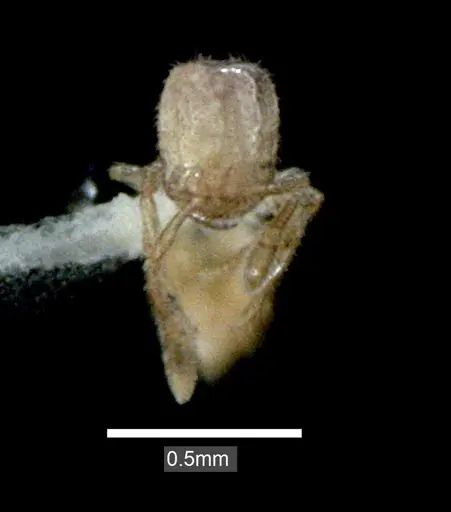
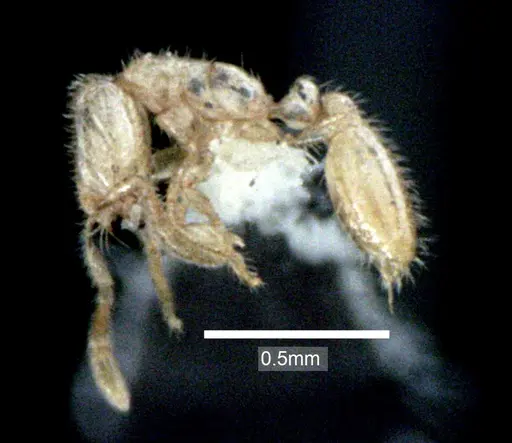
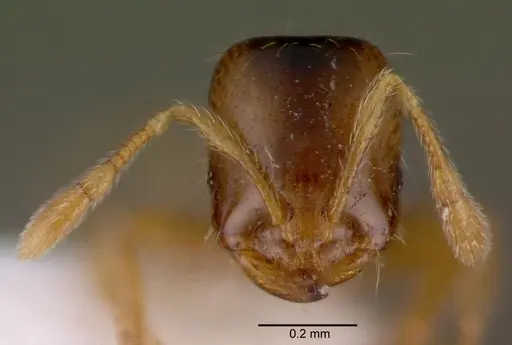
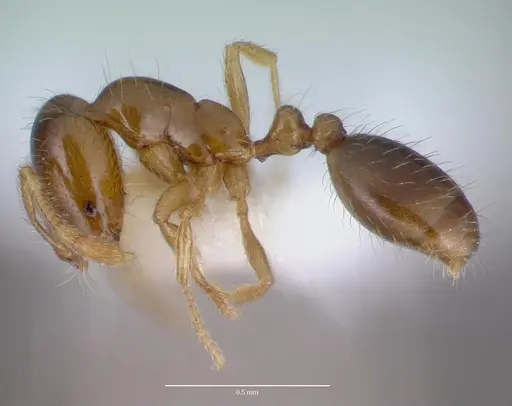
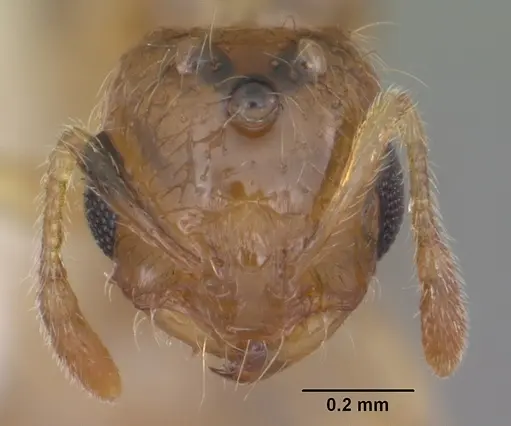
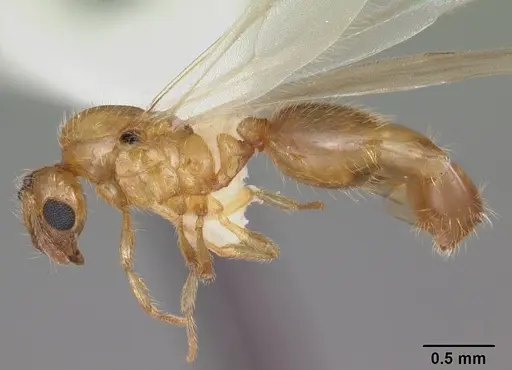
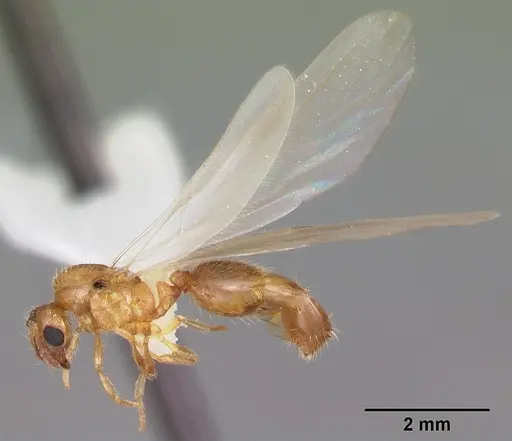
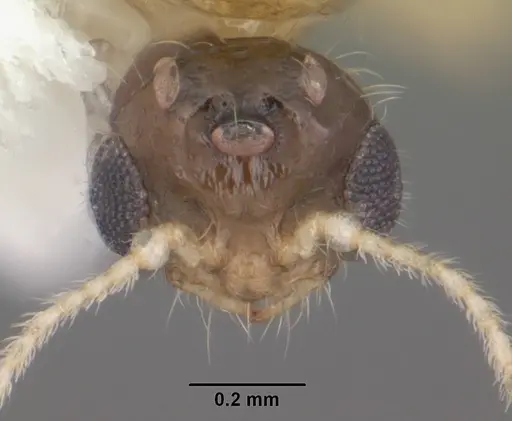
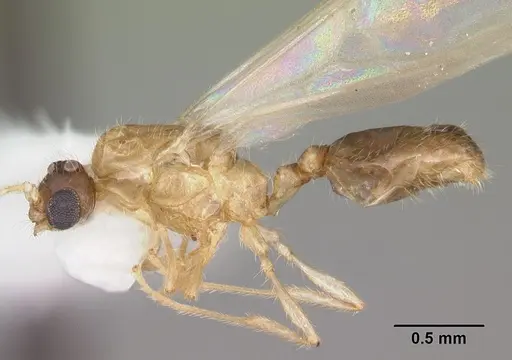
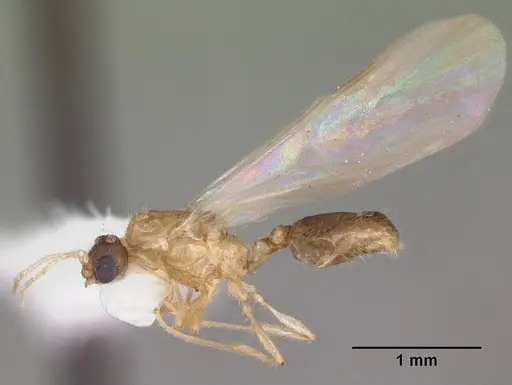
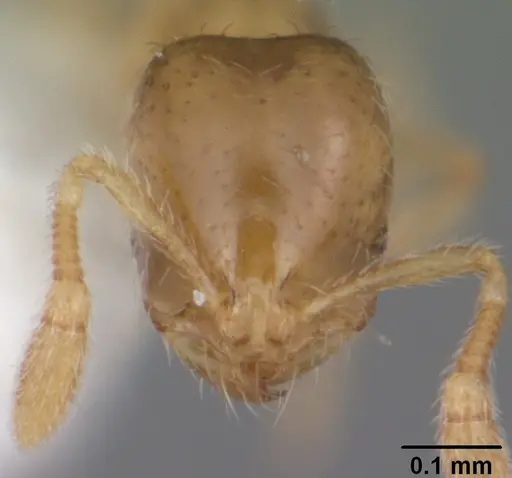
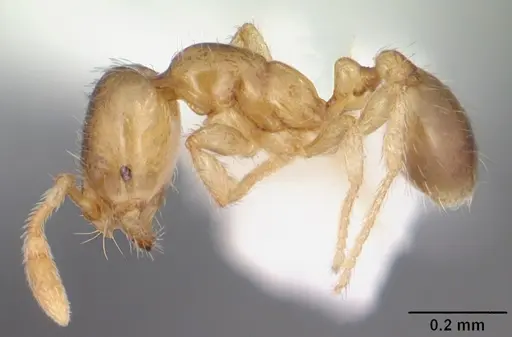
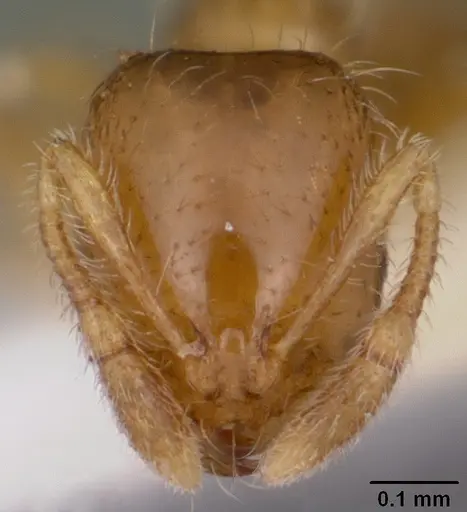
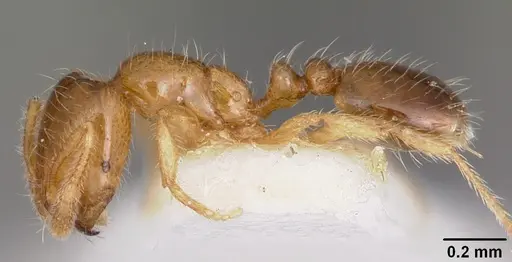
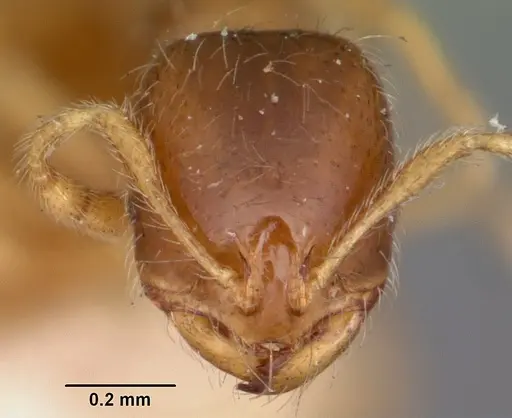
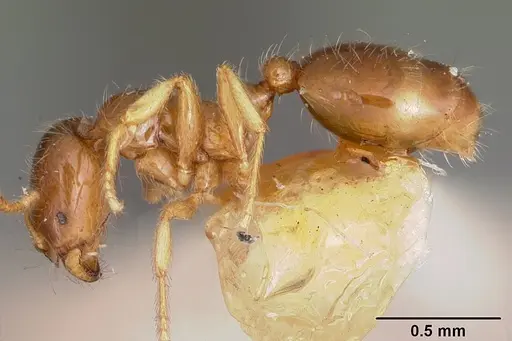
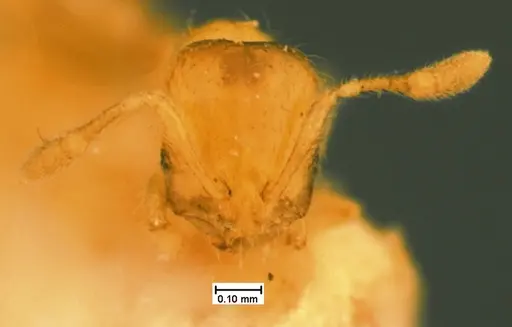
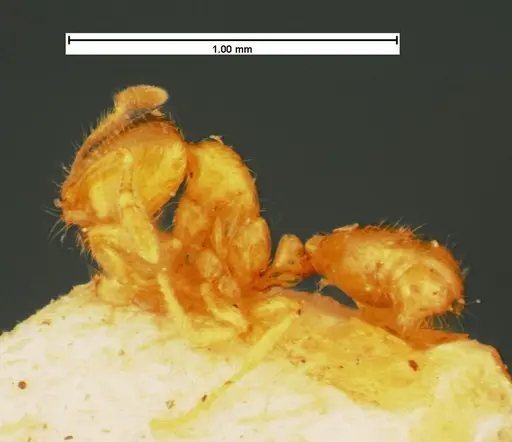
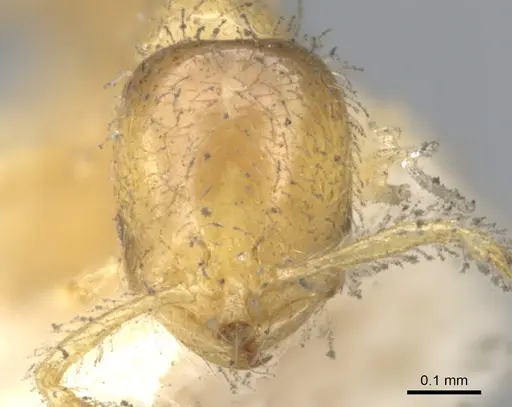
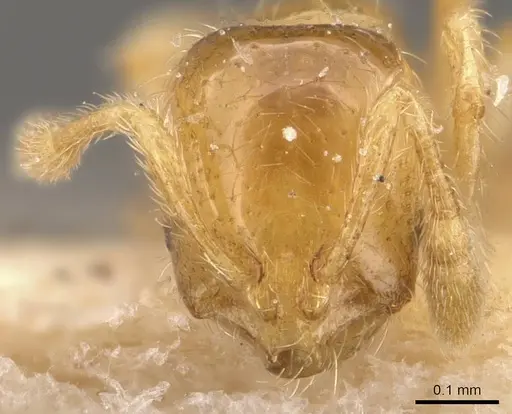
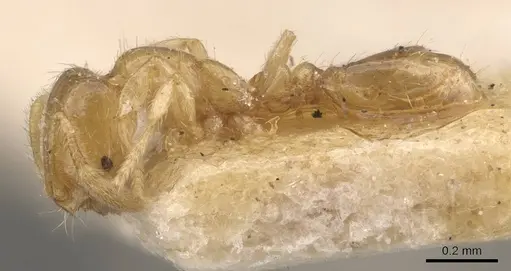
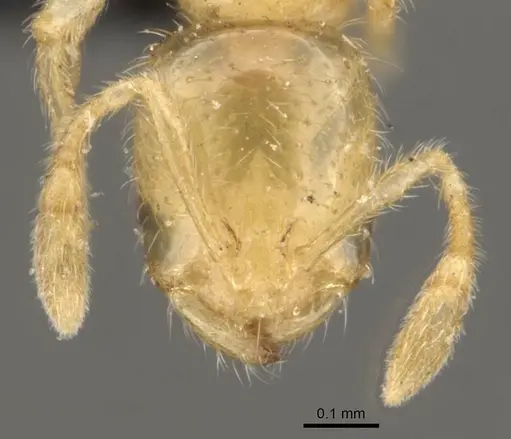
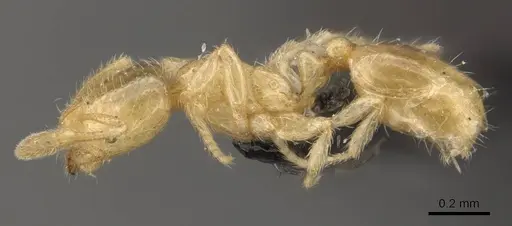
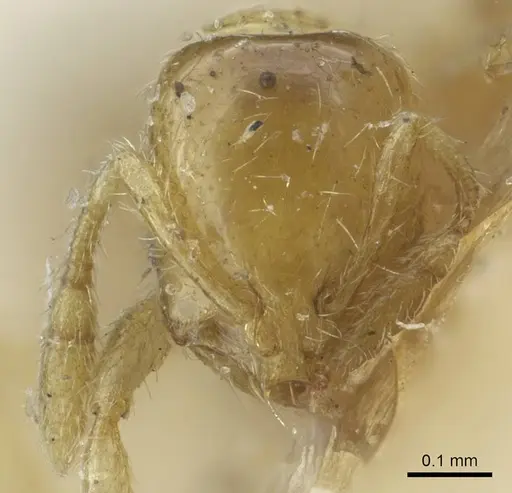
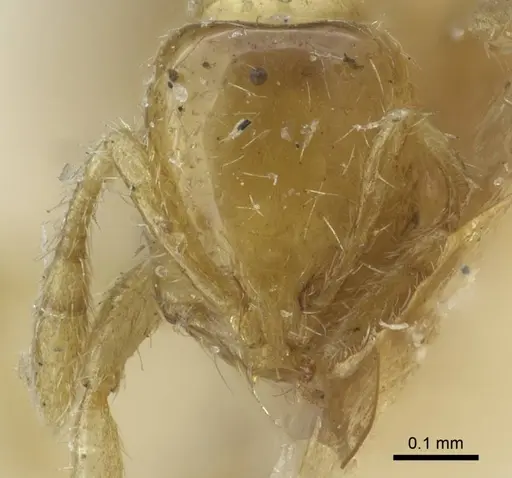
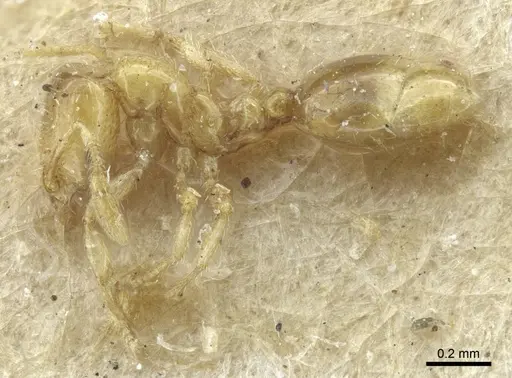
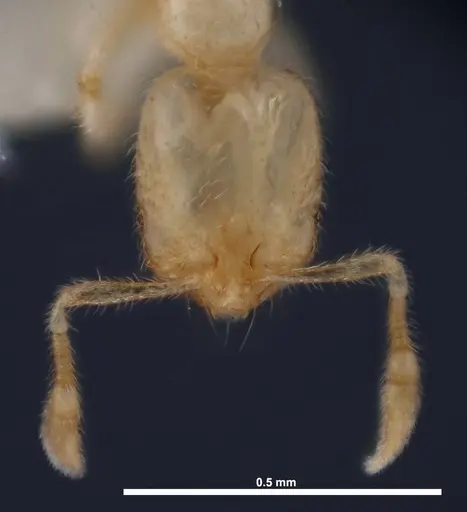
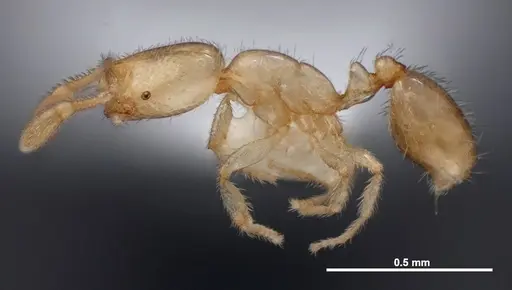
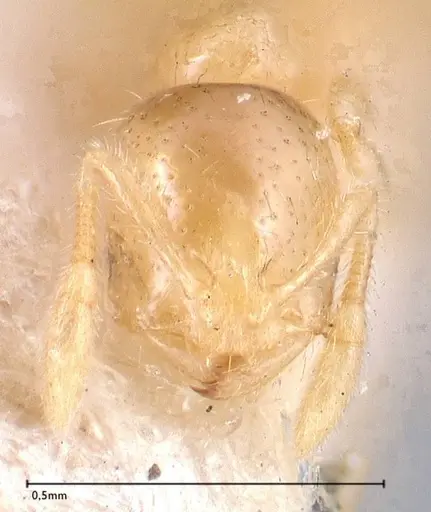
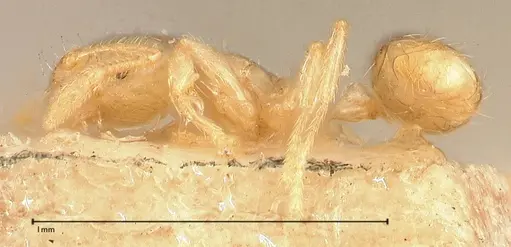
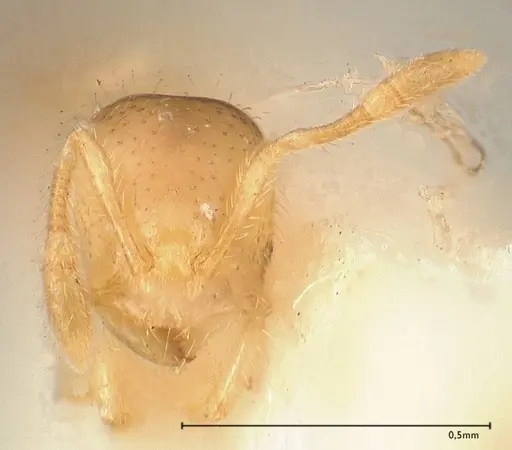
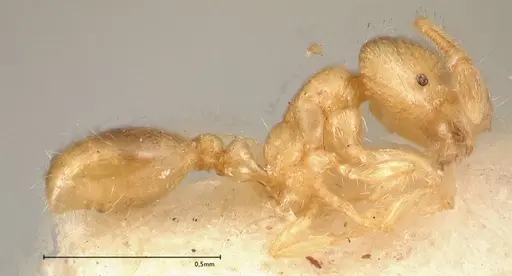
Solenopsis carolinensis is a tiny thief ant, with workers measuring 1.32–1.48 mm and queens reaching 4.08–4.20 mm . Workers are usually yellow (sometimes brown), smooth and shiny, with abundant hairs . Like other thief ants, they live mostly underground and are famous for stealing food from other ant colonies . This species belongs to the *Solenopsis molesta* complex and is widespread across the eastern United States, from Texas north to New Jersey and Ohio . Queens have unusually large eyes, which helps tell them apart from close relatives such as *Solenopsis abdita* .
Quick Summary
- Difficulty: Medium
- Origin & Habitat: Eastern and southeastern United States (Arkansas, Maryland, New Jersey, North Carolina, Tennessee, Texas, Virginia, Ohio) [3][1]. Lives in pine forests, grasslands, shrublands, and mixed hardwood forests. Nests under bark of dead trees, in stumps, in rotten wood, and underground [1][5].
- Colony Type: Unconfirmed, but likely monogyne (single queen) based on typical *Solenopsis* thief ant biology.
- Size & Growth:
- Queen: 4.08–4.20 mm [1]
- Worker: 1.32–1.48 mm [1]
- Colony: Unknown, no published data. Field samples can be numerically abundant (e.g., thousands of individuals in pitfall traps), but that does not necessarily reflect single‑colony size [6].
- Growth: Moderate (inferred from related species – no direct data)
- Development: Unknown, no published data for this species. (Development time has not been studied for Solenopsis carolinensis.)
- Antkeeping:
- Temperature: Keep at room temperature (20–24 °C). This species prefers cooler soils – occurrence decreases when soil temperature and moisture increase [2].
- Humidity: Keep the nest substrate slightly dry, not waterlogged. They naturally avoid wet conditions [2].
- Diapause: Yes. This temperate species is found as far north as Ohio and at high elevations (2591 m in Colorado), so a winter diapause of 2–3 months at 10–15 °C is recommended [3][1].
- Nesting: Natural nests are under bark, in dead wood, stumps, and underground [1]. In captivity, use small test tubes or Y‑tong/plaster nests with tight, dark chambers. The tiny workers prefer enclosed spaces.
- Behavior: Cryptic and secretive – workers spend most of their time underground [7]. They are not aggressive and will flee rather than fight. They are numerically dominant in some subterranean communities [6]. Escape prevention is critical due to their tiny size (1.3 mm workers can squeeze through standard mesh).
- Common Issues: tiny size means high escape risk – use fine mesh or fluon on all openings., wild‑caught colonies may carry parasites (microsporidian *Kneallhazia carolinensae* [9], fungal *Myrmicinosporidium durum* [10], or Solenopsis invicta virus‑1A [11]) – quarantine new colonies., sensitive to excessive humidity – keep substrate slightly dry, as they avoid wet conditions [2]., low visibility due to cryptic behavior – expect to see little above‑ground activity even in healthy colonies.
Nuptial Flight Activity Analysis 64 observations
Flight Activity by Hour 64 observations
Solenopsis carolinensis nuptial flight activity peaks around 15:00 during the afternoon. Activity is spread across a 20-hour window (03:00–22:00). A secondary activity peak occurs around 05:00. Times may be influenced by human observation patterns.
Housing and Nest Setup
Solenopsis carolinensis is a tiny thief ant that lives mostly underground, so it needs a dark, enclosed nest that mimics safe cavities [2]. Test tubes work well for founding – fill one‑third with water, plug with cotton, and keep it dark. Once the colony grows to about 50 workers, you can move them to a small Y‑tong or plaster nest, or keep them in a test‑tube setup with an outworld. Because the workers are only 1.3 mm, use fluon or very fine mesh on all openings – they can squeeze through gaps that seem impossibly small. They do not need large spaces, tight chambers make them feel secure. Avoid large open areas, they will stay hidden and may not forage properly.
Feeding and Diet
Thief ants get their name from raiding other ant colonies, but in captivity they accept small protein and sugar sources [8]. Offer tiny insects such as fruit flies, pinhead crickets, or pieces of mealworm. They also take sugar water, honey, or diluted syrup. Because the workers are so small, food must be cut into tiny pieces – a single fruit fly is a substantial meal. Feed every 2–3 days and remove leftovers to prevent mold. They are not aggressive foragers, place food near the nest entrance and be patient.
Temperature and Seasonal Care
Keep colonies at 20–24 °C. Research shows this species prefers cooler, drier soils – occurrence drops when soil temperature or moisture increase [2]. This is unusual among ants, which generally prefer warmer, wetter conditions. Avoid placing the nest in a warm room, standard room temperature is fine. In winter, provide a diapause period of 2–3 months at 10–15 °C, matching the cold winters of their natural range (e.g., Ohio, Colorado at 2591 m) [3][1]. Reduce feeding during diapause and keep them in a cool basement or refrigerator.
Health and Parasites
This species hosts several parasites that can harm colonies. It is a confirmed host for the microsporidian Kneallhazia carolinensae [9] and the fungal parasite Myrmicinosporidium durum (visible through the integument as dark spots) [10]. It can also carry Solenopsis invicta virus‑1A (SINV‑1A), usually when living near invasive fire ants [11]. Wild‑caught colonies may bring these pathogens, which can cause gradual colony decline. Quarantine any new colony for several weeks and watch for sluggish behavior, unusual mortality, or visible spores inside the workers’ bodies.
Behavior and Temperament
Carolina thief ants are cryptic and secretive. Workers are tiny (1.3 mm) and spend nearly all their time underground or hidden in leaf litter [7]. They are not aggressive and will retreat instead of fighting. Unlike their fire‑ant relatives, they do not have a painful sting – their venom is delivered through a stinger but is not harmful to humans. They are numerically dominant in many subterranean ant communities and can persist even when invasive fire ants are present [12]. This resilience makes them adaptable, but their hidden lifestyle makes them a challenge to observe.
Finding and Collecting
Solenopsis carolinensis is rarely available from ant sellers, so wild collection is the main option. They occur across the southeastern US in pine forests, grasslands, and shrublands [1]. Look for nests under bark of dead trees, in rotting stumps, or in soil near tree bases – they are especially common under the bark of loblolly pines (Pinus taeda) [5]. The best time to find dealate queens is in June, when brood and sexuals are present in the nests [1]. Use a soil sifter or carefully peel back bark to locate colonies. Collecting is legal in most states, but always check local regulations.
Frequently Asked Questions
Can I keep Solenopsis carolinensis in a test tube?
Yes, test tubes work well for founding colonies. Use a small tube with a water reservoir and cotton plug. Keep it dark and at stable room temperature (20–24 °C). The tiny workers thrive in the humid, enclosed environment.
How long until first workers appear?
The development time is not documented for this species. Be patient – thief ants are often slow to produce the first workers. Based on related Solenopsis species, it may take 5–7 weeks at optimal temperature, but this is only a guess.
Are Carolina thief ants good for beginners?
We rate this species as Medium difficulty. They are resilient once established, but their tiny size (high escape risk), secretive behavior, and sensitivity to humidity make them a challenge. They are not the easiest ant for a first keeper but are manageable with some experience.
Do they need hibernation?
Yes. They are a temperate species found as far north as Ohio and at high elevations in Colorado [3][1]. Provide 2–3 months of cold storage at 10–15 °C during winter. This mimics their natural cycle and helps maintain colony health.
Why are my ants dying?
Common causes include: excessive humidity (they prefer drier conditions [2]), escape through tiny gaps, parasites from wild‑caught colonies (microsporidia or fungi), and temperature stress. Keep the substrate slightly dry and watch for dark spots inside workers that indicate Myrmicinosporidium infection [10].
What do Solenopsis carolinensis eat?
Offer small protein sources like fruit flies, pinhead crickets, or mealworm bits. They also accept sugar water, honey, or diluted syrup. Food must be tiny because workers are only 1.3 mm. Remove uneaten food after 24 hours.
How big do colonies get?
There is no published colony size for this species. Field samples sometimes capture hundreds of workers, but that may be from multiple colonies or a single large nest. A mature colony probably has hundreds of workers, but we don't have exact numbers.
Can I keep multiple queens together?
Probably not. This species is believed to be monogyne (single queen), though it has not been confirmed. Mixing unrelated queens usually leads to fighting. Each colony should start with one founding queen.
When do they have nuptial flights?
Brood and sexuals are found in nests in June, suggesting flights in early to mid‑summer [1]. Males and queens are attracted to black‑light traps in July, which fits the summer timing.
When is the nuptial flight of Solenopsis carolinensis?
The nuptial flight of Solenopsis carolinensis typically occurs From April to July.
What time of day does Solenopsis carolinensis fly?
The nuptial flight of Solenopsis carolinensis peaks around 15:00 during the afternoon, with most activity between 03:00 and 22:00. Times may be influenced by human observation patterns.
Report an Issue
The current care sheet is based fully on literature. See inconsistencies, or something that's incorrect? Please , it will be resolved after review from an admin. Contributing to the blogs tab also helps providing information, to make us be able to further improve the caresheets. Thank you for your support!
References

This caresheet is licensed under CC BY-SA 4.0 .
Community Blogs
ANTWEB1041517
View on AntWeb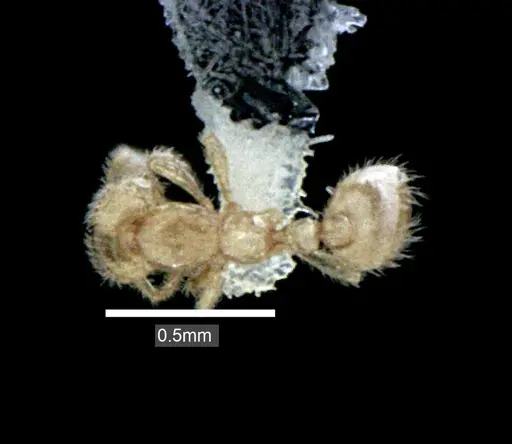
CASENT0010696
View on AntWeb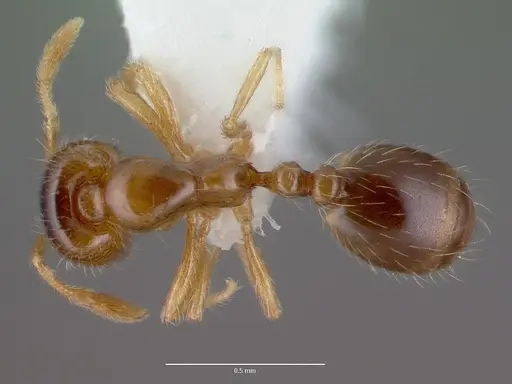
CASENT0104495
View on AntWeb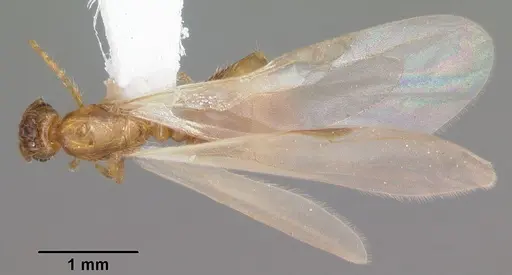
CASENT0104496
View on AntWeb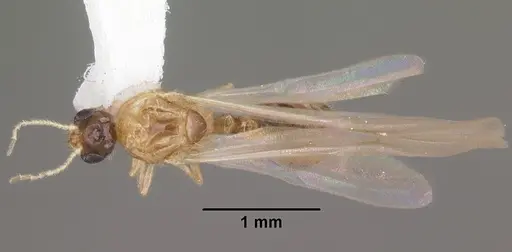
CASENT0104497
View on AntWeb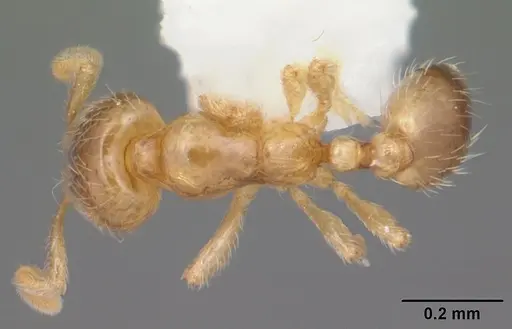
CASENT0104665
View on AntWeb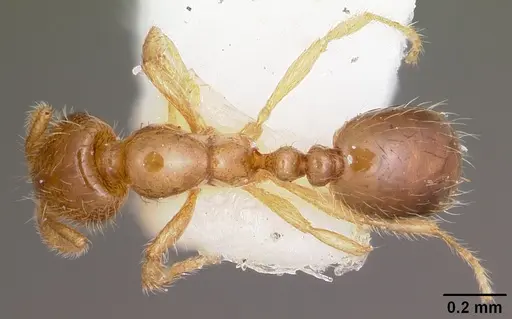
CASENT0104666
View on AntWeb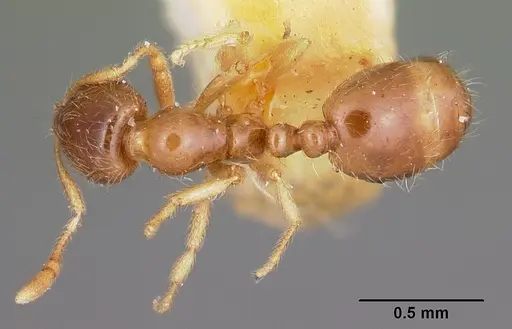
CASENT0105540
View on AntWeb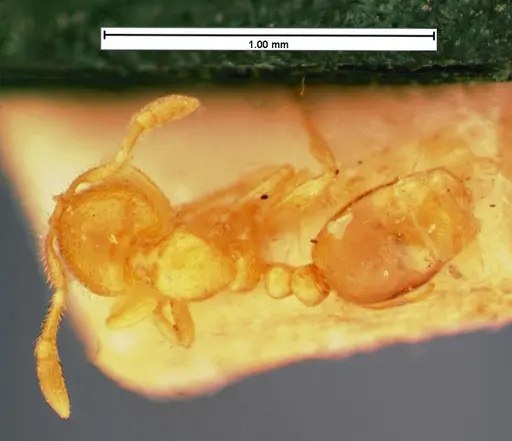
CASENT0902335
View on AntWeb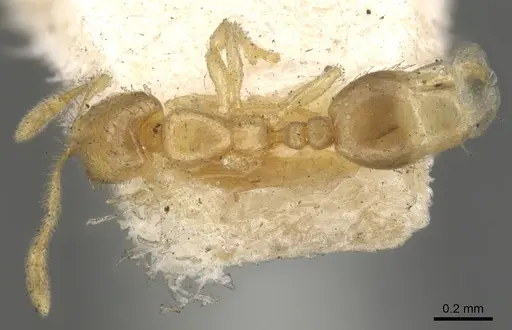
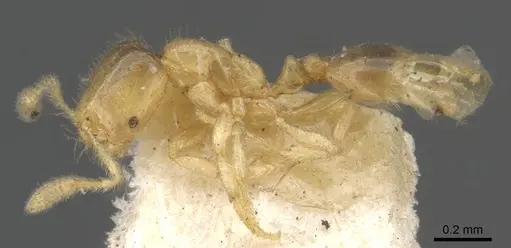
CASENT0908856
View on AntWeb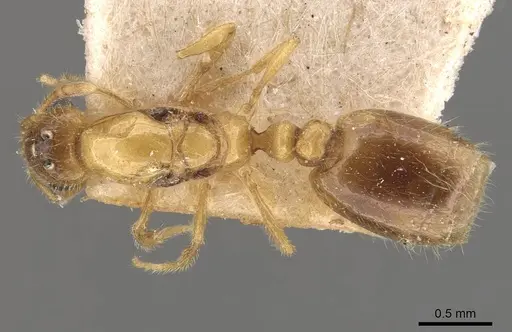
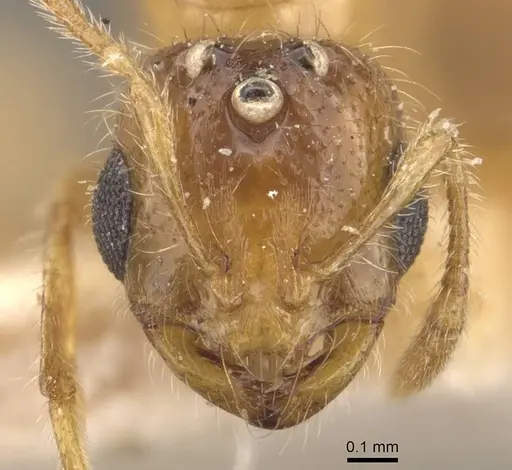
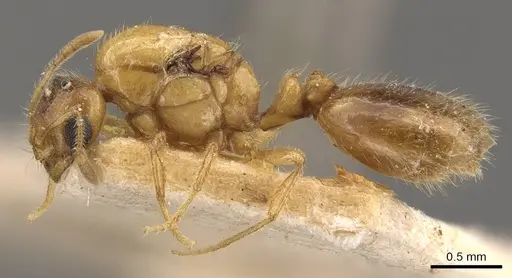
CASENT0908857
View on AntWeb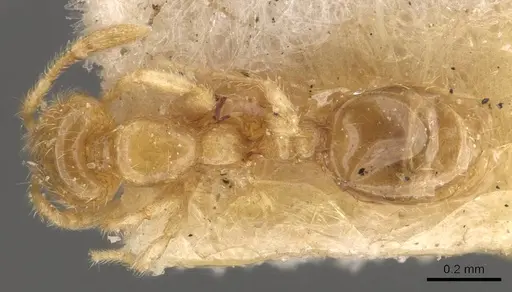
CASENT0908858
View on AntWeb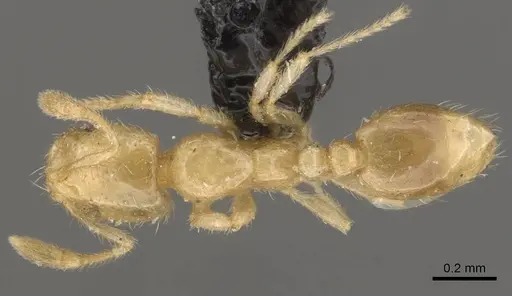
CASENT0917009
View on AntWeb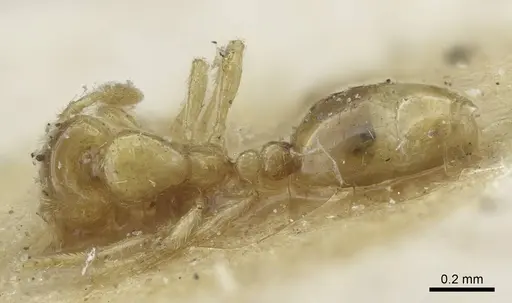
FMNHINS0000078523
View on AntWeb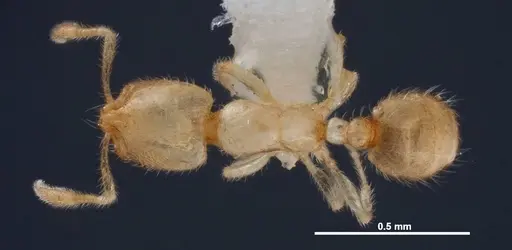
FOCOL0642-1
View on AntWeb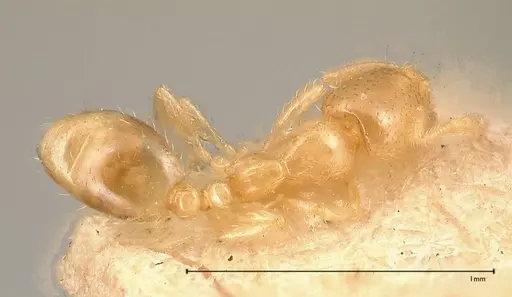
FOCOL0642-2
View on AntWeb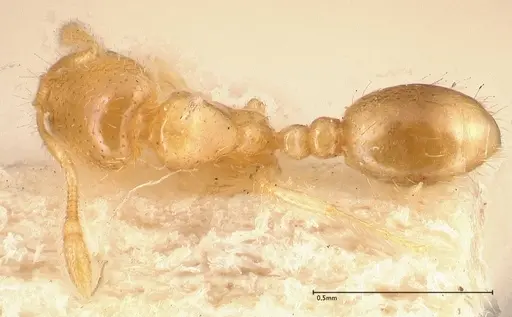
Literature
Loading distribution map...Loading products...