
Solenopsis belisarius
- Sci. Name
- Solenopsis belisarius
- Tribe
- Solenopsidini
- Subfamily
- Myrmicinae
- Author
- Forel, 1907
- Distribution
- Found in 1 countries
Introduction
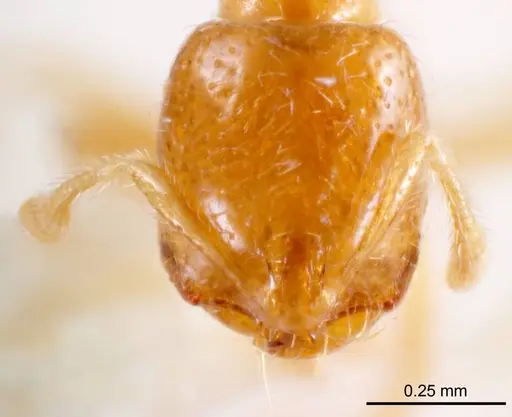
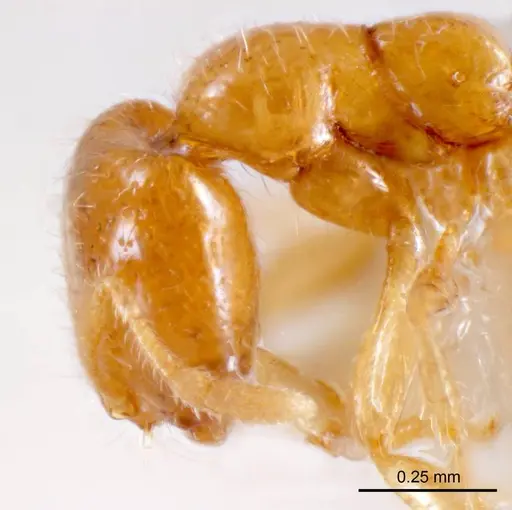
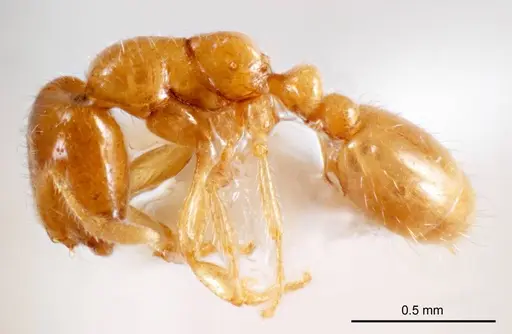
Solenopsis belisarius is a myrmicine ant from the tribe Solenopsidini, found only in the mid-north of Western Australia, particularly around Geraldton and Carnarvon . In dorsal view, the posterolateral spines of the promesonotal shield are its most prominent feature, helping distinguish it from other ants . Like other members of the tribe, it has a functional sting for hunting and defense. Its biology and habits are poorly documented, and most care information must be inferred from related species.
Quick Summary
- Difficulty: Hard
- Origin & Habitat: Western Australia, restricted to the mid-north regions around Geraldton and Carnarvon, in arid to semi‑arid habitats [1][2].
- Colony Type: Unconfirmed, likely monogyne (single queen) based on typical Solenopsis patterns, but no specific data available.
- Size & Growth:
- Queen: Size data unavailable
- Worker: Size data unavailable
- Colony: Unknown
- Growth: Unknown
- Development: Unknown (No published data on development times for this species.)
- Antkeeping:
- Temperature: Temperature requirements are unconfirmed. As an arid‑adapted species, maintain moderate warmth around 20‑25 °C with a gradient if possible. Avoid extremes below 15 °C or above 35 °C.
- Humidity: Humidity needs are unconfirmed. Given its dry natural habitat, keep the nest substrate mostly dry with a small moist area in the outworld. Avoid waterlogging.
- Diapause: Unknown, the species comes from a warm‑temperate/arid region in Western Australia, so a strict diapause may not be necessary. A mild winter rest period (2‑3 months at 10‑15 °C) could be beneficial but has not been studied.
- Nesting: In nature they probably nest in soil or under stones, common for Solenopsis. For captivity, test tubes or small formicaria (Y‑tong, plaster) with compact dark chambers can be tried. No validated nest design exists.
- Behavior: Behavior is poorly documented. Based on its subfamily and tribe, Solenopsis belisarius has a functional sting and is likely an aggressive forager. Workers will recruit nestmates to food sources and defend their territory. Given the unknown worker size, excellent escape prevention is recommended regardless.
- Common Issues: stinger, they can sting and the pain is noticeable, handle with care., escape prevention, even if exact size is unknown, assume they can squeeze through tiny gaps and use fluon and fine mesh., unknown husbandry, because basic requirements are unstudied, colonies are at risk from improper temperature, humidity, or disturbance., wild‑caught colonies may carry parasites that cause colony failure., overheating can be fatal, avoid temperatures above 35 °C.
Housing and Nest Setup
Housing requirements for Solenopsis belisarius are not documented. A test tube setup (water reservoir with cotton plug) is a safe start for a single queen, though her founding method is unknown. For a small colony, any standard formicarium with compact, dark chambers (Y‑tong, plaster, or 3D‑printed) can be offered. Keep the nest dry and provide a small foraging area. Escape prevention is critical, use fluon on all rims and seal connections tightly. Observe the colony often to adjust conditions.
Feeding and Diet
Based on the genus, Solenopsis belisarius is likely an omnivorous predator and scavenger. Offer small insects (fruit flies, pinhead crickets, mealworms) as protein, and sugar water or honey as carbohydrates. Feed every 2-3 days and remove uneaten prey after 24 hours to avoid mould. For a founding queen, provide a tiny drop of honey water and occasional prey if she appears active. No specific dietary studies exist for this species.
Temperature and Seasonal Care
Temperature needs are unconfirmed. The species lives in arid Western Australia, so keep the nest warm (20-25 °C) with a gradient using a heating mat. Avoid prolonged temperatures above 35 °C. A seasonal rest period may not be required, but if the colony shows reduced activity in winter, a mild dormancy of 2-3 months at 10-15 °C could be attempted. Do not feed during the coldest part. Monitor the colony’s response.
Behavior and Defense
Solenopsis belisarius belongs to the sting‑bearing subfamily Myrmicinae and tribe Solenopsidini. Workers possess a functional stinger and will use it to subdue prey and defend the nest. The venom contains piperidine alkaloids, causing a sharp, burning pain typical of fire ants. Caution is advised when handling the colony. Foraging behavior is likely similar to other Solenopsis: efficient recruitment using chemical trails, active day and night. Exact colony behavior has not been studied.
Colony Growth and Development
Colony founding and growth are unconfirmed for this species. Based on typical Solenopsis patterns, a newly mated queen may seal herself in a chamber and raise the first brood on stored reserves (claustral founding). The first workers (nanitics) would then begin foraging. Colony size probably reaches a few hundred workers, but no verified data exists. The growth rate, development time, and presence of repletes are unknown.
Frequently Asked Questions
Does Solenopsis belisarius sting?
Yes, it belongs to a sting‑bearing subfamily and has a functional stinger. The sting is painful, similar to other fire ants. Handle with care and consider using gloves when working with the colony.
How long does it take for the first workers to emerge?
Unknown, no published data exists for this species. Development times of related Solenopsis suggest 6-10 weeks at optimal temperature, but this is speculation.
Can I keep Solenopsis belisarius in a test tube?
A test tube setup is a reasonable starting point, especially for a single queen. Since the founding method is unknown, keep her in darkness and avoid disturbance. Once workers appear, you can decide whether to move to a larger formicarium.
What do Solenopsis belisarius eat?
Based on the genus, they are probably omnivorous. Offer small insects (fruit flies, pinhead crickets) for protein and sugar water or honey for carbohydrates. Feed every 2-3 days and remove leftovers after 24 hours.
Do Solenopsis belisarius need hibernation?
This has not been studied. The species is from a warm‑temperate/arid region, so it may not require a strict diapause. If the colony slows down in winter, you can try a mild rest at 10-15 °C for 2 months, but this is experimental.
Are Solenopsis belisarius good for beginners?
No, they are rated hard because their basic husbandry is unknown, they can sting, and escape prevention is critical. Only experienced keepers who are willing to experiment should try this species.
How big do colonies get?
Unknown. Based on similar Solenopsis species, colonies might reach several hundred workers, but no firm data exists for Solenopsis belisarius.
When should I move them to a formicarium?
There is no established rule. If the test tube becomes crowded and the colony is actively foraging (assuming workers have emerged), you can offer a small formicarium. Use a gradual transition, such as connecting a new nest via tubing.
Can I keep multiple queens together?
Unknown, no records of polygyny exist for this species. It is likely monogyne, so housing multiple queens together is not recommended. If you have more than one queen, keep them separately.
Why are my ants dying?
35 °C), underheating (keep around 20-25 °C), poor escape prevention causing wandering and stress, or parasites from wild colonies. Check all conditions and adjust gradually.
Report an Issue
The current care sheet is based fully on literature. See inconsistencies, or something that's incorrect? Please , it will be resolved after review from an admin. Contributing to the blogs tab also helps providing information, to make us be able to further improve the caresheets. Thank you for your support!
References

This caresheet is licensed under CC BY-SA 4.0 .
Community Blogs
ANTWEB1008716
View on AntWeb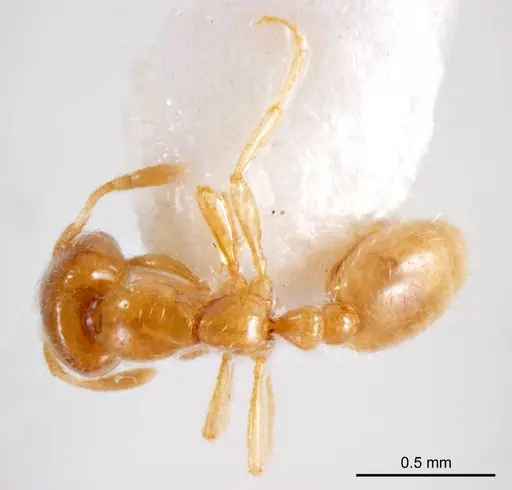
CASENT0908874
View on AntWeb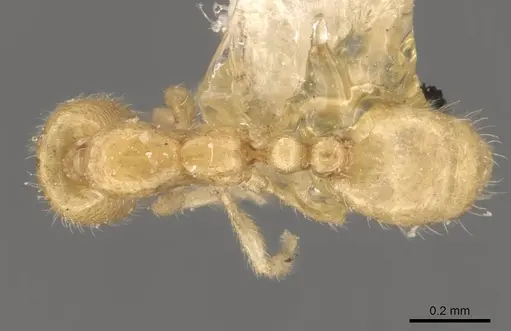
Literature
Loading distribution map...Loading products...