
Simopelta andersoni
- Sci. Name
- Simopelta andersoni
- Tribe
- Ponerini
- Subfamily
- Ponerinae
- Author
- Mackay & Mackay, 2008
- Distribution
- Found in 1 countries
Introduction
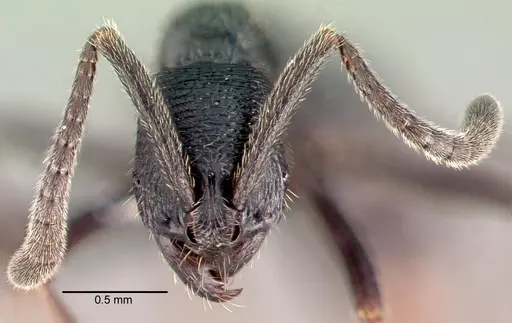
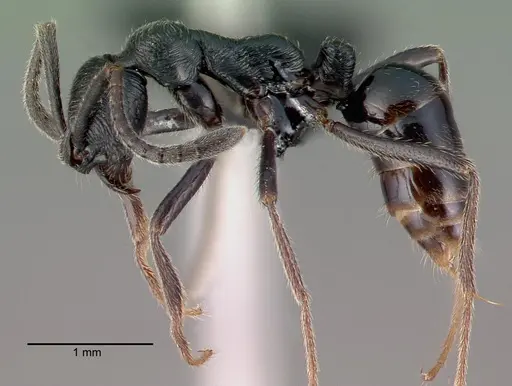
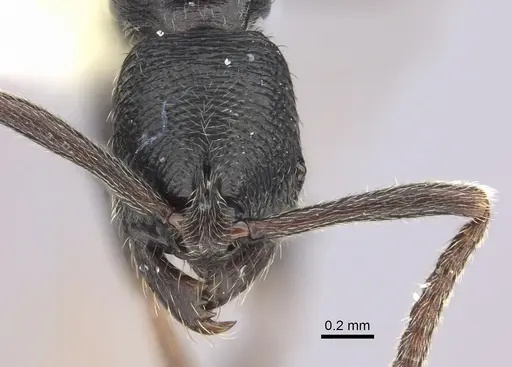
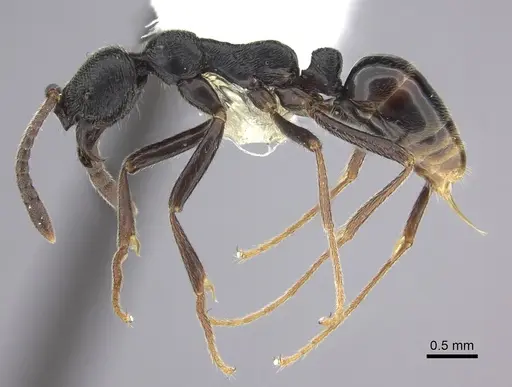
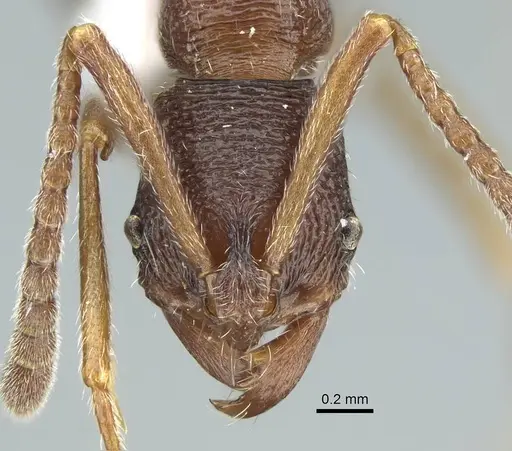
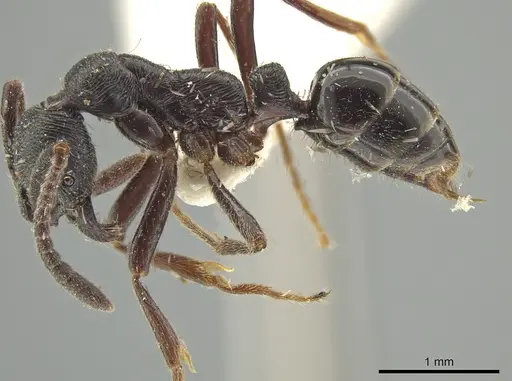
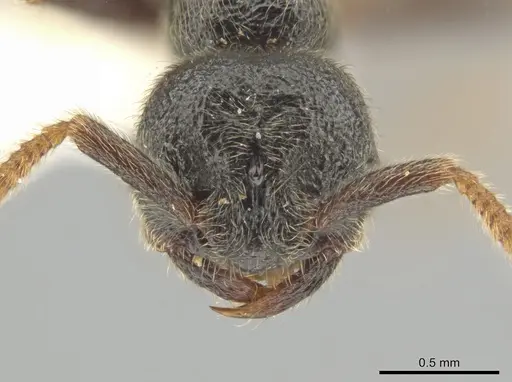
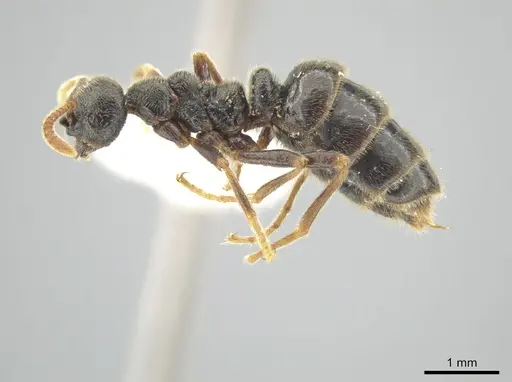
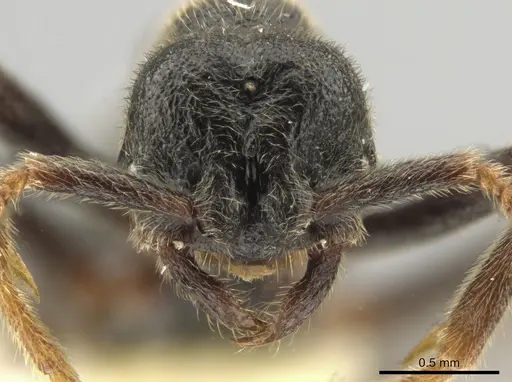
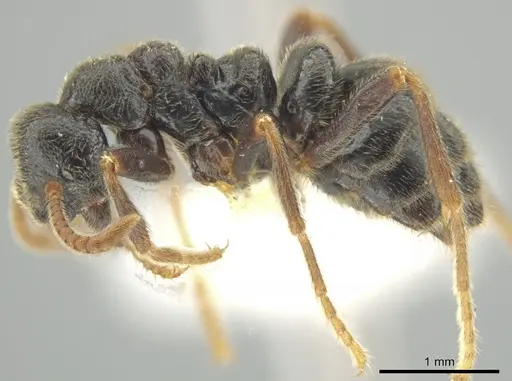
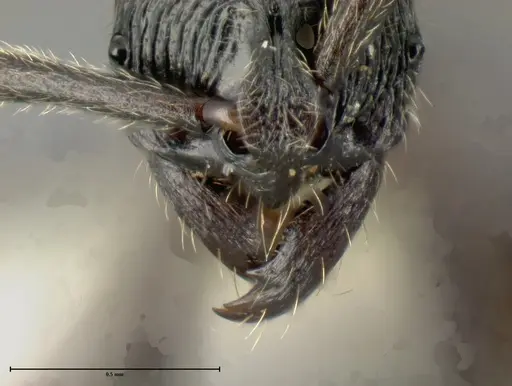
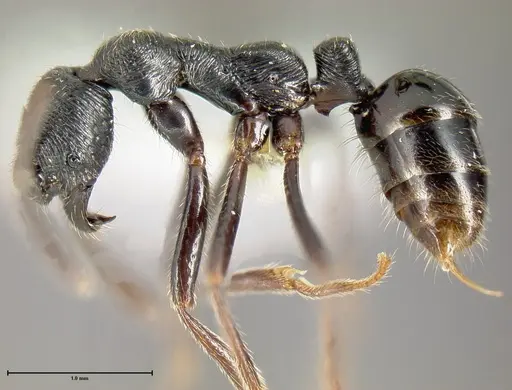
Simopelta andersoni is a medium-sized predatory ant native to the mountainous forests of Costa Rica. Workers measure about 5mm in total length and have a distinctive dark reddish-brown coloration . They are easily identified by their unusually large eye and four-toothed mandible, which sets them apart from most other Simopelta species that have only three teeth . These ants inhabit wet montane forest regions between 200-1200m elevation, with the highest population density around 1000m . This species is a specialized raider that conducts organized attacks on Pheidole colonies. In the wild, workers form columns that travel over 5 meters to target Pheidole nests, carrying back dismembered brood to feed their own larvae . During colony migrations, the queen is attended by a single worker that runs alongside her with its head and forelegs resting on the queen's abdomen .
Quick Summary
- Difficulty: Medium
- Origin & Habitat: Endemic to Costa Rica, specifically the Puntarenas region. Found in wet montane forest habitats at elevations of 200-1200m, with highest density around 1000m [1][2].
- Colony Type: Monogyne, colonies have a single queen. Observed colonies contain hundreds of workers, likely under 1000 [2].
- Size & Growth:
- Antkeeping:
- Temperature: Keep at 22-26°C. They inhabit warm montane forests, so avoid drops below 20°C [2].
- Humidity: High humidity required, wet forest species. Keep the nest substrate consistently moist but not waterlogged [2].
- Diapause: No, tropical species from Costa Rica do not require hibernation. Maintain stable temperatures year-round.
- Nesting: They nest in loose soil, clay banks, and under stones in nature. In captivity, a naturalistic setup with moist soil or a plaster/Y-tong nest works well. Provide dark, enclosed spaces [2].
- Behavior: S. andersoni is a specialized predator that raids other ant colonies, particularly Pheidole species. Workers are moderately aggressive and will sting to defend the nest. They form organized foraging columns during raids. Prevent escapes, they are active and exploratory. They are primarily active during cooler hours and at night [2].
- Common Issues: requires Pheidole or similar ant brood as primary food, may starve on generalized prey, colony collapse observed in captivity when food exhausted, nutritional sensitivity, high humidity needed, dry conditions stress the colony, raiding behavior may cause stress if unable to hunt natural prey, limited availability in the hobby
Housing and Nesting Preferences
In the wild, S. andersoni nests in underground chambers in loose clay soil, under stones, and at the base of treefern stumps [2]. For captive care, a naturalistic setup with moist soil substrate works best, this allows them to create their own chambers similar to natural conditions. A plaster or Y-tong nest with moist chambers can also work, but ensure the substrate stays damp. They prefer dark, enclosed spaces and will often cluster in the deepest, most humid parts of the nest. Given their raiding behavior, provide enough space for a foraging area where they can patrol and hunt.
Feeding and Diet
This is the most critical aspect of keeping S. andersoni. They are specialized predators that primarily target Pheidole ant colonies in the wild [2]. Field observations show them ignoring brood from other ant genera like Camponotus and Crematogaster while readily accepting Pheidole brood [2]. In captivity, you should offer small live prey, ideally other small ants (Pheidole or similar), their brood, or small insects. However, note that they may not accept non-ant prey. Feed small amounts regularly and remove uneaten prey to prevent mold. A constant water source is essential.
Temperature and Humidity
As a Costa Rican wet forest species, S. andersoni requires warm, humid conditions. Maintain temperatures between 22-26°C, avoiding drops below 20°C. They are found in montane forests where conditions are consistently warm and moist [2]. Humidity should be high, think damp forest floor. Keep the nest substrate consistently moist but not waterlogged. Allow some drier areas in the outworld so ants can self-regulate. Avoid temperature fluctuations and dry conditions, which can stress colonies and lead to decline. A small water reservoir or moist cotton in the nest helps maintain humidity.
Behavior and Colony Dynamics
S. andersoni exhibits raiding behavior. Colonies organize foraging columns that can extend over 5 meters to target Pheidole nests [2]. Workers carry dismembered brood back to their own nest, where it is fed to their larvae. During colony migrations, the queen is attended by a single worker that runs alongside her, with its head and forelegs resting on the queen's abdomen [2]. Colonies can contain hundreds of workers. Workers are moderately aggressive and will sting if threatened. They are primarily active during cooler hours and at night. Provide deep substrate or a nest chamber system that allows the colony to organize brood caches as they would in the wild.
Colony Founding
Colony founding behavior has not been directly documented for this species. Founding behavior is unconfirmed. If you obtain a foundress queen, provide a small, humid chamber with dark surroundings and minimal disturbance. Once workers emerge, begin offering very small prey items.
Frequently Asked Questions
Can I keep Simopelta andersoni in a test tube?
A test tube can work for a founding queen, but established colonies need more space. They are active raiders that need room to organize brood caches and foraging. A naturalistic setup with moist soil or a plaster nest is more suitable for long-term keeping.
What do Simopelta andersoni ants eat?
They are specialized predators that primarily hunt other ants, especially Pheidole species. In captivity, offer small live ant brood (preferably Pheidole or similar), small insects, or other arthropods. They may ignore non-ant prey, so ant brood is the most reliable food source.
How long does it take for Simopelta andersoni to produce first workers?
Exact development time is unknown, but based on related Ponerinae species, expect 6-10 weeks from egg to worker at optimal temperature (around 24°C). Growth is moderate.
Do Simopelta andersoni ants sting?
Yes. As members of the subfamily Ponerinae, they have functional stingers. Their sting is reported to be painful. Handle with care and use proper escape prevention.
Are Simopelta andersoni good for beginners?
No. This is an intermediate-to-advanced species due to their specialized dietary requirements (needing ant brood), high humidity needs, and the challenge of maintaining their natural raiding behavior. They are also rarely available in the hobby.
How big do Simopelta andersoni colonies get?
Colonies reach up to several hundred workers, likely under 1000. They are not among the largest ant colonies but maintain steady growth when well-fed.
Do Simopelta andersoni need hibernation?
No. Being a tropical species from Costa Rica, they do not require hibernation or winter cooling. Maintain stable warm temperatures (22-26°C) year-round.
Why are my Simopelta andersoni dying?
Common causes include: improper diet (not offering ant brood or appropriate prey), low humidity (they need consistently moist conditions), temperature stress (too cold or fluctuating), and insufficient space. Wild-caught colonies may also carry parasites. Ensure you are meeting their specific predatory dietary needs.
Can I keep multiple queens together?
No. S. andersoni is monogyne, colonies have a single queen. Multiple unrelated queens will fight. Only keep one queen per colony.
When should I move Simopelta andersoni to a formicarium?
Move them when the test tube or founding setup becomes crowded. However, they do well in naturalistic setups long-term. Ensure any formicarium provides high humidity, dark nesting areas, and sufficient foraging space for their raiding behavior.
What makes Simopelta andersoni unique?
Their specialized raiding behavior sets them apart. Unlike generalist predators, they specifically target Pheidole colonies and ignore other ant species. They also exhibit unique queen-attendant behavior during colony migrations, where a single worker runs alongside the queen with its forelegs on her abdomen.
Is Simopelta andersoni aggressive?
They are moderately aggressive in colony defense and during raids. Workers will sting if the nest is threatened. However, they are not typically aggressive toward humans unless directly handled or when defending their nest.
Report an Issue
The current care sheet is based fully on literature. See inconsistencies, or something that's incorrect? Please , it will be resolved after review from an admin. Contributing to the blogs tab also helps providing information, to make us be able to further improve the caresheets. Thank you for your support!
References

This caresheet is licensed under CC BY-SA 4.0 .
Community Blogs
CASENT0039775
View on AntWeb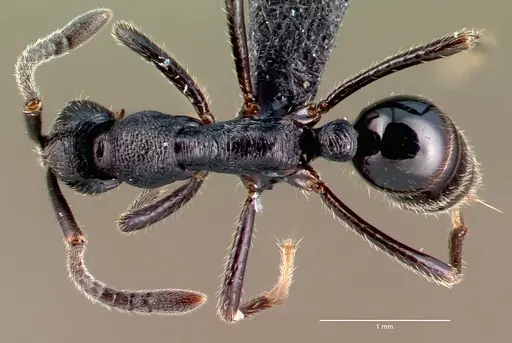
CASENT0249246
View on AntWeb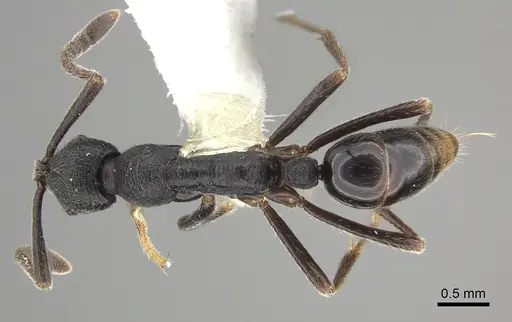
CASENT0914500
View on AntWeb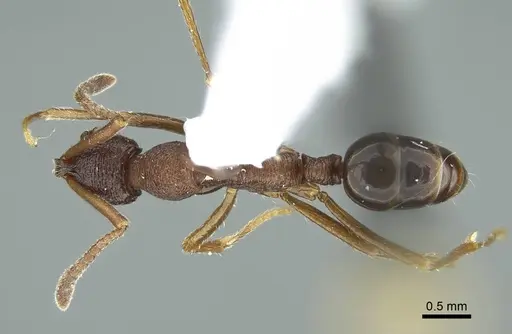
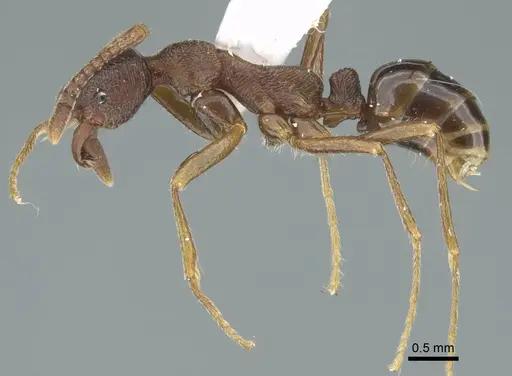
INBIOCRI000748544
View on AntWeb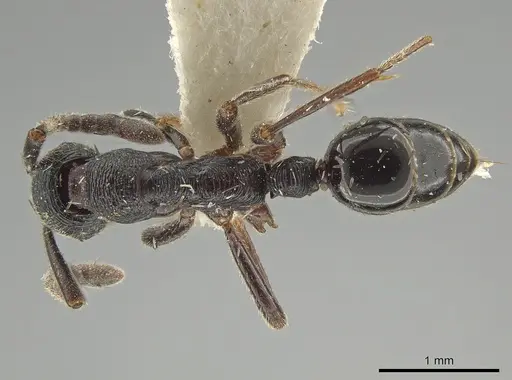
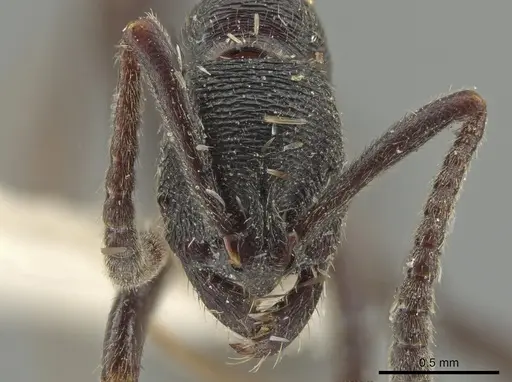
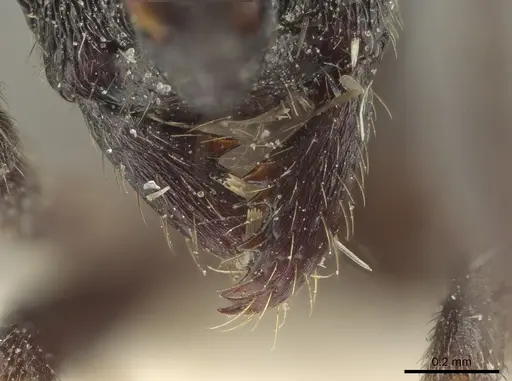
INBIOCRI001279768
View on AntWeb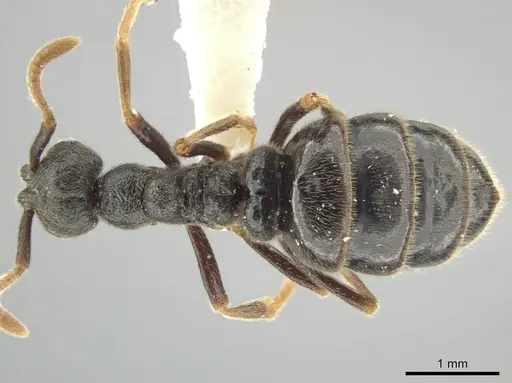
INBIOCRI001279771
View on AntWeb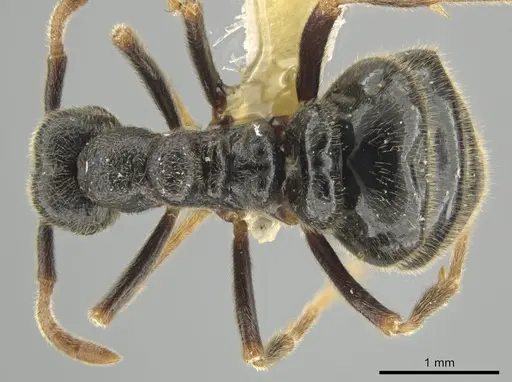
INBIOCRI001279772
View on AntWeb
Literature
Loading distribution map...Loading products...