
Sericomyrmex opacus
- Sci. Name
- Sericomyrmex opacus
- Tribe
- Attini
- Subfamily
- Myrmicinae
- Author
- Mayr, 1865
- Distribution
- Found in 8 countries
Introduction
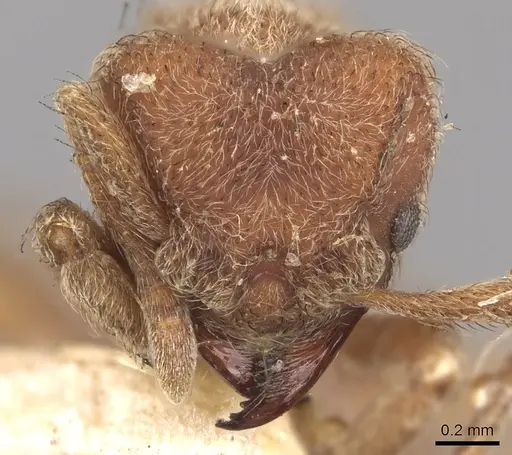
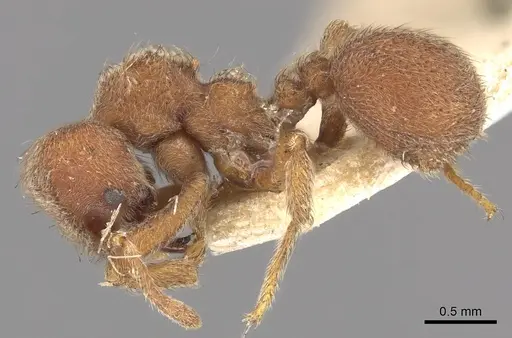
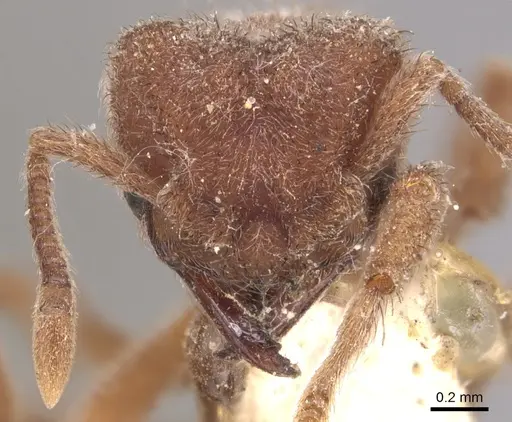
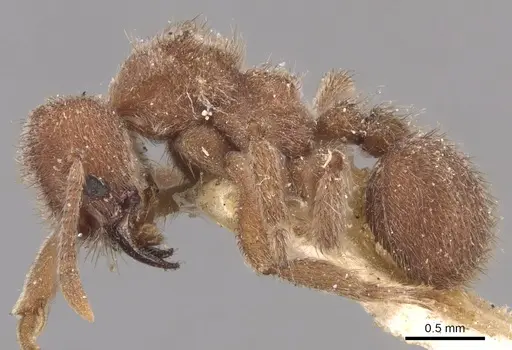
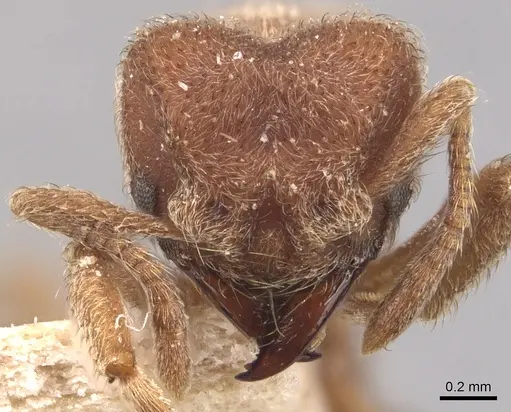
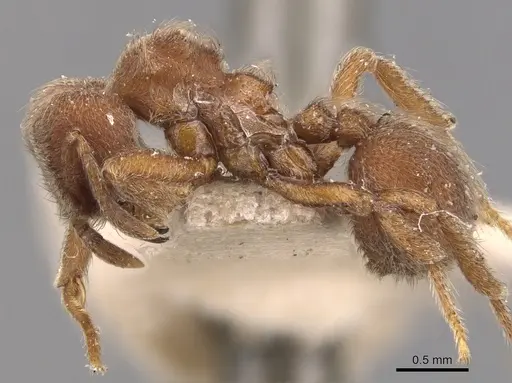
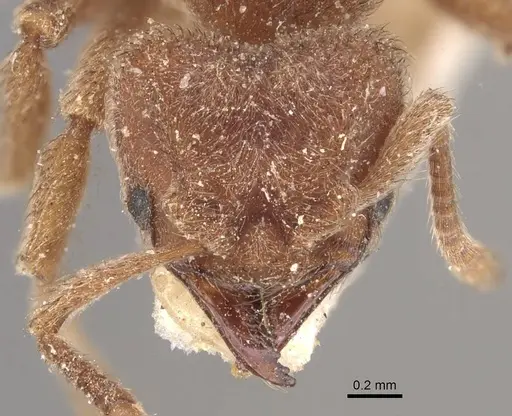
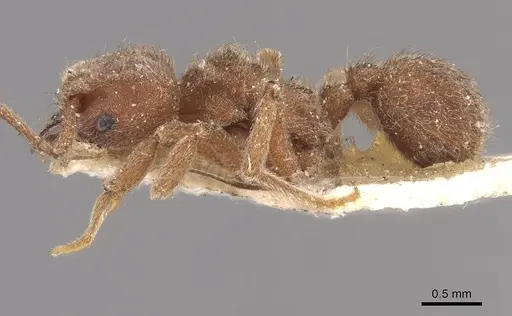
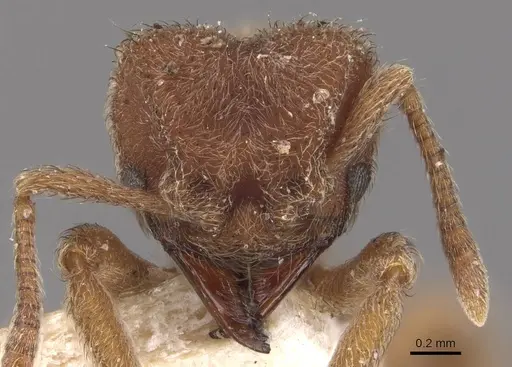
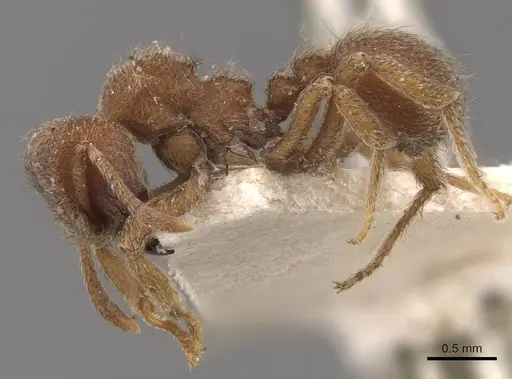
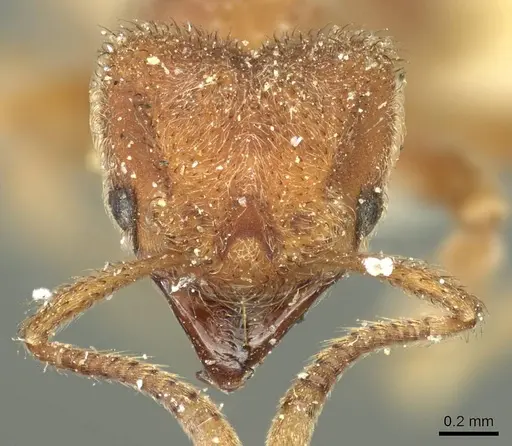
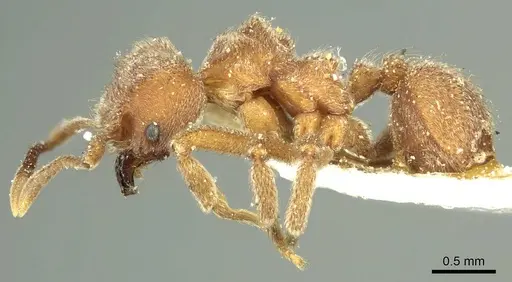
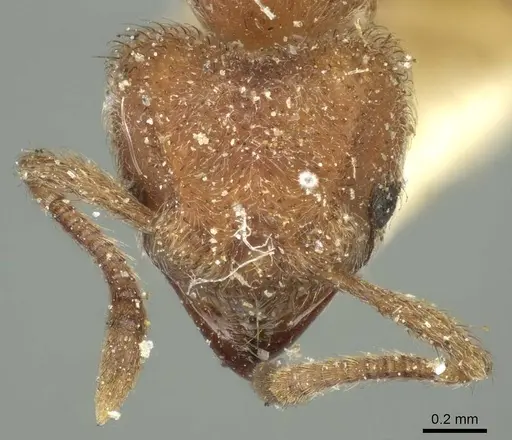
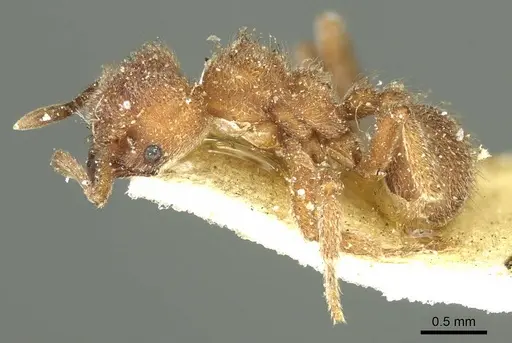
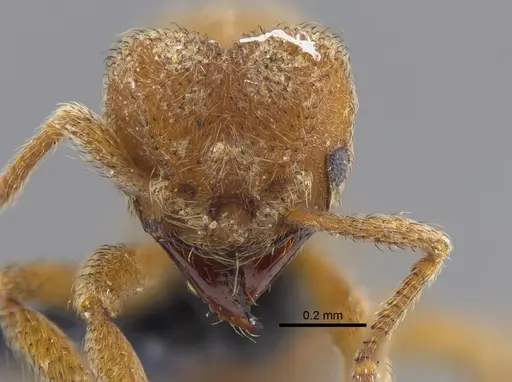
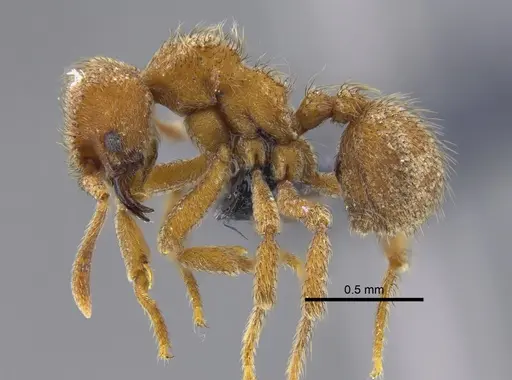
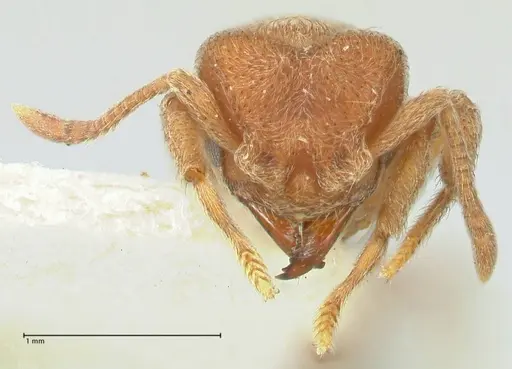
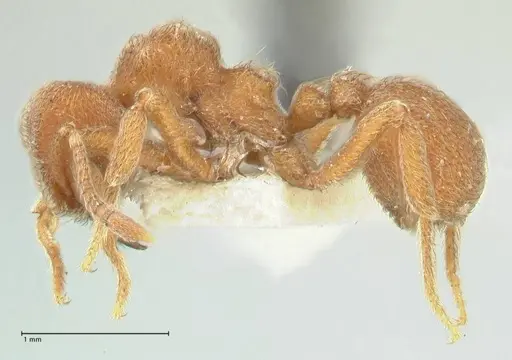
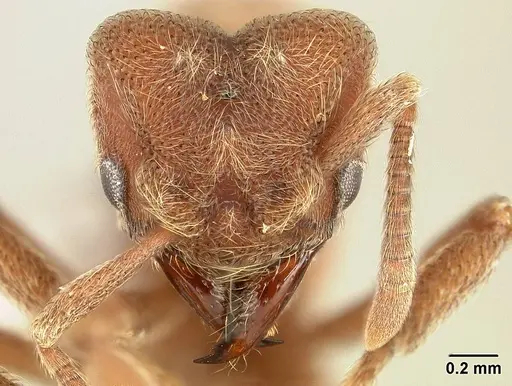
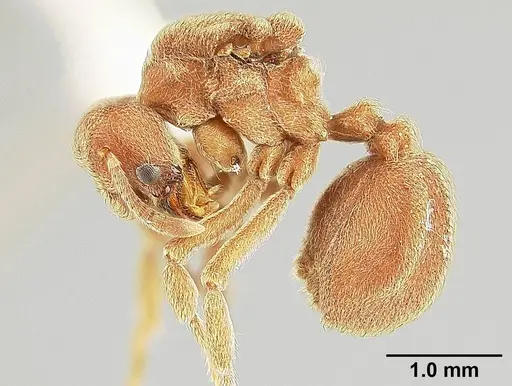
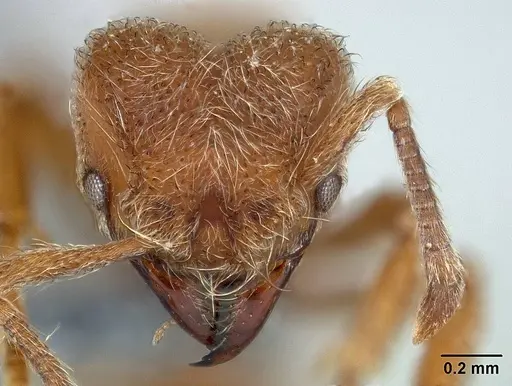
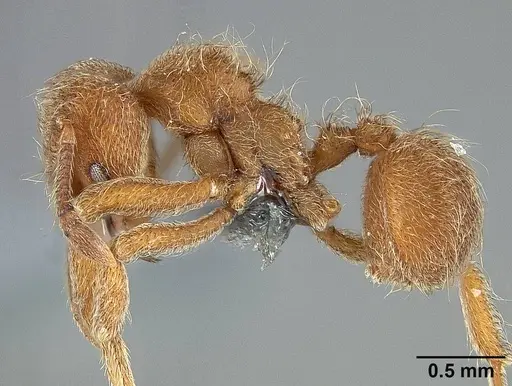
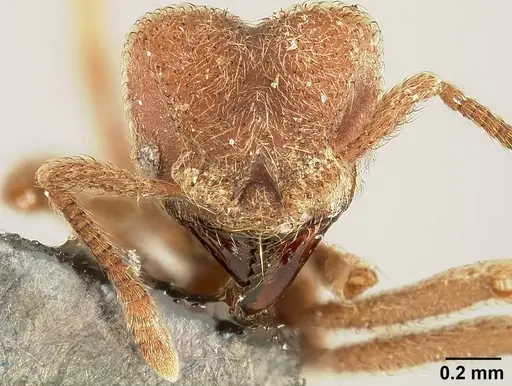
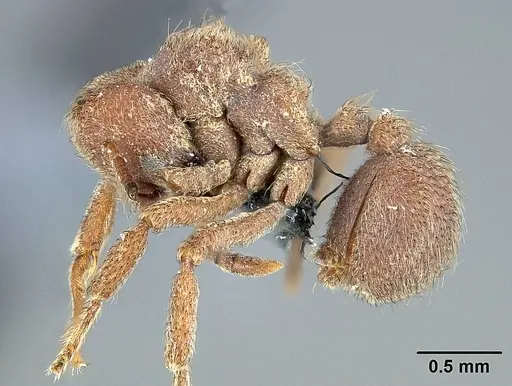
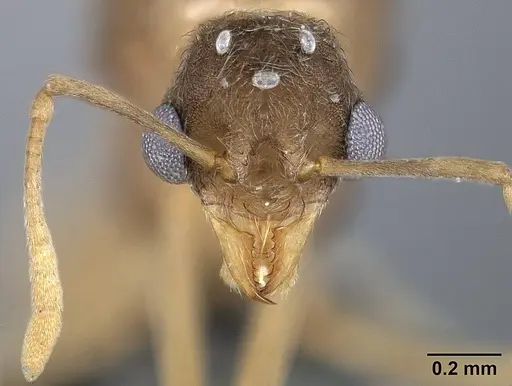
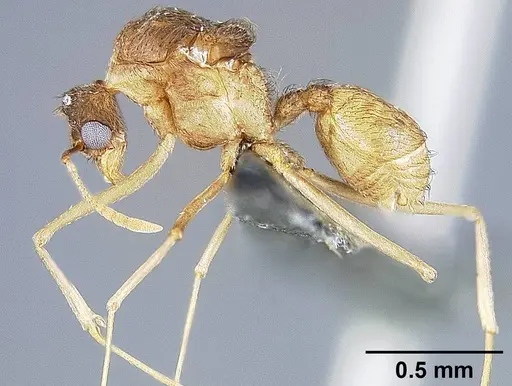
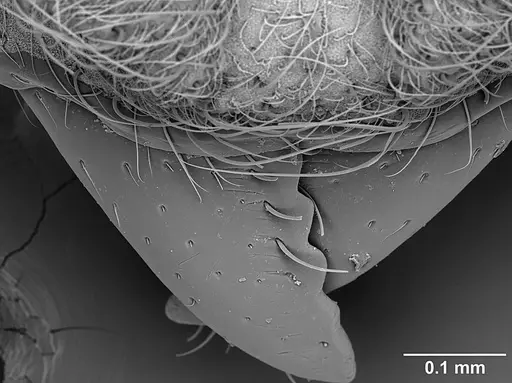
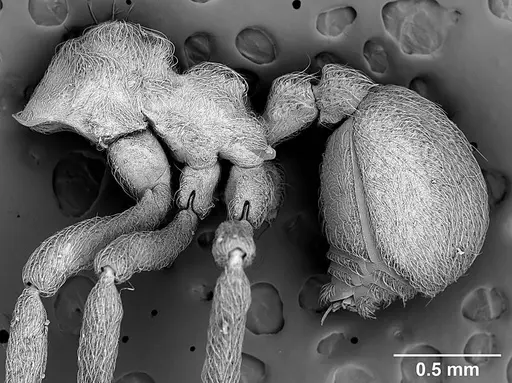
Sericomyrmex opacus is a small fungus-farming ant in the tribe Attini. Workers are 3-5mm long with a silky appearance due to very long hairs covering the body . They have smooth, glossy mandibles and small eyes that often have a thin white layer . The species ranges from Mexico through Central America to Colombia and Brazil, and also occurs on some Caribbean islands . It was previously known under three different names (S. aztecus, S. diego, and S. zacapanus) before being synonymized . What makes this species interesting is its dual diet: they are fungus farmers that also collect and store seeds, making them one of the few granivorous attine ants . Colonies are small, typically containing 100-230 workers, and they nest in simple soil chambers with a single small entrance hole . Workers move slowly and will paralyze (play dead) when disturbed, a passive defense mechanism .
Quick Summary
- Difficulty: Medium
- Origin & Habitat: Tropical Central and South America, Mexico to Brazil, including Colombia, Costa Rica, Honduras, Guatemala, Nicaragua, Panama, and Ecuador. Found in primary and secondary rainforest, dry forest, and humid tropical forest at elevations 50-800m [3][2][1].
- Colony Type: Single-queen colonies (monogyne). Established wild nests contain 0-1 queen with 105-231 workers [3].
- Size & Growth:
- Queen: Size data unavailable (total length not recorded). Queens are larger than workers, with forewing length 4.85-5.17mm [2].
- Worker: 3-5mm total length [1] (WL 0.99-1.30mm, not full body size [2]).
- Colony: Up to 362 workers, established nests typically 100-230 workers [3][4].
- Growth: Moderate (based on typical Attini development).
- Development: Estimated 6-10 weeks at 24-28°C (inferred from related Attini species). (Development is temperature-dependent. First workers (nanitics) are smaller than mature workers.)
- Antkeeping:
- Temperature: Keep at 24-28°C. This tropical species requires warm, stable conditions year-round. Use a heating cable on one side of the nest to create a gradient. Avoid prolonged temperatures below 20°C. [3] (habitat: 50-800m elevation suggests warm conditions).
- Humidity: High humidity required, aim for 70-80%. Keep the nest substrate consistently moist but not waterlogged. These ants come from humid tropical forests and need damp conditions for their fungus garden [3].
- Diapause: No, these are tropical ants that do not require hibernation. Maintain warm conditions year-round.
- Nesting: Soil-nesting species. In captivity, a naturalistic setup with moist soil or a plaster / ytong (AAC) nest works well. Provide a single chamber 5-12cm deep with a volume of 94-113 cm³. The nest entrance is a small hole 3-7.6cm in diameter, replicate this with a tube leading to the chamber [3].
- Behavior: Workers are slow-moving and docile. Their primary defense is to paralyze (play dead) when disturbed, rather than stinging or fleeing [1]. They are granivorous and collect seeds in addition to farming fungus. Workers recruit nestmates to food sources, up to 12 workers have been observed responding to seed discoveries [4]. Escape risk is moderate due to small size, use standard barrier methods.
- Common Issues: Fungus garden failure, these ants depend on their fungus for food, without proper humidity and substrate, the garden may die., Temperature drops below 20°C can stress or kill the colony, maintain stable warmth., Overdry conditions will kill the fungus garden and the colony, maintain consistent humidity., Small colony size means slower growth, patience is required., Wild-caught colonies may carry parasites that can devastate captive colonies, quarantine new colonies.
Housing and Nest Setup
In the wild, Sericomyrmex opacus nests in soil with a single chamber 5-12cm deep and a small entrance hole 3-7.6cm in diameter [3]. The nest volume is around 94-113 cm³ [3]. For captivity, use a naturalistic setup: a container filled with moist soil, or a plaster / ytong (AAC) nest with a soil chamber. Provide one main chamber with the right depth (5-10cm) and connect it to the outworld via a small tube to mimic the natural entrance. Keep one side of the nest slightly warmer (around 26-28°C) and the other cooler to create a temperature gradient. Maintain high moisture by spraying the substrate regularly.
Feeding and Diet
These ants cultivate a fungus garden for food. In captivity, provide small pieces of pre-chewed plant material, grains, or seeds to start the fungus. They also collect seeds directly, S. opacus is granivorous and can remove nearly half of available seeds at a site [4]. Offer small seeds (e.g., millet, grass seeds) and crushed flower petals. You can also give small amounts of fruit or vegetable matter. Occasional protein (tiny insects) is accepted, but the main diet should be the fungus garden and seeds. Always provide fresh water. Avoid overfeeding, as leftover food can mold.
Temperature and Seasonal Care
Sericomyrmex opacus is a strict tropical ant and must be kept warm year-round. Maintain a nest temperature of 24-28°C. A heating cable on one side of the nest creates a gradient. Never let temperatures drop below 20°C for extended periods, this can kill the fungus and stress the ants. Room temperature may work in warm climates, but always monitor with a thermometer. These ants do not need hibernation, keep stable warmth throughout the year [3].
Behavior and Colony Dynamics
Workers are slow-moving and docile. When disturbed, they freeze and play dead instead of attacking or fleeing, a passive defense [1]. They have a stinger, but it is not used defensively. Colonies recruit workers to food, up to 12 workers have been seen responding to seed discoveries [4]. The queen is monogyne (only one per colony). Workers are monomorphic (similar sizes). Colony growth is moderate, and the fungus garden is central to colony health.
Growth and Development
Colony growth is moderate. The queen lays eggs that develop through larval and pupal stages. The first workers (nanitics) are smaller than mature workers. Development from egg to worker likely takes 6-10 weeks at optimal temperature (24-28°C), similar to other Attini. The fungus garden must be established and maintained, without it the colony cannot survive. Growth is slower than in many common ant species, so patience is needed. [3]
Common Problems and Solutions
The biggest challenge is keeping the fungus garden alive. It needs consistent humidity and a supply of plant material. If the fungus turns dark or slimy, remove the affected part and reduce moisture slightly. Temperature drops below 20°C are dangerous, keep the nest warm. Overfeeding leads to mold, so feed small amounts. Because colonies stay small, growth may seem slow, this is normal. Wild-caught colonies may carry parasites, quarantine new colonies before introducing them to any existing setup. [3][4]
Frequently Asked Questions
Can I keep Sericomyrmex opacus in a test tube?
Test tubes are not ideal for this species because they need space for their fungus garden and prefer a soil chamber 5-12cm deep [3]. A test tube can work for a founding queen, but once workers arrive, move them to a naturalistic nest with moist soil or a plaster/ytong setup with a single chamber.
What do Sericomyrmex opacus eat?
They are fungus-farming ants that cultivate a fungus garden for their main food. They also collect seeds, this species is notably granivorous [4]. Provide small seeds (millet, grass seeds), pre-chewed plant material, and tiny pieces of fruit or vegetables to support the fungus garden.
How long does it take for the first workers to appear?
Based on related Attini species, expect 6-10 weeks from egg to first worker at 24-28°C. The queen raises the first brood alone. First workers are smaller than later ones. Colony growth is moderate, so patience is important.
Are Sericomyrmex opacus good for beginners?
This species is rated Medium difficulty. They require a functioning fungus garden and stable warm, humid conditions, which is more demanding than species like Lasius or Tetramorium. If you are new to antkeeping, consider starting with a simpler species first. Dedicated hobbyists can succeed with proper care.
Do Sericomyrmex opacus need hibernation?
No, these tropical ants do not require hibernation. Keep them warm year-round at 24-28°C. Prolonged temperatures below 20°C are harmful [3].
How big do Sericomyrmex opacus colonies get?
Colonies are relatively small. Wild nests contain 100-231 workers, with maximum recorded size 362 workers [3][4]. Expect your colony to stay under 400 workers with good care.
Can I keep multiple Sericomyrmex opacus queens together?
No, this species is monogyne (single queen per colony). Wild nests had 0-1 queen [3]. Multiple queens would likely fight. Keep only one queen per colony.
Why is my Sericomyrmex opacus colony dying?
Common causes: temperatures below 20°C, fungus garden failure due to improper humidity or food, mold from overfeeding, or parasites from wild-caught colonies. Maintain 24-28°C, keep the nest moist but not waterlogged, remove mold promptly, and feed small amounts.
When should I move my colony to a formicarium?
Wait until the colony has at least 20-30 workers before moving. The founding stage can be in a test tube, but once workers arrive, transfer to a naturalistic nest with moist soil or plaster/ytong setup that provides a chamber 5-10cm deep [3].
What temperature do Sericomyrmex opacus need?
Keep them at 24-28°C. This tropical species requires warm conditions. Use a heating cable on one side of the nest. Avoid temperatures below 20°C [3].
Report an Issue
The current care sheet is based fully on literature. See inconsistencies, or something that's incorrect? Please , it will be resolved after review from an admin. Contributing to the blogs tab also helps providing information, to make us be able to further improve the caresheets. Thank you for your support!
References

This caresheet is licensed under CC BY-SA 4.0 .
Community Blogs
CASENT0901678
View on AntWeb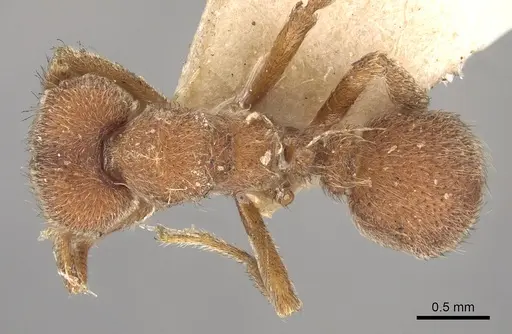
CASENT0904987
View on AntWeb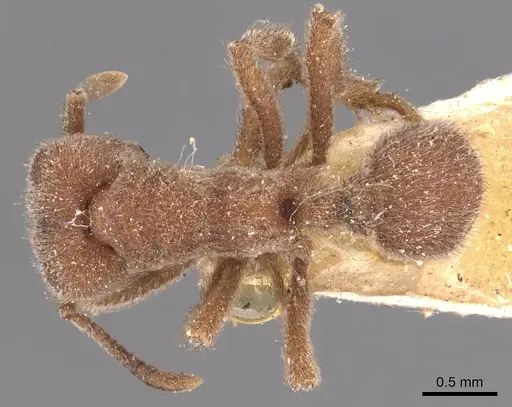
CASENT0904988
View on AntWeb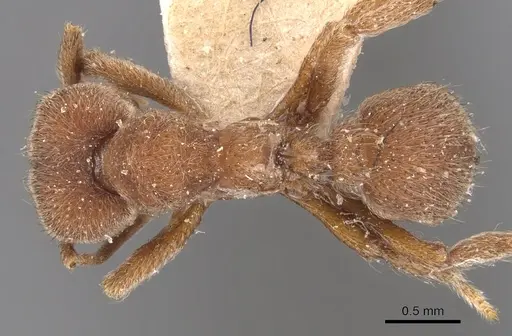
CASENT0909368
View on AntWeb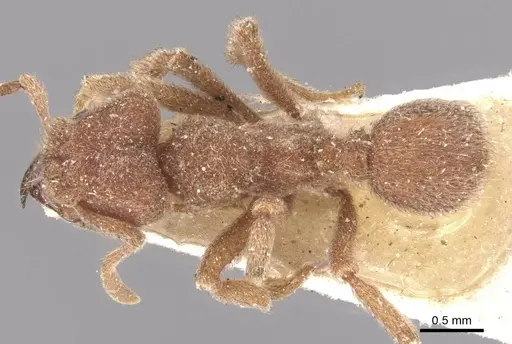
CASENT0909369
View on AntWeb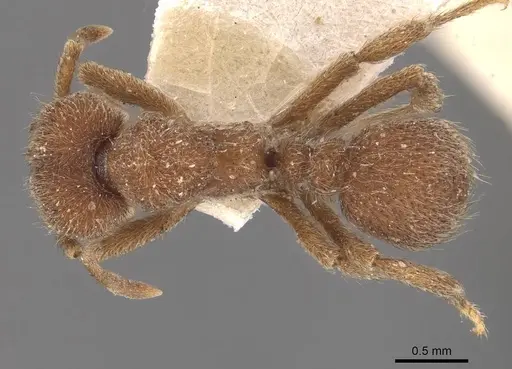
CASENT0915955
View on AntWeb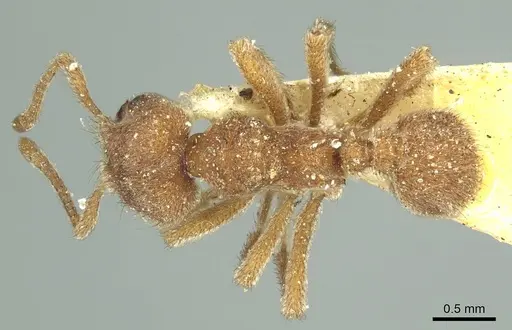
CASENT0915956
View on AntWeb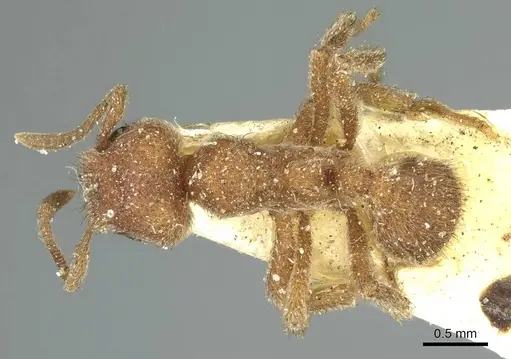
CBUMAGENT41871
View on AntWeb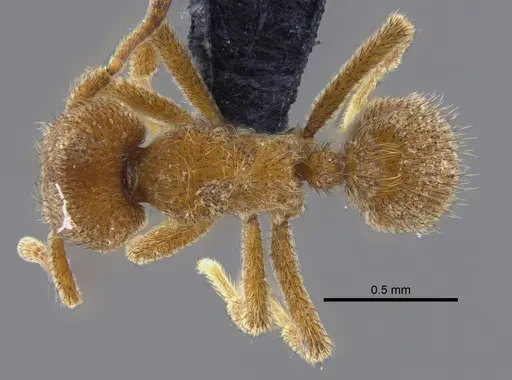
FOCOL2194
View on AntWeb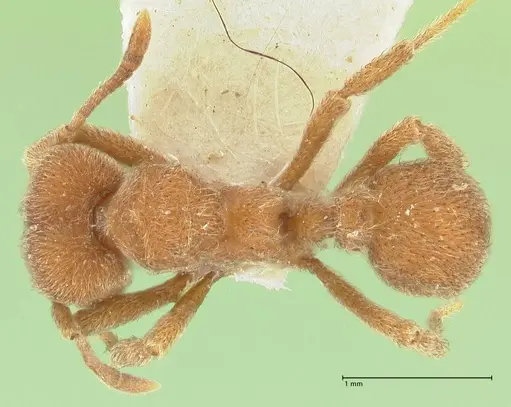
USNMENT00305214
View on AntWeb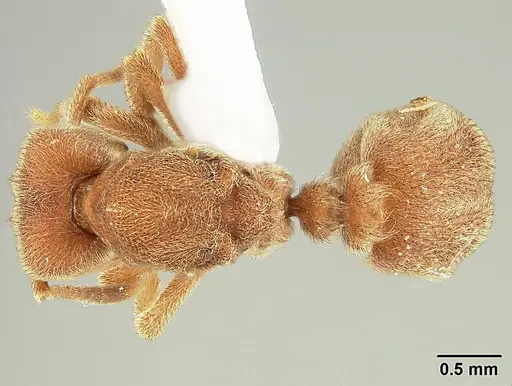
USNMENT01125118
View on AntWeb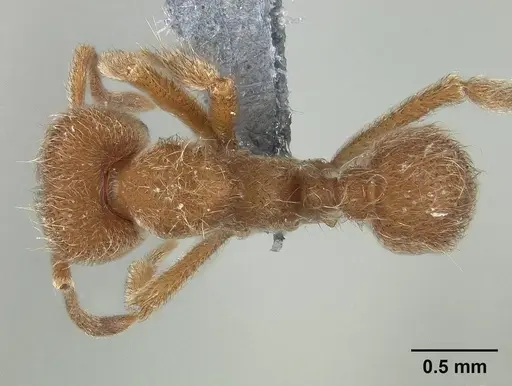
USNMENT01125124
View on AntWeb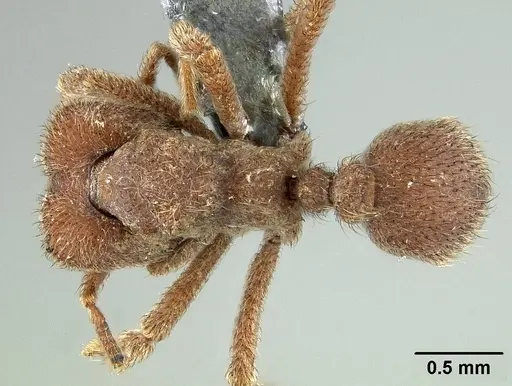
USNMENT01125314
View on AntWeb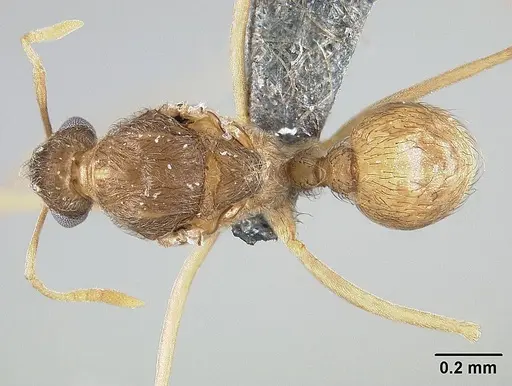
USNMENT01125317
View on AntWeb
USNMENT01125331
View on AntWeb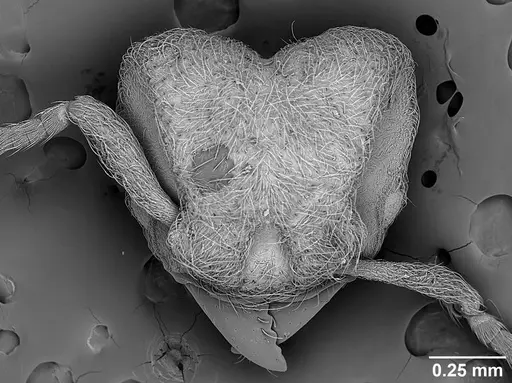
Literature
Loading distribution map...Loading products...