
Sericomyrmex amabilis
- Sci. Name
- Sericomyrmex amabilis
- Tribe
- Attini
- Subfamily
- Myrmicinae
- Author
- Wheeler, 1925
- Distribution
- Found in 8 countries
Introduction
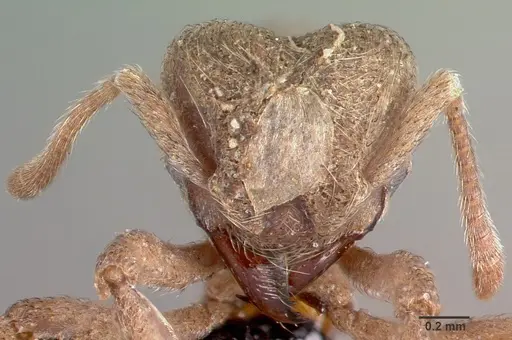
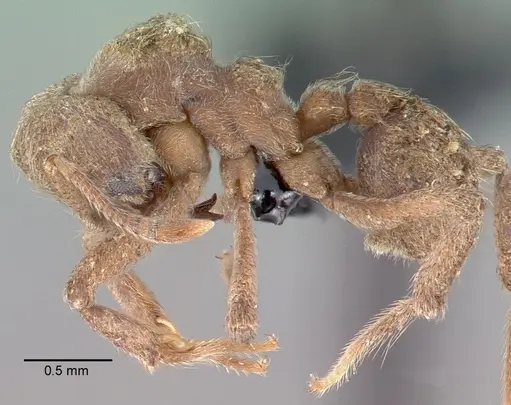
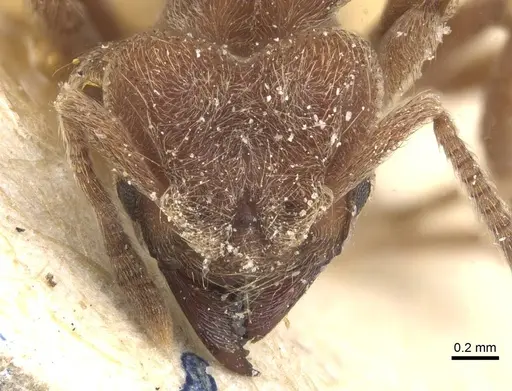
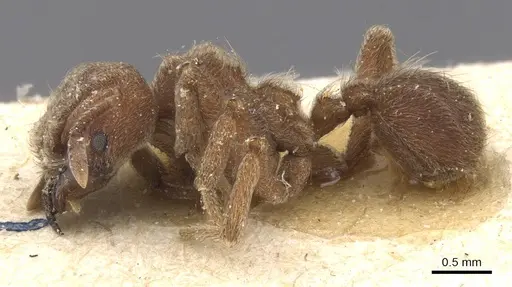
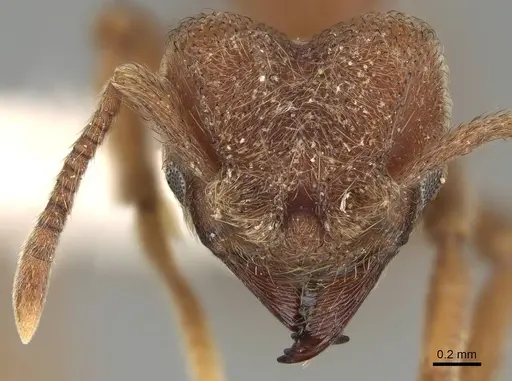
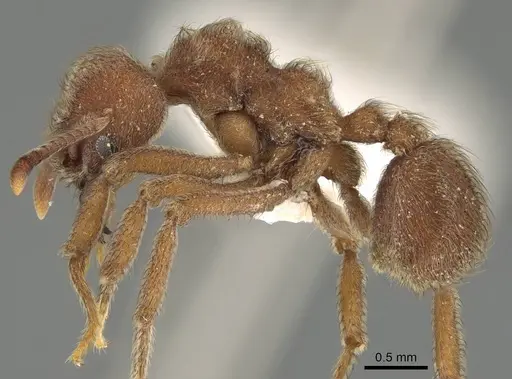
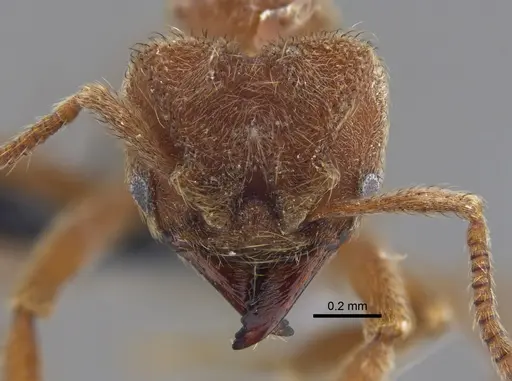
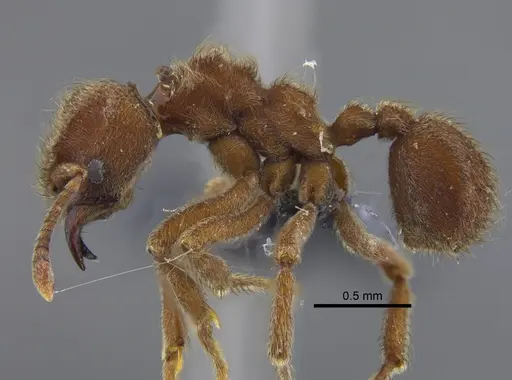
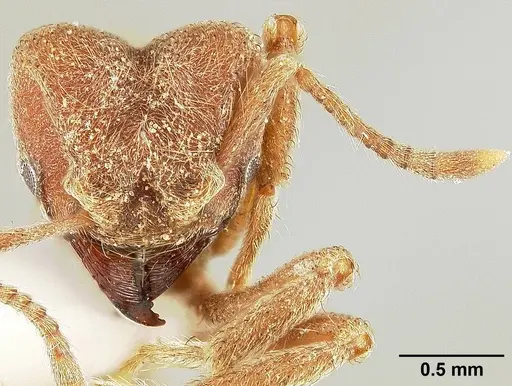
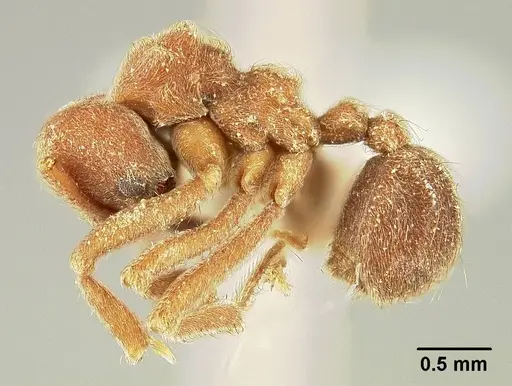
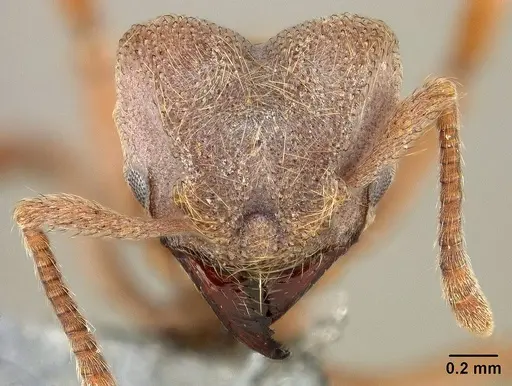
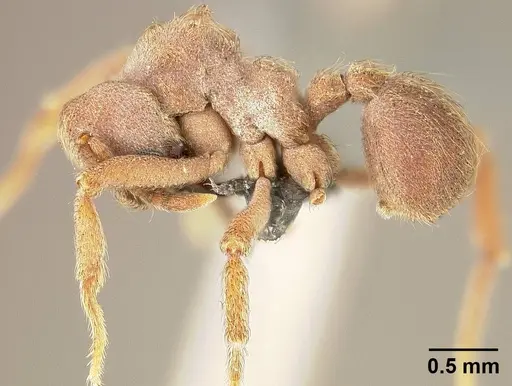
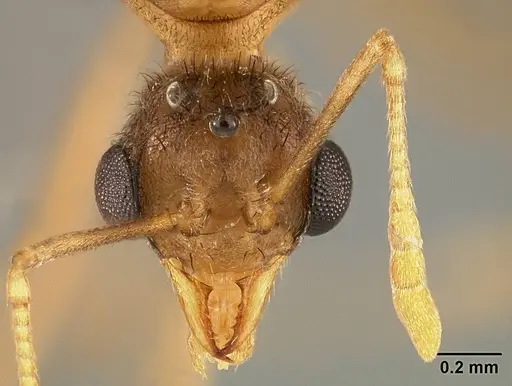
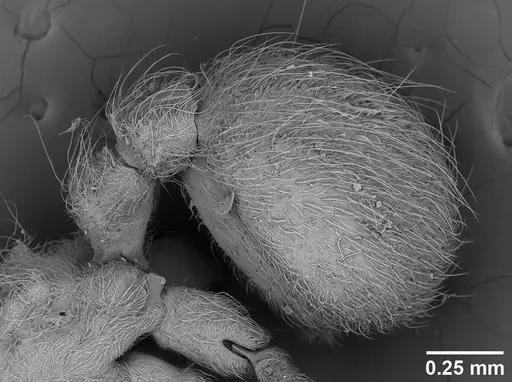
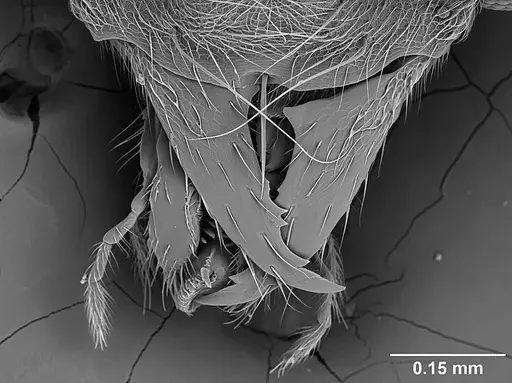
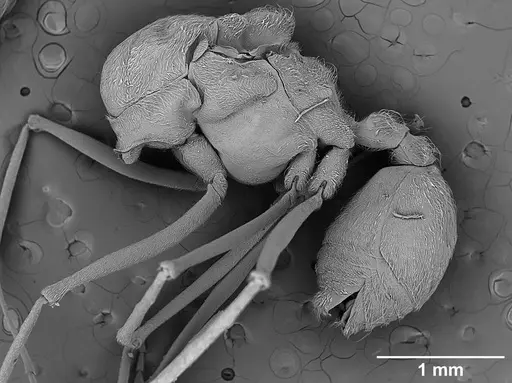
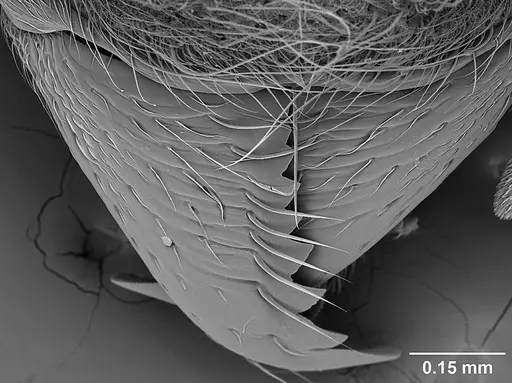
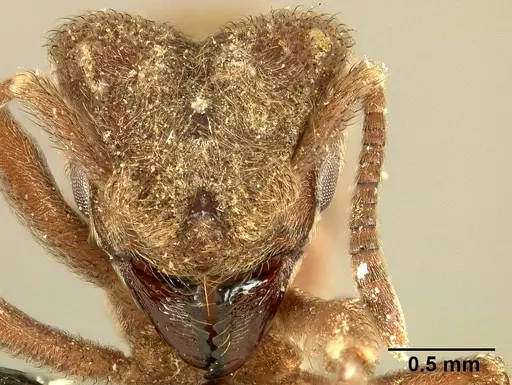
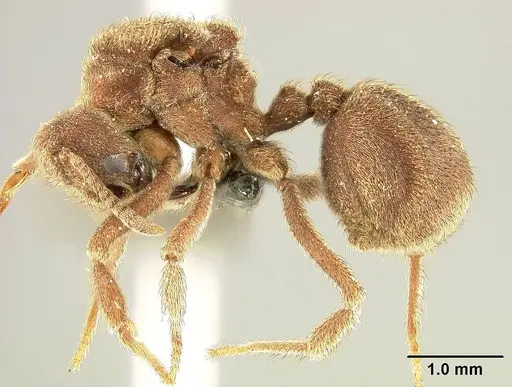
Sericomyrmex amabilis is a medium-sized fungus-growing ant from Central and South America, ranging from Mexico down through Colombia, Ecuador, and Venezuela . Workers are medium-sized, with no exact body length available from research, but they are noticeably smaller than queens . Queens are larger and similarly lack precise length measurements in the literature . The species is characterized by usually striate mandibles (though some populations have smooth mandibles), complete frontal carinae, and triangular frontal lobes . Unlike leaf-cutting ants, they do not cut fresh leaves - instead, workers collect decaying organic matter and plant material to use as manure for their fungal gardens . This makes them one of the more accessible fungus-farming ants for captivity, as they don't require large quantities of fresh plant material. The species hosts the social parasite Megalomyrmex symmetochus, which lives within the fungal garden and provides protection against raider ants in exchange for food .
Quick Summary
- Difficulty: Medium
- Origin & Habitat: Found across Central America (Mexico, Guatemala, Honduras, Nicaragua, Panama) into South America (Colombia, Ecuador, Venezuela) in tropical forests at elevations of 5-1009m [4][5]. They inhabit primary and secondary rainforest, dry forest, xeric open habitats, coffee plantations, and forest edges [4].
- Colony Type: Primarily single-queen colonies, a study in Panama found 40 out of 44 nests had a single foundress queen, with the remaining 4 nests having 2-4 queens [4]. This makes them functionally monogyne for most practical purposes, though pleometrosis (multiple foundresses) occurs occasionally.
- Size & Growth:
- Queen: Size data unavailable, described as medium-sized [1]
- Worker: Size data unavailable, described as medium-sized [1]
- Colony: Up to 2000 workers in mature colonies [6], though wild nests often contain 455-565 individuals [4]
- Growth: Moderate, fungus farming adds time to development compared to non-farming ants
- Development: Estimated 8-12 weeks based on related Attini species development patterns, direct measurements unavailable for this species (Development is likely slower than non-farming ants due to the additional time needed for fungal symbiont establishment. Temperature will significantly affect development speed.)
- Antkeeping:
- Temperature: Keep at 24-27°C, these are tropical ants that need warm, stable temperatures [4]. Avoid temperatures below 22°C for extended periods. Temperature range is inferred from habitat.
- Humidity: High humidity required, the fungal garden needs consistent moisture. Use a water reservoir or regular misting to maintain substrate dampness. Based on tropical forest habitat and fungus-farming needs (no exact humidity data available).
- Diapause: No, being a tropical species, they do not require hibernation. Maintain warm temperatures year-round.
- Nesting: Natural nests have soil mound entrances (16×30 cm) with 2.5-3mm openings, typically 1-5 chambers at depths of 2-25cm [4]. In captivity, a plaster nest or Y-tong formicarium with a fungal garden chamber works well. Provide a chamber large enough for the fungal garden.
- Behavior: Workers are relatively docile and non-aggressive compared to many Myrmicinae. They have vestigial stings and typically feign death when threatened rather than attacking [3]. Workers forage for decaying plant matter and organic debris to feed their fungal symbiont. They do not exhibit aggressive territorial behavior. Escape risk is moderate, workers are small but not particularly fast or agile. They are primarily ground-dwelling and do not climb well on smooth surfaces.
- Common Issues: Fungal garden health is critical, if the fungus dies, the colony will starve. The garden requires consistent moisture and proper substrate., Social parasite contamination, Megalomyrmex symmetochus can infect colonies. Quarantine new acquisitions and monitor for guest ants., Overheating or drying out can kill the fungal garden quickly. Maintain stable humidity and avoid direct heat sources., Small colony size means slower population growth, don't expect rapid expansion like with some Lasius or Camponotus species., Nutritional management matters, they regulate the protein-to-carbohydrate ratio when foraging, so provide varied organic matter [2].
Housing and Nest Setup
Sericomyrmex amabilis requires housing that accommodates their fungal farming lifestyle. A plaster nest or Y-tong formicarium works well, with a dedicated chamber for the fungal garden that remains consistently moist. The nest should have chambers sized appropriately for their colony, wild colonies typically have 1-5 chambers with volumes around 200+ cm³ [4]. Provide a water reservoir connected to the nest area to maintain humidity without over-saturating the substrate. Escape prevention is moderate concern, while workers are small, they are not particularly agile climbers. Standard barrier methods (fluon on rim, tight-fitting lids) are sufficient. The outworld should be simple and easy to clean, as you will be providing organic matter for the fungus rather than sugar water or protein prey.
Feeding and the Fungal Garden
This is the most critical aspect of keeping Sericomyrmex amabilis. Unlike most ants that you feed directly, these ants farm a fungal symbiont for food. Workers collect decaying organic matter, plant material, and detritus to use as manure for the fungus [2]. In captivity, provide small pieces of dried leaves, flower petals, wood fragments, or other plant-based matter. The ants will process this into the fungal garden. Fresh fruit and vegetable matter can be offered in small amounts, but avoid anything with strong oils or spices. Do not offer sugar water or honey, these ants get their carbohydrates from the fungal symbiont [2]. Protein comes from the fungus itself and any small arthropods the workers capture. The fungal garden is the heart of the colony, if it dies, the colony will starve. Keep the garden moist but not waterlogged, and provide fresh organic matter regularly.
Temperature and Humidity
As a tropical species from Central and South American forests, Sericomyrmex amabilis requires warm, humid conditions year-round. Maintain temperatures between 24-27°C, this range supports both ant and fungal garden health [4]. Temperatures below 22°C for extended periods can slow colony growth and harm the fungus. Use a heating cable on one side of the nest if room temperature is insufficient, but ensure there is a temperature gradient so ants can choose their preferred zone. Humidity should be kept high, the fungal garden requires consistent moisture. Check regularly and mist or refill water reservoirs as needed. Poor humidity leads to fungal garden desiccation and colony failure. Avoid placing the nest near air conditioning vents or in drafty areas.
Colony Development and Growth
Sericomyrmex amabilis colonies grow more slowly than many common ant species due to the additional time investment in fungal garden maintenance. A newly founded colony will take several months to establish a stable fungal garden and produce significant numbers of workers. Mature colonies can reach approximately 2000 workers [6], though wild colonies often peak around 500-600 individuals [4]. The queen founding behavior is not precisely documented, but research shows queens start nests in small chambers with a fungal garden [7]. First workers (nanitics) are smaller than mature workers and will begin helping tend the fungal garden. Growth rate depends heavily on fungal garden health, a thriving garden accelerates colony growth, while a struggling garden slows everything down. Be patient with these ants, rapid growth should not be expected.
Defense and Behavior
Workers are relatively docile and possess only vestigial stingers that are rarely used in defense [3]. When threatened, they more commonly feign death (thanatosis) rather than engage. This makes them safe to handle, though handling is not recommended as stress can harm the colony. The species is known for its relationship with the social parasite Megalomyrmex symmetochus, which invades nests and lives off the fungal garden while providing protection against raider ants like Gnamptogenys hartmani [3]. In captivity, watch for any guest ants that might be introduced with wild colonies. Workers forage individually or in small groups for organic matter rather than forming large foraging columns. They are not aggressive toward humans or other large animals.
Seasonal Care
Unlike temperate ants, Sericomyrmex amabilis does not require hibernation or winter dormancy. Maintain warm temperatures and high humidity throughout the year. Seasonal changes in the wild (wet/dry seasons) may affect activity levels slightly, but in captivity with stable conditions, year-round activity is normal. During rainy season periods in their native range, colonies may produce alates (reproductives). If you keep a mature, healthy colony long enough, you may eventually see winged queens and males develop. Do not attempt to release these ants in non-native regions, they are not established in North America or Europe, and fungus-farming ants could potentially become invasive. If you can no longer keep your colony, consult local regulations about ant disposal. [4][5]
Frequently Asked Questions
How do I feed Sericomyrmex amabilis ants?
You don't feed the ants directly, you feed their fungal garden. Provide small pieces of decaying plant matter, dried leaves, flower petals, wood fragments, or similar organic debris. The ants will process this into their fungal garden, which is their primary food source [2]. Avoid sugar water, honey, or processed foods. Fresh fruit and vegetable matter can be offered occasionally in small amounts.
Can I keep Sericomyrmex amabilis in a test tube?
A test tube can work for a newly caught queen during founding, but established colonies need more space for the fungal garden. Once the colony has 10+ workers and a visible fungal mass, transfer to a small formicarium or plaster nest with a dedicated moist chamber for the garden. The garden needs room to grow and cannot be maintained in a standard test tube setup long-term [4].
How long does it take for first workers to emerge?
Based on related Attini species, expect 8-12 weeks from egg to first worker at optimal temperature (24-27°C). Development is slower than non-farming ants because the colony must establish its fungal symbiont simultaneously. Be patient, the founding process takes time, and the first workers (nanitics) will be smaller than mature workers.
Are Sericomyrmex amabilis good for beginners?
They are rated as medium difficulty. While not as challenging as some specialized fungus-farming species, they require more attention to fungal garden health than typical ants. You need to understand the fungus-farming relationship and be prepared to provide organic matter regularly. They are not recommended as a first ant, but experienced antkeepers with some background in Myrmicinae care should manage them well [2].
What temperature do they need?
Keep them at 24-27°C. These are tropical ants from Central and South American forests, so they need warm, stable temperatures year-round [4]. Avoid temperatures below 22°C for extended periods. A heating cable on one side of the nest can help maintain proper temperatures, but always provide a gradient so ants can thermoregulate.
How big do colonies get?
Mature colonies can reach approximately 2000 workers [6]. However, wild colonies often peak around 500-600 individuals [4]. Growth is moderate and depends heavily on fungal garden health. Don't expect rapid expansion, these ants grow more slowly than many common pet species.
Do they need hibernation?
No. Being a tropical species, they do not require hibernation or winter dormancy. Maintain warm temperatures (24-27°C) and high humidity year-round. Unlike temperate ants, they remain active throughout the year in captivity [4].
Why is my fungal garden dying?
The most common causes are: 1) Too dry, the garden needs consistent moisture, mist regularly or use a water reservoir, 2) Too wet/soggy, fungal gardens need moisture but also air flow, avoid waterlogging, 3) Temperature stress, too cold or too hot can harm the fungus, 4) Contamination, avoid touching the garden with bare hands, oils and salts kill fungus. Ensure proper humidity, stable temperatures, and provide appropriate organic matter [2].
Can I keep multiple queens together?
In the wild, approximately 9% of nests have multiple queens (2-4 foundresses) in a phenomenon called pleometrosis [4]. However, most colonies are founded by single queens. For captive care, start with a single queen. Combining unrelated queens is not recommended and may result in fighting. If you acquire a wild colony, it will typically have just one functional queen [4].
Report an Issue
The current care sheet is based fully on literature. See inconsistencies, or something that's incorrect? Please , it will be resolved after review from an admin. Contributing to the blogs tab also helps providing information, to make us be able to further improve the caresheets. Thank you for your support!
References

This caresheet is licensed under CC BY-SA 4.0 .
Community Blogs
CASENT0039728
View on AntWeb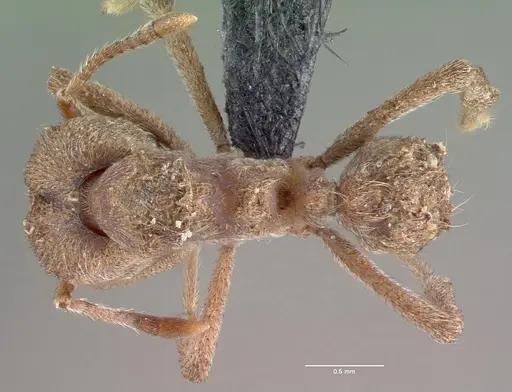
CASENT0912515
View on AntWeb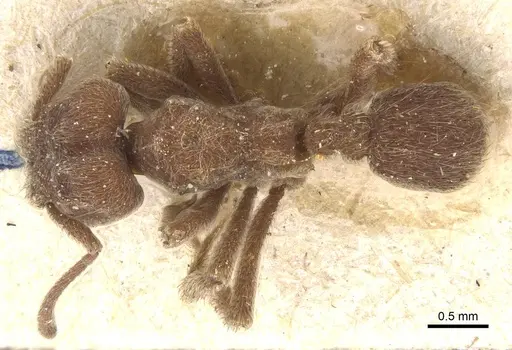
CASENT0922156
View on AntWeb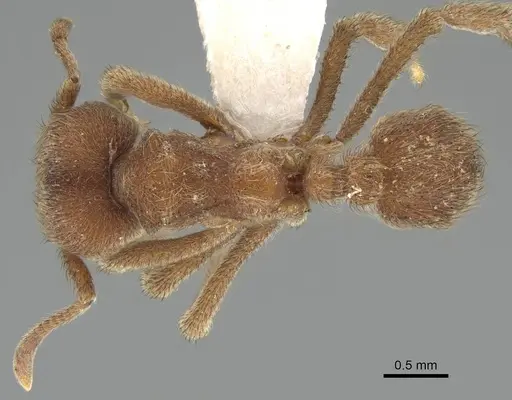
CBUMAGENT41882
View on AntWeb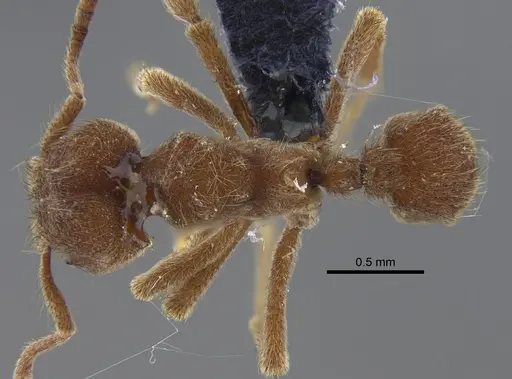
USNMENT00308236
View on AntWeb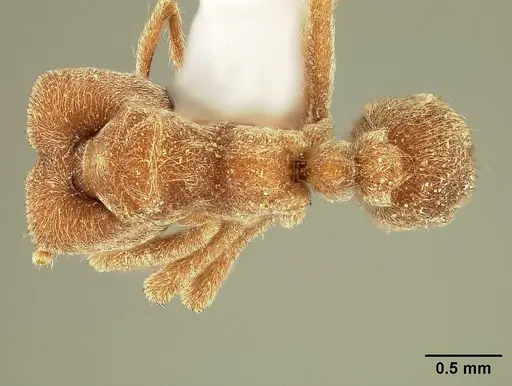
USNMENT01125194
View on AntWeb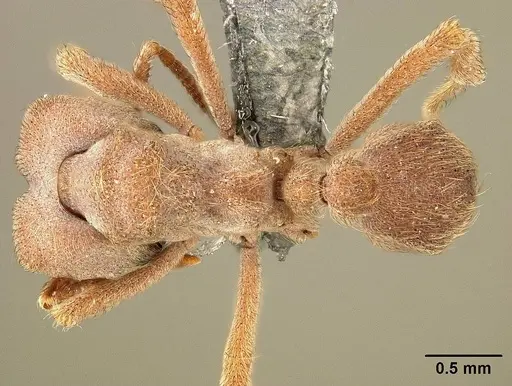
USNMENT01125846
View on AntWeb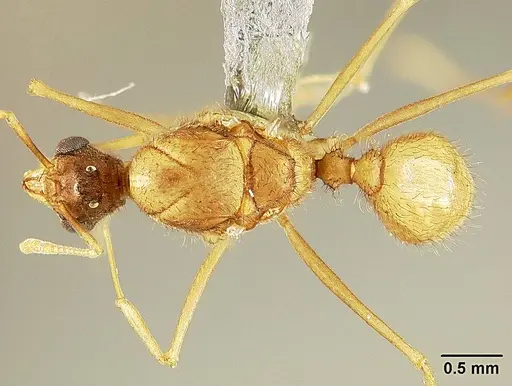
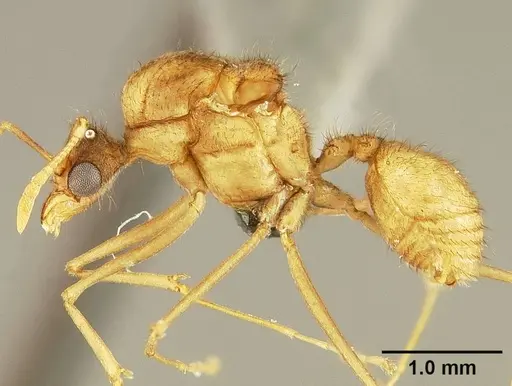
USNMENT01125862
View on AntWeb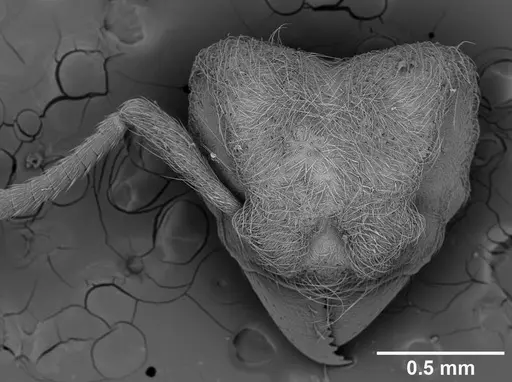
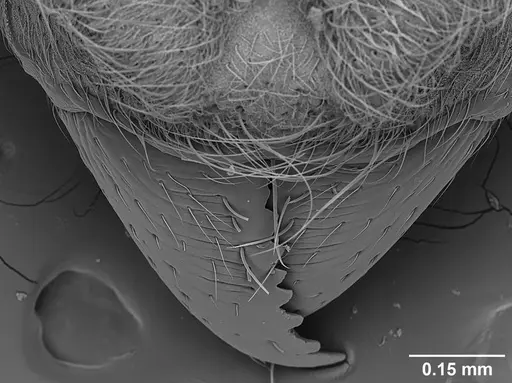
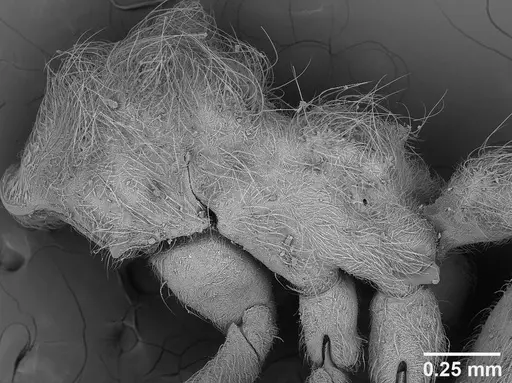
USNMENT01125863
View on AntWeb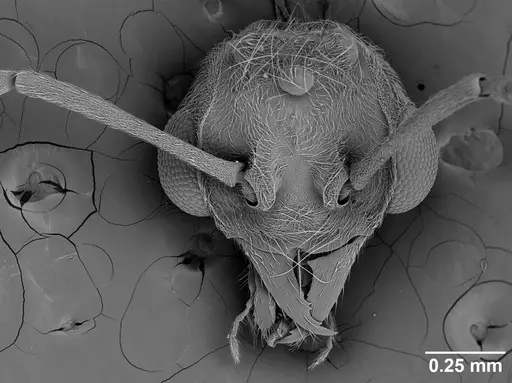
USNMENT01125864
View on AntWeb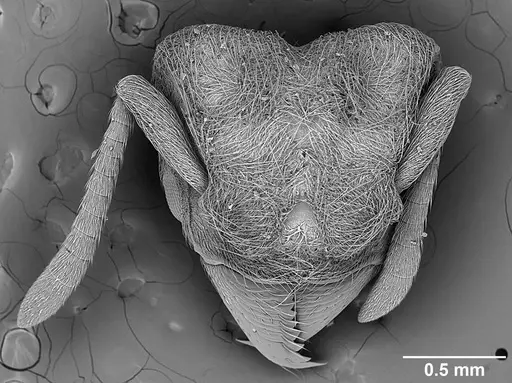
USNMENT01125871
View on AntWeb
USNMENT01126216
View on AntWeb
Literature
Loading distribution map...Loading products...