
Royidris clarinodis
- Sci. Name
- Royidris clarinodis
- Tribe
- Crematogastrini
- Subfamily
- Myrmicinae
- Author
- Heterick, 2006
- Distribution
- Found in 1 countries
Introduction
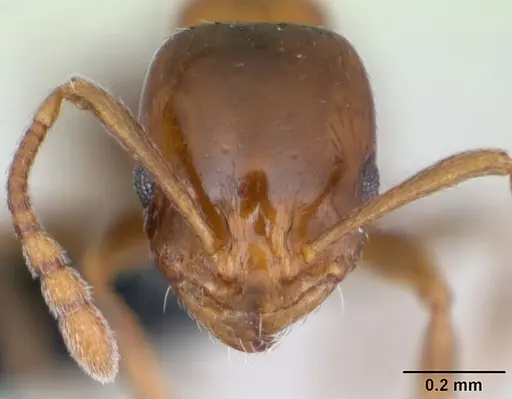
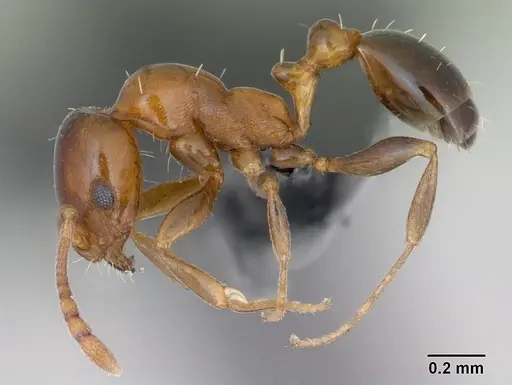
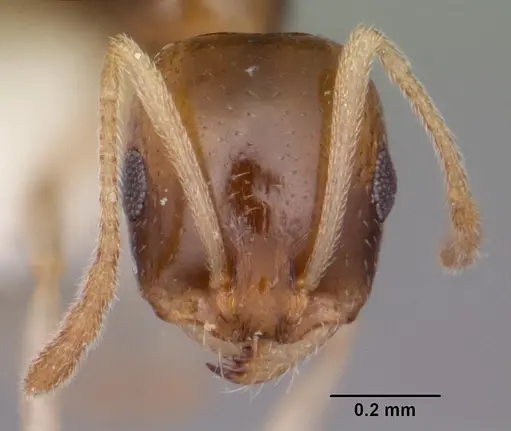
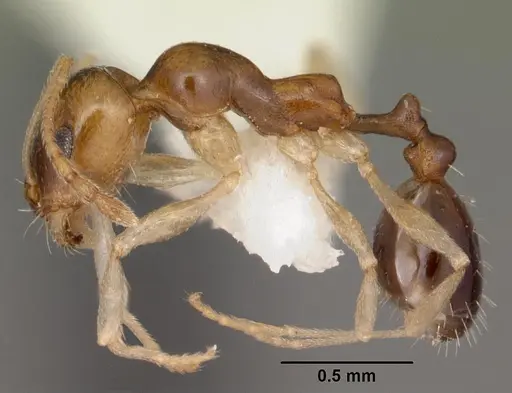
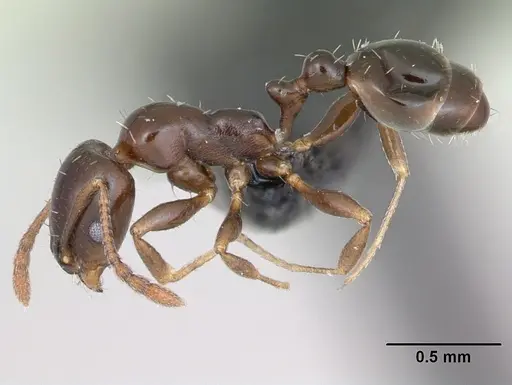
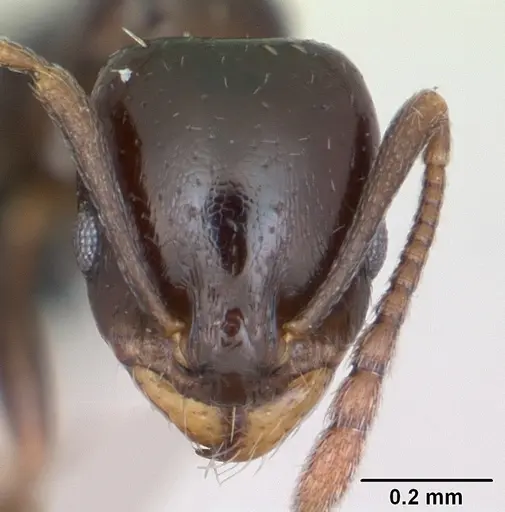
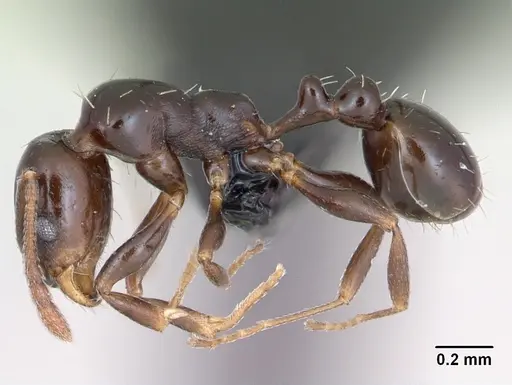
Royidris clarinodis is a tiny myrmicine ant endemic to Madagascar. Workers are 2.0-2.5 mm long with a smooth, unsculptured head, a 3-segmented antennal club, and a sharply impressed V-shaped metanotal groove that separates them from other species in the robertsoni group . Color varies from orange or yellowish with a light brown gaster to uniform dark chocolate brown . Originally described as Monomorium clarinodis, it was moved to Royidris in 2014 . Queens have been described but their body size is not known . These ants inhabit Madagascar's spiny forest, shrubland, and uapaca woodland, nesting under stones and also found in leaf litter and as ground foragers . Like other members of the tribe Crematogastrini, they defend themselves by smearing venom with a modified flattened stinger, rather than piercing. This species is rare in the antkeeping hobby and poorly studied in captivity, making it a challenge for experienced keepers.
Quick Summary
- Difficulty: Expert
- Origin & Habitat: Endemic to Madagascar, specifically Toliara Province. Found in spiny forest, shrubland, and uapaca woodland, nesting under stones and in leaf litter [1][2].
- Colony Type: Unconfirmed. A queen has been described, but colony founding behavior, social structure, and queen number are not documented [2].
- Size & Growth:
- Queen: Size data unavailable, only head measurements are recorded, not total length [2].
- Worker: 2.0-2.5 mm total length [1].
- Colony: Unknown, no colony size data from research.
- Growth: Unknown, no development timing data exists.
- Development: Unconfirmed. Based on patterns in related Malagasy Myrmicinae, development may take 6-10 weeks at optimal temperature (around 24-26°C), but this is an estimate. (No direct observations exist for Royidris clarinodis. The timeline is inferred from related species.)
- Antkeeping:
- Temperature: Based on the spiny forest habitat of Madagascar (tropical dry forest), a range of 22-26°C is recommended. Provide a gentle temperature gradient so workers can self-regulate. Avoid temperatures above 30°C or below 18°C [1].
- Humidity: Moderate humidity is preferred, these ants live in seasonal dry forest and nest under stones, suggesting they tolerate drier conditions than rainforest species. Keep substrate lightly moist but allow drying periods between waterings.
- Diapause: Unknown. No research exists on seasonal dormancy. Diapause is not confirmed and may not be required.
- Nesting: In nature they nest under stones and in leaf litter. In captivity, use a naturalistic setup with sandy soil for tunneling or a Y-tong/plaster nest with narrow chambers. Provide both moist and dry zones to mimic under-stone conditions.
- Behavior: Temperament is unknown due to lack of observations. They are small ground-foragers likely searching for small prey and honeydew. Their primary defense is venom smearing (typical of tribe Crematogastrini), not stinging. Because workers are under 3 mm, escape prevention is critical, use fine mesh barriers and tight seals.
- Common Issues: tiny size makes escape likely without fine mesh barriers (gaps under 1 mm)., colony growth is extremely slow with no documented development timeline., limited availability in antkeeping trade, wild-caught colonies may have been illegally collected from protected areas., humidity requirements are poorly understood, risk of over-moistening or drying out the colony., no established feeding protocols, diet acceptance is unknown and may require experimentation.
Housing and Nest Setup
Because Royidris clarinodis is so tiny, you need a setup scaled to their size. In the wild they nest under stones in Madagascar's spiny forest [1]. A naturalistic setup with a thin layer of sandy soil or a plaster/Y-tong nest with narrow chambers works well. For a founding colony, a standard test tube works, but pack the cotton very tightly, these ants can squeeze through gaps that larger species cannot. Once the colony grows (if it does), move to a small formicarium with narrow tunnels. Provide both moist and dry areas in the nest, mimicking the variable conditions under stones.
Feeding and Diet
No one has documented what Royidris clarinodis eats. Based on related Malagasy Monomorium species, they likely accept small protein sources like fruit flies, pinhead crickets, and springtails, plus sugar water or honey water [2]. Start by offering a tiny drop of honey water and observe for 24-48 hours. For protein, offer appropriately sized live or frozen prey. Remove uneaten food quickly to avoid mold. Be prepared to experiment, this species is a blank slate in captivity.
Temperature and Seasonal Care
Royidris clarinodis comes from Madagascar's spiny forest, a tropical dry forest with warm conditions year-round [1]. Aim for 22-26°C and provide a gentle temperature gradient using a small heating cable on one side. This lets workers choose their preferred spot. There is no research on diapause. Madagascar does have a cooler season, but it's unknown whether these ants need a rest period. Until more is known, keep conditions stable and avoid experimenting with cooling unless you see natural slowdown.
Handling and Colony Maintenance
This species is not for beginners. Their tiny size (workers under 3 mm) makes them easy to lose or crush. Use smooth tools and avoid bright lights during transfers. Escape prevention is the top concern, these ants can squeeze through gaps that appear sealed. Use fluon on container rims and ensure all lids close tightly with no gaps larger than 1 mm. They defend by smearing venom, but it's harmless to humans. Monitor colony health closely, problems are hard to spot in such small colonies. [1][2]
Frequently Asked Questions
How long does it take for Royidris clarinodis to go from egg to worker?
That timeline is unknown. No scientific observations exist. Based on related Myrmicinae from Madagascar, you might expect 6-10 weeks at around 24-26°C, but this is a rough guess.
What do Royidris clarinodis ants eat?
Their natural diet hasn't been studied. Likely they take small live prey (fruit flies, springtails) and sugar sources. Start with honey water and tiny protein items, then adjust based on what your colony accepts [2].
Are Royidris clarinodis good for beginners?
No. Their care is undocumented, they're extremely small and escape-prone, and they're rarely available. This species is best left to experienced keepers willing to experiment.
Do Royidris clarinodis ants sting?
They have a modified stinger used for smearing venom, not piercing. This is typical of the tribe Crematogastrini. The venom is unlikely to be noticeable to humans because of their tiny size.
Can I keep multiple Royidris clarinodis queens together?
Colony structure is unknown, no research says whether they're single-queen or multiple-queen. Combining queens is not recommended without more information.
What temperature do Royidris clarinodis need?
Based on their spiny forest habitat, aim for 22-26°C with a gradient. Avoid temperatures above 30°C or below 18°C for long periods [1].
How big do Royidris clarinodis colonies get?
Colony size is unknown, no data exists. Given their tiny worker size (2-2.5 mm) and rarity in collections, colonies are likely small, but there are no confirmed numbers.
Do Royidris clarinodis need hibernation?
Diapause requirements are unknown. Madagascar has seasonal variation, but it's not confirmed whether these ants need a cool rest period. If your colony slows down naturally in winter, you can try a mild cool-down (15-18°C), but this is experimental.
Why are my Royidris clarinodis dying?
Without documented care, it's hard to say. Common problems are escape (check seals), humidity extremes (too wet or too dry), temperature stress, or poor colony health from collection. Ensure excellent escape prevention and offer a moisture gradient. Ask experienced keepers for help.
When should I move Royidris clarinodis to a formicarium?
There is no set rule. Since growth is unknown, wait until the colony is big enough that workers are crowded in the test tube. Then move to a small formicarium with narrow tunnels. Use a smooth transition to minimise stress.
Report an Issue
The current care sheet is based fully on literature. See inconsistencies, or something that's incorrect? Please , it will be resolved after review from an admin. Contributing to the blogs tab also helps providing information, to make us be able to further improve the caresheets. Thank you for your support!
References

This caresheet is licensed under CC BY-SA 4.0 .
Community Blogs
CASENT0019565
View on AntWeb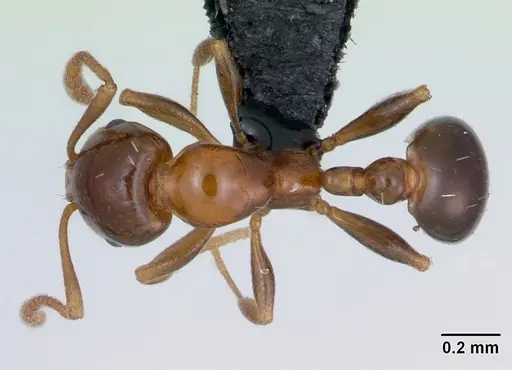
CASENT0102685
View on AntWeb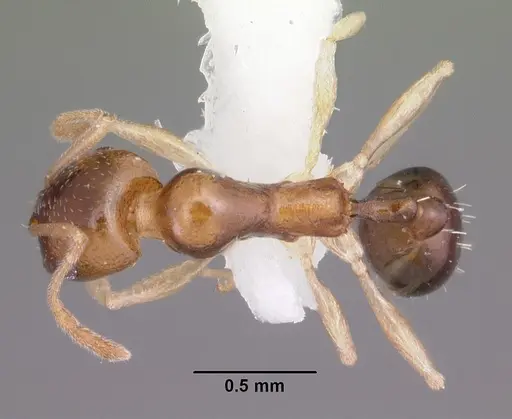
CASENT0453836
View on AntWeb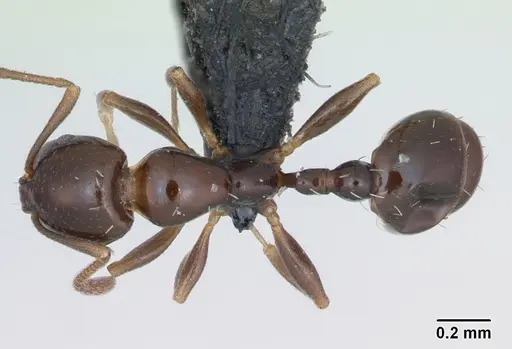
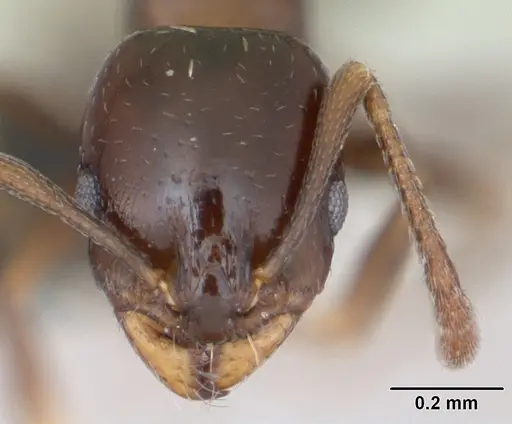
CASENT0453839
View on AntWeb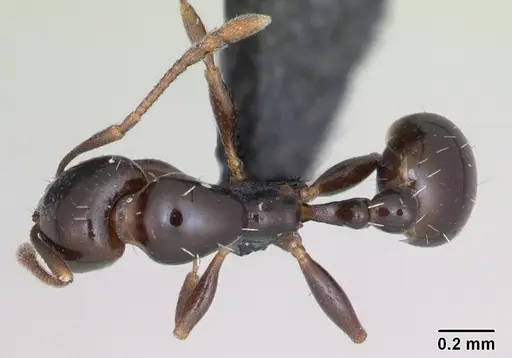
Literature
Loading distribution map...Loading products...